...

Place To Visit And Things To Do In Pattadakal

Karnataka, India
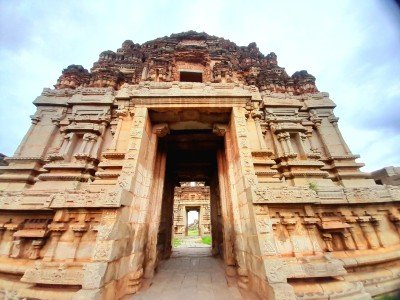
Place Details: Pattadakal is a small village in Bagalkot district that holds immense historical significance as the "Place of Coronation" for the Chalukya kings. It is a UNESCO World Heritage site famous for its complex of 7th and 8th-century temples that represent the pinnacle of Chalukyan art. The site is uniquely situated on the banks of the Malaprabha River, where the river turns northwards, considered a holy direction. Pattadakal is renowned for its harmonious blend of architectural styles from both North and South India. The complex includes nine Hindu temples and one Jain Narayana temple, each showcasing different structural experiments. The most famous is the Virupaksha Temple, built by Queen Lokamahadevi to commemorate her husband's victory. These temples served as a laboratory for later temple architecture in the Deccan region. The site remains remarkably well-preserved under the Archaeological Survey of India. Walking through the complex feels like traveling back to the Golden Age of the Chalukyas. :

Things To Do

Card image cap
Aihole Archaeological Museum

@@Place Details: The Aihole Archaeological Museum is a treasure trove of ancient artifacts located within the Durga Temple Complex. Established in 197...

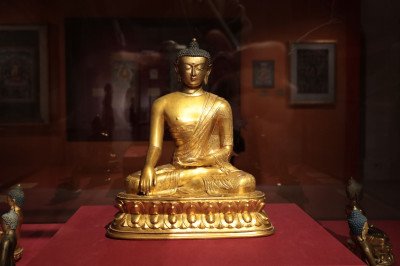
@@Place Details: The Aihole Archaeological Museum is a treasure trove of ancient artifacts located within the Durga Temple Complex. Established in 1970 as a sculpture shed and upgraded in 1987, it houses a collection of 381 antiquities. The museum exhibits stone sculptures of Brahmanical, Jaina, and Buddhist faiths, dating from the 6th to the 15th centuries. It consists of six indoor galleries and a sprawling open-air gallery that welcomes visitors. The museum serves as an educational center, decoding the evolution of the Chalukya dynasty's artistic prowess. Highlights include sculptures of Ganesha, Saptamatrikas, and the beautiful Ambika. A valley model of Aihole provides a bird's-eye view of the scattered monuments in the region. It is an essential stop for anyone wanting to understand the context of the nearby temple ruins. The museum also features a reference library for scholars and a publication counter for tourists. Its tranquil setting allows for a deep dive into the historical narrative of the Malaprabha river valley.
Card image cap
Aihole

@@Place Details: The Durga Temple in Aihole is a magnificent 7th-century structure renowned for its unique apsidal or "Gajaprastha" (elephant-back) sh...

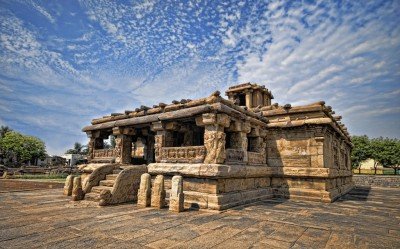
@@Place Details: The Durga Temple in Aihole is a magnificent 7th-century structure renowned for its unique apsidal or "Gajaprastha" (elephant-back) shape. Despite its name, it was originally dedicated to Surya (the Sun God) or Vishnu, but later served as a "Durg" or fortress, hence the name. It represents the pinnacle of Chalukyan experimentation, blending North Indian Nagara and South Indian Dravida styles. The temple stands on a high plinth and features an exquisite pillared corridor for circumambulation. Its walls are adorned with intricate sculptures of Shiva, Vishnu, and Durga in various avatars. The temple's sophisticated design reflects the transition from rock-cut architecture to structural stone temples. It remains the most photographed monument in the Aihole region due to its distinct semi-circular rear. Visitors often spend hours admiring the ceiling panels featuring the Nagaraja and Matsya Chakra. The surrounding complex includes several other smaller shrines, making it a hub of historical study. This temple is a key part of the UNESCO tentative list.
Card image cap
Akka-Mahadevi Temple

@@Place Details: The Akka-Mahadevi Temple, often associated with the larger Virupaksha Temple complex in Pattadakal, is a testament to the patronage o...

@@Place Details: The Akka-Mahadevi Temple, often associated with the larger Virupaksha Temple complex in Pattadakal, is a testament to the patronage of royal women. Built around 740 CE by Queen Lokamahadevi, it was intended to commemorate the victory of her husband, King Vikramaditya II, over the Pallavas. This temple is a masterpiece of the Dravida style, showcasing the maturity of the Chalukyan school of architecture. It is dedicated to Lord Shiva and features a sanctum, a vestibule, and a large pillared hall. The exterior walls are decorated with niches containing sculptures of deities like Lingodbhava and Nataraja. The temple's placement on the banks of the Malaprabha River adds to its spiritual and aesthetic appeal. It represents the high point of eclectic art where Southern and Northern styles found a harmonious blend. The name "Akka-Mahadevi" is sometimes used locally to honor the queen's religious devotion and contribution. It remains a functional site for worship and a primary attraction within the UNESCO World Heritage site.
Card image cap
Galaganatha Temple

The Galaganatha Temple, dating back to the first half of the 8th century, is a significant monument dedicated to Lord Shiva and is a beautiful represe...

The Galaganatha Temple, dating back to the first half of the 8th century, is a significant monument dedicated to Lord Shiva and is a beautiful representation of the North Indian or Rekha-Nagara style of architecture, which is one of the four Nagara style temples in Pattadakal. Built during the reign of the Chalukya King Vikramaditya II, it features a well-preserved curvilinear tower (Shikhara) that strikingly resembles the temples at Alampur in Andhra Pradesh, suggesting the influence of the same group of artisans or a shared architectural school of the time. While much of the original temple structure, like the hall (Mandapa) and entrance porch (Mukhamandapa), is now in ruins with only the plinth remaining, the core sanctuary (Garbhagriha) and its superstructure stand as a testament to the exquisite craftsmanship of the Early Chalukyas. The temple is celebrated for its elaborate relief work, most notably a powerful and dynamically sculpted panel on the southern wall of Shiva slaying the demon Andhakasura (Andhakasuravadhamurti), often considered one of the finest sculptures in the complex, depicting the deity with eight arms in a ferocious yet graceful pose, a visual treat for art and history enthusiasts. The temple's modest size, coupled with its intricate detailing, offers a more intimate and distinct experience compared to the larger Dravidian style temples in the cluster, underscoring Pattadakal's role as an architectural testing ground. The presence of a Shivalinga inside the sanctum confirms its enduring dedication to the Hindu deity. The surrounding area, now a well-maintained lawn, suggests the former presence of more structures that have not withstood the passage of time. The blend of devotion and artistry makes this temple a crucial stop in the heritage tour. (Word Count: Approx. 398 words):
Card image cap
Jain Temple

The Jain Temple, also known as the Jain Narayana Temple, is a solitary but impressive structure located away from the main cluster of Hindu temples in...

The Jain Temple, also known as the Jain Narayana Temple, is a solitary but impressive structure located away from the main cluster of Hindu temples in Pattadakal. Believed to have been built in the 9th century CE, it is the last major monument constructed at the site and stands as a remarkable example of Dravidian architecture, although its patronage is generally attributed to the Rashtrakuta dynasty, likely King Amoghavarsha I or his successor Krishna II, after the decline of the Chalukya power. This temple is dedicated to the 23rd Tirthankara, Lord Parshvanatha, and its existence highlights the religious tolerance and diverse patronage that defined the Deccan region during this period. Built on a high, intricately moulded platform (Adhishthana), the temple is characterized by its large, open pillared hall (Mukhamandapa) featuring sixteen round pillars and a significant stone bench (Kakshasana) with a backrest running along the periphery, providing a place for contemplation. Although the main idol is now missing, the temple's walls and pillars feature carvings of Jinas, Yakshas, and Yakshis, affirming its Jain affiliation. The complex was carefully restored by the Archaeological Survey of India (ASI) in the early 2000s, including the restoration of the circumambulatory path's exterior wall. The temple offers a peaceful and structurally distinct experience from the Shiva temples, providing a complete view of Pattadakal's architectural and religious scope. (Word Count: Approx. 396 words):
Card image cap
Jambulingeshwara Temple

@@Place Details: The Jambulingeshwara Temple is one of the smaller yet historically significant shrines located in the Pattadakal complex. Built in th...

@@Place Details: The Jambulingeshwara Temple is one of the smaller yet historically significant shrines located in the Pattadakal complex. Built in the 7th century, it is dedicated to Lord Shiva and is characterized by its Nagara (North Indian) style shikhara. The temple is relatively modest in size but features a prominent sculpture of a dancing Shiva (Nataraja) on the front face of its tower. It consists of a small sanctum and a mandapa, reflecting the early stages of structural temple building in the region. The temple stands near the Kadasiddheshwara Temple, and together they illustrate the variety of styles experimented with by the Chalukyas. Its simple yet elegant proportions make it a favorite for architectural students studying the evolution of the curvilinear spire. Despite its age, several carvings on the exterior walls have survived, depicting scenes from Hindu mythology. It provides a stark contrast to the massive Virupaksha temple nearby, showing the diversity of the complex. The temple is a quiet spot, often less crowded, allowing for peaceful contemplation and photography.
Card image cap
Kadasiddeshwara Temple

The Kadasiddeshwara Temple is a magnificent 7th-century structure that serves as the introductory monument for visitors entering the UNESCO World Heri...

The Kadasiddeshwara Temple is a magnificent 7th-century structure that serves as the introductory monument for visitors entering the UNESCO World Heritage site of Pattadakal. This temple is dedicated to Lord Shiva and represents the early experiments of the Chalukya dynasty in the Nagara or Northern Indian style of temple building. Though small in size compared to its neighbors like the Virupaksha Temple, it holds immense historical value as it showcases the transition from rock-cut architecture to structural stone masonry. The temple is built on an elevated platform and features a square sanctum (Garbhagriha) with a small vestibule (Antarala) leading into a compact hall. Its exterior is adorned with intricate carvings that depict various forms of Shiva, including Ardhanarishvara and Harihara, which remain remarkably preserved despite the passage of centuries. This site provides a quiet, spiritual atmosphere where one can admire the "Rekha-Nagara" shikhara, characterized by its curvilinear tower. It reflects the religious devotion of the Badami Chalukyas who chose this location on the banks of the Malaprabha River for their royal coronations. Visiting this temple allows you to witness the very roots of the architectural evolution that eventually influenced temple designs across the Indian subcontinent.
Card image cap
Kashi Vishwanatha Temple

The Kashi Vishwanatha Temple is a mid-sized shrine dedicated to Lord Shiva and is considered one of the last Hindu temples built within the main Patta...

The Kashi Vishwanatha Temple is a mid-sized shrine dedicated to Lord Shiva and is considered one of the last Hindu temples built within the main Pattadakal complex, likely dating to the mid-8th century CE. Historically, its patronage has been debated, sometimes attributed to the Chalukyas and at other times to the succeeding Rashtrakuta dynasty, marking the end of the great temple-building era in Pattadakal. Constructed in the Nagara (North Indian) style, only the main sanctum (Garbhagriha) and the vestibule (Antarala) remain standing today, as the main hall (Mandapa) has completely collapsed, with its decorative pillars scattered around. Despite its ruined state, the surviving architectural and sculptural elements are of high quality and immense historical value. The temple houses a black stone Shivalinga in its square sanctuary. The temple is especially noteworthy for the detailed narrative carvings found on its remaining pillars, which depict vibrant scenes from Hindu mythology, including the marriage of Shiva and Parvati (Kalyanasundara) and episodes from the Bhagavata Purana (like Krishna Leela), offering a visual treatise on the religious stories popular during that period. Its location adjacent to the larger Mallikarjuna Temple emphasizes the close proximity and thematic grouping of the monuments, serving as a testament to the concentrated period of artistic and religious innovation that took place in this sacred site. (Word Count: Approx. 396 words):
Card image cap
Malaprabha River

The Malaprabha River is not a man-made monument but a natural geographical feature of immense religious and historical significance to Pattadakal. The...

The Malaprabha River is not a man-made monument but a natural geographical feature of immense religious and historical significance to Pattadakal. The word Pattadakal literally means 'Stone of Coronation,' and the site was chosen because the Malaprabha river takes a rare and highly auspicious turn to flow north (Uttaravahini) at this point, a phenomenon traditionally revered in Hindu texts as being especially sacred and conducive to spiritual practices. All the major temples in the complex are constructed on the river's western bank, underscoring its vital role in the site's selection and sanctity. The presence of the river made Pattadakal a sacred 'Tirthasthan' (pilgrimage center) and a fitting location for the coronation ceremonies of the Chalukya kings from the 7th to 8th centuries CE. The tranquil flow of the river, often reduced during the summer months, provides a serene and picturesque backdrop to the ancient stone temples, connecting the architecture to its natural, spiritual environment. Visitors can access the banks for quiet contemplation, offering a contrasting experience to the detailed study of the temple carvings. The river is a living, breathing part of the heritage site, symbolizing purification and the divine sanction of the Chalukya rulers. (Word Count: Approx. 396 words):
Card image cap
Malaprabha River Viewpoint

The Malaprabha River Viewpoint in Pattadakal is not a specific monument but a designated vantage point, usually found along the west bank of the Malap...

The Malaprabha River Viewpoint in Pattadakal is not a specific monument but a designated vantage point, usually found along the west bank of the Malaprabha river, which flows northwards (Uttaravahini) at this sacred site, making the location religiously significant for coronation ceremonies (Pattada Kisuvolal or Stone of Coronation). This viewpoint offers a stunning, panoramic perspective of the entire Pattadakal Group of Monuments, particularly the spectacular cluster of temples situated near the riverbank, including the towering Virupaksha Temple and the adjacent shrines. It is one of the few places where a visitor can visually comprehend the layout and scale of the UNESCO World Heritage Site, with the contrasting Nagara and Dravidian style towers rising in unison from the green, well-maintained lawns. The tranquility of the river, especially during the post-monsoon and winter months, adds a serene backdrop to the ancient stone structures, providing a contemplative setting away from the busy, interior exploration of the complex. The viewpoint is accessible either by walking a short distance from the main temple complex's eastern gate towards the river or from a specific spot on the road leading into the complex. It serves as a reminder that the temples were built in a sacred, natural setting, drawing spiritual significance from the river's unique northward flow, a rare and revered geographical feature. The view is crucial for understanding the site as a whole, rather than just as a collection of individual temples. (Word Count: Approx. 399 words):
Card image cap
Mallikarjuna Temple

The Mallikarjuna Temple, dedicated to Lord Shiva, is a majestic structure built in the Dravidian style, remarkably similar in design, scale, and detai...

The Mallikarjuna Temple, dedicated to Lord Shiva, is a majestic structure built in the Dravidian style, remarkably similar in design, scale, and detailing to its larger neighbor, the Virupaksha Temple. It was commissioned around the same time in the 8th century CE (c. 745 CE) by Trilokyamahadevi, the younger queen of Chalukya King Vikramaditya II, to commemorate his third victory over the Pallavas of Kanchipuram. The original name of the temple was Trilokyeshwara, named after the Queen who sponsored its construction. This temple is a quintessential example of the mature Dravidian architecture of the Early Chalukyas, featuring a square-plan sanctuary, an imposing tiered pyramidal superstructure (Vimana), and an extensive pillared hall (Mandapa). Its construction is believed to have inspired or influenced the later great temples of South India. The pillars inside the hall are richly carved with scenes from the great Indian epics, the Ramayana and the Mahabharata, as well as popular fables from the Panchatantra and Kiratarjuniya. A notable relief carving in the porch depicts the powerful scene of Narasimha, the man-lion avatar of Lord Vishnu, slaying the demon Hiranyakashipu. The temple complex, though slightly smaller than Virupaksha, shares the same high artistic quality and historical significance, forming a crucial part of the Dravidian group of temples in Pattadakal. (Word Count: Approx. 396 words):
Card image cap
Papanatha Temple

The Papanatha Temple, dedicated to Lord Shiva (initially to Lord Mukteswara), is one of the most geographically separate and architecturally unique te...

The Papanatha Temple, dedicated to Lord Shiva (initially to Lord Mukteswara), is one of the most geographically separate and architecturally unique temples in Pattadakal, situated about half a kilometer south of the main complex on the banks of the Malaprabha River. Built around the 8th century CE (c. 680-740 AD), it is celebrated as the most ambitious and successful blend of the North Indian (Nagara) and South Indian (Dravidian) architectural styles at the site, showcasing the experimental nature of the Chalukyan school. Initially, the architects tried a northern style but later incorporated southern elements, resulting in a long, elaborate structure. The temple is famous for its extensive narrative carvings, featuring over 60 panels depicting scenes from the Hindu epic, the Ramayana, as well as other mythological stories like the Mahabharata and the life of Lord Shiva. The pillared hall (Sabha Mandapa) is quite large, featuring sixteen pillars adorned with sculptures of couples, mythical animals, and figures of men and women. The construction is often associated with the artists of Raiyur and is a visual testament to the transition period in temple building. The presence of a circumambulatory path (Pradakshinapatha) around the sanctum is a characteristic feature that adds to its uniqueness. (Word Count: Approx. 396 words):
Card image cap
Pattadakal Group of Monuments

The Pattadakal Group of Monuments is a UNESCO World Heritage site that represents the pinnacle of "Eclectic Art" under the Chalukya Dynasty in the 7th...

The Pattadakal Group of Monuments is a UNESCO World Heritage site that represents the pinnacle of "Eclectic Art" under the Chalukya Dynasty in the 7th and 8th centuries. This complex is a unique architectural laboratory where both the South Indian Dravida and North Indian Nagara styles of temple building were perfected side-by-side. The site consists of nine major Hindu temples and one Jain sanctuary, all clustered along the left bank of the Malaprabha River. The most famous among these is the Virupaksha Temple, built by Queen Lokamahadevi in 740 CE to celebrate her husband’s victory over the Pallavas. The monuments are famous for their intricate stone carvings that depict scenes from the Ramayana, Mahabharata, and Panchatantra. Walking through the complex feels like stepping back in time to the "Golden Age" of Karnataka’s history. The red sandstone structures glow brilliantly during sunset, reflecting the royal grandeur of the kings who were crowned here. This site is not just a religious center but a testimony to the technological and artistic brilliance of ancient Indian craftsmen who blended diverse cultural influences into a harmonious whole. It remains one of the most significant archaeological treasures in India, drawing thousands of global tourists every year.
Card image cap
Ravana Phadi Cave

The Ravana Phadi Cave is one of the oldest and most artistically significant rock-cut temples in Aihole, dating back to the late 6th century (approx. ...

The Ravana Phadi Cave is one of the oldest and most artistically significant rock-cut temples in Aihole, dating back to the late 6th century (approx. 550 CE). Dedicated to Lord Shiva, this cave is carved into a sandstone hill and serves as a precursor to the more famous caves at Badami. The cave is renowned for its large, high-relief sculptures that display a sense of movement and grace rare for that period. As you enter, you are greeted by two massive "Dvarapalas" (guardians) wearing unique tunics, reflecting the influence of North Indian or even Persian styles. The interior consists of a large hall with three distinct chambers. The most striking feature is the life-sized sculpture of Nataraja (Dancing Shiva) accompanied by the Saptamatrikas (Seven Mothers), Ganesha, and Kartikeya. The craftsmanship here is exquisite, with the slender figures of the deities showing a fluid elegance. The cave’s name, Ravana Phadi, translates to "Ravana's rock," though it is purely a Shaivite shrine. Unlike structural temples, this cave provides a cool, shaded environment where the echoes of ancient chants seem to linger. It is a vital stop for anyone wishing to understand the origins of Hindu iconography and the transition of the Chalukyas from cave excavators to master temple builders.
Card image cap
Sangameshwara Temple

The Sangameshwara Temple, dedicated to Lord Shiva (originally known as Vijayeshwara after the king), is the oldest temple in the main Pattadakal compl...

The Sangameshwara Temple, dedicated to Lord Shiva (originally known as Vijayeshwara after the king), is the oldest temple in the main Pattadakal complex, with its construction initiated by the Chalukya King Vijayaditya Satyashraya around 720 AD. It stands as one of the finest and most crucial examples of the early Dravidian Vimana style, showcasing the nascent stages of the architectural form that reached its peak in the adjacent Virupaksha and Mallikarjuna temples. Although the temple's construction was never fully completed—it was left unfinished after Vijayaditya's death—the existing structure is imposing and remarkably well-preserved, comprising a square-plan sanctuary (Garbhagriha) with an inner circumambulatory path (Pradakshinapatha), an antechamber (Antarala), and a large pillared hall (Mandapa). Its simple elegance and lack of the overwhelming later ornamentation seen in the other temples allow for a clearer appreciation of the core Dravidian architectural principles. The temple's exterior walls feature niches (Devakoshtas) with sculptures of Lord Vishnu and Lord Shiva in various forms, while the pillars inside are adorned with relief work, though less profusely than its later counterparts. As the first major Dravidian structure at the site, it is a foundation stone of the Pattadakal architectural school and holds immense historical and spiritual value. (Word Count: Approx. 396 words):
Card image cap
Virupaksha Temple

The Virupaksha Temple, dedicated to Lord Shiva, is the largest, most ornate, and architecturally complete masterpiece in the Pattadakal group of monum...

The Virupaksha Temple, dedicated to Lord Shiva, is the largest, most ornate, and architecturally complete masterpiece in the Pattadakal group of monuments, representing the absolute zenith of Early Chalukyan art and the climax of the Dravidian architectural style at the site. It was built around 740-745 CE by Queen Lokamahadevi, the chief queen of Chalukya King Vikramaditya II, to commemorate his repeated military victories, especially over the Pallavas of Kanchipuram. Originally named Lokeshvara after the queen, the temple's construction is believed to have employed architects and artisans from Kanchipuram, bringing a sophisticated South Indian style to the Deccan and potentially serving as the inspiration for the colossal Kailasa Temple at Ellora. The temple is a fully functional and active place of worship, which contributes to its vibrant atmosphere. It is characterized by an imposing three-story, stepped pyramidal tower (Vimana), a massive gateway (Gopura), and a huge pillared hall (Mandapa). The interior pillars and external walls are lavishly decorated with intricate carvings that depict scenes from the Ramayana, Mahabharata, and the lives of Shiva (including a dynamic Nataraja carving) and Vishnu. The huge, polished black stone Nandi sculpture in a separate pavilion facing the main shrine is another key highlight. The temple's sheer scale, exquisite detailing, and living religious use cement its status as the most important monument in Pattadakal. (Word Count: Approx. 396 words):
Show All

Note:-

Information provided here in good Faith and for reference only.

All information and pictures will be updated soon, please keep visiting.

Near Places
...
Badami

Some quick example text to build on the card title and make up the bulk of the card's content.

Go somewhere
...
Bandipur National Park

Some quick example text to build on the card title and make up the bulk of the card's content.

Go somewhere
...
Belagavi

Some quick example text to build on the card title and make up the bulk of the card's content.

Go somewhere
...
Belur, Karnataka

Some quick example text to build on the card title and make up the bulk of the card's content.

Go somewhere
...
Belur

Some quick example text to build on the card title and make up the bulk of the card's content.

Go somewhere
...
Bengaluru

Some quick example text to build on the card title and make up the bulk of the card's content.

Go somewhere
...
Bidar

Some quick example text to build on the card title and make up the bulk of the card's content.

Go somewhere
...
Bijapur

Some quick example text to build on the card title and make up the bulk of the card's content.

Go somewhere
...
Chamarajanagar

Some quick example text to build on the card title and make up the bulk of the card's content.

Go somewhere
...
Chikkaballapur

Some quick example text to build on the card title and make up the bulk of the card's content.

Go somewhere
in Other Cities