...

Place To Visit And Things To Do In Pune

Maharashtra, India
City Overview: Pune is the cultural capital of Maharashtra and a major educational and IT hub. It combines a rich Maratha heritage with a youthful, modern vibe, making it one of India's most livable cities. Historical Heart: Once the seat of the Peshwas of the Maratha Empire, the city is dotted with historic forts and palaces. It has preserved its traditional "Peth" areas while expanding into a cosmopolitan metropolis. Educational Legacy: Home to the prestigious Savitribai Phule Pune University and numerous research institutes, the city attracts students from across the globe. This academic environment has earned it the nickname "Oxford of the East." Cuisine and Culture: Pune is famous for its unique Maharashtrian cuisine, including the fiery Misal Pav and sweet Puran Poli. The city also hosts world-renowned music festivals and theater performances.

Things To Do

Card image cap
Aga Khan Palace

The Aga Khan Palace is a majestic structure of historical and national importance, located on the outskirts of Pune's old city. It was built in 1892 b...

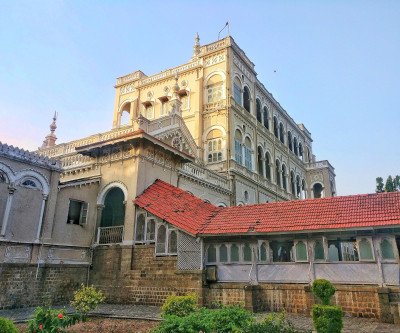
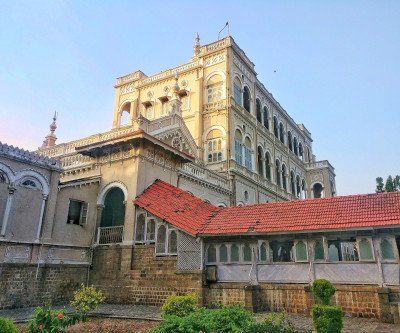
The Aga Khan Palace is a majestic structure of historical and national importance, located on the outskirts of Pune's old city. It was built in 1892 by Sultan Muhammed Shah Aga Khan III, the 48th Imam of the Ismaili Muslims. The palace was constructed as an act of charity, intended to provide employment for the local population who were facing severe famine at the time. Its primary historical significance comes from its role as a prison during the Quit India Movement of 1942. Mahatma Gandhi, his wife Kasturba Gandhi, his secretary Mahadev Desai, and Sarojini Naidu were among the prominent national leaders held captive here from August 1942 to May 1944. Tragically, both Kasturba Gandhi and Mahadev Desai passed away during their internment and have their Samadhis (memorials) located within the palace grounds. In 1969, Prince Karim El Husseni (Aga Khan IV) generously donated the palace to the Government of India as a tribute to Gandhi and his philosophy. The palace now serves as the headquarters of the Gandhi National Memorial Society and houses a museum dedicated to Mahatma Gandhi and the freedom struggle, including a shop for Khadi (hand-spun cotton) products.
Card image cap
Appu Ghar (Pune)

Appu Ghar, Pune, is one of the city's oldest and most beloved amusement parks, having entertained generations of Punekars and visitors since its esta...

Appu Ghar, Pune, is one of the city's oldest and most beloved amusement parks, having entertained generations of Punekars and visitors since its establishment in 1989. Named after 'Appu,' the mascot elephant of the 1982 Asian Games in New Delhi, the park quickly became a popular destination for families and children seeking a fun-filled day out. While it might not boast the high-tech thrill rides of newer, larger theme parks, Appu Ghar retains its classic charm with a variety of rides and attractions designed for a wholesome and enjoyable experience. The park is spread over a sizable area and is meticulously maintained, featuring lush green lawns, well-tended gardens, and colorful decorations that create a cheerful and inviting atmosphere. It offers a mix of dry rides and water rides, catering to different preferences and age groups. Popular dry rides often include carousels, Ferris wheels, swing chairs, bumper cars, roller coasters (of a moderate scale), and various other mechanical rides that evoke a sense of nostalgic amusement. For those seeking a splash, the water rides typically include water slides, rain dance areas, and a pool, providing a refreshing respite, especially during Pune's warmer months. Appu Ghar is particularly known for its safe and family-friendly environment, making it an ideal choice for parents with young children. The rides are generally designed to be enjoyable without being overly thrilling, ensuring a comfortable experience for younger visitors. In addition to the rides, the park often features various food stalls and snack counters offering a range of refreshments, ice creams, and quick bites to keep visitors energized throughout their day of fun. There are also usually picnic spots where families can relax and enjoy packed lunches. Beyond the rides, Appu Ghar often hosts events, school trips, and corporate outings, serving as a versatile entertainment venue. Despite the emergence of larger, more modern amusement parks, Appu Ghar holds a special place in the hearts of many Punekars, symbolizing simple, unadulterated fun and fond childhood memories. It remains a cherished destination for those looking for a classic amusement park experience with a relaxed atmosphere.
Card image cap
Bhandarkar Oriental Research Institute

@@Introduction to BORI: This institute is a world-renowned center for Indology and Oriental studies, founded in July 1917 to honor the work of Ramkris...

@@Introduction to BORI: This institute is a world-renowned center for Indology and Oriental studies, founded in July 1917 to honor the work of Ramkrishna Gopal Bhandarkar. It houses an extensive collection of over 28,000 manuscripts and 1.4 lakh rare books, including the oldest dated manuscript of the Mahabharata. Scholars from across the globe visit this sanctuary of knowledge to research ancient Sanskrit, Prakrit, and Persian texts. The institute played a pivotal role in creating the Critical Edition of the Mahabharata, a project that spanned nearly five decades. Walking through its halls feels like traversing through the intellectual history of ancient India.
Card image cap
Bhuleshwar Temple

@@Ancient Hilltop Temple: This 13th-century temple dedicated to Lord Shiva is located on a hill and is famous for its unique architecture and mytholog...
@@Ancient Hilltop Temple: This 13th-century temple dedicated to Lord Shiva is located on a hill and is famous for its unique architecture and mythological legends. According to local lore, Goddess Parvati danced here for Lord Shiva before they went to Kailash to get married. The temple's exterior looks like a mosque to protect it from invaders, while the interior is filled with intricate Hindu carvings. A fascinating mystery here is that if you offer Pedhas (sweets) to the Shiva Linga, one or two sweets disappear into the stone.
Card image cap
Blades of Glory Cricket Museum

The Blades of Glory Cricket Museum is a truly unique and enthralling destination for any cricket enthusiast, making it one of the most specialized mu...

The Blades of Glory Cricket Museum is a truly unique and enthralling destination for any cricket enthusiast, making it one of the most specialized museums in Pune. Founded by Rohan Pate, a former Maharashtra cricketer, this museum houses an extraordinary collection of cricket memorabilia. It was inaugurated by none other than the legendary Sachin Tendulkar in 2012, lending it immediate credibility and prestige in the cricketing world. Unlike traditional museums that might focus on static displays, Blades of Glory curates a vibrant narrative of cricket history through an astonishing array of artifacts, many of which are personally signed and used by international cricketers. Spread over a significant gallery space, the museum's collection boasts over 51,000 cricket-related items. Highlights include bats signed by captains of World Cup-winning teams, entire collections of signed jerseys and equipment from iconic tournaments, and personal belongings of cricketing legends. Imagine seeing a bat used by a cricketing great, a signed ball from a historic match, or a jersey worn during a pivotal moment these are the kind of treasures that await visitors. The museum meticulously displays these items with detailed descriptions, providing context and anecdotes that bring the history of the sport to life. What makes Blades of Glory particularly special is the continuous effort to expand its collection and the personal connection it fosters with the sport. More than 450 international cricketers have reportedly visited the museum, often donating items or signing existing ones, further enriching its unparalleled inventory. This direct link to the stars of the game creates an almost sacred space for fans. The ambiance is designed to immerse visitors in the world of cricket, celebrating its heroes, its triumphs, and its rich legacy. From the early days of the sport to modern T20 extravaganzas, the museum covers various eras, showcasing the evolution of equipment, uniforms, and playing styles. It's not just a collection of objects; it's a testament to the passion and devotion surrounding cricket, offering a memorable experience for both hardcore fans and casual admirers of the game.
Card image cap
Bund Garden

Bund Garden, officially known as Mahatma Gandhi Udyan, is one of Pune's oldest and most serene gardens, offering a picturesque retreat along the bank...

Bund Garden, officially known as Mahatma Gandhi Udyan, is one of Pune's oldest and most serene gardens, offering a picturesque retreat along the banks of the Mula-Mutha River. Named after the 'bund' or embankment built to control the river's flow, this garden has been a popular leisure spot for generations of Punekars and visitors. Its historical significance, coupled with its natural beauty, makes it a cherished landmark in the city. The garden's primary attraction is its tranquil riverside setting, which provides a calming atmosphere away from the city's hustle. Visitors can enjoy leisurely strolls along the riverbanks, breathing in the fresh air and listening to the gentle flow of the water. The garden features well-manicured lawns, a variety of colorful flowering plants, and mature trees that provide ample shade, making it a comfortable place to relax even on warmer days. A popular activity at Bund Garden is boating on the Mula-Mutha River. Small paddle boats are often available for rent, allowing visitors to enjoy a unique perspective of the garden and the surrounding cityscape from the water. This is a particularly favorite activity for families and couples. Another highlight is the birdwatching opportunity the garden offers, especially around the river and the various trees. One can spot a range of local and migratory birds, making it a pleasant spot for nature enthusiasts. The garden also houses a small temple dedicated to Sant Tukaram, a revered Marathi saint, adding a spiritual dimension to the recreational space. Historically, the area around Bund Garden was also significant for Pune's water supply, with the British-built Fitzgerald Bridge nearby being another architectural marvel. The garden is well-maintained and frequently hosts small local events or musical performances, especially during the evenings, further enhancing its appeal as a community gathering space. With its blend of natural beauty, recreational activities, and historical charm, Bund Garden offers a delightful and refreshing experience for anyone visiting Pune.
Card image cap
Dagadusheth Halwai Ganapati Temple

The Shreemant Dagadusheth Halwai Ganapati Temple is not just a temple; it's a vibrant cultural and spiritual landmark in Pune, renowned for its immen...

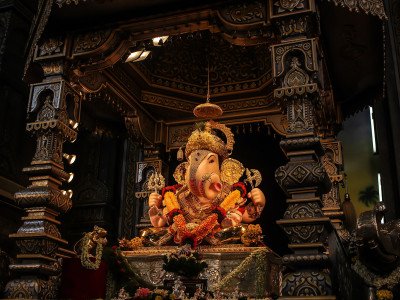
The Shreemant Dagadusheth Halwai Ganapati Temple is not just a temple; it's a vibrant cultural and spiritual landmark in Pune, renowned for its immense popularity, exquisite idol, and the grandeur of its annual Ganeshotsav (Ganesh festival) celebrations. Dedicated to Lord Ganesha, this temple attracts hundreds of thousands of devotees annually, including prominent celebrities and politicians. The temple's heartwarming history dates back to the late 19th century. Shreemant Dagadusheth Halwai, a prosperous sweet merchant, and his wife Lakshmibai tragically lost their only son to a plague epidemic. To cope with their grief and as a spiritual solace, they were advised by a sage to build a Ganesh temple. Thus, in 1893, the first idol was installed. Later, his nephew Govindsheth replaced this with a new idol, which is the magnificent one seen today. The temple stands as a testament to their unwavering faith and devotion. The main idol of Lord Ganesha is a breathtaking sight. Standing 2.2 meters (7.5 feet) tall and 1 meter (3.5 feet) wide, it is lavishly adorned with nearly 40 kilograms of gold and precious jewels, including diamonds, rubies, and emeralds. The idol is so valuable that it is insured for a substantial sum. The temple's architecture is unique in its simplicity, designed in such a way that the idol and all the daily rituals can be clearly viewed even from outside the temple premises, making it highly accessible to all devotees. The temple trust is actively involved in numerous philanthropic activities, including running an old age home, providing housing and education for destitute children, and offering ambulance services and health clinics in tribal areas. This commitment to social welfare further elevates the temple's revered status. While the temple is visited throughout the year, it truly comes alive during the ten-day Ganeshotsav festival, a major public celebration initiated by Lokmanya Bal Gangadhar Tilak during the British Raj to foster national unity. During this period, the temple is spectacularly decorated, illuminated with dazzling lights, and hosts elaborate pujas, cultural programs, and grand processions, drawing massive crowds and creating an electrifying atmosphere of devotion and festivity.
Card image cap
Dagdusheth Halwai Ganpati Temple

The Shreemant Dagdusheth Halwai Ganpati Mandir is one of the most revered and iconic temples in Maharashtra. It is dedicated to Lord Ganesha, the remo...
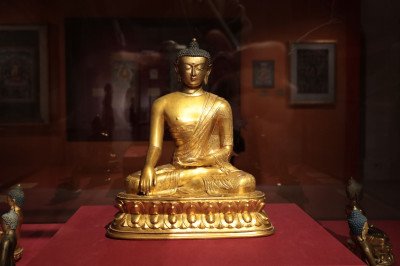
The Shreemant Dagdusheth Halwai Ganpati Mandir is one of the most revered and iconic temples in Maharashtra. It is dedicated to Lord Ganesha, the remover of obstacles. The temple was founded in 1893 by Shrimant Dagdusheth Halwai, a successful sweet maker, and his wife Lakshmibai, after they tragically lost their son to the plague epidemic. They were advised by their guru to build a Ganesha idol to overcome their grief and serve the community. The present main idol is an exquisite, beautifully adorned structure of Lord Ganesha, about 7.5 feet tall and 4 feet wide, famous for being heavily decorated with gold ornaments, including over 40 kilograms of gold used for adornment. This temple holds a special place in Indian history as it was the central hub for the initial organization of the Sarvajanik Ganeshotsav (Public Ganesh Festival) by Lokmanya Bal Gangadhar Tilak in the late 19th century, who used the festival to unite people during the freedom movement. The temple is not just a place of worship but a massive center for social and charitable activities run by the temple trust.
Card image cap
Darshan Museum

@@Multimedia Experience: This is a world-class biographical museum dedicated to the life and teachings of the saintly philosopher Sadhu T.L. Vaswani. ...
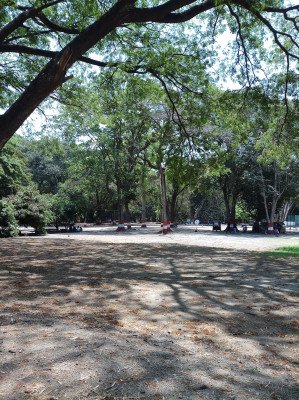
@@Multimedia Experience: This is a world-class biographical museum dedicated to the life and teachings of the saintly philosopher Sadhu T.L. Vaswani. Spread over 10,000 square feet, it uses cutting-edge technology including 3D holograms, life-like mannequins, and spatial audio to tell a story of compassion. Visitors are taken through a series of eight sets that recreate scenes from his life, from his childhood to his spiritual awakening. The museum is not just a collection of artifacts but an immersive theatrical performance that leaves a lasting emotional impact on the audience. It is often ranked among the best museums in India for its innovative storytelling.
Card image cap
Dr. Babasaheb Ambedkar Museum & Memorial

The Dr. Babasaheb Ambedkar Museum & Memorial, nestled within the sprawling campus of Symbiosis International University on Senapati Bapat Road, is a ...

The Dr. Babasaheb Ambedkar Museum & Memorial, nestled within the sprawling campus of Symbiosis International University on Senapati Bapat Road, is a significant cultural and educational institution dedicated to the life and legacy of Dr. B.R. Ambedkar. Dr. Babasaheb Ambedkar was a towering figure in modern Indian history, known as the chief architect of the Indian Constitution, a jurist, economist, politician, and social reformer who championed human rights and social justice, particularly for the marginalized sections of society. The museum and memorial serve as an invaluable resource for understanding Ambedkar's profound impact on Indian society and his tireless efforts to eradicate caste discrimination and promote equality. It meticulously chronicles his journey from humble beginnings to becoming a global intellectual and a beacon of hope for millions. The exhibits include a rich collection of his personal belongings, such as his original spectacles, the famous 'Parker' pen he used, the coffee cup from which he drank, and other personal items that offer a poignant connection to the man himself. Beyond personal artifacts, the museum houses a vast collection of photographs, documents, and rare publications that shed light on various phases of his life his early education, his studies abroad (in London and New York), his role in the freedom struggle, his leadership of the Dalit movement, and his instrumental work in drafting the Constitution of India. Interactive displays and informative panels provide detailed explanations of his ideologies, his contributions to law, education, and social reform, and the challenges he faced in his mission for an equitable society. The memorial aspect of the complex often includes a serene contemplation area, allowing visitors to reflect on Ambedkar's vision of a just and inclusive India. The museum's location within an educational institution like Symbiosis underscores its role in educating younger generations about the foundational principles of democracy, human rights, and social justice that Dr. Ambedkar passionately advocated. It s a vital place for anyone seeking to understand the socio-political evolution of modern India and the enduring relevance of Ambedkar's thoughts.
Card image cap
E-Square (Multiplex & Mall)

E-Square is more than just a multiplex; it's a popular entertainment and lifestyle hub in Pune, especially favored by the city's youth and families l...

E-Square is more than just a multiplex; it's a popular entertainment and lifestyle hub in Pune, especially favored by the city's youth and families looking for a modern leisure experience. Established as one of Pune's premier entertainment destinations, E-Square offers a comprehensive package of cinema, dining, and casual hangouts under one roof. Its strategic location near the University of Pune makes it easily accessible and a constant buzz of activity. The core of E-Square is its multi-screen cinema, which showcases the latest Bollywood, Hollywood, and regional films in a comfortable and technologically advanced setting. It provides a premium movie-watching experience with comfortable seating, state-of-the-art sound systems, and projection technology. The cinema often has multiple shows running simultaneously, catering to diverse cinematic tastes throughout the day. Beyond the silver screen, E-Square features a diverse range of dining options, from casual cafes and fast-food outlets to more upscale restaurants. Visitors can enjoy a quick snack before a movie, grab a coffee, or settle down for a full meal, making it a convenient spot for all culinary preferences. The food court offers a variety of cuisines, catering to different tastes and budgets. E-Square also includes a small retail section, though its primary focus remains entertainment and dining. It serves as a popular social gathering point, especially for college students from the nearby university and for young professionals. The vibrant and energetic atmosphere, coupled with the modern amenities, makes it an attractive destination for a relaxed evening out or a weekend leisure activity. While not a historical or natural landmark, E-Square represents the contemporary, urban face of Pune, offering a glimpse into the city's modern lifestyle and entertainment preferences. It's a perfect place to unwind, catch a movie, or simply enjoy the lively ambiance of Pune's cosmopolitan side.
Card image cap
Empress Botanical Garden

The Empress Botanical Garden is a sprawling green space covering about 39 acres right in the heart of Pune. Established in the year 1838, it has a ric...

The Empress Botanical Garden is a sprawling green space covering about 39 acres right in the heart of Pune. Established in the year 1838, it has a rich history dating back to the British colonial era. It was originally known as the Soldier’s Garden, as it was a favored spot for British officials to relax and enjoy leisure time. It was later renamed in honor of Queen Victoria when she acquired the title of the Empress of India, giving the garden its current, majestic name. The garden is now managed by the Agri-Horticultural Society of Western India since 1892, ensuring its maintenance and development as a center for botany and public recreation. The landscape is a haven for plant lovers, featuring an incredibly diverse collection of rare and exotic flora, including towering old trees, massive climbers (lianas), and a dedicated palm section with over 150 species. It provides a crucial green lung for the city, offering a quiet, pollution-free retreat for morning walkers, families, and nature enthusiasts. It's more than just a park; it's a botanical archive and a historical landmark where visitors can truly disconnect from the urban hustle. The garden also features a small zoo section and a children's play area, making it a complete destination for visitors of all ages.
Card image cap
Joshi's Museum of Miniature Railways

@@Railway Wonderland: Conceptualized by Bhausaheb Joshi, this museum is a unique attraction featuring a massive, functional miniature city. It include...
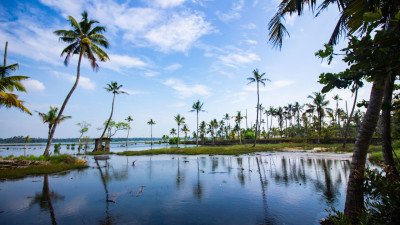
@@Railway Wonderland: Conceptualized by Bhausaheb Joshi, this museum is a unique attraction featuring a massive, functional miniature city. It includes multiple types of trains like the Bullet Train, steam engines, and even a sky-train, all running on a complex network of tracks. The layout is meticulously detailed with over 2000 human figures, a circus, a stadium, and a functional fire engine that "extinguishes" a fire. A pre-recorded commentary explains the evolution of railways while the lights transition from day to night, showcasing the city's glowing streetlights and starlit sky. It is a nostalgic journey for adults and a magical world for children.
Card image cap
Kamala Nehru Park (Pune)

Kamala Nehru Park in Pune is a charming and verdant garden, offering a peaceful retreat and spectacular panoramic views of the city. Perched atop a s...

Kamala Nehru Park in Pune is a charming and verdant garden, offering a peaceful retreat and spectacular panoramic views of the city. Perched atop a small hill in the Erandwane area, the park is named after Kamala Nehru, the wife of India's first Prime Minister, Jawaharlal Nehru. This well-maintained green space is a popular destination for morning walkers, families, and tourists seeking a tranquil spot with a view. The main draw of Kamala Nehru Park is undoubtedly the breathtaking vista it offers. From its elevated position, visitors are treated to sweeping views of Pune's sprawling urban landscape, including prominent landmarks, residential areas, and the distant hills of the Sahyadris. The view is particularly mesmerizing during sunrise and sunset, when the sky transforms into a canvas of vibrant colors, and the city lights begin to twinkle, creating a magical ambiance. The cool breeze and the open sky make it an ideal spot for photography and quiet contemplation. The park itself is beautifully landscaped with lush green lawns, a variety of colorful flowering plants, and well-maintained pathways that are perfect for leisurely strolls. It also features a dedicated play area for children, complete with swings, slides, and other recreational equipment, making it a favorite among families. The serene atmosphere provides a welcome escape from the hustle and bustle of city life, allowing visitors to relax and rejuvenate amidst nature. A unique feature of Kamala Nehru Park is the "Noah's Ark" exhibit, which is a life-sized model of Noah's Ark, complete with animal figurines inside. This whimsical addition is particularly popular with children and adds an element of fun and imagination to the park. The park often serves as a venue for small community events or quiet gatherings due to its pleasant environment. With its combination of natural beauty, stunning city views, and family-friendly amenities, Kamala Nehru Park stands as a beloved green lung in Pune, providing a refreshing and memorable experience for all its visitors.
Card image cap
Khadakwasla Dam & Lake

The Khadakwasla Dam is one of the most important landmarks in Pune, as its reservoir, Khadakwasla Lake (or Khawasla Lake), is the main source of drink...
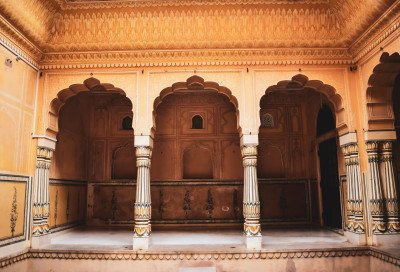
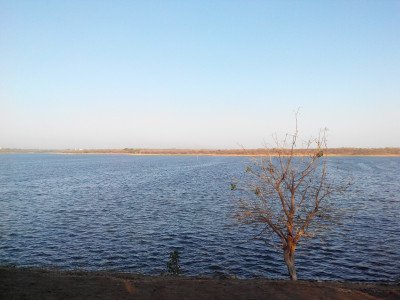
The Khadakwasla Dam is one of the most important landmarks in Pune, as its reservoir, Khadakwasla Lake (or Khawasla Lake), is the main source of drinking water for the entire city. The dam is built across the Mula-Mutha River and has a rich history, with the original construction dating back to the late 19th century during the British era. The first dam was an engineering marvel for its time, but it famously breached in 1961 due to heavy rains, causing massive floods in Pune. The current structure was rebuilt to be safer and more efficient. The reservoir created by the dam forms a massive, picturesque lake that stretches back towards the foothills of the Sahyadri Mountains. The dam wall itself is a popular spot, especially during the monsoon when water is released from the gates. The atmosphere here is one of peaceful scenic beauty, attracting locals and tourists for picnics, long drives, and to enjoy the vast expanse of water and the distant hills. It serves as a gateway to the famous Sinhagad Fort, which is visible from the dam site. The area is also famous for local food stalls, particularly fresh bhaji (fritters) and roasted corn, which add to the popular weekend getaway vibe.
Card image cap
Lal Mahal

The Lal Mahal (Red Palace) is a historic palace that holds immense significance in the history of the Maratha Empire. It was originally built in 1630 ...

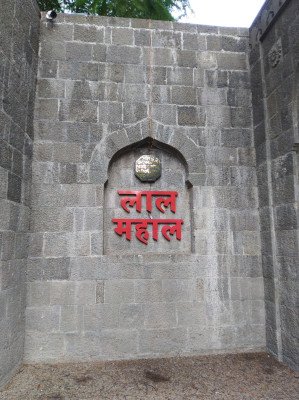
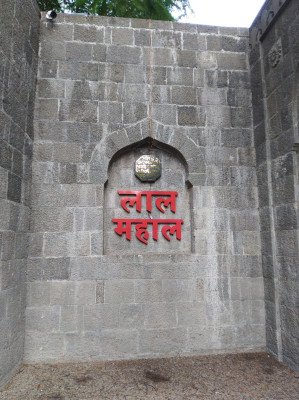
The Lal Mahal (Red Palace) is a historic palace that holds immense significance in the history of the Maratha Empire. It was originally built in 1630 AD by Shahaji Raje Bhosale, the father of Chhatrapati Shivaji Maharaj, for his wife Jijabai and their young son, Shivaji. The palace served as Shivaji Maharaj's childhood residence for about 15 years, where he received his early training and foundational education under the guidance of his mother. It was here that Shivaji Maharaj married his first wife, Saibai Nimbalkar, in 1640. The Lal Mahal is also the site of a legendary and daring midnight raid in 1663, where Shivaji Maharaj and a small group of his soldiers attacked the Mughal commander, Shaista Khan, who was occupying the palace at the time. This successful attack was a significant moral and political victory for the nascent Maratha forces. The original structure suffered extensive damage over the centuries, but the present structure is a reconstruction, carefully undertaken by the Pune Municipal Corporation (PMC) to preserve this sacred legacy. Today, it serves as a museum and a tribute to Shivaji Maharaj's early life.
Card image cap
Lohagad Fort

Lohagad, meaning "Iron Fort," is a historically pivotal hill fort situated on the Western Ghats, strategically separating the Indrayani and Pavana riv...

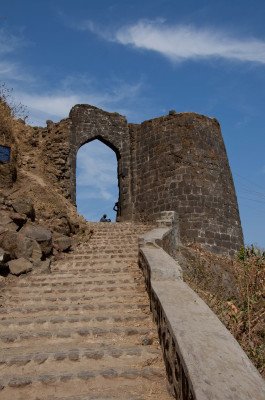
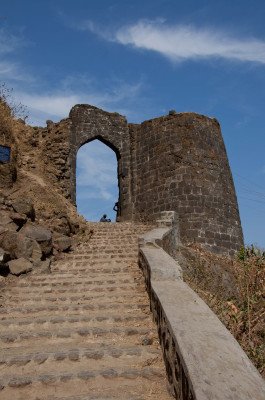
Lohagad, meaning "Iron Fort," is a historically pivotal hill fort situated on the Western Ghats, strategically separating the Indrayani and Pavana river basins. Its history is closely intertwined with that of its twin fort, Visapur, which lies to its east. Rising to an elevation of 1,033 meters (3,389 feet), Lohagad served as a major strategic point for monitoring the ancient trade route, the Bhor Ghat pass, which connects the Konkan coast to the Deccan plateau. The fort’s history can be traced back to the Satavahana period, with caves and rock-cut structures indicating habitation from the 2nd Century AD. However, it is most famous for its association with the Maratha Empire. Chhatrapati Shivaji Maharaj captured it in 1648 but was later forced to surrender it to the Mughals under the Treaty of Purandar in 1665. He bravely recaptured it in 1670, making it one of the forts he held onto for the longest duration, using it to store his treasury. In the later Maratha period, it was briefly occupied by Nana Fadnavis, the influential minister of the Peshwas, who built several structures, including a large water tank and a Mahadarwaza (Grand Entrance). The fort is relatively easy to access, making it one of the most popular trekking destinations near Pune and Mumbai. Its most distinct feature is its elongated, snake-like western protrusion, known as the Vinchukada (Scorpion's Tail), which is a key photographic and strategic point.
Card image cap
Mahatma Phule Mandai

Mahatma Phule Mandai, originally known as Lord Reay Market, is not just Pune's largest and oldest retail vegetable and fruit market but also a vibran...

Mahatma Phule Mandai, originally known as Lord Reay Market, is not just Pune's largest and oldest retail vegetable and fruit market but also a vibrant historical and cultural landmark. Built between 1884 and 1886 by the Pune Municipal Corporation, this impressive structure in the Gothic style was designed by British engineers Meliss and Ducat. It was later renamed in 1939 in honor of the revered social reformer Mahatma Jyotiba Phule. Mandai is a microcosm of Pune's bustling commercial life and retains much of its old-world charm. The market's architectural design is a striking feature, with its octagonal layout constructed from local grey trap stone, adorned with white stone details, and dominated by a central 80-feet-tall octagonal tower. The design is practical, too, with a tiled lean-to roof covering the ground and first storeys, supported by iron rafters and pillars, allowing light and ventilation to flow through. The market can be accessed from eight sides, making it a bustling hub of activity where vendors and shoppers constantly interact. Mandai is a sensory experience: the vibrant colors of fresh produce, the cacophony of vendors calling out their wares, the aroma of fruits and vegetables, and the constant flow of people create an electrifying atmosphere. It houses approximately 526 fruit and vegetable stalls, with produce typically sold at lower prices than other parts of the city, attracting huge crowds, especially on weekends. Beyond just fruits and vegetables, one can find flowers, spices, household goods, and various other local products, making it a comprehensive shopping destination for daily needs. Historically, Mahatma Phule Mandai holds significant cultural importance. During India's freedom struggle, it served as an open ground for gatherings, where many prominent freedom fighters addressed large crowds, earning it the affectionate moniker "Mandai Vidyapeeth" (university). The market also houses one of the city's oldest Ganesh Mandals, and during the Ganesh Chaturthi festival, it becomes a focal point for celebrations, with a grand idol of Ganesha and Goddess Sharada on a swing. A visit to Mandai offers a deep dive into the local life, history, and vibrant commerce of Pune.
Card image cap
Mahatma Phule Museum

The Mahatma Phule Museum, originally established in 1890 as the Poona Industrial Museum, is one of Pune's oldest and most eclectic museums, offering ...

The Mahatma Phule Museum, originally established in 1890 as the Poona Industrial Museum, is one of Pune's oldest and most eclectic museums, offering a wide array of exhibits that delve into various facets of Indian life, history, and natural science. Though it was later renamed Lord Reay Museum before finally being christened Mahatma Phule Museum in 1968, it's important to note that the museum doesn't specifically relate to the life or work of social reformer Mahatma Jyotiba Phule, despite its name. Instead, it serves as a vast repository of artifacts and information across diverse disciplines. The museum's comprehensive collection is categorized into several engaging sections, making it a fascinating visit for all ages. It broadly covers: Industry and Engineering: Displays models of significant Indian hydro-electric and irrigation projects, and exhibits explaining industrial processes. Agriculture and Forestry: Showcases various agricultural practices, tools, and information about Indian forestry. Natural History: A significant section featuring taxidermy specimens of a wide variety of animals, birds, reptiles, insects, and fish found in India, providing insights into the country's biodiversity. Geology and Minerals: Exhibits related to geological formations and mineral resources. Handicrafts and Cottage Industries: A rich display of traditional Indian handicrafts, showcasing the artistry and skill of local artisans. Armory: A notable collection of weapons and armor from the Mughal and Maratha periods, offering a glimpse into historical warfare. Architecture: Models of famous architectural marvels, including the Taj Mahal, and charts detailing various forts in the Pune district. The museum aims to be a platform for information and knowledge exchange, making it an excellent educational resource. It also boasts a well-maintained library with a rare collection of books, though access may be limited to the public. Occasional film shows and seminars are conducted, attracting enthusiasts keen on expanding their knowledge. The museum's historical evolution and its vast, varied collection make it a unique cultural institution in Pune. It offers a wonderful opportunity to explore the diverse aspects of Indian heritage, from its natural world to its industrial development and artistic traditions, all under one roof.
Card image cap
Mulshi Lake and Dam

Mulshi Lake and Dam is a popular ecotourism destination renowned for its breathtaking natural beauty, especially during the Monsoon season (June to Se...

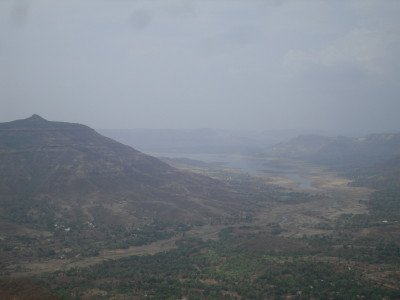
Mulshi Lake and Dam is a popular ecotourism destination renowned for its breathtaking natural beauty, especially during the Monsoon season (June to September). The dam, built across the Mula River, was a significant undertaking initiated in the early 1920s and completed in 1927 by the Tata Power Company. Its primary purpose was, and remains, the generation of hydroelectric power at the Bhira hydroelectric plant, which famously supplies a large portion of its electricity to Mumbai. The massive reservoir formed by the dam is known as Mulshi Lake. The lake is nestled amidst the majestic and untouched western edge of the Sahyadri mountain range. The surrounding landscape features deep forests, rolling hills, and a rich variety of local flora and fauna, making it an ideal escape from the urban environment of Pune. The tranquility of the blue-green water against the backdrop of lush, verdant hills attracts nature lovers, photographers, and weekend travelers seeking peace and solitude. The region around the lake has evolved over the decades, transitioning from a purely utility area to a major tourist spot. It offers numerous private resorts, homestays, and camping sites that cater to visitors, allowing them to fully immerse themselves in the region’s calm atmosphere. The drive through the winding roads to Mulshi itself is part of the experience, offering scenic vistas and a refreshing change of pace. It's a place where modern industrial achievement (the dam) coexists perfectly with unspoiled natural grandeur (the lake and hills).
Card image cap
National Film Archive of India (NFAI)

The National Film Archive of India (NFAI), established in 1964 as a media unit of the Ministry of Information and Broadcasting, Government of India, ...

The National Film Archive of India (NFAI), established in 1964 as a media unit of the Ministry of Information and Broadcasting, Government of India, is a treasure trove for film enthusiasts, historians, and researchers. Its primary objective is to acquire and preserve the heritage of Indian cinema for future generations, promote film culture, and facilitate film research. NFAI is not merely a collection; it is a dynamic institution that plays a crucial role in safeguarding the country's cinematic memory. Housed in a specialized facility, NFAI boasts an extraordinary collection of films, both Indian and international, across various formats (prints, negatives, digital). Its repository includes feature films, short films, documentaries, and newsreels, some dating back to the very early days of Indian cinema. Beyond films, the archive meticulously preserves a vast array of related material, including film posters, lobby cards, film stills, song booklets, scripts, press clippings, and historical documents related to Indian film personalities and studios. This comprehensive collection offers a panoramic view of the evolution of Indian filmmaking. One of the key functions of NFAI is the restoration and preservation of old and fragile film material. Through advanced techniques, it endeavors to save decaying films from being lost forever, ensuring that cinematic masterpieces remain accessible. NFAI also engages in film research, documentation, and the dissemination of information about Indian cinema. It organizes various activities such as film appreciation courses, retrospectives of renowned filmmakers, film festivals, and special screenings, which are often open to the public, fostering a deeper understanding and appreciation of cinema as an art form. For a visitor, NFAI might not be a typical tourist spot like a fort or a temple, but it offers a unique and invaluable experience for anyone passionate about movies. While general public access to the archives themselves might be restricted (primarily for researchers), the NFAI often hosts public screenings, exhibitions, and events that allow a glimpse into its vast collection and the history of Indian cinema. It stands as a silent guardian of India's cinematic legacy, reflecting the nation's cultural narrative through the lens of its movies.
Card image cap
National War Memorial Southern Command

The National War Memorial Southern Command in Pune is a solemn and poignant tribute to the brave soldiers of the Indian Armed Forces who have sacrifi...

The National War Memorial Southern Command in Pune is a solemn and poignant tribute to the brave soldiers of the Indian Armed Forces who have sacrificed their lives in the service of the nation. It stands as a powerful symbol of valor, patriotism, and remembrance, honoring the martyrs from the Southern Command of the Indian Army. Inaugurated in 1998, this memorial is unique as it is the only war memorial in South Asia to have been built by citizens' contributions, signifying the deep respect and gratitude of the people of Pune towards their armed forces. The memorial is spread across a well-maintained complex, featuring a central obelisk (a pillar-like structure) that serves as the main monument. This obelisk is surrounded by various exhibits and displays that narrate the history of military operations and the sacrifices made. A significant attraction is the MIG 23 BN jet fighter, a formidable aircraft that saw action during the Kargil War, displayed prominently as a testament to India's air power. Other military equipment, including tanks, artillery guns, and various weaponry from different eras, are also on display, providing a tangible link to India's military history. One of the most moving aspects of the memorial is the Wall of Remembrance, where the names of soldiers who laid down their lives are inscribed on stone plaques. Walking past these names offers a humbling experience, reminding visitors of the immense human cost of conflict and the sacrifices made to secure peace and sovereignty. The memorial also features detailed stories of individual soldiers, providing a personal connection to their bravery and dedication. The lush green lawns and thoughtful landscaping contribute to a serene environment, conducive to reflection and respect. The National War Memorial Southern Command is not just a place for remembrance; it also serves as an educational center, inspiring younger generations about the armed forces and instilling a sense of national pride. Regular ceremonies and events are held here, especially on national holidays and remembrance days, attracting veterans, service personnel, and civilians alike. It s a crucial site for anyone wishing to understand the sacrifices made by the Indian Army and to pay homage to the heroes who served the nation.
Card image cap
National War Museum Southern Command

The National War Memorial Southern Command in Pune is a unique and deeply patriotic tribute to the post-Independence war martyrs of India. What sets ...

The National War Memorial Southern Command in Pune is a unique and deeply patriotic tribute to the post-Independence war martyrs of India. What sets this memorial apart is that it was erected and is primarily maintained through contributions from citizens, making it a true testament to the community's respect and gratitude for the armed forces. Unveiled and dedicated to the nation on August 15, 1998, it stands as a solemn reminder of the sacrifices made by Indian soldiers. The memorial is divided into several sections, each offering poignant insights into India's military history and the valor of its soldiers. The central feature is a majestic obelisk or memorial wall inscribed with the names of over 1,200 martyrs who laid down their lives serving the nation since India's independence. This wall evokes a profound sense of reverence and gratitude, providing a space for quiet reflection and remembrance. Beyond the main memorial, the complex houses an open-air museum that showcases various military artifacts and equipment. A significant display includes a MiG-23BN fighter aircraft, which played a crucial role in the Kargil War, standing as a powerful symbol of aerial might. Also on display is a replica of the INS Trishul, a decommissioned frigate that saw action in the Liberation of Goa and the Indo-Pakistani War of 1971, highlighting India's naval prowess. Other exhibits include tanks, artillery guns, army vehicles, and uniforms, offering a tangible connection to the history of the Southern Command of the Indian Army and the battles they fought. The museum also frequently hosts a sound and light show, particularly on weekends and public holidays, which vividly narrates stories of bravery, sacrifice, and the rich history of the Indian armed forces. The well-maintained lawns and landscaped gardens around the memorial provide a serene and respectful environment. The National War Memorial is not just a place of remembrance but also an educational destination that instills a sense of pride and patriotism, reminding visitors of the immense dedication required to safeguard the nation. It's a must-visit for anyone interested in India's military history and those who wish to pay homage to its brave soldiers.
Card image cap
Osho International Meditation Resort

The Osho International Meditation Resort is a world-renowned spiritual center founded by the spiritual leader, Osho (Bhagwan Shree Rajneesh), who live...

The Osho International Meditation Resort is a world-renowned spiritual center founded by the spiritual leader, Osho (Bhagwan Shree Rajneesh), who lived and taught here until his death in 1990. It is situated in the affluent and green Koregaon Park area of Pune. This is not a traditional ashram but is referred to as a "Resort" because it combines deep meditation and spiritual work with the amenities of a luxurious resort, emphasizing a holistic approach to life that includes both inner peace and outer comfort. The resort attracts thousands of visitors, known as sannyasins, from over 100 countries annually. The philosophy centers around active meditation techniques designed for the modern individual, which include movement, dance, and catharsis, in addition to passive silence. The campus is known for its beautiful, meticulously maintained, Zen-like gardens, a large, pyramid-shaped meditation hall, and an Olympic-sized swimming pool. Visitors come here to attend daily meditation sessions, therapy groups, and various courses focused on personal growth, emotional expression, and spiritual exploration. Its distinct environment and global community make it a unique and highly influential spiritual destination.
Card image cap
Osho Teerth Park

Osho Teerth Park is a beautifully landscaped green space that offers a serene and meditative experience, contrasting sharply with the urban bustle of...

Osho Teerth Park is a beautifully landscaped green space that offers a serene and meditative experience, contrasting sharply with the urban bustle of Pune. While commonly associated with the Osho International Meditation Resort located next door, the park itself is open to the public and serves as a tranquil retreat for anyone seeking peace and natural beauty. It was meticulously designed and developed over decades under the inspiration of Osho (Bhagwan Shree Rajneesh) and his followers, transforming a previously barren plot into a lush, vibrant oasis. The park is a remarkable example of ecological restoration and conscious landscaping. What was once an open ditch carrying industrial effluent has been transformed into a series of cascading ponds and streams, creating a natural water filtration system. The park features dense foliage, including numerous exotic and indigenous trees, shrubs, and flowering plants that attract various bird species. The careful selection of flora and the design principles aim to create a harmonious environment that appeals to all senses. The sound of flowing water, the gentle rustle of leaves, and the vibrant colors of the flowers contribute to a deeply calming atmosphere. Visitors often walk barefoot on the smooth, polished pathways, enhancing the connection with nature and embodying a sense of grounding. The park's design encourages quiet contemplation and mindful movement, making it a popular spot for morning walks, gentle meditation, or simply escaping the cacophony of city life. It's an ideal place for individuals to unwind, reflect, and experience a moment of solitude amidst natural beauty. While not a conventional tourist attraction with grand structures, its unique approach to urban green space and its strong spiritual undertones make it a noteworthy place to visit. The park is meticulously maintained, reflecting a deep respect for nature and aesthetics, offering a pristine environment that feels miles away from the city. It represents a different kind of "sightseeing" one focused on inner peace and natural harmony.
Card image cap
Parvati Hill

Parvati Hill is a prominent hillock in Pune, offering a spiritual retreat and the most spectacular panoramic views of the entire city. Rising to an e...

Parvati Hill is a prominent hillock in Pune, offering a spiritual retreat and the most spectacular panoramic views of the entire city. Rising to an elevation of about 640 meters (2,100 feet) above sea level, it is the second highest point in Pune after Vetal Hill, but significantly more popular due to its historical temples and accessibility. The hill is a cherished landmark, attracting devotees, fitness enthusiasts, and tourists seeking a peaceful escape from the urban bustle. The main attraction on Parvati Hill is a complex of ancient temples, which are among the oldest heritage structures in Pune. These temples were built by the Peshwas during the 18th century, making Parvati Hill their private devotional and contemplation ground. The primary temple is dedicated to Devdeveshwar (Shiva and Parvati), built of black stone and completed around 1749. Other temples within the complex are dedicated to Vitthal and Rukmini, Vishnu, and Kartikeya. The architectural style reflects the peak of Peshwa-era craftsmanship. The ascent to the temple complex involves climbing 103 or 108 stone steps (108 being a holy number in Hinduism), a climb that is both a physical exercise and a spiritual journey for many. Beyond the temples, Parvati Hill offers breathtaking 360-degree views of Pune city, stretching from the old city areas to the modern outskirts. It's particularly magical during sunrise and sunset when the city lights twinkle or the morning mist creates a serene ambiance. On the hill, you will also find the Peshwa Museum, which houses a modest but interesting collection of artifacts from the Peshwa era, including weaponry, coins, utensils, and old wooden furniture, providing insights into their lifestyle. The Samadhi (memorial) of Peshwa Balaji Baji Rao (Nanasaheb Peshwa) is also located here. Furthermore, half-way up the hill, on the south-eastern side, there's an old, unfinished Buddhist cave, believed to be contemporary with the Pataleshwar Caves, adding another layer of historical intrigue. The combination of spiritual sanctity, historical significance, and unparalleled scenic beauty makes Parvati Hill a must-visit destination in Pune, offering a holistic experience of the city's heritage and natural charm.
Card image cap
Parvati Hill Temple

Parvati Hill is the second-highest point within Pune city limits, standing at an elevation of about 640 meters (2,100 feet) above sea level. Perched a...
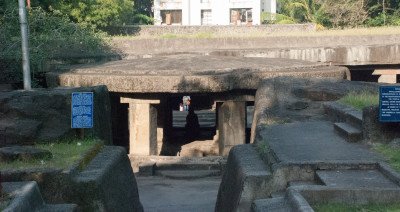
Parvati Hill is the second-highest point within Pune city limits, standing at an elevation of about 640 meters (2,100 feet) above sea level. Perched atop this hill is the famous Parvati Temple Complex, the oldest heritage structure in Pune, built during the glorious reign of the Peshwa dynasty. The main temple is dedicated to Goddess Parvati and Lord Shiva (known as Devdeveshwara), and the complex also houses smaller temples dedicated to Vitthal and Rukmini, Lord Vishnu, and Lord Kartikeya, alongside a small museum. The construction of the main temple was commissioned by Shrimant Nanasaheb Peshwa (Balaji Baji Rao) in the mid-18th century (1749) to fulfill a vow taken by his mother, Kashibai. Legend states that she was cured of a persistent ailment after praying on the hill. The temple is a brilliant example of Maratha architectural style. To reach the temple complex, visitors must climb a flight of 103 stone steps, which are not overly steep and are easily manageable for most people. The effort of the climb is immediately rewarded with an utterly breathtaking, panoramic 360-degree view of the entire Pune cityscape. This stunning vista is a major draw, especially during sunrise and sunset. Historically, Parvati Hill served as an important vantage point for the Peshwas. Balaji Baji Rao himself is said to have used this location to observe military movements, including the famous Battle of Kirkee against the British. The hill also houses the Peshwa Museum, which preserves artifacts like weapons, coins, and manuscripts from the Peshwa era, further cementing the hill's historical significance. It is a vital spot for both spiritual seekers and history buffs.
Card image cap
Pashan Lake

Pashan Lake is an artificial lake, originally built to cater to the water needs of the Pashan village during the British era, serving as a vital wate...

Pashan Lake is an artificial lake, originally built to cater to the water needs of the Pashan village during the British era, serving as a vital water source for the surrounding areas, including parts of Pune. Today, it has transformed into a popular ecological spot and a serene recreational area, particularly favored by birdwatchers, nature lovers, and morning walkers seeking tranquility away from the city's din. The lake is fed by a small stream called Ramnadi, which originates from the nearby hills. Spanning a considerable area, the lake is surrounded by a dense green belt of trees and shrubs, creating a vital wetland ecosystem. This makes it a haven for various species of migratory and resident birds, particularly during the winter months. Birdwatchers can often spot a wide array of avian species, including Spot-billed Ducks, Little Egrets, Kingfishers, Cormorants, and various types of waders. The Maharashtra Forest Department, in collaboration with local environmental groups, has undertaken initiatives to conserve the lake's biodiversity and improve its ecological balance. A well-maintained walking track, a "nature trail," encircles a significant portion of the lake, providing visitors with a pleasant pathway for jogging, cycling, or leisurely strolls. Several viewing points and benches are strategically placed along the path, offering opportunities to pause and soak in the peaceful atmosphere and the picturesque views of the water body and its avian inhabitants. The gentle breeze and the reflections of the sky on the calm waters create a very soothing environment. While boating was once an activity permitted on the lake, current environmental concerns have led to restrictions to protect the ecosystem. However, the primary allure of Pashan Lake remains its natural beauty, its role as a bird sanctuary, and its tranquil ambiance. It's an excellent spot for a quiet morning walk, a relaxing evening, or a peaceful picnic amidst nature, offering a much-needed green lung to the growing urban landscape of Pune. The surrounding areas, including the Pashan-Baner Biodiversity Park, further enhance the natural appeal of this region.
Card image cap
Pataleshwar Cave Temple

The Pataleshwar Cave Temple, also known as the Panchaleshvara or Bhamburde Temple, is an ancient rock-cut cave temple dedicated to Lord Shiva. It is o...

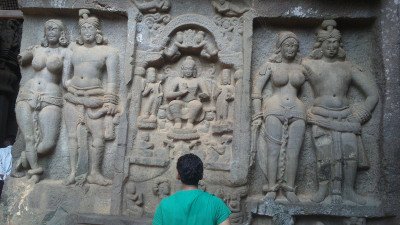
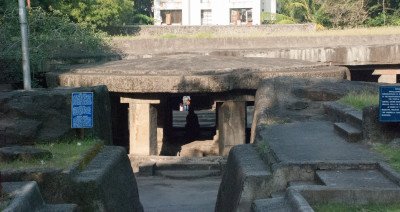
The Pataleshwar Cave Temple, also known as the Panchaleshvara or Bhamburde Temple, is an ancient rock-cut cave temple dedicated to Lord Shiva. It is one of Pune's oldest and most remarkable structures, carved out of a single massive basalt rock during the Rashtrakuta Dynasty in the 8th century AD. The temple is a fine, unfinished example of rock-cut architecture, bearing a distinct resemblance to the famous cave temples of Ellora. The sanctum sanctorum houses a rock-cut Shiva Linga, with smaller shrines for Lord Vishnu, Brahma, Ganesha, and Parvati nearby. The main highlight is the large, circular Nandi Mandapa (pavilion for Lord Shiva's bull), which is entirely carved out of the same single rock, featuring a distinctive umbrella-shaped roof supported by square pillars. The construction was seemingly abandoned for unknown reasons, which is evident in the unfinished entrance tunnel and the incomplete carving of some of the pillars. The site also features a small exhibition on historical items, including a famous grain of rice inscribed with miniature text. It is a protected monument maintained by the Archaeological Survey of India (ASI).
Card image cap
Pataleshwar Caves

The Pataleshwar Caves, also known as the Panchaleshvara temple, are an ancient rock-cut cave temple complex dedicated to Lord Shiva, dating back to t...

The Pataleshwar Caves, also known as the Panchaleshvara temple, are an ancient rock-cut cave temple complex dedicated to Lord Shiva, dating back to the 8th century CE, during the Rashtrakuta dynasty. What makes these caves particularly unique is their incomplete state; no one truly knows why construction ceased. Despite this, the site remains a remarkable example of monolithic rock-cut architecture and a peaceful spiritual haven right in the heart of the bustling city of Pune. Carved out of a single massive basalt rock, the complex features a large pillared mandapa (hall), a circular Nandi mandapa, and three sanctums. The main hall is expansive, supported by robust pillars, and designed with a pradakshinapatha (circumambulation passage) around the shrines, all excavated from the living rock. The most striking feature is the circular Nandi mandapa, a unique structure carved out of the original rock, housing a monolithic idol of Nandi, Lord Shiva's bull. This circular design, distinct from other cave temples, adds to its architectural intrigue. A set of steps, flanked by two couchant stone tigers, leads into the covered mandapa. The three sanctums are believed to have originally been dedicated to Brahma, Shiva, and Vishnu, though the central shrine now houses a rock-cut Shiva Lingam. The other two shrines likely contained statues that have since been lost. The craftsmanship, though unfinished, showcases the incredible skill of the Rashtrakuta artisans. The caves are surrounded by a well-maintained garden, which provides a serene escape from the urban environment. This green space also contains a few recovered architectural ruins, adding to the site's historical atmosphere. The Pune office of the Archaeological Survey of India (ASI) is located adjacent to the property, overseeing its preservation. Pataleshwar Caves offer a fascinating glimpse into ancient Indian rock-cut architecture and religious practices. It s a quiet place for reflection, attracting not only devotees but also history enthusiasts and those seeking a tranquil spot amidst the city's hustle and bustle. Its central location makes it easily accessible and a perfect historical interlude in a modern city tour.
Show All

Note:-

Information provided here in good Faith and for reference only.

All information and pictures will be updated soon, please keep visiting.

Near Places
...
Ajanta Caves

Some quick example text to build on the card title and make up the bulk of the card's content.

Go somewhere
...
Alibag

Some quick example text to build on the card title and make up the bulk of the card's content.

Go somewhere
...
Alibaug

Some quick example text to build on the card title and make up the bulk of the card's content.

Go somewhere
...
Amravati

Some quick example text to build on the card title and make up the bulk of the card's content.

Go somewhere
...
Aurangabad

Some quick example text to build on the card title and make up the bulk of the card's content.

Go somewhere
...
Bhandardara

Some quick example text to build on the card title and make up the bulk of the card's content.

Go somewhere
...
Diveagar

Some quick example text to build on the card title and make up the bulk of the card's content.

Go somewhere
...
Ganpatipule

Some quick example text to build on the card title and make up the bulk of the card's content.

Go somewhere
...
Karjat

Some quick example text to build on the card title and make up the bulk of the card's content.

Go somewhere
...
Khandala

Some quick example text to build on the card title and make up the bulk of the card's content.

Go somewhere
in Other Cities