

Pune
General information
-
Ideal Duration:
2 to 3 DaysPlace Type:
Culture / EducationEntry Fees:
Historical Site Fees: Entry to monuments like Shaniwar Wada and Aga Khan Palace is nominal, around 25 to 50 INR for Indians. Foreigners are charged a higher rate of approximately 300 INR.
Museum Entry: The Raja Dinkar Kelkar Museum has an e...Historical Site Fees: Entry to monuments like Shaniwar Wada and Aga Khan Palace is nominal, around 25 to 50 INR for Indians. Foreigners are charged a higher rate of approximately 300 INR.
Museum Entry: The Raja Dinkar Kelkar Museum has an entry fee of about 100 INR for adults. Photography inside the museum often requires an additional permit fee.Timing:
Regular Timings: Most historical sites and museums are open from 9:00 AM to 6:00 PM. Temples like Dagdusheth are accessible from 6:00 AM to 11:00 PM daily.
Ideal Visit Time: Early mornings are best for trekking to Sinhagad to avoid the midd...Regular Timings: Most historical sites and museums are open from 9:00 AM to 6:00 PM. Temples like Dagdusheth are accessible from 6:00 AM to 11:00 PM daily.
Ideal Visit Time: Early mornings are best for trekking to Sinhagad to avoid the midday sun. Evenings are perfect for exploring the vibrant street markets and the culinary scene in the "Peth" areas.Special Events:
Pune Festival: Held during the Ganesh Chaturthi period in September, showcasing the state’s art, culture, and sports. It features classical dance performances and local food stalls across the city.
Sawai Gandharva Music Festival: India’...Pune Festival: Held during the Ganesh Chaturthi period in September, showcasing the state’s art, culture, and sports. It features classical dance performances and local food stalls across the city.
Sawai Gandharva Music Festival: India’s largest and most prestigious Indian classical music festival held every December. It attracts the finest musicians and thousands of listeners for overnight performances.Best Photo Spots:
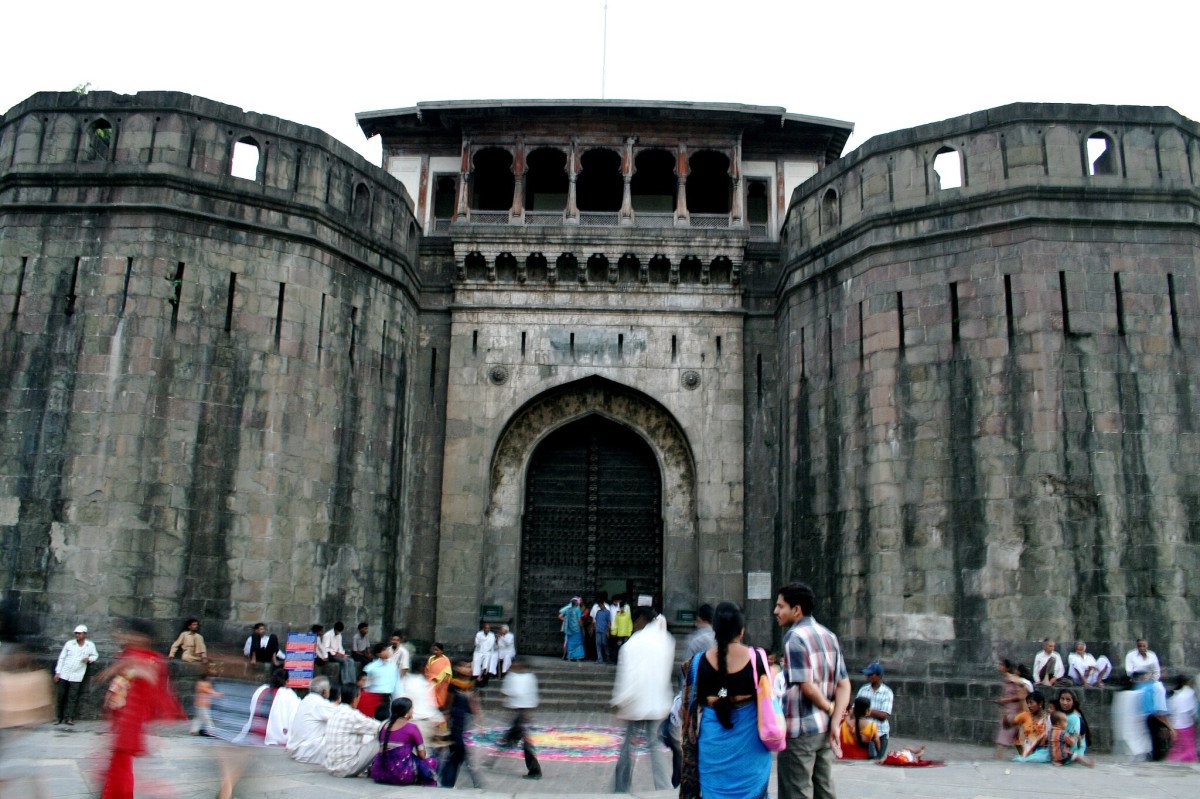
Shaniwar Wada Gates: The massive wooden gates studded with iron spikes make for a powerful and historic backdrop. Evening light-and-sound shows provide dramatic lighting for photography.
Sinhagad Fort Valley: The view of the sunset from the...Shaniwar Wada Gates: The massive wooden gates studded with iron spikes make for a powerful and historic backdrop. Evening light-and-sound shows provide dramatic lighting for photography.
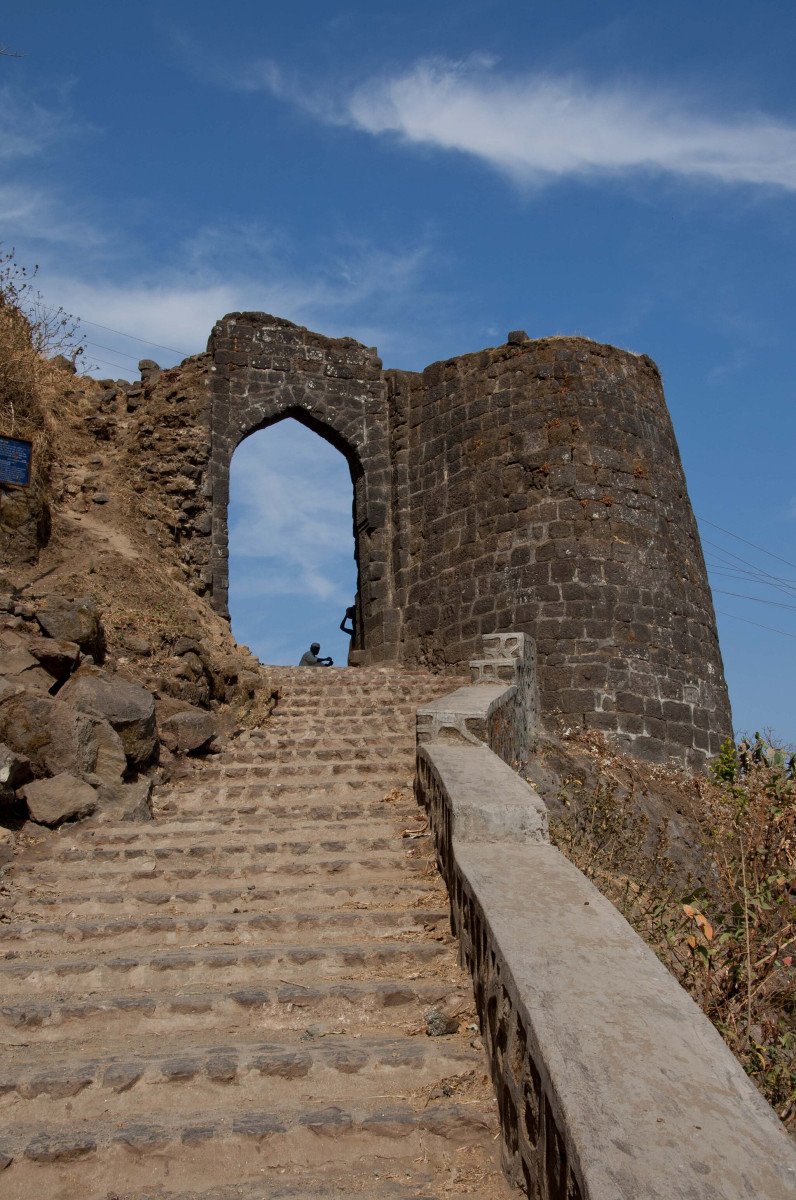
Sinhagad Fort Valley: The view of the sunset from the fort’s edge, with the valley below covered in clouds, is a favorite for landscape photographers. The local vendors and stone paths add a rustic touch.Photo Gallery
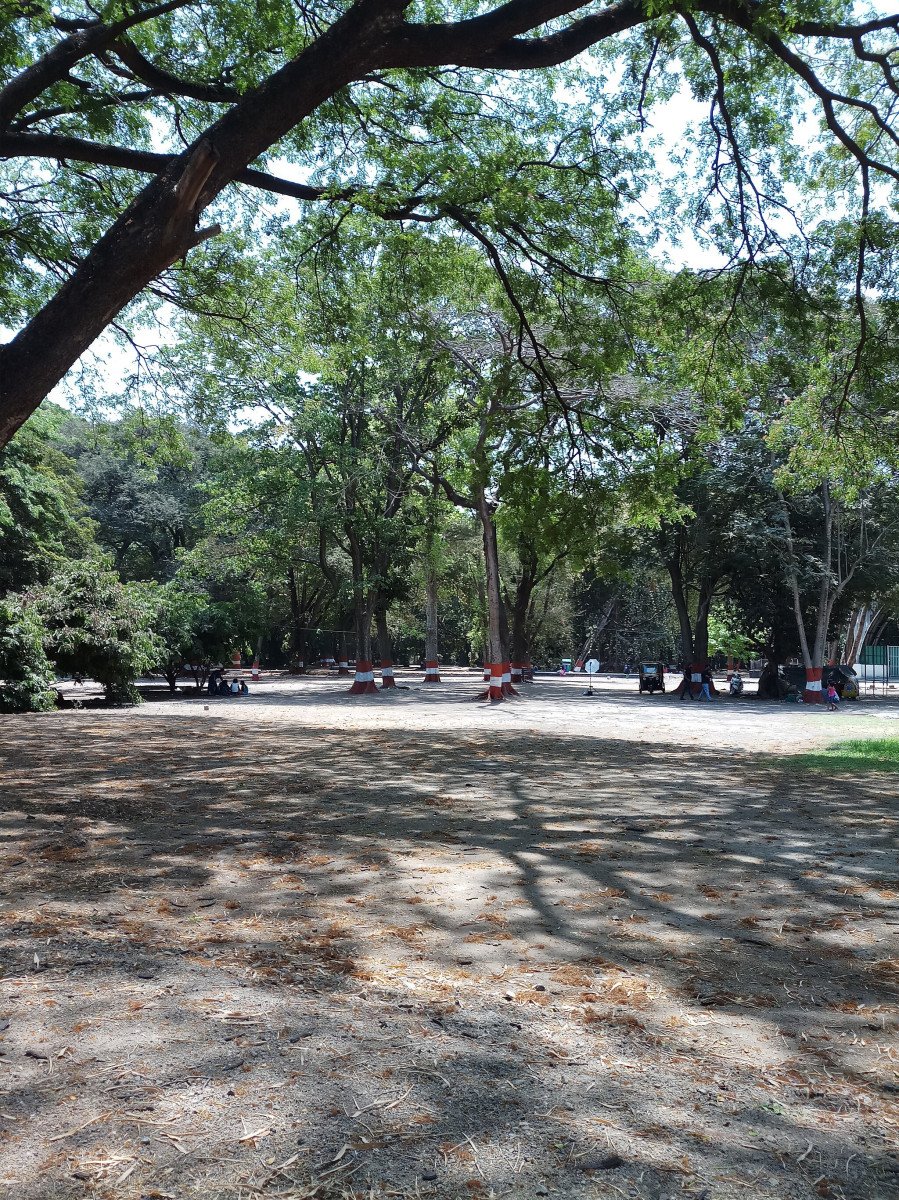
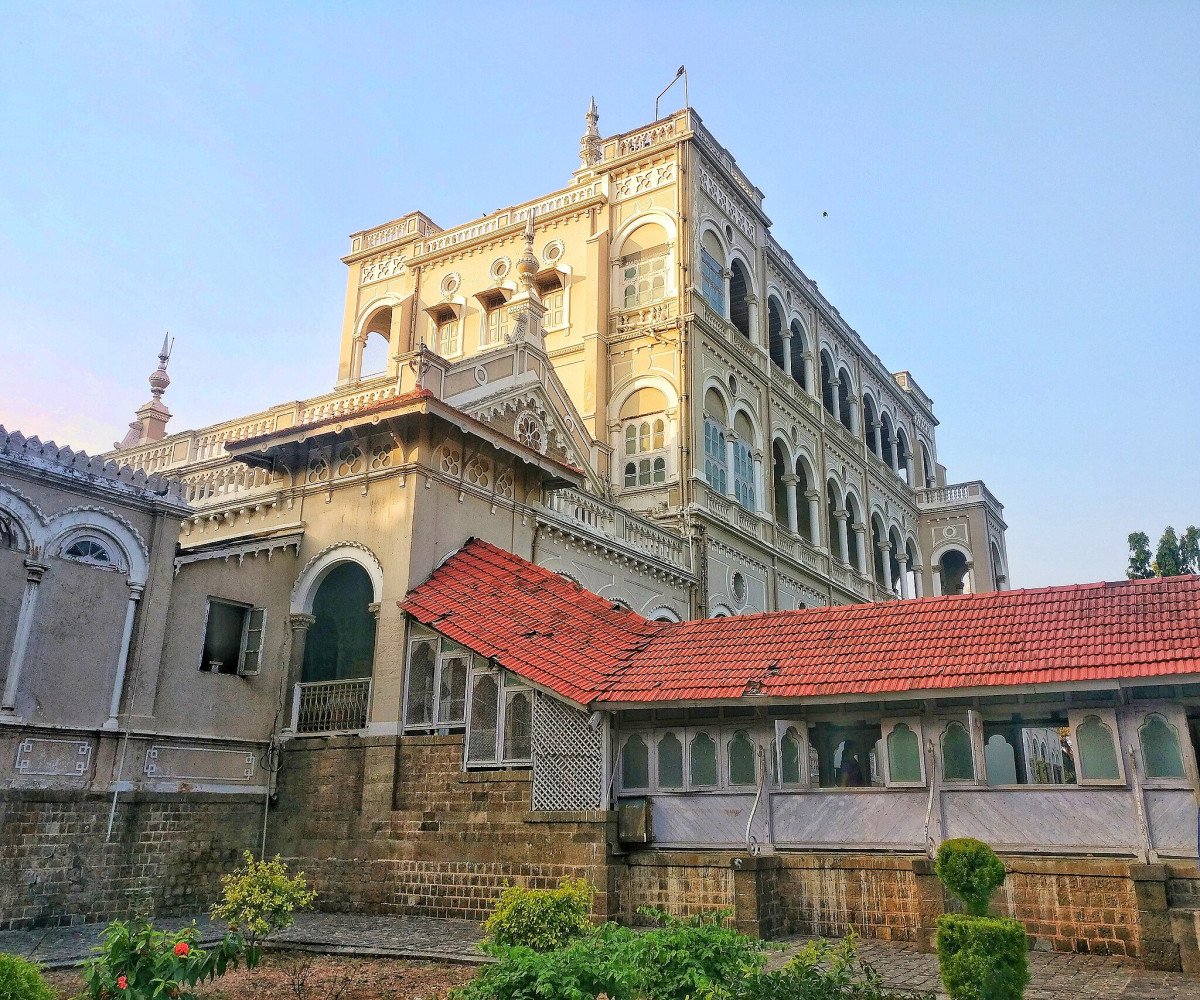
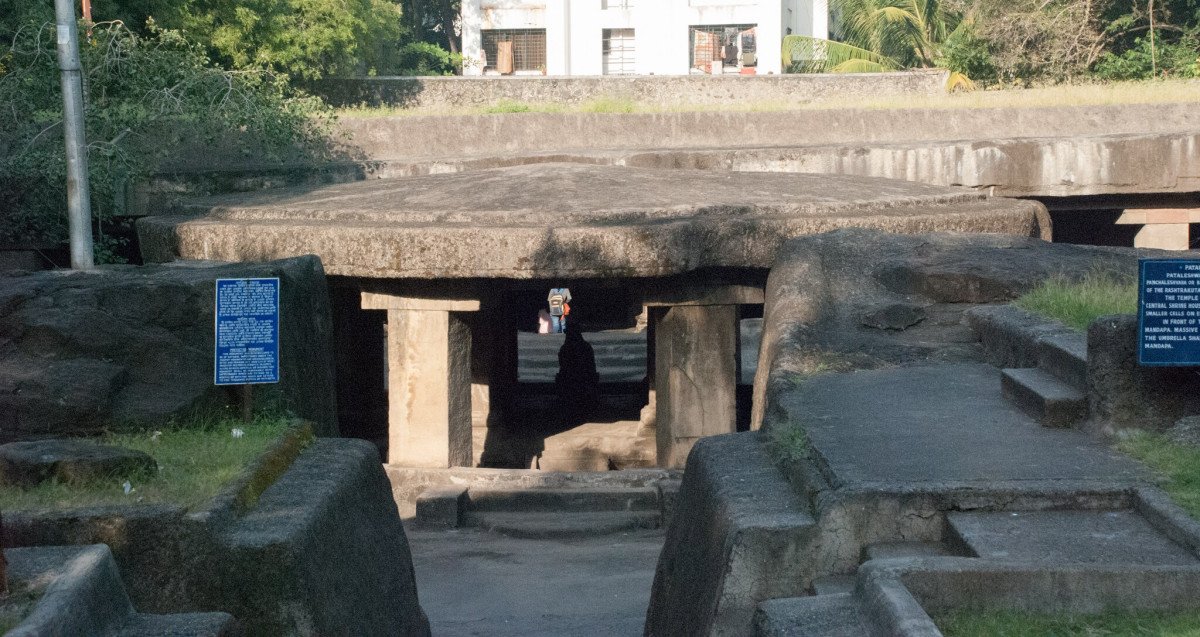
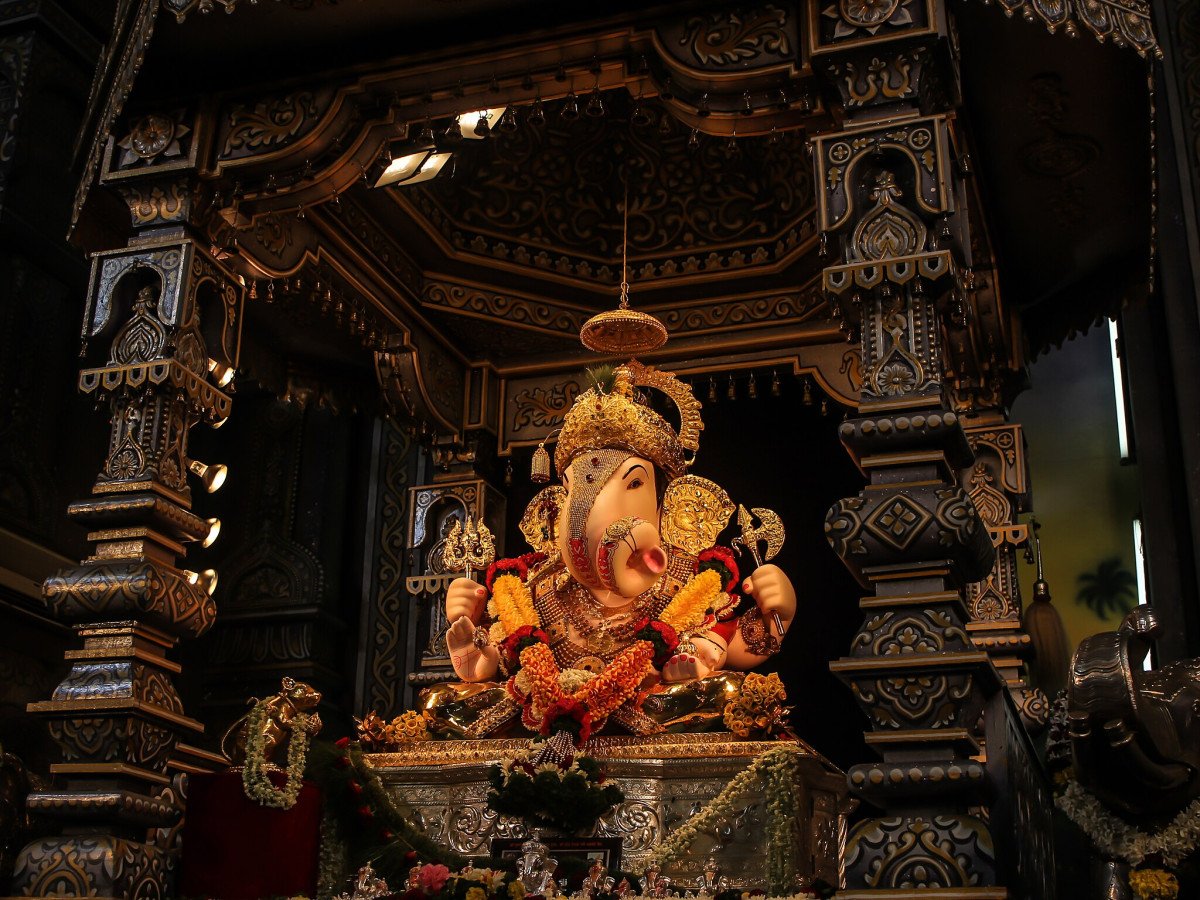
Things To Do
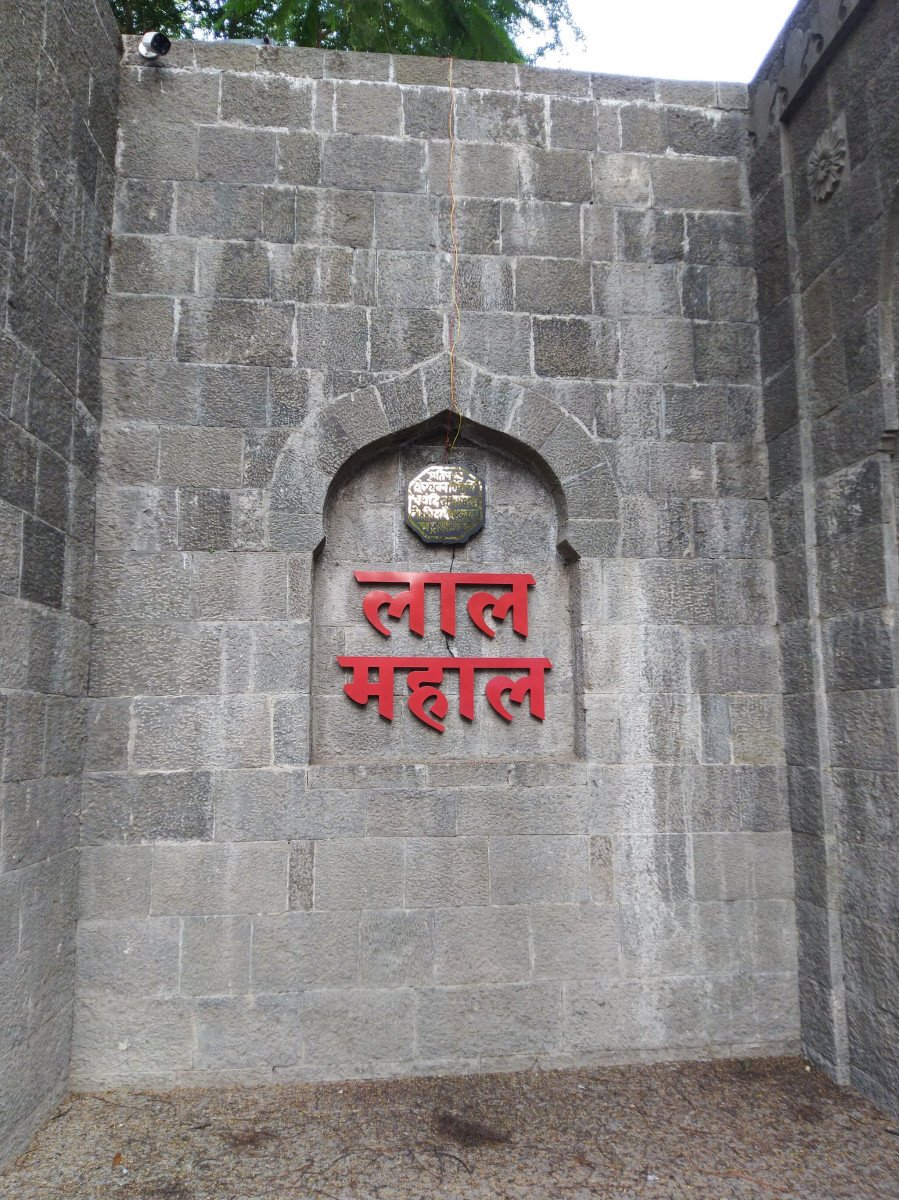
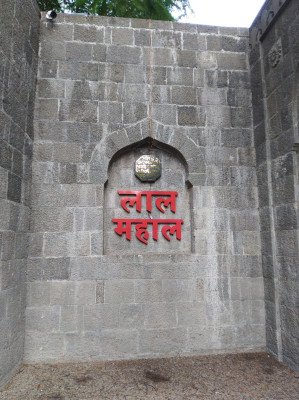 The Lal Mahal (Red Palace) is a historic palace that holds immense significance in the history of the Maratha Empire. It was originally built in 1630 AD by Shahaji Raje Bhosale, the father of Chhatrapati Shivaji Maharaj, for his wife Jijabai and their young son, Shivaji. The palace served as Shivaji Maharaj's childhood residence for about 15 years, where he received his early training and foundational education under the guidance of his mother. It was here that Shivaji Maharaj married his first wife, Saibai Nimbalkar, in 1640. The Lal Mahal is also the site of a legendary and daring midnight raid in 1663, where Shivaji Maharaj and a small group of his soldiers attacked the Mughal commander, Shaista Khan, who was occupying the palace at the time. This successful attack was a significant moral and political victory for the nascent Maratha forces. The original structure suffered extensive damage over the centuries, but the present structure is a reconstruction, carefully undertaken by the Pune Municipal Corporation (PMC) to preserve this sacred legacy. Today, it serves as a museum and a tribute to Shivaji Maharaj's early life.
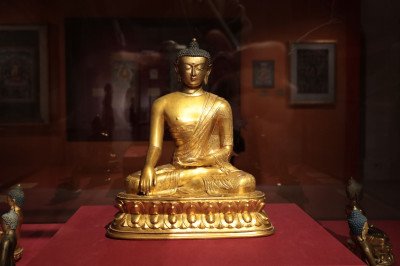 The Raja Dinkar Kelkar Museum is a unique cultural institution in Pune, housing the extensive and fascinating collection of late Dr. Dinkar G. Kelkar, which he dedicated to the memory of his deceased son, Raja. Established in 1962, the museum is a testament to one man's lifelong passion for collecting Indian artifacts that showcase the lives of the common people. The collection, which Dr. Kelkar started gathering in the 1920s, includes over 20,000 objects, though only about 2,500 are currently on public display due to space constraints. This treasure trove is spread across a three-story building, offering visitors a deep dive into the rich and diverse cultural heritage of India, primarily from the 18th and 19th centuries. It is managed by the Department of Archaeology, Government of Maharashtra. The artifacts cover a vast spectrum of life, from household utensils and simple farming tools to musical instruments, war weapons, and intricately carved wooden objects. The museum's aim is to preserve the aesthetic and artistic creations of the Indian common man. One of the most famous and highly admired sections is the exact replica of the opulent Mastani Mahal of Peshwa Bajirao I, which was originally located near Shaniwar Wada. This recreation offers a glimpse into the royal lifestyle of the Peshwa era, complete with beautiful chandeliers and artistic décor. The museum also has special collections like ancient musical instruments, ornate silver and gold ornaments, and traditional Indian lamps, including Mughal-era pieces. Visiting this museum is like walking through a chronological timeline of Indian craftsmanship and daily routines, making it an invaluable resource for historians, art lovers, and anyone interested in the social history of Maharashtra and India. The personal touch and dedication of its founder are palpable in every carefully arranged display. The building itself, with its traditional carved doors like the Dindi Darwaja, welcomes the visitor into a world lost to time. The overall environment is one of quiet reflection on the artistry and ingenuity of past generations.
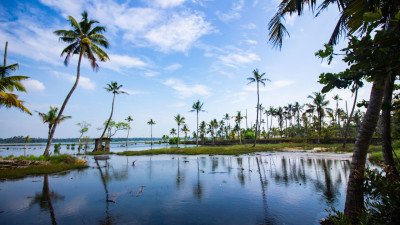 @@Serene Backwaters: Formed by the Pawna Dam on the Pawna River, this massive reservoir is one of the most popular weekend getaways near Pune and Mumbai. Surrounded by the towering peaks of the Sahyadri range, the lake offers a panoramic view of the Tikona, Lohagad, and Tung forts. The area has become a hub for lakeside camping, where thousands of tourists stay in tents under the stars. The calm blue water reflecting the orange sunset creates a magical atmosphere. It is an ideal spot for nature lovers looking to escape the hustle of city life.
 The Rajiv Gandhi Zoological Park is one of the most famous and largest zoos in Maharashtra, spread over a massive area of about 130 acres. It is popularly known as the Katraj Zoo due to its location. The park is broadly divided into three main sections: the Zoo, the Animal Rescue Center, and the highly popular Snake Park. The zoo was relocated from its original location in Peth to Katraj in 1999 to provide more space and a natural habitat for the animals. Its core mission is not just display but also conservation, research, and education. It is managed by the Pune Municipal Corporation (PMC). The park boasts an impressive array of wildlife, including various mammals, reptiles, and birds. Its star attractions include the majestic White Tiger, the playful Sloth Bears, leopards, and various species of deer and antelopes. The vast, natural enclosures are designed to mimic the animals' natural environment as much as possible, focusing on their well-being. It serves as a vital educational center for students and families to learn about Indian and exotic wildlife and the critical need for biodiversity conservation. The gentle slopes and natural terrain make for a pleasant, though extensive, day of walking and exploration.
Mulshi Lake and Dam is a popular ecotourism destination renowned for its breathtaking natural beauty, especially during the Monsoon season (June to September). The dam, built across the Mula River, was a significant undertaking initiated in the early 1920s and completed in 1927 by the Tata Power Company. Its primary purpose was, and remains, the generation of hydroelectric power at the Bhira hydroelectric plant, which famously supplies a large portion of its electricity to Mumbai. The massive reservoir formed by the dam is known as Mulshi Lake. The lake is nestled amidst the majestic and untouched western edge of the Sahyadri mountain range. The surrounding landscape features deep forests, rolling hills, and a rich variety of local flora and fauna, making it an ideal escape from the urban environment of Pune. The tranquility of the blue-green water against the backdrop of lush, verdant hills attracts nature lovers, photographers, and weekend travelers seeking peace and solitude. The region around the lake has evolved over the decades, transitioning from a purely utility area to a major tourist spot. It offers numerous private resorts, homestays, and camping sites that cater to visitors, allowing them to fully immerse themselves in the region’s calm atmosphere. The drive through the winding roads to Mulshi itself is part of the experience, offering scenic vistas and a refreshing change of pace. It's a place where modern industrial achievement (the dam) coexists perfectly with unspoiled natural grandeur (the lake and hills).
Saras Baug is a sprawling, beautiful garden spread over 25 acres, located right at the foot of Parvati Hill in the heart of Pune. It is one of the city's most beloved and iconic landmarks, serving as a tranquil green lung for the metropolitan area. The garden's history is deeply intertwined with the powerful Peshwa dynasty. Originally, the area was a small lake called Saras (which gave the garden its name) where Peshwa Balaji Baji Rao (Nanasaheb Peshwa) ordered the construction of a temple in the center, on a small island. This famous temple, dedicated to Lord Ganesha, is known as Talyatla Ganapati (Ganesha in the Lake). The construction began in 1750 and took 34 years to complete, finishing in 1784. The lake eventually dried up, and the land was converted into the beautiful garden seen today. The garden complex also once housed the Peshwe Park Zoo, which was later relocated to the Rajiv Gandhi Zoological Park in Katraj in 2005. Today, Saras Baug is a favored spot for morning walks, family picnics, and general relaxation. The well-maintained lawns, paved pathways, and large trees provide ample shade and a serene environment. The highlight remains the central Ganesha Temple, which attracts countless devotees and visitors daily. The temple, with its distinct dome, stands as a testament to Maratha craftsmanship. There is also a small museum dedicated to Lord Ganesha within the temple complex, which houses a collection of Ganesha idols. The area outside the garden is famous for its vibrant street food stalls (chowpatty), adding a lively, culinary element to a visit here.
Tulsi Baug is the most iconic shopping destination and a cultural landmark in old Pune. Originally established in the 18th century during the Peshwa era, it was once a sprawling garden of Tulsi (Basil) plants. Today, it has evolved into a bustling bazaar surrounded by historic temples. The center of this area is the Shri Ram Temple, which features one of the tallest temple spires (Shikhara) in Maharashtra. The market is famous for household items, traditional Maharashtrian jewelry, and copper-brass utensils. It is the go-to place for locals during festivals like Diwali and Ganesha Chaturthi. Navigating the narrow, crowded lanes of Tulsi Baug is an experience that defines the spirit of Pune city life.Show All
The Khadakwasla Dam is one of the most important landmarks in Pune, as its reservoir, Khadakwasla Lake (or Khawasla Lake), is the main source of drinking water for the entire city. The dam is built across the Mula-Mutha River and has a rich history, with the original construction dating back to the late 19th century during the British era. The first dam was an engineering marvel for its time, but it famously breached in 1961 due to heavy rains, causing massive floods in Pune. The current structure was rebuilt to be safer and more efficient. The reservoir created by the dam forms a massive, picturesque lake that stretches back towards the foothills of the Sahyadri Mountains. The dam wall itself is a popular spot, especially during the monsoon when water is released from the gates. The atmosphere here is one of peaceful scenic beauty, attracting locals and tourists for picnics, long drives, and to enjoy the vast expanse of water and the distant hills. It serves as a gateway to the famous Sinhagad Fort, which is visible from the dam site. The area is also famous for local food stalls, particularly fresh bhaji (fritters) and roasted corn, which add to the popular weekend getaway vibe.
The Rajiv Gandhi Zoological Park is one of the most famous and largest zoos in Maharashtra, spread over a massive area of about 130 acres. It is popularly known as the Katraj Zoo due to its location. The park is broadly divided into three main sections: the Zoo, the Animal Rescue Center, and the highly popular Snake Park. The zoo was relocated from its original location in Peth to Katraj in 1999 to provide more space and a natural habitat for the animals. Its core mission is not just display but also conservation, research, and education. It is managed by the Pune Municipal Corporation (PMC). The park boasts an impressive array of wildlife, including various mammals, reptiles, and birds. Its star attractions include the majestic White Tiger, the playful Sloth Bears, leopards, and various species of deer and antelopes. The vast, natural enclosures are designed to mimic the animals' natural environment as much as possible, focusing on their well-being. It serves as a vital educational center for students and families to learn about Indian and exotic wildlife and the critical need for biodiversity conservation. The gentle slopes and natural terrain make for a pleasant, though extensive, day of walking and exploration.
Mulshi Lake and Dam is a popular ecotourism destination renowned for its breathtaking natural beauty, especially during the Monsoon season (June to September). The dam, built across the Mula River, was a significant undertaking initiated in the early 1920s and completed in 1927 by the Tata Power Company. Its primary purpose was, and remains, the generation of hydroelectric power at the Bhira hydroelectric plant, which famously supplies a large portion of its electricity to Mumbai. The massive reservoir formed by the dam is known as Mulshi Lake. The lake is nestled amidst the majestic and untouched western edge of the Sahyadri mountain range. The surrounding landscape features deep forests, rolling hills, and a rich variety of local flora and fauna, making it an ideal escape from the urban environment of Pune. The tranquility of the blue-green water against the backdrop of lush, verdant hills attracts nature lovers, photographers, and weekend travelers seeking peace and solitude. The region around the lake has evolved over the decades, transitioning from a purely utility area to a major tourist spot. It offers numerous private resorts, homestays, and camping sites that cater to visitors, allowing them to fully immerse themselves in the region’s calm atmosphere. The drive through the winding roads to Mulshi itself is part of the experience, offering scenic vistas and a refreshing change of pace. It's a place where modern industrial achievement (the dam) coexists perfectly with unspoiled natural grandeur (the lake and hills).
Saras Baug is a sprawling, beautiful garden spread over 25 acres, located right at the foot of Parvati Hill in the heart of Pune. It is one of the city's most beloved and iconic landmarks, serving as a tranquil green lung for the metropolitan area. The garden's history is deeply intertwined with the powerful Peshwa dynasty. Originally, the area was a small lake called Saras (which gave the garden its name) where Peshwa Balaji Baji Rao (Nanasaheb Peshwa) ordered the construction of a temple in the center, on a small island. This famous temple, dedicated to Lord Ganesha, is known as Talyatla Ganapati (Ganesha in the Lake). The construction began in 1750 and took 34 years to complete, finishing in 1784. The lake eventually dried up, and the land was converted into the beautiful garden seen today. The garden complex also once housed the Peshwe Park Zoo, which was later relocated to the Rajiv Gandhi Zoological Park in Katraj in 2005. Today, Saras Baug is a favored spot for morning walks, family picnics, and general relaxation. The well-maintained lawns, paved pathways, and large trees provide ample shade and a serene environment. The highlight remains the central Ganesha Temple, which attracts countless devotees and visitors daily. The temple, with its distinct dome, stands as a testament to Maratha craftsmanship. There is also a small museum dedicated to Lord Ganesha within the temple complex, which houses a collection of Ganesha idols. The area outside the garden is famous for its vibrant street food stalls (chowpatty), adding a lively, culinary element to a visit here.
Tulsi Baug is the most iconic shopping destination and a cultural landmark in old Pune. Originally established in the 18th century during the Peshwa era, it was once a sprawling garden of Tulsi (Basil) plants. Today, it has evolved into a bustling bazaar surrounded by historic temples. The center of this area is the Shri Ram Temple, which features one of the tallest temple spires (Shikhara) in Maharashtra. The market is famous for household items, traditional Maharashtrian jewelry, and copper-brass utensils. It is the go-to place for locals during festivals like Diwali and Ganesha Chaturthi. Navigating the narrow, crowded lanes of Tulsi Baug is an experience that defines the spirit of Pune city life.Show All
The Khadakwasla Dam is one of the most important landmarks in Pune, as its reservoir, Khadakwasla Lake (or Khawasla Lake), is the main source of drinking water for the entire city. The dam is built across the Mula-Mutha River and has a rich history, with the original construction dating back to the late 19th century during the British era. The first dam was an engineering marvel for its time, but it famously breached in 1961 due to heavy rains, causing massive floods in Pune. The current structure was rebuilt to be safer and more efficient. The reservoir created by the dam forms a massive, picturesque lake that stretches back towards the foothills of the Sahyadri Mountains. The dam wall itself is a popular spot, especially during the monsoon when water is released from the gates. The atmosphere here is one of peaceful scenic beauty, attracting locals and tourists for picnics, long drives, and to enjoy the vast expanse of water and the distant hills. It serves as a gateway to the famous Sinhagad Fort, which is visible from the dam site. The area is also famous for local food stalls, particularly fresh bhaji (fritters) and roasted corn, which add to the popular weekend getaway vibe.Information
-
Why Famous:
Shaniwar Wada: This historic fortification was the seat of the Peshwas until 1818. Despite a major fire in 1828, the massive walls and gates remain a symbol of the city’s glorious and tragic history.
Aga Khan Palace: Built in 1892, this p...Shaniwar Wada: This historic fortification was the seat of the Peshwas until 1818. Despite a major fire in 1828, the massive walls and gates remain a symbol of the city’s glorious and tragic history.
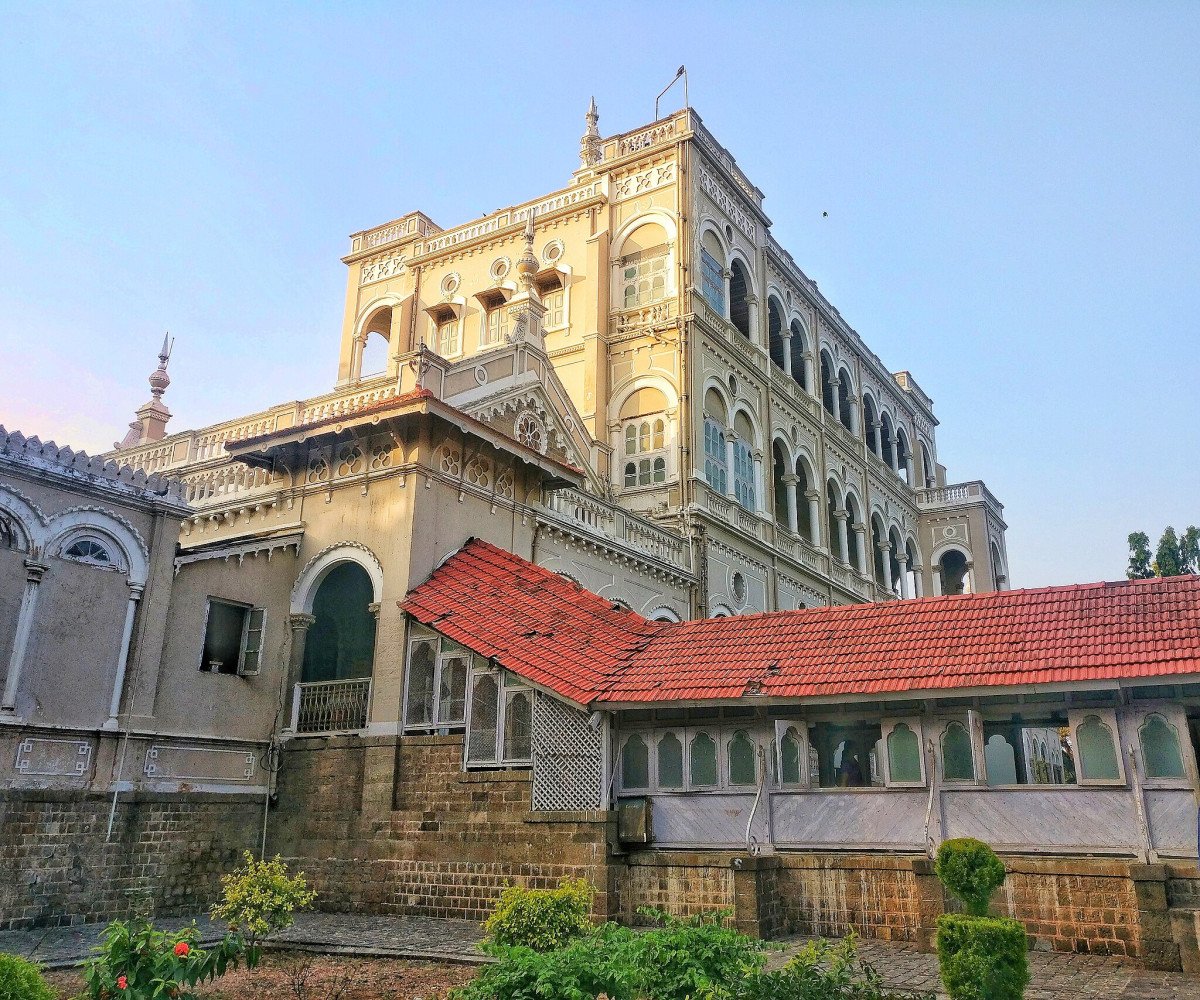
Aga Khan Palace: Built in 1892, this palace served as a prison for Mahatma Gandhi and other freedom fighters during the Quit India Movement. It is now a memorial dedicated to his life and philosophy. -
Architecture:
Maratha Fortification: Shaniwar Wada showcases the military and residential architecture of the Peshwas, with massive teak gates and stone foundations. The remaining ruins reflect a sophisticated urban layout from the 18th century.
Rock-Cut Mar...Maratha Fortification: Shaniwar Wada showcases the military and residential architecture of the Peshwas, with massive teak gates and stone foundations. The remaining ruins reflect a sophisticated urban layout from the 18th century.
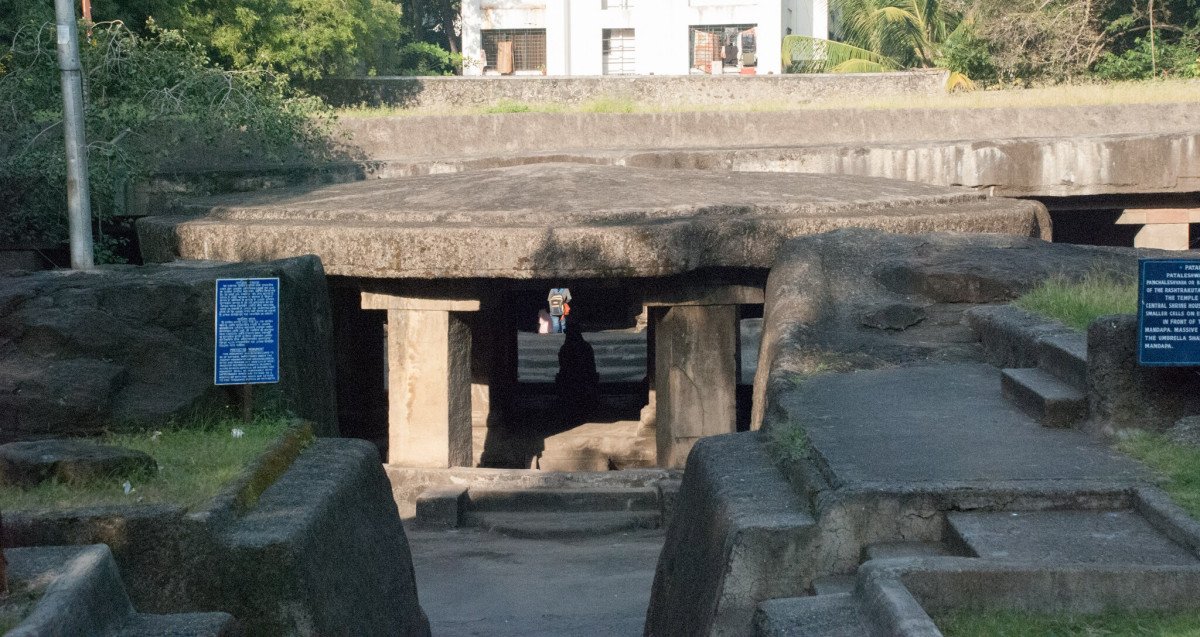
Rock-Cut Marvel: The Pataleshwar Cave Temple is an 8th-century rock-cut structure dedicated to Lord Shiva. It is carved out of a single massive basalt rock and features a circular Nandi pavilion and unfinished pillars. -
How To Reach:
By Air: Pune International Airport at Lohegaon is well-connected to major domestic cities and some international hubs like Dubai. It is located about 10 KM from the city center.
By Train: Pune Junction is a major stop on the Indian Railways...By Air: Pune International Airport at Lohegaon is well-connected to major domestic cities and some international hubs like Dubai. It is located about 10 KM from the city center.
By Train: Pune Junction is a major stop on the Indian Railways network, with high-speed trains like the Deccan Queen connecting it to Mumbai. The journey is scenic and takes about 3 hours.
By Road: The Mumbai-Pune Expressway has made road travel extremely fast and comfortable. Frequent luxury buses (Shivneri) and private cabs operate between the two cities around the clock.
By Local Transport: The city has an extensive PMPML bus network and the newly launched Pune Metro. Auto-rickshaws and app-based cabs (Ola/Uber) are the most convenient ways to navigate the city. -
Weather and Best Time to Visit:
Winter Season: From November to February, the weather is pleasant and cool, making it the best time for sightseeing and attending music festivals. The average temperature stays around 20 degrees Celsius.
Summer Season: March to May can be h...Winter Season: From November to February, the weather is pleasant and cool, making it the best time for sightseeing and attending music festivals. The average temperature stays around 20 degrees Celsius.
Summer Season: March to May can be hot and dry, but many hill stations are nearby for an escape. This is a good time for indoor museum tours and exploring the city’s educational campuses. -
Near Tourist Places:
Nearby Places: 1. Lonavala (65 KM), 2. Lavasa (55 KM), 3. Mulshi Dam (45 KM), 4. Mahabaleshwar (120 KM), 5. Shirdi (190 KM), 6. Matheran (120 KM), 7. Panchgani (100 KM), 8. Jejuri (50 KM), 9. Bhimashankar (110 KM), 10. Alibaug (145 KM).
Tourism Tips
-
Health and Safety: Pune is generally safe for solo travelers, but be cautious with your belongings in crowded markets like Tulsi Baug. Stick to reputed restaurants for street food to avoid infections.
Packing Tips: Carry a light sweater for...Health and Safety: Pune is generally safe for solo travelers, but be cautious with your belongings in crowded markets like Tulsi Baug. Stick to reputed restaurants for street food to avoid infections.
Packing Tips: Carry a light sweater for winter mornings and comfortable walking shoes for the Peth area tours. If visiting during monsoon, a sturdy umbrella is essential as the city sees consistent rain.
Reviews
FAQs
Pune Itineray And Cost:-
Other Places In Maharashtra :-
Other States In India :-
Information about New and Updated Locations() of Maharashtra Has Been Added :-
Card subtitle
Note:-
Information provided here in good Faith and for reference only.
Near Places
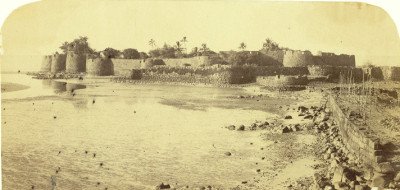
Alibaug
Some quick example text to build on the card title and make up the bulk of the card's content.
Go somewhere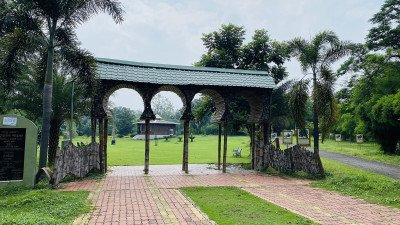
Amravati
Some quick example text to build on the card title and make up the bulk of the card's content.
Go somewhere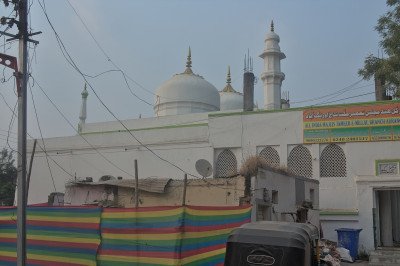
Aurangabad
Some quick example text to build on the card title and make up the bulk of the card's content.
Go somewhere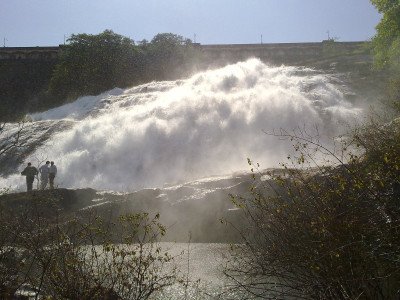
Bhandardara
Some quick example text to build on the card title and make up the bulk of the card's content.
Go somewhere
Diveagar
Some quick example text to build on the card title and make up the bulk of the card's content.
Go somewhere
Ganpatipule
Some quick example text to build on the card title and make up the bulk of the card's content.
Go somewhere
Karjat
Some quick example text to build on the card title and make up the bulk of the card's content.
Go somewhere
Khandala
Some quick example text to build on the card title and make up the bulk of the card's content.
Go somewhere
Kolad
Some quick example text to build on the card title and make up the bulk of the card's content.
Go somewhere
Kolhapur
Some quick example text to build on the card title and make up the bulk of the card's content.
Go somewhere
Lavasa
Some quick example text to build on the card title and make up the bulk of the card's content.
Go somewhere
Lonavala
Some quick example text to build on the card title and make up the bulk of the card's content.
Go somewhere
Mahabaleshwar
Some quick example text to build on the card title and make up the bulk of the card's content.
Go somewhere
Matheran
Some quick example text to build on the card title and make up the bulk of the card's content.
Go somewhere
Mumbai
Some quick example text to build on the card title and make up the bulk of the card's content.
Go somewhere
Nagpur
Some quick example text to build on the card title and make up the bulk of the card's content.
Go somewherein Other Cities