...

Place To Visit And Things To Do In Ratnagiri

Maharashtra, India
History of the Port City: Ratnagiri is a historic port city located on the Arabian Sea coast of Maharashtra. It is widely recognized as the birthplace of the great freedom fighter Lokmanya Tilak. The city served as a strategic administrative hub during the Maratha Empire and later under British rule . Today, it stands as a bustling center for commerce, famous for its fisheries and world-renowned Alphonso mangoes. Visitors are drawn to its unique blend of coastal charm and deep-rooted historical significance that spans several centuries. The Royal Legacy: The city is also famous for being the place of exile for King Thibaw, the last ruler of Burma (now Myanmar). He lived here for many years in the majestic Thibaw Palace, which remains a major landmark. This royal connection adds a layer of international history to this coastal town. The local culture is a vibrant mix of traditional Konkani customs, reflecting in the food, festivals, and lifestyle of the residents. It is a place where history meets the serenity of the sea. Natural Landscapes: Ratnagiri is blessed with a diverse topography that includes white sand beaches, rocky cliffs, and lush green hills. The coastline is dotted with pristine beaches like Mandvi and Bhatye, which offer breathtaking views of the sunset. The Sahyadri mountain ranges provide a dramatic backdrop, creating a paradise for nature lovers and photographers. The region is also rich in biodiversity, with thick mangroves and various species of marine life found along the shores. It is an ideal getaway for those seeking peace away from urban life. Cultural Essence: The local population primarily speaks Marathi, and the culture is deeply influenced by the sea. Festivals like Ganesh Chaturthi and Holi (Shimga) are celebrated with immense fervor and traditional rituals. The cuisine is a highlight, featuring spicy seafood dishes and the sweet fragrance of Alphonso mangoes during the summer. Exploring Ratnagiri provides a deep insight into the heart of Konkan heritage. It remains a top choice for travelers looking for an authentic Maharashtrian experience.

Things To Do

Card image cap
Aare Ware Beach

Aare Ware Beach is a stunning geological marvel consisting of two secluded beaches, Aare and Ware, separated by a small hillock. Located along the sc...

Aare Ware Beach is a stunning geological marvel consisting of two secluded beaches, Aare and Ware, separated by a small hillock. Located along the scenic Coastal Highway, these beaches offer a panoramic view of the Arabian Sea that is often compared to Mediterranean landscapes. The sand is exceptionally clean and soft, reflecting a golden hue during the day and turning silvery under the moonlight. This spot is perfect for travelers seeking solitude away from the commercial noise of more popular coastal destinations in Maharashtra. The surrounding greenery of the Sahyadri foothills provides a lush backdrop that enhances the blue of the ocean. Local folklore suggests the name originated from the two distinct villages that share this coastline. Environmentalists frequent the area to study its unique rock formations and coastal erosion patterns. Despite its beauty, it remains one of the least crowded spots in the Ratnagiri district, preserving its natural ecosystem. Visitors often find themselves being the only ones on the vast stretch of sand during weekdays. The road leading to the beach is equally famous, offering one of the best driving experiences in India with sharp curves and cliffside views.
Card image cap
Ambolgad Beach and Fort

Ambolgad Beach and Fort represent a perfect blend of history and natural beauty in the southern part of Ratnagiri. The fort, though now in ruins, was...
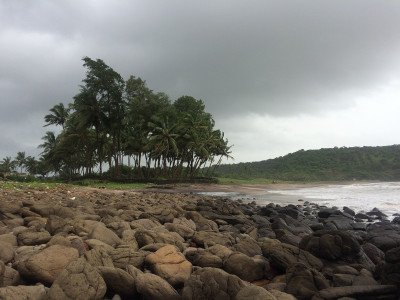
Ambolgad Beach and Fort represent a perfect blend of history and natural beauty in the southern part of Ratnagiri. The fort, though now in ruins, was a strategic coastal defense point during the Maratha era, overlooking the vast Arabian Sea. The beach adjacent to it is a pristine crescent of white sand, flanked by high cliffs that provide a sense of total isolation from the world. History enthusiasts visit to see the remnants of the bastions and the old cannons that still face the sea. The village of Ambolgad is a quiet fishing hamlet where traditional Konkani culture is still very much alive. The water here is much cleaner than the urban beaches, making it a favorite for those who enjoy long, undisturbed swims. Legend says the fort was used to monitor pirate movements along the coast. The local population is very welcoming and often shares stories of the fort's former glory. It is a place where time seems to have slowed down, offering a meditative experience. The trek to the fort is relatively easy and rewards visitors with a 360-degree view of the coastline. During the monsoon, the entire area is covered in wildflowers, creating a surreal landscape.
Card image cap
Bhatye Beach

@@Coastal Beauty and Zari Vinayak Temple Ratnagiri: Bhatye Beach is one of the most tranquil and scenic beaches near Ratnagiri city. It is approximate...

@@Coastal Beauty and Zari Vinayak Temple Ratnagiri: Bhatye Beach is one of the most tranquil and scenic beaches near Ratnagiri city. It is approximately 1.5 KM long, characterized by its long, flat stretch of silver-black sand and the soothing presence of casuarina ('Suru') trees along the coastline, locally referred to as 'Suru Ban'. The beach offers a stunning panoramic view, bordered on one side by the Arabian Sea and on the other by the jagged Sahyadri mountain ranges. It is an ideal spot for relaxation, long leisurely walks, and admiring the breathtaking sunset over the sea. The beach is relatively less crowded compared to Mandavi Beach, offering a peaceful retreat. It is famous for its clean environment and calm shoreline, which is generally safe for swimming in designated areas. The beach also provides a view of the prominent Ratnagiri Lighthouse located at the adjacent Ratnadurg Fort headland. The confluence of the bluish water, silvery sand, and greenery makes it a perfect Konkan coastal experience for families and couples seeking solace in nature's lap in Maharashtra, India. It's a key spot on most Ratnagiri itineraries, especially for evening visits and picnics.
Card image cap
Devgad Beach and Fort

Devgad, a charming coastal town in the Sindhudurg district (south of Ratnagiri district but often visited from Ratnagiri), is a picturesque destinati...

Devgad, a charming coastal town in the Sindhudurg district (south of Ratnagiri district but often visited from Ratnagiri), is a picturesque destination known for its pristine beach, a historic fort, and its undisputed reputation as the home of the world-famous Devgad Alphonso mango. The Devgad Beach is a clean and serene stretch of golden sand, offering a tranquil escape from the bustling city life. The clear blue waters of the Arabian Sea here are inviting for swimming and various water activities. The beach is relatively less crowded compared to some other Konkan beaches, providing a peaceful environment for relaxation and leisurely strolls. Overlooking the beach and the harbor is the Devgad Fort, a historical sea fort that stands as a testament to the region's past. While much of the fort is in ruins, its strategic location on a hilltop offers magnificent panoramic views of the coastline, the lighthouse, and the vast expanse of the sea. The fort dates back to the Maratha era and has seen various rulers. Within the fort complex, visitors can find a few old cannons and remnants of structures that hint at its former glory. A notable feature is the Devgad Lighthouse, located on one of the fort's bastions, which guides ships along the coast and offers breathtaking sunset views. Beyond its natural beauty and historical significance, Devgad is synonymous with the Alphonso mango. The town is surrounded by vast mango orchards, and during the mango season (typically April to June), the air is filled with the sweet aroma of ripe mangoes. Devgad is a major hub for Alphonso mango export, and visitors can indulge in fresh mangoes or mango-based products. The combination of a beautiful beach, a historic fort, and the world-renowned mangoes makes Devgad a unique and highly enjoyable destination for a coastal getaway.
Card image cap
Dhootpapeshwar Temple

Dhootpapeshwar Temple is an ancient and highly revered shrine dedicated to Lord Shiva, situated in a lush valley near Rajapur. The temple is famous n...

Dhootpapeshwar Temple is an ancient and highly revered shrine dedicated to Lord Shiva, situated in a lush valley near Rajapur. The temple is famous not just for its religious significance but also for its breathtaking natural surroundings. It is located on the banks of the Mrudani River, which features a magnificent waterfall right next to the temple structure. The name "Dhootpapeshwar" literally translates to "The Washer of Sins," and thousands of devotees flock here to cleanse themselves in the holy waters. The temple is surrounded by high mountains on three sides, creating a natural amphitheater of greenery. The atmosphere is filled with the sound of the cascading waterfall and the chanting of priests, providing a deeply spiritual experience. Historically, the temple has been mentioned in several ancient texts and has been a site of pilgrimage for centuries. The surrounding forest is home to various medicinal plants, and the air is remarkably pure. During the monsoon, the river swells, and the waterfall becomes a roaring spectacle of white foam. The temple complex also houses a shrine for Lord Datta on the opposite bank, connected by a small bridge. It is a place where nature and divinity coexist in perfect harmony.
Card image cap
Ganeshgule Beach

Ganeshgule Beach is a hidden paradise that offers one of the most serene coastal experiences in Maharashtra. Stretched over 1.5 Kilometers, the beach...
Ganeshgule Beach is a hidden paradise that offers one of the most serene coastal experiences in Maharashtra. Stretched over 1.5 Kilometers, the beach is known for its unique "rocky-white" sand and emerald green waters. Unlike the busier beaches of Ratnagiri, Ganeshgule provides a sense of peace that is hard to find elsewhere. The beach is flanked by two small hills on either side, creating a protected bay that is ideal for swimming and sunbathing. The shore is lined with towering Casuarina and coconut trees, providing plenty of natural shade for picnickers. A major attraction here is the ancient Ganeshgule Temple, located just a few hundred meters from the shore, which houses a "Swayambhu" (self-manifested) idol of Lord Ganesha. The village itself is a model of Konkani tranquility, with traditional houses and lush mango orchards. It is a popular spot for bird watchers, as many coastal species can be seen here during the early hours. The lack of commercial shacks ensures that the beach remains pollution-free and quiet. The sunset here is particularly famous because of the way the light reflects off the unique white sand, creating a golden glow that lasts long after the sun has set.
Card image cap
Ganpatipule Temple and Beach

Ganpatipule is a celebrated pilgrimage and tourist destination, drawing devotees and leisure travelers alike to its unique blend of spiritual sanctit...

Ganpatipule is a celebrated pilgrimage and tourist destination, drawing devotees and leisure travelers alike to its unique blend of spiritual sanctity and natural beauty. The heart of Ganpatipule is the Swayambhu Ganpati Temple, an ancient shrine dedicated to Lord Ganesha. What makes this temple truly exceptional is its "Swayambhu" idol a self-originated idol of Lord Ganesha, believed to have emerged naturally from the white sand. This 400-year-old idol faces the west, an unusual orientation for Hindu deities, earning it the moniker Paschim Dwar Devata (West-facing Deity). The temple itself is built with pule (white sand), further emphasizing its natural origins. The temple's location is equally remarkable, nestled directly on the shores of the Arabian Sea. The temple complex is surrounded by lush green coconut and mango groves, creating a serene and picturesque setting. Devotees often perform pradakshina (circumambulation) around the hill that houses the temple, a walk of approximately 1 km, which is believed to offer immense spiritual benefits. The continuous sound of waves crashing on the shore adds to the meditative atmosphere, making it a truly unique spiritual experience. Adjacent to the temple is the Ganpatipule Beach, a pristine stretch of white sand and clear turquoise waters, renowned for its cleanliness and tranquil ambiance. The beach is ideal for swimming, sunbathing, and leisurely strolls. Its calm waters make it relatively safe for families. During peak season, some water sports activities are also available. The blend of a sacred temple just steps away from a beautiful beach allows visitors to combine spiritual devotion with relaxing coastal leisure. Ganpatipule offers an idyllic escape, providing both spiritual solace and a refreshing communion with nature, making it one of the most visited and beloved spots in the Konkan region.
Card image cap
Gateway of Ratnagiri (Mandavi Beach)

The Gateway of Ratnagiri, while not a historical gate in the traditional sense like Mumbai's Gateway of India, is an iconic and distinctive structure...

The Gateway of Ratnagiri, while not a historical gate in the traditional sense like Mumbai's Gateway of India, is an iconic and distinctive structure that graces the shores of Mandavi Beach. This large, black-rock fortified structure, reminiscent of a grand entrance, was built by Pratinidhi Dhondu Bhaskar with the purpose of defending Ratnagiri's coastline. Its sturdy bastions and commanding presence make it a significant landmark and a popular spot for both locals and tourists. Mandavi Beach itself is unique for its dark, almost black, sand, a characteristic feature of many beaches in the Konkan region due to the basaltic rock formations. The contrast of the dark sand against the azure waters of the Arabian Sea creates a striking visual. The beach is a vibrant hub of activity, especially in the evenings, with locals and tourists alike flocking here for leisurely strolls, enjoying the cool sea breeze, and witnessing magnificent sunsets. The Gateway provides a dramatic backdrop to the beach, making it a favorite spot for photography. Beyond its scenic beauty, Mandavi Beach offers various recreational opportunities. While it might not be ideal for deep swimming due to currents and the nature of the sand, it's perfect for relaxing, picnicking, and engaging in casual beach activities. During peak season, some water sports activities like jet skiing or banana boat rides might be available, albeit on a smaller scale compared to more commercial beaches. The promenade along the beach is dotted with local food stalls, offering delectable Konkani snacks and refreshing beverages, allowing visitors to savor the local flavors while enjoying the coastal ambiance. The Gateway of Ratnagiri, with Mandavi Beach as its setting, encapsulates the essence of Ratnagiri a blend of historical significance, natural beauty, and a lively local atmosphere, making it an unmissable part of any visit to the city.
Card image cap
Gowalkot Fort

Gowalkot Fort is a historic hill fort located on a small island-like peninsula in the Vashishti River, near the town of Chiplun. Built in 1690, the f...

Gowalkot Fort is a historic hill fort located on a small island-like peninsula in the Vashishti River, near the town of Chiplun. Built in 1690, the fort has a rich history of being ruled by various powers including the Siddis, the Marathas, and the British. Chhatrapati Shivaji Maharaj conquered it in 1660 and renamed it Govindgad. The fort is surrounded by water on three sides, making it a strategically important location for controlling the river trade routes. Today, it is a popular spot for trekkers and history enthusiasts. The climb to the fort involves a flight of steps starting near the ancient Karanjeshwari Temple at the base. From the top, visitors are treated to a spectacular view of the winding Vashishti River and the lush green valley below. The fort area covers about 2 Acres and contains ruins of old buildings, a dried-up water tank, and several cannons. The atmosphere is quiet and rustic, offering a glimpse into the military architecture of the bygone era. It is an ideal spot for those who want to combine a bit of physical activity with a history lesson. The surrounding river is also known for crocodile sightings, adding an element of adventure to the trip.
Card image cap
Guhagar Beach

Guhagar Beach is a breathtaking expanse of white sand stretching nearly 6 kilometers along the Arabian Sea, known for its untouched natural beauty an...

Guhagar Beach is a breathtaking expanse of white sand stretching nearly 6 kilometers along the Arabian Sea, known for its untouched natural beauty and tranquil atmosphere. This beach is a part of the Guhagar taluka and is nestled between the sea and the lush green Western Ghats, providing a perfect escape for travelers seeking peace. The coastline is lined with dense plantations of Coconut, Mango, and Betel Nut trees, which offer a refreshing green backdrop to the turquoise waters. Historically, Guhagar has been a quiet fishing village and a center of religious importance, home to the ancient Vyadeshwar Temple. The beach is remarkably clean, largely due to its relative isolation and the local community's efforts to preserve its pristine state. Visitors can enjoy long walks on the soft sand while listening to the rhythmic crashing of waves, which creates a meditative environment. During the October to March season, the beach becomes a hub for families and couples who come to enjoy the mild climate and stunning sunsets. Unlike other commercialized beaches, Guhagar Beach retains an authentic Konkani charm with its simple wooden structures and local food stalls serving fresh seafood. The shallow waters make it safe for swimming during the low tide, though caution is always advised. The local ecosystem is rich, with frequent sightings of Sea Eagles and occasionally Dolphins leaping in the distance. Exploring the nearby hamlets allows travelers to witness the traditional lifestyle of the Konkan people, characterized by their hospitality and deep-rooted culture. Whether you are a nature enthusiast, a photographer, or someone looking for a quiet retreat, this beach offers a unique blend of coastal serenity and spiritual vibes that are hard to find elsewhere in Maharashtra.
Card image cap
Jaigad Fort and Lighthouse

Jaigad Fort, often referred to as the "Fort of Victory," is a majestic 17th-century coastal fort that stands as a silent sentinel at the mouth of the...

Jaigad Fort, often referred to as the "Fort of Victory," is a majestic 17th-century coastal fort that stands as a silent sentinel at the mouth of the Shastri River, guarding the Jaigad Bay. This impressive laterite stone fort, spread over an area of about 13 acres, was strategically built to oversee and protect the important Jaigad port. While its exact builders are debated, it played a significant role in the maritime history of the Konkan region, particularly under the Marathas and later the British. Though much of the fort is in ruins, its strong bastions, walls, and remnants of old structures offer a glimpse into its past grandeur and strategic importance. The fort's commanding position provides breathtaking panoramic views of the confluence of the river and the sea, the sprawling Arabian Sea, and the serene Jaigad village. Within the fort premises, visitors can explore a few well-preserved structures, including a small Ganesh temple and some water cisterns. The most prominent feature of Jaigad Fort is the Jaigad Lighthouse, situated on one of its western bastions. This operational lighthouse, an important navigational aid for ships along the Konkan coast, was originally built by the British. Visitors can often climb to the top of the lighthouse during specific hours, offering an even more expansive and spectacular view of the surrounding landscape and the vast ocean. The area around the fort is relatively untouched, maintaining a rustic charm that adds to the appeal of the visit. A visit to Jaigad Fort and its lighthouse offers a fascinating combination of historical exploration and natural beauty, making it a compelling destination for history buffs, photographers, and nature lovers. It's a place where one can truly feel the winds of history and witness the raw power of the sea.
Card image cap
Jaigad Fort

Jaigad Fort, also known as the 'Fort of Victory', is a 16th-century coastal fortification that stands majestically at the confluence where the Shastr...

Jaigad Fort, also known as the 'Fort of Victory', is a 16th-century coastal fortification that stands majestically at the confluence where the Shastri River meets the Arabian Sea. It covers an area of about 13 acres and was strategically built to protect the Jaigad creek from maritime invasions. The fort's history is a tapestry of various rulers, starting with the Bijapur Sultanate and later falling under the control of the Naiks of Sangameshwar. In the 17th century, the legendary Maratha Admiral Kanhoji Angre fortified the structure, making it a crucial naval base for the Maratha Empire. The fort is unique because it is situated on a high cliff, providing a 360-degree view of the surrounding waters and the lush Konkan coastline. Inside the sprawling complex, one can find the ruins of the Kanhoji Angre Palace, a small Ganesh Temple, and several deep freshwater wells that are engineering marvels of that era. Despite being in a state of ruin, the massive outer walls and bastions are still remarkably intact, showcasing the strength of medieval engineering. Walking along the ramparts, visitors can see the modern JSW Port on one side and the vast, open ocean on the other, creating a bridge between the ancient and the modern. The fort is currently a protected monument under the Archaeological Survey of India (ASI). Legends say that the fort was only completed after a human sacrifice was made to please the deities, and a small shrine for the boy Jaiba exists within the walls. The atmosphere is quiet and evocative, filled with the sound of the wind and the crashing waves below. It is a must-visit for history buffs who want to understand the maritime defense strategies of the Konkan coast.
Card image cap
Jaigad Lighthouse

The Jaigad Lighthouse is a stunning 19th-century engineering marvel situated on one of the bastions of the Jaigad Fort. Built in 1832 by a British ar...

The Jaigad Lighthouse is a stunning 19th-century engineering marvel situated on one of the bastions of the Jaigad Fort. Built in 1832 by a British army officer named John Oswald, this lighthouse has been guiding ships through the treacherous waters between Ratnagiri and Dabhol for nearly two centuries. Although it looks like a traditional stone tower from afar, it is actually constructed from high-quality cast iron and steel, which was a revolutionary technique at the time of its creation. The tower stands 16 meters tall and is painted in traditional white and red bands, making it a prominent landmark on the Konkan horizon. Visitors are often surprised by the sophisticated internal mechanisms, including the original casting and rivets that have withstood the corrosive sea air. The lighthouse was recently upgraded with modern LED lighting and sensors, yet it retains its old-world charm. From the top of the tower, one can experience a breathtaking 360-degree view that encompasses the Jaigad Creek, the JSW Energy plant, the ancient fort, and the infinite blue of the Arabian Sea. It is one of the few lighthouses in India that allows visitors to climb to the very top, offering a unique perspective of the coastal geography. The area around the lighthouse is exceptionally peaceful, with nothing but the sound of the wind and the panoramic beauty of the sea to keep you company. It serves as a reminder of the critical role the Konkan coast played in international maritime trade. The lighthouse is managed by the Directorate General of Lighthouses and Lightships.
Card image cap
Jyotiba Temple

Jyotiba Temple is one of the most revered pilgrimage sites in Maharashtra, situated on a hill known as Wadi Ratnagiri at an altitude of 3124 feet. Al...
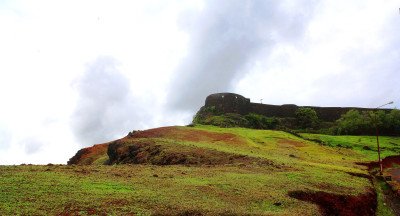
Jyotiba Temple is one of the most revered pilgrimage sites in Maharashtra, situated on a hill known as Wadi Ratnagiri at an altitude of 3124 feet. Although it is located in the Kolhapur district, it is deeply linked to the cultural circuit of the Ratnagiri region and often referred to by the hill's name. The temple is dedicated to Lord Jyotiba, who is considered an incarnation of three deities: Brahma, Vishnu, and Mahesh (Shiva). The primary deity is also known as Kedareshwar. Legend has it that the gods came together on this mountain to defeat the demon Ratnasura, and the temple was built to commemorate this victory. The temple complex is famous for its vibrant atmosphere, especially because of the tradition of tossing Gulal (pink powder), which covers the entire temple, the devotees, and even the surrounding hills in a brilliant shade of pink. This has led to it being called the 'Pink Temple'. The main structure was built in the 18th century by Ranoji Shinde, a general in the Maratha Empire. The temple attracts millions of devotees every year, particularly during the Chaitra Poornima fair. The spiritual energy of the place is palpable, with the sound of bells and the chanting of 'Jyotibachya Navane Changbhala' echoing through the hills. Visitors must climb a series of steps to reach the main sanctum, which houses a beautiful four-armed idol of Lord Jyotiba. The panoramic view from the hilltop offers a stunning look at the surrounding valleys and the city of Kolhapur in the distance.
Card image cap
Kadelot Point

@@A Dramatic Coastal Viewpoint: Kadelot Point is a dramatic viewpoint located atop the sea-facing cliffs of the historic Ratnadurg Fort (also known as...

@@A Dramatic Coastal Viewpoint: Kadelot Point is a dramatic viewpoint located atop the sea-facing cliffs of the historic Ratnadurg Fort (also known as Bhagwati Fort). The name 'Kadelot' is derived from Marathi, where Kada means 'cliff' and Lot means 'to push/throw,' suggesting it was historically a point for executing traitors or a general lookout point. It offers one of the most breathtaking and sweeping panoramic views of the Arabian Sea, the Ratnagiri coastline, and the surrounding seascape. From this vantage point, visitors can clearly see the horseshoe shape of the Ratnadurg Fort, the modern Ratnagiri Lighthouse, the serene Mandavi Beach (the 'Black Sea' beach), and the distant Bhatye Beach. The point is a part of the fort's ancient battlements and is a must-visit for history enthusiasts, nature lovers, and anyone seeking spectacular photography opportunities. The sheer drop from the cliff face to the sea below creates a thrilling and awe-inspiring experience, especially during the sunset hour. It embodies the powerful blend of historical architecture and fierce coastal beauty of the Konkan region in Maharashtra.
Card image cap
Kanakaditya Temple

Kanakaditya Temple in Kasheli is one of the very few temples in India dedicated to the Sun God, Surya. This 800-year-old temple is a hidden gem of th...
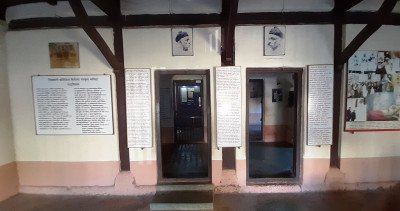
Kanakaditya Temple in Kasheli is one of the very few temples in India dedicated to the Sun God, Surya. This 800-year-old temple is a hidden gem of the Konkan region, steeped in history and legend. According to local folklore, the idol of Surya was being transported by sea from the famous Prabhas Patan Sun temple in Gujarat during the invasion of Alauddin Khilji in the 13th century. When the boat reached the coast of Kasheli, it mysteriously stopped moving. The boatman, realizing it was a divine sign, left the idol in a cave on the shore. Later, a local devotee named Kanaka dreamt of the idol and, with the help of the villagers, established this temple, giving it the name Kanakaditya. The temple is renowned for its unique wooden architecture and the serene, spiritual vibrations it offers. The idol itself is a masterpiece carved out of black stone, depicting the Sun God in a standing posture with a radiant aura. The temple complex also houses a rare 850-year-old copperplate (Tamrapat) that provides historical evidence of its antiquity. The surrounding village of Kasheli is a peaceful coastal hamlet where time seems to stand still. A visit to the temple is often combined with a trip to the nearby Devghali Beach, which is famous for its rocky cliffs and crashing waves. This site is a must-visit for those who appreciate ancient architecture and the deep-rooted solar worship traditions of India.
Card image cap
Kasheli Beach & Kanakaditya Temple

Kasheli offers a captivating blend of serene beach beauty and profound spiritual heritage, making it a unique destination in the Ratnagiri district. ...

Kasheli offers a captivating blend of serene beach beauty and profound spiritual heritage, making it a unique destination in the Ratnagiri district. The village is most famous for the Kanakaditya Temple, an ancient sun temple dedicated to Lord Surya (the Sun God). This temple holds significant historical and religious importance, believed to be one of the few sun temples in Maharashtra. Its architecture often reflects traditional Konkani temple styles, and the deity's idol is intricately carved. The temple attracts devotees seeking blessings and also those interested in its unique religious significance. The peaceful ambiance of the temple provides a calming spiritual experience. Close to the temple is Kasheli Beach, a relatively secluded and pristine stretch of coastline. Similar to many Konkan beaches, it boasts clean sands and clear waters, surrounded by the typical lush greenery of the region. The beach is less frequented by mass tourists, allowing for a more intimate and tranquil experience. It's an ideal spot for quiet walks, meditation, or simply enjoying the natural beauty without the crowds. The calm waves make it suitable for wading and gentle swimming, providing a refreshing escape. The combination of the ancient Kanakaditya Temple and the serene Kasheli Beach offers a holistic experience visitors can partake in spiritual introspection at the temple and then relax by the sea. The local village life around Kasheli also provides an authentic glimpse into the Konkan culture. This destination is perfect for those who appreciate both historical and religious sites, coupled with the untouched beauty of coastal landscapes. It's a place to recharge and connect with both nature and spirituality in a serene setting.
Card image cap
Lokmanya Tilak Birthplace

@@A Monument to a National Hero Lokmanya Bal Gangadhar Tilak: This historical house is the ancestral home and the birthplace of the great Indian freed...
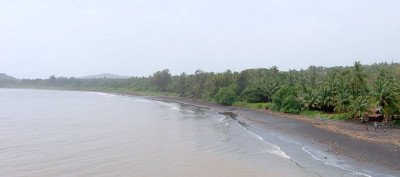
@@A Monument to a National Hero Lokmanya Bal Gangadhar Tilak: This historical house is the ancestral home and the birthplace of the great Indian freedom fighter, journalist, and lawyer, Lokmanya Bal Gangadhar Tilak (July 23, 1856). The house has been beautifully converted into a museum by the Archaeological Survey of India (ASI) to preserve the memory and legacy of the man who gave the famous slogan: "Swaraj is my birthright, and I shall have it!". The museum showcases the life journey of Tilak, from his birth and early life in the Konkan region to his significant contributions to the Indian independence movement. The exhibits include a rich collection of rare photographs, paintings, and personal belongings that vividly depict his struggle, intellect, and political philosophy. The house itself is a classic, well-maintained example of traditional Konkani residential architecture. It serves as a powerful testament to the region's contribution to the national freedom struggle and is a place of pilgrimage for history students and patriots across India. The serene atmosphere allows visitors to deeply connect with the past and appreciate the simple yet profound beginnings of a national icon.
Card image cap
Malgund (Kavi Keshavsoot Smarak)

Malgund holds a significant place in Marathi literary history as the birthplace of the renowned Marathi poet, Krishnaji Keshav Damle, popularly known...

Malgund holds a significant place in Marathi literary history as the birthplace of the renowned Marathi poet, Krishnaji Keshav Damle, popularly known as Kavi Keshavsoot (1866-1905). He is widely considered the pioneer of modern Marathi poetry, ushering in a new era of romanticism and social commentary in the late 19th century. His works broke away from traditional poetic forms and themes, introducing new expressions and a fresh perspective that greatly influenced subsequent generations of Marathi poets. The primary attraction in Malgund is the Kavi Keshavsoot Smarak (Memorial), dedicated to the poet. This memorial preserves his ancestral home, which now serves as a museum and a tribute to his literary legacy. Inside the smarak, visitors can find various artifacts related to the poet's life, including his personal belongings, manuscripts, photographs, and detailed information about his literary contributions and the impact he had on Marathi literature. The memorial often hosts literary events and serves as a center for Marathi literary studies. Surrounding the smarak, the village of Malgund itself embodies the simple, rustic charm of the Konkan region, with its lush greenery, traditional homes, and tranquil atmosphere. A visit to Malgund offers a unique cultural and literary experience, providing insight into the life and times of a pivotal figure in Indian poetry. It allows visitors to connect with the intellectual and artistic heritage of Maharashtra, away from the more conventional tourist trails. For those interested in literature and history, the Kavi Keshavsoot Smarak is a poignant and enlightening stop, offering a deeper understanding of the cultural fabric of the region.
Card image cap
Mandavi Beach

@@A Town Beach with Historical Surroundings: Mandavi Beach is a popular and easily accessible beach right at the foot of the magnificent Ratnadurg For...

@@A Town Beach with Historical Surroundings: Mandavi Beach is a popular and easily accessible beach right at the foot of the magnificent Ratnadurg Fort and near the Ratnagiri harbor. It is famously known as the 'Black Sea' or 'Black Sand Beach' due to the distinctive dark color of its sand, which is a mix of basalt rock dust and fine particles. The most prominent feature of this beach is the structure known as the Gateway of Ratnagiri (a modern archway, not to be confused with the one in Mumbai), which stands proudly at one end, adding a historical and photo-worthy touch to the coastline. This busy, crescent-shaped beach serves as the town's primary seafront and is often bustling with local activity, including small fishing operations and evening picnics. It is a key vantage point to view the massive walls of the Ratnadurg Fort towering on the adjacent hill. The beach's easy access, proximity to the port, and the unique color of its sand make it a distinct and integral part of the Ratnagiri experience, offering a mix of coastal, historical, and local cultural exposure in Maharashtra.
Card image cap
Marleshwar Temple & Waterfall

The Marleshwar Temple is a magnificent cave shrine dedicated to Lord Shiva, nestled in the Sahyadri mountain range near Sangameshwar. This holy site ...
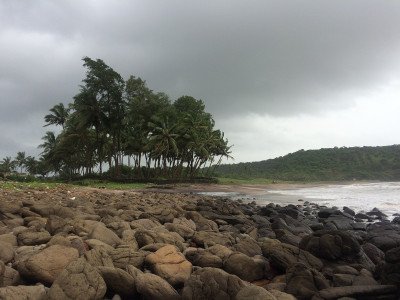
The Marleshwar Temple is a magnificent cave shrine dedicated to Lord Shiva, nestled in the Sahyadri mountain range near Sangameshwar. This holy site is unique because the sanctum is located inside a natural cave, creating a divine atmosphere that resonates with spiritual energy and natural beauty. To reach the cave, devotees must climb approximately 520 to 540 steps, which offers a moderate trek through lush green surroundings and fresh mountain air. Beside the temple flows the Dhareshwar Waterfall, which originates from the Bav River and drops from a great height, creating a misty and cooling effect for all visitors. The temple is surrounded by dense forests and high peaks, making it a perfect spot for those who seek both religious blessings and a peaceful retreat into nature's lap. Local legends state that the temple foundation was laid by Lord Parshuram himself, adding to its immense historical and religious significance in the Konkan region of Maharashtra. It is widely known as the Trimbakeshwar of Konkan due to its spiritual importance and the Swayambhu (self-manifested) Shivling found within the dark, cool interiors of the cave. Visitors often report seeing non-poisonous snakes inside the cave, which are believed to be guardians of the deity and have never harmed any devotee over several centuries of history. The combination of the roaring waterfall and the silent, meditative cave creates a contrast that defines the essence of the Konkan spirit for every traveler. This destination is not just a pilgrimage but a complete sensory experience where the sound of chanting blends with the thunderous roar of falling water.
Card image cap
Marleshwar Waterfall and Temple

Marleshwar is a truly unique and breathtaking natural and spiritual site, renowned for its stunning waterfall and the ancient cave temple dedicated t...

Marleshwar is a truly unique and breathtaking natural and spiritual site, renowned for its stunning waterfall and the ancient cave temple dedicated to Lord Shiva. Tucked away in the dense forests of the Sahyadri mountains, it offers a refreshing escape into nature combined with a profound spiritual experience. The Marleshwar Temple is not a conventional temple but rather a cave shrine where Lord Shiva is worshipped in the form of a lingam. What makes it particularly distinctive is that the cave is home to numerous non-venomous snakes, which are believed to be sacred and coexist peacefully with the devotees, often seen around the Shiva lingam. This unusual coexistence is considered a miraculous and divine phenomenon by pilgrims. Adjacent to the cave temple is the magnificent Marleshwar Waterfall, a seasonal cascade that truly comes alive during the monsoon months (June to October). The water plunges from a considerable height into a natural basin, creating a spectacular sight and a refreshing misty atmosphere. The sound of the gushing water echoes through the valley, adding to the dramatic natural setting. Reaching the temple involves a series of steps carved into the hillside, and the journey itself is part of the experience, offering glimpses of the lush green surroundings. During the monsoon, the path can be slippery, adding to the adventure. Marleshwar is a popular destination for pilgrims, nature lovers, and adventure enthusiasts alike. It's an ideal spot for trekking, photography, and simply immersing oneself in the raw beauty of the Western Ghats. The annual Mahashivratri festival sees a massive influx of devotees. For those seeking a blend of natural grandeur, spiritual mystique, and a touch of the extraordinary, Marleshwar Waterfall and Temple offer an unforgettable experience that highlights the unique charm of the Konkan hinterland.
Card image cap
Pandre Samudra

@@A Tranquil Beach of White Sand: Pandre Samudra is a serene and relatively quiet beach located close to Ratnagiri town, often overshadowed by the mor...

@@A Tranquil Beach of White Sand: Pandre Samudra is a serene and relatively quiet beach located close to Ratnagiri town, often overshadowed by the more popular Mandavi and Bhatye beaches. Its name, Pandre Samudra, literally translates from Marathi to "White Sea," a tribute to its distinctively silvery-white sand, which is much lighter than the dark sand of Mandavi. The beach offers a peaceful, uncrowded environment, making it a perfect escape for travelers seeking solitude and tranquility. Its fine, white sand and calm, clear waters are ideal for long, leisurely walks and quiet contemplation. The beach also provides beautiful views of the Bhagwati Jetty and the colorful fishing boats anchored nearby. This tranquil spot is favored by photographers and couples who appreciate its pristine and natural beauty. It's an excellent example of the diverse coastal landscapes found along the Konkan belt, offering a stark contrast to the nearby black sand beaches of Ratnagiri, Maharashtra, India. It remains one of the area's best-kept secrets for those who prioritize peace over commercial activity.
Card image cap
Panhalekaji Caves

The Panhalekaji Caves are a remarkable archaeological site located in the Dapoli taluka of Ratnagiri district, situated along the banks of the Kotjai...

The Panhalekaji Caves are a remarkable archaeological site located in the Dapoli taluka of Ratnagiri district, situated along the banks of the Kotjai River. This complex consists of 29 rock-cut caves that span a long historical period, showcasing the evolution of religious thought from the 3rd century to the 14th century AD. What makes these caves extraordinary is the evidence of three distinct religious traditions: Hinayana Buddhism, Vajrayana Buddhism, and Hinduism (specifically the Nath Pantha and Ganpatya sects). Walking through the caves, one can see ancient stupas from the early Buddhist era, followed by intricate carvings of deities like Maha-Chandraroshana from the Tantric Buddhist period. Later additions include sculptures of Lord Ganesha, Shiva, and scenes from the Ramayana and Mahabharata, reflecting the transition to Hindu worship under the Shilahar dynasty. The location is deeply secluded, surrounded by thick jungle and the gentle flow of the river, providing a sense of ancient mystery and peace. Historically, the site served as a monastery and a center for meditation, where monks and sages lived a self-sustained life away from the hustle of society. Today, it stands as a testament to the religious harmony and artistic prowess of ancient India, though it remains a relatively offbeat destination for modern tourists. The road to the caves is scenic but can be rugged, adding an element of adventure to the historical exploration. Visiting Panhalekaji is like stepping into a time machine where the carvings on the basalt rock tell stories of centuries-long devotion and cultural exchange. It is a must-visit for history buffs and those who appreciate the quiet beauty of ruins nestled in the wild.
Card image cap
Parashuram Temple (Chiplun)

The Parashuram Temple, situated near the town of Chiplun, is one of the most revered and ancient temples in the Konkan region, holding immense mythol...

The Parashuram Temple, situated near the town of Chiplun, is one of the most revered and ancient temples in the Konkan region, holding immense mythological and historical significance. It is dedicated to Lord Parashuram, the sixth avatar of Lord Vishnu, who is believed to have created the Konkan coastline by reclaiming land from the sea. The temple complex is nestled amidst lush green hills, offering a serene and picturesque setting that adds to its spiritual allure. The temple's architecture is a fascinating blend of Hindu and Muslim styles, a unique characteristic that reflects its historical context and the influences prevalent in the region over centuries. The main idol of Lord Parashuram is flanked by the idols of Lord Ganesha and Goddess Renuka, Parashuram's mother. The complex also includes a kund (holy tank) and various smaller shrines. The temple is well-maintained and attracts a large number of devotees, particularly during festivals like Parashuram Jayanti. A visit to Parashuram Temple is not just a religious pilgrimage; it's an opportunity to delve into ancient Indian mythology and appreciate the architectural heritage of the Konkan. The temple's elevated position provides beautiful views of the surrounding valleys and mountains, contributing to a sense of peace and tranquility. The journey to Chiplun and the temple often involves scenic drives through the verdant Konkan landscape. For those interested in spirituality, history, and experiencing the cultural essence of Maharashtra, the Parashuram Temple is a highly recommended and enriching destination.
Card image cap
Patit Pavan Mandir

@@History & Significance: Patit Pavan Mandir was conceptualized by Swatantrya Veer Vinayak Damodar Savarkar and funded by businessman Bhagoji Baloji K...

@@History & Significance: Patit Pavan Mandir was conceptualized by Swatantrya Veer Vinayak Damodar Savarkar and funded by businessman Bhagoji Baloji Keer, inaugurated on February 22, 1931: It is famous as the first temple in India built to allow entry to all castes of Hindus without discrimination, challenging the prevalent practice of untouchability: It remains a powerful symbol of social reform and equality: The ground floor hosts an exhibition and a museum dedicated to Savarkar's life and the history of Indian independence, preserving his belongings and revolutionary legacy: The temple is dedicated to Lord Laxmi Narayana:
Card image cap
Pawas (Swami Swaroopanand Ashram)

Pawas is a tranquil village renowned for its profound spiritual significance, primarily as the abode and samadhi sthal (final resting place) of Shri ...

Pawas is a tranquil village renowned for its profound spiritual significance, primarily as the abode and samadhi sthal (final resting place) of Shri Swami Swaroopanand, a revered saint of the Nath Sampradaya order. Swami Swaroopanand, born Ramchandra Vishnu Godbole, spent over 40 years of his life in Pawas, dedicating himself to spiritual pursuits, studying Vedic scriptures, and spreading the message of universal love and devotion. His life and teachings emphasized the importance of self-realization and the pursuit of inner peace, drawing numerous followers. The main attraction in Pawas is the Shri Swami Swaroopanand Samadhi Math (Ashram), which was once the saint's residence. After his passing in 1974, his residence was converted into a beautifully maintained ashram and memorial. The ashram complex is a peaceful and serene environment, providing a calm retreat for devotees and visitors seeking spiritual solace. It houses the samadhi of the saint, where devotees can meditate and offer their prayers. The ashram also conducts daily rituals, prayers, and spiritual discourses, maintaining the sanctity and spiritual vibrance of the place. Visitors to Pawas often find a deep sense of calm and spiritual energy permeating the atmosphere. The ashram also provides simple lodging and boarding facilities for devotees, allowing them to stay and immerse themselves in the spiritual environment. The natural surroundings of Pawas, with its lush greenery and quiet village life, complement the spiritual ambiance of the ashram, making it an ideal destination for those seeking introspection and a break from the clamor of city life. Pawas offers a unique opportunity to connect with the legacy of a revered saint and experience the simple yet profound aspects of spiritual life in the Konkan region. It s a place to find inner peace and reflect on the deeper meanings of existence.
Card image cap
Purnagad Fort

Purnagad Fort is a small but strategically significant coastal fort located at the confluence of the Muchkundi River and the Arabian Sea. Built in 17...

Purnagad Fort is a small but strategically significant coastal fort located at the confluence of the Muchkundi River and the Arabian Sea. Built in 1724 by the Maratha naval commander Kanhoji Angre, the fort was designed to protect the trade route through the creek and serve as a watchtower against foreign invaders. Unlike the massive sea forts of the Konkan, Purnagad is compact, covering about 22 acres, and is known for its well-preserved bastions and panoramic views. To reach the fort, one must undertake a short, scenic 20-minute trek from the village of Purnagad, passing through coconut groves and a small temple at the base. Once inside, the fort reveals a dual-gate system featuring intricate stone carvings of the Sun, Moon, and Lord Ganesha, which symbolize the eternal reign of the Maratha empire. The ramparts are still sturdy, allowing visitors to walk the entire perimeter and enjoy breathtaking views of the Purnagad Beach and the vast turquoise sea. Despite being in a state of ruin, the fort retains a rustic charm that appeals to those looking for peace and solitude away from the typical tourist crowds of Ratnagiri. It represents a crucial chapter in Maratha naval history, showing how even smaller fortifications were vital in maintaining control over the jagged Konkan coastline. The atmosphere here is exceptionally calm, with only the sound of crashing waves and the salty sea breeze to keep you company. It is an ideal spot for a quiet sunset, where the orange sky reflects off the river and the ocean simultaneously, creating a magical visual experience for every visitor.
Card image cap
Ratnadurg Fort (Bhagwati Fort)

Ratnadurg Fort, also known as Bhagwati Fort, stands as a formidable sentinel over the Arabian Sea, epitomizing the rich maritime history and strategi...

Ratnadurg Fort, also known as Bhagwati Fort, stands as a formidable sentinel over the Arabian Sea, epitomizing the rich maritime history and strategic importance of Ratnagiri. This impressive sea fort, shaped like a horseshoe, covers an area of about 120 acres and is surrounded by the sea on three sides, providing natural fortifications. Its origins trace back to the Bahamani Sultans, but it gained significant prominence under the Adilshahi dynasty before being famously captured by Chhatrapati Shivaji Maharaj in 1670. Later, it passed through the hands of Kanhoji Angre, the Peshwas, and finally the British, each ruler recognizing its strategic value for controlling the Konkan coast. The fort is divided into three main parts: the upper fort or Balekilla, the middle Peth Fort, and the Parkot (outer walls). As you explore the fort, you'll encounter remnants of its past glory, including strong bastions, ancient walls, and a few intact structures that whisper tales of battles and sieges. Within the fort premises lies the revered Bhagwati Devi Temple, dedicated to Goddess Bhagwati. This ancient temple is a significant pilgrimage spot, especially during the Navratri festival, attracting thousands of devotees. The presence of a temple within the fort highlights the blend of military strategy and spiritual reverence that characterized the era. Another notable feature of Ratnadurg Fort is the Ratnagiri Lighthouse, located on one of its western bastions. The lighthouse, still operational, offers not only a crucial navigational aid but also spectacular panoramic views of the Arabian Sea, the coastline, and the surrounding landscape, making it an ideal spot for breathtaking photography, especially during sunset. A trek through the fort's winding pathways offers a fascinating journey through history, combining architectural exploration with stunning natural vistas. Ratnadurg Fort is an essential visit for history enthusiasts, trekkers, and anyone seeking to experience the raw beauty and historical grandeur of the Konkan region.
Card image cap
Ratnadurg Fort

@@History & Overview: Originally built by the Bijapur Sultanate in the 16th century, the fort was significantly captured and fortified by Chhatrapati ...

@@History & Overview: Originally built by the Bijapur Sultanate in the 16th century, the fort was significantly captured and fortified by Chhatrapati Shivaji Maharaj in 1670: It became a crucial naval base for the Maratha Navy under Kanhoji Angre: The fort is famous for its unique, commanding horse-shoe shape and three sides being surrounded by the Arabian Sea: It is a protected monument offering historical ruins, sea views, and the famous Bhagwati Temple: @@Current Status: It is partially in ruins but well-maintained, housing a functional lighthouse and the active Bhagwati Temple:
Show All

Note:-

Information provided here in good Faith and for reference only.

All information and pictures will be updated soon, please keep visiting.

Near Places

...
Ajanta Caves

Some quick example text to build on the card title and make up the bulk of the card's content.

Go somewhere
...
Alibag

Some quick example text to build on the card title and make up the bulk of the card's content.

Go somewhere
...
Alibaug

Some quick example text to build on the card title and make up the bulk of the card's content.

Go somewhere
...
Amravati

Some quick example text to build on the card title and make up the bulk of the card's content.

Go somewhere
...
Aurangabad

Some quick example text to build on the card title and make up the bulk of the card's content.

Go somewhere
...
Bhandardara

Some quick example text to build on the card title and make up the bulk of the card's content.

Go somewhere
...
Diveagar

Some quick example text to build on the card title and make up the bulk of the card's content.

Go somewhere
...
Ganpatipule

Some quick example text to build on the card title and make up the bulk of the card's content.

Go somewhere
...
Karjat

Some quick example text to build on the card title and make up the bulk of the card's content.

Go somewhere
...
Khandala

Some quick example text to build on the card title and make up the bulk of the card's content.

Go somewhere
in Other Cities