

Ratnagiri
General information
-
Ideal Duration:
2-3 DaysPlace Type:
Coastal & HistoricalEntry Fees:
Fort & Museum Fees: Entry to Ratnadurg Fort is generally free for all visitors. However, a small fee of Rs. 10-20 is charged for entry into the Tilak Ali Museum and the Thibaw Palace. These fees are used for the maintenance of these heritage sites.
Read MoreFort & Museum Fees: Entry to Ratnadurg Fort is generally free for all visitors. However, a small fee of Rs. 10-20 is charged for entry into the Tilak Ali Museum and the Thibaw Palace. These fees are used for the maintenance of these heritage sites.
Parking & Camera: Most tourist spots have nominal parking charges ranging from Rs. 20 to Rs. 50. If you are carrying a professional camera, some museums might charge an extra fee for photography. It is always better to carry small change for these expenses.Timing:
Regular Timings: Most historical sites and museums are open from 9:00 AM to 6:00 PM. The beaches are accessible 24 hours, but it is recommended to visit between 6:00 AM and 8:00 PM for safety. The local markets are most active in the evenings.
...Regular Timings: Most historical sites and museums are open from 9:00 AM to 6:00 PM. The beaches are accessible 24 hours, but it is recommended to visit between 6:00 AM and 8:00 PM for safety. The local markets are most active in the evenings.
Ideal Visit Time: The best time to visit for sightseeing is during the early morning or late afternoon to avoid the midday heat. Sunset time (around 6:00 PM) is the peak hour for viewpoints. Plan your museum visits for the afternoon as they offer indoor shade.Special Events:
Shimga Festival: The Shimga festival, or Holi, is the most significant local event in Ratnagiri. Traditional 'Palkhis' (palanquins) of local deities are carried through the streets with music and dance. It is a vibrant time when the entire community comes together in celeb...Shimga Festival: The Shimga festival, or Holi, is the most significant local event in Ratnagiri. Traditional 'Palkhis' (palanquins) of local deities are carried through the streets with music and dance. It is a vibrant time when the entire community comes together in celebration.
Ganesh Chaturthi: Being in the heart of the Konkan, Ganesh Chaturthi is celebrated with great devotion. Many households host clay idols of Lord Ganesha, and the immersion processions at the beaches are a sight to behold. The atmosphere is filled with traditional chants and drum beats.Best Photo Spots:
Thibaw Point: This is the ultimate spot for sunset photography in Ratnagiri. The view of the sun dipping into the Arabian Sea with the city skyline in the background is magical. It is a favorite spot for professional photographers and couples.
...Thibaw Point: This is the ultimate spot for sunset photography in Ratnagiri. The view of the sun dipping into the Arabian Sea with the city skyline in the background is magical. It is a favorite spot for professional photographers and couples.
Ratnadurg Fort Walls: The rugged stone walls of the fort against the blue backdrop of the sea create a dramatic setting. Photographing the Bhagwati Temple with its bright colors against the ancient grey stones provides a beautiful contrast. The lighthouse within the fort also makes for a great subject.
Bhatye Beach: The long stretches of sand and the line of Casuarina trees offer a perfect natural frame. Early morning light here is soft and ideal for capturing the local fishermen at work. The reflection of the sky on the wet sand during low tide creates stunning mirror-like photos.Photo Gallery
Things To Do
 Dhootpapeshwar Temple is an ancient and highly revered shrine dedicated to Lord Shiva, situated in a lush valley near Rajapur. The temple is famous not just for its religious significance but also for its breathtaking natural surroundings. It is located on the banks of the Mrudani River, which features a magnificent waterfall right next to the temple structure. The name "Dhootpapeshwar" literally translates to "The Washer of Sins," and thousands of devotees flock here to cleanse themselves in the holy waters. The temple is surrounded by high mountains on three sides, creating a natural amphitheater of greenery. The atmosphere is filled with the sound of the cascading waterfall and the chanting of priests, providing a deeply spiritual experience. Historically, the temple has been mentioned in several ancient texts and has been a site of pilgrimage for centuries. The surrounding forest is home to various medicinal plants, and the air is remarkably pure. During the monsoon, the river swells, and the waterfall becomes a roaring spectacle of white foam. The temple complex also houses a shrine for Lord Datta on the opposite bank, connected by a small bridge. It is a place where nature and divinity coexist in perfect harmony.
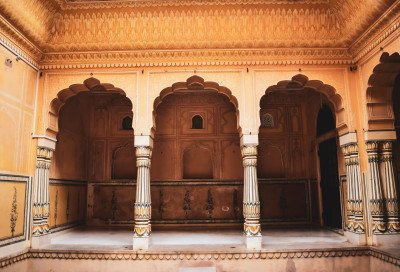 Purnagad Fort is a small but strategically significant coastal fort located at the confluence of the Muchkundi River and the Arabian Sea. Built in 1724 by the Maratha naval commander Kanhoji Angre, the fort was designed to protect the trade route through the creek and serve as a watchtower against foreign invaders. Unlike the massive sea forts of the Konkan, Purnagad is compact, covering about 22 acres, and is known for its well-preserved bastions and panoramic views. To reach the fort, one must undertake a short, scenic 20-minute trek from the village of Purnagad, passing through coconut groves and a small temple at the base. Once inside, the fort reveals a dual-gate system featuring intricate stone carvings of the Sun, Moon, and Lord Ganesha, which symbolize the eternal reign of the Maratha empire. The ramparts are still sturdy, allowing visitors to walk the entire perimeter and enjoy breathtaking views of the Purnagad Beach and the vast turquoise sea. Despite being in a state of ruin, the fort retains a rustic charm that appeals to those looking for peace and solitude away from the typical tourist crowds of Ratnagiri. It represents a crucial chapter in Maratha naval history, showing how even smaller fortifications were vital in maintaining control over the jagged Konkan coastline. The atmosphere here is exceptionally calm, with only the sound of crashing waves and the salty sea breeze to keep you company. It is an ideal spot for a quiet sunset, where the orange sky reflects off the river and the ocean simultaneously, creating a magical visual experience for every visitor.
 @@History & Significance: Patit Pavan Mandir was conceptualized by Swatantrya Veer Vinayak Damodar Savarkar and funded by businessman Bhagoji Baloji Keer, inaugurated on February 22, 1931: It is famous as the first temple in India built to allow entry to all castes of Hindus without discrimination, challenging the prevalent practice of untouchability: It remains a powerful symbol of social reform and equality: The ground floor hosts an exhibition and a museum dedicated to Savarkar's life and the history of Indian independence, preserving his belongings and revolutionary legacy: The temple is dedicated to Lord Laxmi Narayana:
Sawatsada Waterfall is a seasonal natural wonder located near the town of Chiplun in the Ratnagiri district, specifically near the famous Parshuram Temple. This waterfall is unique because it emerges from a sharp cliff and plunges hundreds of feet down in a brilliant white stream that resembles a "Sada" (white) sheet of water. It is most famous for its visibility from the Mumbai-Goa Highway, often serving as the first grand introduction to the natural beauty of the Konkan region for travelers driving down from the north. Unlike many other falls that require a long trek, Sawatsada is easily accessible with a short walk from the main road, making it a popular pit stop for tourists. During the peak of the Monsoon, the roar of the water can be heard from a distance, and the entire area is covered in a fine mist that rejuvenates tired travelers. A viewing shed has been constructed by the authorities to allow people to enjoy the sight without getting completely soaked or venturing into dangerous areas. The backdrop of the lush green Sahyadri mountains against the pristine white water makes it one of the most photographed spots in the region. Local folklore often associates the purity of this water with the nearby temple of Lord Parshuram, adding a layer of spiritual reverence to the natural site. While it remains dry for most of the summer, its transformation during the rains is nothing short of spectacular, drawing nature lovers and adventure seekers from all over Maharashtra. It serves as a reminder of the raw power and beauty of the Western Ghats during the rainy season.
The Jaigad Lighthouse is a stunning 19th-century engineering marvel situated on one of the bastions of the Jaigad Fort. Built in 1832 by a British army officer named John Oswald, this lighthouse has been guiding ships through the treacherous waters between Ratnagiri and Dabhol for nearly two centuries. Although it looks like a traditional stone tower from afar, it is actually constructed from high-quality cast iron and steel, which was a revolutionary technique at the time of its creation. The tower stands 16 meters tall and is painted in traditional white and red bands, making it a prominent landmark on the Konkan horizon. Visitors are often surprised by the sophisticated internal mechanisms, including the original casting and rivets that have withstood the corrosive sea air. The lighthouse was recently upgraded with modern LED lighting and sensors, yet it retains its old-world charm. From the top of the tower, one can experience a breathtaking 360-degree view that encompasses the Jaigad Creek, the JSW Energy plant, the ancient fort, and the infinite blue of the Arabian Sea. It is one of the few lighthouses in India that allows visitors to climb to the very top, offering a unique perspective of the coastal geography. The area around the lighthouse is exceptionally peaceful, with nothing but the sound of the wind and the panoramic beauty of the sea to keep you company. It serves as a reminder of the critical role the Konkan coast played in international maritime trade. The lighthouse is managed by the Directorate General of Lighthouses and Lightships.
@@History & Significance: Patit Pavan Mandir was conceptualized by Swatantrya Veer Vinayak Damodar Savarkar and funded by businessman Bhagoji Baloji Keer, inaugurated on February 22, 1931: It is famous as the first temple in India built to allow entry to all castes of Hindus without discrimination, challenging the prevalent practice of untouchability: It remains a powerful symbol of social reform and equality: The ground floor hosts an exhibition and a museum dedicated to Savarkar's life and the history of Indian independence, preserving his belongings and revolutionary legacy: The temple is dedicated to Lord Laxmi Narayana:
Sawatsada Waterfall is a seasonal natural wonder located near the town of Chiplun in the Ratnagiri district, specifically near the famous Parshuram Temple. This waterfall is unique because it emerges from a sharp cliff and plunges hundreds of feet down in a brilliant white stream that resembles a "Sada" (white) sheet of water. It is most famous for its visibility from the Mumbai-Goa Highway, often serving as the first grand introduction to the natural beauty of the Konkan region for travelers driving down from the north. Unlike many other falls that require a long trek, Sawatsada is easily accessible with a short walk from the main road, making it a popular pit stop for tourists. During the peak of the Monsoon, the roar of the water can be heard from a distance, and the entire area is covered in a fine mist that rejuvenates tired travelers. A viewing shed has been constructed by the authorities to allow people to enjoy the sight without getting completely soaked or venturing into dangerous areas. The backdrop of the lush green Sahyadri mountains against the pristine white water makes it one of the most photographed spots in the region. Local folklore often associates the purity of this water with the nearby temple of Lord Parshuram, adding a layer of spiritual reverence to the natural site. While it remains dry for most of the summer, its transformation during the rains is nothing short of spectacular, drawing nature lovers and adventure seekers from all over Maharashtra. It serves as a reminder of the raw power and beauty of the Western Ghats during the rainy season.
The Jaigad Lighthouse is a stunning 19th-century engineering marvel situated on one of the bastions of the Jaigad Fort. Built in 1832 by a British army officer named John Oswald, this lighthouse has been guiding ships through the treacherous waters between Ratnagiri and Dabhol for nearly two centuries. Although it looks like a traditional stone tower from afar, it is actually constructed from high-quality cast iron and steel, which was a revolutionary technique at the time of its creation. The tower stands 16 meters tall and is painted in traditional white and red bands, making it a prominent landmark on the Konkan horizon. Visitors are often surprised by the sophisticated internal mechanisms, including the original casting and rivets that have withstood the corrosive sea air. The lighthouse was recently upgraded with modern LED lighting and sensors, yet it retains its old-world charm. From the top of the tower, one can experience a breathtaking 360-degree view that encompasses the Jaigad Creek, the JSW Energy plant, the ancient fort, and the infinite blue of the Arabian Sea. It is one of the few lighthouses in India that allows visitors to climb to the very top, offering a unique perspective of the coastal geography. The area around the lighthouse is exceptionally peaceful, with nothing but the sound of the wind and the panoramic beauty of the sea to keep you company. It serves as a reminder of the critical role the Konkan coast played in international maritime trade. The lighthouse is managed by the Directorate General of Lighthouses and Lightships.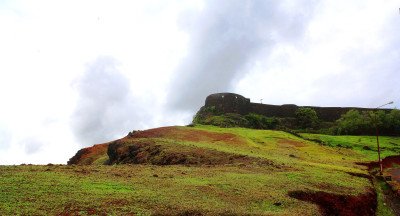 @@A Dramatic Coastal Viewpoint: Kadelot Point is a dramatic viewpoint located atop the sea-facing cliffs of the historic Ratnadurg Fort (also known as Bhagwati Fort). The name 'Kadelot' is derived from Marathi, where Kada means 'cliff' and Lot means 'to push/throw,' suggesting it was historically a point for executing traitors or a general lookout point. It offers one of the most breathtaking and sweeping panoramic views of the Arabian Sea, the Ratnagiri coastline, and the surrounding seascape. From this vantage point, visitors can clearly see the horseshoe shape of the Ratnadurg Fort, the modern Ratnagiri Lighthouse, the serene Mandavi Beach (the 'Black Sea' beach), and the distant Bhatye Beach. The point is a part of the fort's ancient battlements and is a must-visit for history enthusiasts, nature lovers, and anyone seeking spectacular photography opportunities. The sheer drop from the cliff face to the sea below creates a thrilling and awe-inspiring experience, especially during the sunset hour. It embodies the powerful blend of historical architecture and fierce coastal beauty of the Konkan region in Maharashtra.
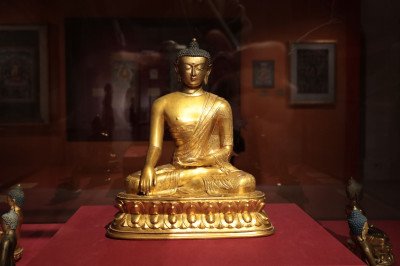 @@History & Purpose: Established in 1958 by the Maharashtra Fisheries Department as the Marine Biological Research Station (MBRS), the facility aims to promote marine life conservation, research, and awareness among the public: It functions as both a scientific institution and a public aquarium/museum: The museum showcases the diverse marine life found along the Konkan coast and educates visitors on sustainable fishing and ecosystem health: @@Exhibits Overview: The main attractions include a large collection of preserved specimens, a variety of marine and freshwater fish in aquariums, two large live turtles, a baby crocodile, and the impressive skeleton of a Blue Whale:Show All
@@The Forgotten Fort of Konkan: Vijaygadh (also known as Vijaygad Fort) is a historic coastal fortification situated near the Jaigad creek. Often confused with its larger namesake Vijaydurg, this fort holds its own unique charm and strategic importance. It was built to guard the entrance of the Shastri River and the trade routes of the Konkan coast. The fort reflects the maritime power of the Maratha Empire, particularly under the leadership of Chhatrapati Shivaji Maharaj and later the Angre naval commanders. Perched on a cliff, it offers a commanding 360-degree view of the Arabian Sea and the lush green backwaters. The fort's walls, though weathered by time and the salty sea breeze, still stand as a testimony to the engineering brilliance of the 17th century. Within its perimeter, one can find ruins of administrative buildings, water cisterns, and hidden lookout points. The location is relatively off the beaten path, making it a favorite for history buffs and trekkers who prefer solitude. The climb to the fort is moderately easy and rewards visitors with breathtaking vistas of the confluence where the river meets the sea. It serves as a silent witness to the naval battles and the golden era of the Maratha navy. The surrounding area is sparsely populated, preserving the raw, rugged beauty of the rocky coastline. Visiting Vijaygadh is like stepping back into a time of warriors and seafaring adventures.
@@History & Purpose: Established in 1958 by the Maharashtra Fisheries Department as the Marine Biological Research Station (MBRS), the facility aims to promote marine life conservation, research, and awareness among the public: It functions as both a scientific institution and a public aquarium/museum: The museum showcases the diverse marine life found along the Konkan coast and educates visitors on sustainable fishing and ecosystem health: @@Exhibits Overview: The main attractions include a large collection of preserved specimens, a variety of marine and freshwater fish in aquariums, two large live turtles, a baby crocodile, and the impressive skeleton of a Blue Whale:Show All
@@The Forgotten Fort of Konkan: Vijaygadh (also known as Vijaygad Fort) is a historic coastal fortification situated near the Jaigad creek. Often confused with its larger namesake Vijaydurg, this fort holds its own unique charm and strategic importance. It was built to guard the entrance of the Shastri River and the trade routes of the Konkan coast. The fort reflects the maritime power of the Maratha Empire, particularly under the leadership of Chhatrapati Shivaji Maharaj and later the Angre naval commanders. Perched on a cliff, it offers a commanding 360-degree view of the Arabian Sea and the lush green backwaters. The fort's walls, though weathered by time and the salty sea breeze, still stand as a testimony to the engineering brilliance of the 17th century. Within its perimeter, one can find ruins of administrative buildings, water cisterns, and hidden lookout points. The location is relatively off the beaten path, making it a favorite for history buffs and trekkers who prefer solitude. The climb to the fort is moderately easy and rewards visitors with breathtaking vistas of the confluence where the river meets the sea. It serves as a silent witness to the naval battles and the golden era of the Maratha navy. The surrounding area is sparsely populated, preserving the raw, rugged beauty of the rocky coastline. Visiting Vijaygadh is like stepping back into a time of warriors and seafaring adventures.Information
-
Why Famous:
Mango Capital: Ratnagiri is globally famous for producing the Alphonso (Hapus) mango, often called the king of fruits. During the months of April and May, the city is filled with the aroma of these sweet fruits. People from all over the world order these mangoes for their ...Mango Capital: Ratnagiri is globally famous for producing the Alphonso (Hapus) mango, often called the king of fruits. During the months of April and May, the city is filled with the aroma of these sweet fruits. People from all over the world order these mangoes for their unique taste and texture.
Birthplace of Tilak: The city holds a special place in Indian history as the birthplace of Lokmanya Bal Gangadhar Tilak. His ancestral home has been converted into a museum that attracts history buffs. This site serves as a constant reminder of the city's contribution to the Indian independence movement. -
Architecture:
Fortification Styles: The architecture of Ratnagiri is best represented by the Ratnadurg Fort, which is built in a horseshoe shape. The fort walls are massive, constructed using local laterite stone that withstands the salty sea air. It spans approximately 1300 meters in l...Fortification Styles: The architecture of Ratnagiri is best represented by the Ratnadurg Fort, which is built in a horseshoe shape. The fort walls are massive, constructed using local laterite stone that withstands the salty sea air. It spans approximately 1300 meters in length and 1000 meters in width, covering a vast area. The bastions are strategically placed to provide a wide view of the Arabian Sea for defense.
Palatial Design: The Thibaw Palace showcases a blend of British and traditional Burmese architectural elements. Built in 1910, it features large windows, teak wood carvings, and a red-tiled roof typical of the Konkan region. The dimensions of the palace are grand, with spacious halls designed to accommodate the royal family in exile. It stands as a fine example of early 20th-century colonial construction. -
How To Reach:
By Air: The nearest major international airport is in Mumbai, about 340 km away. However, Ratnagiri has its own domestic airport with limited connectivity. Most travelers fly to Mumbai or Pune and then take a train or bus.
By Train: Ratnag...By Air: The nearest major international airport is in Mumbai, about 340 km away. However, Ratnagiri has its own domestic airport with limited connectivity. Most travelers fly to Mumbai or Pune and then take a train or bus.
By Train: Ratnagiri is a major station on the Konkan Railway network. It is well-connected to Mumbai, Goa, Mangalore, and Kochi. The train journey itself is scenic, passing through numerous tunnels and over high bridges.
By Road: The city is connected via the Mumbai-Goa Highway (NH 66). State-run MSRTC buses and private luxury coaches operate regularly from Mumbai, Pune, and Kolhapur. The drive through the Kashedi Ghat is beautiful but requires careful driving.
By Local Transport: Within the city, auto-rickshaws are the most convenient mode of transport. They are easily available and operate on fixed rates or meters. You can also rent scooters or cars for more flexibility in exploring nearby beaches. -
Weather and Best Time to Visit:
Winter Season: October to March is the best time for tourism. The weather is pleasant with temperatures ranging from 15°C to 28°C. This is the perfect time for beach activities and fort trekking without the humidity.
Summer Season: April...Winter Season: October to March is the best time for tourism. The weather is pleasant with temperatures ranging from 15°C to 28°C. This is the perfect time for beach activities and fort trekking without the humidity.
Summer Season: April to June is hot but famous for the Alphonso mango season. If you are a food lover, this is the time to visit. However, be prepared for high temperatures and humidity during the day.
Monsoon Season: July to September brings heavy rainfall, turning the region into a lush green paradise. While beach activities are restricted, the waterfalls and greenery are at their peak. It is a great time for nature enthusiasts who enjoy the rain. -
Near Tourist Places:
Ganpatipule (25 km), Pawas (20 km), Jaigad Fort (35 km), Guhagar (75 km), Velneshwar (80 km), Hedvi (82 km), Marleshwar (60 km), Chiplun (90 km), Rajapur (70 km), Lighthouse (5 km)
Tourism Tips
-
Health & Safety: Always carry bottled water to stay hydrated, especially during the summer. Be cautious while swimming in the sea, as the currents can be strong at certain beaches. Follow the instructions of local lifeguards and avoid deep waters during the monsoon.Health & Safety: Always carry bottled water to stay hydrated, especially during the summer. Be cautious while swimming in the sea, as the currents can be strong at certain beaches. Follow the instructions of local lifeguards and avoid deep waters during the monsoon.
Packing Essentials: Pack light cotton clothes for the day and a light jacket for winter evenings. Don't forget sunscreen, sunglasses, and a hat for beach outings. If visiting during the monsoon, a sturdy umbrella or raincoat is a must.
Accommodation: Ratnagiri offers a range of options from budget lodges to luxury beach resorts. It is advisable to book in advance during the peak winter season or the mango season. Many "MTDC" resorts offer great views and reliable service.
Local Etiquette: Respect local customs when visiting temples; dress modestly and remove footwear. It is polite to ask for permission before taking photos of the local people. Learning a few basic Marathi phrases can help in interacting with the locals.
Reviews
FAQs
Ratnagiri Itineray And Cost:-
Information about New and Updated Locations() of Maharashtra Has Been Added :-
Card subtitle
Note:-
Information provided here in good Faith and for reference only.
All information and pictures will be updated soon, please keep visiting.
Near Places

Alibaug
Some quick example text to build on the card title and make up the bulk of the card's content.
Go somewhere
Amravati
Some quick example text to build on the card title and make up the bulk of the card's content.
Go somewhere
Aurangabad
Some quick example text to build on the card title and make up the bulk of the card's content.
Go somewhere
Bhandardara
Some quick example text to build on the card title and make up the bulk of the card's content.
Go somewhere
Diveagar
Some quick example text to build on the card title and make up the bulk of the card's content.
Go somewhere
Ganpatipule
Some quick example text to build on the card title and make up the bulk of the card's content.
Go somewhere
Karjat
Some quick example text to build on the card title and make up the bulk of the card's content.
Go somewhere
Khandala
Some quick example text to build on the card title and make up the bulk of the card's content.
Go somewhere
Kolad
Some quick example text to build on the card title and make up the bulk of the card's content.
Go somewhere
Kolhapur
Some quick example text to build on the card title and make up the bulk of the card's content.
Go somewherein Other Cities