...

Place To Visit And Things To Do In Satara

Maharashtra, India
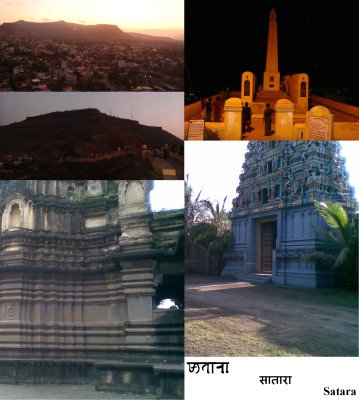
The Heritage City: Satara is a historic city located at the foot of the Sahyadri mountains. It was once the capital of the Maratha Empire, established by Chhatrapati Shahu Maharaj. The name is derived from the seven ('Saat') hills ('Tara') that surround the city. It is a place where every fort and t emple tells a story of bravery and devotion. The city is a unique blend of historical grandeur and natural beauty, making it a must-visit for anyone interested in Indian history. It remains an important cultural and educational center in modern Maharashtra. Land of Forts: The district is famous for its numerous hill forts, including the iconic Ajinkyatara and Sajjangad. These forts served as strategic military posts and also as spiritual centers. Sajjangad is particularly significant as the final resting place of Saint Ramdas Swami. The trekking trails to these forts offer not only a glimpse into the past but also stunning views of the surrounding valleys. The architecture of these structures reflects the ingenuity of Maratha engineers who built massive fortifications on difficult terrain. Natural Wonders: Satara is home to the Kaas Plateau, a UNESCO World Natural Heritage Site. Often called India's 'Valley of Flowers', this plateau transforms into a vibrant carpet of wildflowers after the monsoon. The district also boasts the Thoseghar Waterfalls, one of the highest in India. These natural attractions make Satara a paradise for botanists, photographers, and nature lovers. The lush greenery and cool climate of the surrounding hills provide a perfect escape from the hustle and bustle of city life. Spiritual and Sweet: The city is also a major spiritual hub with ancient temples like the Kashivishweshwar Temple. Apart from its history and nature, Satara is famous for its 'Kandi Pedha', a delicious milk-based sweet that is a favorite across the state. The local markets are full of traditional crafts and fresh agricultural produce. Whether you are seeking adventure on a fort or peace in a temple, Satara offers a diverse range of experiences. It is a city that takes pride in its past while moving steadily into the future.

Things To Do

Card image cap
Ajinkyatara Fort

@@Brief History & Significance: Ajinkyatara Fort, built by Shilahara King Bhoja II in the 12th century, served as the fourth capital of the Maratha Em...
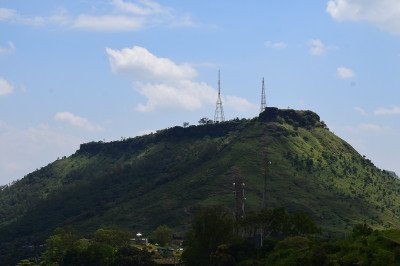
@@Brief History & Significance: Ajinkyatara Fort, built by Shilahara King Bhoja II in the 12th century, served as the fourth capital of the Maratha Empire after Rajgad, Raigad, and Jinji. It was a crucial vantage point and military base, later held by the Mughals and then reconquered by Chatrapati Shahu Maharaj. It stands at an elevation of about 3,300 feet (1,000 meters) and offers panoramic views of the entire Satara city and the surrounding Sahyadri ranges. The fort currently hosts the city’s television transmission tower.: @@Current Status: The fort has remnants of the main structures, including gates, walls, water tanks, and a temple, maintained by local authorities and a popular trekking spot.: @@Geographical Importance: Its hilltop location made it strategically invincible, hence the name 'Ajinkyatara', meaning 'Invincible Star'. The fort is visible from almost anywhere in Satara city.: @@Local Legend: It is a local belief that Chhatrapati Shivaji Maharaj stayed here for some time due to illness.:
Card image cap
Aundh

@@Detailed Overview: Aundh is a historically significant town that served as the capital of the Aundh State during the British Raj. The primary attrac...

@@Detailed Overview: Aundh is a historically significant town that served as the capital of the Aundh State during the British Raj. The primary attraction here is the Shri Bhavani Museum, established in 1938 by the last ruler, Shrimant Bhavanrao Pantpratinidhi. This museum is unique because it was envisioned as a "people's museum" to share a private royal collection with the public. It houses over 8,000 artifacts and 16,000 books, including rare handwritten manuscripts. The museum is renowned for its eclectic collection of Indian and Western art, featuring works by legendary painters like Raja Ravi Varma and Henry Moore. The town is also famous for the Yamai Devi Temple, which sits atop a hill overlooking the museum. The cultural depth of Aundh makes it a must-visit for history buffs, art students, and spiritual seekers. The town retains a quiet, rustic charm that contrasts with the grand heritage it holds within its museum walls. Visitors can spend hours exploring the various galleries that showcase everything from ancient weaponry to delicate ivory carvings. The legacy of the Aundh rulers, who were great patrons of arts and sports (especially the Surya Namaskar), is visible in every corner of this heritage site.
Card image cap
Bamnoli

@@Brief Description: Bamnoli is a serene and picturesque village nestled on the banks of Shivsagar Lake, which is the vast backwater of the Koyna Dam....

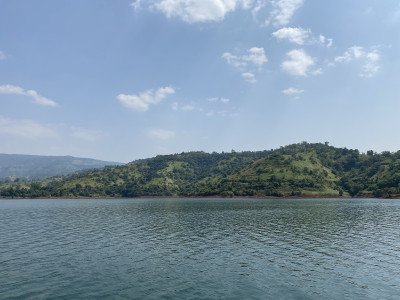
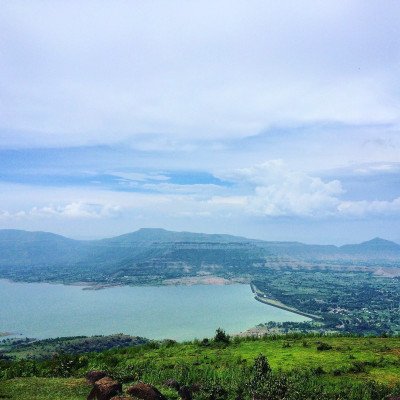
@@Brief Description: Bamnoli is a serene and picturesque village nestled on the banks of Shivsagar Lake, which is the vast backwater of the Koyna Dam. Often referred to as a mini-tourism hub, it serves as the starting point for boat rides to nearby attractions like Vasota Fort and Tapola. The surrounding landscape is characterized by rolling hills, dense forest cover, and the expansive, tranquil blue waters of the lake, offering a perfect escape from city life.: @@The Lake: Shivsagar Lake is a long, narrow water body formed by the damming of the Koyna River, stretching over 90 km. The lake’s depth and expanse contribute to the region’s stunning, calm atmosphere.: @@Accessibility: The road from Satara and Kaas Plateau to Bamnoli is scenic, descending through ghats, providing beautiful views of the lake.: @@Local Economy: The village economy largely revolves around tourism and the fishing industry.:
Card image cap
Chalkewadi Windmill Farms

@@Brief Description: Chalkewadi is renowned for housing one of Asia's largest clusters of windmills, spanning across a high-altitude plateau in the Sa...

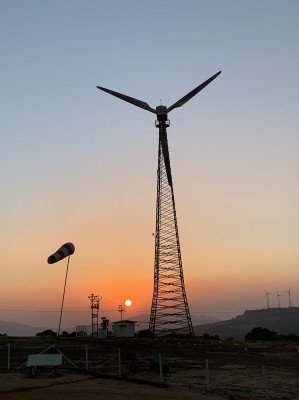
@@Brief Description: Chalkewadi is renowned for housing one of Asia's largest clusters of windmills, spanning across a high-altitude plateau in the Sahyadri range. The sight of hundreds of giant wind turbines spread across the rolling green hills is magnificent and surreal. This site is a significant contributor to Maharashtra's renewable energy goals and has also become a major tourist attraction due to its dramatic scenery.: @@Technical Marvel: The wind turbines here are some of the tallest in the world, harnessing the high-speed winds characteristic of this region.: @@Location Advantage: The location is ideal for wind energy generation due to its altitude (around 1,100 meters) and consistent wind flow, particularly during the monsoon and post-monsoon months.: @@Scenery: The contrast of the white, modern wind turbines against the lush green, misty hills, especially after the rains, makes it a unique and popular spot.:
Card image cap
Char Bhinti Hutatma Smarak

@@Brief History & Significance: Char Bhinti (Four Walls) is a historical monument and memorial (Hutatma Smarak) located in Satara. It was originally c...
@@Brief History & Significance: Char Bhinti (Four Walls) is a historical monument and memorial (Hutatma Smarak) located in Satara. It was originally constructed around 1830 by Chhatrapati Pratapsinh Maharaj as a 'Nazar Mahal' or viewing gallery, primarily for the royal ladies to watch the annual Dasara procession. Later, it was dedicated as a memorial to the martyrs (Hutatma) of the First War of Indian Independence in 1857, particularly honoring figures like Rani Laxmibai, Tatya Tope, and Rango Bapuji Gupte. The structure features four walls and a central pillar with memorial plaques.: @@Current Status: The monument is well-maintained and serves as a quiet park and a historical vantage point, offering views of the lower city and the adjacent Rayat Shikshan Sanstha office.: @@Name Origin: The name literally translates to 'Four Walls', describing its distinct architectural layout.: @@Symbolism: It stands as a significant symbol of national pride, sacrifice, and the historical link between the Maratha reign and the 1857 struggle.:
Card image cap
Kaas Lake

@@Brief History & Significance: Kaas Lake (Kaas Talav) is a beautiful, historic water body located in the vicinity of the renowned Kaas Plateau. It wa...

@@Brief History & Significance: Kaas Lake (Kaas Talav) is a beautiful, historic water body located in the vicinity of the renowned Kaas Plateau. It was constructed in 1875 by the British administration. The primary purpose of the lake was to serve as a perennial source of water supply for the western part of Satara city, and it continues to fulfill this function by gravity-fed distribution. The lake is set amidst a dense forest area, and its calm waters reflect the surrounding hills, making it a highly scenic spot.: @@Current Status: The lake is protected as a water source and is a popular, picturesque stopover for tourists visiting the Kaas Plateau. Boating is sometimes permitted, but strict environmental rules apply.: @@Ecosystem: The lake and its catchment area are integral to the local ecosystem, supporting various flora and fauna, especially birds.: @@Altitude: The lake is situated at an elevation of approximately 1,060 meters above sea level.:
Card image cap
Kaas Plateau

@@Brief History & Significance: Kaas Plateau (Kas Pathar) is a stunning, lateritic volcanic plateau and a UNESCO World Natural Heritage Site. It is gl...
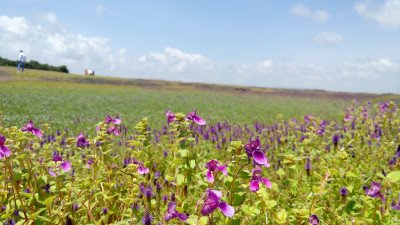
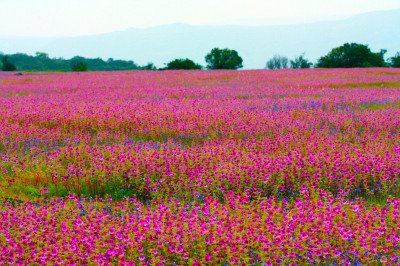
@@Brief History & Significance: Kaas Plateau (Kas Pathar) is a stunning, lateritic volcanic plateau and a UNESCO World Natural Heritage Site. It is globally recognized as a biodiversity hotspot, famous for its unique ephemeral herbaceous vegetation. During a very short period after the Monsoon season, the entire plateau transforms into a vibrant carpet of blooming wildflowers, featuring over 850 species of flowering plants, many of which are endemic to the region.: @@Geology: The plateau's unique ecology is due to its lateritic soil, which is very shallow and acidic, lying on top of a rock base. This extreme environment prevents large trees from growing, allowing for the growth of unique low-lying flowering plants.: @@Protection: To conserve its fragile ecology, the number of visitors is strictly restricted to 3,000 per day, and advance online booking is mandatory during the peak season.: @@Seasonality: The flowering cycle is sensitive, changing every 15-20 days, with different species dominating the landscape from August to October.:
Card image cap
Kanher Dam

@@Brief History & Significance: Kanher Dam is a significant water management structure built in 1986 on the Wenna River near Satara. It is a major mul...
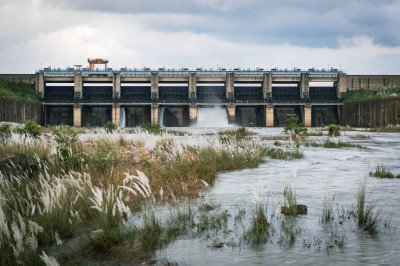
@@Brief History & Significance: Kanher Dam is a significant water management structure built in 1986 on the Wenna River near Satara. It is a major multi-purpose project, combining an earth-fill and gravity dam design. The primary purpose of the dam is irrigation, supplying water to a large area of agricultural land in the Satara and Sangli districts. It also contributes to hydroelectric power generation, with an installed capacity of 4 MW.: @@The Reservoir: The dam impounds the Wenna River, creating a large reservoir that is highly scenic, especially during and after the monsoon.: @@Technical Data: The dam’s height above the lowest foundation is about 50.34 meters (165.2 feet), and its length is approximately 1,954 meters (6,411 feet).: @@Location: The dam is easily accessible from Satara city, making it a popular local getaway and picnic spot.:
Card image cap
Koyna Dam

@@Detailed Overview: Koyna Dam is one of the largest and most vital dams in Maharashtra, often referred to as the state's lifeline due to its massive ...

@@Detailed Overview: Koyna Dam is one of the largest and most vital dams in Maharashtra, often referred to as the state's lifeline due to its massive hydroelectric power generation. Constructed in 1963 across the Koyna River, a tributary of the Krishna River, it forms the vast Shivsagar Lake. The dam is nestled in the heart of the Sahyadri mountain ranges, providing a breathtaking backdrop of lush green hills and misty clouds. The surrounding area is part of the Koyna Wildlife Sanctuary, which is a UNESCO World Heritage Site. The dam is a marvel of modern engineering, having survived a major earthquake in 1967, leading to extensive research on reservoir-triggered seismicity. For tourists, the area offers a serene escape with opportunities for boating, trekking, and wildlife spotting. The massive reservoir stretches over 50 KMS, creating a unique ecosystem that supports a variety of flora and fauna. The tranquility of the Shivsagar Lake combined with the industrial grandeur of the dam creates a fascinating contrast. It is a popular spot for weekend getaways from Satara, Pune, and Mumbai. The cool breeze and the panoramic views of the water meeting the mountains make it a refreshing destination for nature lovers and families seeking a quiet retreat.
Card image cap
Mayani Bird Sanctuary

@@Detailed Overview: Mayani Bird Sanctuary is a renowned wetland ecosystem located in the drought-prone region of Khatav. It was established around an...
@@Detailed Overview: Mayani Bird Sanctuary is a renowned wetland ecosystem located in the drought-prone region of Khatav. It was established around an old dam built by the British for irrigation purposes. Over time, the reservoir and the surrounding marshy lands became a preferred habitat for migratory birds. The sanctuary is famous for hosting over 400 species of birds, making it a paradise for ornithologists and nature photographers. The most famous visitors are the Flamingos from Siberia, which arrive in large numbers during the winter months. The sanctuary features a diverse landscape consisting of wet ecosystems, grasslands, and forests, allowing for a variety of bird species like Painted Storks, Northern Shovelers, and Kingfishers to thrive. The Presence of the Otolia aquatic plant provides a rich food source for the visiting avian population. Despite being in a relatively dry belt, the sanctuary remains a green oasis that attracts thousands of tourists every year. It serves as an important educational site for studying wetland conservation and biodiversity. The local community and forest department work together to maintain the habitat, ensuring that the migratory paths of these birds remain protected. A walk through the sanctuary during the peak season offers a melodic experience of chirping birds and the sight of colorful wings against the blue water.
Card image cap
Natraj Mandir

@@Brief History & Significance: Natraj Mandir, officially known as Shri Uttara Chidambaram Nataraja Mandir, is a revered Hindu temple established in 1...

@@Brief History & Significance: Natraj Mandir, officially known as Shri Uttara Chidambaram Nataraja Mandir, is a revered Hindu temple established in 1985. It is a faithful replica of the famous ancient Nataraja Temple at Chidambaram, Tamil Nadu. The temple is dedicated to Lord Shiva in his dancing form, Nataraja. It was built to fulfill the desire of Paramapoojya Shri Chandrashekharendra Saraswati of the Kanchi Kamakoti Peetham. The temple is strategically located at the sacred confluence (Sangam) of the Krishna and Venna rivers, making it a highly auspicious site.: @@Temple Trust: The temple is managed by a public trust and actively conducts religious, spiritual, and social activities.: @@Dance Connection: The walls of the temple are carved with all 108 Karanas (dance postures) from the Natya Shastra by Bharata Muni, which forms the basis of the classical dance form, Bharatanatyam.: @@Deities: Besides Lord Nataraja, the temple also houses shrines for Goddess Shivkamsundari and other deities.:
Card image cap
Pateshwar Caves

@@History and Spiritual Significance:The Pateshwar Caves and temple complex are situated on a picturesque hill, holding deep spiritual value primarily...

@@History and Spiritual Significance:The Pateshwar Caves and temple complex are situated on a picturesque hill, holding deep spiritual value primarily for devotees of Lord Shiva. The temple was reputedly built by Commander Angal in the 18th century, though the origin of the ancient caves is unknown. It is a quiet and lesser-known spot, often deserted except during major festivals, allowing for peaceful contemplation. The area is revered for its stunning collection of hand-carved Shiv Lingas, some of which are found within the small rock-cut caves, making it a unique pilgrimage destination in the Satara district. The tranquil environment, surrounded by dense forests, offers a spiritual retreat away from the main tourist circuits and the hustle of the city, attracting pilgrims, historians, and nature lovers alike.
Card image cap
Rajwada Palace

@@Historical Significance and Usage:The Rajwada Palace complex in Satara is a magnificent symbol of the Maratha Kingdom's heritage, serving as the sea...
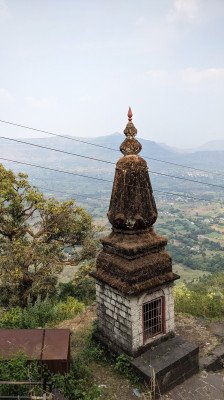
@@Historical Significance and Usage:The Rajwada Palace complex in Satara is a magnificent symbol of the Maratha Kingdom's heritage, serving as the seat of power for the successors of Chhatrapati Shivaji Maharaj. The complex consists of two adjacent palaces: the Juna Rajwada (Old Palace), built in 1824 by Pratapsingh Maharaj, and the Nava Rajwada (New Palace), constructed in 1844 by his successor, Appasaheb. While parts of the structure currently house government offices and a school, it remains a vital historical landmark showcasing the opulent lifestyle of the Maratha rulers. The location in the heart of the city connects it to the modern life of Satara while offering a tangible link to its glorious past. The raw, untouched beauty of the aging structure adds to its charm, making it a perfect spot for history buffs and architects.
Card image cap
Sajjangad Fort

@@Historical and Spiritual Importance:Meaning "Fort of Good People," Sajjangad is one of the most spiritually significant forts in Maharashtra, primar...
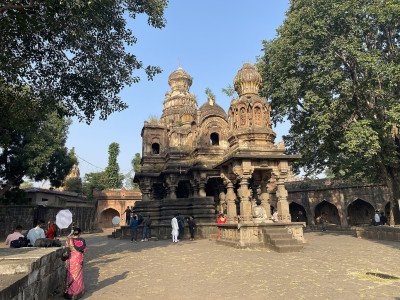
@@Historical and Spiritual Importance:Meaning "Fort of Good People," Sajjangad is one of the most spiritually significant forts in Maharashtra, primarily because it was the final resting place and active residence of Samarth Ramdas Swami (17th century), the spiritual guru of Chhatrapati Shivaji Maharaj. Originally called Parali Fort, it was renamed Sajjangad by Shivaji Maharaj. It was initially built by the Bahamani rulers, later held by the Adil Shahi dynasty, before being captured by Shivaji Maharaj in 1663. Today, the fort is managed by the Shri Ramdas Swami Sansthan and functions primarily as a major pilgrimage center, providing free meals (Prasad) and accommodation to devotees. Its elevated position offers breathtaking panoramic views of the entire Satara valley.
Card image cap
Sangam Mahuli & Kshetra Mahuli

@@Spiritual and Historical Confluence:The twin villages of Sangam Mahuli and Kshetra Mahuli are renowned as one of the most sacred pilgrimage spots in...
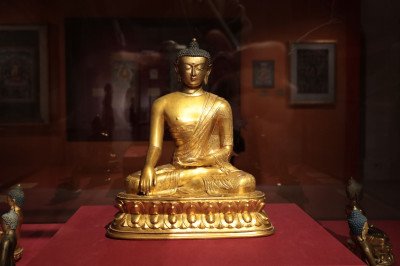
@@Spiritual and Historical Confluence:The twin villages of Sangam Mahuli and Kshetra Mahuli are renowned as one of the most sacred pilgrimage spots in the Satara district, located at the confluence (Sangam) of the holy rivers Krishna and Venna. This area, often referred to as Dakshin Kashi (Kashi of the South), is historically significant as the birthplace of Ramshastri Prabhune, the famous spiritual and political adviser of Peshva Madhavrav. The location was also the scene of a crucial meeting between the last Peshva Bajirav and Sir John Malcolm just before the Anglo-Maratha War. The complex features two main temple groupings: Vishweshwar Temple and Sangameshwar Temple on the Sangam Mahuli side, and Rameshwar Temple and Someshwar Temple on the Kshetra Mahuli side.
Card image cap
Shri Chhatrapati Shivaji Maharaj Museum

@@Showcasing Maratha History and Culture:The Shri Chhatrapati Shivaji Maharaj Museum, also known as Satara Museum, is a relatively new and well-mainta...
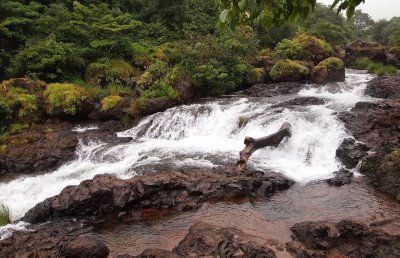
@@Showcasing Maratha History and Culture:The Shri Chhatrapati Shivaji Maharaj Museum, also known as Satara Museum, is a relatively new and well-maintained institution dedicated to showcasing the rich history, culture, and achievements of the Maratha Kingdom, particularly focusing on the legacy of Chhatrapati Shivaji Maharaj and his successors, especially Maharaja Chhatrapati Shahu Maharaj. The museum is divided into distinct sections like Weaponry, Inscription, Painting, and Textile. A major draw is the rotating display of artifacts from global museums. It serves as a vital repository of Maratha heritage, inspiring the public and providing in-depth historical context. The museum building itself is modern with ample parking space, indicating its importance as a developing cultural hub in the city.
Card image cap
Thoseghar Waterfalls

@@Natural Grandeur and Ecological Importance:The Thoseghar Waterfalls are a spectacular series of cascades, most prominent during and immediately afte...

@@Natural Grandeur and Ecological Importance:The Thoseghar Waterfalls are a spectacular series of cascades, most prominent during and immediately after the monsoon season. Located near the small village of Thoseghar at the edge of the Konkan region, the falls are one of the highest in Maharashtra, with the main drop being approximately 500 feet (200 meters). The immense power and height of the water falling into the deep gorge, surrounded by lush green forests and dense foliage, create a mesmerizing and serene natural spectacle. A well-maintained viewing platform ensures visitors can safely and comfortably admire the breathtaking sight. The area is a hub for nature lovers, birdwatchers, and photographers, offering a refreshing escape into the heart of the Western Ghats' biodiversity.
Card image cap
Vajrai Waterfall

@@Natural Wonder and Record Height:The Vajrai Waterfall is a stunning natural landmark near the famous Kaas Plateau and is reputed to be one of the ta...

@@Natural Wonder and Record Height:The Vajrai Waterfall is a stunning natural landmark near the famous Kaas Plateau and is reputed to be one of the tallest waterfalls in India, cascading down a height of approximately 853 feet (260 meters) in three distinct tiers. The waterfall is considered perennial, meaning it flows throughout the year, although its flow is dramatically majestic during the heavy monsoon season. The falls are the birthplace of the Urmodi River, which is crucial to the regional ecosystem and the Urmodi Dam project. The challenging trek to its base attracts adventure seekers, while the serene views from a distance appeal to nature lovers and photographers. The surrounding area is rich in biodiversity and scenic hills.
Show All

Note:-

Information provided here in good Faith and for reference only.

All information and pictures will be updated soon, please keep visiting.

Near Places

...
Ajanta Caves

Some quick example text to build on the card title and make up the bulk of the card's content.

Go somewhere
...
Alibag

Some quick example text to build on the card title and make up the bulk of the card's content.

Go somewhere
...
Alibaug

Some quick example text to build on the card title and make up the bulk of the card's content.

Go somewhere
...
Amravati

Some quick example text to build on the card title and make up the bulk of the card's content.

Go somewhere
...
Aurangabad

Some quick example text to build on the card title and make up the bulk of the card's content.

Go somewhere
...
Bhandardara

Some quick example text to build on the card title and make up the bulk of the card's content.

Go somewhere
...
Diveagar

Some quick example text to build on the card title and make up the bulk of the card's content.

Go somewhere
...
Ganpatipule

Some quick example text to build on the card title and make up the bulk of the card's content.

Go somewhere
...
Karjat

Some quick example text to build on the card title and make up the bulk of the card's content.

Go somewhere
...
Khandala

Some quick example text to build on the card title and make up the bulk of the card's content.

Go somewhere
in Other Cities