

Satara
General information
-
Ideal Duration:
2-3 DaysPlace Type:
Historical & NatureEntry Fees:
Heritage Site Fees: Entry to the Kaas Plateau is regulated, and there is a fee of approximately Rs. 100-150 per person. This must be booked online. Thoseghar Waterfalls and some museums have a nominal entry fee of Rs. 20-50.
Parking Charges:...Heritage Site Fees: Entry to the Kaas Plateau is regulated, and there is a fee of approximately Rs. 100-150 per person. This must be booked online. Thoseghar Waterfalls and some museums have a nominal entry fee of Rs. 20-50.
Parking Charges: Most tourist locations charge a small fee for parking, usually around Rs. 30 for cars. It is recommended to keep some change ready. Some forts may have a small conservation fee collected by local committees for maintenance.Timing:
Regular Timings: Most forts and temples are open from 6:00 AM to 7:00 PM. The Kaas Plateau has specific visiting slots from 9:00 AM to 6:00 PM. Museums typically operate from 10:30 AM to 5:30 PM, and some may be closed on Mondays.
Ideal Visit ...Regular Timings: Most forts and temples are open from 6:00 AM to 7:00 PM. The Kaas Plateau has specific visiting slots from 9:00 AM to 6:00 PM. Museums typically operate from 10:30 AM to 5:30 PM, and some may be closed on Mondays.
Ideal Visit Time: Early morning is best for fort trekking to avoid the sun. The Kaas Plateau is best visited in the morning when the flowers are fresh. Evenings are perfect for visiting the local markets and enjoying the 'Kandi Pedha' shops.Special Events:
Shivaji Maharaj Jayanti: The birth anniversary of Chhatrapati Shivaji Maharaj is celebrated with immense pride. Huge processions, traditional music (Dhol Tasha), and cultural performances take place across the city. The atmosphere is electric and filled with patriotic ferv...Shivaji Maharaj Jayanti: The birth anniversary of Chhatrapati Shivaji Maharaj is celebrated with immense pride. Huge processions, traditional music (Dhol Tasha), and cultural performances take place across the city. The atmosphere is electric and filled with patriotic fervor.
Ganesh Festival: Similar to other cities in Maharashtra, Ganesh Chaturthi is a major event. The 'Satara-style' celebrations are known for their traditional approach and focus on community gathering. The immersion day sees the entire city out on the streets in a grand farewell to the deity.Best Photo Spots:
Kaas Plateau: The colorful landscape of wildflowers provides a dream-like setting for photography. Use a macro lens to capture the details of the tiny flowers, or a wide-angle lens for the entire valley. The best light is usually in the early morning or during a light driz...Kaas Plateau: The colorful landscape of wildflowers provides a dream-like setting for photography. Use a macro lens to capture the details of the tiny flowers, or a wide-angle lens for the entire valley. The best light is usually in the early morning or during a light drizzle.
Thoseghar Falls Viewpoint: The massive drop of the waterfall against the green valley is a classic landscape shot. During the monsoon, the mist adds a dramatic effect to the photos. Capture the rainbows that often form in the spray of the water.
Ajinkyatara Fort: The ancient gates and the bird's eye view of the city are great for photography. The sunset from the fort walls is particularly beautiful, with the city lights starting to twinkle below. The rugged textures of the stone walls also make for interesting architectural shots.Photo Gallery
Things To Do
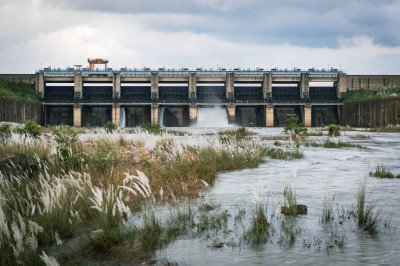 @@Detailed Overview: Koyna Dam is one of the largest and most vital dams in Maharashtra, often referred to as the state's lifeline due to its massive hydroelectric power generation. Constructed in 1963 across the Koyna River, a tributary of the Krishna River, it forms the vast Shivsagar Lake. The dam is nestled in the heart of the Sahyadri mountain ranges, providing a breathtaking backdrop of lush green hills and misty clouds. The surrounding area is part of the Koyna Wildlife Sanctuary, which is a UNESCO World Heritage Site. The dam is a marvel of modern engineering, having survived a major earthquake in 1967, leading to extensive research on reservoir-triggered seismicity. For tourists, the area offers a serene escape with opportunities for boating, trekking, and wildlife spotting. The massive reservoir stretches over 50 KMS, creating a unique ecosystem that supports a variety of flora and fauna. The tranquility of the Shivsagar Lake combined with the industrial grandeur of the dam creates a fascinating contrast. It is a popular spot for weekend getaways from Satara, Pune, and Mumbai. The cool breeze and the panoramic views of the water meeting the mountains make it a refreshing destination for nature lovers and families seeking a quiet retreat.
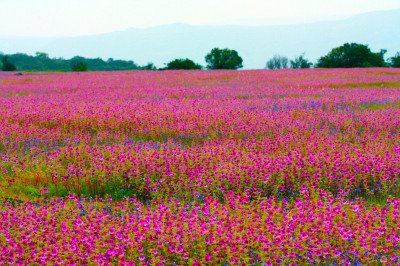 @@Brief History & Significance: Kaas Plateau (Kas Pathar) is a stunning, lateritic volcanic plateau and a UNESCO World Natural Heritage Site. It is globally recognized as a biodiversity hotspot, famous for its unique ephemeral herbaceous vegetation. During a very short period after the Monsoon season, the entire plateau transforms into a vibrant carpet of blooming wildflowers, featuring over 850 species of flowering plants, many of which are endemic to the region.: @@Geology: The plateau's unique ecology is due to its lateritic soil, which is very shallow and acidic, lying on top of a rock base. This extreme environment prevents large trees from growing, allowing for the growth of unique low-lying flowering plants.: @@Protection: To conserve its fragile ecology, the number of visitors is strictly restricted to 3,000 per day, and advance online booking is mandatory during the peak season.: @@Seasonality: The flowering cycle is sensitive, changing every 15-20 days, with different species dominating the landscape from August to October.:
 @@History and Spiritual Significance:The Pateshwar Caves and temple complex are situated on a picturesque hill, holding deep spiritual value primarily for devotees of Lord Shiva. The temple was reputedly built by Commander Angal in the 18th century, though the origin of the ancient caves is unknown. It is a quiet and lesser-known spot, often deserted except during major festivals, allowing for peaceful contemplation. The area is revered for its stunning collection of hand-carved Shiv Lingas, some of which are found within the small rock-cut caves, making it a unique pilgrimage destination in the Satara district. The tranquil environment, surrounded by dense forests, offers a spiritual retreat away from the main tourist circuits and the hustle of the city, attracting pilgrims, historians, and nature lovers alike.
 @@Historical Significance and Usage:The Rajwada Palace complex in Satara is a magnificent symbol of the Maratha Kingdom's heritage, serving as the seat of power for the successors of Chhatrapati Shivaji Maharaj. The complex consists of two adjacent palaces: the Juna Rajwada (Old Palace), built in 1824 by Pratapsingh Maharaj, and the Nava Rajwada (New Palace), constructed in 1844 by his successor, Appasaheb. While parts of the structure currently house government offices and a school, it remains a vital historical landmark showcasing the opulent lifestyle of the Maratha rulers. The location in the heart of the city connects it to the modern life of Satara while offering a tangible link to its glorious past. The raw, untouched beauty of the aging structure adds to its charm, making it a perfect spot for history buffs and architects.
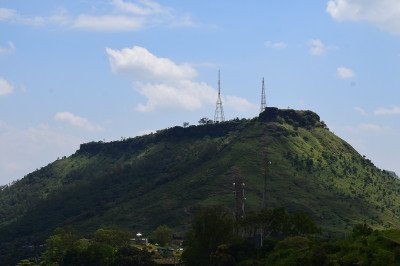 @@Brief History & Significance: Ajinkyatara Fort, built by Shilahara King Bhoja II in the 12th century, served as the fourth capital of the Maratha Empire after Rajgad, Raigad, and Jinji. It was a crucial vantage point and military base, later held by the Mughals and then reconquered by Chatrapati Shahu Maharaj. It stands at an elevation of about 3,300 feet (1,000 meters) and offers panoramic views of the entire Satara city and the surrounding Sahyadri ranges. The fort currently hosts the city’s television transmission tower.: @@Current Status: The fort has remnants of the main structures, including gates, walls, water tanks, and a temple, maintained by local authorities and a popular trekking spot.: @@Geographical Importance: Its hilltop location made it strategically invincible, hence the name 'Ajinkyatara', meaning 'Invincible Star'. The fort is visible from almost anywhere in Satara city.: @@Local Legend: It is a local belief that Chhatrapati Shivaji Maharaj stayed here for some time due to illness.:
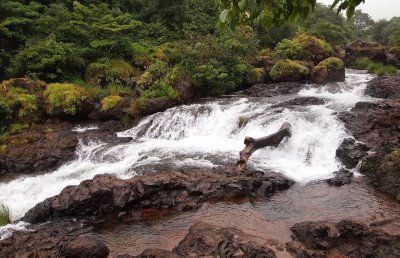 @@Natural Grandeur and Ecological Importance:The Thoseghar Waterfalls are a spectacular series of cascades, most prominent during and immediately after the monsoon season. Located near the small village of Thoseghar at the edge of the Konkan region, the falls are one of the highest in Maharashtra, with the main drop being approximately 500 feet (200 meters). The immense power and height of the water falling into the deep gorge, surrounded by lush green forests and dense foliage, create a mesmerizing and serene natural spectacle. A well-maintained viewing platform ensures visitors can safely and comfortably admire the breathtaking sight. The area is a hub for nature lovers, birdwatchers, and photographers, offering a refreshing escape into the heart of the Western Ghats' biodiversity.
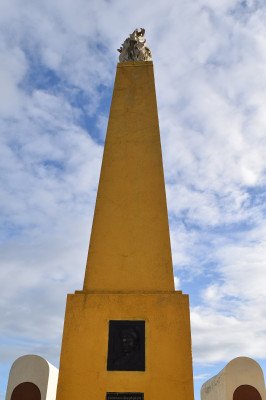 @@Brief History & Significance: Char Bhinti (Four Walls) is a historical monument and memorial (Hutatma Smarak) located in Satara. It was originally constructed around 1830 by Chhatrapati Pratapsinh Maharaj as a 'Nazar Mahal' or viewing gallery, primarily for the royal ladies to watch the annual Dasara procession. Later, it was dedicated as a memorial to the martyrs (Hutatma) of the First War of Indian Independence in 1857, particularly honoring figures like Rani Laxmibai, Tatya Tope, and Rango Bapuji Gupte. The structure features four walls and a central pillar with memorial plaques.: @@Current Status: The monument is well-maintained and serves as a quiet park and a historical vantage point, offering views of the lower city and the adjacent Rayat Shikshan Sanstha office.: @@Name Origin: The name literally translates to 'Four Walls', describing its distinct architectural layout.: @@Symbolism: It stands as a significant symbol of national pride, sacrifice, and the historical link between the Maratha reign and the 1857 struggle.:Show All
@@Detailed Overview: Mayani Bird Sanctuary is a renowned wetland ecosystem located in the drought-prone region of Khatav. It was established around an old dam built by the British for irrigation purposes. Over time, the reservoir and the surrounding marshy lands became a preferred habitat for migratory birds. The sanctuary is famous for hosting over 400 species of birds, making it a paradise for ornithologists and nature photographers. The most famous visitors are the Flamingos from Siberia, which arrive in large numbers during the winter months. The sanctuary features a diverse landscape consisting of wet ecosystems, grasslands, and forests, allowing for a variety of bird species like Painted Storks, Northern Shovelers, and Kingfishers to thrive. The Presence of the Otolia aquatic plant provides a rich food source for the visiting avian population. Despite being in a relatively dry belt, the sanctuary remains a green oasis that attracts thousands of tourists every year. It serves as an important educational site for studying wetland conservation and biodiversity. The local community and forest department work together to maintain the habitat, ensuring that the migratory paths of these birds remain protected. A walk through the sanctuary during the peak season offers a melodic experience of chirping birds and the sight of colorful wings against the blue water.
@@Brief History & Significance: Char Bhinti (Four Walls) is a historical monument and memorial (Hutatma Smarak) located in Satara. It was originally constructed around 1830 by Chhatrapati Pratapsinh Maharaj as a 'Nazar Mahal' or viewing gallery, primarily for the royal ladies to watch the annual Dasara procession. Later, it was dedicated as a memorial to the martyrs (Hutatma) of the First War of Indian Independence in 1857, particularly honoring figures like Rani Laxmibai, Tatya Tope, and Rango Bapuji Gupte. The structure features four walls and a central pillar with memorial plaques.: @@Current Status: The monument is well-maintained and serves as a quiet park and a historical vantage point, offering views of the lower city and the adjacent Rayat Shikshan Sanstha office.: @@Name Origin: The name literally translates to 'Four Walls', describing its distinct architectural layout.: @@Symbolism: It stands as a significant symbol of national pride, sacrifice, and the historical link between the Maratha reign and the 1857 struggle.:Show All
@@Detailed Overview: Mayani Bird Sanctuary is a renowned wetland ecosystem located in the drought-prone region of Khatav. It was established around an old dam built by the British for irrigation purposes. Over time, the reservoir and the surrounding marshy lands became a preferred habitat for migratory birds. The sanctuary is famous for hosting over 400 species of birds, making it a paradise for ornithologists and nature photographers. The most famous visitors are the Flamingos from Siberia, which arrive in large numbers during the winter months. The sanctuary features a diverse landscape consisting of wet ecosystems, grasslands, and forests, allowing for a variety of bird species like Painted Storks, Northern Shovelers, and Kingfishers to thrive. The Presence of the Otolia aquatic plant provides a rich food source for the visiting avian population. Despite being in a relatively dry belt, the sanctuary remains a green oasis that attracts thousands of tourists every year. It serves as an important educational site for studying wetland conservation and biodiversity. The local community and forest department work together to maintain the habitat, ensuring that the migratory paths of these birds remain protected. A walk through the sanctuary during the peak season offers a melodic experience of chirping birds and the sight of colorful wings against the blue water.Information
-
Why Famous:
Valley of Flowers: Satara is famous globally for the Kaas Plateau. During the months of August and September, the plateau is covered with millions of tiny wildflowers of different colors. It is a rare ecological phenomenon that attracts researchers and tourists from all ov...Valley of Flowers: Satara is famous globally for the Kaas Plateau. During the months of August and September, the plateau is covered with millions of tiny wildflowers of different colors. It is a rare ecological phenomenon that attracts researchers and tourists from all over.
Maratha History: It is famous as the seat of the Maratha Empire after Raigad. The relics of the royal family and the historic Wadas (mansions) in the city are significant. The city's connection to Chhatrapati Shivaji Maharaj's descendants makes it a site of great reverence. -
Architecture:
Fortification Details: The Ajinkyatara Fort features massive stone walls and bastions that follow the natural contours of the hill. It sits at an elevation of 3300 feet, with walls extending over several kilometers. The main gate is a classic example of Maratha architectur...Fortification Details: The Ajinkyatara Fort features massive stone walls and bastions that follow the natural contours of the hill. It sits at an elevation of 3300 feet, with walls extending over several kilometers. The main gate is a classic example of Maratha architecture, designed to withstand elephant charges.
Spiritual Spaces: The Sajjangad Fort architecture focuses on simplicity and spirituality. The temple of Ramdas Swami is built in a traditional style with a large courtyard and wooden carvings. The dimensions of the fort are compact compared to military forts, emphasizing its role as a monastery. -
How To Reach:
By Air: The nearest airport is in Pune, which is about 120 km away. From Pune, you can easily hire a taxi or take a bus to reach Satara. Mumbai international airport is approximately 250 km away.
By Train: Satara has its own railway statio...By Air: The nearest airport is in Pune, which is about 120 km away. From Pune, you can easily hire a taxi or take a bus to reach Satara. Mumbai international airport is approximately 250 km away.
By Train: Satara has its own railway station which is well-connected to Mumbai, Pune, Bangalore, and Kolhapur. Several express trains pass through this station daily. From the station, you can take an auto or a local bus to the main city.
By Road: Satara is located on the NH 4 (Mumbai-Bangalore Highway). It is very well-connected by MSRTC (ST) buses and private luxury buses from all major cities in Maharashtra. The road is a smooth six-lane highway, making for a comfortable drive.
By Local Transport: The city has a good network of local buses and auto-rickshaws. For visiting places like Kaas or Thoseghar, it is best to hire a private taxi for the day. Renting a car or bike is also an option for more independent travelers. -
Weather and Best Time to Visit:
Monsoon Season: July to September is the peak time to visit Satara for its natural beauty. The waterfalls are in full swing, and the Kaas Plateau starts blooming. The entire region is covered in a blanket of green, though it can get very rainy.Monsoon Season: July to September is the peak time to visit Satara for its natural beauty. The waterfalls are in full swing, and the Kaas Plateau starts blooming. The entire region is covered in a blanket of green, though it can get very rainy.
Winter Season: October to February is the most comfortable time for trekking and sightseeing. The weather is cool and pleasant, making it ideal for exploring the forts and historical sites. This is also the time for many local festivals.
Summer Season: March to June is hot, but the evenings in Satara are usually breezy. While it's not the best time for nature lovers, it's a good time for a quiet historical tour. Many people visit the nearby hill station of Mahabaleshwar during this time. -
Near Tourist Places:
Kaas Plateau (25 km), Thoseghar Falls (20 km), Sajjangad Fort (15 km), Ajinkyatara Fort (3 km), Mahabaleshwar (55 km), Panchgani (45 km), Pratapgad (75 km), Koyna Dam (90 km), Sangam Mahuli (5 km), Vajrai Falls (28 km)
Tourism Tips
-
Health & Safety: During the monsoon, the paths to the forts can be very slippery; wear shoes with a good grip. Stay away from the edges of the waterfalls and cliffs. Carry a basic medical kit, especially if you plan on trekking to remote areas.
Read MoreHealth & Safety: During the monsoon, the paths to the forts can be very slippery; wear shoes with a good grip. Stay away from the edges of the waterfalls and cliffs. Carry a basic medical kit, especially if you plan on trekking to remote areas.
Packing Essentials: For the monsoon, bring high-quality rain gear and waterproof covers for your electronics. In winter, a light jacket is enough. If you plan to visit the Kaas Plateau, carry a hat and sunscreen as there is very little shade on the plateau.
Accommodation: Satara has a variety of hotels, from budget lodges near the bus stand to more comfortable resorts on the outskirts. If you are visiting for the Kaas Plateau, consider staying in a homestay nearby for a more authentic experience.
Local Etiquette: Respect the sanctity of religious sites like Sajjangad. Follow the rules at the Kaas Plateau; do not pluck flowers or walk off the designated paths. Trying the local 'Kandi Pedha' is a must for every visitor.Reviews
FAQs
Satara Itineray And Cost:-
Information about New and Updated Locations() of Maharashtra Has Been Added :-
Card subtitle
Note:-
Information provided here in good Faith and for reference only.
All information and pictures will be updated soon, please keep visiting.
Near Places

Alibaug
Some quick example text to build on the card title and make up the bulk of the card's content.
Go somewhere
Amravati
Some quick example text to build on the card title and make up the bulk of the card's content.
Go somewhere
Aurangabad
Some quick example text to build on the card title and make up the bulk of the card's content.
Go somewhere
Bhandardara
Some quick example text to build on the card title and make up the bulk of the card's content.
Go somewhere
Diveagar
Some quick example text to build on the card title and make up the bulk of the card's content.
Go somewhere
Ganpatipule
Some quick example text to build on the card title and make up the bulk of the card's content.
Go somewhere
Karjat
Some quick example text to build on the card title and make up the bulk of the card's content.
Go somewhere
Khandala
Some quick example text to build on the card title and make up the bulk of the card's content.
Go somewhere
Kolad
Some quick example text to build on the card title and make up the bulk of the card's content.
Go somewhere
Kolhapur
Some quick example text to build on the card title and make up the bulk of the card's content.
Go somewherein Other Cities