...

Place To Visit And Things To Do In Shimoga

Karnataka, India
Place Details: Shimoga, officially known as Shivamogga, is a picturesque city located in the heart of Karnataka, serving as a gateway to the majestic Western Ghats. The city is named after "Shiva-Mukha," meaning the face of Lord Shiva. It is blessed with lush green forests, undulating hills, and sev eral rivers like the Tunga and Bhadra. Shimoga is most famous for being the district that houses the world-renowned Jog Falls, the second-highest plunge waterfall in India. The region is steeped in history, with ancient temples and forts from the Keladi Nayaka period. It is also an agricultural hub, known for its areca nut and paddy fields. The city provides a perfect base for exploring nearby wildlife sanctuaries and tropical rainforests. Cultural richness is evident in the local tradition of Yakshagana and the scholarly atmosphere of nearby Heggodu. For nature enthusiasts, Shimoga offers a blend of roaring waterfalls and tranquil backwaters. It is truly a green paradise that rejuvenates the weary traveler. :

Things To Do

Card image cap
Achakanya Falls

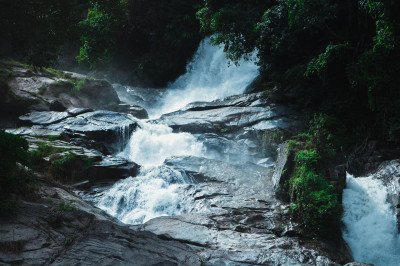
Achakanya Falls is a serene and relatively undiscovered waterfall formed by the Sharavathi River as it meanders through the dense woods of the Wester...

Achakanya Falls is a serene and relatively undiscovered waterfall formed by the Sharavathi River as it meanders through the dense woods of the Western Ghats. The falls drop from a modest height of about 7 feet, creating a wide, sparkling curtain of water that flows into a shallow, rocky pool. Because it is tucked away from the main tourist circuits, it offers a peaceful sanctuary for those looking to escape the hustle of commercialized spots. The sound of the gushing water combined with the rustling of leaves creates a natural symphony that is incredibly soothing. The surrounding forest is a vibrant ecosystem, teeming with butterflies and small forest creatures that add to the magical charm of the place. It is an ideal spot for a quiet picnic or a meditative afternoon by the water. The trek to the falls is short and manageable, making it accessible for families and casual hikers alike who wish to enjoy nature in its purest form.
Card image cap
Agumbe Sunset Point

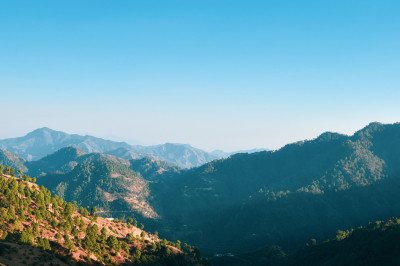
The Agumbe Sunset Point is a breathtaking vantage point situated atop the highest peaks of the Western Ghats. Known for its mesmerizing panoramic vie...
The Agumbe Sunset Point is a breathtaking vantage point situated atop the highest peaks of the Western Ghats. Known for its mesmerizing panoramic views, this spot offers a divine experience as the sun dips below the Arabian Sea horizon on clear days. The area is enveloped in dense, misty rainforests that are home to a vast array of flora and fauna, including the majestic King Cobra. This place serves as a gateway to the wild, untouched beauty of Karnataka, where the silence of the woods is only broken by the melodious chirping of rare birds. Visitors often find themselves lost in the ethereal beauty of the golden hour, making it a meditative retreat for nature lovers. The lush greenery and the cool, crisp mountain air create an atmosphere of pure tranquility that is hard to find elsewhere. It is a place where time seems to stand still, allowing one to connect deeply with the raw elements of the natural world.
Card image cap
Bhadra River Project Dam

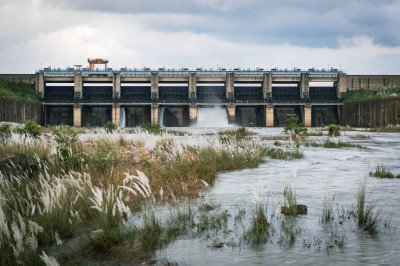
The Bhadra River Project Dam, commonly known as the Lakkavalli Dam, is a magnificent multipurpose project built across the Bhadra River. Completed in...

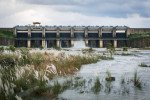
The Bhadra River Project Dam, commonly known as the Lakkavalli Dam, is a magnificent multipurpose project built across the Bhadra River. Completed in 1965, this engineering marvel serves as a crucial source of irrigation, drinking water, and hydroelectric power for the surrounding districts. The dam creates a massive reservoir that is dotted with several small, emerald-green islands, giving it a unique "backwater" appearance similar to Kerala. The reservoir is surrounded by the lush forests of the Bhadra Wildlife Sanctuary, making it a perfect spot where engineering meets nature. During the monsoon, when the crest gates are opened, the sight of the gushing water is truly awe-inspiring. The calm waters of the reservoir reflect the surrounding hills, creating a serene environment that attracts photographers and nature enthusiasts alike. It is a place that showcases the successful harmony between human development and environmental preservation.
Card image cap
Bhadra Wildlife Sanctuary

Bhadra Wildlife Sanctuary is a premier protected area and a designated Tiger Reserve in Karnataka. Spanning over 490 square kilometers, it is a lush ...

Bhadra Wildlife Sanctuary is a premier protected area and a designated Tiger Reserve in Karnataka. Spanning over 490 square kilometers, it is a lush expanse of dry and moist deciduous forests. The sanctuary is named after the Bhadra River which flows through its heart, providing a life-sustaining water source for its diverse inhabitants. It is home to a healthy population of Bengal Tigers, Indian Leopards, Elephants, and Gaurs. The terrain is characterized by undulating hills, valleys, and the vast backwaters of the Bhadra Dam, creating a stunningly varied landscape. For bird enthusiasts, the sanctuary is a paradise with over 250 species recorded, including the rare Great Indian Hornbill. The air here is filled with the scent of sandalwood and teak, and the dense canopy provides a cool sanctuary even during the summer months. It is one of the few places where you can experience a jungle safari that combines both land-based jeep tours and water-based boat safaris.
Card image cap
Gajanur Dam

Gajanur Dam, built across the holy Tunga River, is one of the most popular local getaways near Shimoga. It serves as a major irrigation project that ...

Gajanur Dam, built across the holy Tunga River, is one of the most popular local getaways near Shimoga. It serves as a major irrigation project that has turned the region into a lush green belt of paddy fields and areca nut plantations. The dam is surrounded by verdant hills and dense forests, providing a serene backdrop for visitors. During the rainy season, the sight of the Tunga River in full flow, with water gushing through the dam's gates, is a powerful display of nature's force. The reservoir area is a haven for local bird species, making it a quiet spot for nature study. The dam is often visited along with the nearby Sakrebyle Elephant Camp, making it a perfect half-day excursion. The calm environment, away from the city's noise, offers a refreshing breath of air and a chance to witness the rural charm of the Malnad region. It is a testament to the engineering that supports the agrarian heart of Karnataka.
Card image cap
Gudavi Bird Sanctuary

@@ Sanctuary Overview: The Gudavi Bird Sanctuary is spread over 0.74 sq. km and is centered around a picturesque lake. It hosts over 217 species of mi...
@@ Sanctuary Overview: The Gudavi Bird Sanctuary is spread over 0.74 sq. km and is centered around a picturesque lake. It hosts over 217 species of migratory birds that arrive from different parts of the world. The lush greenery and the seasonal lake provide a perfect ecosystem for nesting. Visitors can witness birds like the Grey Heron, Little Cormorant, and White Ibis. The sanctuary is managed by the Forest Department to ensure the safety of the avian residents. It is a tranquil spot for nature lovers away from city noise. :
Card image cap
Jog Falls

@@ Waterfall Description: Jog Falls is created by the Sharavathi River dropping from a height of 830 feet. It is the second-highest plunge waterfall i...

@@ Waterfall Description: Jog Falls is created by the Sharavathi River dropping from a height of 830 feet. It is the second-highest plunge waterfall in India and consists of four distinct cascades: Raja, Rani, Roarer, and Rocket. The surrounding region is part of the dense Western Ghats, offering a misty, evergreen backdrop. During the monsoon, the water flow is so high that the four falls merge into one massive wall of white water. It is a globally recognized landmark for its sheer power and beauty. :
Card image cap
Kavaledurga Fort

@@ Fort History: Kavaledurga Fort is a 9th-century hill fort that was the last capital of the Keladi Nayakas. It is perched on a hilltop surrounded by...

@@ Fort History: Kavaledurga Fort is a 9th-century hill fort that was the last capital of the Keladi Nayakas. It is perched on a hilltop surrounded by dense forests and requires a 5-km trek to reach the summit. The fort has seven circuits of walls, though only three are clearly visible today. It houses several ancient temples dedicated to Virupaksha and Vijaya Vittala. The ruins include a palace site, a mosque, and a unique freshwater pond. It offers a panoramic view of the Varahi River backwaters and the Arabian Sea on clear days. :
Card image cap
Keladi Rameshwara Temple

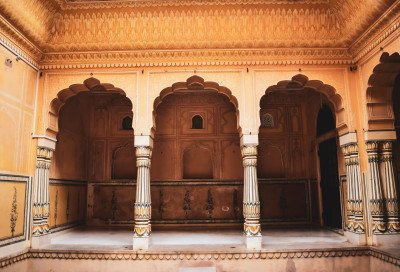
@@ Temple Background: The Keladi Rameshwara Temple is a 16th-century shrine built by the Keladi Nayakas. It is a unique blend of Hoysala, Dravidian, a...
@@ Temple Background: The Keladi Rameshwara Temple is a 16th-century shrine built by the Keladi Nayakas. It is a unique blend of Hoysala, Dravidian, and Kadamba architectural styles. The temple complex houses three shrines dedicated to Rameshwara, Parvati, and Veerabhadra. It is built primarily of greenish-grey soapstone which allows for intricate carvings. The temple stands as a testament to the cultural zenith of the post-Vijayanagara era. It is located in the quiet village of Keladi, which was the first capital of the dynasty. :
Card image cap
Kodachadri Hills

@@ Hill Overview: Kodachadri is a mountain peak with an elevation of 1,343 meters in the Western Ghats. It is a designated Natural Heritage Site and i...

@@ Hill Overview: Kodachadri is a mountain peak with an elevation of 1,343 meters in the Western Ghats. It is a designated Natural Heritage Site and is part of the Mookambika Wildlife Sanctuary. The trek to the top passes through dense Shola forests, rolling grasslands, and cascading waterfalls like Hidlumane Falls. At the summit stands the Sarvajna Peetha, where the philosopher Adi Shankara is said to have meditated. The peak offers a breathtaking view of the sunset over the Arabian Sea. :
Card image cap
Kudli

@@General Overview: Kudli is a significant historical and religious site in the Shimoga district of Karnataka, India. It is primarily famous for being...

@@General Overview: Kudli is a significant historical and religious site in the Shimoga district of Karnataka, India. It is primarily famous for being the Sangama (confluence) where the two sacred rivers, Tunga and Bhadra, meet to form the mighty Tungabhadra river. This location has been a center of learning and spirituality for centuries, housing several ancient temples and two prominent Advaita Mathas. The village is often referred to as the Varanasi of the South due to its deep-rooted Vedic culture and the presence of numerous shrines. Historically, it was a major town before the 14th century and continues to be a pilgrimage destination for devotees of Lord Shiva and Lord Vishnu. The atmosphere is incredibly serene, with the sound of rushing water providing a rhythmic backdrop to the chanting of hymns in the nearby monasteries. Visitors can explore the Rameshwara Temple, which dates back to the 12th century, and the Chintamani Narasimha temple, believed to have been installed by Prahlada. The area also hosts the Kudli Arya Akshobhya Thirtha Mutt and the Sringeri Sharada Peetham's branch. Walking through the narrow lanes of the village feels like stepping back in time, as the traditional architecture and the lifestyle of the local priests remain largely unchanged. The site is not just for the religious; it is also a treat for history buffs and nature lovers who enjoy watching the distinct colors of the two rivers merging into one. The greenery surrounding the riverbanks adds to the visual appeal, making it a perfect spot for peaceful contemplation. Over the years, Kudli has maintained its status as a quiet, offbeat destination that offers a glimpse into the rich cultural fabric of Karnataka. Whether you are looking to perform religious rites, study ancient inscriptions, or simply enjoy a quiet sunset by the river, this place provides a unique and grounding experience. It represents the harmonious blend of nature's beauty and man's spiritual quest, standing as a testament to the enduring legacy of the Hoysala and Vijayanagara eras.
Card image cap
Kunchikal Falls

@@General Overview: Kunchikal Falls is widely recognized as the highest tiered waterfall in India, cascading down from a staggering height of 455 mete...

@@General Overview: Kunchikal Falls is widely recognized as the highest tiered waterfall in India, cascading down from a staggering height of 455 meters (1,493 feet). Formed by the Varahi River, it is located amidst the lush, evergreen forests of the Western Ghats near Masthikatte. Unlike many other waterfalls that drop vertically, Kunchikal tumbles over several rocky tiers, creating a dramatic and powerful spectacle. However, its full glory is now primarily visible during the monsoon months because of the construction of the Mani Dam and a nearby hydroelectric project which diverts most of the river's water for power generation. Despite the restricted water flow during summer, the surrounding landscape remains a biodiversity hotspot, teeming with rare flora and fauna typical of the Agumbe rainforest region. To visit the falls, one often needs to obtain a gate pass or special permission from the Karnataka Power Corporation Limited (KPCL) as it falls within a restricted zone. The journey to the falls itself is an adventure, passing through winding roads and dense canopy covers that block out the sun even at midday. It is part of the World Waterfall Database and ranks high globally for its impressive total drop. The area is exceptionally quiet, far removed from the typical tourist trails, offering a raw and untouched experience of nature. For photography enthusiasts, the sheer scale of the falls against the backdrop of the misty mountains provides a perfect frame. The water, when released or during heavy rains, roars with a deafening sound that echoes through the valley. It serves as a vital component of the region's ecology and economy, powering homes across the state. Visiting this site requires careful planning, but the reward of seeing India's tallest waterfall is unparalleled. It is a place that hums with the hidden energy of the mountains, reminding visitors of the sheer power of nature's elements.
Card image cap
Kundadri Hills

@@General Overview: Kundadri Hills is a breathtaking hill station and a significant Jain pilgrimage site located in the Shimoga district of Karnataka....

@@General Overview: Kundadri Hills is a breathtaking hill station and a significant Jain pilgrimage site located in the Shimoga district of Karnataka. Rising to an elevation of approximately 826 meters above sea level, it offers one of the most panoramic views of the Western Ghats. The hill is a massive monolithic rock formation, crowned by a small, ancient Jain temple dedicated to Parshwanatha, the 23rd Tirthankara. Historically, the hill is named after Kundakunda Acharya, a revered Jain philosopher and monk who is said to have performed penance here over two thousand years ago. The temple at the summit dates back to the 17th century and is a marvel of simple yet sturdy stone construction. The climb to the top, which can be done via a well-paved motorable road or a trekking path, reveals layers of misty valleys and dense tropical forests. One of the unique features of Kundadri is the presence of two natural rock-cut ponds near the temple, which remain filled with water throughout the year. These ponds were used by ancient sages for their daily rituals and now add a serene beauty to the hilltop. The hills are particularly famous for their sunrise and sunset views, where the sky transforms into a canvas of vibrant oranges and purples above a bed of clouds. During the monsoon, the entire hill is often shrouded in thick fog, creating an ethereal atmosphere where the temple appears to float in the sky. It is a quiet alternative to the more crowded Agumbe sunset point, offering a much more secluded and spiritual experience. The biodiversity of the area is also notable, with several species of birds and butterflies frequenting the flowering shrubs around the temple. Whether you are a trekker seeking a challenge, a photographer chasing the golden hour, or a devotee seeking peace, Kundadri delivers a profound sense of tranquility. It remains one of the most stunning "hidden gems" of the Malnad region, preserving both its natural beauty and its sacred heritage.
Card image cap
Kuvempu Kavi Mane

@@General Overview: Kuvempu Kavi Mane is the ancestral home of the legendary Kannada poet Kuppali Venkatappa Puttappa, popularly known by his pen name...

@@General Overview: Kuvempu Kavi Mane is the ancestral home of the legendary Kannada poet Kuppali Venkatappa Puttappa, popularly known by his pen name Kuvempu. Located in the tiny village of Kuppali in Shimoga, this house has been converted into a world-class museum dedicated to the life and works of the Jnanpith award winner. Kuvempu is often regarded as the greatest Kannada poet of the 20th century, and his house is a site of pilgrimage for literature lovers across the country. The three-story traditional structure is nestled amidst the thick forests of the Malnad region, reflecting the very environment that inspired much of his poetry. Inside the museum, visitors can see the personal belongings of the poet, including his writing desk, spectacles, pens, and original manuscripts of famous works like Sri Ramayana Darshanam. The walls are adorned with rare photographs and letters from his contemporaries, providing a deep insight into the literary history of Karnataka. The house itself is a masterpiece of local architecture, featuring a central courtyard (Thotti) and heavy wooden pillars. Not far from the house is Kavishaila, a rock monument dedicated to the poet. It is a circular arrangement of megalithic rocks, similar to Stonehenge, where the poet was eventually laid to rest. This hilltop monument offers a stunning view of the surrounding hills and is where Kuvempu used to sit and discuss literature with his friends. The entire complex is managed by the Rashtrakavi Kuvempu Pratishtana, which has done an excellent job of preserving the sanctity and beauty of the site. Visiting Kuppali is not just about seeing a museum; it is about experiencing the "Universal Humanism" (Vishwamanava) philosophy that Kuvempu championed. The silence of the forest, the heritage of the house, and the power of his words create a deeply moving experience. It is a cultural landmark that serves as a bridge between the traditional past and the modern literary identity of India.
Card image cap
Mandagadde Bird Sanctuary

@@General Overview: Mandagadde Bird Sanctuary is a small but incredibly vibrant avian haven located on a picturesque island in the Tunga River in Shim...

@@General Overview: Mandagadde Bird Sanctuary is a small but incredibly vibrant avian haven located on a picturesque island in the Tunga River in Shimoga. Spanning a modest area of about 1.14 acres, this sanctuary is a crucial nesting ground for thousands of migratory birds that arrive here every year. It is part of the larger Shettihalli Wildlife Sanctuary ecosystem. The sanctuary becomes a hive of activity during the monsoon season when birds such as the Median Egret, Little Cormorant, Darter, and Open-billed Stork congregate on the branches of the trees that emerge from the river. The sight of thousands of birds nesting together on a single island is a spectacular display of nature's reproductive cycles. The river Tunga flows gracefully around the island, providing an abundant source of fish for the birds, making it an ideal nursery. A tall watchtower has been erected on the riverbank to allow tourists to observe the birds without disturbing their habitat. The sound of thousands of chirping birds creates a natural symphony that can be heard from a distance. The sanctuary is particularly beautiful in the early morning and late afternoon when the birds are most active, flying in and out of the island in large flocks. During the summer, the water levels recede, and the number of birds decreases, but the scenic beauty of the river and the surrounding lush greenery remains. The forest department occasionally organizes coracle rides during the summer months, offering a closer look at the island's perimeter. It is a perfect spot for nature enthusiasts, photographers, and families looking for a quick getaway from Shimoga city. The sanctuary serves as an important reminder of the need for wetland conservation and the protection of riverine ecosystems. Despite its small size, Mandagadde punches way above its weight in terms of ecological significance and visual appeal, offering a peaceful retreat where one can truly connect with the rhythms of the natural world.
Card image cap
Nagara Fort

Nagara Fort is a historic fortification situated in the scenic village of Nagara. Built in 1640 by Veerabhadra Nayaka after the fall of Ikkeri, it se...

Nagara Fort is a historic fortification situated in the scenic village of Nagara. Built in 1640 by Veerabhadra Nayaka after the fall of Ikkeri, it served as the final capital of the Keladi Nayakas. The fort is perched on a small hill and offers a strategic view of the surrounding Western Ghats. Despite being in ruins, the massive stone walls and the gateway remain largely intact, showcasing the power of the Nayaka kings. The fort is famously known for its water circulation system and was once the site where Raja Ram, son of Shivaji Maharaj, took refuge from the Mughals. Today, it is a serene spot for history buffs and nature lovers alike. :
Card image cap
Sakrebyle Elephant Camp

Sakrebyle Elephant Camp is an eco-tourism initiative by the Karnataka Forest Department. It serves as a rehabilitation and training center for elepha...

Sakrebyle Elephant Camp is an eco-tourism initiative by the Karnataka Forest Department. It serves as a rehabilitation and training center for elephants brought from various parts of the state. The camp is located on the banks of the Tunga River, providing a natural and serene habitat for these majestic creatures. Visitors get a rare opportunity to watch elephants being bathed in the river and fed by their Mahouts. The bond between the handlers and the elephants is a highlight for many. It is not a zoo, but a sanctuary where animals are cared for with deep respect and nutrition. :
Card image cap
Shivappa Nayaka Palace

The Shivappa Nayaka Palace, also known as the Government Museum, is a 17th-century architectural masterpiece. Named after the famous Keladi king Shiv...

The Shivappa Nayaka Palace, also known as the Government Museum, is a 17th-century architectural masterpiece. Named after the famous Keladi king Shivappa Nayaka, the structure is built almost entirely of Rosewood. It sits peacefully on the banks of the Tunga River within the city limits. After the fall of the Nayakas, the palace was used by Hyder Ali and later the British. Today, the Archaeological Survey of India maintains it as a museum housing a vast collection of stone sculptures, inscriptions, and weapons from the Hoysala, Chalukya, and Keladi periods. :
Card image cap
Tyavarekoppa Lion Safari

Tyavarekoppa Lion and Tiger Safari is a popular wildlife destination established in 1988. It is the second safari park in Karnataka after Bannerghatt...

Tyavarekoppa Lion and Tiger Safari is a popular wildlife destination established in 1988. It is the second safari park in Karnataka after Bannerghatta. Spread over 200 hectares, it serves as a rescue and rehabilitation center for big cats. The safari allows visitors to board caged vans to enter the fenced forest area where lions and tigers roam freely. Apart from the big cats, the park includes a mini-zoo with leopards, sloth bears, and various species of deer. It is a perfect destination for families looking for an adventurous day out while learning about wildlife conservation. :
Show All

Note:-

Information provided here in good Faith and for reference only.

All information and pictures will be updated soon, please keep visiting.

Near Places
...
Badami

Some quick example text to build on the card title and make up the bulk of the card's content.

Go somewhere

...
Bandipur National Park

Some quick example text to build on the card title and make up the bulk of the card's content.

Go somewhere
...
Belagavi

Some quick example text to build on the card title and make up the bulk of the card's content.

Go somewhere
...
Belur, Karnataka

Some quick example text to build on the card title and make up the bulk of the card's content.

Go somewhere
...
Belur

Some quick example text to build on the card title and make up the bulk of the card's content.

Go somewhere
...
Bengaluru

Some quick example text to build on the card title and make up the bulk of the card's content.

Go somewhere
...
Bidar

Some quick example text to build on the card title and make up the bulk of the card's content.

Go somewhere
...
Bijapur

Some quick example text to build on the card title and make up the bulk of the card's content.

Go somewhere
...
Chamarajanagar

Some quick example text to build on the card title and make up the bulk of the card's content.

Go somewhere
...
Chikkaballapur

Some quick example text to build on the card title and make up the bulk of the card's content.

Go somewhere
in Other Cities