...

Place To Visit And Things To Do In Shivanasamudra

Karnataka, India
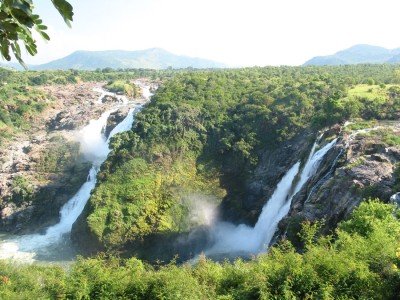
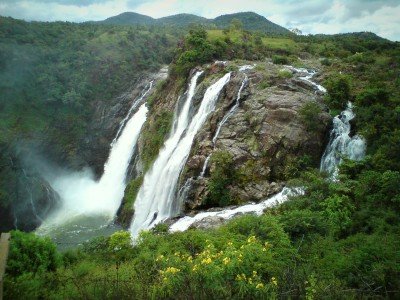
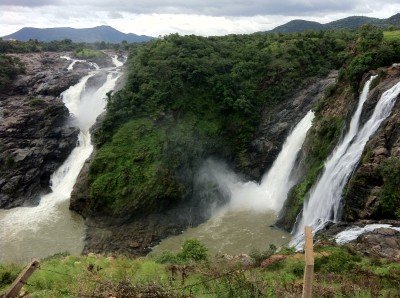
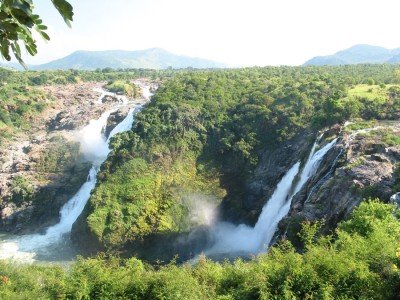
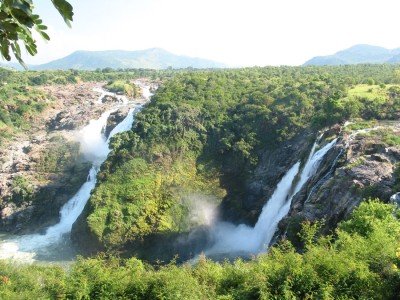
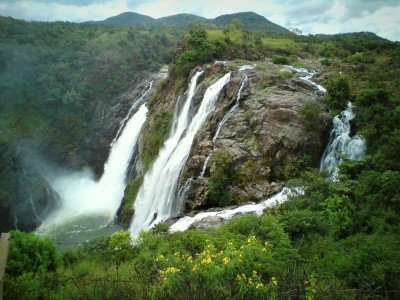
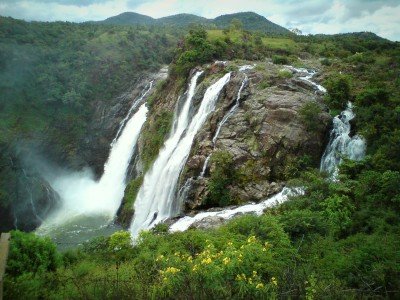
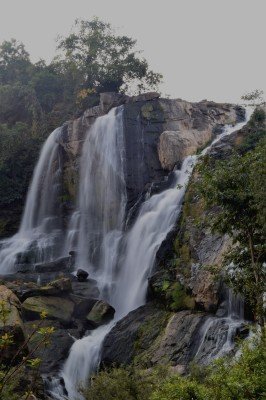
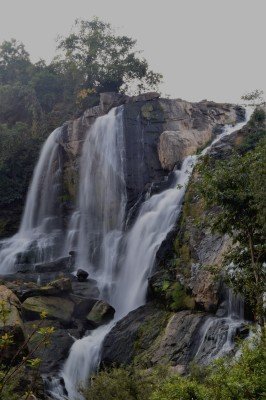
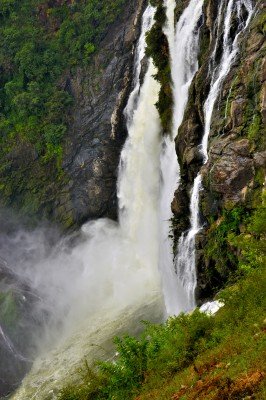
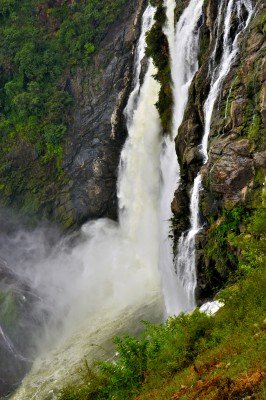
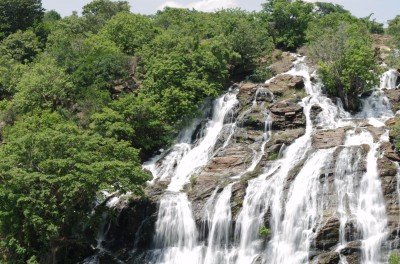
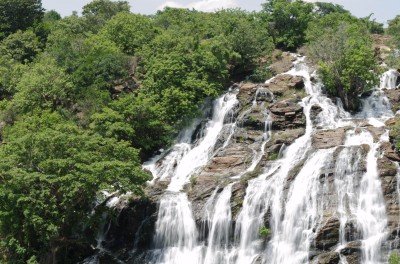
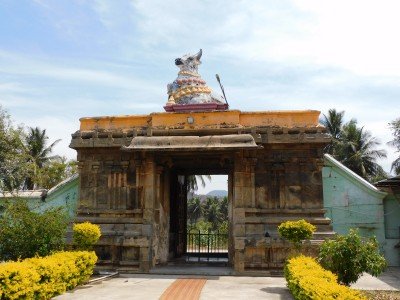
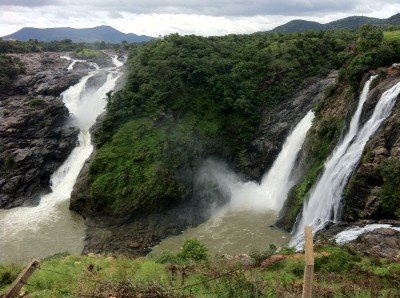
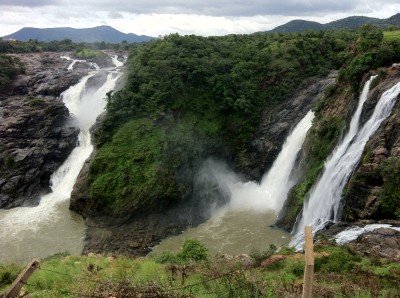
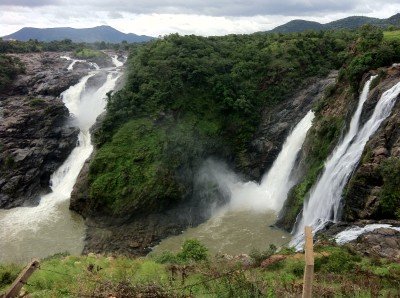
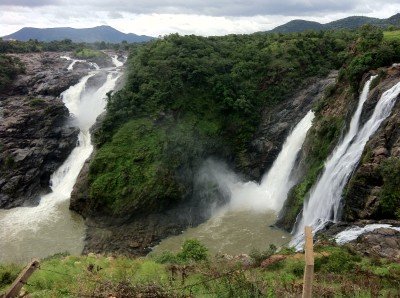
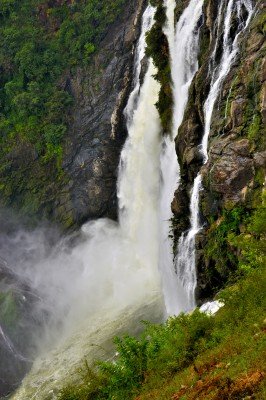
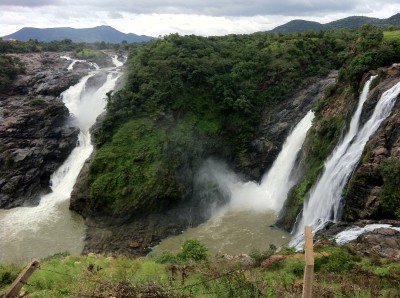
Place Details: Shivanasamudra is a small island town in the Mandya district, famous for being the site of the first hydroelectric power station in Asia. The town is literally translated as "Shiva’s Sea," and it is here that the Cauvery River splits into two branches, creating two spectacular water falls. These twin falls are known as Gaganachukki and Bharachukki, and they are among the best-known natural landmarks in Karnataka. Gaganachukki is a horsetail-shaped fall, while Bharachukki is a wider, more jagged cascade. The island is also home to the ancient Ranganathaswamy Temple, which is one of the three major Ranganatha shrines along the Cauvery. The sheer volume of water during the monsoon makes it a sight of raw power and beauty. The area is surrounded by the Cauvery Wildlife Sanctuary, adding a touch of wilderness to the visit. It is a popular day-trip destination for those living in Bangalore or Mysore. The mist rising from the falls and the sound of thundering water create a truly hypnotic atmosphere. :

Things To Do

Card image cap
Asia's First Hydro-Electric Power Station

@@Sub Place Details: The Shivanasamudra Hydro-Electric Power Station is a monument to human ingenuity and a historic landmark that changed the industr...

@@Sub Place Details: The Shivanasamudra Hydro-Electric Power Station is a monument to human ingenuity and a historic landmark that changed the industrial landscape of South India forever. Established in 1902, it holds the prestigious title of being the first major hydroelectric generating station in all of Asia. The project was born out of a desperate need for consistent energy at the Kolar Gold Fields (KGF), which were then among the deepest mines in the world. The idea was first proposed in 1898 by the visionary Alain Chartier Joly de Lotbiniere, a French engineer working for the British government, and was passionately supported by the Dewan of Mysore, Sir K. Seshadri Iyer. The station harnessed the mighty force of the Kaveri River at the Shivanasamudra Falls, specifically utilizing the 90-meter drop to generate electricity that was then transmitted over a distance of 147 kilometers to the mines—at the time, the longest power transmission line in the world. This feat of engineering not only powered the gold mines but also paved the way for the electrification of Bangalore in 1905, making it the first city in India to have electric streetlights. Even today, over a century later, the station remains operational under the Karnataka Power Corporation Limited (KPCL), maintaining its status as a living museum of colonial-era technology. Visitors can see the heritage structures, the old machinery, and the unique winch system that still transports personnel and equipment down the steep gorge to the power house. The site is not just a power plant but a symbol of the progress of Karnataka and a testament to the early adoption of renewable energy in the Indian subcontinent. It represents a bridge between the late Victorian era industrial spirit and modern sustainable practices, drawing historians, engineers, and curious travelers who wish to witness the roots of India's power grid. :
Card image cap
Bharachukki Falls

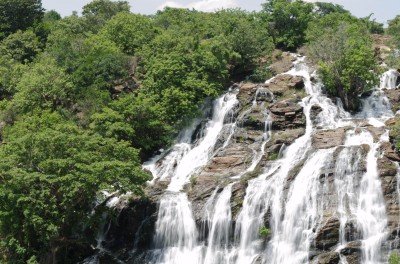
@@Sub Place Details: Bharachukki Falls is the wider and more accessible sibling of the twin Shivanasamudra Falls, created as the Kaveri River splits i...

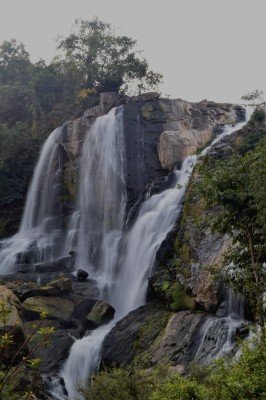
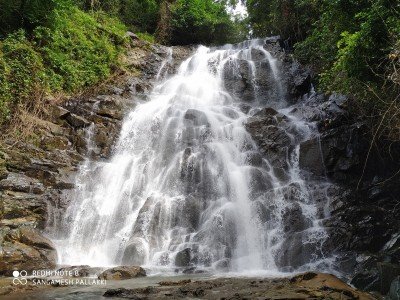
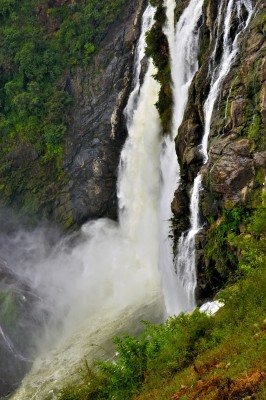
@@Sub Place Details: Bharachukki Falls is the wider and more accessible sibling of the twin Shivanasamudra Falls, created as the Kaveri River splits into two distinct paths. While its twin, Gaganachukki, is admired for its sheer power and height, Bharachukki is loved for its jagged, sprawling beauty and the ability for visitors to get closer to the water. The falls drop from a height of approximately 69 meters, cascading over a wide semi-circular cliff that resembles a miniature version of Niagara Falls. During the Monsoon months of July and August, the water volume is so immense that the individual streams merge into a single, thundering wall of white foam that creates a constant mist in the air. The surrounding area is part of the Cauvery Wildlife Sanctuary, providing a backdrop of dense, lush green forests that contrast sharply with the dark volcanic rocks. Historically, this site has been a place of pilgrimage and nature worship, and today it serves as a premier weekend getaway for residents of Bangalore and Mysore. The tourism department has constructed a series of well-maintained steps—about 350 in number—that lead visitors down to a viewpoint closer to the base. At the bottom, the river forms a wide pool where, during safer water levels, coracle boat rides are a major attraction. These round bamboo boats take tourists right to the edge of the spray, offering an exhilarating and wet experience. The falls are not just a visual treat but an auditory one, as the roar of the water can be heard from kilometers away. Despite the crowds on weekends, the vastness of the falls allows for a sense of awe and serenity, making it a "must-visit" destination for anyone exploring the Deccan Plateau. :
Card image cap
Bheemeshwari Wildlife Sanctuary

@@Sub Place Details: Bheemeshwari Wildlife Sanctuary, often referred to as the Bheemeshwari Adventure and Nature Camp, is a pristine stretch of wilder...

@@Sub Place Details: Bheemeshwari Wildlife Sanctuary, often referred to as the Bheemeshwari Adventure and Nature Camp, is a pristine stretch of wilderness located on the banks of the Kaveri River. It is world-renowned among fishing enthusiasts as the home of the Mahseer, particularly the Hump-backed Mahseer, often called the "Tiger with Fins" due to its incredible fighting spirit when hooked. Although fishing is now strictly "catch and release" or restricted for conservation, the area remains a sanctuary for both wildlife and adventure seekers. The sanctuary is part of the larger Cauvery Wildlife Sanctuary and is characterized by dry deciduous forests, rocky outcrops, and the life-giving river that meanders through the valley. Wildlife is abundant here; visitors frequently spot Spotted Deer, Wild Boars, and Grizzled Giant Squirrels. For those with a keen eye, sightings of Elephants and Leopards are possible, though they remain elusive. Birdwatchers find this place a paradise, with over 200 species including the Fish Eagle, Kingfisher, and the rare White-browed Bulbul. The camp is managed by Jungle Lodges & Resorts, providing a mix of rustic charm and modern comfort. It serves as a base for various eco-tourism activities that promote an appreciation for nature without disturbing the ecological balance. Whether you are looking to trek through the rugged hills, kayak on the gentle rapids, or simply sit by the riverbank and watch the sunset, Bheemeshwari offers a perfect escape from the concrete jungle of Bangalore, which is only 100 kilometers away. The atmosphere is one of profound peace, punctuated only by the chirping of birds and the rhythmic sound of the river flowing over the rocks. :
Card image cap
Cauvery Fishing Camp

@@Sub Place Details: The Cauvery Fishing Camp, specifically the Galibore Nature Camp, is a secluded haven situated deep within the deciduous forests o...

@@Sub Place Details: The Cauvery Fishing Camp, specifically the Galibore Nature Camp, is a secluded haven situated deep within the deciduous forests of the Cauvery Wildlife Sanctuary. Named after the windy hillock called Galibore that looms in the background, this camp is the epitome of "off-the-grid" living. While it was originally established as an angler's retreat, it has evolved into a comprehensive nature camp where the focus is on experiencing the river's raw beauty. The camp is surrounded by hills and dense forest, making it feel completely isolated from civilization. The Kaveri River here is wide and filled with rapids, creating a musical backdrop of rushing water. This environment is home to an incredible array of fauna, including the Marsh Crocodile, which can often be seen sunning itself on the rocks. The camp's philosophy is centered on "recharging" through nature. There are no televisions or loud music; instead, you have the sounds of Woodpeckers and the sight of Spotted Deer wandering near your tent. The naturalists at the camp are highly knowledgeable, providing deep insights into the river's ecosystem. Evenings at Galibore are particularly magical, featuring riverside bonfires and barbecues under a canopy of stars that are rarely visible in the city. The camp is a favorite for those who find peace in the simplicity of a hammock and a good book, or for those who wish to challenge themselves with a rugged trek up the Galibore hill for a panoramic view of the entire sanctuary. It is a place where the passage of time is marked by the shifting shadows on the water and the calls of the nocturnal forest inhabitants. :
Card image cap
Chennakesava Temple, Somanathapura

@@Sub Place Details: The Chennakesava Temple at Somanathapura is an architectural masterpiece and one of the most complete examples of Hoysala archite...

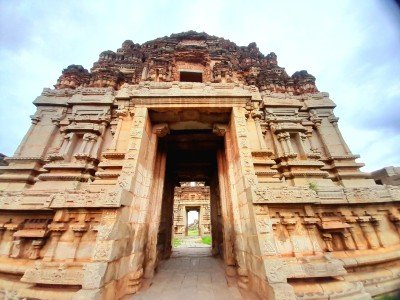
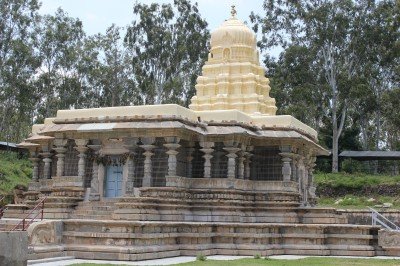
@@Sub Place Details: The Chennakesava Temple at Somanathapura is an architectural masterpiece and one of the most complete examples of Hoysala architecture in existence. Built in 1268 AD by Soma, a celebrated general under the Hoysala King Narasimha III, the temple is a Trikuta (triple-shrine) structure dedicated to three forms of Lord Vishnu: Kesava, Janardhana, and Venugopala. What sets this temple apart is its extraordinary preservation; unlike the temples at Belur and Halebidu, this one still possesses its original star-shaped towers (Vimanas), allowing visitors to see the full intended silhouette of a Hoysala temple. Every square inch of the exterior walls is covered in intricate soapstone carvings that depict scenes from the Ramayana, Mahabharata, and Bhagavata Purana. The craftsmanship is so detailed that you can see the individual links in the jewelry of the deities and the veins in the leaves of the stone trees. The temple sits on a raised platform called a Jagati, which allows devotees to perform the ritual of circumambulation while admiring the friezes at eye level. Inside, the ceilings are even more impressive, featuring sixteen different designs of stone lotuses and geometric patterns. Despite being a victim of historical raids that led to the defacement of many idols, the temple's structural beauty remains undiminished. It is a UNESCO World Heritage site candidate and a pilgrimage for anyone who appreciates the height of Medieval Indian art. The peaceful village of Somanathapura serves as a quiet guardian to this stone poem, located just a short drive from the thundering falls of Shivanasamudra, offering a cultural counterpoint to the natural wonders of the region. :
Card image cap
Darga Hazrath Mardane Gaib

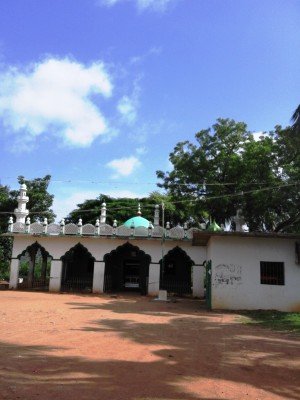
@@Sub Place Details: The Darga Hazrath Mardane Gaib is a sacred Sufi shrine dedicated to the saint Hazrath Mardane Gaib, located on the rocky terrain ...

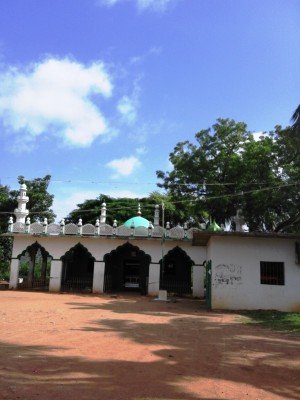
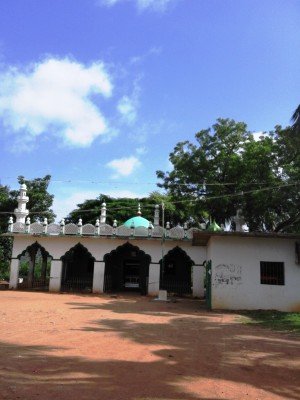
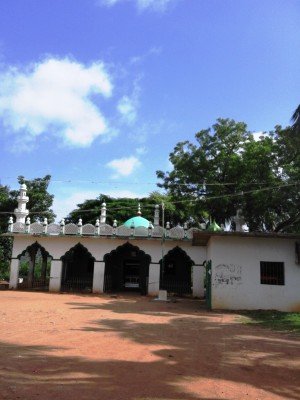
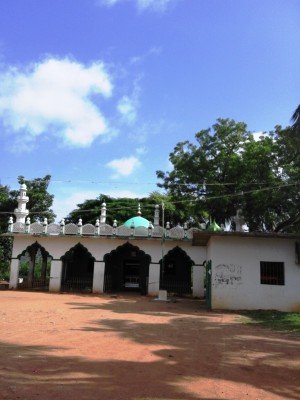
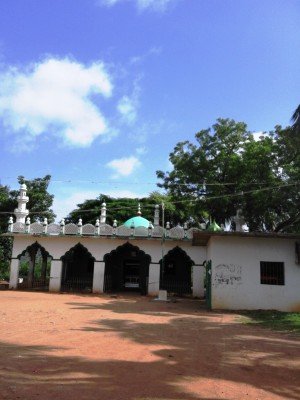
@@Sub Place Details: The Darga Hazrath Mardane Gaib is a sacred Sufi shrine dedicated to the saint Hazrath Mardane Gaib, located on the rocky terrain overlooking the Kaveri river. This spiritual site has existed for over a millennium, drawing devotees from all faiths who seek peace and blessings amidst the thundering sound of the nearby waterfalls. The darga is perched on a cliff, providing a unique spiritual atmosphere where the roar of the water meets the silence of prayer. It is an integral part of the local culture, representing the communal harmony of the Mandya district. Visitors often feel a profound sense of serenity here, especially during the early morning hours when the mist from the falls blankets the shrine. The history of the darga is intertwined with the natural wonders of the island, making it a must-visit for those looking for a soulful experience beyond just sightseeing. Legend has it that the saint chose this spot for its seclusion and proximity to the holy river, and today it serves as a beacon of hope for thousands. The surrounding area is lush with greenery, and the path to the darga is lined with local vendors selling incense and flowers. It is not just a religious site but a historical landmark that has stood the test of time, witnessing the evolution of the hydroelectric projects and the changing seasons of the Kaveri. The shrine remains a quiet sentinel over the Gaganachukki falls, offering a panoramic view that is arguably the best in the region. Tourists often combine their visit to the falls with a prayer at the darga, seeking protection before venturing near the water.
Card image cap
Gaganachukki Falls

@@Sub Place Details: Gaganachukki Falls is one of the most powerful waterfalls in India, where the Kaveri river plunges down a rocky cliff from a heig...

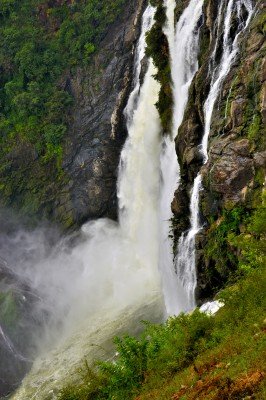
@@Sub Place Details: Gaganachukki Falls is one of the most powerful waterfalls in India, where the Kaveri river plunges down a rocky cliff from a height of about 90 meters. The water falls in a distinct "horsetail" shape, creating a massive cloud of mist that can be seen from several kilometers away. This site is not just a natural wonder but also the location of Asia's first hydroelectric power station, commissioned in 1902. The sheer volume of water during the monsoon is breathtaking, making it a top-tier destination for nature lovers. The falls are divided into two segments that converge at the bottom, creating a deep pool that is strictly off-limits for swimming due to dangerous undercurrents. The viewing deck provided by the tourism department offers a safe vantage point to witness the raw power of the river as it carves through the ancient Deccan plateau. Surrounded by the Cauvery Wildlife Sanctuary, the area is home to diverse flora and fauna, including playful monkeys that frequent the viewpoints. The sound of the waterfall is deafening during peak season, providing a sensory experience that is both humbling and exhilarating. History buffs will appreciate the vintage machinery visible near the power house, while photographers will find endless inspiration in the play of light and water. The falls have been featured in numerous regional films, adding to their local fame. Unlike many other falls, Gaganachukki maintains a significant flow even in late autumn, though it is at its most majestic when the KRS Dam releases water. It is a place where the industrial history of Karnataka meets the timeless beauty of the natural world.
Card image cap
Gaganachukki Falls View Point

@@Sub Place Details: The Gaganachukki Falls View Point is the primary designated area for tourists to safely observe the western branch of the Shivana...

@@Sub Place Details: The Gaganachukki Falls View Point is the primary designated area for tourists to safely observe the western branch of the Shivanasamudra falls. Unlike the darga side, this viewpoint provides a side-on perspective that allows visitors to see the depth of the gorge and the various tiers of the waterfall. The Karnataka Tourism Department has developed this area with multiple levels of seating and paved walkways to accommodate the large influx of weekend travelers. From here, one can clearly see the water split into several streams as it hits the rocky outcrops before plunging into the pool below. The view is particularly dramatic during the monsoon when the entire cliff face turns white with foam. The viewpoint is surrounded by dense forest, and it is common to hear the calls of wild animals from the Cauvery Wildlife Sanctuary across the river. It serves as an educational hub as well, with signs explaining the geography of the Deccan Plateau and the history of the Kaveri river's journey. There are several small eateries near the entrance of the viewpoint offering local snacks like "Mirchi Bajji" and tea. The atmosphere is lively, filled with the sounds of excited tourists and the rhythmic thrum of the falling water. For many, this is the definitive spot for a family photo, as the backdrop is truly world-class. The viewpoint is well-maintained, with regular cleaning schedules, making it one of the better-organized natural attractions in Karnataka. It is also a strategic point for the forest department to monitor the safety of tourists and prevent illegal entry into the river basin.
Card image cap
Ganalu Falls

@@Sub Place Details: Ganalu Falls is a relatively undiscovered and pristine waterfall located a short drive away from the main Shivanasamudra circuit....

@@Sub Place Details: Ganalu Falls is a relatively undiscovered and pristine waterfall located a short drive away from the main Shivanasamudra circuit. Unlike its famous cousins, Ganalu offers a more rugged and "off-the-beaten-path" experience for those willing to navigate slightly tougher roads. The falls are formed by a tributary of the Kaveri, cascading over a series of rocky steps into a wide, shallow basin. The area is surrounded by dense scrub forest and agricultural lands, giving it a very rural and authentic Karnataka feel. Because it receives fewer tourists, the water is cleaner and the environment is much quieter, making it an ideal spot for those who find Gaganachukki too crowded. There are no formal viewing decks here, so visitors must find their own vantage points along the rocky banks. This lack of commercialization is exactly what attracts adventure seekers and trekkers. The path to the falls involves a short walk through fields, which is especially beautiful during the harvest season. During the monsoon, the falls gain significant volume and the surrounding landscape turns a brilliant emerald green. It is a place where you can sit on the rocks and dip your feet in the cool water safely in certain sections, though caution is always advised. Ganalu is a testament to the hidden natural beauty of the Mandya district, offering a peaceful retreat for those who appreciate solitude. It is often combined with a visit to the nearby Shimsha power house. Local villagers are friendly and often guide tourists to the best spots for a small tip.
Card image cap
Harekada Small Falls

@@Sub Place Details: Harekada Small Falls is a charming, low-altitude waterfall that serves as a popular local getaway for those looking for a safe pl...

@@Sub Place Details: Harekada Small Falls is a charming, low-altitude waterfall that serves as a popular local getaway for those looking for a safe place to play in the water. Unlike the massive and dangerous drops of Gaganachukki, Harekada is characterized by gentle slopes and multiple small streams that flow over flat rocks. This makes it a favorite for families with children, as the water pressure is manageable and the pools are relatively shallow during the non-monsoon months. The falls are located in a serene pocket of the Kaveri valley, surrounded by coconut groves and paddy fields. The approach road is narrow and winds through typical South Indian rural landscapes, offering a peaceful drive. During the rainy season, the falls expand into a wider curtain of water, creating a beautiful sight without the intimidating roar of the larger falls nearby. It is a "locals' secret" that is slowly gaining popularity among weekenders from Bangalore. The area around the falls is perfect for a lazy afternoon of sitting on the rocks with your feet submerged in the flowing river. There is a sense of timelessness here, far removed from the commercial bustle of the main tourist circuit. Small local shops nearby sell fresh coconut water and cucumbers, adding to the refreshing experience. The rocks here have been smoothed over centuries of water flow, creating natural slides and pools. It is an excellent spot for those who want to experience the Kaveri river's touch in a more intimate and safe setting.
Card image cap
Igloor Dam

Igloor Dam is a hidden aquatic marvel located near the silk city of Channapatna. This dam is built across the Shimsha River, a primary tributary of th...

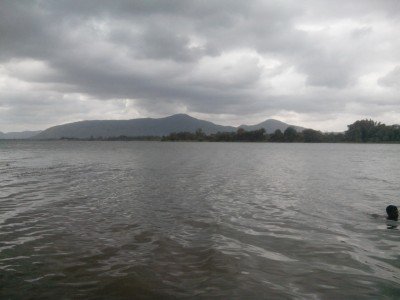
Igloor Dam is a hidden aquatic marvel located near the silk city of Channapatna. This dam is built across the Shimsha River, a primary tributary of the Kaveri River. It serves as a vital irrigation source for the surrounding agricultural lands of the Mandya and Ramanagara districts. The vast expanse of blue water against the backdrop of rocky hills provides a therapeutic environment for city dwellers. Visitors often describe it as a tranquil escape from the bustling traffic of the Bangalore-Mysore highway. Unlike larger commercial dams, Igloor retains a raw, untouched charm that appeals to minimalist travelers. The water levels fluctuate with the seasons, revealing sandy banks in summer and a roaring overflow during the Monsoon months. It is a preferred spot for local anglers who spend hours in quiet patience. The surrounding vegetation is home to small mammals and diverse insect life, making it a micro-ecosystem. The dam also plays a crucial role in maintaining the groundwater levels of the nearby villages. It is a place where one can witness the harmonious coexistence of man-made engineering and natural beauty. The peaceful ripples of the lake at sunset create a poetic atmosphere that is hard to find in urban parks. Families often use the flat terrain near the reservoir for afternoon picnics and outdoor games. The approach road to the dam is lined with coconut groves and paddy fields, offering a quintessentially rural Karnataka experience. It is a location that prioritizes silence over spectacle, making it the perfect destination for meditation or solo soul-searching journeys.
Card image cap
Kaveri River View Point, Sathyagala

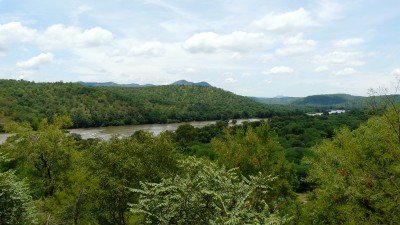
Sathyagala is a picturesque location where the mighty Kaveri River flows in its most serene form before cascading down the cliffs of Shivanasamudra. T...
Sathyagala is a picturesque location where the mighty Kaveri River flows in its most serene form before cascading down the cliffs of Shivanasamudra. The view point offers a wide, panoramic perspective of the river as it winds through lush greenery and rocky outcrops. This area is historically significant as it lies near the Madhya Ranga temple circuit. The river at Sathyagala is wide and calm, creating a mirror-like surface that reflects the changing colors of the sky. It is a favorite spot for travelers who want to witness the river without the roar of the falls. The surrounding landscape is characterized by ancient banyan trees and traditional stone steps (ghats) that lead down to the water. Local folklore suggests that the river's path here was carved by divine intervention to provide water to the local sages. Today, it serves as a peaceful retreat for those driving between Kollegala and Shivanasamudra. The air here is crisp and filled with the scent of fresh river water and agricultural fields. During the summer, the receding water reveals beautiful sandbanks where children often play. In the monsoon, the river swells to its full capacity, touching the edges of the viewing platforms. It is not just a scenic spot but a cultural hub where locals perform rituals and ceremonies. The bridge near the viewpoint provides a unique elevated perspective of the river's flow. It is a place that invites contemplation and offers a deep connection with the geography of South India. Visitors can spend hours sitting by the banks, watching the local coracles drift by.
Card image cap
Kokkare Bellur Bird Sanctuary

Kokkare Bellur is a unique conservation success story where birds and humans live in perfect harmony. The name itself translates to "village of storks...
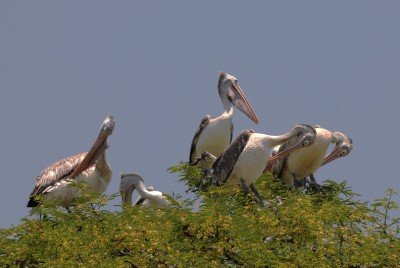
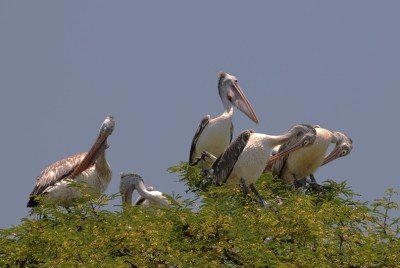
Kokkare Bellur is a unique conservation success story where birds and humans live in perfect harmony. The name itself translates to "village of storks" in the local Kannada language. This is not a typical fenced sanctuary; rather, the entire village is a habitat for migratory birds. The Painted Storks and Spot-billed Pelicans build their nests on the trees located in the backyards of the villagers. This relationship dates back centuries, with the locals believing that the birds bring good luck and prosperity. The villagers even protect the birds from predators and hunters, creating a safe haven for breeding. The sight of hundreds of large birds perched on tamarind and peepal trees is breathtaking. The air is filled with the calls of the chicks and the flapping of large wings. This sanctuary is globally recognized for its conservation model where community participation is the key. During the nesting season, the village becomes a hub for ornithologists and nature photographers. The birds feed in the nearby Shimsha River and return to the village to care for their young. The guano (bird droppings) is collected by the villagers to be used as a natural, phosphorus-rich fertilizer for their crops. This symbiotic relationship is a beautiful example of ecological balance. Visitors can walk through the narrow lanes of the village and see the nests at eye level from the terraces of local houses. It is a humble yet powerful reminder of how nature can thrive alongside human settlements. The quiet dignity of the village combined with the majestic presence of the birds makes it a must-visit destination.
Card image cap
Malavalli Lake View Point

Malavalli Lake, also locally known as the Kere, is a vital water body located on the outskirts of Malavalli town. This lake is a lifeline for the loca...
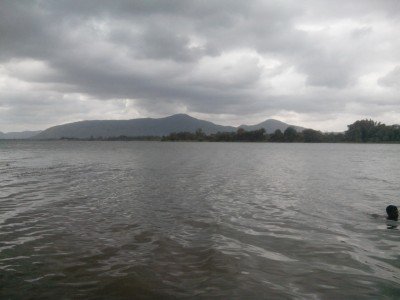
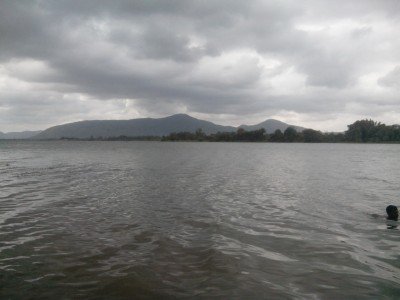
Malavalli Lake, also locally known as the Kere, is a vital water body located on the outskirts of Malavalli town. This lake is a lifeline for the local agricultural community, providing water for the vast sugarcane and paddy fields. The view point is a recently developed area that allows visitors to enjoy the cool breeze and scenic beauty of the reservoir. It is a popular evening hangout spot for locals and a refreshing break for travelers heading towards Shivanasamudra. The lake is often dotted with small fishing boats and surrounded by a rim of green trees. During the early mornings, a thick layer of mist covers the water, creating a mystical appearance. The lake ecosystem supports various local fish species and attracts several water birds like egrets and kingfishers. The walk along the bund of the lake offers a panoramic view of the town on one side and the vast water on the other. It is an excellent example of a traditional South Indian irrigation tank that has evolved into a recreational space. The sunset at Malavalli Lake is particularly beautiful, with the orange sky reflecting on the calm water. The area is being improved with seating arrangements and lighting to encourage tourism. It serves as a quiet alternative to the more commercialized tourist spots in the region. For a traveler, it offers a slice of the real Mandya—unpretentious, productive, and naturally beautiful. The proximity to the main road makes it an easy "stop-and-stroll" destination.
Card image cap
Shimshapura Falls

@@Place Overview: Shimshapura Falls is a breathtaking natural wonder located near the confluence of the Shimsha River and the Kaveri River. Unlike the...
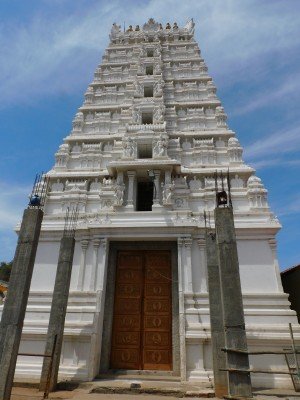
@@Place Overview: Shimshapura Falls is a breathtaking natural wonder located near the confluence of the Shimsha River and the Kaveri River. Unlike the more famous Gaganachukki, this fall is often associated with the historic Shimsha Hydroelectric Project, which was one of the earliest of its kind in India. The water cascades down a series of rocky steps, creating a misty veil that is particularly enchanting during the monsoon season. The surrounding area is lush with greenery, offering a peaceful retreat for those who wish to avoid the heavy crowds of the main Shivanasamudra falls. Visitors can enjoy the sight of the water rushing towards the power station, reflecting the harmony between nature and human engineering. The site is a favorite for trekkers and nature enthusiasts who appreciate the rugged terrain and the soothing sound of flowing water. It is a place where history meets natural beauty, as the power plant nearby dates back to the early 20th century. The atmosphere here is serene, making it an ideal spot for a quiet picnic or a morning of introspection amidst the wild.
Card image cap
Sri Ranganathaswamy Temple

@@Place Overview: The Sri Ranganathaswamy Temple, popularly known as Madhya Ranga, is a significant pilgrimage site located on the island of Shivanasa...
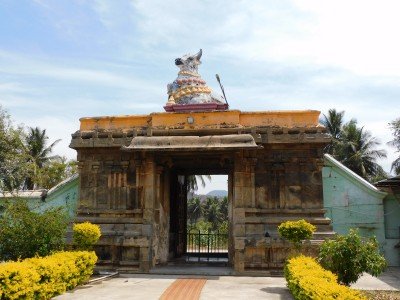
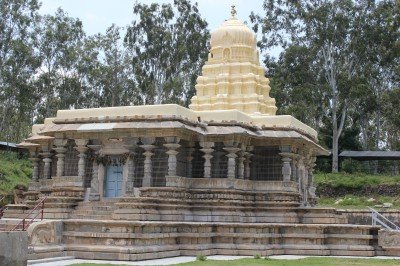
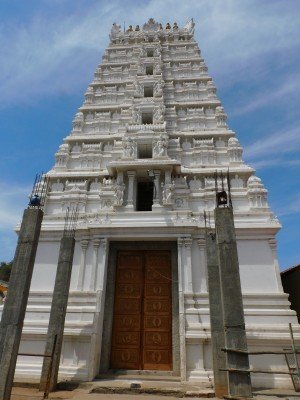
@@Place Overview: The Sri Ranganathaswamy Temple, popularly known as Madhya Ranga, is a significant pilgrimage site located on the island of Shivanasamudra. It is the second of the three Ranga Kshetras located along the Kaveri River, the others being Adi Ranga at Srirangapatna and Antya Ranga at Srirangam. The temple is dedicated to Lord Ranganatha, a manifestation of Lord Vishnu, who is seen in a reclining posture on the serpent Adishesha. This specific deity is referred to as Mohana Ranga or Jaganmohana Ranga, representing the youthful and charming form of the Lord. The temple is steeped in antiquity and is believed to have been established during the Hoysala and Vijayanagara periods. Surrounded by the roaring waterfalls and the dense forests of the Cauvery Wildlife Sanctuary, the temple provides a deeply spiritual experience. Devotees often visit this shrine as part of the Triranga Darshana, which involves visiting all three Ranganatha temples in a single day. The peaceful sanctum and the ancient stone walls tell stories of centuries-old devotion and architectural brilliance.
Card image cap
Sri Someshwara Temple

@@Place Overview: Sri Someshwara Temple is an ancient Hindu shrine situated near the Gaganachukki falls, dedicated to Lord Shiva. It is considered one...
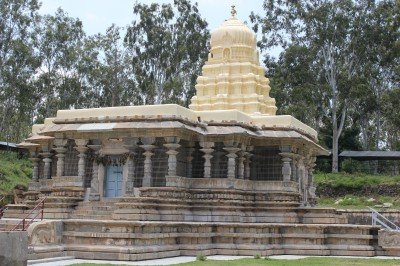
@@Place Overview: Sri Someshwara Temple is an ancient Hindu shrine situated near the Gaganachukki falls, dedicated to Lord Shiva. It is considered one of the oldest temples in the region, with its origins predating many of the surrounding structures. Local legends suggest that the Someshwara Linga was worshipped by the Saptarshis (seven sages) long before the Ranganatha idol was installed on the island. The temple holds immense religious value and is a focal point for devotees during festivals like Maha Shivaratri. The architecture reflects the classic Dravidian style with influences from the Chola and Hoysala dynasties. The temple complex is relatively small but exudes a powerful spiritual energy, enhanced by the sound of the nearby waterfalls echoing through the stone corridors. It is a place where pilgrims come to seek blessings for health and prosperity, often combining their visit with a trip to the Vanadurga Devi temple nearby. The serene environment and the historic carvings on the pillars make it a must-visit for anyone interested in the cultural heritage of Karnataka.
Card image cap
Talakadu

@@Place Overview: Talakadu is a mystical town located on the banks of the Kaveri River, famous for its vast sand dunes that have buried dozens of anci...

@@Place Overview: Talakadu is a mystical town located on the banks of the Kaveri River, famous for its vast sand dunes that have buried dozens of ancient temples. It is often called the Benares of the South due to its high concentration of sacred shrines. The town is most famous for the Curse of Talakadu, attributed to Alamelamma, which supposedly caused the fertile land to turn into a desert and the Mysore kings to remain without heirs. Today, only a few temples like the Vaidyanatheshwara Temple have been excavated from the sand and are open to the public. The landscape is surreal, with hills of sand shifting over time, occasionally revealing glimpses of buried stone structures. It is a major pilgrimage site for the Panchalinga Darshana, a festival held every 12 years where devotees visit five specific Shiva temples. The town offers a unique blend of archaeology, folklore, and natural beauty. Walking through the sand to reach the temples feels like a journey back in time, offering a glimpse into a lost civilization that was once the capital of the Ganga Dynasty.
Card image cap
Thoraikadanahalli Thore

@@Place Overview: Thoraikadanahalli Thore, often abbreviated as T.K. Halli, is a significant location known for its massive water treatment plant and ...

@@Place Overview: Thoraikadanahalli Thore, often abbreviated as T.K. Halli, is a significant location known for its massive water treatment plant and its scenic river stretch. This spot is the primary source of drinking water for the city of Bangalore, where the Kaveri water is pumped and treated before being sent to the metropolitan area. Beyond its industrial importance, the area features a beautiful "Thore" (stream) where the water flows gently over rocky beds and through rural landscapes. It is a relatively offbeat destination, frequented by locals and curious travelers who want to see the starting point of the city's water supply. The surrounding fields of Paddy and Sugarcane create a picturesque rural setting that is perfect for a slow drive. The area is quiet and lacks the commercial hustle of the main tourist spots, providing a raw look at the agrarian life of the Mandya district. It is a place of utility that surprisingly offers moments of peace and natural charm, especially during the golden hour when the sun reflects off the vast treatment reservoirs and the flowing river.
Show All

Note:-

Information provided here in good Faith and for reference only.

All information and pictures will be updated soon, please keep visiting.

Near Places
...
Badami

Some quick example text to build on the card title and make up the bulk of the card's content.

Go somewhere
...
Bandipur National Park

Some quick example text to build on the card title and make up the bulk of the card's content.

Go somewhere
...
Belagavi

Some quick example text to build on the card title and make up the bulk of the card's content.

Go somewhere
...
Belur, Karnataka

Some quick example text to build on the card title and make up the bulk of the card's content.

Go somewhere
...
Belur

Some quick example text to build on the card title and make up the bulk of the card's content.

Go somewhere
...
Bengaluru

Some quick example text to build on the card title and make up the bulk of the card's content.

Go somewhere
...
Bidar

Some quick example text to build on the card title and make up the bulk of the card's content.

Go somewhere
...
Bijapur

Some quick example text to build on the card title and make up the bulk of the card's content.

Go somewhere
...
Chamarajanagar

Some quick example text to build on the card title and make up the bulk of the card's content.

Go somewhere
...
Chikkaballapur

Some quick example text to build on the card title and make up the bulk of the card's content.

Go somewhere
in Other Cities