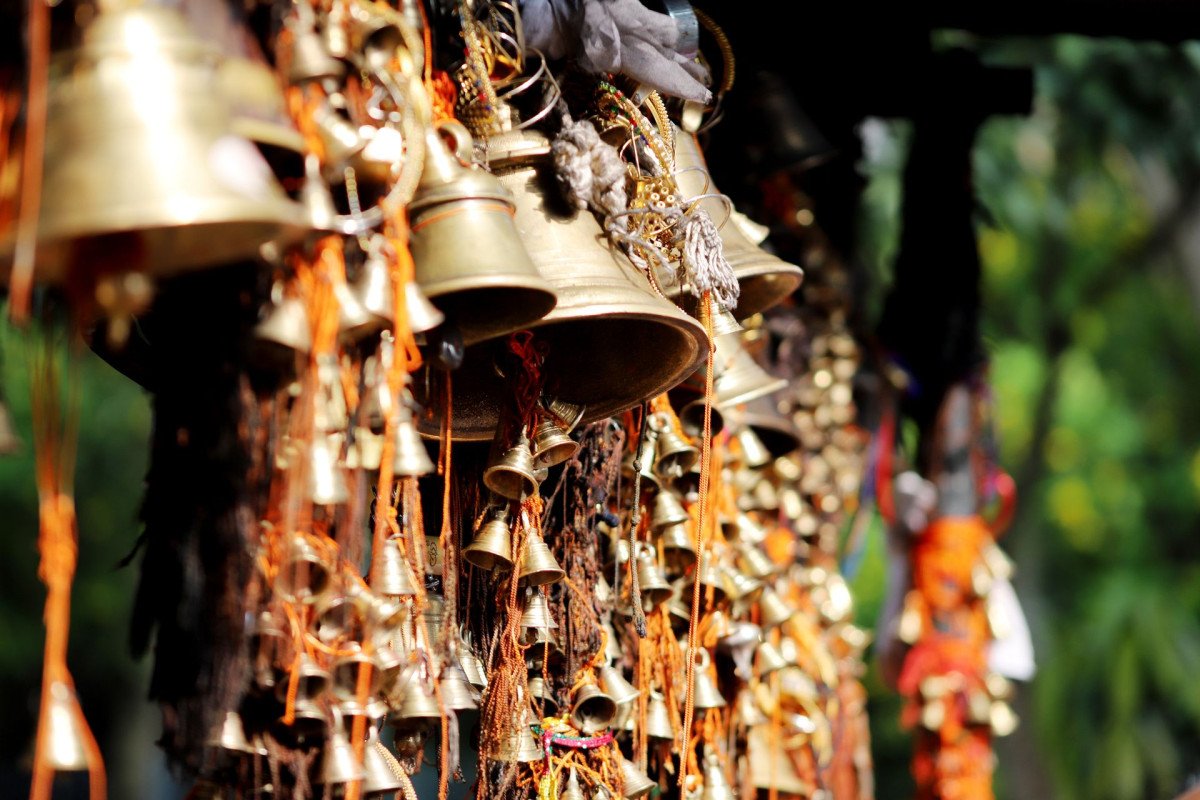
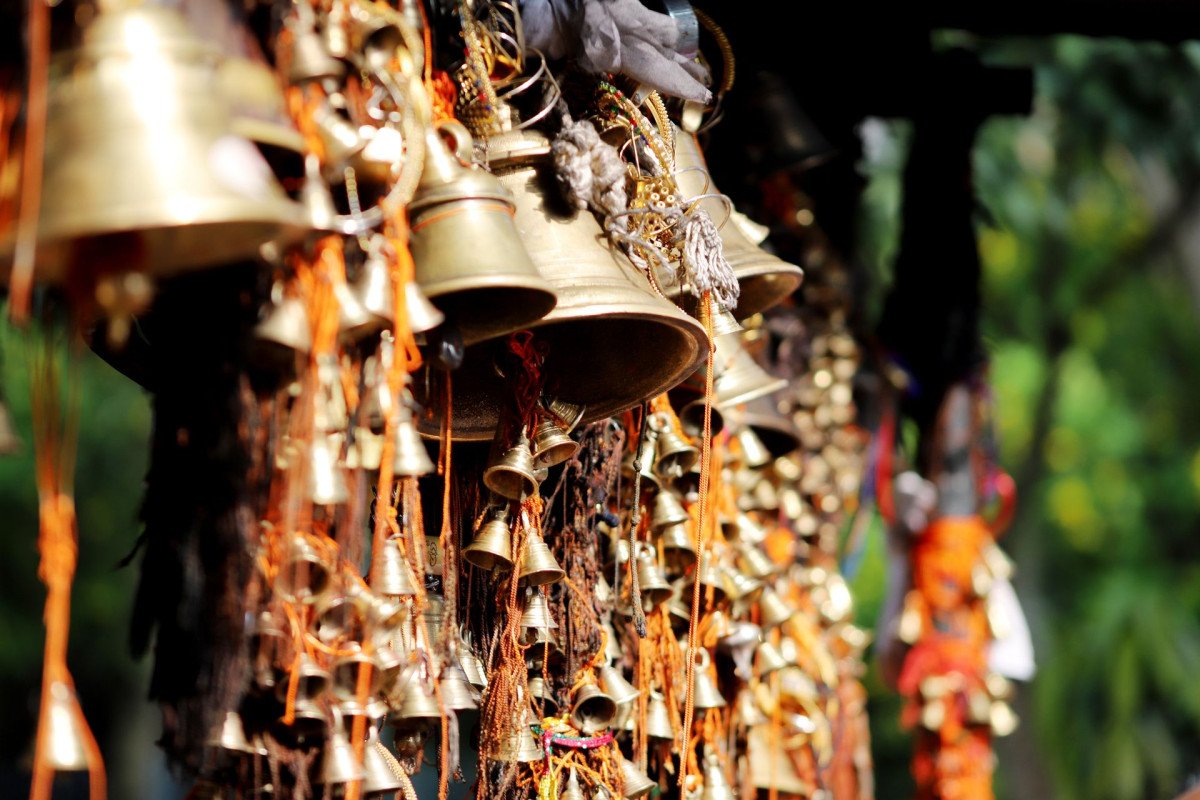
Santala Devi Temple
General information
-
Ideal Duration:
3-4 Hours (Includes 2-hour trek up and down, plus Darshan time)Place Type:
Religious/Trekking/Scenic ViewpointEntry Fees:
General Entry: Access to the Santala Devi Temple is completely free of charge as it is a major religious shrine.
Trekking/Path Fee: There are no fees for using the trekking path or steps from Punkal Gaon. The journey is free for pilgrims an...General Entry: Access to the Santala Devi Temple is completely free of charge as it is a major religious shrine.
Trekking/Path Fee: There are no fees for using the trekking path or steps from Punkal Gaon. The journey is free for pilgrims and visitors.
Donations (Voluntary): Visitors may choose to make a voluntary donation (bhet) to the temple fund or the prasad (offering) counter, which is entirely optional.
Parking at the Base: Parking your vehicle at the base village of Punkal Gaon before the trek may incur a small parking fee levied by the local village committee or a private lot, typically Rs.20 to Rs.50.
Pooja Materials: The cost will include the purchase of flowers, prasad, or other pooja materials from vendors at the base or the top.
Guide Fees: You can hire a local village guide to accompany you on the trek and share stories, for a fee that must be negotiated.
Photography Fee: There are no fees for personal photography on the trek or at the temple.Timing:
Regular Timings (Daily): The temple is typically open from 8:00 AM to 6:00 PM. It is closed during the heavy monsoon season (July to September) due to the unsafe nature of the mountain path.
Ideal Visit Time (Trek/View): The ideal time to v...Regular Timings (Daily): The temple is typically open from 8:00 AM to 6:00 PM. It is closed during the heavy monsoon season (July to September) due to the unsafe nature of the mountain path.
Ideal Visit Time (Trek/View): The ideal time to visit is to start the trek very early in the morning (6:00 AM to 7:00 AM) to avoid the mid-day heat and to catch the breathtaking sunrise view from the summit.
Trek Duration: Allocate 2 hours for the ascent, 1 hour at the top for Darshan and viewing, and 1. 5 hours for the descent.
Monsoon Closure: Strictly avoid visiting during the monsoon for safety reasons, as the temple gates are often officially closed during this period.
Sunday Rush: Sundays are the most auspicious and therefore the most crowded day of the week.
Last Ascent: Start the ascent no later than 3:00 PM to ensure you can safely complete the descent before sunset.Special Events:
Santala Devi Mela (Annual Fair): The temple holds its largest annual fair and religious gathering, the Santala Devi Mela, on the last Sunday of the Hindu calendar month of Sawan (typically August). This is the most special and crowded event.
Na...Santala Devi Mela (Annual Fair): The temple holds its largest annual fair and religious gathering, the Santala Devi Mela, on the last Sunday of the Hindu calendar month of Sawan (typically August). This is the most special and crowded event.
Navaratri Celebrations: The nine nights of Navaratri (twice a year, in March/April and September/October) are celebrated with special pujas and bhajans dedicated to Goddess Durga/Santala, drawing a steady stream of devotees.
Shivratri Gathering (Nearby): Although dedicated to a goddess, the temple's proximity to the Shivalik range means that Mahashivratri (in February/March) often sees an increased number of visitors who include the temple in their mountain pilgrimage circuit.
Full Moon/Purnima Treks: Local groups sometimes organize special night or early morning treks to the temple on Purnima (Full Moon) nights, which are considered highly auspicious.Best Photo Spots:
The Valley Panorama from the Summit: The must-have shot is the vast, sweeping panoramic view of the entire Dehradun city and the Doon Valley from the temple's summit, best captured at sunrise or sunset.
The Stone Step Pathway: A beautiful, l...The Valley Panorama from the Summit: The must-have shot is the vast, sweeping panoramic view of the entire Dehradun city and the Doon Valley from the temple's summit, best captured at sunrise or sunset.
The Stone Step Pathway: A beautiful, leading lines shot taken from the top or bottom of the stone steps, emphasizing the long, winding pilgrimage path through the forest.
The Temple Against the Sky: A simple yet powerful photograph of the humble temple structure silhouetted against a dramatic, colorful sky (especially sunset or a cloudy day), emphasizing its solitary location.
The Deity Darshan (respectfully): A respectful, focused photograph of the main stone statues of Santala Devi and Santaur Singh (if permitted inside the sanctum) as the central focus of the shrine.
Candid Trekkers: A candid photograph of fellow pilgrims or trekkers taking a break on the steps, capturing the effort and the reward of the journey.
The Forest Canopy: A photo looking up at the dense forest canopy over the trekking trail, capturing the shaded, natural environment of the ascent.
The Viewpoint Sign/Plaque: A photo of the official or local viewpoint sign, indicating the altitude or the temple's name, framed by the valley view.Photo Gallery
Things To Do
-
The Pilgrimage Trek: The primary activity is the 2-hour (one-way) trek up the 700-step stone path from Punkal Gaon. The journey is a core part of the experience, offering scenic views and a test of devotion.
Darshan and Worship: Upon reaching the top, perform Darshan (viewing) of the stone statues of Goddess Santala and her brother and offer prayers.
Panoramic Valley View Photography: Dedicate significant time to capturing the breathtaking, vast panorama of the Doon Valley and the surrounding Shivalik Hills from the summit. The wide-angle views are exceptional.
Relaxation and Reflection: Spend time sitting quietly at the hilltop, absorbing the serene and spiritual atmosphere, reflecting on the arduous journey and the religious significance of the site.
...The Pilgrimage Trek: The primary activity is the 2-hour (one-way) trek up the 700-step stone path from Punkal Gaon. The journey is a core part of the experience, offering scenic views and a test of devotion.
Darshan and Worship: Upon reaching the top, perform Darshan (viewing) of the stone statues of Goddess Santala and her brother and offer prayers.
Panoramic Valley View Photography: Dedicate significant time to capturing the breathtaking, vast panorama of the Doon Valley and the surrounding Shivalik Hills from the summit. The wide-angle views are exceptional.
Relaxation and Reflection: Spend time sitting quietly at the hilltop, absorbing the serene and spiritual atmosphere, reflecting on the arduous journey and the religious significance of the site.
Observing the Temple Structure: Take a moment to appreciate the simple, traditional mountain architecture of the shrine, noting the use of local materials and the humble devotion of the construction.
Reading the Temple Legend: Find a local or a priest to recount the fascinating legend of the Princess and her brother turning into stone, enhancing the historical and spiritual context of the visit.
Sunset/Sunrise Viewing: If staying in a nearby village or planning an early start, timing the visit to coincide with sunrise or sunset is a must-do for spectacular lighting and photographic opportunities.
Interacting with Fellow Pilgrims: Engage in respectful conversation with other devotees to learn about their faith and the significance of the temple in their lives.
Forest Walk: Explore the small, well-defined walking paths in the surrounding forested area near the temple (with caution and sticking to the main trails).
Picnicking at the Base: Enjoy a packed picnic or simple snacks at the base village of Punkal Gaon before starting or after completing the trek.
Finding the Stone Statues: Inside the main sanctum, focus on respectfully viewing the central objects of worship: the stone statues of the deities.
Drinking Local Water: Refresh yourself with the cool, clean water available near the base or on the trekking route.
Buying Devotional Items: Purchase a small devotional item like a photo or a prasad (offering) from the small shops near the temple.
Information
-
Why Famous:
The Santala Devi Legend: The temple is famous for the compelling local legend of Princess Santala and her brother turning into stone statues after a divine intervention, which forms the basis of the shrine and its power.
The Pilgrimage Trek:...The Santala Devi Legend: The temple is famous for the compelling local legend of Princess Santala and her brother turning into stone statues after a divine intervention, which forms the basis of the shrine and its power.
The Pilgrimage Trek: It is renowned for the challenging yet scenic trek of about 2 km (700 steps) through the forested hills, making the journey a spiritual experience and a physical challenge.
The Stunning Valley View: Perched atop a hill, the temple offers some of the most spectacular, unobstructed panoramic views of the entire Dehradun valley and the Shivalik range, attracting photographers and nature lovers.
Spiritual Significance: It is an extremely important religious site, particularly among the locals who worship Goddess Santala (an incarnation of Durga) and believe she grants wishes for good health and happiness. The weekly large gathering on Sundays is well-known. -
Architecture:
Simple Hilltop Sanctuary: The Santala Devi Temple complex features the simple, traditional architecture of a small Hindu shrine nestled on a hilltop. Unlike the elaborate structures in the plains, the design here is modest, emphasizing its sanctity and location. The main t...Simple Hilltop Sanctuary: The Santala Devi Temple complex features the simple, traditional architecture of a small Hindu shrine nestled on a hilltop. Unlike the elaborate structures in the plains, the design here is modest, emphasizing its sanctity and location. The main temple is a small, compact structure, often built using local stone, reflecting the regional building traditions of the Garhwal Himalayas. The construction is sturdy, designed to withstand the harsh weather conditions at an altitude of over 2000 meters.
The Path and Symbolism: The most important "architectural" element is the pilgrimage path itself. The trail from Punkal Gaon to the summit involves approximately 700 stone-paved steps over a distance of roughly 2 kilometers. This path is not merely a route but a symbolic climb of devotion. The temple houses the stone statues of the goddess Santala and her brother Santaur Singh, which are the central focus of the shrine. The perimeter of the complex is a simple enclosure, offering open space for devotees to sit and pray. The Dimension of the main sanctum is small, designed for individual or small group worship. The strategic location of the temple offers a naturally vast and open view of the surrounding hills and the Dehradun valley. -
How To Reach:
By Air: The nearest airport is Jolly Grant Airport (DED), approximately 45 km away. Hire a taxi to the base village of Punkal Gaon (the starting point for the trek), which will take about 1. 5 hours and is the most expensive option.
By Train:By Air: The nearest airport is Jolly Grant Airport (DED), approximately 45 km away. Hire a taxi to the base village of Punkal Gaon (the starting point for the trek), which will take about 1. 5 hours and is the most expensive option.
By Train: Dehradun Railway Station (DDN) is about 13-15 km from Punkal Gaon. Hire a private taxi or a dedicated auto-rickshaw to the base. The journey takes about 40-50 minutes.
By Road: From the ISBT (Inter-State Bus Terminal), which is about 20 km away, take a local bus or shared Vikram heading towards the Malsi Deer Park area, and then hire a local auto or taxi to take you the final few kilometers to Punkal Gaon.
By Local Transport: The most common way to reach the base of the trek from the city center is by hiring a dedicated auto-rickshaw or a taxi to Punkal Gaon or the starting point for the Santala Devi Temple trek. The last 2 km must be covered on foot via the uphill trekking path. -
Weather and Best Time to Visit:
Best Season (Trekking): The best time to visit is during the pleasant weather of October to November (post-monsoon, clear views) and February to April (pre-summer, mild temperatures).
Strictly Avoid Monsoon: The temple is typically closed du...Best Season (Trekking): The best time to visit is during the pleasant weather of October to November (post-monsoon, clear views) and February to April (pre-summer, mild temperatures).
Strictly Avoid Monsoon: The temple is typically closed during the heavy monsoon (July to September), and the trekking path becomes extremely slippery, hazardous, and should be strictly avoided.
Winter View: Winter (December and January) offers the clearest, most distant views of the snow-capped Himalayas, but the morning trek is very cold.
Different Parts of the Day (Sunrise/Heat): The early morning (6 AM to 10 AM) is the best time to start the trek to avoid the mid-day sun and to catch the best possible sunrise or early morning light over the valley.
Afternoon Visit: The afternoon is generally discouraged for the ascent due to the heat and the risk of descending after dark. -
Near Tourist Places:
1. Punkal Gaon (0 KM) The base village for the trek. 2. Dehradun City Center (12. 6 KM) Main commercial area. 3. Tapkeshwar Temple (15 KM) Lord Shiva cave temple. 4. Malsi Deer Park (10 KM) Mini-zoo and picnic area. 5. Robber's Cave (Guchhupani) (18 KM) Natural river cave. 6. Sahastradhara (15 KM) Sulphur springs and waterfall. 7. Khalanga War Memorial (10 KM) Historic Gorkha war memorial. 8. Mussoorie (32 KM) Queen of the Hills. 9. Forest Research Institute (FRI) (15 KM) Grand colonial campus. 10. Maldevta (10 KM) Scenic river spot for picnics.
Tourism Tips
-
Health & Safety (Trekking Stamina): The trek is moderately difficult. Carry plenty of water and a small energy snack. Do not attempt if you have severe knee or heart issues.
Packing (Footwear): Wear sturdy, comfortable trekking or sport sh...Health & Safety (Trekking Stamina): The trek is moderately difficult. Carry plenty of water and a small energy snack. Do not attempt if you have severe knee or heart issues.
Packing (Footwear): Wear sturdy, comfortable trekking or sport shoes with excellent grip. Avoid flat sandals or slippers.
Accommodation (Early Start): Stay in a hotel in Dehradun city that allows for an early morning departure to the base village.
Trekking Time: Start the trek as early as possible (ideally before 7:00 AM) to avoid the heat and get the best light for photos.
Temple Closure: Do not plan a trip during the monsoon season (July-September). Always confirm the temple's open status.
Trek Etiquette: Be respectful of the pilgrims on the path. Give way to those climbing or descending.
Photography Tip: Carry a wide-angle lens for the panorama and a polarizer filter to enhance the blue sky.
Local Guide: Consider hiring a local from Punkal Gaon for a more informed and safer trek.
Modest Dress: Dress modestly at the temple, covering legs and shoulders.
Wildlife: While unlikely, be aware of the possibility of local wildlife in the surrounding forest. Stick to the main path.
Emergency: Carry a fully charged phone and inform your hotel/someone of your trekking plan.
Reviews
FAQs
Dehradun Itineray And Cost:-
Santala Devi Temple Tourism:-
Other Places In Dehradun :-
Other States In India :-
Information about New and Updated Locations() of Uttarakhand Has Been Added :-
Card subtitle
Note:-
Information provided here in good Faith and for reference only.
Near Places

Asan Barrage Wetland
Some quick example text to build on the card title and make up the bulk of the card's content.
Go somewhere
Bhadraj Temple Trek
Some quick example text to build on the card title and make up the bulk of the card's content.
Go somewhere
Central Braille Press
Some quick example text to build on the card title and make up the bulk of the card's content.
Go somewhere
Chetwoode Hall
Some quick example text to build on the card title and make up the bulk of the card's content.
Go somewhere
Clock Tower
Some quick example text to build on the card title and make up the bulk of the card's content.
Go somewhere
Daat Kali Temple
Some quick example text to build on the card title and make up the bulk of the card's content.
Go somewhere
Dehradun
Some quick example text to build on the card title and make up the bulk of the card's content.
Go somewhere
Dehradun Zoo
Some quick example text to build on the card title and make up the bulk of the card's content.
Go somewhere
Forest Research Institute
Some quick example text to build on the card title and make up the bulk of the card's content.
Go somewhere
Fun Valley Amusement Park
Some quick example text to build on the card title and make up the bulk of the card's content.
Go somewhere
Gola Gokaran Nath Temple
Some quick example text to build on the card title and make up the bulk of the card's content.
Go somewhere
Khalanga War Memorial
Some quick example text to build on the card title and make up the bulk of the card's content.
Go somewhere
Lachhiwala Nature Park
Some quick example text to build on the card title and make up the bulk of the card's content.
Go somewhere
Maldevta
Some quick example text to build on the card title and make up the bulk of the card's content.
Go somewhere
MDDA Park
Some quick example text to build on the card title and make up the bulk of the card's content.
Go somewhere
Mindrolling Monastery
Some quick example text to build on the card title and make up the bulk of the card's content.
Go somewherein Other Cities