

Sea Turtle Hatchery
General information
-
Ideal Duration:
1 to 1.
5 hours:Place Type:
Conservation & Wildlife Sanctuary:Entry Fees:
Voluntary Donation Structure: The entry to the hatchery is usually Free of Cost, as it is a government-run conservation facility, not a commercial attraction. Visitors are instead encouraged to leave a Voluntary Donation in a designated box to support the ongoing operationa...Voluntary Donation Structure: The entry to the hatchery is usually Free of Cost, as it is a government-run conservation facility, not a commercial attraction. Visitors are instead encouraged to leave a Voluntary Donation in a designated box to support the ongoing operational costs, such as maintenance and staff resources.
Suggested Donation Amount: There is no fixed minimum, but a respectful voluntary contribution of INR 100 to INR 300 per person is often suggested to help fund the critical conservation work being done by the staff.
No Tickets Required: Since it is not a commercial site, no formal tickets are issued. However, visitors must register their visit with the staff for security and monitoring purposes.
Indirect Permit Fee: As with all locations on the island, the cost of the mandatory Entry Permit to Lakshadweep is an indirect, prerequisite expense before accessing the island. :Timing:
Regular Operation Hours: The facility is generally open for visitors during typical office hours, from 9:00 AM to 5:00 PM, Monday to Saturday, but the actual interaction with staff is often subject to the daily conservation activities.
Ideal Vis...Regular Operation Hours: The facility is generally open for visitors during typical office hours, from 9:00 AM to 5:00 PM, Monday to Saturday, but the actual interaction with staff is often subject to the daily conservation activities.
Ideal Visit Time for Information: The best time to visit is in the early morning (9:30 AM to 11:00 AM), as staff members are often less busy and can dedicate more time to educational talks and answering questions about the turtles and conservation efforts.
Hatching and Release Timings: Hatching events are entirely dictated by nature and are unpredictable. They usually occur at night, and the subsequent release of the hatchlings by the staff is done in the early morning (before 7:00 AM) or late evening (after 6:00 PM) to maximize the tiny turtles' survival chances by avoiding predators. This requires special coordination. :Special Events:
The Scheduled Hatchling Release Event: The most anticipated event is the supervised release of a batch of hatchlings into the sea. This happens spontaneously when the eggs hatch, and the staff coordinates the event, typically in the early morning or late evening, which is p...The Scheduled Hatchling Release Event: The most anticipated event is the supervised release of a batch of hatchlings into the sea. This happens spontaneously when the eggs hatch, and the staff coordinates the event, typically in the early morning or late evening, which is publicized locally on short notice.
World Sea Turtle Day Celebration: The hatchery often organizes small educational events or public viewings on May 23rd (World Sea Turtle Day) or during related conservation weeks, featuring talks and special access for registered guests.
Visiting Scientist Lectures: Occasionally, a visiting marine biologist or a scientist working with the Forest Department may give an informal lecture or talk at the site to registered tourists, offering high-level scientific insight into the local ecosystem. :Best Photo Spots:
The Nest Markers Close-up: A compelling photo of the small, simple wooden or natural markers that identify and date the buried turtle nests in the protected corral, symbolizing the conservation efforts.
The Southern Shore Landscape: A panora...The Nest Markers Close-up: A compelling photo of the small, simple wooden or natural markers that identify and date the buried turtle nests in the protected corral, symbolizing the conservation efforts.
The Southern Shore Landscape: A panoramic shot of the untouched Southern Shore, with its sparse vegetation, clean sand, and the distant, deep blue ocean, emphasizing the wild and natural setting of the sanctuary.
Turtle Track Impression: A close-up, dramatic shot of the large, distinct track left in the sand by a nesting mother turtle, a powerful visual sign of the animal's presence.
The Hatchery Signage and Boundary: A photograph of the official sign or the protected enclosure, set against the backdrop of the ocean and the beach, clearly communicating the sanctuary's purpose and location. :Photo Gallery
Things To Do
-
Learning from Conservation Staff: Listening to the hatchery staff or forest officials provide information about the sea turtle life cycle, nesting habits, threats, and the specific conservation goals of the Agatti facility.
Observing the Incubation Enclosures: Gently and quietly observing the sandy, protected corrals where the turtle eggs are incubating, while strictly maintaining distance and silence to avoid disturbing the sensitive process.
Looking for Signs of Nesting: Walking the nearby designated sections of the Southern Shore with a guide to look for the distinctive flipper tracks and signs of a mother turtle having nested the previous night (without disturbing the beach).
Photo Opportunity of the Beach: Taking landscape photos of the pristine Southern Sho...Learning from Conservation Staff: Listening to the hatchery staff or forest officials provide information about the sea turtle life cycle, nesting habits, threats, and the specific conservation goals of the Agatti facility.
Observing the Incubation Enclosures: Gently and quietly observing the sandy, protected corrals where the turtle eggs are incubating, while strictly maintaining distance and silence to avoid disturbing the sensitive process.
Looking for Signs of Nesting: Walking the nearby designated sections of the Southern Shore with a guide to look for the distinctive flipper tracks and signs of a mother turtle having nested the previous night (without disturbing the beach).
Photo Opportunity of the Beach: Taking landscape photos of the pristine Southern Shore of Agatti, emphasizing the natural, undisturbed beauty of the nesting area, which is less developed than the northern parts.
Making a Small Donation: Contributing a small, voluntary monetary donation to the hatchery to directly support the ongoing conservation efforts for the endangered marine life.
Reading Educational Signage: Spending time reading the informational boards (if present) that detail the different species of turtles found in Lakshadweep and the success rates of the hatchery.
Being a Responsible Tourist: Practicing silent, respectful observation and strictly adhering to all guidelines provided by the staff, demonstrating exemplary eco-tourism behavior. :
Information
-
Why Famous:
Saving Endangered Species: It is famous for its critical role in the conservation of vulnerable and critically endangered sea turtle species, actively contributing to global efforts to boost their populations by protecting the eggs during the most fragile stage of their life...Saving Endangered Species: It is famous for its critical role in the conservation of vulnerable and critically endangered sea turtle species, actively contributing to global efforts to boost their populations by protecting the eggs during the most fragile stage of their life cycle.
Educational Eco-Tourism Focus: The hatchery offers a rare, tangible opportunity for tourists to witness a marine conservation project in action, providing valuable education on marine ecology, biodiversity, and the threats faced by sea turtles from climate change and pollution.
Witnessing Hatchling Release (Seasonal): The most famous and rare event is the opportunity to witness the release of the newly hatched turtles into the sea, a deeply moving and highly publicized event that symbolizes hope for the species' future.
Location on a Pristine Shore: Its setting on the tranquil and less-developed Southern Shore of Agatti highlights the sheer, untouched natural beauty of the island, contrasting the delicate conservation work with the vastness of the ocean. : -
Architecture:
Simple and Functional Design: The hatchery's architecture is intentionally minimal, designed to mimic a natural, undisturbed beach environment while providing necessary protection and control. The primary structure is the Incubation Enclosure or Corral.
Read MoreSimple and Functional Design: The hatchery's architecture is intentionally minimal, designed to mimic a natural, undisturbed beach environment while providing necessary protection and control. The primary structure is the Incubation Enclosure or Corral.
The Incubation Corral and Dimensions: This is typically a large, open-air, sandy enclosure, often fenced with fine mesh or wooden planks to prevent predators (like birds or crabs) from accessing the nests. The area can vary, but a common size might be 10 meters by 10 meters, with the perimeter fence being about 1 meter high. Within this corral, the eggs are re-buried at a similar depth and temperature to their original natural nests.
Observational Shade Structure: A small, simple, elevated, open-sided shelter or hut is sometimes present, offering shade for the staff and a place for educational displays. This structure is typically made of local materials like coconut palm wood and thatch, reinforcing the natural aesthetic and minimizing environmental impact.
Zero Impact Footprint: The overall design is engineered for a Zero Disturbance footprint, ensuring the sandy soil is kept clean and free of artificial lights or excessive foot traffic that could disorient the emerging hatchlings, making the conservation effort the core of its 'architecture.
':How To Reach:
By Air: Fly to Agatti Aerodrome (AGX) from Cochin (COK). From the airport, the Southern Shore location of the hatchery is approximately 4 KM away.
By Train: Not applicable, as the nearest station is on the mainland. Travel to Kochi and the...By Air: Fly to Agatti Aerodrome (AGX) from Cochin (COK). From the airport, the Southern Shore location of the hatchery is approximately 4 KM away.
By Train: Not applicable, as the nearest station is on the mainland. Travel to Kochi and then transfer to the airport or a ship.
By Road: Local transport on Agatti consists of Auto-rickshaws and Bicycles. The hatchery is best reached by hiring an Auto-rickshaw for the 4 KM journey, as the walk is long and exposed to the sun. The ride is scenic as it traverses the length of the island to the less-developed southern tip.
By Local Transport: The availability of local transport lessens as you approach the far southern tip, so it is advisable to pre-arrange a return pick-up time with your Auto-rickshaw driver or to rent a Bicycle for the entire day for flexible movement across the island. :Weather and Best Time to Visit:
Different Types of Seasons:
Turtle Nesting Season (October to March): This coincides with the peak tourist season and is the Best time for visiting, as the chances of witnessing active conservation work, including egg collection or hatchling ...Different Types of Seasons:
Turtle Nesting Season (October to March): This coincides with the peak tourist season and is the Best time for visiting, as the chances of witnessing active conservation work, including egg collection or hatchling activity, are highest.
Monsoon (June to September): The nesting and hatching activities are lower, and the weather makes travel to the exposed southern shore difficult.
Shoulder Season (April to May): Still a good time, but the heat may require an early morning visit.
Different Parts of the Day: Morning (9:00 AM to 11:00 AM) The best time for educational interaction with the staff and to avoid the harshest sun, as the facility is generally in full swing. Late Afternoon (4:00 PM to 5:00 PM) A good time to visit for a cooler temperature and a slim chance of observing pre-release activities if a batch is ready. :Tourism Tips
-
Health & Safety: Wear a wide-brimmed Hat, long sleeves, and high-factor Sunscreen as the southern shore is exposed. The most important health and safety rule is to Never Touch the turtles or hatchlings, as this can transmit bacteria and interfere with their natural imprinti...Health & Safety: Wear a wide-brimmed Hat, long sleeves, and high-factor Sunscreen as the southern shore is exposed. The most important health and safety rule is to Never Touch the turtles or hatchlings, as this can transmit bacteria and interfere with their natural imprinting process.
Packing Essentials: Bring a good zoom lens for photography to maintain a respectful distance from the enclosures. Carry insect repellent for the exposed beach area, and bring bottled water, as shops are scarce at the remote southern tip.
Accommodation Booking: Since the hatchery is remote, ensure your accommodation is pre-arranged in the main village area, and plan the visit as a dedicated half-day trip.
Other Tips: Maintain absolute Silence and stillness when near the incubation corrals. Follow the lead of the staff at all times. The aim is zero disturbance. Inquire politely in advance about any planned hatchling releases during your stay, as this is a magical but sensitive event. :
Reviews
FAQs
Agatti Itineray And Cost:-
Sea Turtle Hatchery Tourism:-
Other Places In Agatti :-
Other States In India :-
Information about New and Updated Locations() of Lakshadweep Has Been Added :-
Card subtitle
Note:-
Information provided here in good Faith and for reference only.
Near Places
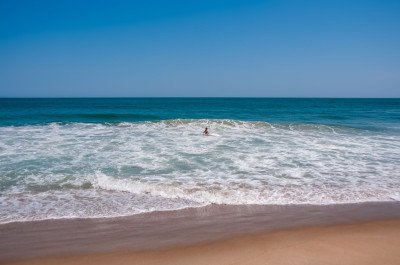
Agatti Beach
Some quick example text to build on the card title and make up the bulk of the card's content.
Go somewhere
Agatti Island Beach Resort Area
Some quick example text to build on the card title and make up the bulk of the card's content.
Go somewhere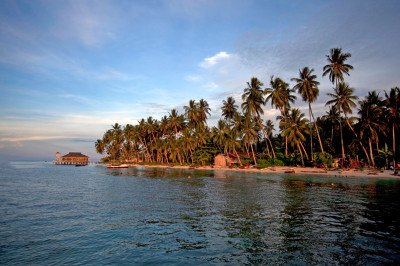
Agatti Island Lighthouse
Some quick example text to build on the card title and make up the bulk of the card's content.
Go somewhere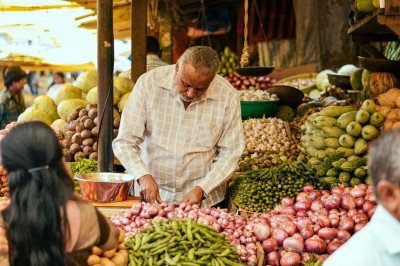
Agatti Island Market
Some quick example text to build on the card title and make up the bulk of the card's content.
Go somewhere
Arabian Sea Views
Some quick example text to build on the card title and make up the bulk of the card's content.
Go somewhere
Chalakad Beach
Some quick example text to build on the card title and make up the bulk of the card's content.
Go somewhere
Coral Reefs Agatti Island
Some quick example text to build on the card title and make up the bulk of the card's content.
Go somewhere
Fishing Trips Agatti Island
Some quick example text to build on the card title and make up the bulk of the card's content.
Go somewhere
Golden Jubilee Museum
Some quick example text to build on the card title and make up the bulk of the card's content.
Go somewhere
Island Breeze Restaurant
Some quick example text to build on the card title and make up the bulk of the card's content.
Go somewhere
Kalpitty Island Viewpoint
Some quick example text to build on the card title and make up the bulk of the card's content.
Go somewhere
Lagoon Beach Agatti
Some quick example text to build on the card title and make up the bulk of the card's content.
Go somewhere
Lagoon Cruises Agatti
Some quick example text to build on the card title and make up the bulk of the card's content.
Go somewhere
Local Bamboo Craft Centres
Some quick example text to build on the card title and make up the bulk of the card's content.
Go somewhere
Scuba Diving Spots Agatti
Some quick example text to build on the card title and make up the bulk of the card's content.
Go somewhere
Sea Shell Restaurant
Some quick example text to build on the card title and make up the bulk of the card's content.
Go somewherein Other Cities