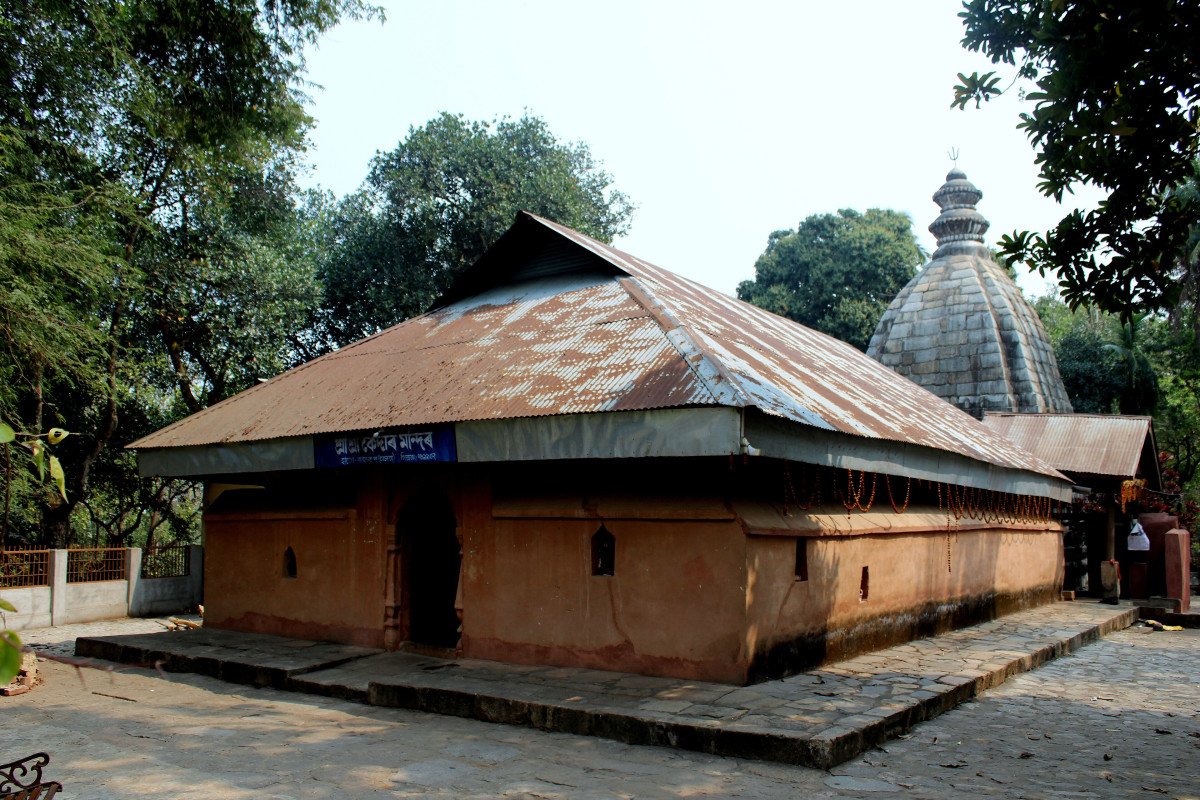
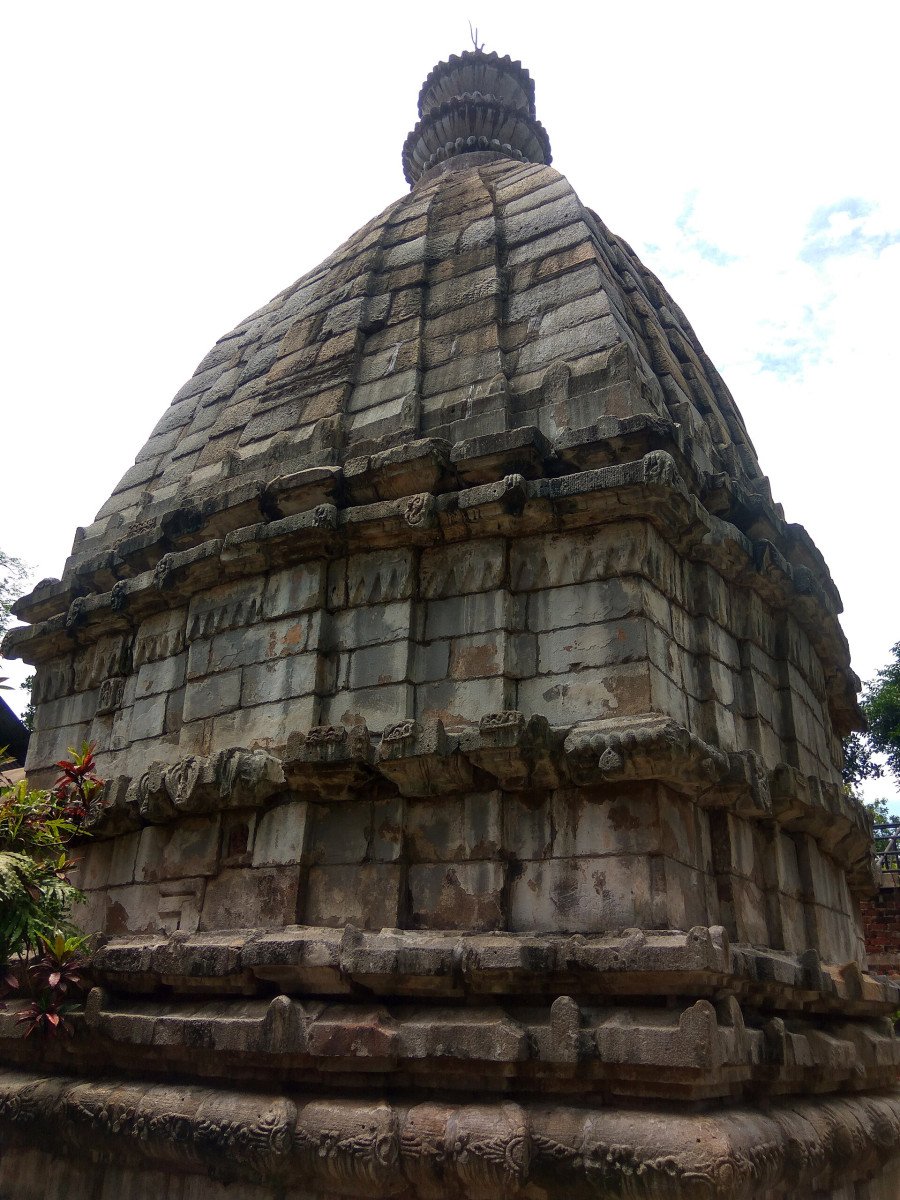
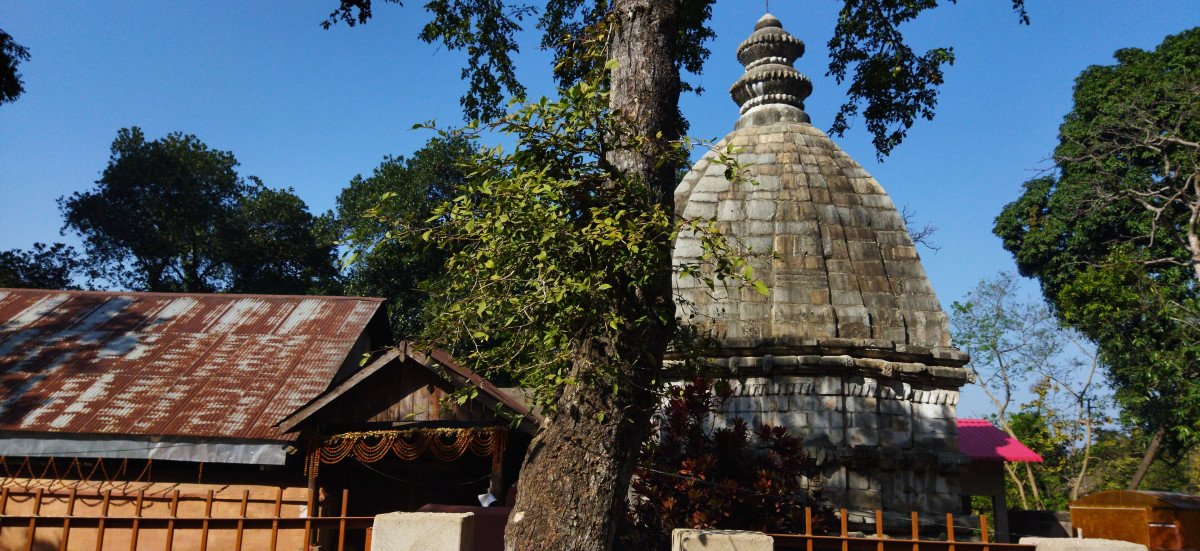
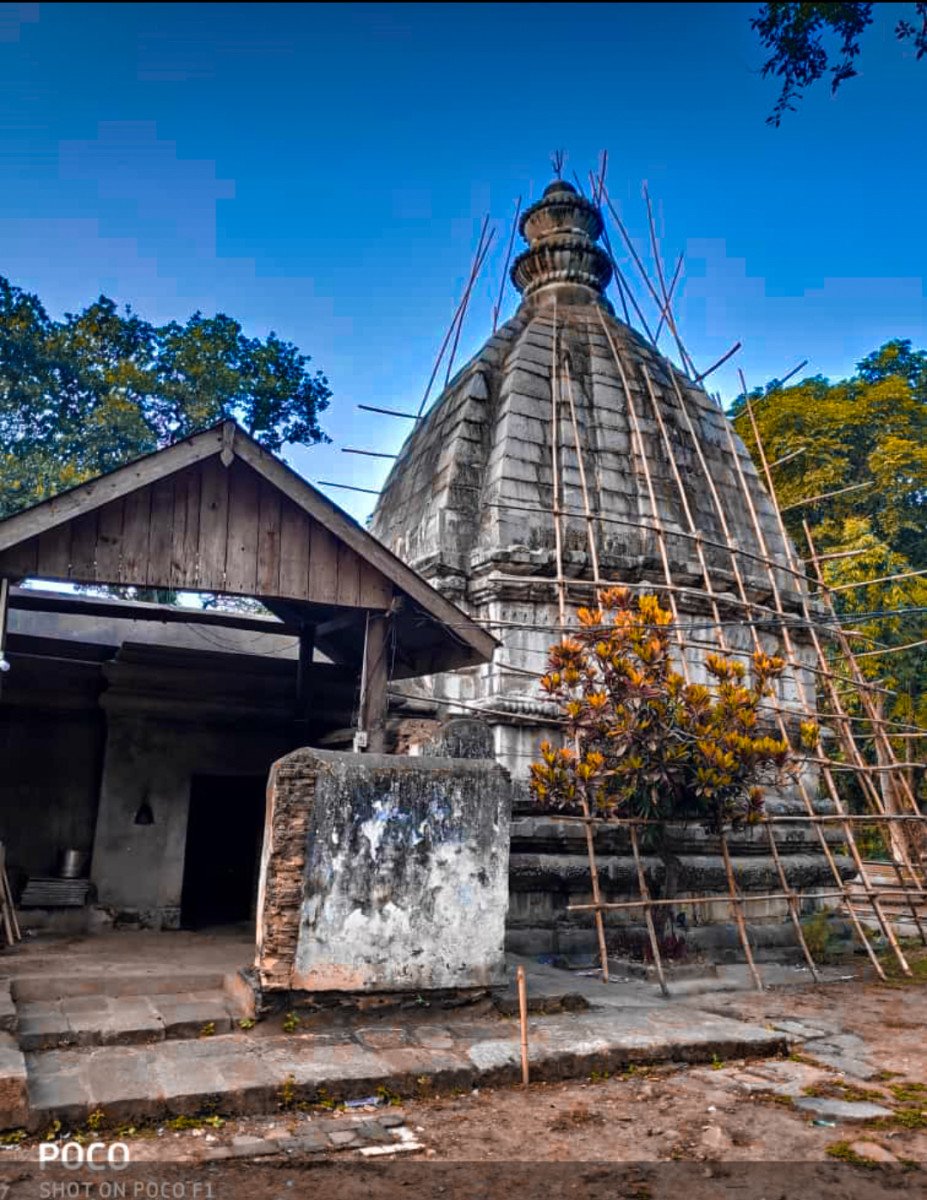
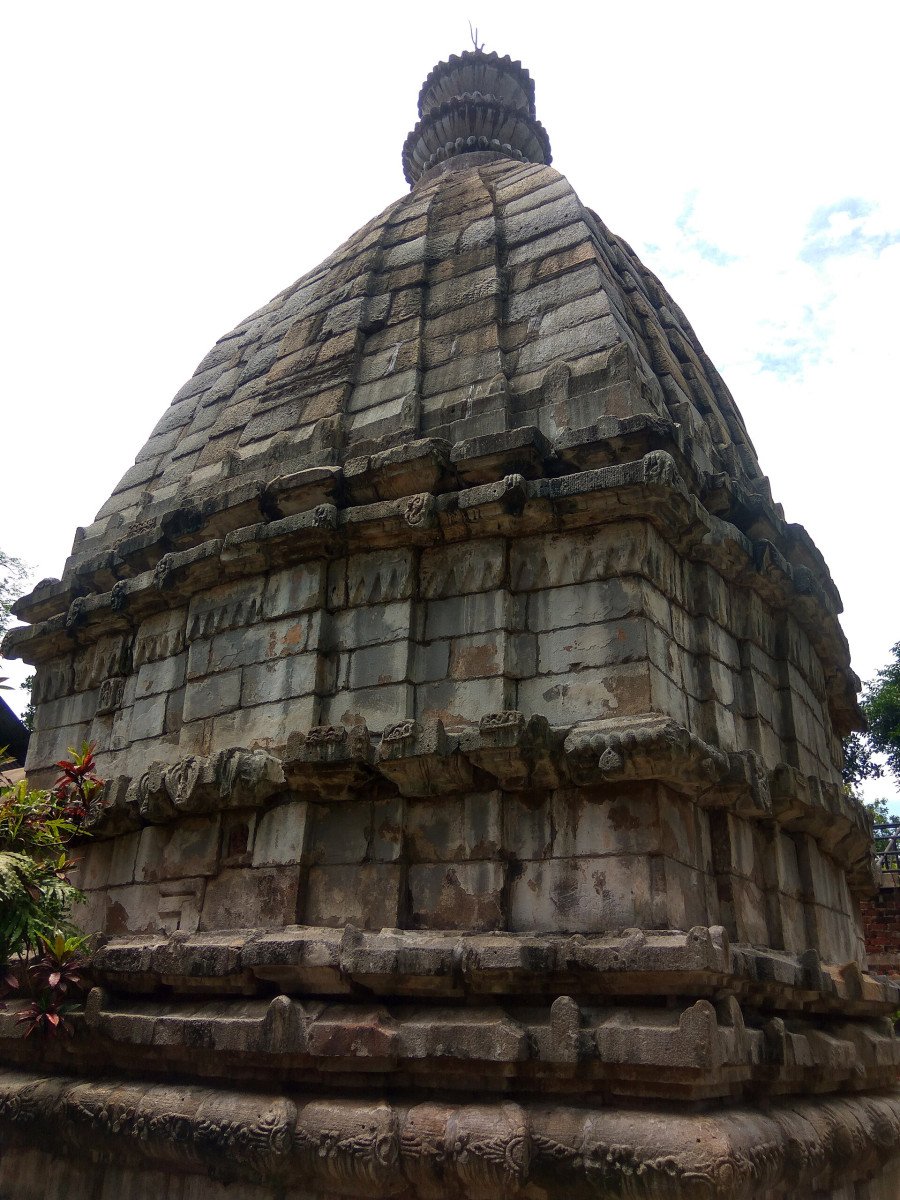
Shri Kedar Temple
General information
-
Ideal Duration:
1 to 2 HoursPlace Type:
Religious (Hindu Temple)Entry Fees:
Main Temple Entry Fees (For Darshan):
No Entry Fee: The Kedareswar Temple is a functioning public temple and a protected site, and there is generally no mandatory entry fee for pilgrims and tourists to enter the main complex and have Darshan o...Main Temple Entry Fees (For Darshan):
No Entry Fee: The Kedareswar Temple is a functioning public temple and a protected site, and there is generally no mandatory entry fee for pilgrims and tourists to enter the main complex and have Darshan of the Shivalinga. This is a common practice in many prominent Hindu temples across India, where access to the divine is considered a right, not a purchase.
Fees for Special Services/Offerings: While entry is free, visitors are expected to budget for voluntary expenses.
These may include:
Donations (Dakshina): There are usually donation boxes for the maintenance of the temple. Devotees often contribute money freely according to their means, believing it brings merit.
Pooja Materials: You will need to purchase offerings like flowers, bilva leaves, milk, and sweets from vendors outside the temple. The cost is nominal, typically ranging from INR 20 to INR 100 depending on the complexity of the offering set.
Priestly Services: If you wish to have a specific Pooja or ritual performed on your behalf by a priest, a Dakshina (fee/gift) for the priest is customary. This can range from INR 50 to INR 500 or more, depending on the scale and complexity of the service requested.
Parking/Shoe Stand: There might be a small, nominal fee (INR 10 to INR 30) for parking vehicles near the hill's base or for depositing footwear outside the temple premises.
Budgeting Tip: For a simple visit, a tourist should budget about INR 100 to INR 200 for offerings and minor expenses. For a devout pilgrim seeking special rites, the budget should be increased accordingly. Visitors should be wary of any individuals demanding large, mandatory fees for entry and report such incidents, as the temple itself does not charge for access. ()Timing:
Regular Timings:
A Simple Schedule:The temple typically operates on a simple, consistent schedule throughout the year.
Opening Time: 6:
00 AMClosing Time: 6:00 PMThese hours are...Regular Timings:
A Simple Schedule:The temple typically operates on a simple, consistent schedule throughout the year.
Opening Time: 6:
00 AMClosing Time: 6:00 PMThese hours are designed to cover the main periods of worship, from the early morning Mangala Aarti to the evening Sandhya Aarti, allowing for continuous Darshan during the day. It's important to note that the gate may close briefly during the midday for a Bhoga (offering) period, though continuous opening hours are generally maintained. Visitors should confirm this with local sources, as slight variations may occur for festivals or seasonal changes.
Ideal Visit Time:
Seeking Serenity and Comfort:Morning (6:00 AM to 9:00 AM) This is the ideal time for a visit. The air is cool, the environment is peaceful, and the crowd is minimal. The early morning light is perfect for photography and provides a serene, spiritual atmosphere for worship. It also allows time to explore nearby sites before the midday heat sets in. Late Afternoon (4:00 PM to 6:00 PM) This is the second-best time. The heat subsides, and the setting sun casts a beautiful, warm glow on the temple and the surrounding plains. The temple might be slightly busier with local devotees coming for the evening Aarti (prayer ceremony), which is a wonderful cultural experience to witness.
Worst Time: The midday hours (11:00 AM to 3:00 PM) should be avoided, especially during the hot season (March to June), due to intense heat and humidity. Visiting during heavy monsoon rainfall (June to September) can also make the stone steps slippery and the climb difficult. ()Special Events:
Mahashivaratri Celebration:Mahashivaratri, typically falling in the month of February or March, is the single most important and vibrant event celebrated at the Kedareswar Temple. This festival, which marks the 'Great Night of Shiva', sees a massive influx of pilgrims from ...Mahashivaratri Celebration:Mahashivaratri, typically falling in the month of February or March, is the single most important and vibrant event celebrated at the Kedareswar Temple. This festival, which marks the 'Great Night of Shiva', sees a massive influx of pilgrims from Assam and neighboring states. The temple comes alive with special Pooja ceremonies, bhajans (devotional songs), and kirtans (group chanting). Devotees observe a fast, stay awake all night, and perform the linga-abhisheka (ritual bathing of the Linga). The energy during this night is palpable, combining intense spiritual devotion with a festive atmosphere. The continuous flow of rituals and the mass of dedicated devotees offer a unique cultural and religious spectacle.
The Holy Month of Sawan (Shravan):The entire holy month of Sawan (July to August) is considered auspicious for worshipping Lord Shiva. During this monsoon month, special daily Pooja and prayer sessions are held. Devotees often observe the Sawan Somvar (Mondays in Sawan) fast and visit the temple to offer Ganges water (or sacred water) and milk to the Shivalinga. The temple environment, set against the backdrop of the lush, rain-washed Madanachala Hill, acquires an intensely serene and devotional quality, making it a powerful time for personal prayers and spiritual reflection. This period is a more intimate, continuous devotional event compared to the single-day intensity of Mahashivaratri. ()Best Photo Spots:
The Main Entrance Gate (Gopuram) with the Hill Backdrop:The initial photographic opportunity is captured before the ascent. Focusing on the main entrance gate or the bottom of the temple's structure, with the green slopes of Madanachala Hill rising behind it, provides a grand, contextual shot. Thi...The Main Entrance Gate (Gopuram) with the Hill Backdrop:The initial photographic opportunity is captured before the ascent. Focusing on the main entrance gate or the bottom of the temple's structure, with the green slopes of Madanachala Hill rising behind it, provides a grand, contextual shot. This photo emphasizes the temple's high, commanding position and its integration with the natural landscape. The use of a wide-angle lens can help capture the scale of the hill and the path leading up.
Best Time: Early morning (6:00 AM to 8:00 AM) when the light is soft and golden, or late afternoon for a warm glow.
The Panoramic View from the Hilltop:Once on top, the view is a stunning subject. This spot allows photographers to capture the sweeping, flat plains of Hajo, the surrounding greenery, and a distant view of the Brahmaputra valley. The contrast between the rugged, ancient stone of the temple platform and the soft, rolling landscape below is visually striking. This is an ideal place for landscape photography.
Best Time: Sunset (around 4:30 PM to 5:30 PM) for vibrant colors and long shadows, or just after the monsoon when the fields are their greenest.
Architectural Details (Pillars and Finial):Inside the complex, focusing on the details of the Ahom-style architecture provides excellent close-up shots. Look for the base of the pyramidal structure, the carvings on the pillars, and the unique finial (Kalasa) atop the dome. These details tell the story of the temple's history and craftsmanship. The texture of the old stone and the play of light on the plastered walls create a compelling subject. Capturing the stone steps and the flanking walls built by King Rajeswar Singha can also be very evocative.
Best Time: Mid-morning (9:00 AM to 11:00 AM) when the sun is bright enough to highlight details and shadows are well-defined. ()Photo Gallery
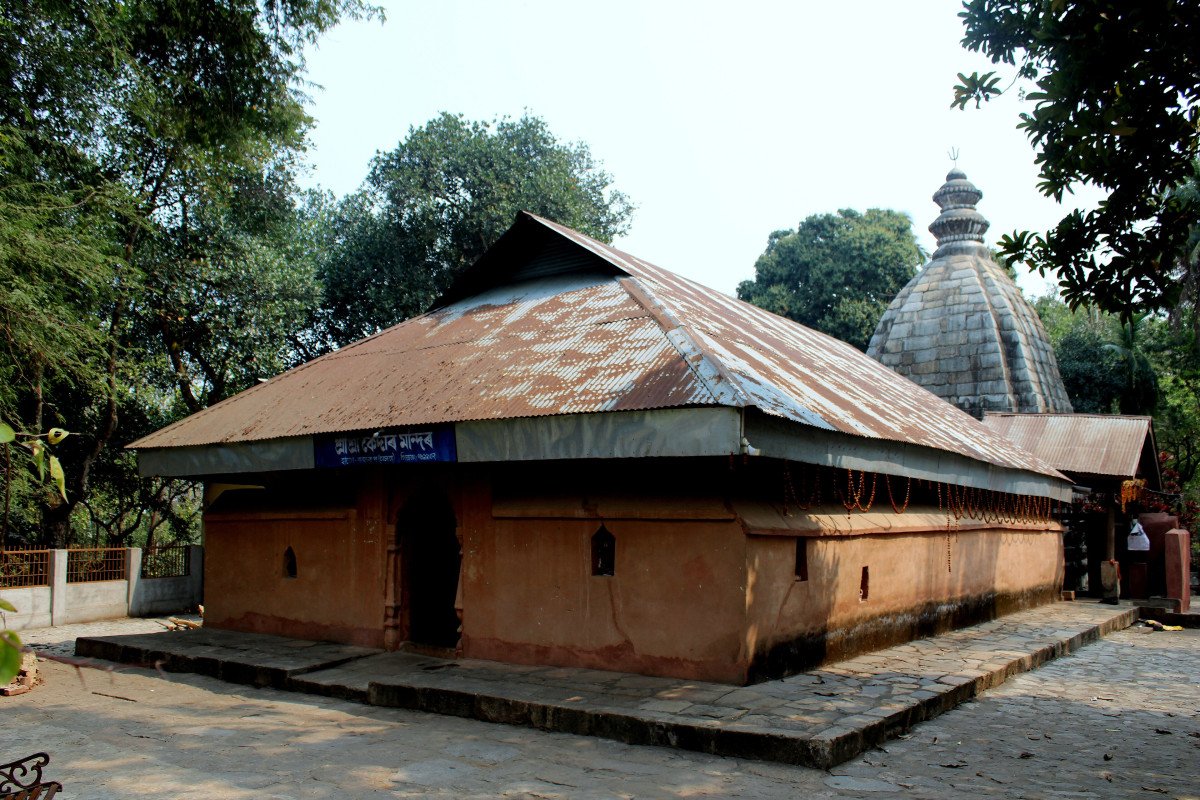
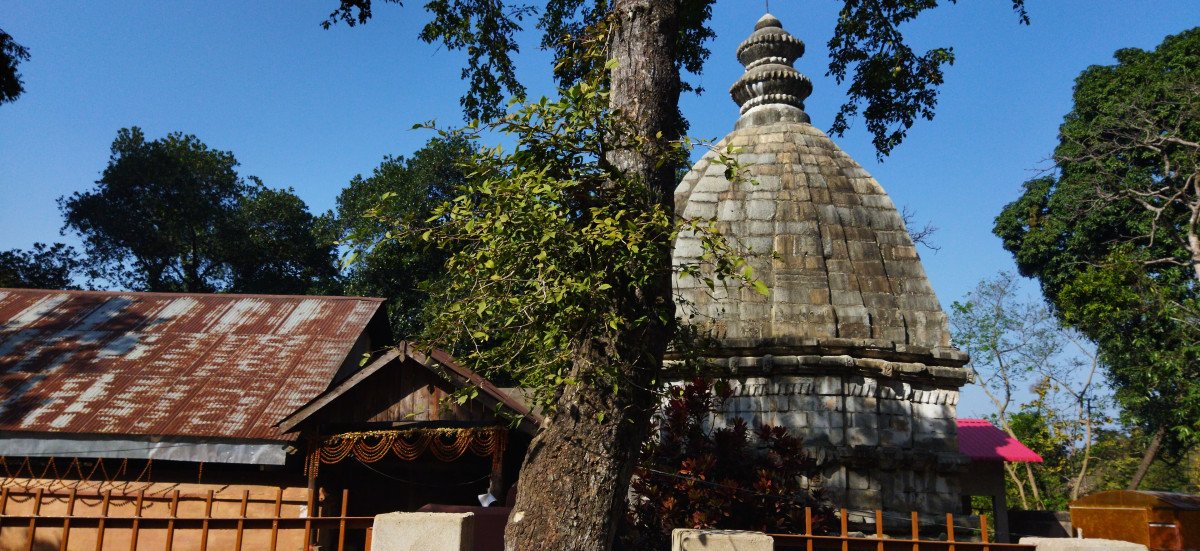
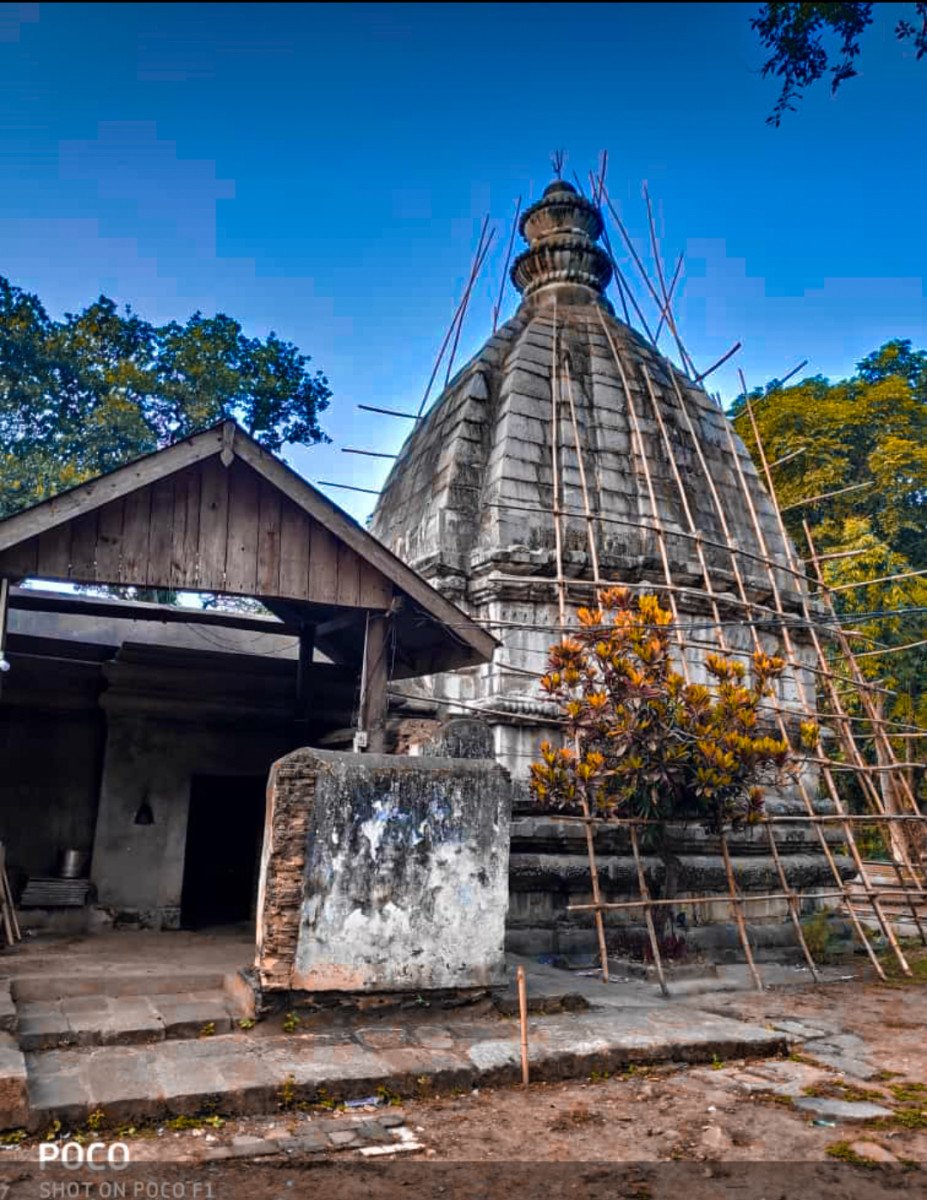
Things To Do
-
Engaging in Spiritual Practices:
Participate in Darshan and Pooja: The primary thing to do is to attend the daily Darshan (viewing of the deity) and participate in the Pooja (worship) rituals. The experience of standing before the Swayambhu Ardhanariswara Linga, even covered by the metal bowl, is the focal point of the visit. Devotees offer milk, water, flowers, and bilva leaves to the Linga. Taking part in the rituals provides a deep connection to the temple's spiritual energy and ancient traditions.
Meditation and Contemplation: The temple complex, being atop Madanachala Hill, offers an atmosphere of profound tranquility. Visitors should allocate time for quiet reflection or meditation, particularly in the outer areas of the temple, away from the immediate sanctum crowds. This is an excellent...Engaging in Spiritual Practices:
Participate in Darshan and Pooja: The primary thing to do is to attend the daily Darshan (viewing of the deity) and participate in the Pooja (worship) rituals. The experience of standing before the Swayambhu Ardhanariswara Linga, even covered by the metal bowl, is the focal point of the visit. Devotees offer milk, water, flowers, and bilva leaves to the Linga. Taking part in the rituals provides a deep connection to the temple's spiritual energy and ancient traditions.
Meditation and Contemplation: The temple complex, being atop Madanachala Hill, offers an atmosphere of profound tranquility. Visitors should allocate time for quiet reflection or meditation, particularly in the outer areas of the temple, away from the immediate sanctum crowds. This is an excellent spot to escape the noise of daily life and find inner peace.
Exploring the Hill and Views:
Ascending the Madanachala Hill: The journey to the temple is part of the experience. Walking up the stone steps is a form of pilgrimage. Along the path, look for the rock-cut image of Ganesha—a hidden gem that rewards a careful ascent. The climb is not overly strenuous but adds a sense of accomplishment.
Enjoying the Panoramic Views: Once at the top, take time to appreciate the breathtaking panoramic views of the Hajo region. The vista overlooking the green fields, the Brahmaputra valley, and the surrounding hillocks provides excellent photo opportunities and a sense of the scale of this ancient pilgrimage center. This activity is best done early in the morning or late in the afternoon when the light is soft.
Cultural and Historical Exploration:
Studying the Architecture: Spend time observing the Ahom-style architecture of the temple. Notice the pyramidal structure, the craftsmanship in the stone and brickwork, and any visible inscriptions, particularly those dating back to King Rajeswar Singha's era. This offers insight into the building traditions of the 18th Century Ahom kingdom.
Visiting the Associated Shrines: At the foot of Madanachala Hill, or very nearby, is the popular Ganesh Temple and the more modern Durga Temple mentioned in some accounts. Visiting these shrines, which are spiritually and geographically linked, completes the pilgrimage circuit around the hill. This also helps in understanding the local pantheon and the interconnectedness of worship in Hajo.
Integrating with Local Culture:
Interacting with Priests and Locals: A respectful conversation with the temple priests or local vendors can offer deeper insights into the temple's lore, customs, and historical anecdotes that are not found in guidebooks. Learning about the Ardhanariswara symbolism from a local perspective can be very enriching.
Trying Local Food: Hajo offers local Assamese cuisine. After a spiritual visit, seeking out a local eatery to try traditional food is a wonderful way to experience the local culture fully. This provides a sensory memory to accompany the spiritual one.
Visiting Nearby Major Sites: Since Hajo is a confluence of faiths, a trip to the Kedareswar Temple should be combined with visits to the nearby Hayagriva Madhava Temple (Hindu/Buddhist) and Hajo Powa Mecca (Muslim). This comparative tour highlights the town's unique secular history and makes the day trip much more rewarding and comprehensive. ()
Information
-
Why Famous:
The Swayambhu Ardhanariswara Linga:The temple's primary fame rests on its unique and immensely sacred Shivalinga. This Linga is believed to be Swayambhu (self-manifested), which immediately elevates its spiritual status far beyond an idol crafted by human hands. The rarity...The Swayambhu Ardhanariswara Linga:The temple's primary fame rests on its unique and immensely sacred Shivalinga. This Linga is believed to be Swayambhu (self-manifested), which immediately elevates its spiritual status far beyond an idol crafted by human hands. The rarity is further compounded by its specific form: it is said to be the Ardhanariswara form of Shiva, symbolizing the harmonious blend of the male (Purusha) and female (Prakriti) principles—the ultimate union of consciousness and energy. This makes it a powerful site for those seeking spiritual balance and wholeness. The Linga is traditionally covered with a metal bowl, which adds to its mystique and protects its sanctity. Pilgrims travel long distances to receive blessings from this rare form of the divine, believing it can fulfill wishes and grant spiritual liberation.
Ahom Royal Patronage and History:The temple is also famous for its strong connection to the powerful Ahom dynasty. Rebuilt and significantly patronized by Ahom King Rajeswar Singha in 1753 AD, the temple stands as a testament to the kingdom's religious tolerance and its support for Hindu faith. The Ahom inscription on the temple walls provides a tangible link to Assam's history, making it a key spot for history and archaeology enthusiasts. The blending of the earlier Koch influence with the later Ahom architectural style makes the temple a fascinating cultural artifact, reflecting the region's complex political and religious past. The fact that the temple has flourished under a lineage of powerful kings solidified its status as a premier pilgrimage center in Northeast India. The temple's elevated position on Madanachala Hill further contributes to its fame, offering a sublime setting for worship and contemplation. () -
Architecture:
Ahom Era Architectural Style:
Blending Traditions:The Kedareswar Temple is a beautiful example of the late medieval Ahom architectural style, which itself assimilated and blended earlier traditions like the Koch and local Assamese styles. Th...Ahom Era Architectural Style:
Blending Traditions:The Kedareswar Temple is a beautiful example of the late medieval Ahom architectural style, which itself assimilated and blended earlier traditions like the Koch and local Assamese styles. The temple's structure exudes a quiet dignity and stark simplicity compared to the highly ornate temples found elsewhere in India. It is primarily built with brick-and-mortar and sometimes features stone construction, plastered and painted white. The construction date is firmly established by an inscription on the walls, attributing the major rebuild to Ahom King Rajeswar Singha in 1753 AD.
Structure and Design:The temple features a pyramidal structure, often described as reminiscent of the North Indian Nagara style, rising in tiers towards the sky. The sanctum, or Garbhagriha, houses the sacred Swayambhu Shivalinga. The temple is typically elevated, reached by a flight of stone steps, which adds to the pilgrimage experience. While specific original plans might be complex, the core structure includes the Garbhagriha (sanctum where the Linga is kept) and potentially an Antarala (vestibule) and a Mandapa (pillared hall). The Ahom influence is noticeable in the overall layout and possibly in elements like the octagonal dome (Sikhara) or intricate carvings, though the overall design is considered eclectic. The temple walls, constructed with two adjacent masonry layers by the Ahom king, show fine workmanship and contain the significant inscriptions that date its renovation. It stands as a profound statement of the Ahom dynasty's patronage of Hinduism and their own distinctive regional architectural style.
()Dimensions (Estimated from Available Data):While precise, definitive measurements for the Kedareswar Temple specifically are often intertwined with those of other temples in Hajo, general estimates of the site's scale and related structures suggest a significant size appropriate for a major royal commission. One source suggests a related structure's dimensions as: Height of approximately 25. 6 meters, Width of about 11. 65 meters, and Length of around 10. 83 meters. The total area covered by the complex on Madanachala Hill is substantial, designed to accommodate pilgrims and the associated temple facilities.
Key Materials Used:The primary construction materials include local stone, rock, brick, and mortar. The use of durable materials helped the temple survive for centuries, requiring only periodic renovation. The temple’s overall architecture reflects the functional and stylistic preferences of the late Ahom period in Assam. ( total) -
How To Reach:
By Air:
The Nearest Gateway:The closest major airport is Lokpriya Gopinath Bordoloi International Airport (GAU), located in Borjhar, Guwahati. Guwahati is about 30 to 35 kilometers from Hajo. The airport is well-connected with major cities ...By Air:
The Nearest Gateway:The closest major airport is Lokpriya Gopinath Bordoloi International Airport (GAU), located in Borjhar, Guwahati. Guwahati is about 30 to 35 kilometers from Hajo. The airport is well-connected with major cities across India (Delhi, Mumbai, Kolkata, Bengaluru, etc. ). Upon landing at GAU, travelers have several options to reach Hajo and the Kedareswar Temple:
Prepaid Taxi/App-Based Cabs: The easiest and fastest way is to hire a prepaid taxi or use an app-based ride-sharing service from the airport directly to Hajo. The drive typically takes 1 to 1. 5 hours depending on traffic.
Rental Car: Self-drive options are also available at the airport.
By Train:
Rail Connectivity:The nearest major railway station is Guwahati Railway Station (GHY). Guwahati is a vital railway hub, receiving trains from all over the country (e. g. , Rajdhani Express, North East Express).
From GHY:
Local/Shared Taxi: The best option is to hire a taxi or use a shared cab service from the station premises to Hajo. Shared cabs are more economical.
Bus: State transport buses or private buses heading towards Nalbari or Barpeta often pass through Hajo. This is the most budget-friendly option, with frequent services from the main Guwahati bus terminal (ISBT) or Paltan Bazaar area.
By Road:
Direct and Local Access:Hajo is well-connected by a network of state and national highways (near NH 27 and NH 17).
From Guwahati: A direct bus or taxi ride from Guwahati takes about an hour. The road journey is smooth and scenic, passing through the beautiful Assamese countryside.
Private Vehicle: Driving a private or hired car is convenient, offering flexibility for exploring other sites in Hajo like the Hayagriva Madhava Temple and Powa Mecca.
By Local Transport:
The Final Stretch:Once you reach the Hajo town center or the base of Madanachala Hill:
Auto Rickshaws/E-Rickshaws: These are the primary modes of local transport. They can take you right to the foot of the hill where the stone steps to the temple begin.
On Foot: The final ascent to the Kedareswar Temple requires a short walk up a flight of stone steps. This is a crucial and non-negotiable part of the visit, so wear comfortable shoes. () -
Weather and Best Time to Visit:
Season Wise Best Time:
Comfort and Clarity:
Cool Season (November to February): This is undoubtedly the best time to visit. The weather is cool, dry, and pleasant, with clear skies and temperatures ranging fro...Season Wise Best Time:
Comfort and Clarity:
Cool Season (November to February): This is undoubtedly the best time to visit. The weather is cool, dry, and pleasant, with clear skies and temperatures ranging from about 10°C to 25°C. This makes the climb up Madanachala Hill and the overall sightseeing experience very comfortable. This period also coincides with the main tourism season, offering the best conditions for travel and photography.
Shoulder Season (October and March): These months are also excellent. October marks the retreat of the monsoon, leaving the landscape lush and green, while the heat has not yet peaked. March is warmer but still manageable, often coinciding with the massive Mahashivaratri festival, which is a key draw.
Hot Season (April to June): This period is generally best avoided. Temperatures can soar, and the humidity can be intense, making the uphill climb very taxing and daytime exploration uncomfortable. If visiting, restrict activities to the early morning.
Rainy Season (June to September): The monsoon brings heavy rainfall, which makes the stone steps slippery and can interrupt outdoor activities. However, the countryside is at its most beautiful and green, and the temple is quieter, offering a serene, intimate experience for those who don't mind the rain.
Different Parts of the Day:
Experience-Based Timing:Early Morning (6:00 AM - 9:00 AM) Recommended for pilgrims seeking a tranquil Darshan, photographers desiring soft, golden light, and all visitors wishing to beat the heat. Late Afternoon (4:00 PM - 6:00 PM) Ideal for enjoying the hilltop views during sunset, witnessing the evening Aarti, and capturing dramatic light. () -
Near Tourist Places:
Hayagriva Madhava Temple: (Approx. 1-2 KM) - A famous Hindu and Buddhist shrine atop Manikuta Hill.
Hajo Powa Mecca: (Approx. 2-3 KM) - An important mosque for the Muslim community, also on a hill, known for its scenic view.
Ganesh Temple: (At the foot of Madanachala Hill) - A small, revered shrine located right below Kedareswar Temple.
Kamesware Temple: (Approx. 3 KM) - Another historical Shiva temple with an elephant-shaped Ganesha idol.
Deva Bhavana: (Approx. 3-4 KM) - A local temple believed to be a meeting place for Hindu deities.
Dhoparguri Satra: (Approx. 5 KM) - A prominent Vaishnavite monastery, or Satra.
Sualkuchi: (Approx. 25 KM) - Known as the 'Manchester of the East' for its famed silk weaving industry.
Guwahati: (Approx. 30 KM) - The state capital, home to the Kamakhya Temple, Umananda Temple, and other major attractions.
Deepor Beel: (Approx. 40 KM from Hajo) - A large freshwater lake and bird sanctuary.
Pobitora Wildlife Sanctuary: (Approx. 80 KM from Hajo) - Famous for its high density of Indian One-Horned Rhinoceros.
Tourism Tips
-
Health & Safety:
Preparing for the Climb:
Comfortable Footwear: Wear sturdy, comfortable shoes suitable for climbing and descending stone steps. The path to the temple is well-maintained but uneven in places....Health & Safety:
Preparing for the Climb:
Comfortable Footwear: Wear sturdy, comfortable shoes suitable for climbing and descending stone steps. The path to the temple is well-maintained but uneven in places.
Hydration: Always carry a water bottle, especially if visiting outside the cool season. The climb, while short, can be dehydrating.
Sun Protection: Carry a cap/hat and use sunscreen, even in winter, as the sun at altitude can be strong. Umbrellas are useful for both sun and rain.
Packing Essentials:
Respectful Dress and Utility:
Modest Dress: As a sacred place, it is essential to dress modestly. Clothes that cover the shoulders and knees are highly recommended for both men and women to show respect for the religious site.
Cash: Carry enough Indian Rupees (INR) for local transport, offerings, and small purchases, as digital payment options or ATMs may be limited near the temple.
Camera: Bring a camera to capture the architecture and the stunning panoramic views from the hilltop.
Accommodation: Hajo has limited accommodation options for tourists. It is highly recommended to stay in Guwahati, which offers a wide range of hotels, lodges, and guest houses from budget to luxury categories. Guwahati is only about an hour's drive away, making Kedareswar Temple an easy day trip.
Other Different Topics:
Etiquette and Exploration:
Temple Etiquette: Remove your footwear before entering the temple premises. Be respectful of the priests and the religious rituals being performed. Avoid photography inside the main sanctum if restricted.
Local Transport Negotiation: When hiring auto-rickshaws or shared cabs in Hajo, negotiate the fare beforehand, especially if it's a dedicated ride.
Combining Sites: Plan your visit to include the other two major religious sites in Hajo—the Hayagriva Madhava Temple and Hajo Powa Mecca—to fully appreciate the town's unique cultural confluence. ()
Reviews
FAQs
Hajo Itineray And Cost:-
Shri Kedar Temple Tourism:-
Information about New and Updated Locations() of Assam Has Been Added :-
Card subtitle
Note:-
Information provided here in good Faith and for reference only.
Near Places
Alaboi Hills
Some quick example text to build on the card title and make up the bulk of the card's content.
Go somewhere
Bell Metal Industry Workshop
Some quick example text to build on the card title and make up the bulk of the card's content.
Go somewhere
Dampur Pahar View
Some quick example text to build on the card title and make up the bulk of the card's content.
Go somewhere
Deva Bhavana
Some quick example text to build on the card title and make up the bulk of the card's content.
Go somewhere
Dhoparguri Satra
Some quick example text to build on the card title and make up the bulk of the card's content.
Go somewhere
Dimu
Some quick example text to build on the card title and make up the bulk of the card's content.
Go somewhere
Ganesh Bigrah Temple
Some quick example text to build on the card title and make up the bulk of the card's content.
Go somewhere
Hayagriva Madhava Temple
Some quick example text to build on the card title and make up the bulk of the card's content.
Go somewhere
Joy Durga Temple
Some quick example text to build on the card title and make up the bulk of the card's content.
Go somewhere
Kalitakuchi
Some quick example text to build on the card title and make up the bulk of the card's content.
Go somewhere
Kalitakuchi Hajo
Some quick example text to build on the card title and make up the bulk of the card's content.
Go somewhere
Kamesware Temple
Some quick example text to build on the card title and make up the bulk of the card's content.
Go somewhere
Kanai Barashi Rock Inscription
Some quick example text to build on the card title and make up the bulk of the card's content.
Go somewhere
Kaziranga National Park
Some quick example text to build on the card title and make up the bulk of the card's content.
Go somewhere
Kedareswar Temple
Some quick example text to build on the card title and make up the bulk of the card's content.
Go somewhere
Manas National Park
Some quick example text to build on the card title and make up the bulk of the card's content.
Go somewherein Other Cities