Sri Surya Pahar
General information
-
Ideal Duration:
2 to 3 hours (This allows enough time to explore the Shiva Lingas, the stupas, the Jain carvings, and the museum).Place Type:
Archaeological Site, Historical Landmark, ReligiouEntry Fees:
Entry Fee for Indian Citizens: For citizens of India, the SAARC nations (Afghanistan, Bangladesh, Bhutan, Maldives, Nepal, Pakistan, and Sri Lanka), and BIMSTEC nations (Bangladesh, Bhutan, Nepal, Sri Lanka, Thailand, and Myanmar), the entry fee is generally nominal, as the ...Entry Fee for Indian Citizens: For citizens of India, the SAARC nations (Afghanistan, Bangladesh, Bhutan, Maldives, Nepal, Pakistan, and Sri Lanka), and BIMSTEC nations (Bangladesh, Bhutan, Nepal, Sri Lanka, Thailand, and Myanmar), the entry fee is generally nominal, as the site is protected by the Archaeological Survey of India (ASI). As per typical ASI rates, it is often around Rs.25 to Rs.30 per person. Students and children might have a further reduced or free entry. This modest fee contributes to the maintenance and preservation of the historical site.
Entry Fee for Foreign Tourists: Foreign nationals are usually charged a higher entry fee, a standard practice at ASI sites. This fee is typically around Rs.300 to Rs.500 per person. It is important for foreign visitors to carry their passport or other identification for verification purposes at the ticket counter.
Photography and Videography Charges: Simple still photography with a handheld camera is usually included in the entry ticket and incurs no extra charge. However, there are often separate charges for professional videography or photography with tripods and external flash equipment. For high-end, commercial, or documentary filming, permission from the ASI is required, and the fee can be substantially higher. Always check the official notice board at the entrance for the latest rules.
Vehicle Parking Charges: There might be a separate, small charge for parking vehicles (cars, two-wheelers, buses) near the entrance of the site. This fee is typically collected by a local committee or the tourism department for managing the parking area. These charges are subject to change and should be confirmed upon arrival.Timing:
Regular Operating Timings: Sri Surya Pahar is typically open to the public from 10:00 AM to 5:00 PM every day. However, since it is an ASI-protected site, the closing time is often strictly observed, with the last entry around 4:30 PM. Visitors must plan their trip to allo...Regular Operating Timings: Sri Surya Pahar is typically open to the public from 10:00 AM to 5:00 PM every day. However, since it is an ASI-protected site, the closing time is often strictly observed, with the last entry around 4:30 PM. Visitors must plan their trip to allow sufficient time for thorough exploration within these hours. The site is generally closed on Fridays, which is a common practice for ASI museums, but access to the outdoor monuments is often still possible, though it is best to confirm beforehand.
Ideal Time for General Visit: The best time to visit and explore the site is during the early morning (as soon as it opens) or the late afternoon (after 3:00 PM). Morning visits offer cooler temperatures, which is especially important for climbing the hill and exploring the scattered ruins. Late afternoon visits provide the beautiful Golden Hour light for photography and a more peaceful, serene atmosphere. Visiting during the midday hours (11:00 AM to 3:00 PM) should be avoided, particularly in the summer, due to intense heat and sun.
Ideal Time for Spiritual Experience: For those seeking a deeper spiritual or meditative experience, the very first hour of opening is ideal. The tranquility and relative emptiness of the site at this time allow for a connection with the sacred history of the place. Alternatively, visiting during the local festivals, such as Maha Shivaratri, provides an intense, vibrant religious experience, albeit with larger crowds.Special Events:
Maha Shivaratri Celebration: The most significant and vibrant special event at Sri Surya Pahar is the annual celebration of Maha Shivaratri in the Hindu month of Phalguna (usually February or March). Given the immense number of Shiva Lingas on the hill, the site takes on a ...Maha Shivaratri Celebration: The most significant and vibrant special event at Sri Surya Pahar is the annual celebration of Maha Shivaratri in the Hindu month of Phalguna (usually February or March). Given the immense number of Shiva Lingas on the hill, the site takes on a heightened spiritual fervor. Thousands of devotees from Assam and neighboring states flock here to offer prayers, fast, and participate in all-night vigils (Jagaran). The atmosphere is filled with the chanting of hymns (bhajans) and prayers, making it an ideal time to witness the depth of local religious faith. Special pujas (worship rituals) are performed for Lord Shiva throughout the day and night.
Magh Mela/Poush Mela: Although the name suggests a connection to Surya (Sun), there are local festivals or melas (fairs) organized during the winter months, specifically in January (Magh) or December (Poush). These fairs are typically local gatherings where people come to celebrate the harvest or the onset of a new cycle, often combined with religious rituals at the temple. These events are less formal than Shivaratri but provide a colorful glimpse into the regional culture, food, and handicrafts.
Annual Archaeological Day: Since Sri Surya Pahar is an ASI-protected site, it often participates in special programs or events, sometimes during World Heritage Week (typically in November). These events might include guided tours, lectures by archaeologists, or exhibitions focusing on the site's history, especially its unique tri-religious status. This offers a different, more academic perspective on the site's significance for history enthusiasts.Best Photo Spots:
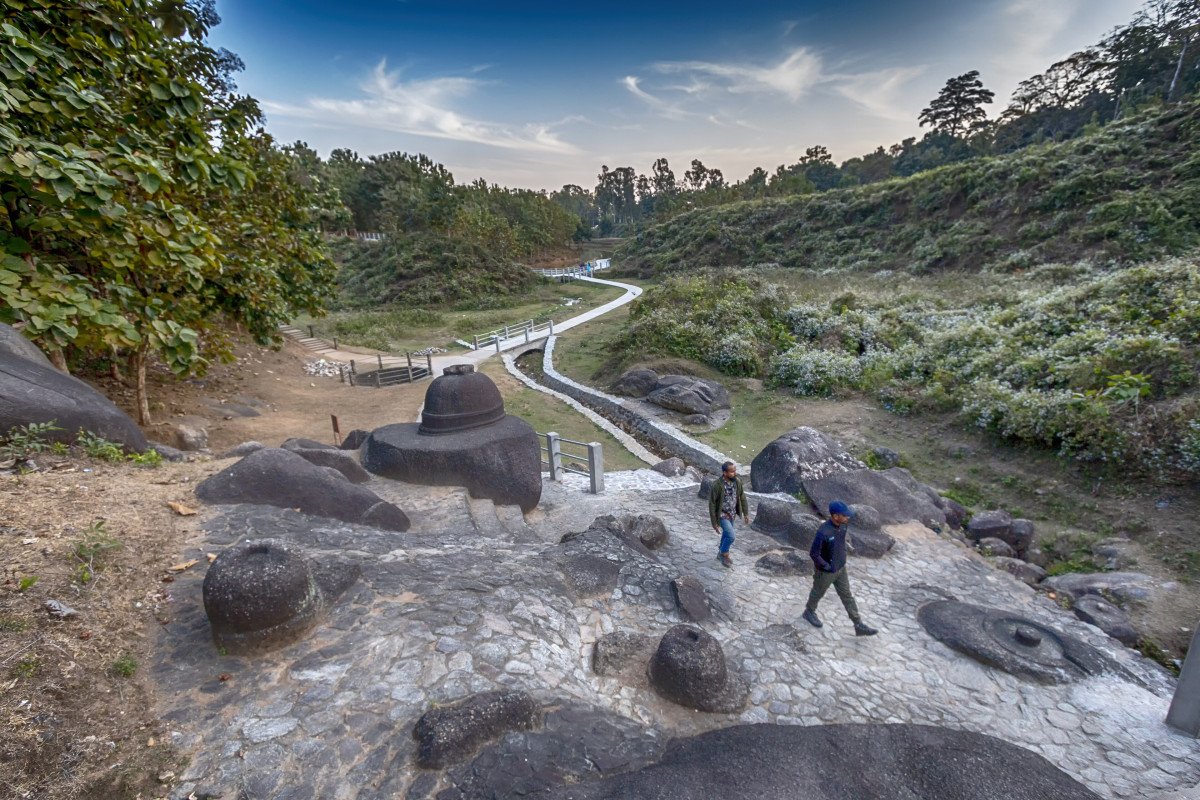
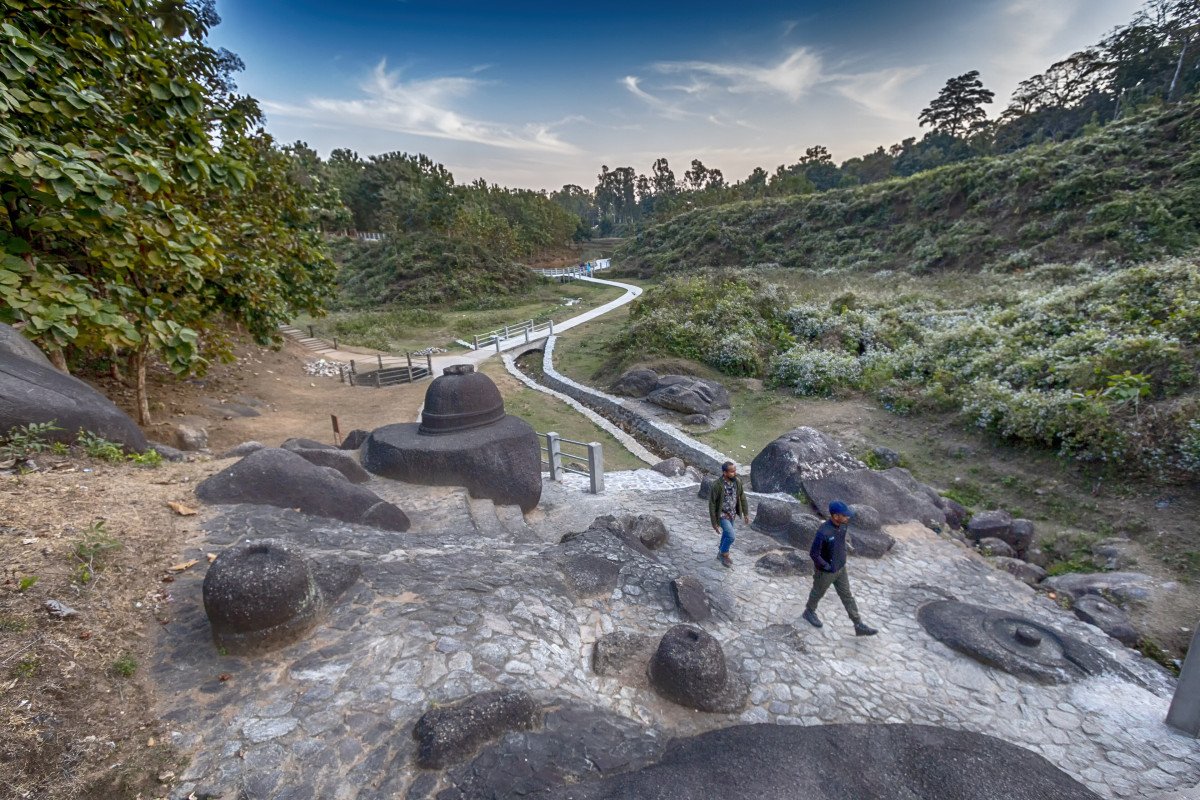
The Boulder Clusters of Shiva Lingas: The most iconic photo opportunity is the large granite boulders covered with thousands of small, rock-cut Shiva Lingas. The best time to photograph these is during the Golden Hour (early morning or late afternoon) when the low-angle sun...The Boulder Clusters of Shiva Lingas: The most iconic photo opportunity is the large granite boulders covered with thousands of small, rock-cut Shiva Lingas. The best time to photograph these is during the Golden Hour (early morning or late afternoon) when the low-angle sunlight highlights the texture and intricate details of the carvings, creating deep shadows that emphasize their age and quantity. Look for a composition that captures a sense of scale, showing the tiny carvings on a massive rock face, or include a human figure for perspective.
The Votive Stupas Area: The section of the hill featuring the rock-cut Buddhist votive stupas is a unique photographic subject. These ancient stupas, varying in size, carved directly into the bedrock, offer a powerful image of early Buddhism. Try taking a wide-angle shot that encompasses several stupas along with the natural rock formation and surrounding trees to convey the archaeological richness and the secluded environment.
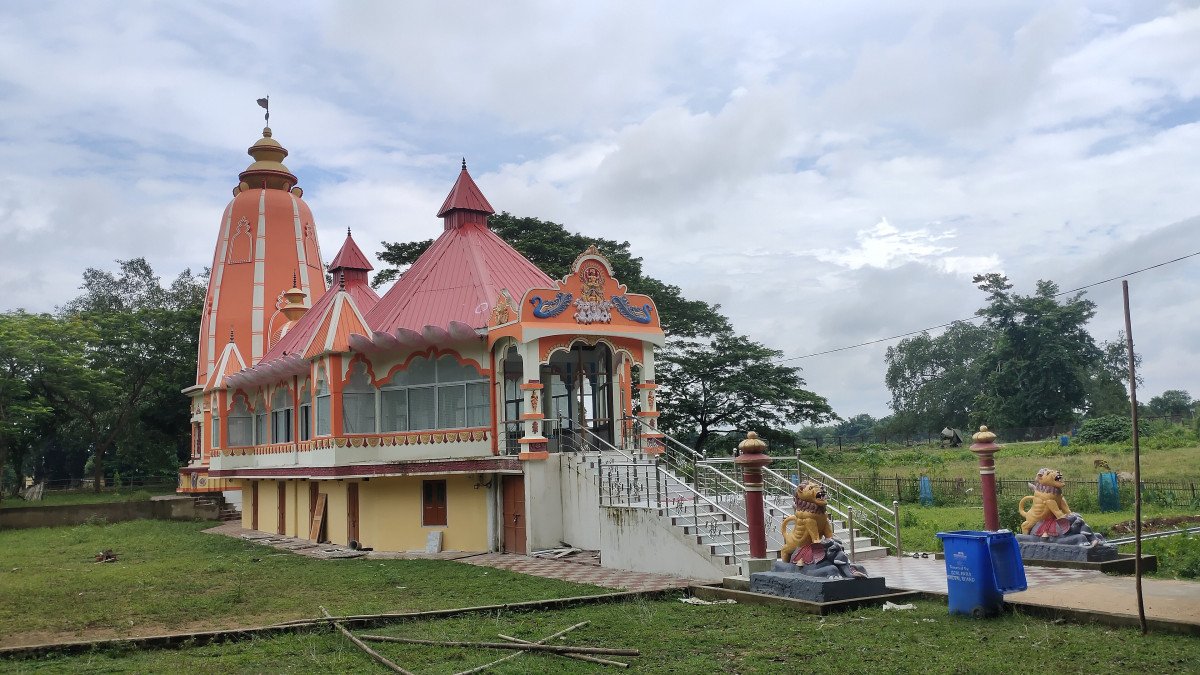
The Circular Surya Stone Slab: While photography inside the modern temple may be restricted, if allowed, the circular carved stone slab is an absolute must-photograph. Its intricate design—featuring Prajapati and the Adityas—is a masterpiece of ancient stone carving. Focus on a close-up to capture the detail of the twelve lotus petals and the central figure. If internal photography is restricted, a compelling shot of the temple's exterior with the natural hilly background makes a good substitute.
The Panoramic View from the Peak: Climb to one of the higher, accessible points of Sri Surya Pahar to capture a breathtaking landscape photograph. The view encompasses the green plains, the meandering flow of the distant Brahmaputra River, and the forested slopes. A panoramic or wide-shot taken just before sunset, when the light casts a warm glow over the landscape, is particularly rewarding.
The Natural Rock Caverns: The natural rock shelters and caverns, especially those housing the Jain carvings, offer unique photographic possibilities. The interplay of light and shadow within the sheltered space creates a dramatic effect. Capture the rock-cut Jain Tirthankara figures framed by the natural opening of the cave to emphasize the age and natural setting of these hidden relics.Photo Gallery
Things To Do
-
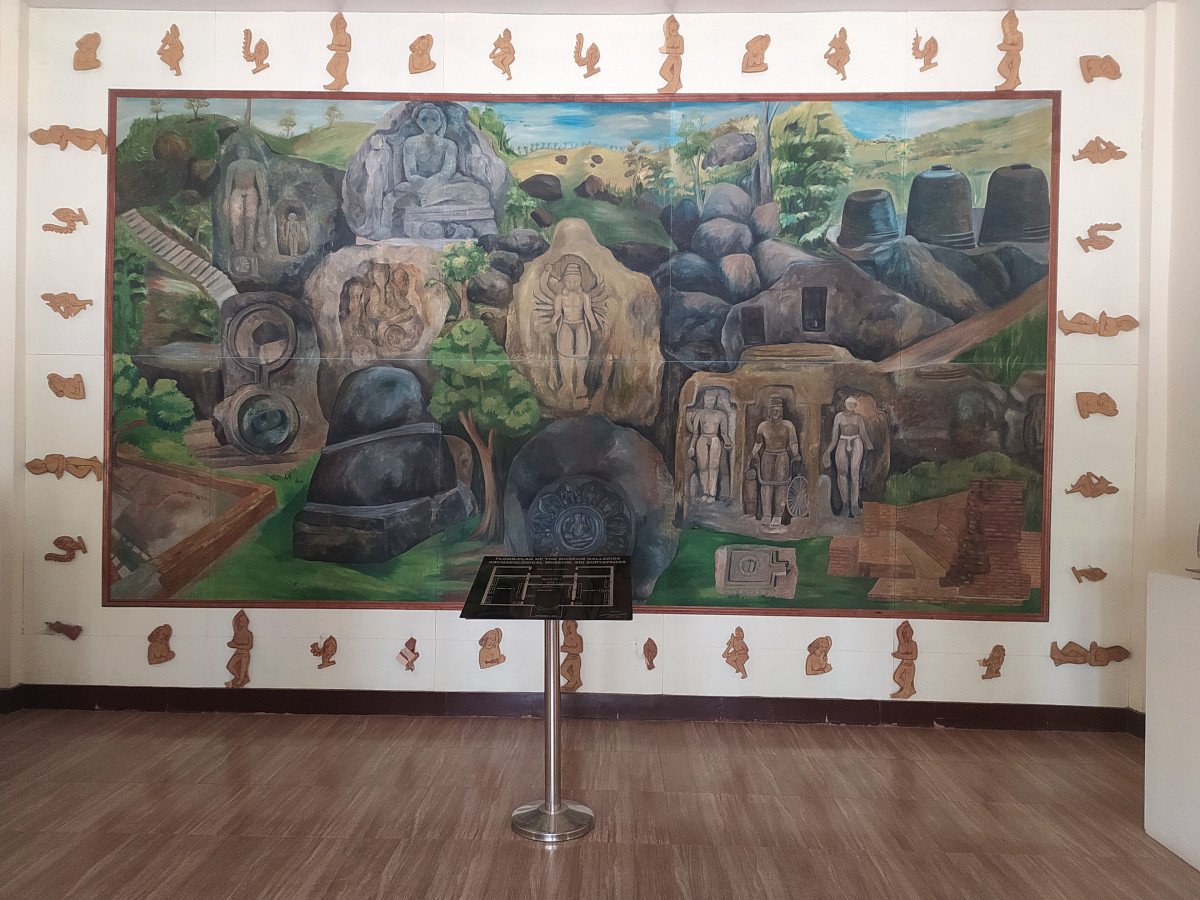
Explore the Archaeological Marvels: The primary activity is to wander through the site and discover the unique archaeological relics. Start with the famous rock-cut Shiva Lingas. Take your time to notice the variations in their size and form, reflecting the dedication of the ancient devotees. Follow the trails to locate the different clusters of Shiva Lingas scattered on the hill. Next, search for the Buddhist votive stupas carved into the granite boulders. These stupas, with their archaic shapes, are a powerful symbol of early Buddhism in the region. Finally, make sure to visit the southern slope or the designated area where the Jain rock-cut carvings of the Tirthankaras are located, often found inside natural rock shelters. This holistic exploration allows one to truly appreciate the tri-religious significance of the site.
V...Explore the Archaeological Marvels: The primary activity is to wander through the site and discover the unique archaeological relics. Start with the famous rock-cut Shiva Lingas. Take your time to notice the variations in their size and form, reflecting the dedication of the ancient devotees. Follow the trails to locate the different clusters of Shiva Lingas scattered on the hill. Next, search for the Buddhist votive stupas carved into the granite boulders. These stupas, with their archaic shapes, are a powerful symbol of early Buddhism in the region. Finally, make sure to visit the southern slope or the designated area where the Jain rock-cut carvings of the Tirthankaras are located, often found inside natural rock shelters. This holistic exploration allows one to truly appreciate the tri-religious significance of the site.
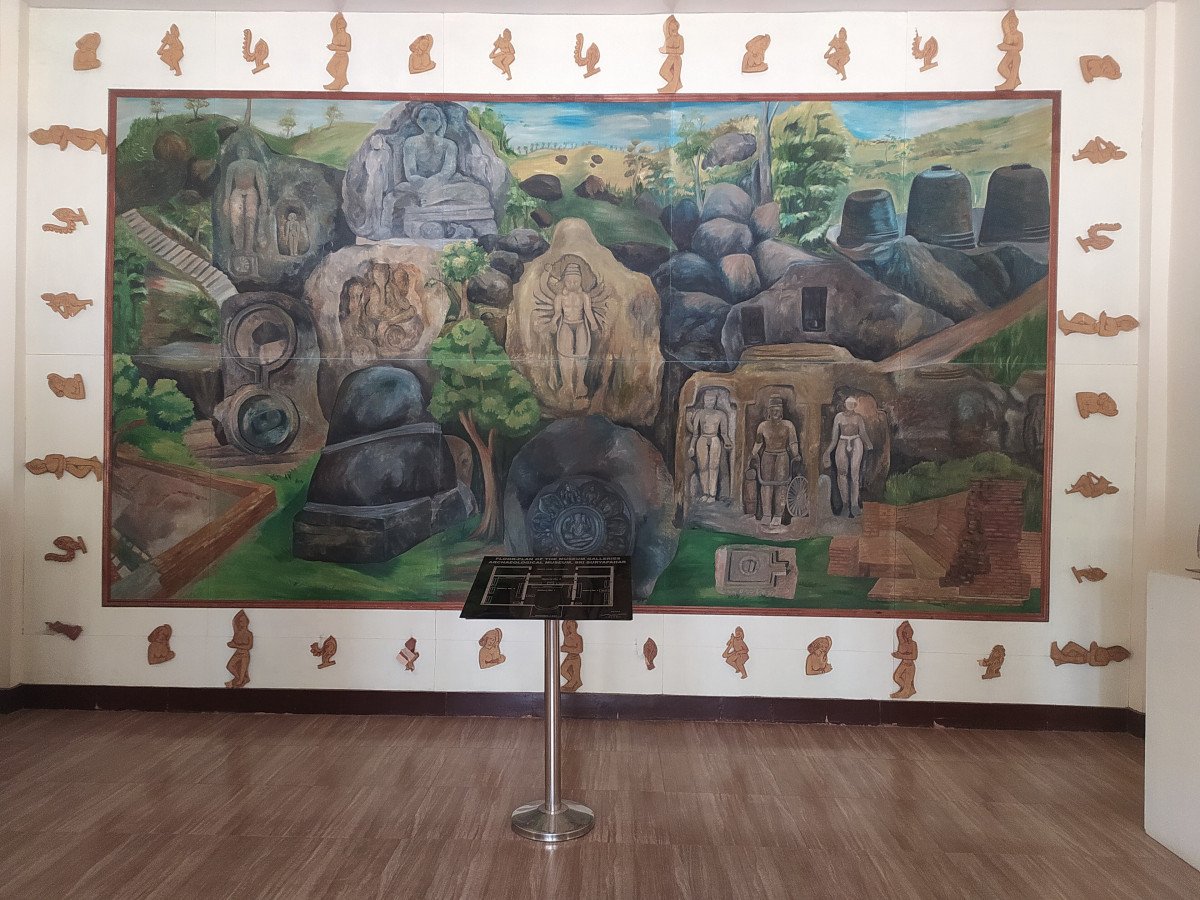
Visit the Archaeological Museum: Spend a significant amount of time in the site museum managed by the Archaeological Survey of India (ASI). This museum is essential for a deeper understanding of the hill's history. It showcases numerous artifacts excavated from Sri Surya Pahar and nearby areas. Look for the terracotta plaques, ancient utensils, sculptures of Hindu deities, and the original fragments or copies of the inscriptions found on the site. Reading the descriptive panels will connect the scattered outdoor relics to a comprehensive historical narrative.
Meditation and Spiritual Reflection: Given its sacred status for three major religions, the environment of Sri Surya Pahar is inherently peaceful and conducive to meditation and spiritual reflection. Find a quiet spot amidst the green surroundings, perhaps near the large rock formations or the modern temple, to sit and contemplate the long history of faith and harmony that the hill represents. The calm atmosphere away from city noise makes it an ideal place for mindful contemplation.
Nature Walk and Bird Watching: The hilly terrain, covered with dense and lush greenery, offers a pleasant setting for a nature walk. The slopes and pathways are excellent for a leisurely stroll. The trees and shrubs surrounding the monuments are home to various local bird species. Carry a pair of binoculars and dedicate some time to bird watching, especially during the early morning hours, which combine the pleasure of nature with the exploration of history.
Photography and Documentation: Sri Surya Pahar presents endless opportunities for historical and landscape photography. Focus on capturing the unique rock-cut carvings, especially the contrast between the man-made carvings and the natural granite rock. Document the Buddhist stupas, the Jain figures, and the multitude of Shiva Lingas. Additionally, capture the panoramic views from the higher points of the hill and the natural beauty of the surrounding forests and ponds. Remember to respect any restrictions on photography near the main temple idols.
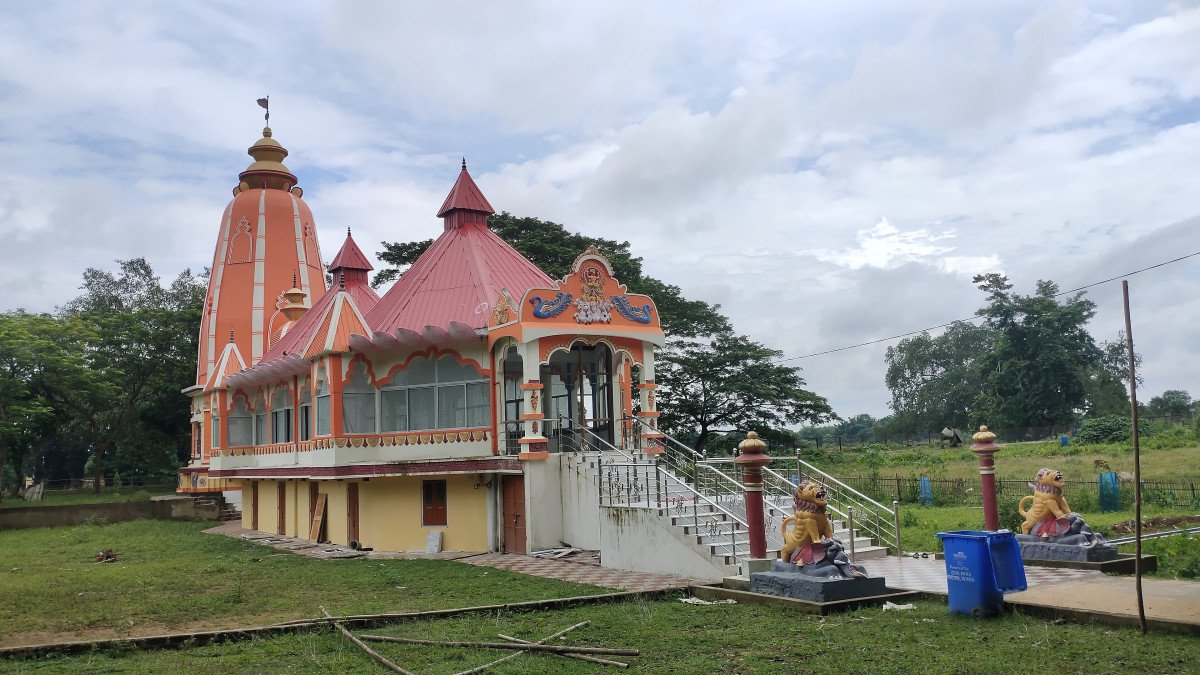
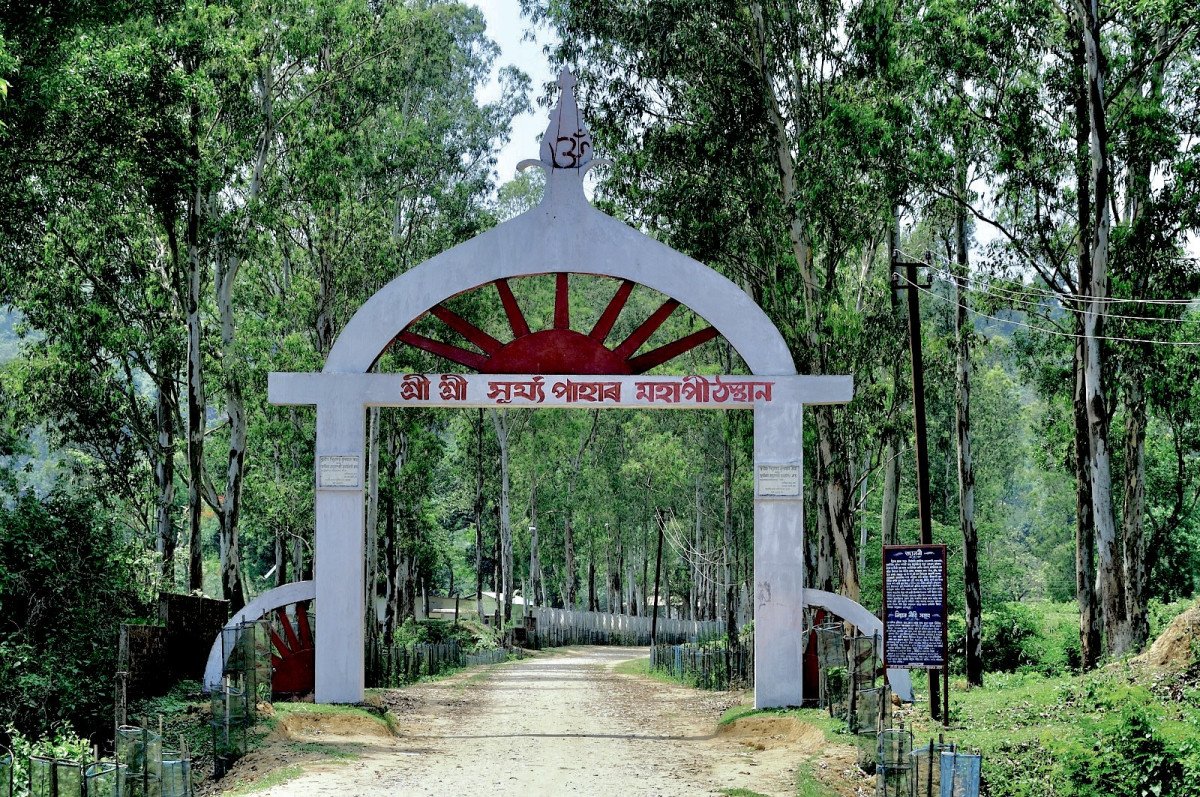
Attend the Worship at the Modern Temple: Pay a visit to the modern Surya Temple located on the hill. Observe or participate in the rituals and offerings made by local devotees. Inside the temple, you can see the circular carved stone slab believed to be associated with Surya worship. This gives an insight into the continuing religious life of the place.
Local Interaction and History Learning: Engage with the local caretakers, guides (if available), or knowledgeable residents to hear their stories and legends about the hill, such as the tale of Vyasa and the 99,999 Shiva Lingas. These local narratives often add a rich, human dimension to the historical facts provided by archaeology, enhancing your overall understanding of the spiritual importance of Sri Surya Pahar to the people of Goalpara.
Information
-
Why Famous:
Syncretism of Three Major Religions: The primary fame of Sri Surya Pahar rests on its unique status as a meeting point for Hinduism, Buddhism, and Jainism. Nowhere else in Assam are the relics of all three faiths found together in such close proximity. This fact highlights...Syncretism of Three Major Religions: The primary fame of Sri Surya Pahar rests on its unique status as a meeting point for Hinduism, Buddhism, and Jainism. Nowhere else in Assam are the relics of all three faiths found together in such close proximity. This fact highlights the extraordinary religious tolerance and cultural amalgamation that existed in ancient Kamarupa (ancient Assam). It provides invaluable insight into the region's socio-religious history and challenges the notion that Buddhism was not prevalent in ancient Assam.
The Legend of the 99,999 Shiva Lingas: The site is famously associated with the legend that the sage Ved Vyasa (Krishna Dvaipayana) engraved 99,999 rock-cut Shiva Lingas on the hill to establish a second Kashi. This powerful mythological connection attracts Hindu pilgrims and devotees of Lord Shiva, giving the hill the local title of 'Dusri Kashi' (Second Kashi). Though the exact number is a matter of legend, the sheer quantity of Shiva Lingas scattered across the hill is visually and spiritually impressive.
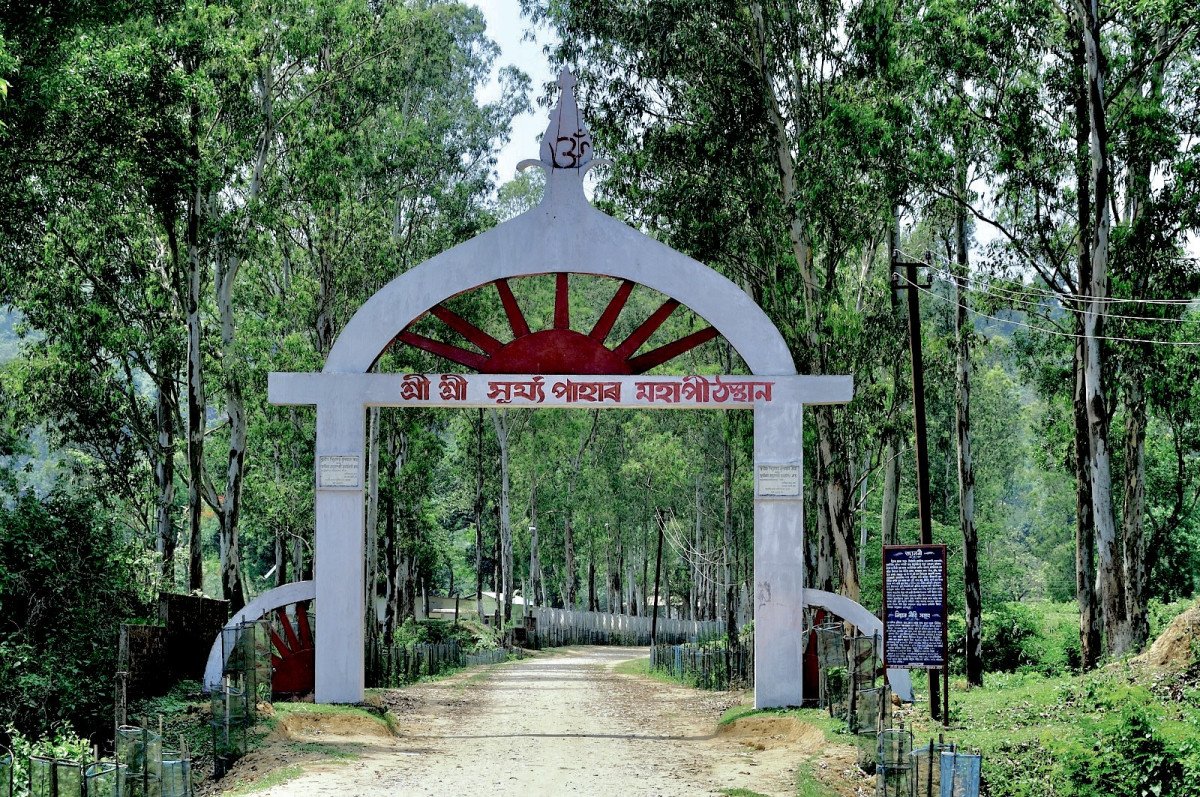
Ancient Sun Worship Center: The name Surya Pahar (Hill of the Sun) itself points to its historical significance as an ancient center for the worship of the Sun God, Surya. The discovery of a circular carved stone slab depicting the Adityas and Prajapati reinforces this historical importance, linking the site to the Sun cult mentioned in the Kalika Purana. This connection is crucial for understanding the widespread nature of Surya worship in ancient India. -
Architecture:
Rock-Cut Art and Sculpture: The architecture of Sri Surya Pahar is primarily defined by its rock-cut art rather than constructed temples, which points to a long history of religious carving directly into the granite hills. This raw and natural form of construction is highly...Rock-Cut Art and Sculpture: The architecture of Sri Surya Pahar is primarily defined by its rock-cut art rather than constructed temples, which points to a long history of religious carving directly into the granite hills. This raw and natural form of construction is highly significant. Dimension of the site is roughly centered on the hills, spanning an area of approximately one square kilometer, covered with various archaeological remains. The rock carvings are not uniform in size. For instance, the rock-cut Shiva Lingas vary from tiny engravings to large boulders, some measuring a few feet in height and circumference. The archaic shape of the Buddhist votive stupas, cut out of granite boulders, suggests they belong to the early Christian era, indicating the Hinayana phase.
Jain Carvings and Caverns: On the southern slope, the carvings of Jain deities, such as Adinath, are found within natural caverns formed by piled stones. The figures are typically in low relief, often shown in a standing posture (Kayotsarga mudra) with hands hanging down, and their cognisance carved below.
Carved Stone Slab: A particularly important piece is a large circular carved stone slab, currently housed in the modern Surya Temple. This slab is believed by some archaeologists to have been the ceiling of an original Surya (Sun) temple. It features a central figure identified as Prajapati within an inner circle, surrounded by an outer circle in the form of twelve lotus petals, each containing the seated figure of an Aditya (Sun God manifestation). This intricate design is a key architectural remnant of the Sun worship cult. -
How To Reach:
By Air: The nearest airport is Lokpriya Gopinath Bordoloi International Airport (GAU) in Guwahati, which is approximately 120-130 KMS from Goalpara. This airport is well-connected with major Indian cities like New Delhi, Kolkata, Mumbai, and Bangalore. From the airport, vi...By Air: The nearest airport is Lokpriya Gopinath Bordoloi International Airport (GAU) in Guwahati, which is approximately 120-130 KMS from Goalpara. This airport is well-connected with major Indian cities like New Delhi, Kolkata, Mumbai, and Bangalore. From the airport, visitors have a few options to reach Goalpara: one can hire a pre-paid taxi or cab, which takes about 3 to 4 hours, or take a taxi/cab to the Guwahati ISBT (Inter-State Bus Terminus) and then board a long-distance bus to Goalpara. The road journey offers scenic views of the Assam landscape.
By Train: The nearest major railway station is Goalpara Town Railway Station (GLPT), which is well-connected to major railway networks in India. Trains like the New Delhi/Guwahati Sampark Kranti Express and other regional trains halt here. Another important railhead nearby is the New Bongaigaon Junction (NBQ), located about 80 KMS away, which is a significant hub for connecting trains from all over the country. From either station, one can hire a local taxi or auto-rickshaw to reach the Goalpara town center or directly to the site. The journey from Goalpara Town Station to Sri Surya Pahar is around 15 KMS.
By Road: Goalpara is well-connected by National Highway 17 (NH 17), making road travel convenient. Frequent government and private bus services (ASTC buses) are available from major cities in Assam like Guwahati, Bongaigaon, and Dhubri, and from neighboring states. The journey from Guwahati to Goalpara takes about 3 to 4 hours. From the Goalpara Bus Stand, you can hire a taxi or local transport to the site. If driving your own vehicle, the road condition is generally good, and the site is about 12-14 KMS from the main town.
By Local Transport: From Goalpara town center, the final leg of the journey to Sri Surya Pahar (approximately 12-14 KMS) is best covered by hiring a local taxi, a private cab, or an auto-rickshaw (a three-wheeler). The auto-rickshaws might be available for a shared ride from the town to the nearby area, after which you might need to walk a small distance. It is advisable to negotiate the fare with the auto-rickshaw driver beforehand, especially if booking for a return trip, as transport options directly at the site can be limited. -
Weather and Best Time to Visit:
The Winter Season (October to February): This is by far the Best Time to Visit Sri Surya Pahar. The weather is cool, pleasant, and highly comfortable for outdoor exploration, climbing, and walking around the archaeological site. The temperature ranges from about 10°C to 2...The Winter Season (October to February): This is by far the Best Time to Visit Sri Surya Pahar. The weather is cool, pleasant, and highly comfortable for outdoor exploration, climbing, and walking around the archaeological site. The temperature ranges from about 10°C to 25°C, making it perfect for photography and extended sightseeing. The sky is generally clear, offering excellent visibility of the surrounding landscape. November, December, and January are the peak months for tourism.
The Summer Season (March to June): The summer months in Assam are hot and humid. Temperatures can soar, often exceeding 35°C. Visiting during this period is challenging and should be done only in the very early morning or late afternoon hours. Adequate hydration, light clothing, and sun protection are essential. Visitors should be prepared for a less comfortable experience if touring during midday.
The Monsoon Season (July to September): This season brings heavy rainfall to Assam. While the surrounding area is lush and green, the frequent rain can disrupt travel plans. The pathways on the hill can become slippery and muddy, making climbing and exploration difficult. However, the washed-clean environment and the vibrant greenery offer a unique, fresh view of the landscape. It is recommended to check the local weather forecast if planning a visit during the Monsoon months.
Best Part of the Day: As mentioned, the early morning (immediately after opening) and the late afternoon (after 3:00 PM) are the most ideal times. The cool air of the morning makes the initial climb easy, and the late afternoon sun provides the Golden Hour light, which is magical for viewing the rock carvings and for photography. Midday is highly discouraged due to the intense tropical heat. -
Near Tourist Places:
1.
Tukeswari Temple: (approx. 15 KMS from Goalpara, a few KMs from Sri Surya Pahar - Hilltop temple dedicated to Goddess Sati). 2.
Dadan Hills: (approx. 10-15 KMS from Goalpara - Archaeological site with rock sculptures and a temple of Lord Shiva). 3.
Hulukanda Pahar (Goalpara Town): (approx. 5 KMS - Offers a panoramic view of the Brahmaputra River). 4.
Buraburi Than: (approx. 25 KMS - Religious place on the banks of the Brahmaputra River). 5.
Nandeswar Devalaya: (approx. 30 KMS - Ancient shrine dedicated to Lord Shiva near the Dudhnoi River). 6.
Shyamrai Satra: (In Goalpara Town - Vaishnava Satra/Monastery). 7. Kamatapur Palace Ruins (near Koch Behar, West Bengal): (approx. 70-80 KMS - Historical site of the Koch Dynasty). 8.
Manas National Park (Barpeta District): (approx. 150 KMS - UNESCO World Heritage Site, famous for tigers, elephants, and unique wildlife). 9. Kaziranga National Park (Golaghat/Nagaon Districts): (approx. 250 KMS - UNESCO World Heritage Site, famous for the One-Horned Rhinoceros). 10.
Sainik School Goalpara: (approx. 18 KMS - Notable educational institution).
Tourism Tips
-
Health & Safety Guidelines: Always carry a sufficient supply of drinking water, especially during the warmer months, to stay hydrated while exploring the hill. Wear comfortable and sturdy walking shoes with good grip, as the site involves walking over uneven rocky terrain, ...Health & Safety Guidelines: Always carry a sufficient supply of drinking water, especially during the warmer months, to stay hydrated while exploring the hill. Wear comfortable and sturdy walking shoes with good grip, as the site involves walking over uneven rocky terrain, slopes, and possibly slippery paths during the wet season. Keep a basic first aid kit handy with band-aids, antiseptic cream, and any personal medication. Be aware of your surroundings; while the site is generally safe, be cautious near the edges of the rock formations and high points. Avoid touching or climbing on the ancient rock-cut carvings to prevent damage.
Packing Essentials: Pack light, breathable, and modest clothing, as it is a religious site.
Sun protection is crucial: carry a wide-brimmed hat, sunglasses, and high SPF sunscreen. A small backpack to carry water and essentials is recommended. For photography enthusiasts, carry your camera and extra batteries/power banks, as there may not be charging points easily accessible. An umbrella or raincoat is essential if visiting during the Monsoon season. Carry some cash for entry fees and small local purchases, as digital payments might not be universally accepted.
Accommodation Options: Goalpara town offers a range of accommodation options, primarily budget to mid-range hotels and guesthouses. Since the site is only about 12-14 KMS from the town center, staying in Goalpara is the most convenient option. For those seeking more comfort, the nearest major cities like Guwahati or Bongaigaon have more luxury hotels, but this would involve a significant daily commute. It is advisable to book your accommodation in advance, especially if traveling during peak season (October to February) or during major festivals like Maha Shivaratri.
Other Cultural & Etiquette Tips: Remember that Sri Surya Pahar is a sacred religious and historical site. Dress modestly and show respect towards the monuments and local religious practices. Do not litter; help preserve the cleanliness of the area. Hire a local guide if you want detailed information about the relics, as official signage may be limited. When taking photographs, be respectful of local devotees performing rituals. Learn a few basic words of Assamese or Hindi for simple communication with local people.
Reviews
FAQs
Goalpara Itineray And Cost:-
Information about New and Updated Locations() of Assam Has Been Added :-
Card subtitle
Note:-
Information provided here in good Faith and for reference only.
Near Places

Baijuri Waterfall
Some quick example text to build on the card title and make up the bulk of the card's content.
Go somewhere
Buraburi Than
Some quick example text to build on the card title and make up the bulk of the card's content.
Go somewhere
Dadan Hill
Some quick example text to build on the card title and make up the bulk of the card's content.
Go somewhere
Goalpara River View
Some quick example text to build on the card title and make up the bulk of the card's content.
Go somewhere
Hulukunda Pahar
Some quick example text to build on the card title and make up the bulk of the card's content.
Go somewhere
Joybhum Kamakhya Temple
Some quick example text to build on the card title and make up the bulk of the card's content.
Go somewhere
Kumri Beel Lake
Some quick example text to build on the card title and make up the bulk of the card's content.
Go somewhere
Nalonga Waterfalls
Some quick example text to build on the card title and make up the bulk of the card's content.
Go somewhere
Nandeswar Devalaya
Some quick example text to build on the card title and make up the bulk of the card's content.
Go somewhere
Pir Majhar
Some quick example text to build on the card title and make up the bulk of the card's content.
Go somewhere
Shyamrai Satra
Some quick example text to build on the card title and make up the bulk of the card's content.
Go somewhere
Sri Surya Pahar
Some quick example text to build on the card title and make up the bulk of the card's content.
Go somewhere
Tukeswari Temple
Some quick example text to build on the card title and make up the bulk of the card's content.
Go somewhere
Urpad Beel
Some quick example text to build on the card title and make up the bulk of the card's content.
Go somewherein Other Cities