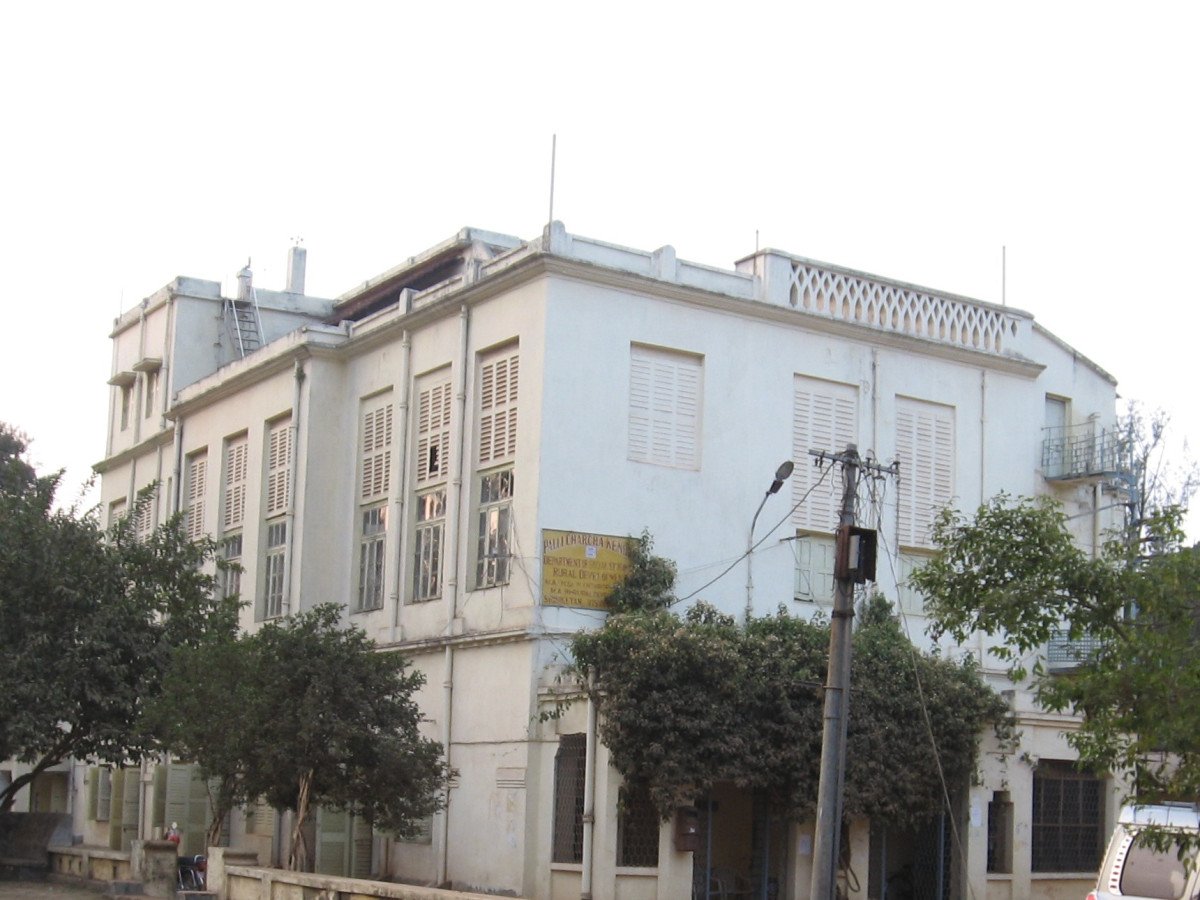
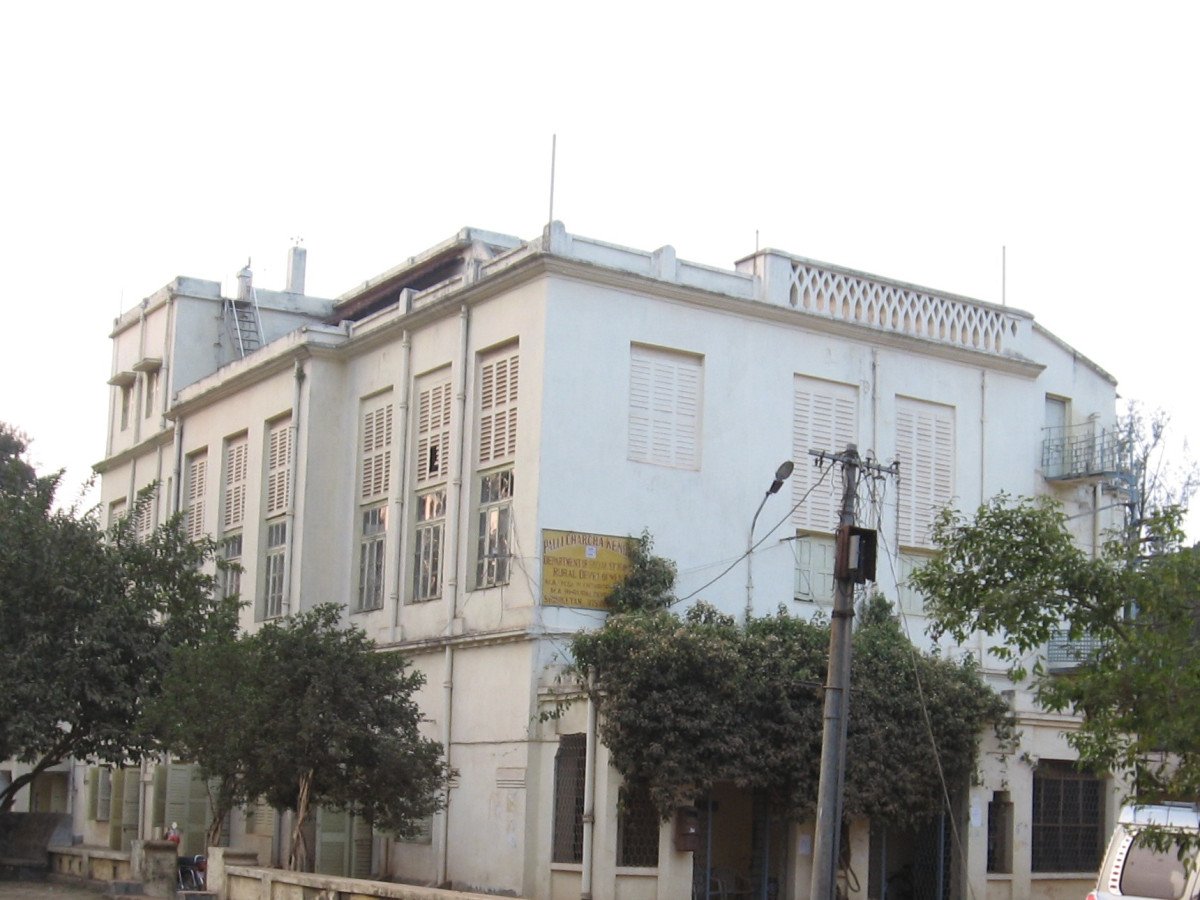
Sriniketan Rural Centre
General information
-
Ideal Duration:
2-3 hours (To cover the main Institutes and get a sense of the place).Place Type:
Educational Institution, Cultural, Historical, RurEntry Fees:
Sriniketan itself, being an academic and research campus of Visva-Bharati, generally does not have an entry fee for general visitors walking through the main areas, although specific museums or institutional buildings might have their own fees or restricted access.
Ed...Sriniketan itself, being an academic and research campus of Visva-Bharati, generally does not have an entry fee for general visitors walking through the main areas, although specific museums or institutional buildings might have their own fees or restricted access.
Educational Campuses:
Visva-Bharati Sriniketan Campus: Free for general entry. Access to some specific academic blocks and administrative areas may be restricted or require prior permission, particularly during class hours or on weekdays. It is advisable to visit on weekdays during working hours to see the institutes in operation, but expect restrictions.
Amar Kutir Cooperative:
Handicraft Showrooms: Free entry to browse and shop. The cooperative complex near Sriniketan is a popular spot for buying local handicrafts, and there is no fee to enter the shopping area.
Photography and Videography:
Still Camera: Generally free for casual photography of the campus and landscape.
Video Camera: For professional video shooting or commercial photography, one must seek formal permission from the Visva-Bharati university authorities, which may involve a specific fee (charges can be substantial for commercial use).Timing:
The Sriniketan Rural Centre operates mainly during regular university and office hours, with weekend access generally restricted.
Regular Timings:
General Access: 10:00 am to 5:00 pm, Monday to Friday.The Sriniketan Rural Centre operates mainly during regular university and office hours, with weekend access generally restricted.
Regular Timings:
General Access: 10:00 am to 5:00 pm, Monday to Friday.
University Offices and Workshops: These generally follow standard government or university hours. Saturday and Sunday often have limited access, as classes and workshops are mostly closed. It's best to visit on a weekday to see the center functioning and its activities in full swing.
Ideal Visit Time:
Morning to Mid-day: The best time to visit is in the mid-morning (around 10:30 am to 1:00 pm). This allows you to see the campus starting its day, catch some of the workshop activities in progress (like pottery or batik), and still have time for the other nearby spots like Amar Kutir and the Kopai River Bank before lunch. Visiting during the pleasant winter months (November to February) is most comfortable.Special Events:
Sriniketan, being a key part of Visva-Bharati, is central to many of the university's annual festivals, which combine cultural heritage with rural celebration.
Magh Utsav and Poush Mela: While the famous Poush Mela (held in the Bengali month of Poush, usually Dece...Sriniketan, being a key part of Visva-Bharati, is central to many of the university's annual festivals, which combine cultural heritage with rural celebration.
Magh Utsav and Poush Mela: While the famous Poush Mela (held in the Bengali month of Poush, usually December) is primarily associated with the main Shantiniketan campus grounds, the spirit and participation of Sriniketan are immense. The festival commemorates the establishment of the Brahmo Samaj in Shantiniketan. The Sriniketan campus and its associated villages play a major role in the fair, with artisans from the Institute of Rural Reconstruction showcasing and selling their wares. Many cultural programs, folk performances, and Baul songs, often featuring local village artists trained or associated with Sriniketan, are central to the fair. The fairgrounds, though near Shantiniketan, are close enough to be considered a major event for the Sriniketan community.
Halakarshana Utsav: This is a specific event related to the agricultural focus of Sriniketan. Halakarshana means the ceremonial tilling of the soil. Held at the beginning of the agricultural season, often in August (Shravan month), it is a unique festival where students and staff perform an act of ploughing, symbolizing the dignity of labour and the start of cultivation. This event perfectly captures the ethos of Sriniketan, linking education directly to the rhythms of rural life and agriculture.Best Photo Spots:
Sriniketan offers photogenic locations that reflect its blend of academic, artistic, and rural life.
The Rural Reconstruction Institute Buildings:
Simple, Historic Architecture: The original structures, particularly the old manor h...Sriniketan offers photogenic locations that reflect its blend of academic, artistic, and rural life.
The Rural Reconstruction Institute Buildings:
Simple, Historic Architecture: The original structures, particularly the old manor house in Surul and the early administrative blocks, offer excellent opportunities for architectural photography. The use of traditional materials and unadorned walls provides a rustic, powerful backdrop that speaks to the center's history. Look for interesting textures of the walls and the play of light and shadow in the courtyards.
The Artisan Workshops:
Capturing the Crafts: The open workshops for Batik, leatherwork, and pottery are superb spots for candid photography, especially if you get permission to photograph the artisans at work. The vibrant colours of the batik fabrics, the rough texture of the clay, and the focused expressions of the craftsmen making the famous Shantiniketan bags offer a lively portrayal of the local culture and vocational learning.
Palli Siksha Bhavana's Fields:
Agricultural Landscape: The fields and grounds of the agricultural college, Palli Siksha Bhavana, especially during the sowing or harvesting seasons, offer beautiful landscape shots. Capturing students or local farmers engaged in agricultural activities against the backdrop of the open sky and red soil provides striking images of the center's core mission.Photo Gallery
Things To Do
-
Sriniketan offers a range of activities that connect visitors with the areas educational and cultural heartbeat.
Explore the Visva-Bharati Institutes: Palli Samgathana Vibhaga (Institute of Rural Reconstruction): Walk through the main campus, where you can see the various departments dedicated to social work, agricultural studies, and village welfare. Observing the functional academic and workshop environment provides a tangible sense of Tagores experiment in rural living.
Visit the Craft Workshops and Sales Outlets:
Handicraft Shopping: Spend time exploring the various workshops and showrooms, such as the one maintained by Amar Kutir (a cooperative located nearby, often associated with Sriniketan's craft production) or the university's own sales outlet.
...Sriniketan offers a range of activities that connect visitors with the areas educational and cultural heartbeat.
Explore the Visva-Bharati Institutes: Palli Samgathana Vibhaga (Institute of Rural Reconstruction): Walk through the main campus, where you can see the various departments dedicated to social work, agricultural studies, and village welfare. Observing the functional academic and workshop environment provides a tangible sense of Tagores experiment in rural living.
Visit the Craft Workshops and Sales Outlets:
Handicraft Shopping: Spend time exploring the various workshops and showrooms, such as the one maintained by Amar Kutir (a cooperative located nearby, often associated with Sriniketan's craft production) or the university's own sales outlet.
You can directly buy authentic local crafts like:
Shantiniketan Leather Goods: Unique and durable leather bags, purses, and wallets with traditional designs.
Batik Prints: Explore the vibrant and intricate batik work on fabrics and saris.
Pottery and Terracotta: Discover locally made ceramic and terracotta artifacts, which show the region's artistic flair.
Kantha Stitch: Look for fine hand-stitched Kantha saris and fabrics, a celebrated folk embroidery of Bengal.
Witness the Rural Education Model:
Siksha-Satra and Palli Siksha Bhavana: Take a quiet walk around the campuses (observing university rules and timings) to see the children or students engaged in their learning activities, which often involve practical, hands-on work in fields or workshops, demonstrating the blend of academics and vocational training.
Attend a Village Fair or Haat (Market):
Weekly Markets: Check if any local village markets or 'haats' are taking place in the nearby areas of Sriniketan on your visit day. These provide a vibrant cultural experience where villagers gather to sell local produce and handicrafts, sometimes featuring impromptu Baul song performances. The famous 'Sonajhuri Haat' (Saturday Market) is nearby and showcases the crafts developed in places like Sriniketan.
Nature Walks and Birdwatching:
Surul's Countryside: The area around Sriniketan, particularly the road leading towards Surul Rajbari, is surrounded by the typical red-soil (Lal Maati) landscape of the Rarh region. Take a morning walk or a cycle ride to enjoy the quiet, open fields and gentle slopes, which are ideal for a peaceful nature retreat and some birdwatching, especially near the older, tree-lined parts of the campus.
Hotels
● AUROVIL HOTEL AND RESTAURANT
Address: Surul, Shantiniketan, West Bengal
Distance: 1.8 km
Details: A couple-friendly hotel providing basic lodging and dining facilities. It serves as a convenient stopover for travelers looking for proximity to Srini...
● Chhuti Holiday Resort
Address: Bolpur, Shantiniketan, West Bengal
Distance: 1.6 km
Details: A well-regarded resort offering a serene environment for holidaymakers. It provides comfortable accommodation and is located within easy reach of loca...
● Royal Palace
Address: Bolpur, Shantiniketan, West Bengal
Distance: 2.7 km
Details: A budget stay offering spacious family rooms and easy access to Bolpur station. Guests can enjoy scenic views from the upper floors and reliable servi...
Show AllRestaurants
● 9x9 Restaurant
Address: Bolpur, West Bengal
Distance: 3.5 KM
Details: 9x9 Restaurant has established itself as a reliable dining destination in Bolpur, known for its excellent food quality and cordial service during the ...
Food List: The signature Special Chicken, spicy Schezwan Frie...
● Banabithi Henshel Ghar
Address: Shantiniketan, Bolpur
Distance: 2.8 KM
Details: Banabithi Henshel Ghar provides a truly authentic culinary experience that resonates with the cultural spirit of Shantiniketan. Throughout the month o...
Food List: The wholesome Bengali Thali, fragrant Basanti Pula...
● Biryani Junction
Address: Bolpur, Shantiniketan
Distance: 2.2 KM
Details: Biryani Junction is a dedicated space for those who love authentic and flavorful rice dishes in Shantiniketan. Even in the humid weather of July, the ...
Food List: The classic Chicken Biryani, aromatic Egg Biryani,...
● Bolpur Food Court
Address: Bolpur, West Bengal
Distance: 2.4 KM
Details: Bolpur Food Court is a fantastic multi-cuisine destination that serves some of the best biryani in the Bolpur region, particularly popular during the ...
Food List: The signature Special Biryani, spicy Chili Paneer,...
● Dui Kanya Hensel Ghar
Address: Shantiniketan, Bolpur
Distance: 2.7 KM
Details: Dui Kanya Hensel Ghar is a charming restaurant that offers a truly pleasant dining experience for everyone visiting in the beautiful month of July. Th...
Food List: The traditional Fish Paturi, aromatic Bengali Pula...
Show AllInformation
-
Why Famous:
Sriniketan is globally famous for its unique approach to rural reconstruction and its role as a center for vocational training and sustainable village development.
Tagore's Vision of Rural Upliftment: It is famous because it is the embodiment of Rabindranath Tago...Sriniketan is globally famous for its unique approach to rural reconstruction and its role as a center for vocational training and sustainable village development.
Tagore's Vision of Rural Upliftment: It is famous because it is the embodiment of Rabindranath Tagore's efforts to bring practical education and self-reliance to the surrounding villages, going beyond the academic focus of the main Visva-Bharati campus. This pioneering work in community development, which began in 1922, served as a model for rural initiatives in post-independence India.
Hub for Local Handicrafts: Sriniketan is a major center for showcasing and developing traditional Bengali handicrafts. The local artisans are trained and supported here, and their work, including beautiful Batik printing, leather goods (especially the unique Shantiniketan leather bags), pottery, and Kantha stitch textiles, has gained international recognition, providing economic stability to the rural community. -
Architecture:
The architecture in Sriniketan is a departure from formal university buildings, emphasizing simplicity, utility, and a connection with the rural landscape, in line with Tagores desire for natural learning.
Design Philosophy and Materials: The architectural style o...The architecture in Sriniketan is a departure from formal university buildings, emphasizing simplicity, utility, and a connection with the rural landscape, in line with Tagores desire for natural learning.
Design Philosophy and Materials: The architectural style often incorporates vernacular elements and local materials. Many of the older structures are simple, one or two-story buildings, some utilizing locally available materials like mud, thatch, and laterite soil (Lal Maati), similar to the experimental mud houses like Shyamali in the main Shantiniketan campus (though Shyamali is in the Uttarayan complex). This choice reflects a commitment to sustainability and integration with the environment. The focus is on creating open, airy spaces suitable for practical education and community interaction.
Dimension and Layout: While specific dimensions vary for each institution within the campus (e. g. , workshops, schools, administrative blocks), the overall layout is sprawling and unconfined, spreading across the land initially acquired from the Sinhas of Raipur. Key areas include the Institute of Rural Reconstruction's original manor house, various vocational training workshops, and the Palli Siksha Bhavana campus. The spaces are designed to accommodate large, open-air sessions and practical field work, rather than restrictive, walled-off classrooms, mirroring the educational philosophy of learning under the open sky. The architecture of the workshops for leatherwork, pottery, and batik are designed to be functional, allowing natural light and easy movement of materials and artisans. -
How To Reach:
Sriniketan is well-connected to the main transportation hubs serving Shantiniketan and Bolpur.
By Air:
Nearest Airport: Netaji Subhas Chandra Bose International Airport (CCU) in Kolkata (approx. 200 kms). From the airport, one ca...Sriniketan is well-connected to the main transportation hubs serving Shantiniketan and Bolpur.
By Air:
Nearest Airport: Netaji Subhas Chandra Bose International Airport (CCU) in Kolkata (approx. 200 kms). From the airport, one can take a pre-paid taxi directly to Shantiniketan/Bolpur/Sriniketan or travel to Howrah/Sealdah railway station in Kolkata and then proceed by train.
Alternative/Closer Airport: Kazi Nazrul Islam Airport (RDP) in Durgapur (approx. 60 kms). This airport has limited connectivity but offers a much shorter road journey to Sriniketan. Taxis are available from Durgapur airport.
By Train:
Nearest Railway Station: Bolpur Shantiniketan (BHP) (approx. 5 KMS). This is the primary station. The station is very well connected to Kolkata (Howrah and Sealdah) by numerous express and local trains. Popular express trains like the Shatabdi Express or Vande Bharat Express offer a quick journey (around 2-3 hours) from Howrah.
Alternative Station: Prantik (PNE) (approx. 8 KMS). Some express and passenger trains stop here, making it an alternative access point. From either station, you can hire a local transport like a Toto (e-rickshaw) or an auto-rickshaw to reach Sriniketan.
By Road:
From Kolkata: The distance is about 212 KMS. The journey takes approximately 3. 5 to 4 hours via the Durgapur Expressway (NH 19). The route involves driving through Dankuni, Bardhaman, and then taking a turn at Panagarh towards Ilambazar and then Bolpur-Sriniketan. Regular bus services (State and private) run between Kolkata and Bolpur/Suri, and you can get off at the Sriniketan junction.
By Local Transport:
Toto (E-Rickshaw) / Auto-Rickshaw: This is the most popular and easiest way to travel from Bolpur Railway Station or the main Shantiniketan Campus to Sriniketan. The short ride takes about 15-20 minutes from the station. You can hire a Toto for a one-way trip or book one for the entire day to cover all local spots. Cycles are also available for hire and are a great way to explore the short distance. -
Weather and Best Time to Visit:
The best time is generally during the cooler and culturally vibrant parts of the year.
Different Types of Seasons:
Winter (November to February): This is the Best Time to Visit. The weather is very pleasant, with minimum temperatu...The best time is generally during the cooler and culturally vibrant parts of the year.
Different Types of Seasons:
Winter (November to February): This is the Best Time to Visit. The weather is very pleasant, with minimum temperatures around 10{circ}C. The air is dry and cool, making it ideal for sightseeing and spending time outdoors. Major festivals like Poush Mela (December) occur during this period.
Summer (March to May): The weather is hot and humid, with temperatures soaring up to 42{circ}C. Avoid visiting during the day; early mornings or late afternoons are the only comfortable times.
Monsoon (June to October): The region receives heavy rainfall. The landscape turns lush green, and the Kopai River is full, presenting a beautiful, moody atmosphere. However, travel and outdoor activities can be hampered by rain. Basant Utsav (March/April) falls just before or at the start of summer.
Different Parts of the Day:
Ideal Visit Time: Mid-morning (10:00 am to 1:00 pm) on a weekday is best to see the university institutes and workshops in full working mode, capturing the essence of the place.
Early Morning: Great for enjoying the peaceful rural surroundings and the red soil pathways near Sriniketan, away from the crowds.
Late Afternoon/Evening: Good for relaxing at the nearby Kopai River Bank after the institute visit. -
Near Tourist Places:
(Approximate distance from Sriniketan)
Shantiniketan Campus (Visva-Bharati University): 3 KMS (Historical & Educational)
Amar Kutir: 1. 5 KMS (Handicraft Cooperative)
Khoai Sonajhuri Forest & Haat (Saturday Market): 4 KMS (Nature & Culture)
Ballavpur Wildlife Sanctuary (Deer Park): 5 KMS (Nature & Wildlife)
Surul Rajbari: 1. 5 KMS (Historical Mansion and Temples)
Kopai River Bank: 1 KMS (Natural Scenic Spot)
Rabindra Bhavana Museum: 3. 5 KMS (Museum & History)
Kala Bhavana (Art College): 3. 5 KMS (Art & Architecture)
Uttarayan Complex (Tagore's Houses): 4 KMS (Architecture & History)
Chhatimtala: 4 KMS (Historical Meditation Spot)
Tourism Tips
-
Health & Safety:
Hydration and Sun Protection (Summer): Always carry water and wear light cotton clothes, especially from March to October. Use sunscreen and a hat to protect against the strong sun.
Footwear:Health & Safety:
Hydration and Sun Protection (Summer): Always carry water and wear light cotton clothes, especially from March to October. Use sunscreen and a hat to protect against the strong sun.
Footwear: Wear comfortable walking shoes, as youll be walking across the university campus and unpaved rural paths.
COVID-19/Health Protocol: Check the current health advisories and follow local guidelines, especially while visiting crowded places like the weekly market or during festivals.
Packing:
Weather Appropriate Clothes: Pack light cottons for summer/monsoon and warm woollens for winter.
Local Shopping Bags: Carry reusable cloth bags for shopping at Amar Kutir or the Haat to support eco-friendly practices.
Identification: Keep a valid ID proof (for security checks at Visva-Bharati) and a copy of your tickets/bookings handy.
Accommodation:
Location: Most tourists prefer to stay in Bolpur town or near the main Shantiniketan campus. Sriniketan itself has limited tourist-specific accommodation. Staying near Bolpur station provides easy access to both Sriniketan and Shantiniketan.
Types: Options range from mid-range hotels and resorts to budget-friendly guesthouses and homestays. Book well in advance, especially during the Poush Mela (December) and Basant Utsav (March/April), as prices surge and availability drops.
Other Different Topics:
Respecting Academic Environment: Remember Sriniketan is a functioning academic campus. Maintain silence, dress respectfully, and do not enter classrooms or restricted areas without permission.
Bargaining: When buying handicrafts from local artisans at places like Amar Kutir or the Haat, polite bargaining is acceptable, but remember that the prices support the rural economy.
Local Cuisine: Try the local Bengali sweets and cuisine in nearby eateries in Bolpur.
Reviews
FAQs
Shantiniketan Itineray And Cost:-
Sriniketan Rural Centre Tourism:-
Information about New and Updated Locations() of West Bengal Has Been Added :-
Card subtitle
Note:-
Information provided here in good Faith and for reference only.
All information and pictures will be updated soon, please keep visiting.
Near Places
Amar Kutir
Some quick example text to build on the card title and make up the bulk of the card's content.
Go somewhere
Amrakunja
Some quick example text to build on the card title and make up the bulk of the card's content.
Go somewhere
Ballavpur Deer Park
Some quick example text to build on the card title and make up the bulk of the card's content.
Go somewhere
Ballavpur Wildlife Sanctuary
Some quick example text to build on the card title and make up the bulk of the card's content.
Go somewhere
Bhubandanga Cultural Centre
Some quick example text to build on the card title and make up the bulk of the card's content.
Go somewhere
Bonerpukur Adivasi Village
Some quick example text to build on the card title and make up the bulk of the card's content.
Go somewhere
Cheena Bhavana
Some quick example text to build on the card title and make up the bulk of the card's content.
Go somewhere
Chhatimtala
Some quick example text to build on the card title and make up the bulk of the card's content.
Go somewhere
Chhinnamasta Temple
Some quick example text to build on the card title and make up the bulk of the card's content.
Go somewhere
Geetanjali Rail Museum
Some quick example text to build on the card title and make up the bulk of the card's content.
Go somewherein Other Cities