
Taraporewala Aquarium
General information
-
Ideal Duration:
1 to 2 hours (for a complete tour and the Doctor Fish experience).Place Type:
Educational / Recreational / ScienceEntry Fees:
General Admission Fee (Standard Ticket): There is a standard entry fee for general admission to the Taraporewala Aquarium. The fee is nominal and is categorized, with different rates for Indian adults, Indian children, and foreign nationals. This fee is mandatory for entry...General Admission Fee (Standard Ticket): There is a standard entry fee for general admission to the Taraporewala Aquarium. The fee is nominal and is categorized, with different rates for Indian adults, Indian children, and foreign nationals. This fee is mandatory for entry and helps cover the operational and maintenance costs of the facility.
Doctor Fish Therapy (Separate Fee): The popular and interactive Doctor Fish tank experience is treated as a separate, optional service and requires an additional, small fee beyond the general admission ticket. This allows visitors to choose whether or not they want the unique foot-nibbling experience.
Photography/Videography Charges (No Separate Fee): Typically, casual photography and videography (non-professional and without flash) are allowed within the aquarium and are included in the general admission fee. Professional photography or the use of heavy equipment may require a special permit and a higher, separate charge.
Student Group Discounts (Special Rates): Educational institutions and large student groups can often avail of special, discounted group rates, provided the visit is pre-booked and meets the minimum group size requirements, supporting the aquarium's educational mission.Timing:
Regular Operating Hours: The Taraporewala Aquarium is generally open to the public daily from around 10:00 AM to 8:00 PM. It is typically closed on Mondays for maintenance, so it is crucial to check the schedule before planning a trip. The hours are long enough to accommod...Regular Operating Hours: The Taraporewala Aquarium is generally open to the public daily from around 10:00 AM to 8:00 PM. It is typically closed on Mondays for maintenance, so it is crucial to check the schedule before planning a trip. The hours are long enough to accommodate both morning visitors and those wishing to visit after sunset.
Ideal Visit Time (Quiet Viewing): The ideal visit time is early on a weekday morning, right after the aquarium opens (10:00 AM to 12:00 PM). This is when the crowds are minimal, allowing for a relaxed, unhurried walk through the tunnel and tanks, which enhances the viewing experience and makes photography easier.
Worst Time:
Weekend Afternoons: The worst time to visit is on weekend afternoons (Saturdays and Sundays, 1:00 PM to 5:00 PM). The aquarium can become extremely crowded, especially in the tunnel section, which makes movement slow and reduces the enjoyment of the displays.Special Events:
World Ocean Day Celebrations (Educational Focus): The aquarium, managed by the Department of Fisheries, often organizes special educational programs, talks by marine biologists, and awareness drives on World Ocean Day (June 8th). These events focus on marine conservation, t...World Ocean Day Celebrations (Educational Focus): The aquarium, managed by the Department of Fisheries, often organizes special educational programs, talks by marine biologists, and awareness drives on World Ocean Day (June 8th). These events focus on marine conservation, the importance of aquatic ecosystems, and the threats posed by plastic pollution, offering a valuable learning experience for the public.
School Science Competitions (Youth Engagement): Due to its educational role, the aquarium frequently hosts special events like science competitions, drawing and painting contests, and guided learning workshops specifically for school and college students, particularly focusing on aquatic life, biodiversity, and conservation ethics. New Species Arrival Showcase (Excitement and Novelty): The introduction of new and exotic species of fish or marine life from different parts of the world is often treated as a special event, with the aquarium organizing brief showcases or media announcements to generate public excitement and highlight the continuous diversification of its collection.Best Photo Spots:
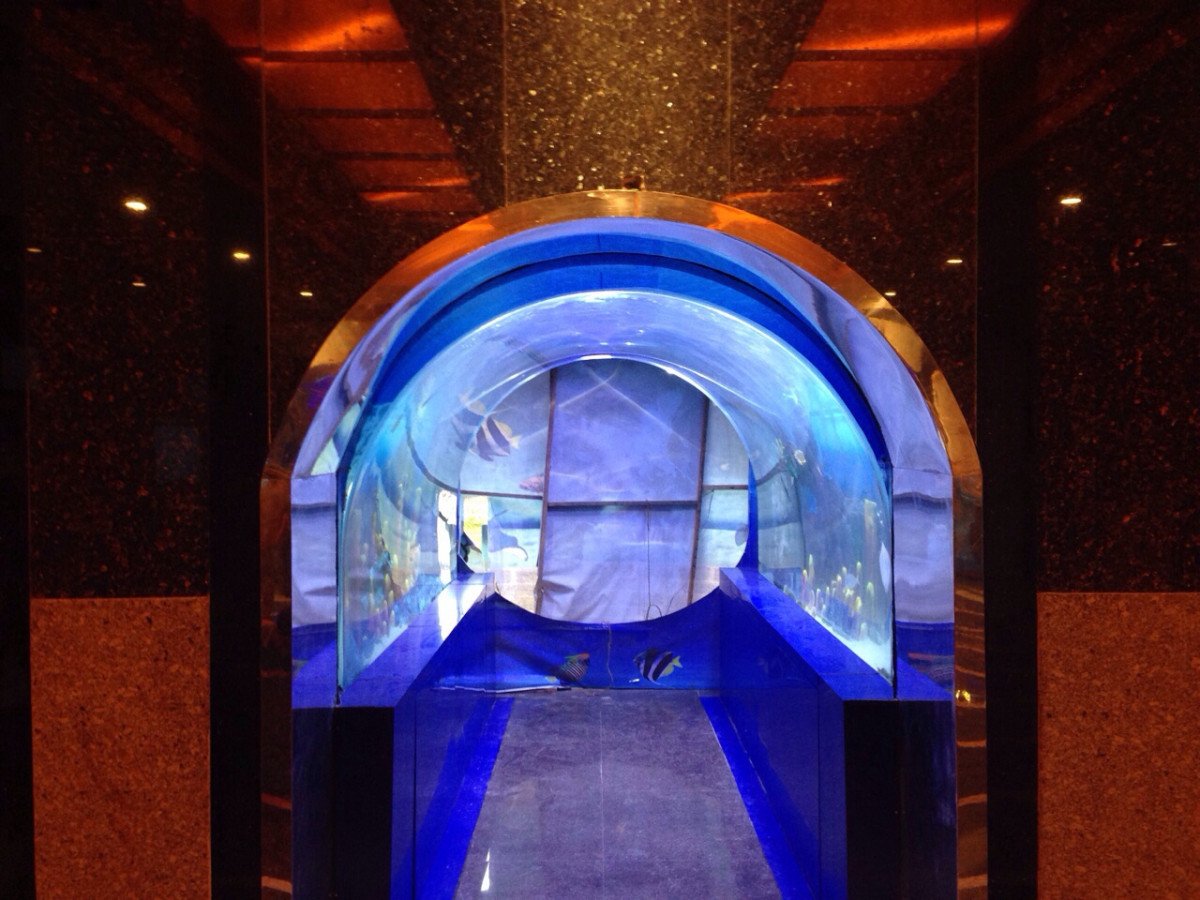
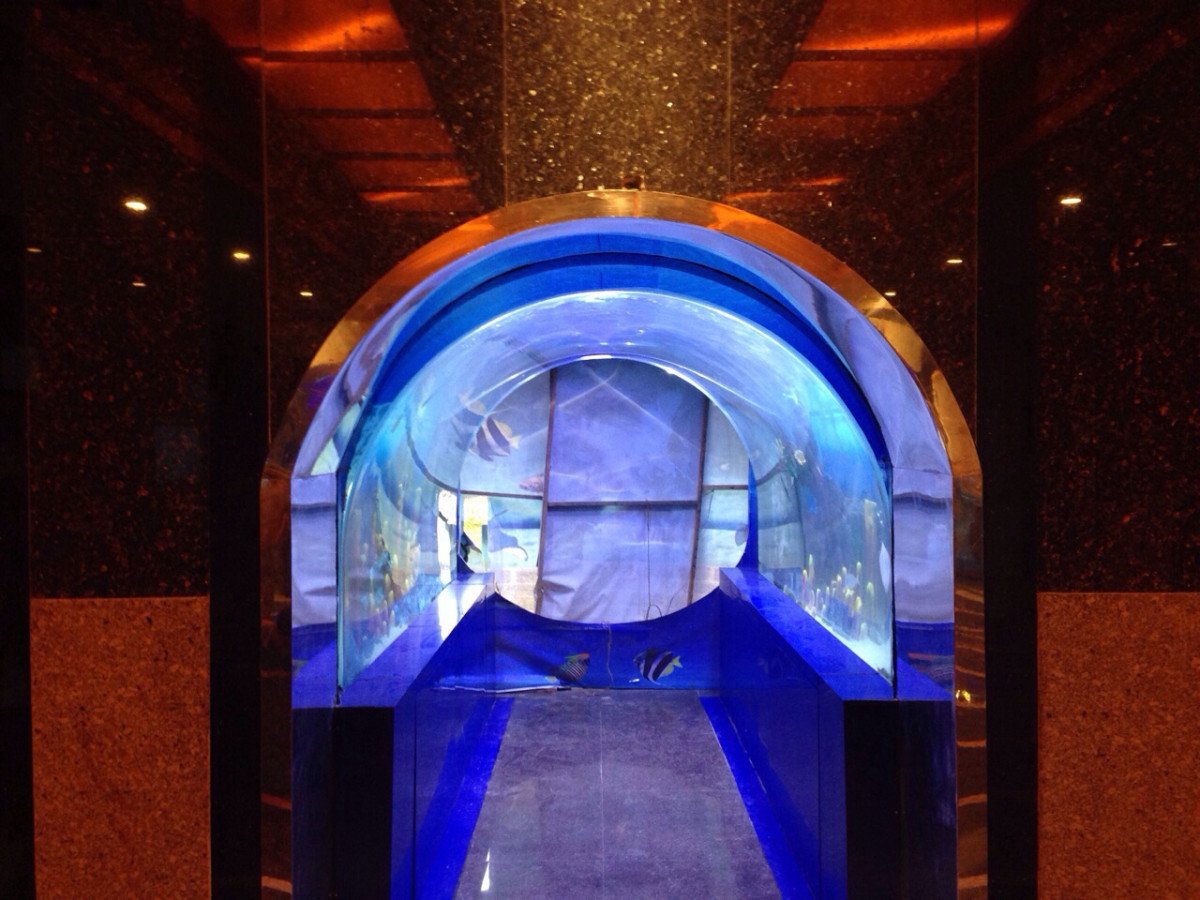
The 180-Degree Acrylic Tunnel (The Immersive Shot): This is the ultimate photo spot. Position yourself inside the tunnel to capture the unique, curved view with the silhouettes of fish swimming around and above you. This creates an immersive, memorable photo, best taken wh...The 180-Degree Acrylic Tunnel (The Immersive Shot): This is the ultimate photo spot. Position yourself inside the tunnel to capture the unique, curved view with the silhouettes of fish swimming around and above you. This creates an immersive, memorable photo, best taken when crowds are minimal.
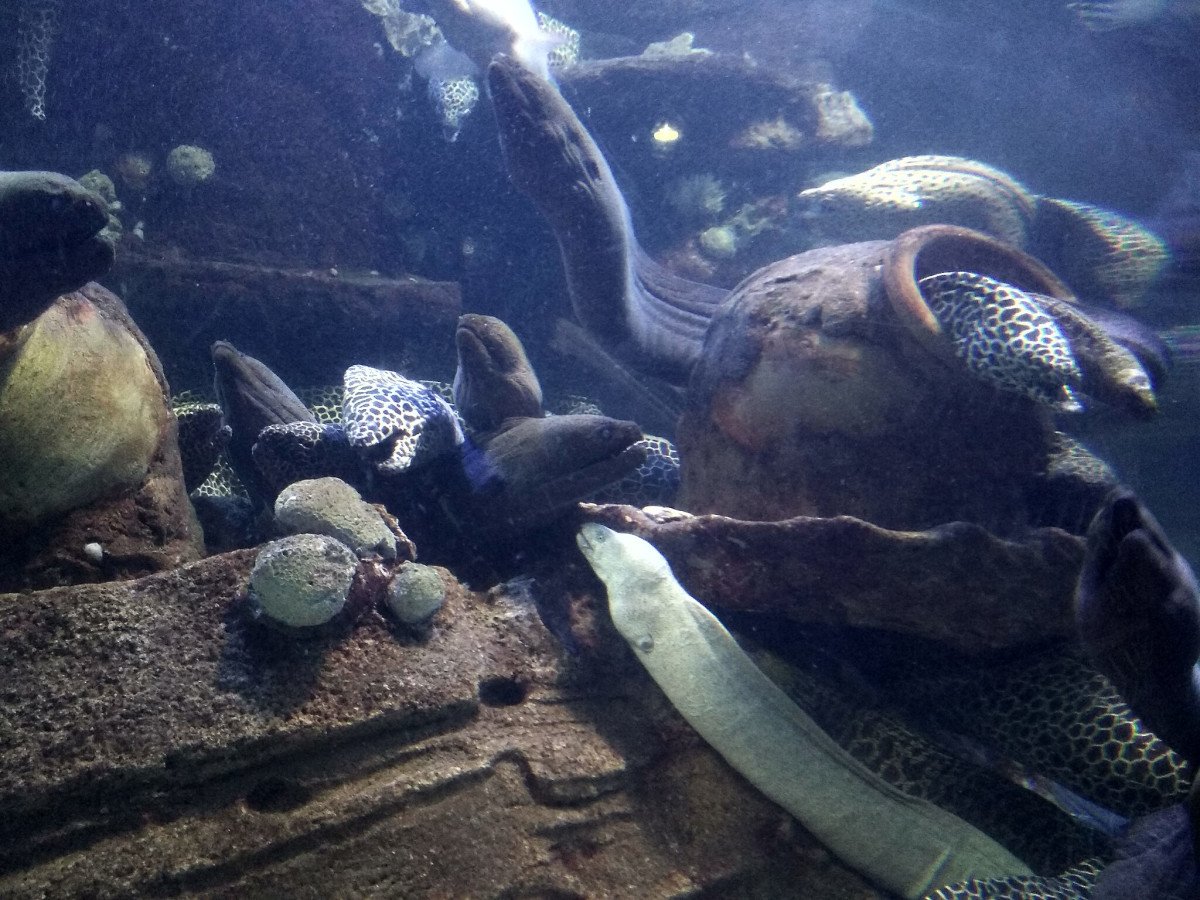
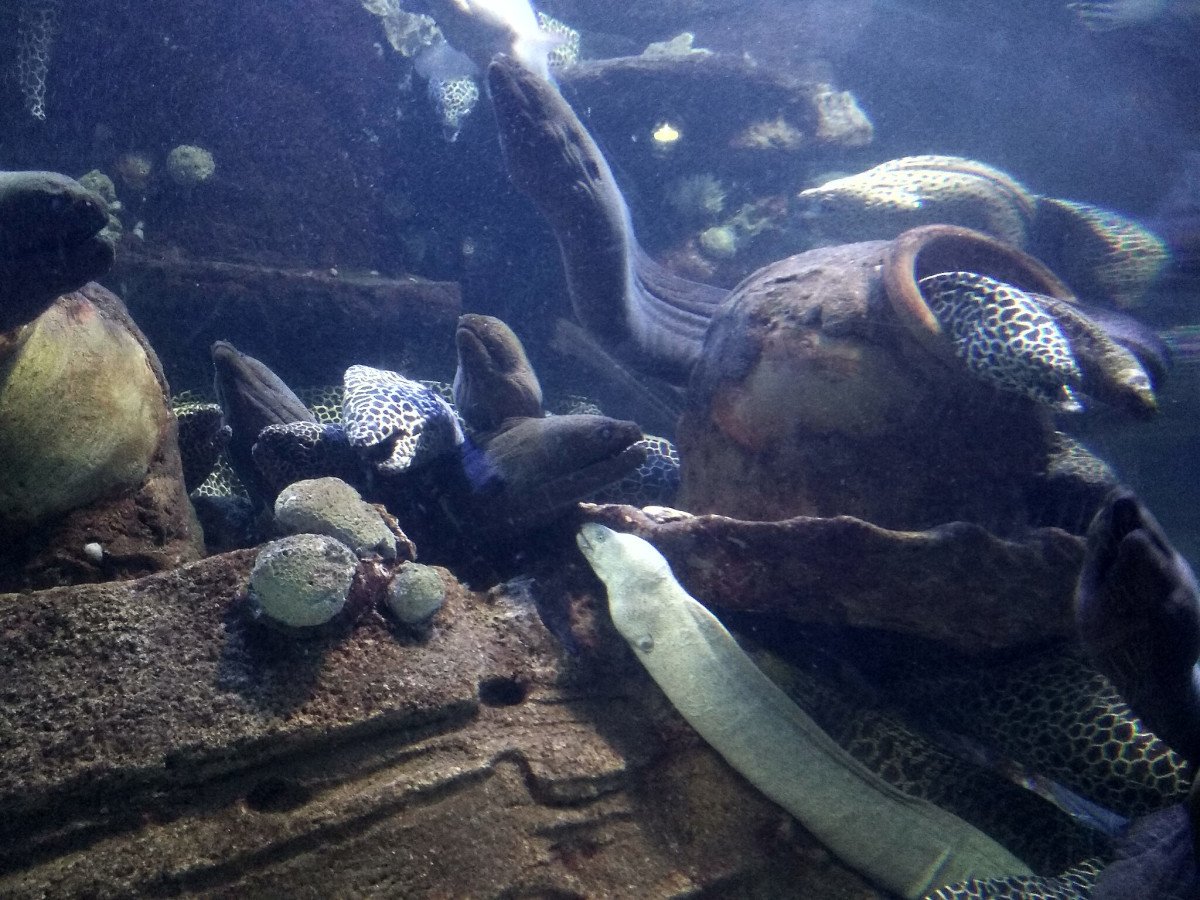
Against the Largest Tank Display (The Scale Shot): Capture a photo standing in front of the largest marine tank, which often houses the large stingrays and moray eels. This shot captures the grand scale of the main display and the impressive aqua-scaping. The Colorful Tropical Fish Tanks (Color and Detail): Use the well-lit tropical fish tanks as a vibrant backdrop. Focus on capturing the intense colors of species like the Clownfish, Yellow-striped Tangs, and various reef fish. These photos are best taken without flash, utilizing the tank's internal LED lighting.
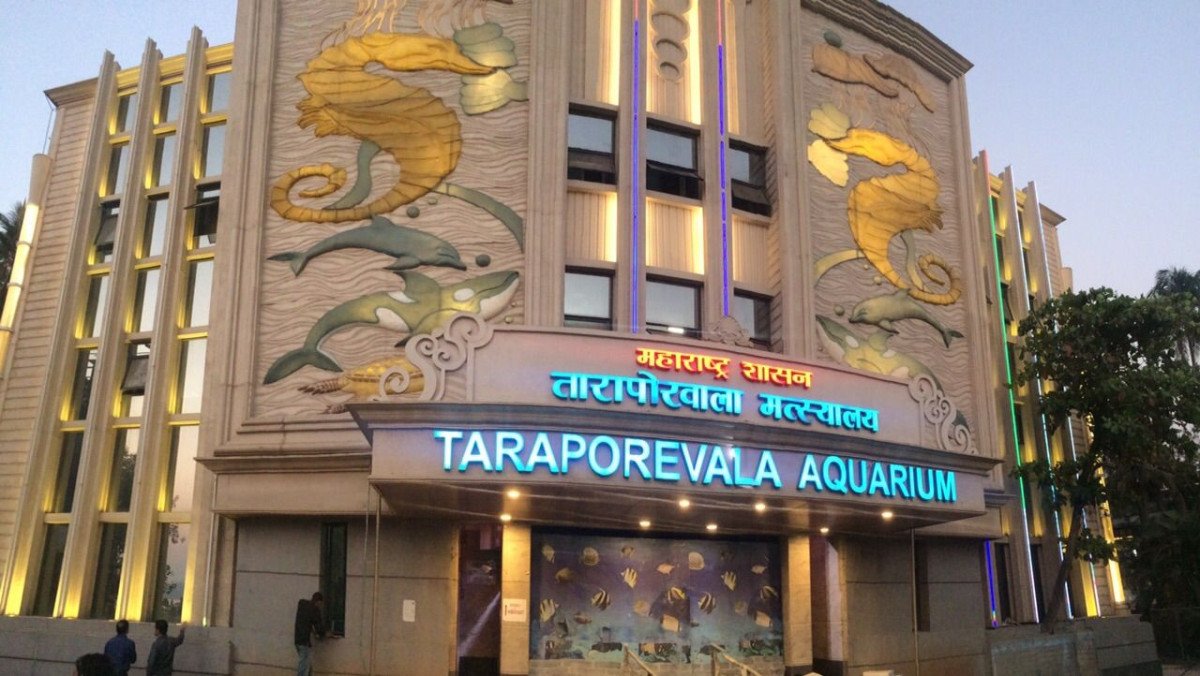
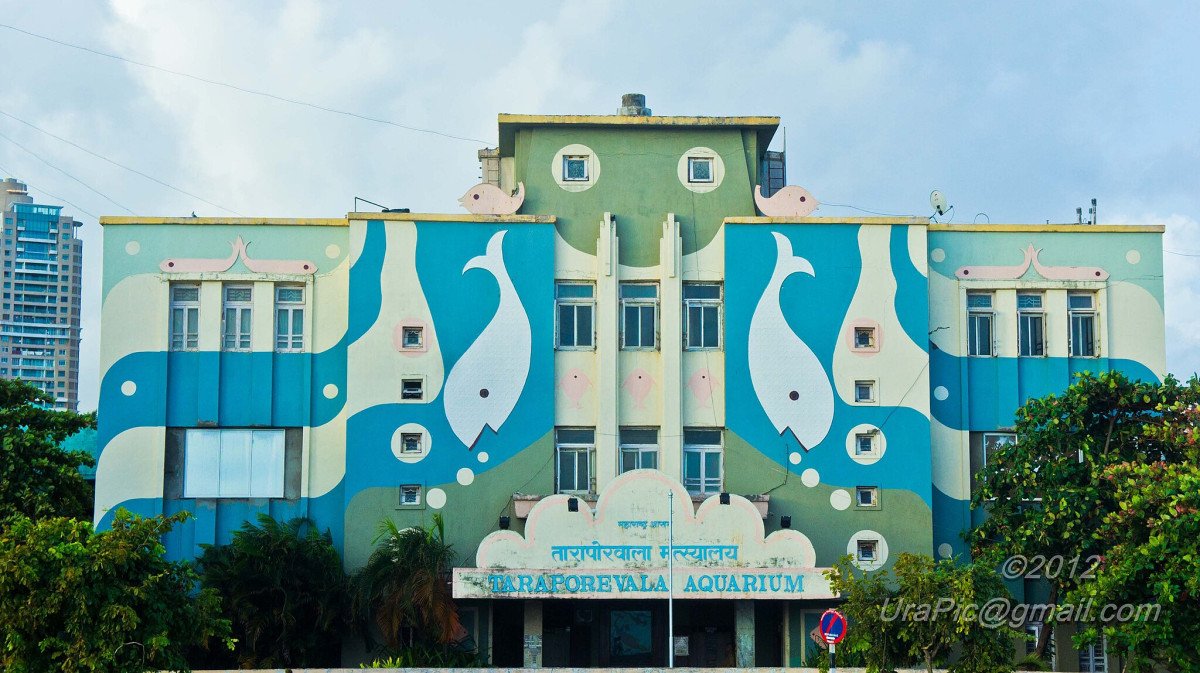
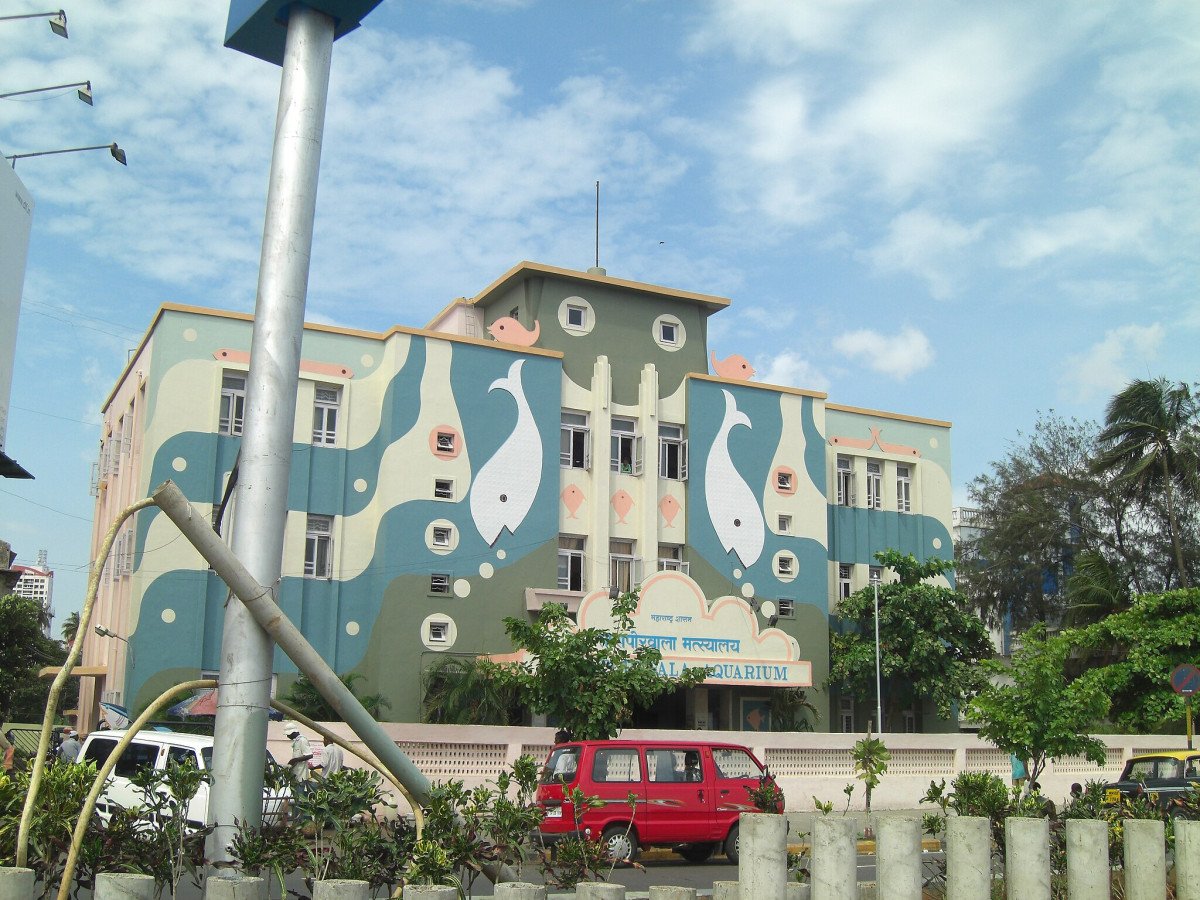
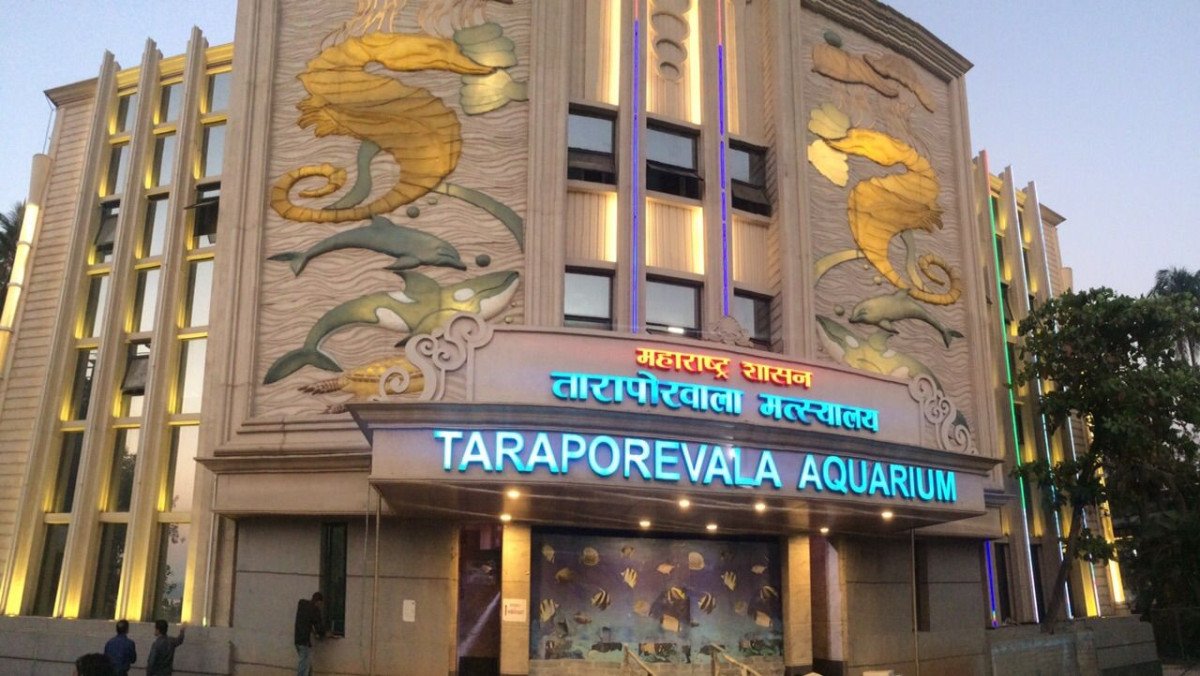
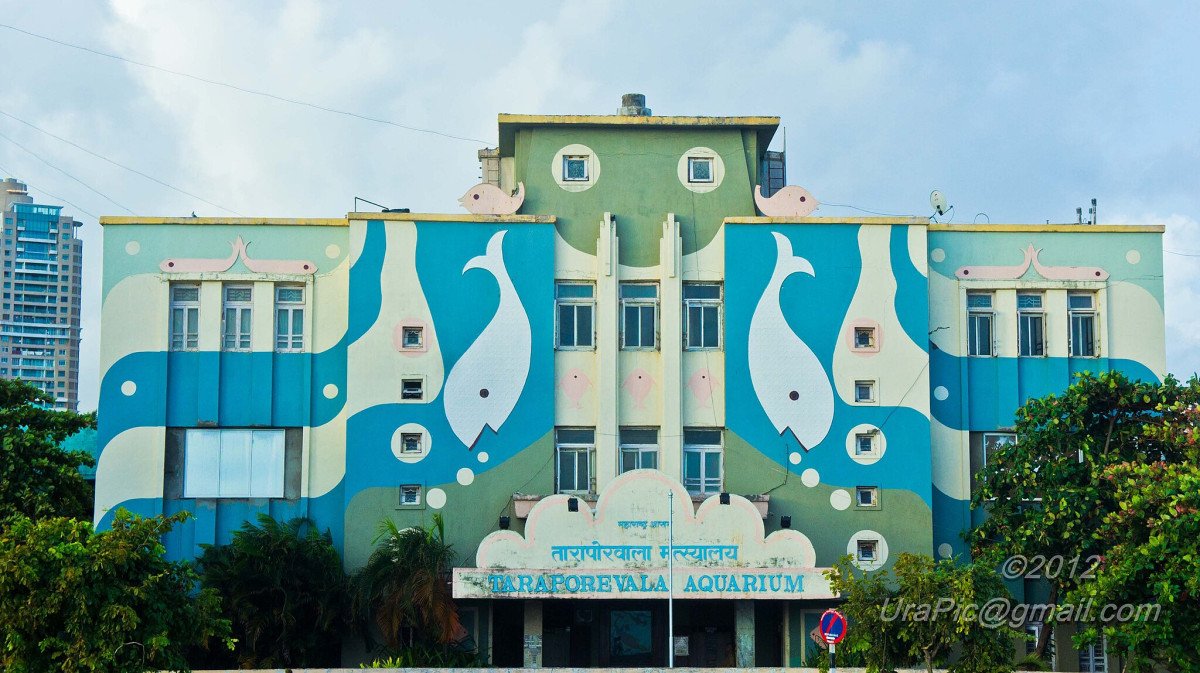
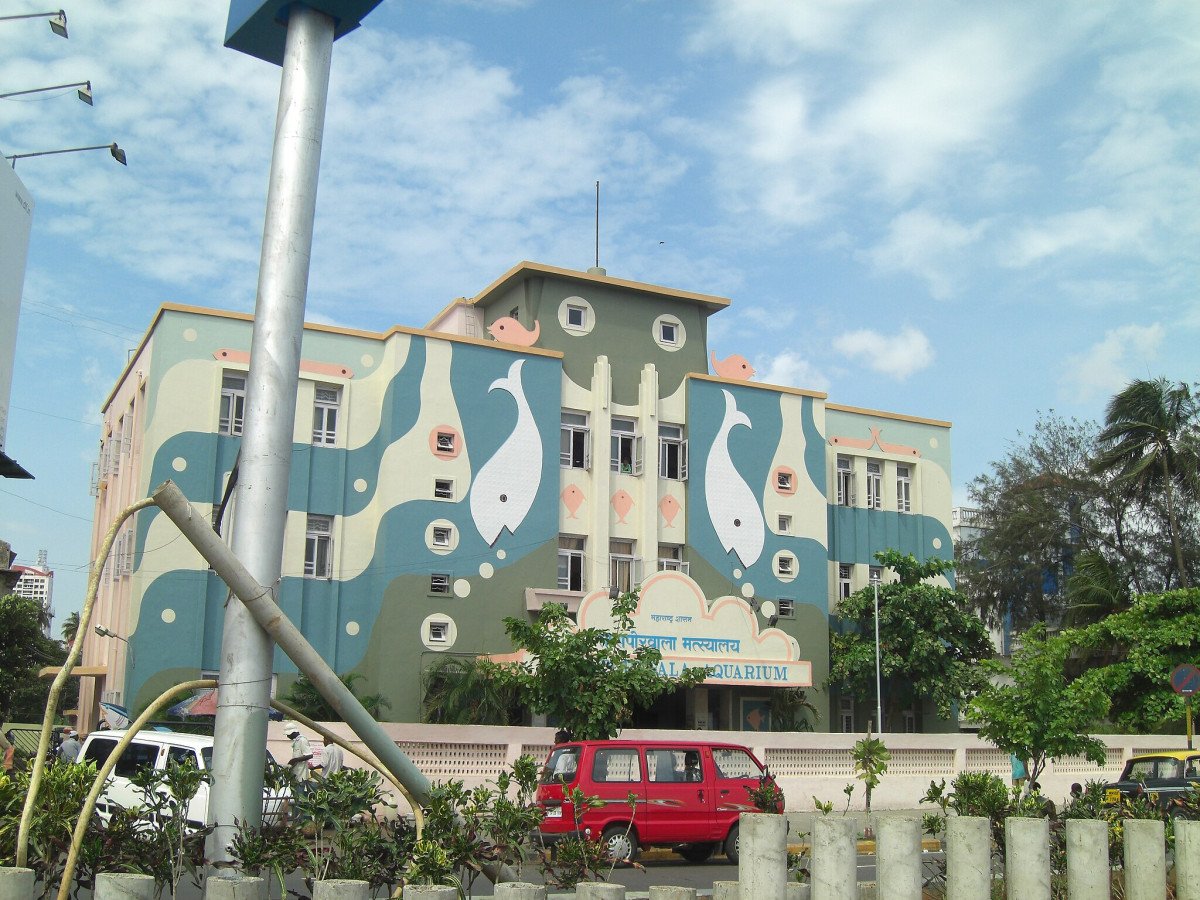
The Marine Drive Exterior (Contextual Shot): Capture the exterior of the aquarium building, framed against the backdrop of the sea and the famous Marine Drive promenade. This shot ties the aquarium to its iconic location and the bustling city life outside.Photo Gallery

Things To Do
-
Walk Through the 180-Degree Tunnel (Immersive Viewing): The main thing to do is to experience the central 180-degree acrylic glass tunnel. Walk slowly, looking up and around as various species of fish swim over and beside you. This provides a truly immersive, 'underwater' feeling and is the best spot for photos and videos (without flash).
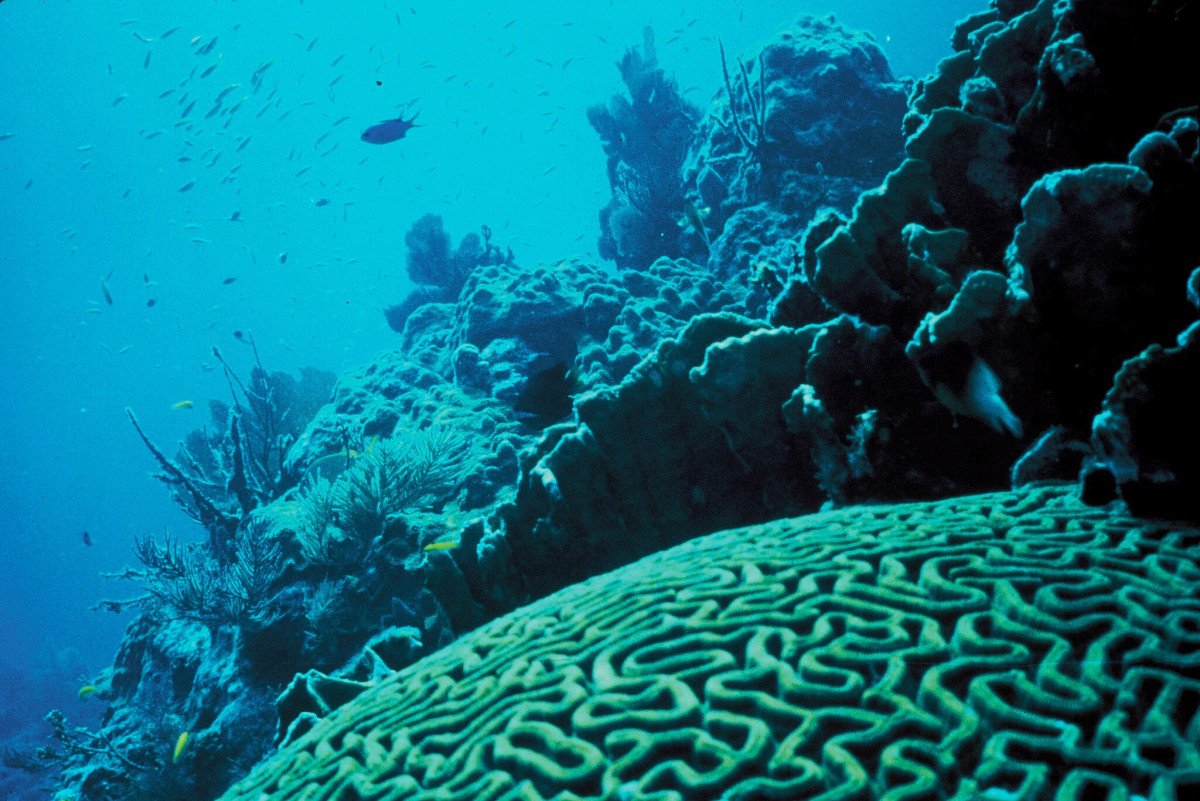
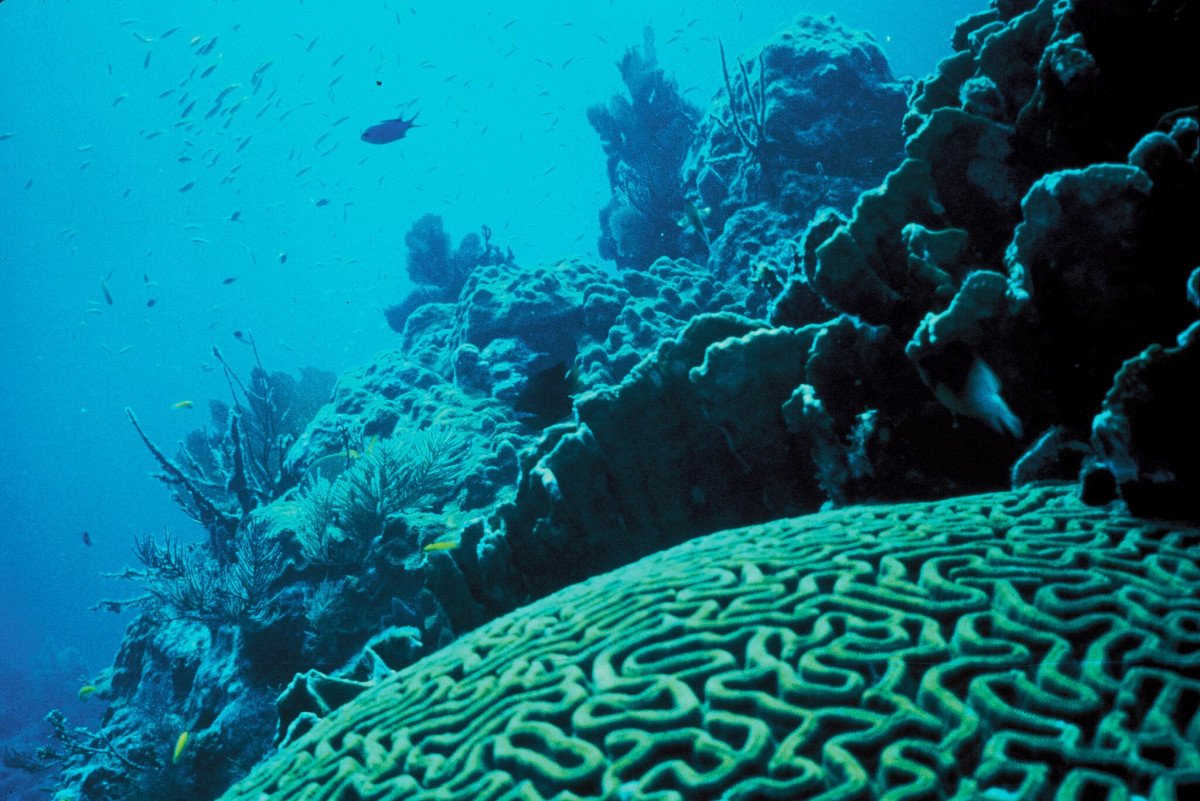
Observe the Marine Ecosystems (Diversity Study): Dedicate time to viewing the different sections of the aquarium. The tanks are meticulously aqua-scaped to mimic various ecosystems—from rocky marine habitats to lush freshwater environments. Look for specific, exotic marine species like Blue-spotted Stingrays, Sharks, Clownfish, and the unique patterns of Triggerfish and Butterflyfish. Experience the Doctor Fish Therapy (Interactive Fun): Do not miss the Doctor Fish tank experience. Purchase a ticket for this sho...Walk Through the 180-Degree Tunnel (Immersive Viewing): The main thing to do is to experience the central 180-degree acrylic glass tunnel. Walk slowly, looking up and around as various species of fish swim over and beside you. This provides a truly immersive, 'underwater' feeling and is the best spot for photos and videos (without flash).
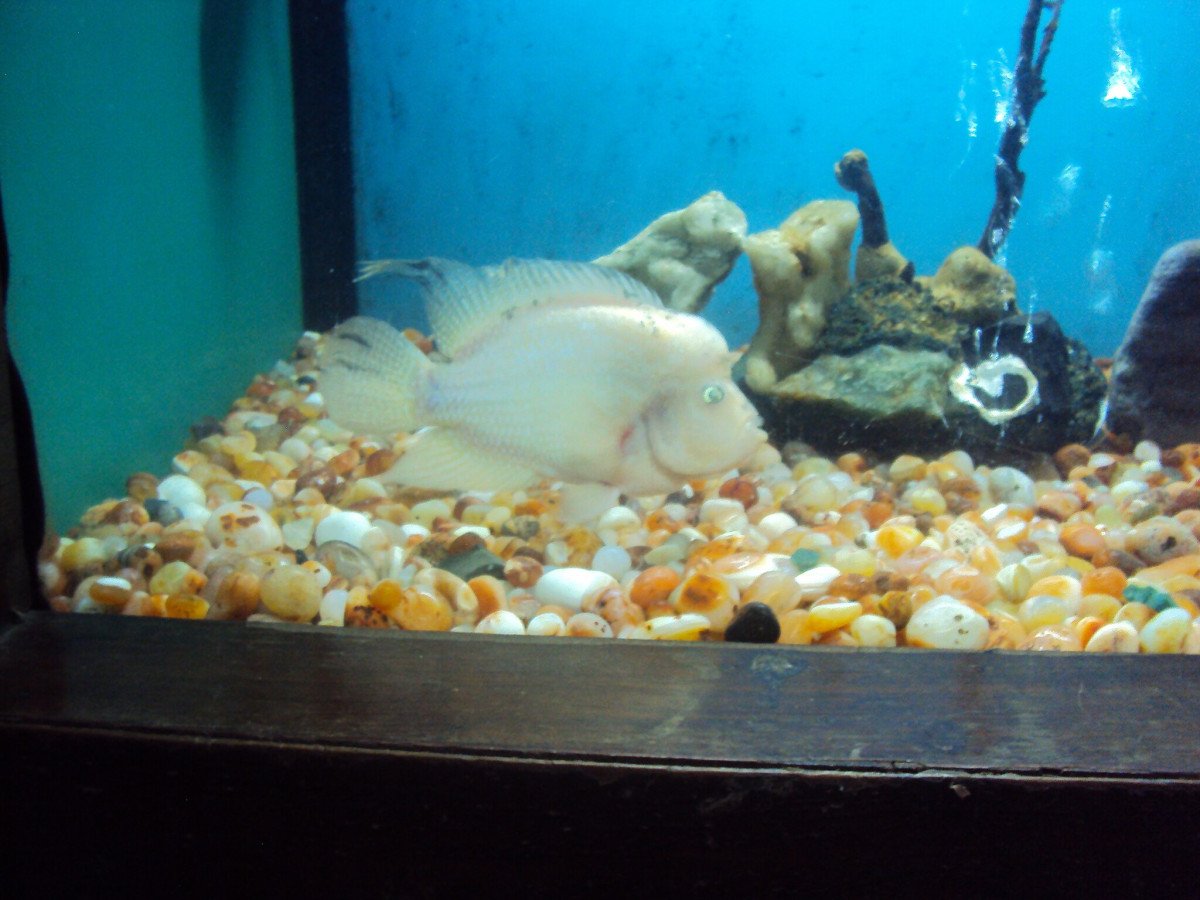
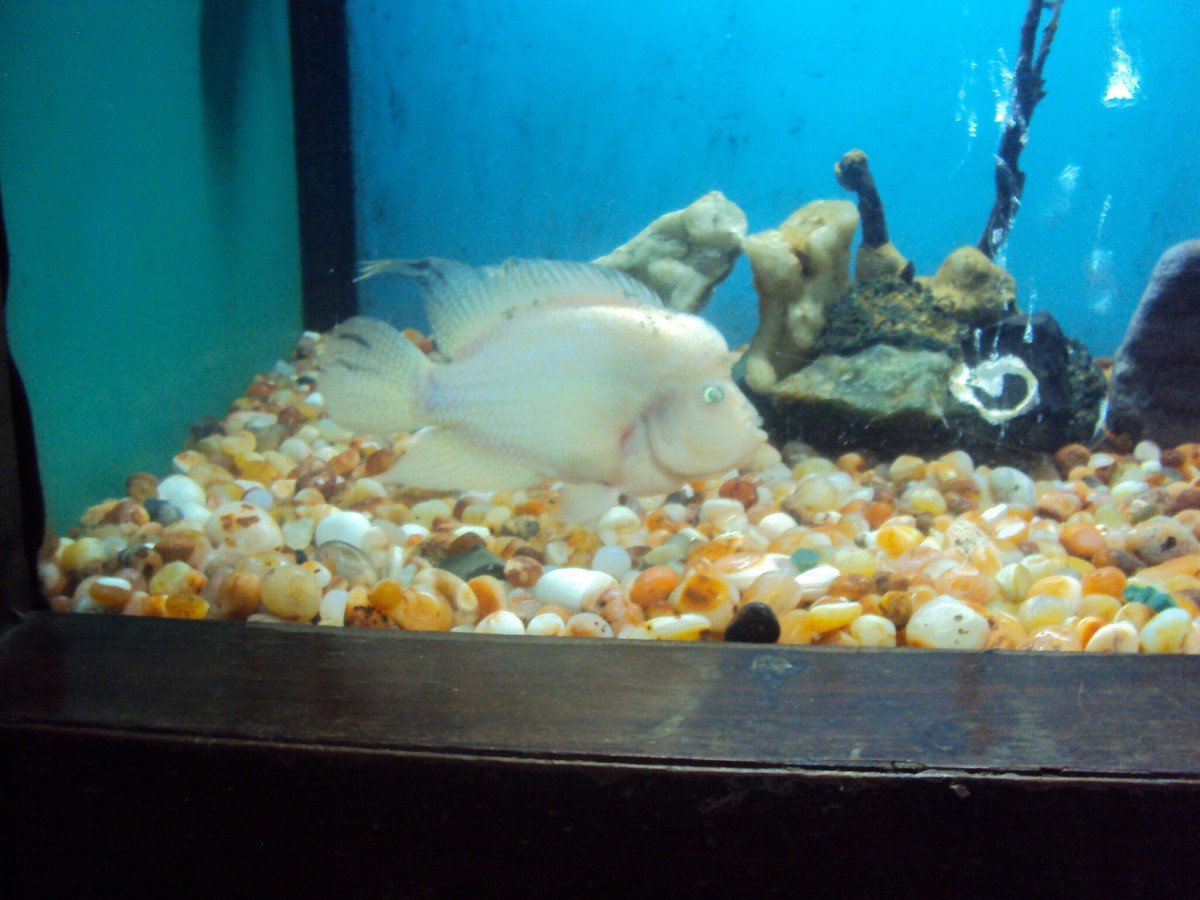
Observe the Marine Ecosystems (Diversity Study): Dedicate time to viewing the different sections of the aquarium. The tanks are meticulously aqua-scaped to mimic various ecosystems—from rocky marine habitats to lush freshwater environments. Look for specific, exotic marine species like Blue-spotted Stingrays, Sharks, Clownfish, and the unique patterns of Triggerfish and Butterflyfish. Experience the Doctor Fish Therapy (Interactive Fun): Do not miss the Doctor Fish tank experience. Purchase a ticket for this short, interactive therapy session, where small fish gently exfoliate your feet. It's a novel and ticklish experience that is a popular highlight of the aquarium. Explore the Freshwater and Tropical Sections (Global Aquatic Life): Move beyond the main marine tanks to explore the freshwater section, which houses large species like the Arowana and Red Devil. The tropical tanks showcase imported, colorful species and specialized setups like the moss aquarium and the plantation aquarium with aquatic flora.
Photography of the Fish (Capture the Colors): The tanks are well-lit with LED lights, making them excellent subjects for photography. Focus on capturing the vibrant colors of the tropical fish and the unique patterns of the coral and rock formations inside the tanks (ensure no flash is used, as it disturbs the fish). Combine with a Marine Drive Walk (Scenic Enjoyment): Since the aquarium is directly on the promenade, combine your visit with a leisurely walk along the famous Marine Drive (Netaji Subhash Chandra Bose Road). Enjoy the sea breeze and the art-deco architecture of the buildings along the "Queen's Necklace.
" Watch the Feeding Sessions (Check Schedule): If possible, inquire about the daily schedule for fish feeding sessions. Witnessing the feeding is a dynamic and engaging experience that allows you to see the behavior of the larger marine life up close, offering an educational moment for children and adults alike. Visit the Gift Shop and Cafeteria (Breaks and Souvenirs): Conclude your visit with a stop at the small gift shop for aquatic-themed souvenirs and a break at the in-house cafeteria for refreshments.
Information
-
Why Famous:
India's Oldest Aquarium: Its primary fame is its historical status as India's oldest public aquarium, having been a popular attraction since its opening in 1951. This historical legacy makes it a landmark of civic development in post-Independence Mumbai.
Read MoreIndia's Oldest Aquarium: Its primary fame is its historical status as India's oldest public aquarium, having been a popular attraction since its opening in 1951. This historical legacy makes it a landmark of civic development in post-Independence Mumbai.
Location on Marine Drive: Its prime location on the iconic Marine Drive (Netaji Subhash Chandra Bose Road) contributes significantly to its fame. The aquarium is easily accessible and a natural stop for anyone enjoying the famous promenade.
The Tunnel Experience: The addition of the 180-degree acrylic glass tunnel during the 2015 renovation has re-energized its fame, offering a modern, immersive, and highly photographable experience of viewing marine life up close, especially for the numerous colorful tropical species.Architecture:
Modernized Tank Design (Flexi-Glass and LED): The current architecture is a result of a major modernization project. The original concrete tanks were replaced with new, larger enclosures featuring imported flexi-glass for clearer visibility. The tanks are equipped with mod...Modernized Tank Design (Flexi-Glass and LED): The current architecture is a result of a major modernization project. The original concrete tanks were replaced with new, larger enclosures featuring imported flexi-glass for clearer visibility. The tanks are equipped with modern LED lighting to enhance the vibrant colors of the fish and create realistic coral and rocky ecosystems through careful aqua-scaping. The 180-Degree Acrylic Tunnel (Immersive Dimension): The most significant architectural addition is the 12-foot-long, 180-degree acrylic glass tunnel. This feature is designed to completely immerse the visitor, with fish swimming overhead and around them. The tunnel section provides a unique three-dimensional viewing experience, a highlight of the renovated aquarium's design.
Sectional Organization and Tank Count: The facility is structurally organized into distinct sections for marine and freshwater fish. It houses approximately 16 seawater tanks, 9 freshwater tanks, and 32 tropical tanks. The volume of the largest tanks, such as the one dedicated to large marine life, is considerable, allowing for a better habitat for the species and a grand display for the public. The entire structure is located on the ground and basement levels of the building complex facing Marine Drive.How To Reach:
By Air (Direct Access to South Mumbai): The nearest airport is Chhatrapati Shivaji Maharaj International Airport (BOM), approximately 25 KMS away. The most convenient way is to hire a taxi or app-based cab directly to Marine Drive (Netaji Subhash Chandra Bose Road), where t...By Air (Direct Access to South Mumbai): The nearest airport is Chhatrapati Shivaji Maharaj International Airport (BOM), approximately 25 KMS away. The most convenient way is to hire a taxi or app-based cab directly to Marine Drive (Netaji Subhash Chandra Bose Road), where the aquarium is located. The journey can take 1 to 1. 5 hours, depending on traffic.
By Train (Local Train Convenience): The aquarium is extremely accessible by Mumbai's local train network.
The nearest railway stations are:
Charni Road (Western Line): This is the closest station, and the aquarium is a short 5-10 minute walk across the road (towards the sea).
Churchgate (Western Line): A slightly longer walk (15-20 minutes) or a very short auto-rickshaw/taxi ride down Marine Drive.
By Road (Best for Local Transport): The aquarium is located directly on Marine Drive, a major arterial road. Local Transport like taxis, app-based cabs, and BEST buses are readily available from all parts of South Mumbai. The road offers excellent connectivity, though traffic can be dense during evening rush hour. The BEST bus stop on Marine Drive is very close to the entrance.Weather and Best Time to Visit:
Best Season: The Cool and Pleasant Winter Months (October to March): The best time to visit is during the cool and dry winter season, from October to March. The pleasant weather allows for a comfortable walk along Marine Drive before or after the aquarium visit, enhancing t...Best Season: The Cool and Pleasant Winter Months (October to March): The best time to visit is during the cool and dry winter season, from October to March. The pleasant weather allows for a comfortable walk along Marine Drive before or after the aquarium visit, enhancing the overall experience. The aquarium is indoors and air-conditioned, but the journey to and from is better in winter. Monsoon (June to September) and summer (April to May) are less ideal due to external weather conditions.
Ideal Part of the Day:
Morning on Weekdays: The ideal part of the day is the morning, particularly on a weekday (e. g. , Tuesday to Friday), between 10:00 AM and 12:00 PM. The low crowds at this time make for a much more enjoyable, quiet, and reflective viewing of the exhibits.
Worst Time:
Weekend and Holiday Afternoons: The worst time to visit is the afternoon on a Saturday, Sunday, or public holiday, as the sheer number of visitors, especially families and school groups, can lead to long queues and a crowded, less pleasant experience inside the viewing areas.Near Tourist Places:
1.
Marine Drive (Queen's Necklace): (Adjacent) 2.
Chowpatty Beach: (Approx. 1. 5 KMS) 3.
Wankhede Stadium: (Approx. 2 KMS) 4.
Hutatma Chowk (Flora Fountain): (Approx. 3 KMS) 5.
Jehangir Art Gallery: (Approx. 4 KMS) 6.
Gateway of India: (Approx. 4. 5 KMS) 7.
Colaba Causeway: (Approx. 5 KMS) 8.
Chhatrapati Shivaji Maharaj Terminus (CSMT): (Approx. 4 KMS) 9.
Mani Bhavan Gandhi Sangrahalaya: (Approx. 3 KMS) 10.
Kamala Nehru Park/Hanging Gardens: (Approx. 4 KMS)Tourism Tips
-
Health & Safety:
No Flash Photography and Crowd Management: Health & Safety requires strictly no flash photography inside the aquarium, as it can harm the fish and spoil the viewing for others. Follow instructions and be mindful of your pers...Health & Safety:
No Flash Photography and Crowd Management: Health & Safety requires strictly no flash photography inside the aquarium, as it can harm the fish and spoil the viewing for others. Follow instructions and be mindful of your personal space in crowded areas like the tunnel.
Packing:
Minimal and Secure: Carry minimal packing inside. Leave large bags at your accommodation or in your vehicle, as there are limited storage options. Comfortable walking shoes are not strictly necessary as the walk is short, but they are recommended for the subsequent walk on Marine Drive.
Accommodation:
South Mumbai Hotels: For Accommodation, staying in the nearby South Mumbai areas like Churchgate, Marine Drive, or Colaba is highly convenient, offering quick walking or cab access and beautiful sea-facing hotels.
Other Different Topics:
Combine with Marine Drive: A crucial tip is to combine the aquarium visit with the essential Marine Drive experience—enjoying the view of the "Queen's Necklace" and the sunset. Check the opening time (it's often closed on Mondays) to avoid an unexpected closure. Allow for extra time for the popular Doctor Fish experience.
Reviews
FAQs
Mumbai Itineray And Cost:-
Taraporewala Aquarium Tourism:-
Information about New and Updated Locations() of Maharashtra Has Been Added :-
Card subtitle
Note:-
Information provided here in good Faith and for reference only.
All information and pictures will be updated soon, please keep visiting.
Near Places

Bandra Fort
Some quick example text to build on the card title and make up the bulk of the card's content.
Go somewhere
Bandra-Worli Sea Link
Some quick example text to build on the card title and make up the bulk of the card's content.
Go somewhere
Chhatrapati Shivaji Maharaj Vastu Sangrahalaya
Some quick example text to build on the card title and make up the bulk of the card's content.
Go somewhere
Chhatrapati Shivaji Terminus
Some quick example text to build on the card title and make up the bulk of the card's content.
Go somewhere
Colaba Causeway
Some quick example text to build on the card title and make up the bulk of the card's content.
Go somewhere
Dhobi Ghat
Some quick example text to build on the card title and make up the bulk of the card's content.
Go somewhere
Elephanta Caves
Some quick example text to build on the card title and make up the bulk of the card's content.
Go somewhere
EsselWorld
Some quick example text to build on the card title and make up the bulk of the card's content.
Go somewhere
Film City
Some quick example text to build on the card title and make up the bulk of the card's content.
Go somewhere
Flora Fountain
Some quick example text to build on the card title and make up the bulk of the card's content.
Go somewherein Other Cities