

Travel Tips Of Deva Bhavana
Tourism Tips
Smart Packing Essentials: Given the tropical climate, pack light, breathable, and modest clothing. For temple visits, both men and women should ensure their shoulders and knees are covered as a sign of respect. Comfortable walking shoes or sandals are essential for navigating the temple complex and surrounding streets. Don't forget sunscreen, a wide-brimmed hat, and sunglasses for sun protection. A light jacket or shawl is useful for the cooler winter evenings (November to February). Carry a small umbrella or rain gear if visiting during the pre-monsoon or monsoon months. A camera and a portable power bank are advisable for capturing the memories.
Accommodation and Stay: Hajo itself offers limited options for high-end or luxury accommodation, usually featuring budget hotels, local guesthouses, and dharamshalas catering primarily to pilgrims. For better quality, star-rated hotels, or a wider choice of dining, it is strongly recommended to book accommodation in Guwahati, which is only about an hour's drive away. Staying in Guwahati offers the convenience of modern facilities and better connectivity while allowing for easy day trips to Hajo. Book your accommodation well in advance, especially if traveling during the peak winter season or major festivals like Magh Bihu.
Other Practical Tips and Cultural Etiquette: Remove your footwear before entering the main temple premises. It is also customary to remove leather articles like belts or wallets, though this is less strictly enforced today. Always ask for permission before taking close-up photographs of local people or temple rituals. Learn a few simple phrases in Assamese or Hindi (like Namaskar or Dhanyabad), as this is appreciated by the locals. Carry enough cash (Indian Rupees, INR), as many small shops, auto-rickshaws, and vendors in Hajo do not accept digital payments or credit cards. Plan to visit the major temples (Hayagriva Madhava, Kedareswar, Poa Mecca, Deva Bhavana) in a sequence to save time.
Hajo Itineray And Cost:-
Information about New and Updated Locations() of Assam Has Been Added :-
Card subtitle
Note:-
Information provided here in good Faith and for reference only.
Near Places
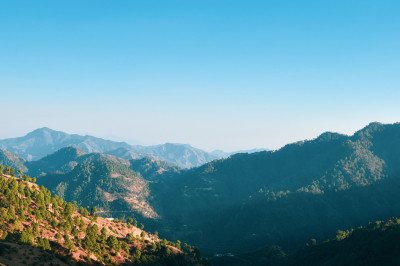
Alaboi Hills
Some quick example text to build on the card title and make up the bulk of the card's content.
Go somewhere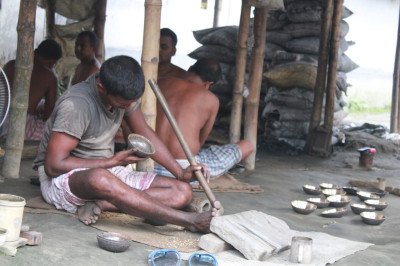
Bell Metal Industry Workshop
Some quick example text to build on the card title and make up the bulk of the card's content.
Go somewhere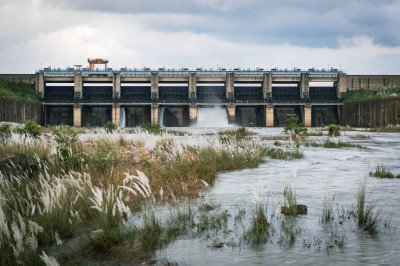
Dampur Pahar View
Some quick example text to build on the card title and make up the bulk of the card's content.
Go somewhere
Deva Bhavana
Some quick example text to build on the card title and make up the bulk of the card's content.
Go somewhere
Dhoparguri Satra
Some quick example text to build on the card title and make up the bulk of the card's content.
Go somewhere
Dimu
Some quick example text to build on the card title and make up the bulk of the card's content.
Go somewhere
Ganesh Bigrah Temple
Some quick example text to build on the card title and make up the bulk of the card's content.
Go somewhere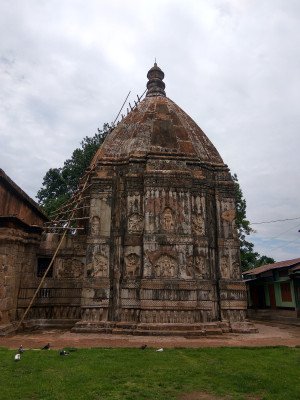
Hayagriva Madhava Temple
Some quick example text to build on the card title and make up the bulk of the card's content.
Go somewhere
Joy Durga Temple
Some quick example text to build on the card title and make up the bulk of the card's content.
Go somewhere
Kalitakuchi
Some quick example text to build on the card title and make up the bulk of the card's content.
Go somewhere
Kalitakuchi Hajo
Some quick example text to build on the card title and make up the bulk of the card's content.
Go somewhere
Kamesware Temple
Some quick example text to build on the card title and make up the bulk of the card's content.
Go somewhere
Kanai Barashi Rock Inscription
Some quick example text to build on the card title and make up the bulk of the card's content.
Go somewhere
Kaziranga National Park
Some quick example text to build on the card title and make up the bulk of the card's content.
Go somewhere
Kedareswar Temple
Some quick example text to build on the card title and make up the bulk of the card's content.
Go somewhere
Manas National Park
Some quick example text to build on the card title and make up the bulk of the card's content.
Go somewhere