

Travel Tips Of Uparkot Fort
Tourism Tips
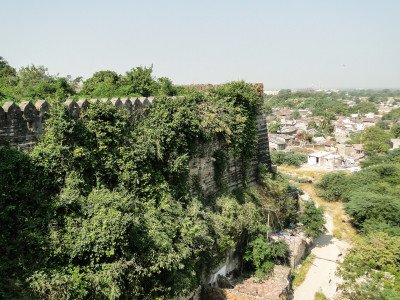
Packing: A good quality camera, a wide-angle lens for capturing the vast structure, and binoculars for viewing the city/Girnar from the ramparts are essential. A hat and sunscreen are mandatory, even in Winter.
Accommodation: Stay in a hotel near the Girnar Taleti area or the city center for easy access to the fort. Hotels ranging from budget to 4-star are available, with good access to local restaurants.
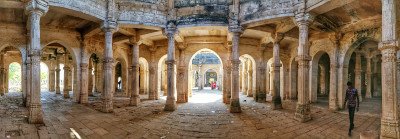
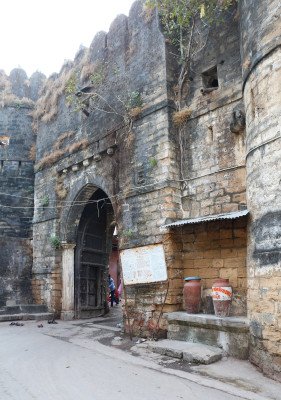
Other Tips: Hire an official guide at the gate; their detailed storytelling about the 12-year siege and the legend of Adi and Kadi significantly enhances the experience. Allow at least 2 hours to fully appreciate the step-wells and caves, and remember to carry cash for the entry fee and guide.
Information about New and Updated Locations(862+) of Gujarat Has Been Added :-
Card subtitle
Note:-
Information provided here in good Faith and for reference only.
All information and pictures will be updated soon, please keep visiting.
Near Places

Buddhist Caves
Some quick example text to build on the card title and make up the bulk of the card's content.
Go somewhere
Darbar Hall Museum
Some quick example text to build on the card title and make up the bulk of the card's content.
Go somewhere
Dattatreya Temple
Some quick example text to build on the card title and make up the bulk of the card's content.
Go somewhere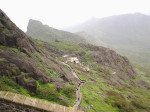
Girnar Hill
Some quick example text to build on the card title and make up the bulk of the card's content.
Go somewhere
Girnar Hills
Some quick example text to build on the card title and make up the bulk of the card's content.
Go somewhere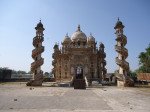
Jama Masjid
Some quick example text to build on the card title and make up the bulk of the card's content.
Go somewhere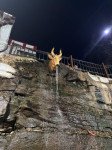
Jatashankar Mahadev Temple
Some quick example text to build on the card title and make up the bulk of the card's content.
Go somewhere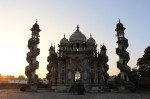
Mahabat Maqbara
Some quick example text to build on the card title and make up the bulk of the card's content.
Go somewhere
Moti Baug
Some quick example text to build on the card title and make up the bulk of the card's content.
Go somewhere
Narsinh Mehta Lake
Some quick example text to build on the card title and make up the bulk of the card's content.
Go somewhere