

Uparkot Fort
General information
-
Ideal Duration:
2 to 3 hoursPlace Type:
Historical Fort, Archaeological Site, Ancient EngiEntry Fees:
Standard Fee Structure: A minimal Entrance Fee is charged, typically around Rs.5-Rs.25 for Indian citizens and a higher fee (e. g. , Rs.100-Rs.200) for foreign nationals. This fee is used for the maintenance and preservation of the archaeological site.
...Standard Fee Structure: A minimal Entrance Fee is charged, typically around Rs.5-Rs.25 for Indian citizens and a higher fee (e. g. , Rs.100-Rs.200) for foreign nationals. This fee is used for the maintenance and preservation of the archaeological site.
Guide Charges: Local, knowledgeable guides are available at the entrance, and their fees are separate, negotiated individually or as a standard rate. Hiring a guide is highly recommended to appreciate the history.
Photography Fees: Usually, the standard entry fee includes the right to carry a still camera, but visitors should check for any additional charges for professional video cameras or tripods, although these are rarely enforced for casual tourists.
Car Parking: Parking near the fort entrance is limited, and a small fee may be charged for vehicle parking in designated areas outside the main gates.Timing:
Regular Timings: The fort is generally open daily from 8:00 AM to 6:15 PM. It is open year-round, seven days a week, though timings may slightly change during national holidays.
Ideal Visit Time: The Winter months (November to February) are...Regular Timings: The fort is generally open daily from 8:00 AM to 6:15 PM. It is open year-round, seven days a week, though timings may slightly change during national holidays.
Ideal Visit Time: The Winter months (November to February) are the most comfortable. Within the day, the Early Morning (8:00 AM to 10:00 AM) or Late Afternoon (4:00 PM to 6:00 PM) are best. The Early Morning offers pleasant temperatures and fewer crowds, ideal for climbing the steps and walking the ramparts.
Midday Heat: The midday hours (11:00 AM to 3:00 PM) should be avoided due to intense sun and heat, especially during the Summer.Special Events:
Shivratri Mela on Girnar: While not directly at the fort, the massive Maha Shivratri Mela held at the base of the nearby Girnar Hills in February/March increases the fort's visitor numbers significantly, as pilgrims often visit the fort as part of their cultural tour of Juna...Shivratri Mela on Girnar: While not directly at the fort, the massive Maha Shivratri Mela held at the base of the nearby Girnar Hills in February/March increases the fort's visitor numbers significantly, as pilgrims often visit the fort as part of their cultural tour of Junagadh.
Junagadh Heritage Walks: Local tourism groups occasionally organize special Heritage Walks through the fort complex, often during the Winter months, providing guided, in-depth narratives on the ancient history and legends.
State-Level Archaeological Days: On special Gujarat state or Indian national days promoting archaeology, the fort often hosts temporary exhibitions or educational talks related to its rich history and ongoing conservation efforts.Best Photo Spots:
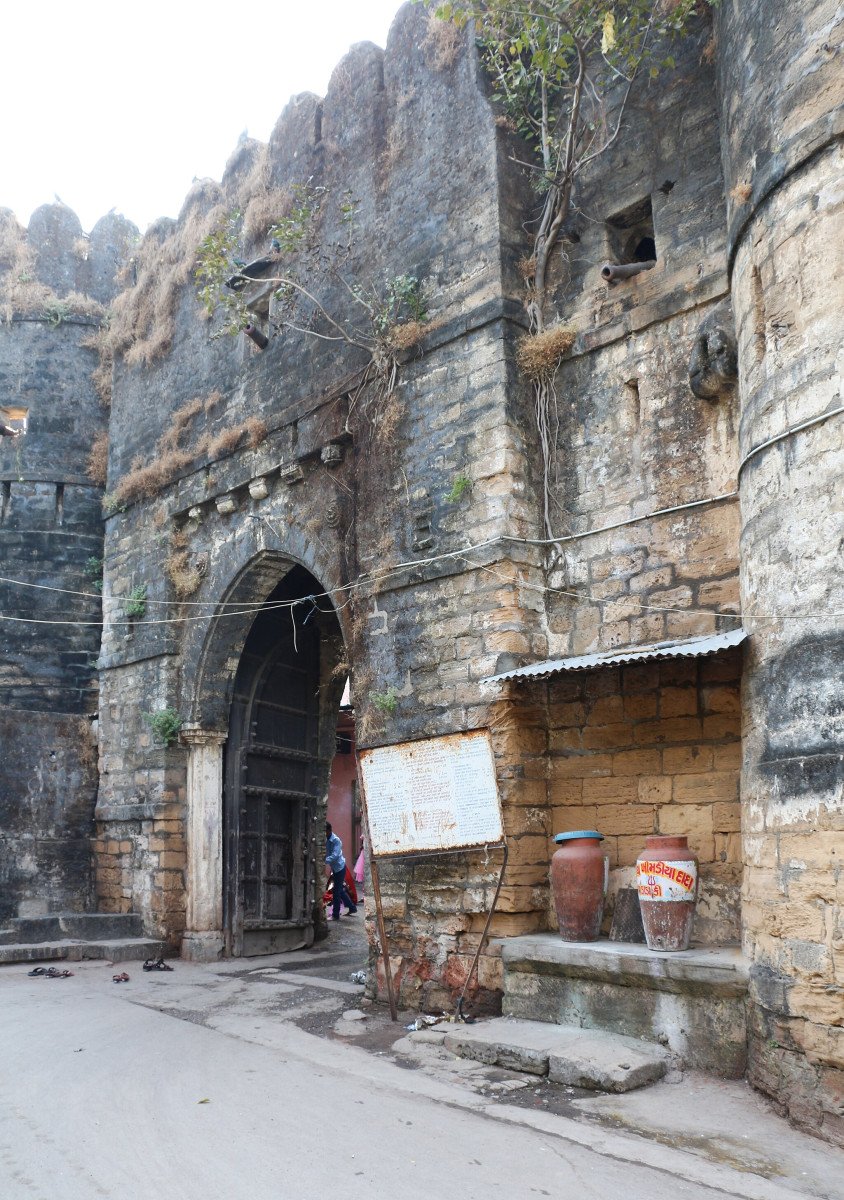
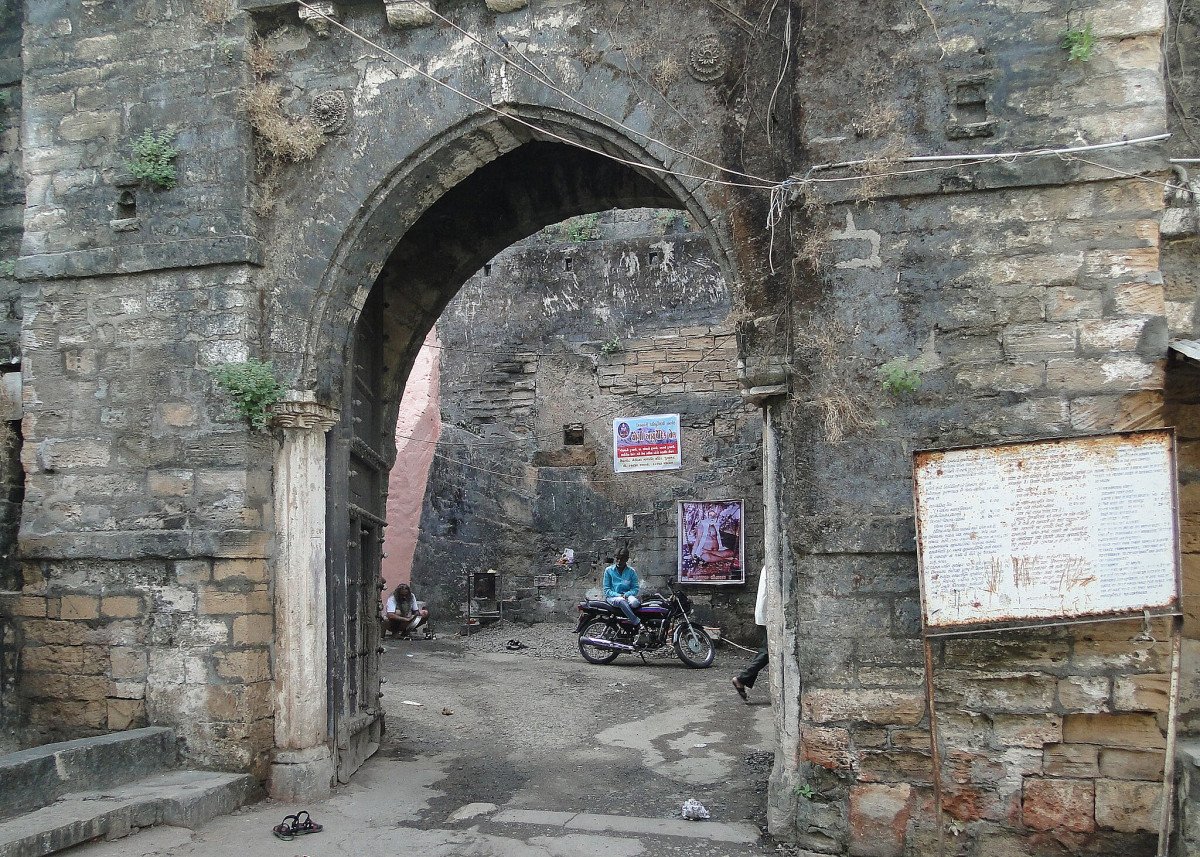
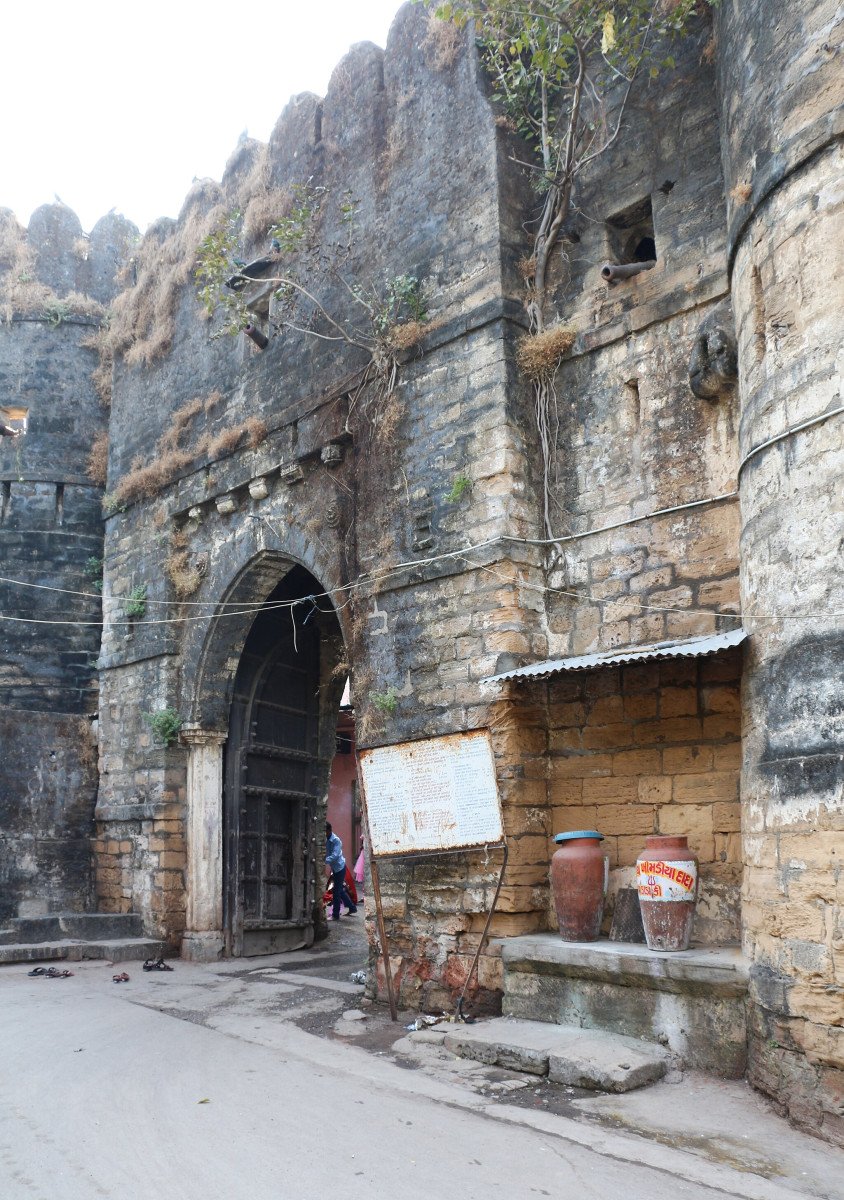
The Triple Archway Gate: The highly ornate main entrance, with its three inset arches, is the quintessential photograph of the fort, perfect for capturing the scale of the fortification.
Navghan Kuwo Spiral Staircase: The downward-looking sh...The Triple Archway Gate: The highly ornate main entrance, with its three inset arches, is the quintessential photograph of the fort, perfect for capturing the scale of the fortification.
Navghan Kuwo Spiral Staircase: The downward-looking shot into the well shaft, capturing the dramatic spiral of the staircase cut into the rock, is an iconic and technically challenging photo opportunity.
View from the Ramparts (Sunset): The best spot is on the western or eastern ramparts (near the Nilam Top cannon) at sunset, capturing the dramatic lighting over the city or the Girnar mountain range.
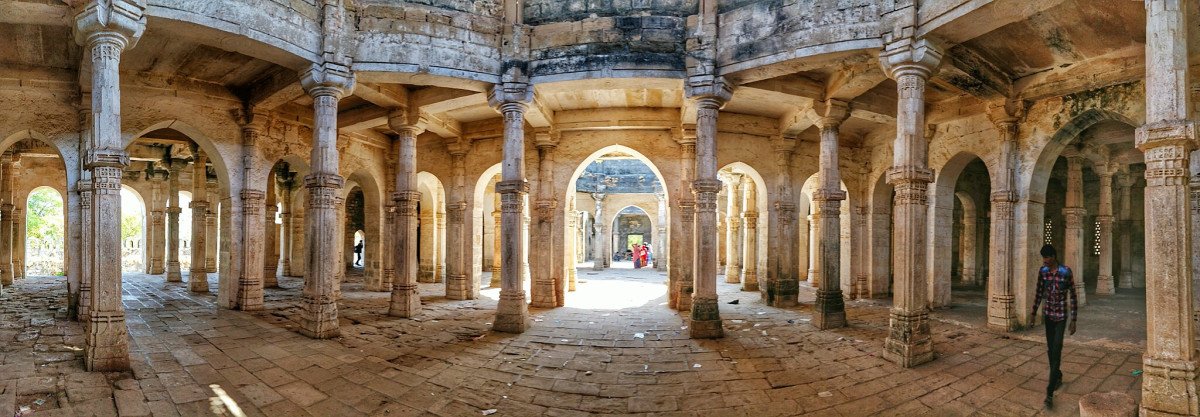
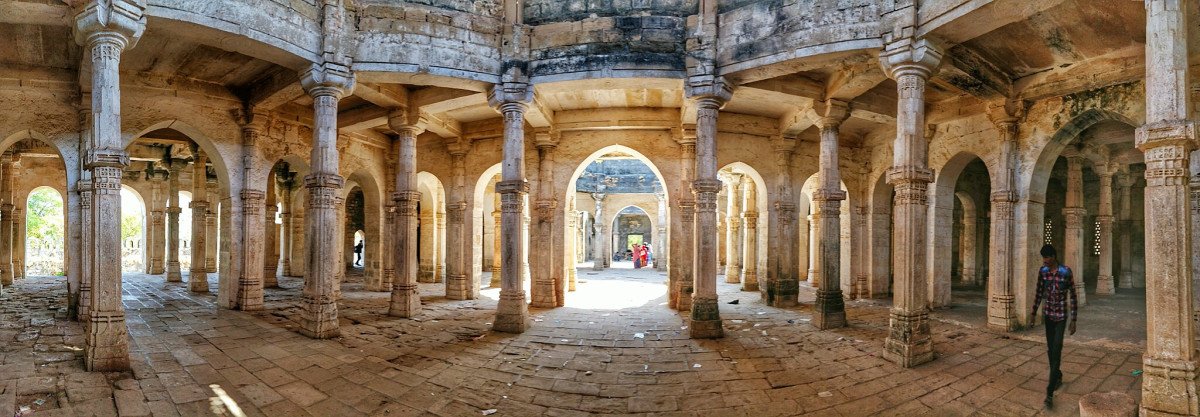
Buddhist Cave Interiors: The pillared halls of the ancient caves offer a cool, shadowy environment ideal for high-contrast and architectural detail shots, focusing on the simple, historical forms.Photo Gallery

Things To Do
-
Explore the Ancient Step-Wells: Climb down the spiral staircase of Navghan Kuwo and explore the circular Adi Kadi Vav, appreciating the complex rock-cutting and water management system – this is the main focus of a visit.
Walk the Ramparts: Stroll along the high fort walls to enjoy Panoramic Views of the modern Junagadh city and the majestic Girnar Hills in the distance, especially scenic during sunrise or sunset.
Visit the Buddhist Caves: Explore the two sets of rock-cut Buddhist Caves to see the unadorned monastic chambers, stone pillars, and simple water reservoirs dating back to the 1st–4th centuries AD.
Examine the Nilam Top Cannon: Stand next to the gigantic bronze cannon to appreciate its size and historical significance as a relic of 16th-century nava...
Information
-
Why Famous:
Longest Siege in History: Its legendary ability to withstand a 12-year siege makes it a symbol of Gujarati military endurance and resilience, earning it national recognition as an impregnable fortress.
Ancient Step-Wells: The two deep, rock-...Longest Siege in History: Its legendary ability to withstand a 12-year siege makes it a symbol of Gujarati military endurance and resilience, earning it national recognition as an impregnable fortress.
Ancient Step-Wells: The two deep, rock-cut step-wells, Adi Kadi Vav and Navghan Kuwo, are famous for their unique, ingenious architecture and historical legends (e. g. , the story of the slave girls Adi and Kadi), serving as a prime example of ancient water management engineering.
The Nilam Top Cannon: The presence of the massive 17-foot-long cannon, Nilam Top, a remnant of the battles between the Portuguese and the Ottoman Turks and Junagadh forces, is a major historical point of interest.
Fusion of Civilizations: The fort complex is a famous microcosm of Indian history, hosting structures from the Mauryan (caves), Chudasama (step-wells), and Islamic (mosque, later palace) eras all in one location, making it a unique archaeological treasure. -
Architecture:
Style and Materials: The fort is primarily constructed of granite and limestone masonry, characteristic of ancient Indian military architecture, but the structures within showcase a blend of styles: Indo-Saracenic for the mosque and palace remnants, and ancient Buddhist rock...Style and Materials: The fort is primarily constructed of granite and limestone masonry, characteristic of ancient Indian military architecture, but the structures within showcase a blend of styles: Indo-Saracenic for the mosque and palace remnants, and ancient Buddhist rock-cut architecture for the caves and step-wells.
Dimension and Defense: The ramparts are notably thick, reaching up to 20 meters in height in certain sections, designed to withstand protracted sieges. The main entrance features three ornate archways inset within each other, a complex defensive and aesthetic measure. The entire fort occupies a large footprint on the plateau, offering a comprehensive defensive perimeter.
Step-Well Engineering: The two major step-wells, Adi Kadi Vav (41 meters deep, circular, cut in the 15th century) and Navghan Kuvo (52 meters deep, almost 1000 years old), showcase ingenious ancient engineering. Navghan Kuvo features a magnificent, spiral staircase wrapping around the well shaft, a design for easy and secure water access during sieges.
Caves and Water Storage: The rock-cut Buddhist Caves demonstrate simple, early monastic architecture with pillared halls and unadorned cells, while the various water reservoirs and ponds within the fort walls highlight the critical infrastructure required for prolonged habitation and defense. -
How To Reach:
By Air: The closest airport is Rajkot Airport (RAJ) (approx. 103 KMs). Pre-paid taxis and state buses are available for the 2. 5-hour drive to Junagadh. Porbandar Airport is another alternative.
By Train: Junagadh Junction (JND) is well-c... -
Near Tourist Places:
1. Adi Kadi Vav & Navghan Kuwo (Inside the Fort) 2. Buddhist Caves (Inside the Fort) 3. Jama Masjid (Inside the Fort) 4. Shri Swaminarayan Mandir (1 KM) 5. Mahabat Maqbara (2 KMs) 6. Durbar Hall Museum (2. 5 KMs) 7. Edicts of Ashoka (3 KMs) 8. Sakkarbaug Zoo (3. 4 KMs) 9. Damodar Kund (4 KMs) 10. Girnar Hills (Approx. 5 KMs to the base)
Tourism Tips
-
Health & Safety: Wear sturdy, comfortable shoes as the pathways are uneven, and the steps to the step-wells are steep and mossy. Carry plenty of water, as the climb up to the fort entrance and walking inside can be exhausting.
Packing: A go...
Reviews
Information about New and Updated Locations(862+) of Gujarat Has Been Added :-
Card subtitle
Note:-
Information provided here in good Faith and for reference only.
All information and pictures will be updated soon, please keep visiting.
Near Places

Buddhist Caves
Some quick example text to build on the card title and make up the bulk of the card's content.
Go somewhere
Darbar Hall Museum
Some quick example text to build on the card title and make up the bulk of the card's content.
Go somewhere
Dattatreya Temple
Some quick example text to build on the card title and make up the bulk of the card's content.
Go somewhere
Girnar Hill
Some quick example text to build on the card title and make up the bulk of the card's content.
Go somewhere
Girnar Hills
Some quick example text to build on the card title and make up the bulk of the card's content.
Go somewhere
Jama Masjid
Some quick example text to build on the card title and make up the bulk of the card's content.
Go somewhere
Jatashankar Mahadev Temple
Some quick example text to build on the card title and make up the bulk of the card's content.
Go somewhere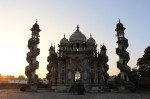
Mahabat Maqbara
Some quick example text to build on the card title and make up the bulk of the card's content.
Go somewhere
Moti Baug
Some quick example text to build on the card title and make up the bulk of the card's content.
Go somewhere
Narsinh Mehta Lake
Some quick example text to build on the card title and make up the bulk of the card's content.
Go somewherein Other Cities