Vishwa Shanti Stupa
General information
-
Ideal Duration:
1.
5-2 Hours (For Stupa and Museum/Tank):Place Type:
Pilgrimage Site/Historical Monument (Major TouristEntry Fees:
Entry is Free:Entry to the Vishwa Shanti Stupa is free for all visitors as a symbol of global peace. Visitors are only asked to respect the sanctity of the site.
Parking/Other Charges:Parking for vehicles, shoe-keeping services, and entrance...Entry is Free:Entry to the Vishwa Shanti Stupa is free for all visitors as a symbol of global peace. Visitors are only asked to respect the sanctity of the site.
Parking/Other Charges:Parking for vehicles, shoe-keeping services, and entrance to the adjacent Archaeological Museum (which is a different government entity) may have nominal fees. Fees for the Museum are fixed by the Archaeological Survey of India (ASI).
:Timing:
Regular Timings:Generally open from 6:00 AM to 6:00 PM daily, but the adjacent Museum usually follows 9:00 AM to 5:00 PM (Closed on Fridays). Confirm with local sources.
Ideal Visit Time:The best time of day is Sunrise (shortly after 6:00 AM...Regular Timings:Generally open from 6:00 AM to 6:00 PM daily, but the adjacent Museum usually follows 9:00 AM to 5:00 PM (Closed on Fridays). Confirm with local sources.
Ideal Visit Time:The best time of day is Sunrise (shortly after 6:00 AM) for a quiet, meditative atmosphere and the softest light, or the late Afternoon (4:00 PM - 6:00 PM) for sunset colors.
:Special Events:
Buddha's Birth/Parinirvana Anniversaries:Major festivals include Buddha Purnima (Vaisakh Purnima) and the anniversary of Buddha's Mahaparinirvana, drawing thousands of pilgrims, foreign tourists, and hosting special prayers and sermons.
Peace Pag...Buddha's Birth/Parinirvana Anniversaries:Major festivals include Buddha Purnima (Vaisakh Purnima) and the anniversary of Buddha's Mahaparinirvana, drawing thousands of pilgrims, foreign tourists, and hosting special prayers and sermons.
Peace Pagoda Anniversaries:The annual anniversary of the Stupa's construction is celebrated with ceremonies organized by the Nipponzan Myohoji order, featuring peace rallies and cultural programs.
:Best Photo Spots:
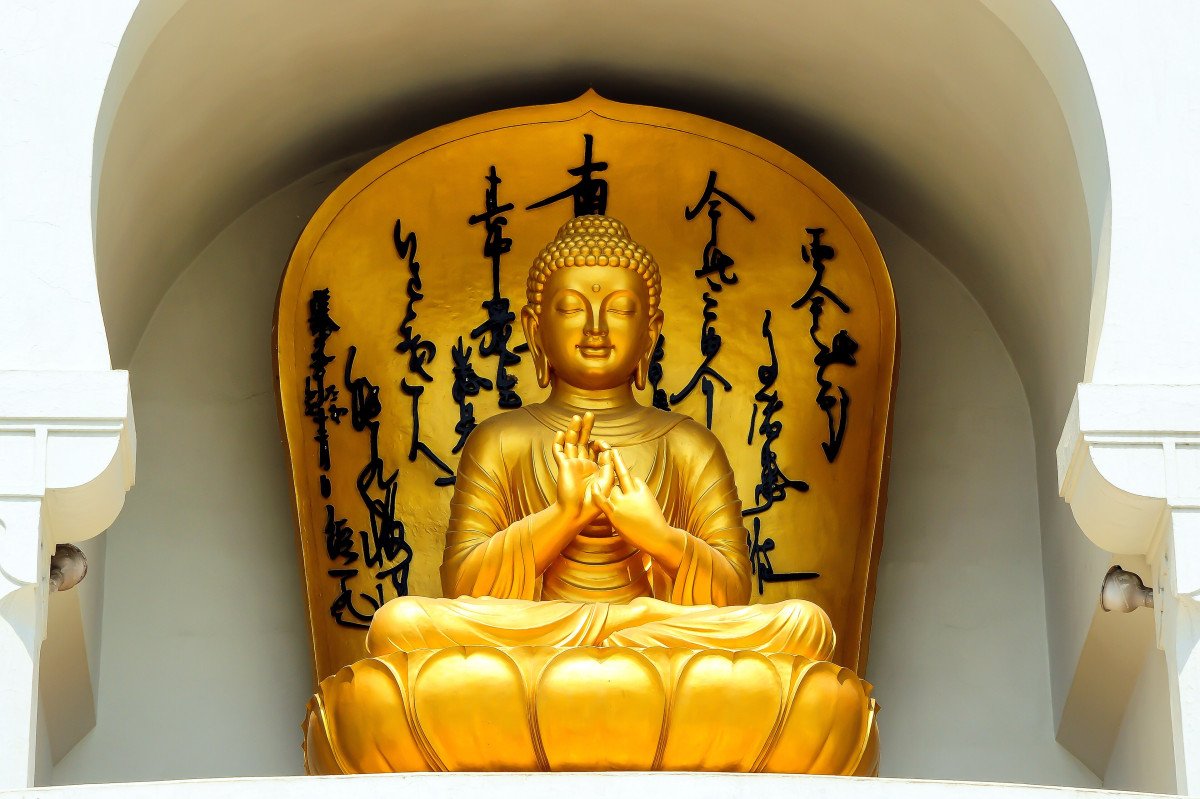
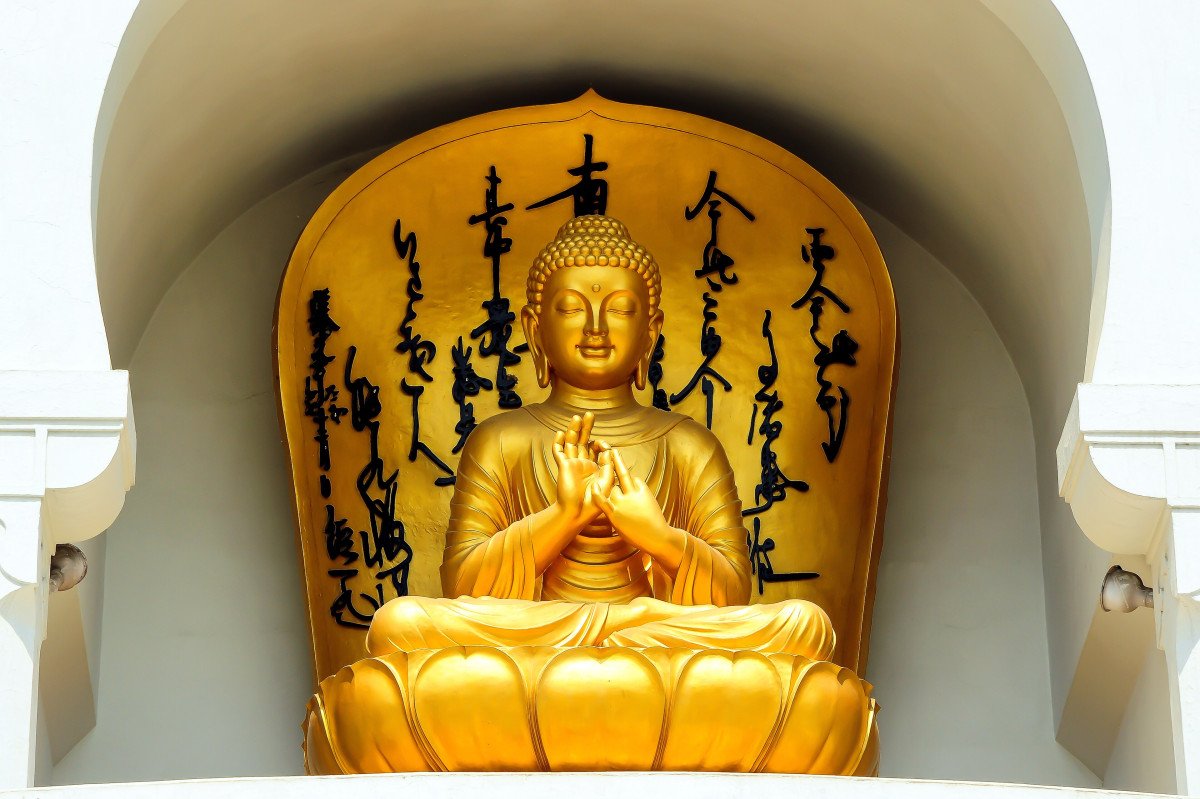
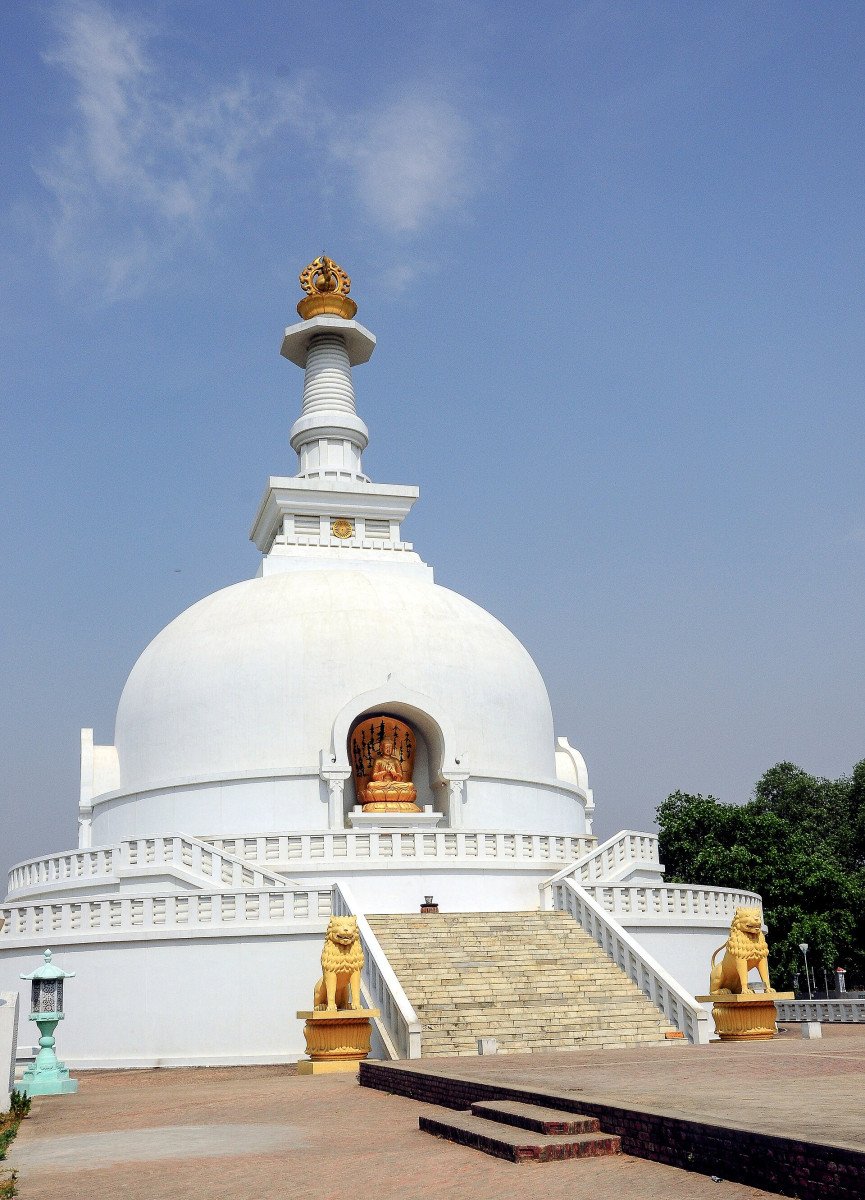
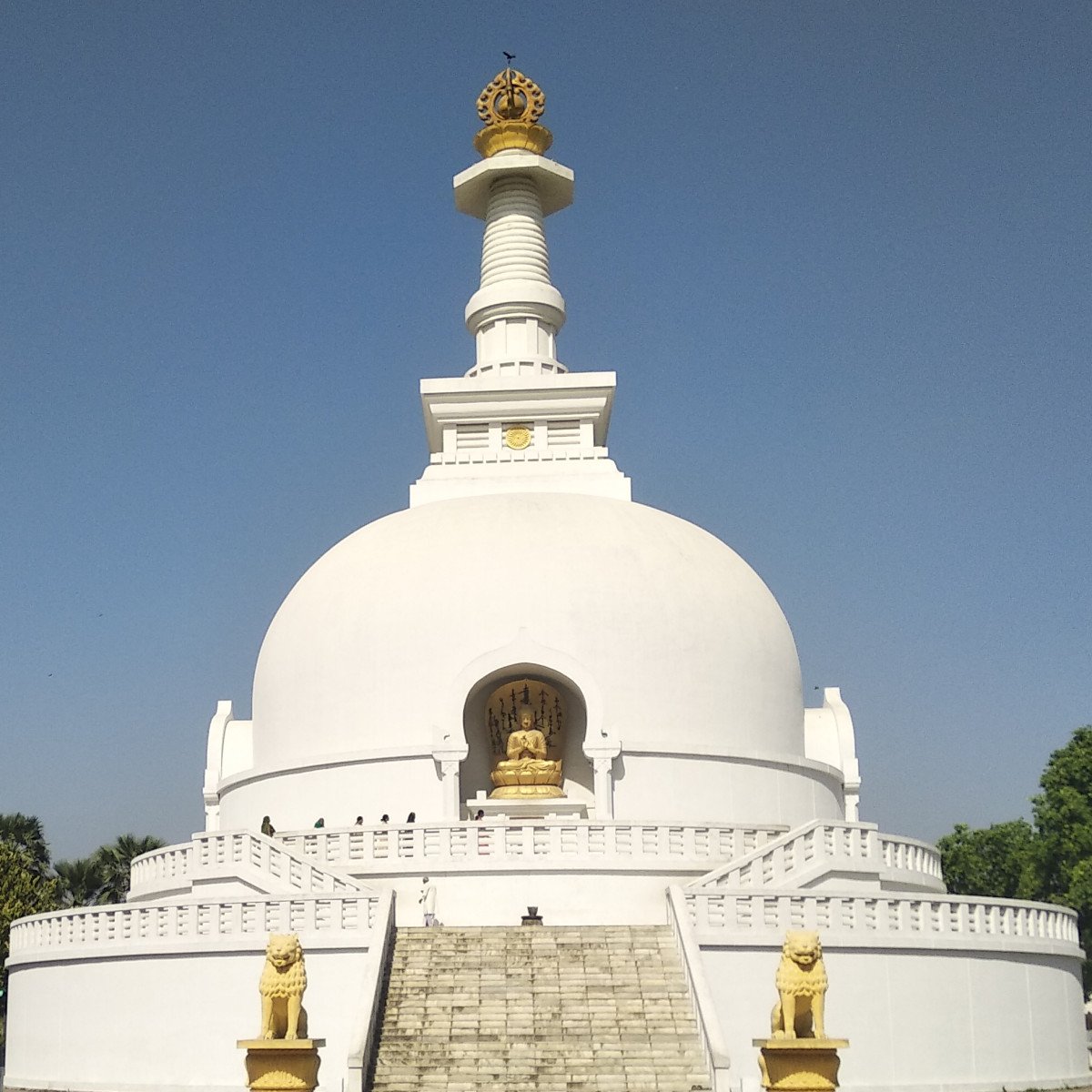
The Golden Buddha Statues:Close-up shots of the four golden Buddha statues, especially with a shallow depth of field, are excellent for detailed photography.
Reflections in the Coronation Tank:The sight of the white Stupa and the surrounding ...The Golden Buddha Statues:Close-up shots of the four golden Buddha statues, especially with a shallow depth of field, are excellent for detailed photography.
Reflections in the Coronation Tank:The sight of the white Stupa and the surrounding greenery reflected in the waters of the Abhishek Pushkarni (especially early morning) is a classic and peaceful shot.
:Photo Gallery
Things To Do
-
Climbing for Panoramic Views:Climb the steps of the stupa's base to get a panoramic view of the surrounding landscape, including the Coronation Tank and the expansive green fields of Vaishali, which is ideal for quiet reflection.
Meditation and Reflection:Spend time in quiet contemplation near the stupa, benefiting from the serene, spiritual ambiance deliberately fostered by the Japanese Buddhist order. This is the primary activity for most spiritual visitors.
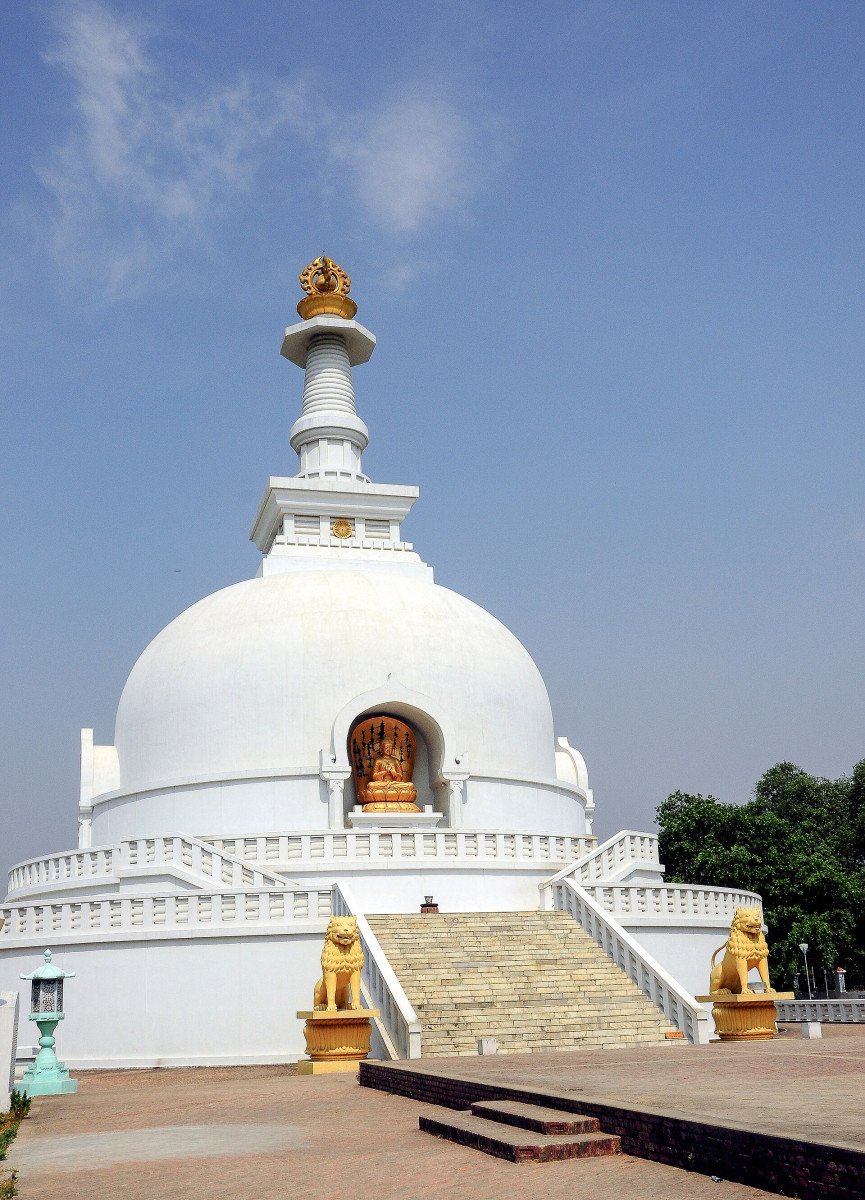
Photography:Capture the stunning white marble structure against the sky, especially during sunrise or sunset, and the four golden Buddha statues. The architectural contrast with the nearby ancient Ashoka Pillar is a popular subject.
Visiting the Museum:Dedicate time to the Archaeological Museum to view the e...Climbing for Panoramic Views:Climb the steps of the stupa's base to get a panoramic view of the surrounding landscape, including the Coronation Tank and the expansive green fields of Vaishali, which is ideal for quiet reflection.
Meditation and Reflection:Spend time in quiet contemplation near the stupa, benefiting from the serene, spiritual ambiance deliberately fostered by the Japanese Buddhist order. This is the primary activity for most spiritual visitors.
Photography:Capture the stunning white marble structure against the sky, especially during sunrise or sunset, and the four golden Buddha statues. The architectural contrast with the nearby ancient Ashoka Pillar is a popular subject.
Visiting the Museum:Dedicate time to the Archaeological Museum to view the excavated artifacts, which provide deep historical context to the significance of Vaishali as an ancient metropolis.
Circumambulation (Parikrama):Perform a parikrama (ritual circumambulation) around the stupa, a traditional Buddhist act of reverence, walking clockwise around the monument while meditating or chanting.
Boating on the Pond:Enjoy a leisure boat ride on the adjacent pond (if available and operational), offering a different perspective of the Stupa from the water.
Exploring Local Monasteries:Interact with the monks or staff at the nearby Japanese and other foreign monasteries (if access is permitted) to learn about their efforts to promote peace and Buddhist philosophy.
:
Information
-
Why Famous:
Symbol of World Peace:It is globally famous as a Peace Pagoda (Shanti Stupa) and a universal symbol of harmony and non-violence, attracting non-Buddhist visitors interested in peace and spirituality.
Buddhist Pilgrimage:It is a crucial stop o...Symbol of World Peace:It is globally famous as a Peace Pagoda (Shanti Stupa) and a universal symbol of harmony and non-violence, attracting non-Buddhist visitors interested in peace and spirituality.
Buddhist Pilgrimage:It is a crucial stop on the Buddhist pilgrimage circuit in India, marking the place where Buddha announced his final departure from the earthly world, drawing pilgrims from Japan, Sri Lanka, and other Asian countries.
: -
Architecture:
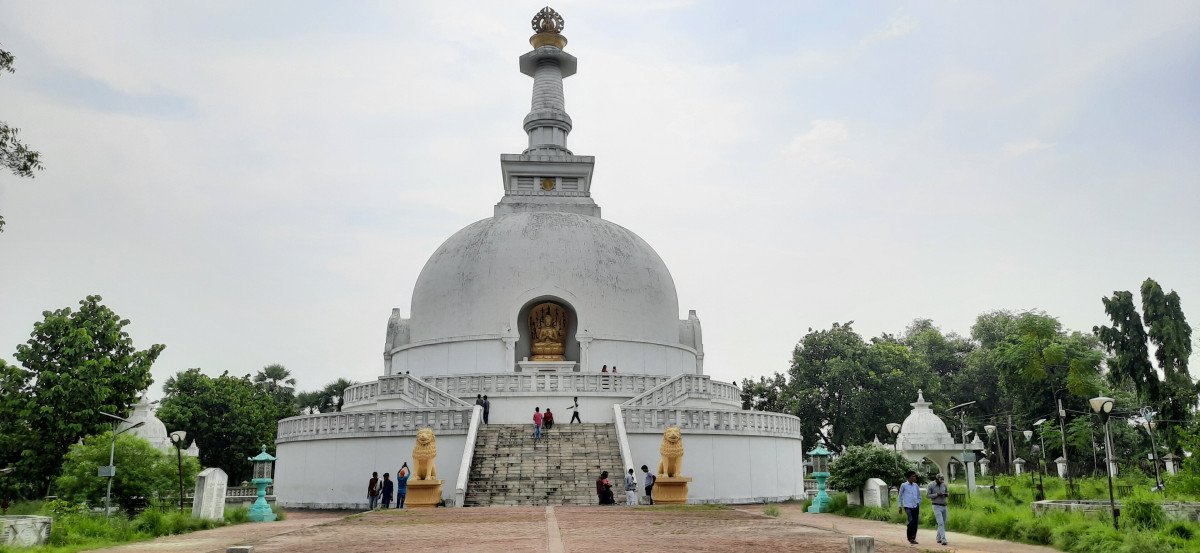
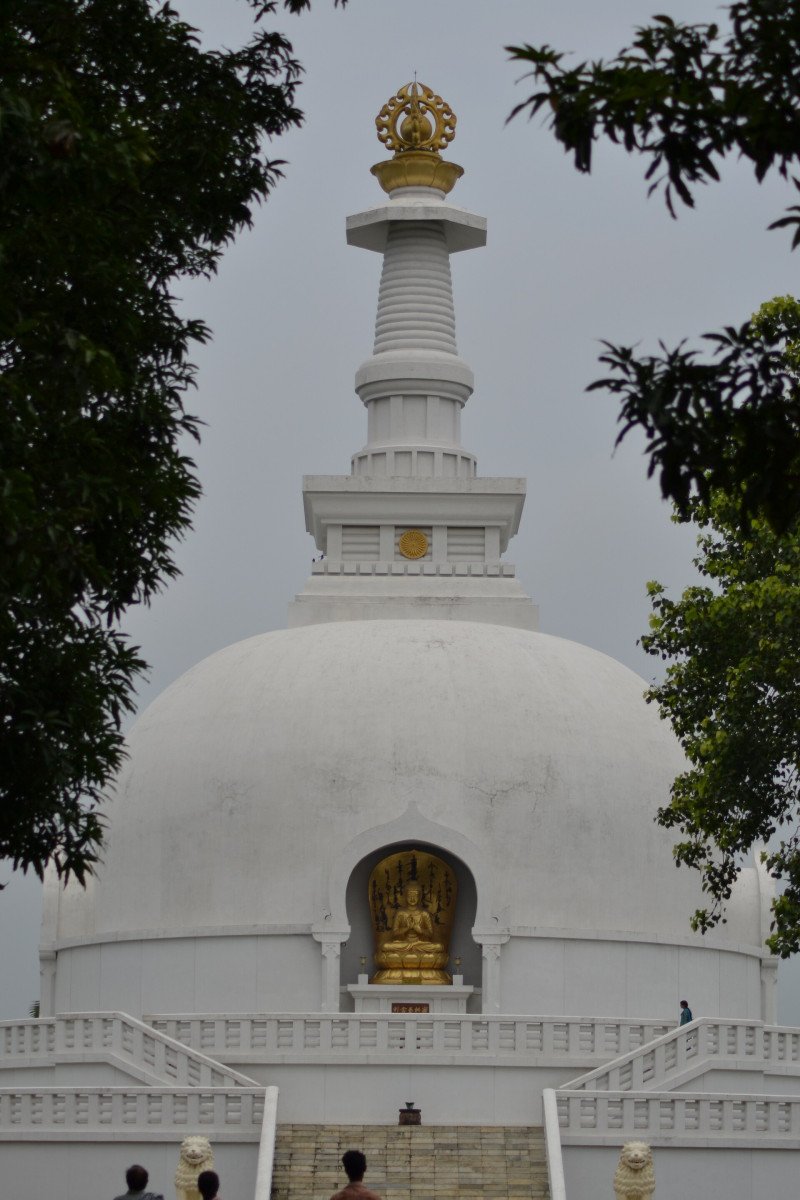
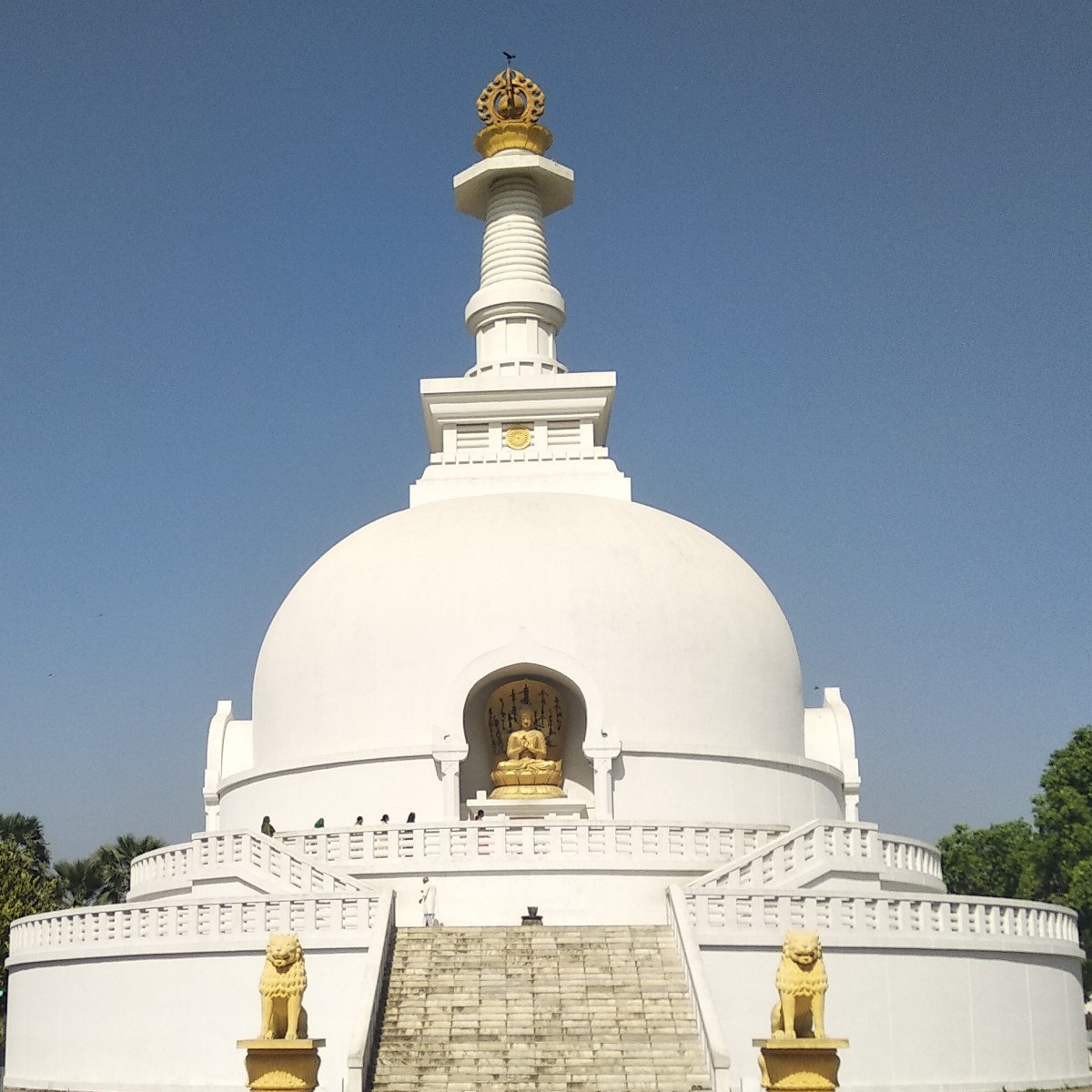
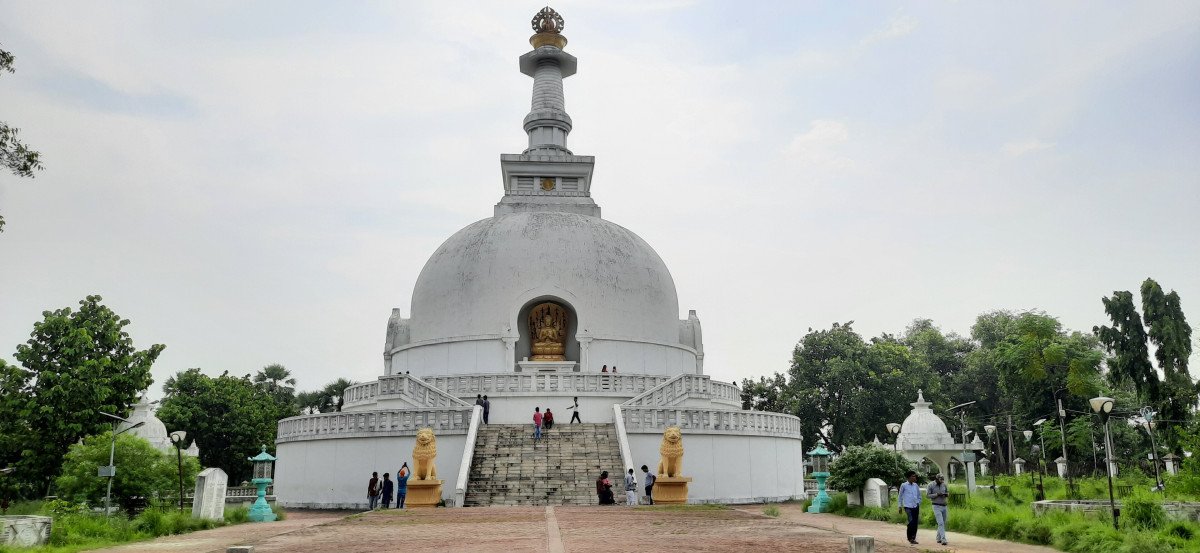
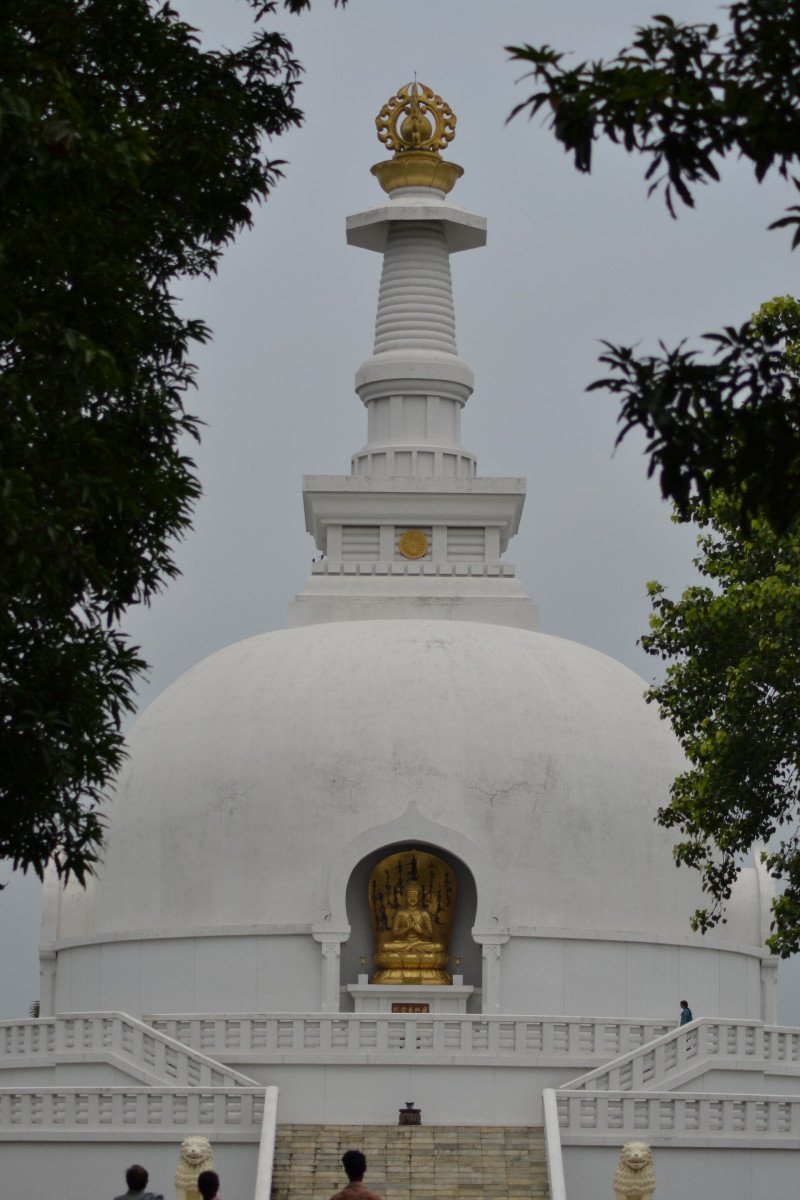
Japanese Peace Pagoda Style:The architecture is distinctly of the Japanese Peace Pagoda style, which is a modern, simple, and elegant design, primarily characterized by its towering, hemispherical or dome-like structure built on a flat, circular base. Unlike the older India...Japanese Peace Pagoda Style:The architecture is distinctly of the Japanese Peace Pagoda style, which is a modern, simple, and elegant design, primarily characterized by its towering, hemispherical or dome-like structure built on a flat, circular base. Unlike the older Indian stupas (like Sanchi), which are often earthen mounds, the Vishwa Shanti Stupa is constructed of white marble or stone, symbolizing purity and peace.
Dimensions and Features:The Stupa stands approximately 38 meters (125 feet) high, with the main dome having a diameter of about 20 meters. The structure is built on a high plinth that visitors can climb via staircases. Around the base of the dome, there are four alcoves housing the golden statues of the Buddha in various mudras (postures). The overall compound, including the surrounding park and lake, occupies a considerable area. The entire structure is meticulously maintained, and its bright white color contrasts beautifully with the blue sky and green surroundings. The design’s simplicity maximizes its visual impact and spiritual ambiance.
: -
How To Reach:
By Air:The nearest airport is Patna (PAT), 60-70 KMs away. From the airport, a taxi can be hired directly to the Stupa. The drive takes around 2-3 hours depending on traffic over the Ganga river bridge.
By Train:The nearest station is Hajip...By Air:The nearest airport is Patna (PAT), 60-70 KMs away. From the airport, a taxi can be hired directly to the Stupa. The drive takes around 2-3 hours depending on traffic over the Ganga river bridge.
By Train:The nearest station is Hajipur Junction (HJP), 35-40 KMs away. From Hajipur, hire a private taxi or take a shared auto-rickshaw (tempo) which runs frequently on the route to Vaishali village.
By Road:The Stupa is well-signposted near Vaishali village. It is connected by good district roads to the main National Highways. State-run and private buses connect Patna, Muzaffarpur, and Hajipur to Vaishali.
By Local Transport:The Stupa is a short distance from the main Vaishali junction. Shared auto-rickshaws (tempos) or cycle-rickshaws are the most common and economical way to reach the Stupa from other local sites.
: -
Weather and Best Time to Visit:
Season and Day Parts:The best season is Winter (November to February) when the weather is ideal for spending time outdoors. The Monsoon (July to September) brings greenery but also high humidity and rain. Avoid Summer (April to June).
Best Part...Season and Day Parts:The best season is Winter (November to February) when the weather is ideal for spending time outdoors. The Monsoon (July to September) brings greenery but also high humidity and rain. Avoid Summer (April to June).
Best Part of the Day:The early Morning is the most serene and spiritually rewarding, ideal for meditation and photography. The late Afternoon is pleasant for a visit and a leisurely walk around the complex.
: -
Near Tourist Places:
Buddha Relic Stupa (0. 5 KM), Ashoka Pillar (1. 5 KM), Coronation Tank (Abhishek Pushkarni) (0. 2 KM - very close), Archaeological Museum (0. 2 KM - very close), Raja Vishal ka Garh (2. 5 KM), Kundalpur (Birthplace of Lord Mahavira) (3 KM), Bawan Pokhar Temple (1. 5 KM), Vaishali BDO Office (3 KM), Hajipur (District HQ) (35 KM), Patna (Capital City) (65 KM)
Tourism Tips
-
Health & safety:Respect the religious sanctity of the site by covering your shoulders and knees. Remove footwear before climbing the stupa platform. Be aware of monkeys in the area and avoid feeding them.
Packing:Carry sunglasses, a hat, an...Health & safety:Respect the religious sanctity of the site by covering your shoulders and knees. Remove footwear before climbing the stupa platform. Be aware of monkeys in the area and avoid feeding them.
Packing:Carry sunglasses, a hat, and sunscreen, as the white marble can be highly reflective. Bring a camera and binoculars for better views of the surrounding landscape.
Accommodation:Stay in Patna for high-quality hotels or in Hajipur for more budget options. Local guesthouses near the Stupa are basic. Book in advance during peak season.
Other Topics:The site is a place of peace; maintain silence and avoid loud conversations. Always ask for permission before taking photographs of monks or local people.
:
Reviews
FAQs
Vaishali Itineray And Cost:-
Vishwa Shanti Stupa Tourism:-
Other Places In Vaishali :-
Other States In India :-
Information about New and Updated Locations() of Bihar Has Been Added :-
Card subtitle
Note:-
Information provided here in good Faith and for reference only.
Near Places

Abhishek Pushkarn
Some quick example text to build on the card title and make up the bulk of the card's content.
Go somewhere
Ananda Stupa Site
Some quick example text to build on the card title and make up the bulk of the card's content.
Go somewhere
Ashoka Pillar
Some quick example text to build on the card title and make up the bulk of the card's content.
Go somewhere
Baba Bateshwarnath Temple
Some quick example text to build on the card title and make up the bulk of the card's content.
Go somewhere
Baithakji Hajipur
Some quick example text to build on the card title and make up the bulk of the card's content.
Go somewhere
Baraila Lake
Some quick example text to build on the card title and make up the bulk of the card's content.
Go somewhere
Bawan Pokhar Temple
Some quick example text to build on the card title and make up the bulk of the card's content.
Go somewhere
Buddh Stupa-II
Some quick example text to build on the card title and make up the bulk of the card's content.
Go somewhere
Buddha Relic Stupa
Some quick example text to build on the card title and make up the bulk of the card's content.
Go somewhere
Budhi Mai Temple
Some quick example text to build on the card title and make up the bulk of the card's content.
Go somewhere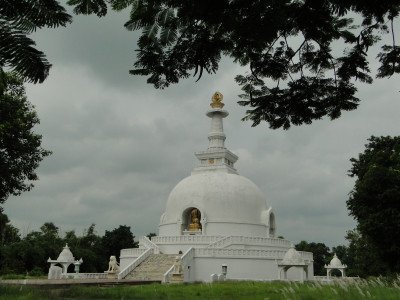
Chaturbhuj Temple
Some quick example text to build on the card title and make up the bulk of the card's content.
Go somewhere
Chaumukhi Mahadev Temple
Some quick example text to build on the card title and make up the bulk of the card's content.
Go somewhere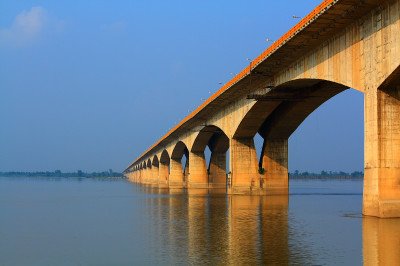
Gandhi Setu Bridge
Some quick example text to build on the card title and make up the bulk of the card's content.
Go somewhere
Govindpur Singhara Shaktipeeth
Some quick example text to build on the card title and make up the bulk of the card's content.
Go somewhere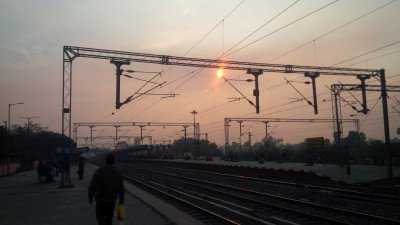
Hajipur Junction Railway Station
Some quick example text to build on the card title and make up the bulk of the card's content.
Go somewhere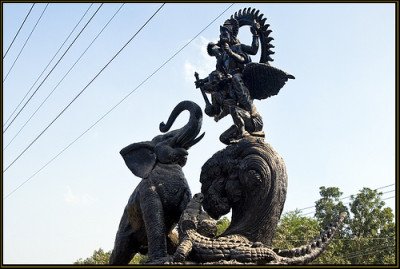
Kaunhara Ghat
Some quick example text to build on the card title and make up the bulk of the card's content.
Go somewherein Other Cities