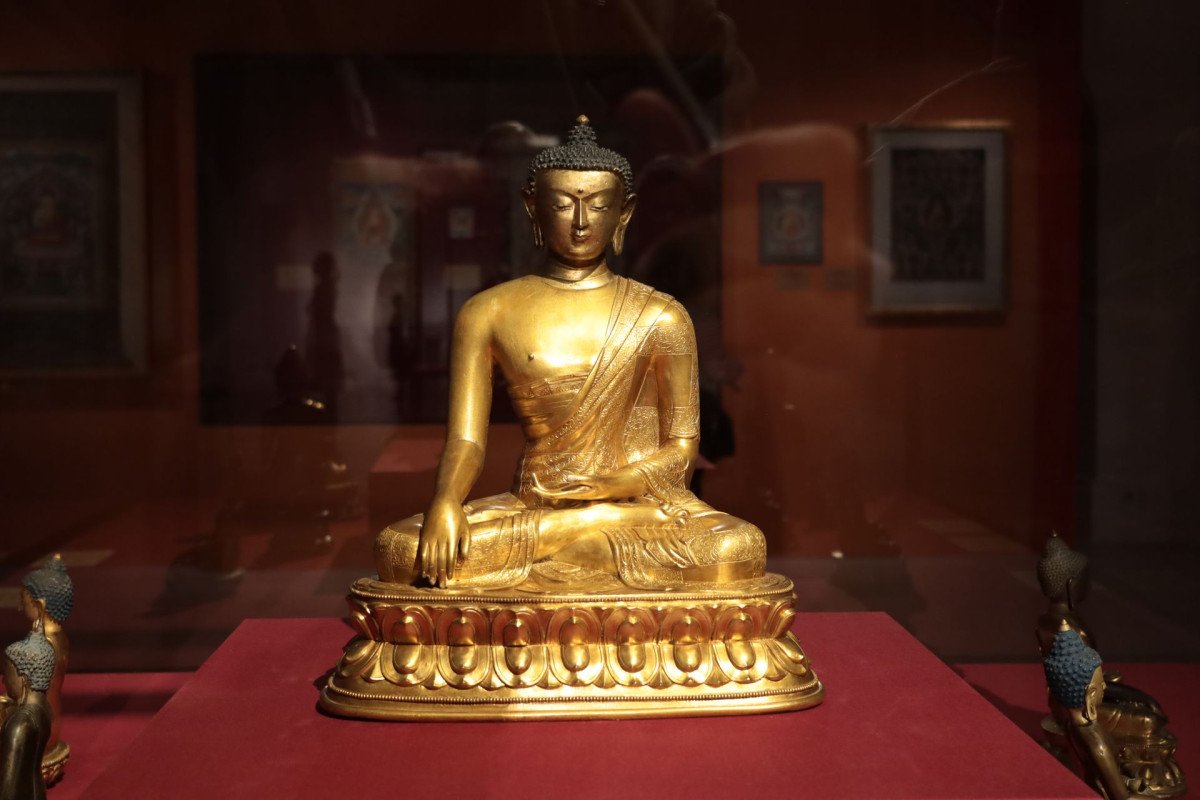
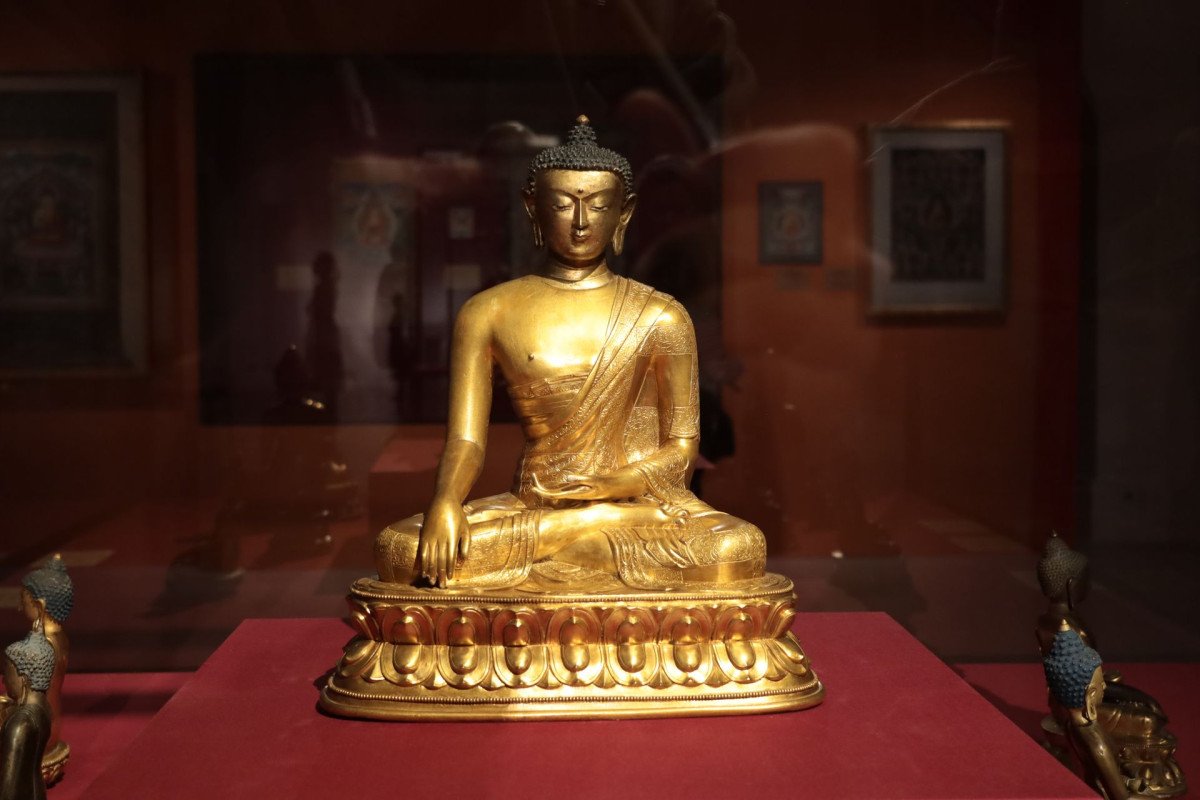
Anthropological Museum Of Indigenous Peoples
General information
-
Ideal Duration:
2 to 3 hoursPlace Type:
Museum, Educational, CulturalEntry Fees:
Nominal or Free Entry:: Being an academic museum run by a government university department, the entry fee is typically very nominal for general visitors or may even be entirely free, especially for students and university staff. The low cost is intended to encourage educati...Nominal or Free Entry:: Being an academic museum run by a government university department, the entry fee is typically very nominal for general visitors or may even be entirely free, especially for students and university staff. The low cost is intended to encourage educational visits and research access for the community. This policy ensures that the rich cultural heritage remains accessible to all economic groups.
Separate Fee Structure for International Visitors:: In some university museums in India, there might be a small, non-discriminatory, separate fee structure for foreign tourists compared to domestic visitors. This is a common practice at government-run institutions, though the amount remains minimal, usually below 100 Indian Rupees.
No Photography/Videography Fees:: Generally, basic photography with a mobile phone or handheld camera is permitted without an extra charge. However, visitors must always check for rules, as commercial photography or the use of tripods/professional equipment may require a special permit and an associated fee to protect the collections from damage or misuse.Timing:
Regular Timings:: The museum generally follows the working hours of the Dibrugarh University's Department of Anthropology, typically open from 10:00 AM to 4:00 PM on weekdays (Monday to Friday). It is usually closed on Saturdays, Sundays, and all major public/university hol...Regular Timings:: The museum generally follows the working hours of the Dibrugarh University's Department of Anthropology, typically open from 10:00 AM to 4:00 PM on weekdays (Monday to Friday). It is usually closed on Saturdays, Sundays, and all major public/university holidays. It's crucial to confirm the precise working days and hours with the university or the department before planning a visit, especially during academic breaks.
Ideal Visit Time:: The ideal time to visit is during the mid-morning (around 10:30 AM to 1:00 PM) on a Tuesday, Wednesday, or Thursday. This avoids the potential rush of students on a Monday morning and the early closure on a Friday. Visiting on a weekday morning ensures that the museum staff are present and available for any quick questions, and the natural lighting is usually best for viewing the displays.Special Events:
World Anthropology Day Celebrations:: The Department of Anthropology often celebrates World Anthropology Day (usually in February) with special events. This can include public talks by eminent anthropologists, cultural performances by indigenous groups, film screenings on t...World Anthropology Day Celebrations:: The Department of Anthropology often celebrates World Anthropology Day (usually in February) with special events. This can include public talks by eminent anthropologists, cultural performances by indigenous groups, film screenings on tribal life, and temporary exhibitions featuring student research or new acquisitions. These events offer a highly engaging, one-off experience for the public.
Seminars and Workshops:: As a university department, the museum is frequently associated with academic seminars, national, and international workshops focused on Northeast India's anthropology, archaeology, and ethnography. While primarily for academics, some sessions are open to the public, providing access to cutting-edge research and scholarly discussions about the regions and the artifacts.Best Photo Spots:
The Diorama Exhibits:: The life-sized cultural dioramas are arguably the best spots for photography. Capturing the detailed figures, the miniature houses, and the simulated natural environment provides highly illustrative and engaging pictures that convey the essence of tri...The Diorama Exhibits:: The life-sized cultural dioramas are arguably the best spots for photography. Capturing the detailed figures, the miniature houses, and the simulated natural environment provides highly illustrative and engaging pictures that convey the essence of tribal life. Use soft, indirect light for the best results, as the interiors can be a bit dim.
The Traditional Attire Section:: Focus on the display cases featuring the vibrant and complex traditional dresses, headgear, and ornaments of different tribes. The rich colors and intricate weaving patterns of the textiles make for stunning, detailed photographs. A close-up shot of a particular motif can be very impactful.
Entrance Plaque/Signage:: The official signboard or plaque at the museum's entrance, often with the university building in the background, serves as the essential "I was here" photo. This clearly establishes the location and the academic context of your visit for your travel memories.Photo Gallery
Things To Do
-
Detailed Exploration of Tribal Sections:: Dedicate ample time to each section. Do not rush through the exhibits. Start by focusing on the major tribal displays, like those for the Bodo or Dimasa, and compare their distinct material cultures. Look closely at the differences in weaving patterns, house construction models, and agricultural tools to appreciate the region’s vast cultural landscape.
Study Traditional Textiles and Weaving:: The collection of traditional textiles is particularly rich. Observe the natural dyes, motifs, and weaving techniques used by various communities. Try to identify the symbolic meaning behind the patterns, as they often tell stories of the tribe's history, mythology, or natural surroundings. This is a profound way to connect with the artistic and historical skills of the indigenous women.
...Detailed Exploration of Tribal Sections:: Dedicate ample time to each section. Do not rush through the exhibits. Start by focusing on the major tribal displays, like those for the Bodo or Dimasa, and compare their distinct material cultures. Look closely at the differences in weaving patterns, house construction models, and agricultural tools to appreciate the region’s vast cultural landscape.
Study Traditional Textiles and Weaving:: The collection of traditional textiles is particularly rich. Observe the natural dyes, motifs, and weaving techniques used by various communities. Try to identify the symbolic meaning behind the patterns, as they often tell stories of the tribe's history, mythology, or natural surroundings. This is a profound way to connect with the artistic and historical skills of the indigenous women.
Analyze Musical Instruments:: Spend time examining the indigenous musical instruments on display. Imagine the sounds and rhythms of tribal festivals and rituals they were used for. The museum may have different types of drums, wind instruments (like flutes), and string instruments. Understanding the music helps in grasping the celebratory and spiritual aspects of tribal life.
Engage with Academic Staff (If Possible):: Since the museum is within the university, there might be opportunities (on weekdays and by prior arrangement) to briefly interact with an anthropology student or faculty member. Their insights can provide a deeper, academic perspective on the artifacts and the tribes, far beyond what the display labels offer.
Photography (Check Rules First): If photography is allowed, capture the intricate details of the artifacts and the compelling scenes depicted in the dioramas. These photographs will serve as valuable records of the visit and the unique cultural forms of Northeast India.
Visit the University Campus:: Take a short walk around the Dibrugarh University campus after your museum visit. The campus environment is peaceful and intellectually stimulating, offering a glimpse into the academic life of Upper Assam.
Review Research Publications:: Check if the museum or the department has a small shop or display area for their publications on Northeast culture and anthropology. Purchasing a book or monograph can extend the learning experience long after the visit is over.
Reflect on Cultural Preservation:: Use the visit as a moment to reflect on the importance of cultural preservation and the challenges faced by indigenous communities in maintaining their traditions in the modern world. The museum is a living testament to their enduring heritage.
Information
-
Why Famous:
Showcase of Northeastern Tribes:: The museum is famous for being one of the few places in Assam that specifically dedicates its entire collection to the indigenous people of the Northeast. It provides a rare, consolidated glimpse into the distinct cultures, customs, and cra...Showcase of Northeastern Tribes:: The museum is famous for being one of the few places in Assam that specifically dedicates its entire collection to the indigenous people of the Northeast. It provides a rare, consolidated glimpse into the distinct cultures, customs, and craftsmanship of multiple tribes, including those less frequently covered by mainstream tourism. This focus makes it a specialized and highly respected resource for anthropological studies and cultural enthusiasts.
Association with Dibrugarh University:: Its location within the respected Dibrugarh University campus lends it academic credibility and prestige. It is not just a general tourist spot but a serious center for research, which enhances the quality and authenticity of its exhibits. Students and researchers from all over India and abroad visit the museum, drawn by its scholarly environment and well-documented collections. This association elevates its status as a cultural landmark. -
Architecture:
Curatorial Style and Display:: The museum's architecture follows a functional, academic approach, typical of a university department's facility. It is generally a well-structured indoor space designed to maximize the display and preservation of delicate artifacts. The disp...Curatorial Style and Display:: The museum's architecture follows a functional, academic approach, typical of a university department's facility. It is generally a well-structured indoor space designed to maximize the display and preservation of delicate artifacts. The display areas utilize modern curatorial techniques, including glass cases, proper lighting, and informative panels to present the collections. The internal layout is organized to guide visitors through different thematic sections, often dedicated to specific tribes or aspects of tribal life, such as economic activities, social rituals, or traditional attire. The architecture prioritizes the educational mission, ensuring clear visibility and access to detailed information.
Dimension of Collection Space:: While exact building dimensions are not publicly specified, the space is substantial enough to accommodate a rich collection of around 620 artifacts, based on past documentation. The collection spans various sizes, from small items of jewellery and household tools to larger cultural objects like traditional costumes and musical instruments, requiring diverse display arrangements. Dioramas, which are often life-sized or near life-sized depictions of tribal settings (e. g. , houses, ritual scenes), occupy considerable floor space, demonstrating the scale of the ethnographic effort. The facility likely includes storage and conservation labs, extending beyond the public viewing galleries to protect the valuable heritage. -
How To Reach:
By Air:: The nearest airport is Dibrugarh Airport (DIB), also known as Mohanbari Airport, located approximately 15-20 KMS from the university campus where the museum is situated. Direct flights are available from major cities like Guwahati, Kolkata, and Delhi. From the air...By Air:: The nearest airport is Dibrugarh Airport (DIB), also known as Mohanbari Airport, located approximately 15-20 KMS from the university campus where the museum is situated. Direct flights are available from major cities like Guwahati, Kolkata, and Delhi. From the airport, one can easily hire a pre-paid taxi or a radio cab directly to the Dibrugarh University campus. The drive usually takes about 30 to 45 minutes, depending on traffic conditions.
By Train:: The major railway station is Dibrugarh Railway Station (DBRG), and New Tinsukia Junction (NTSK) is another important nearby hub. Dibrugarh station is well-connected to the rest of India with long-distance trains. From the station, the university campus is about 6-8 KMS away. Taxis, auto-rickshaws, and e-rickshaws are readily available outside the station for a comfortable ride to the museum.
By Road:: Dibrugarh is well-connected by National Highway 15 (NH 15) and other state highways. Regular inter-city buses from cities like Guwahati, Jorhat, and Tinsukia arrive at the ASTC Bus Stand near Thana Chariali, which is about 5. 5 KMS from the University. For those driving, the university campus is a well-known landmark and is easily navigated using GPS.
By Local Transport:: Once in the city, the most convenient local transport to reach the university is a shared or hired auto-rickshaw (often called a 'tuk-tuk') or an e-rickshaw. These are abundant near the main marketplaces and the railway station. Alternatively, local city buses might ply a route that passes the university gate, but for tourists, a direct auto or cab is more straightforward. -
Weather and Best Time to Visit:
During the Winter Season:: The absolute best time to visit Dibrugarh and the museum is from October to March. The weather during this period is cool, dry, and very pleasant, with daytime temperatures ranging from 10°C to 25°C. This comfortable climate makes traveling aro...During the Winter Season:: The absolute best time to visit Dibrugarh and the museum is from October to March. The weather during this period is cool, dry, and very pleasant, with daytime temperatures ranging from 10°C to 25°C. This comfortable climate makes traveling around the city, and spending time inside the museum, highly enjoyable.
During the Day - Mid-Morning:: The ideal part of the day to visit the museum is between 10:30 AM and 1:00 PM. This timeframe provides the best light for viewing the indoor exhibits and ensures a fresh, focused mind for absorbing the detailed anthropological information. The university environment is also typically calm and focused during these mid-day academic hours.
Avoiding the Monsoon:: While the museum is an indoor attraction, the Monsoon Season (June to September) brings heavy rainfall to Assam. This can severely disrupt travel plans, make local commuting difficult, and lead to high humidity, making the experience less comfortable. -
Near Tourist Places:
Dibrugarh Phoolbagan Ferry Ghat (Approx.
8 KMS): A picturesque spot on the Brahmaputra river. Thana Chariali (Approx. 5.
5 KMS): A central marketplace and business hub. Dibru-Saikhowa National Park (Approx.
50 KMS): Famous for feral horses and migratory birds. Jokai Botanical Garden cum Germplasm Collection Centre (Approx.
12 KMS): Ideal for nature lovers. Radhakrishna Temple (Approx.
6 KMS): A prominent local Hindu temple. Khanikar Tea Estate (Approx.
10 KMS): For a glimpse into the region's famous tea culture. Lekai Chetia Maidam (Approx.
12 KMS): An Ahom-era historical burial mound. Kareng Ghar (Sivasagar) (Approx.
80 KMS): A historic royal palace (a slightly longer trip). Assam Medical College Museum (Approx.
8 KMS): Another local museum. Shri Jagannath Temple, Dibrugarh (Approx.
10 KMS): A modern temple complex.
Tourism Tips
-
Health & Safety:: Maintain a respectful distance from the exhibits to prevent accidental damage, as many artifacts are old and fragile. Carry a small bottle of water and perhaps a light jacket, as indoor temperatures can vary. In the university campus, be mindful of studen...Health & Safety:: Maintain a respectful distance from the exhibits to prevent accidental damage, as many artifacts are old and fragile. Carry a small bottle of water and perhaps a light jacket, as indoor temperatures can vary. In the university campus, be mindful of students and their academic spaces.
Packing Essentials:: Since the museum is an indoor, educational venue, carry a small notebook and pen for jotting down notes about specific tribes or artifacts that interest you. A good pair of comfortable walking shoes is recommended for exploring the large university campus.
Accommodation Near the University:: For convenience, consider staying in hotels or guesthouses located along the main road leading to the university campus or in the nearby areas of Convoy Road or Khalihamari. Dibrugarh also has several good mid-range and luxury hotels near the main city center, which is a short ride away.
Respecting Academic Protocol:: Remember that the museum is primarily an academic facility. Dress modestly and speak quietly inside the display halls to respect the learning environment of the students and researchers who also use the space. Do not attempt to touch any artifact unless explicitly permitted.
Reviews
FAQs
Dibrugarh Itineray And Cost:-
Anthropological Museum Of Indigenous Peoples Tourism:-
Information about New and Updated Locations() of Assam Has Been Added :-
Card subtitle
Note:-
Information provided here in good Faith and for reference only.
All information and pictures will be updated soon, please keep visiting.
Near Places
Anthropological Museum Of Indigenous Peoples
Some quick example text to build on the card title and make up the bulk of the card's content.
Go somewhere
Barbarua Maidam
Some quick example text to build on the card title and make up the bulk of the card's content.
Go somewhere
Bogibeel Bridge
Some quick example text to build on the card title and make up the bulk of the card's content.
Go somewhere
Brahmaputra Riverfront
Some quick example text to build on the card title and make up the bulk of the card's content.
Go somewhere
Dehing Namti Satra
Some quick example text to build on the card title and make up the bulk of the card's content.
Go somewhere
Dibrugarh Phoolbagan Ferry Ghat
Some quick example text to build on the card title and make up the bulk of the card's content.
Go somewhere
Dinjoy Satra
Some quick example text to build on the card title and make up the bulk of the card's content.
Go somewhere
Jokai Botanical Garden
Some quick example text to build on the card title and make up the bulk of the card's content.
Go somewhere
Lekai Chetia Maidam
Some quick example text to build on the card title and make up the bulk of the card's content.
Go somewhere
Mancotta Tea Estate
Some quick example text to build on the card title and make up the bulk of the card's content.
Go somewherein Other Cities