Mancotta Tea Estate
General information
-
Ideal Duration:
4 to 6 hours for a day visit and factory tour, or an overnight stay for a complete experience.Place Type:
Tea Tourism, Heritage Stay, Nature & LandscapeEntry Fees:
General Estate Entry: The Mancotta Tea Estate itself, as a working plantation, generally does not charge a separate, standard 'entry fee' for casual visitors driving through the main road. However, access to the core areas of the estate, including the factory and the herita...General Estate Entry: The Mancotta Tea Estate itself, as a working plantation, generally does not charge a separate, standard 'entry fee' for casual visitors driving through the main road. However, access to the core areas of the estate, including the factory and the heritage bungalow, is controlled and usually limited to either paying guests or those with a pre-booked tour/activity package.
Heritage Bungalow Stay Charges: The primary fee component is the cost of staying at the Mancotta Heritage Chang Bungalow. This is a premium heritage property, and the charges can range approximately from Rs.8,000 to Rs.12,000 or more per night, depending on the room type (e. g. , Garden View, Twin Bed, or a larger suite) and the season. These charges typically include accommodation and breakfast (CP), or sometimes breakfast and dinner (MAP), along with access to the bungalow's amenities and lawns.
Guided Tour and Activity Fees: If you are not an overnight guest, a separate fee will apply for a guided Tea Garden Walk and Tea Factory Tour. These tour packages can cost anywhere from Rs.500 to Rs.2,000 per person, depending on the depth of the experience, whether it includes a dedicated tea tasting session, and the duration. It is highly recommended to book these activities in advance through the bungalow or a local tour operator to ensure factory access, especially since factory operations are seasonal.
Cultural Program Costs: While some cultural events, like the Bihu Dance performance, are often included complimentary for overnight guests, organizing a private, exclusive performance will involve a separate charge, which can be shared among the group. Always inquire about the total cost breakdown at the time of booking.Timing:
Regular Timings for Visitors: The general area of the tea estate is accessible throughout the day as it borders the main road. However, the operational timings for the visitor activities are tied to the Mancotta Heritage Chang Bungalow and the Tea Factory. The factory typi...Regular Timings for Visitors: The general area of the tea estate is accessible throughout the day as it borders the main road. However, the operational timings for the visitor activities are tied to the Mancotta Heritage Chang Bungalow and the Tea Factory. The factory typically runs during daytime working hours, usually from around 8:30 AM to 4:30 PM, but access for tours must be pre-arranged. The check-in and check-out times for the heritage stay are usually around 12 PM.
Ideal Visit Time for Activities: The Early Morning (around 6:00 AM to 9:00 AM) is the most ideal time to visit the tea gardens. The air is fresh, often misty, and the light is soft, perfect for walks and photography. This is also when the tea pluckers begin their work during the peak season. The Late Afternoon (around 3:00 PM to 5:30 PM) is also a great time for walks and witnessing the spectacular sunset views over the plantation.
Tea Factory Working Hours: If the main goal is to see the actual tea processing, the best time to visit the factory is generally during the full working day, from 9:30 AM to 4:00 PM, particularly during the peak plucking months (March to November). It's crucial to remember that the factory remains closed on Mondays for maintenance and during the winter months (December to mid-March) when no new tea is plucked. Always confirm the factory operational status before planning your visit.Special Events:
Annual Tea Festival Participation: While the estate itself is a working plantation and heritage stay, it is closely associated with the vibrant Assam Tea Festival, usually held annually in the month of November in Dibrugarh and nearby areas. Visitors staying at Mancotta dur...Annual Tea Festival Participation: While the estate itself is a working plantation and heritage stay, it is closely associated with the vibrant Assam Tea Festival, usually held annually in the month of November in Dibrugarh and nearby areas. Visitors staying at Mancotta during this time can easily attend the festival, which showcases the region's diverse tea culture, including tea tasting, cultural programs, and food stalls. This offers a concentrated burst of local festivity and tea appreciation.
Traditional Bihu Dance Performances: A special event often organized for the guests staying at the Mancotta Heritage Chang Bungalow is a performance of the traditional Assamese Bihu Dance on the sprawling lawns. The performance, usually held in the evening, is a vibrant display of Assamese culture and folk art, often accompanied by traditional musical instruments. These performances are especially lively during the Rongali Bihu festival in April, celebrating the Assamese New Year.
Private Cultural Evenings: The heritage bungalow often hosts private cultural evenings, particularly for groups, which might include storytelling sessions about the estate's history, local musical performances, or curated traditional Assamese dining experiences (like a thali). These intimate events provide a personal connection to the region's heritage beyond the typical tourist activities.Best Photo Spots:
The Chang Bungalow with the Rain Tree: The most iconic and best photo spot is the majestic Mancotta Heritage Chang Bungalow framed by the massive, centuries-old Rain Tree. The colonial architecture of the stilt house, with its wide verandas and surrounding manicured lawns, ...The Chang Bungalow with the Rain Tree: The most iconic and best photo spot is the majestic Mancotta Heritage Chang Bungalow framed by the massive, centuries-old Rain Tree. The colonial architecture of the stilt house, with its wide verandas and surrounding manicured lawns, offers a perfect subject for heritage and landscape photography. The best time for this shot is during the Golden Hour (early morning or late afternoon) when the soft light highlights the texture of the old wood and the sprawling canopy of the tree.
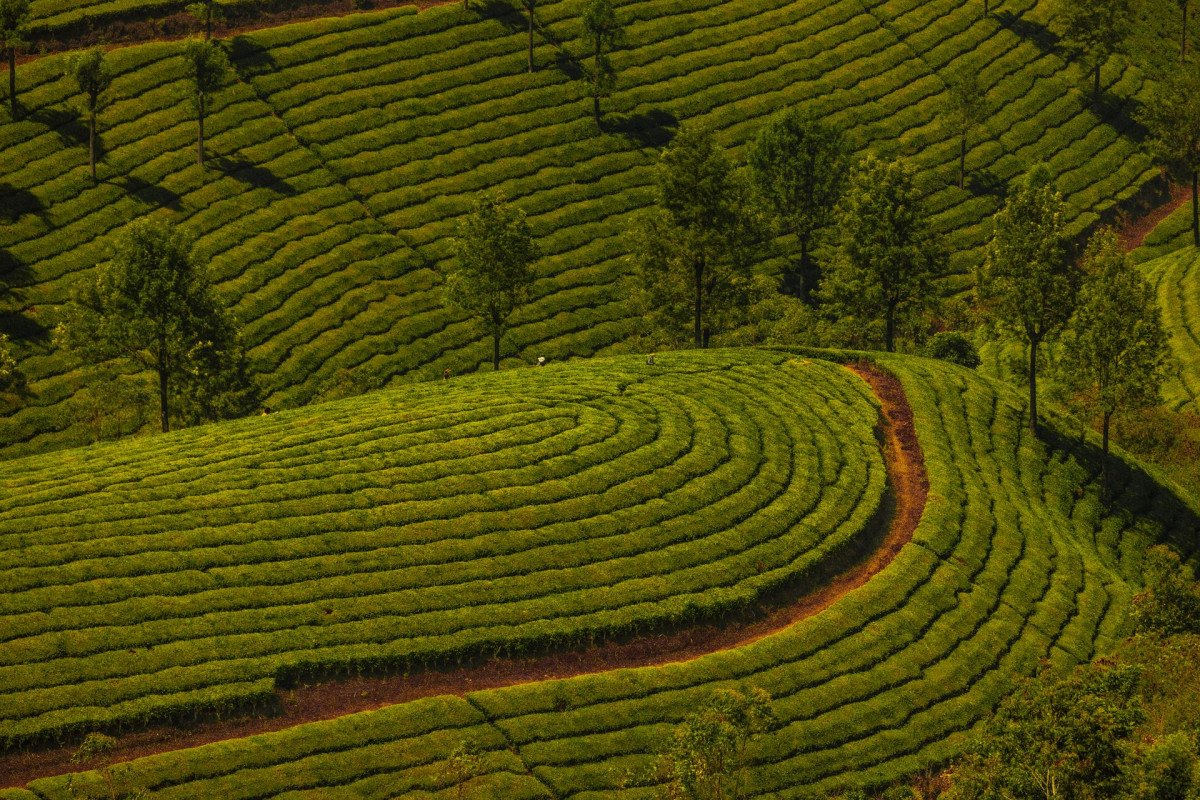
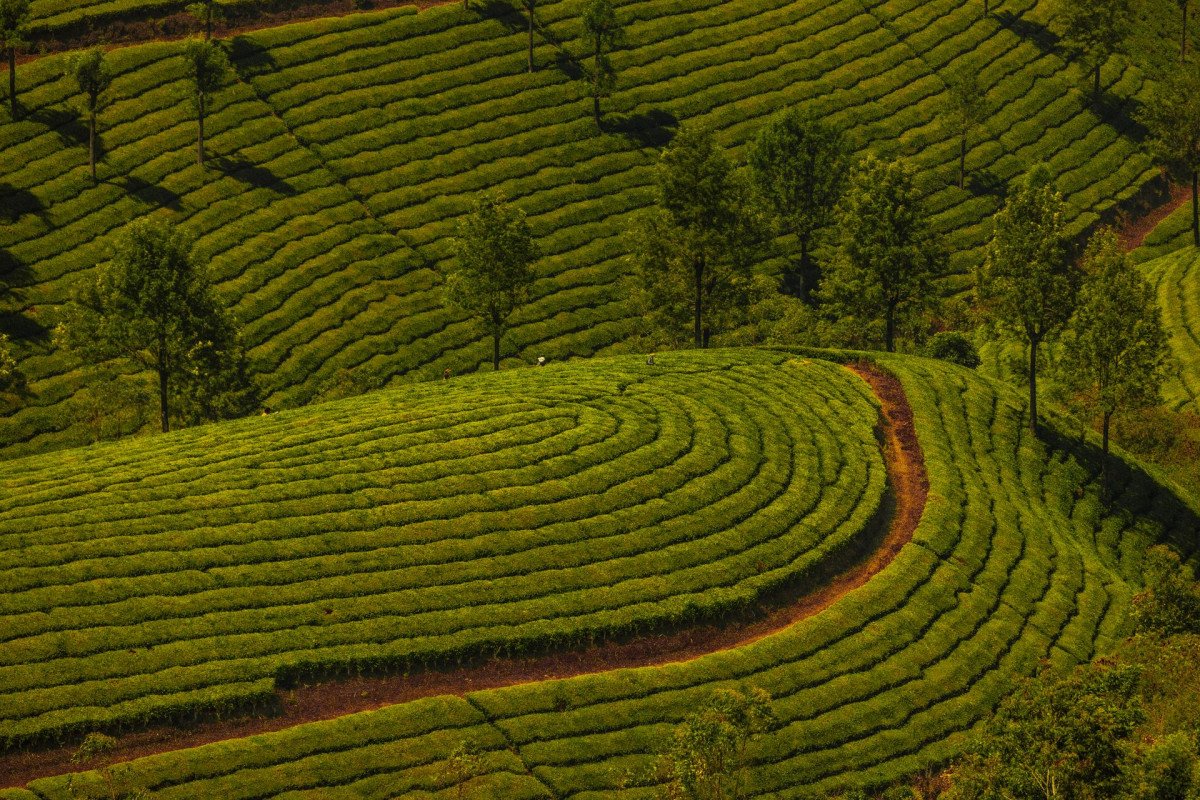
The Sea of Green Tea Bushes: The endless rows of perfectly pruned tea bushes, creating a 'sea of green,' provide spectacular photo opportunities, especially during the peak plucking season. Focus on the geometry and patterns created by the rows, with the misty hills or the vast sky as the backdrop. The most striking shots can be taken from a slightly elevated point, capturing the immense scale of the plantation.
Capturing the Tea Pluckers: A highly evocative photo opportunity is capturing the local tea pickers at work. Dressed in their colorful attire and carrying their baskets, they provide a strong human element against the lush green backdrop.
Note: It's important to be respectful and ask for permission before taking close-up photographs of the workers. These shots offer a cultural and documentary perspective of life on the estate.
Sunrise/Sunset on the Veranda: The wide, covered verandas of the heritage bungalow are ideal for silhouette photography during sunrise and sunset. A shot of a traveler enjoying a cup of tea on the veranda, looking out over the tea garden as the sky changes color, beautifully captures the tranquil and timeless ambiance of the place.
The Tea Factory Interior (With Permission): The old machinery and the processes inside the Orthodox tea factory, such as the withering troughs or the rolling machines, offer interesting subjects for industrial and process photography, but access and photography are usually restricted, so permission is essential. These photos capture the craftsmanship behind the famous Assam tea.Photo Gallery
Things To Do
-
Immersive Tea Garden Walks and Cycling: Take an early morning or late afternoon walk through the vast, endless green carpets of the tea estate. The air is crisp, and the sight of the manicured tea bushes stretching to the horizon is breathtaking. This is the perfect time to feel the therapeutic aroma of fresh tea leaves. You can also hire a bicycle and cycle through the narrow, winding plantation paths, exploring the estate's furthest corners at your own pace. The guided walks often include information about the different clones of tea grown and the sustainable farming practices used.
Witnessing the Tea Plucking Process: If your visit is during the peak plucking season (April to November), you can witness the skill of the local tea garden female workers, dressed in vibrant attire, as they deftly pluck the delicate two leaves ...Immersive Tea Garden Walks and Cycling: Take an early morning or late afternoon walk through the vast, endless green carpets of the tea estate. The air is crisp, and the sight of the manicured tea bushes stretching to the horizon is breathtaking. This is the perfect time to feel the therapeutic aroma of fresh tea leaves. You can also hire a bicycle and cycle through the narrow, winding plantation paths, exploring the estate's furthest corners at your own pace. The guided walks often include information about the different clones of tea grown and the sustainable farming practices used.
Witnessing the Tea Plucking Process: If your visit is during the peak plucking season (April to November), you can witness the skill of the local tea garden female workers, dressed in vibrant attire, as they deftly pluck the delicate two leaves and a bud with incredible speed and precision. Some heritage stays or tours may even offer a hands-on experience, allowing you to try your hand at plucking. This is a great opportunity to interact with the local community and understand their contribution to the tea industry.
A Guided Tea Factory Tour: Arrange a guided tour of the Mancotta Tea Factory to observe the entire tea manufacturing process. This educational experience covers the steps of withering (drying the leaves), rolling, oxidation (fermentation), drying, and sorting, especially for Orthodox tea. It is an insightful journey that transforms the freshly plucked leaves into the final product.
Note: The factory is typically operational during the peak plucking season (March to November) and usually remains closed on Mondays and during the winter months (December to mid-March).
Savoring the Estate's Signature Tea: No visit is complete without participating in a dedicated Tea Tasting Session. You will be guided to sample different varieties and flushes of the estate's high-quality Orthodox tea, learning about the nuances in flavor, aroma, and color. This is a sensory experience that deepens your appreciation for Assam tea.
Experiencing the Heritage Stay: If staying at the Mancotta Heritage Chang Bungalow, spend time enjoying the colonial lifestyle. Relax on the wide, sprawling veranda with a book and a cup of tea, soaking in the peaceful atmosphere. The bungalow offers a blend of old-world charm with modern comfort. The dining experience often includes authentic Assamese cuisine, served in a stately dining room, giving a taste of local flavors.
Exploring Nearby Village Life: Take an excursion to nearby local Assamese villages to witness the rural way of living. Villages like Khampti Ghat or Deori Tribal Village offer a glimpse into the traditional culture, architecture (like traditional bamboo houses or stilt houses), and craftsmanship of the local communities. This provides a cultural contrast to the colonial estate life.
Evening Entertainment and Leisure: Depending on the package, the estate often organizes cultural programs, such as the vibrant and rhythmic Bihu dance performance by local troupes on the bungalow lawns in the evening. Other leisure activities available nearby can include cycling, hiking, or even a relaxing game of darts or a visit to a nearby golf course (within 3 km). You can also request a cooking class to learn traditional Assamese recipes.
Brahmaputra River Excursions: Since the estate is near Dibrugarh, you can easily arrange for a peaceful evening Brahmaputra River Cruise to witness a spectacular sunset over the mighty river, or go on an early morning river excursion, often with the chance to spot the rare freshwater dolphins.
Information
-
Why Famous:
Colonial Heritage and Architecture: The estate is most famous for the Mancotta Heritage Chang Bungalow, a beautifully preserved colonial residence built on wooden stilts ("Chang"). It offers a rare, authentic glimpse into the luxurious yet isolated lifestyle of British tea ...Colonial Heritage and Architecture: The estate is most famous for the Mancotta Heritage Chang Bungalow, a beautifully preserved colonial residence built on wooden stilts ("Chang"). It offers a rare, authentic glimpse into the luxurious yet isolated lifestyle of British tea planters from the 19th and early 20th centuries. The bungalow's unique construction, including the use of only wooden nails in its flooring, is a key point of historical fascination, making it a unique architectural landmark in the region.
High-Quality Orthodox Tea Production: Mancotta is renowned in the tea industry for its specialization in producing premium Assam Orthodox tea. This type of tea is highly sought after by connoisseurs globally for its distinct bright liquor, malty flavor, and abundance of shiny golden tips. Visitors get the opportunity to witness the entire process, from leaf plucking in the garden to the final processing at the factory, which underscores its importance as a working, high-production tea estate.
A Tranquil Retreat Experience: Unlike mere viewing points, Mancotta provides an immersive, tranquil holiday experience. Its conversion into a heritage stay allows guests to completely disconnect from urban life and wake up to the sight and aroma of fresh tea leaves. This serene atmosphere, surrounded by acres of manicured green bushes and ancient trees like the magnificent Rain Tree, makes it famous as a restorative and peaceful getaway destination in Upper Assam. -
Architecture:
The Chang Bungalow Style: The main architectural feature is the Mancotta Heritage Chang Bungalow, a classic example of colonial tea bungalow architecture in Assam. These structures are distinct because they are built on stilts or raised platforms, a style known locally as "...The Chang Bungalow Style: The main architectural feature is the Mancotta Heritage Chang Bungalow, a classic example of colonial tea bungalow architecture in Assam. These structures are distinct because they are built on stilts or raised platforms, a style known locally as "Chang Ghars" or "Bungalows. " This vernacular design was highly practical, serving multiple purposes in the local climate: allowing airflow beneath the house to keep it cool, and protecting the structure from water during the heavy Monsoon season, as well as keeping out wild animals. The stilts are typically made of wood or sometimes concrete. The dimensions of the entire property are significant, spread across the vast expanse of the tea estate, while the bungalow itself features sprawling rooms and extensive verandas.
Unique Wooden Construction Details: A particularly interesting detail of the heritage bungalow is the traditional craftsmanship employed. It is believed that the structure's wooden flooring was constructed without the use of a single iron nail, instead utilizing wooden nails handcrafted by traditional Chinese artisans. This showcases a unique blend of local and imported expertise in the construction. The bungalow features large, airy rooms (some single rooms are around 120 sq. ft or suites like the 'Yamuna' being about 1292 sq. ft), high ceilings, and wide, covered verandas that wrap around, offering perfect garden views. The decor retains a colonial charm with antique furniture, wooden floors, and period pieces, preserving the luxurious yet comfortable lifestyle of the former British planters. -
How To Reach:
By Air: The nearest airport is Dibrugarh Airport (DIB), also known as Mohanbari Airport. It is well-connected to major Indian cities like Delhi, Kolkata, Guwahati, and Mumbai by airlines such as IndiGo and Air India. From the airport, the Mancotta Tea Estate is approximate...By Air: The nearest airport is Dibrugarh Airport (DIB), also known as Mohanbari Airport. It is well-connected to major Indian cities like Delhi, Kolkata, Guwahati, and Mumbai by airlines such as IndiGo and Air India. From the airport, the Mancotta Tea Estate is approximately 15-20 kms away. You can hire a pre-paid taxi or a ride-sharing service from the airport directly to the estate. The drive usually takes about 30-45 minutes.
By Train: The nearest major railway station is Dibrugarh Town (DBRT) or Dibrugarh (DBRG). Dibrugarh is a major railhead in Upper Assam and is connected to various parts of India, including long-distance express trains like the Vivek Express (Kanyakumari to Dibrugarh). From the railway station, the estate is roughly 10-15 kms away. Auto-rickshaws, pre-booked taxis, or local cabs are readily available outside the station for the short ride to Mancotta Road.
By Road: Dibrugarh is well-connected by a network of National Highways, including NH 15 (formerly part of NH 37). State-run and private buses operate regular services from nearby major cities like Guwahati, Tinsukia, and Jorhat. If driving your own vehicle, take the Mancotta Road from Dibrugarh town towards the estate. The roads within and around Dibrugarh are generally in good condition.
By Local Transport: From Dibrugarh city center, the best local transport options to reach the estate are:
Auto-rickshaws: Negotiate the fare before starting the journey. The ride will take around 20-30 minutes.
E-Rickshaws (Totos): These are suitable for shorter distances and are a more eco-friendly option.
Local Taxis/Cabs: For greater comfort and convenience, especially if planning a return trip later in the day, hiring a local taxi for a fixed period or a return trip is recommended. Most hotels can arrange reliable taxi services. Given the distance of over 12 kms from the city center, local buses are less convenient and taxis/auto-rickshaws are the preferred options. -
Weather and Best Time to Visit:
Best Season:
Winter (October to March): This is widely considered the best time to visit. The weather is cool, pleasant, and dry, with temperatures ranging from around 10°C to 25°C. The skies are generally clear, offering beautiful views ...Best Season:
Winter (October to March): This is widely considered the best time to visit. The weather is cool, pleasant, and dry, with temperatures ranging from around 10°C to 25°C. The skies are generally clear, offering beautiful views of the landscape. The months of October and November are particularly good, as this is immediately after the Monsoon, and the tea bushes are lush and green. This period is also ideal for photography, walks, and exploring the estate without the discomfort of heat or rain.
Second
Best Season:
Post-Monsoon (September to October): While the latter half of September can still see some rain, the temperature begins to drop, and the tea gardens are at their peak lushness after the heavy Monsoon. This period is excellent for viewing the greenest landscapes.
Season to Avoid:
Monsoon (June to August): The Monsoon season brings very heavy and continuous rainfall to Assam. While the greenery is spectacular, outdoor activities like walks and cycling are severely restricted. Furthermore, heavy rains can sometimes cause inconveniences or roadblocks, making travel difficult.
Summer (April to May) is Hot: The summer months are hot and humid, with temperatures often rising above 30°C. However, April is a vibrant time as it marks the Rongali Bihu festival and the beginning of the prime tea-plucking season.
Best Part of the Day:
Early Morning: The absolute best time of the day to visit and be in the tea gardens is during the Early Morning (6:00 AM to 9:00 AM). The plantation is often covered in a beautiful, ethereal mist, and the light is soft for photography. This is also the time when the tea pickers are active, and the air is filled with the fresh aroma of tea leaves.
Late Afternoon/Sunset: The Late Afternoon (4:00 PM onwards) is also an excellent time. The setting sun casts a beautiful golden glow over the tea bushes, and it’s perfect for a relaxing stroll or sitting on the bungalow veranda with a cup of tea. -
Near Tourist Places:
Jokai Botanical Garden and Resort: Approx. 10 kms (Nature Reserve, Biodiversity) Dibrugarh University Tea Estate: Approx. 15 kms (Another large tea estate to explore)
Dinjoy Satra: Approx. 20 kms (A famous Vaishnavite monastery, an important religious site)
Radha Krishna Temple, Dibrugarh: Approx. 15 kms (Prominent spiritual and architectural site in the city)
Barbarua Maidam: Approx. 13 kms (Historical tombs of the Ahom dynasty)
Lekai Chetia Maidam: Approx. 20 kms (Another significant historical tomb)
Bogibeel Bridge: Approx. 30 kms (India's longest rail-cum-road bridge over the Brahmaputra River)
Namphake Village: Approx. 40 kms (Serene, traditional Tai Phake Buddhist village)
Maguri Beel: Approx. 50 kms (Wetland area, excellent for birdwatching)
Chowkidinghee Market: Approx. 10 kms (Local market for shopping and street food in Dibrugarh town)
Tourism Tips
-
Health & Safety: Carry a basic first-aid kit with necessary medications, insect repellent, and antiseptic cream, especially since the estate is surrounded by nature. Drink only bottled or filtered water. During the summer and rainy seasons, wear full-sleeved, light-colored...Health & Safety: Carry a basic first-aid kit with necessary medications, insect repellent, and antiseptic cream, especially since the estate is surrounded by nature. Drink only bottled or filtered water. During the summer and rainy seasons, wear full-sleeved, light-colored clothing to guard against insects. It is advisable to have a travel insurance plan, though the area is generally safe. Always inform the heritage bungalow staff or your guide if you plan on taking long walks deep into the plantation.
Packing Essentials: Pack comfortable walking shoes or sturdy sandals, as you will be spending time walking on uneven terrain in the gardens. Bring lightweight, breathable cotton clothing for the summer/daytime and a light jacket or shawl for the cool winter evenings. Don't forget your camera to capture the scenic beauty, a hat or cap, and high-SPF sunscreen. If visiting during the Monsoon, carry a raincoat or umbrella.
Accommodation: The best and most authentic accommodation is the on-site Mancotta Heritage Chang Bungalow. Book well in advance, especially during the peak tourist season (October to March). Alternatively, Dibrugarh city offers various hotels, from budget to luxury, that can serve as a base for day trips to the estate. Consider staying at other heritage bungalows in the region for a varied experience.
Respectful Conduct: The tea estate is a working industrial property and a home for many families. Be respectful of the privacy of the residents and the workers. Do not wander into the factory premises without a guide. Always ask for permission before taking close-up photos of the workers. Do not litter; help preserve the pristine environment of the tea garden.
Local Culture and Communication: The local language is Assamese, though Hindi and English are widely understood, especially by the bungalow staff and guides. Try the local Assamese cuisine; the food at the heritage bungalow is often a highlight. Carry enough cash (Indian Rupees) as smaller local vendors or auto-rickshaws might not accept digital payments.
Plucking Season Note: If seeing the full tea processing is a priority, plan your visit between March and November. Avoid Mondays as the factory is generally closed.
Reviews
FAQs
Dibrugarh Itineray And Cost:-
Mancotta Tea Estate Tourism:-
Other Places In Dibrugarh :-
Other States In India :-
Information about New and Updated Locations() of Assam Has Been Added :-
Card subtitle
Note:-
Information provided here in good Faith and for reference only.
Near Places
Anthropological Museum Of Indigenous Peoples
Some quick example text to build on the card title and make up the bulk of the card's content.
Go somewhere
Barbarua Maidam
Some quick example text to build on the card title and make up the bulk of the card's content.
Go somewhere
Bogibeel Bridge
Some quick example text to build on the card title and make up the bulk of the card's content.
Go somewhere
Brahmaputra Riverfront
Some quick example text to build on the card title and make up the bulk of the card's content.
Go somewhere
Dehing Namti Satra
Some quick example text to build on the card title and make up the bulk of the card's content.
Go somewhere
Dibrugarh Phoolbagan Ferry Ghat
Some quick example text to build on the card title and make up the bulk of the card's content.
Go somewhere
Dinjoy Satra
Some quick example text to build on the card title and make up the bulk of the card's content.
Go somewhere
Jokai Botanical Garden
Some quick example text to build on the card title and make up the bulk of the card's content.
Go somewhere
Lekai Chetia Maidam
Some quick example text to build on the card title and make up the bulk of the card's content.
Go somewhere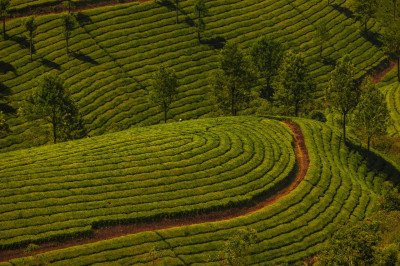
Mancotta Tea Estate
Some quick example text to build on the card title and make up the bulk of the card's content.
Go somewhere
Naharkatia Town
Some quick example text to build on the card title and make up the bulk of the card's content.
Go somewhere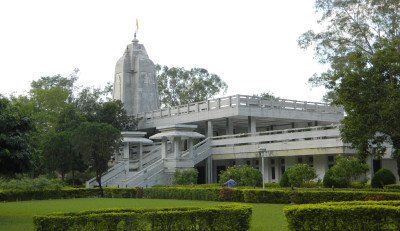
Radha Krishna Mandir
Some quick example text to build on the card title and make up the bulk of the card's content.
Go somewhere
Raidongia Dol
Some quick example text to build on the card title and make up the bulk of the card's content.
Go somewhere
Raidongia Dol or Raidongia Shiv Doul
Some quick example text to build on the card title and make up the bulk of the card's content.
Go somewhere
Sarumechlow and Bormechow Maidam
Some quick example text to build on the card title and make up the bulk of the card's content.
Go somewhere
Shri Jagannath Temple
Some quick example text to build on the card title and make up the bulk of the card's content.
Go somewherein Other Cities