

Dibrugarh Phoolbagan Ferry Ghat
General information
-
Ideal Duration:
1 to 2 hours (For experiencing the river view, observing the activity, and a short ferry ride/boat trip).Place Type:
Transportation Hub, Viewpoint, Local Culture ExperEntry Fees:
No Formal Entry Fee for the Ghat: The Dibrugarh Phoolbagan Ferry Ghat itself, as a public transportation point, does not typically levy an "entry fee" for simply visiting the bank or the approach area. Access to the bank to observe the river is generally Free and open to th...No Formal Entry Fee for the Ghat: The Dibrugarh Phoolbagan Ferry Ghat itself, as a public transportation point, does not typically levy an "entry fee" for simply visiting the bank or the approach area. Access to the bank to observe the river is generally Free and open to the public.
Fee for Ferry Services: The cost is incurred only if you intend to use the actual ferry or boat service.
Passenger Fare Structure:
Basic Passenger Fare: The fare for a single passenger crossing is nominal, usually ranging from Rs.10 to Rs.50 (Indian Rupees), depending on the destination and the type of boat (local country boat vs. a larger motor ferry). This fee is charged by the Inland Water Transport (IWT) Department or the private operator.
Vehicle Fare: Transporting two-wheelers or small four-wheelers across the river involves a higher charge. Two-wheelers might cost between Rs.50 to Rs.150, and small cars/SUVs might range from Rs.300 to Rs.600, again subject to distance, official tariffs, and seasonal changes in the river current/route.
Informal/Local Boat Fees: If you hire a small, private country boat for a short, non-scheduled ride around the river—a common tourist activity—the charges must be negotiated directly with the boatman. This can vary widely but may be around Rs.100 to Rs.300 per person for a short ride. Bargain politely before boarding.
Note on Maintenance Fees: In some instances, during peak tourist season or when new temporary jetties are constructed after the monsoon, a small, nominal fee (e. g. , Rs.5 or Rs.10) might be collected by local contractors for access to the pontoon/ramps for maintenance or security purposes, though this is not standard. Always confirm the correct ticket price at the official counter or with reliable sources to avoid overpaying.Timing:
Regular Timings (Operation Hours):
Daily Operation: The ferry services generally begin around 6:00 AM and run until 5:00 PM or sunset. The last ferry departure is strictly enforced, especially in winter when daylight is shorter.Regular Timings (Operation Hours):
Daily Operation: The ferry services generally begin around 6:00 AM and run until 5:00 PM or sunset. The last ferry departure is strictly enforced, especially in winter when daylight is shorter.
Frequency: Ferries operate at regular intervals, which can be as frequent as every 30 to 60 minutes during peak hours, but this is highly dependent on passenger demand and river conditions. It is advisable to arrive early to ensure a spot, especially if transporting a vehicle.
Ideal Visit Time (Best Experience):
Early Morning (Sunrise and Trade): The most enchanting time to visit is between 5:30 AM and 8:00 AM. The light is soft, the air is cool, and you can witness the traditional morning rhythm of the ghat, including the arrival of local traders and a peaceful, less-crowded atmosphere.
Late Afternoon (Sunset and Activity): The late afternoon, from 4:00 PM until the final ferry, is excellent for sunset viewing and capturing the end-of-day rush. The golden light on the river is breathtaking, particularly from October to March.
Seasonal Variations in Timing:
Monsoon (June to September): Operations can be unpredictable. Heavy rain or strong currents can lead to delays or even temporary closure of services for safety reasons. It's best to call ahead.
Winter (November to February): Timings are generally the most reliable, but the lower water level means the boats may be moored much further from the bank, requiring a longer walk along the temporary ramp/sandbar to board.Special Events:
Local Bihu Celebrations (Seasonal): Although Bihu (the major Assamese festival celebrated three times a year, with Bohag Bihu in April being the most prominent) is celebrated city-wide, the river banks, including the area near the ferry ghat, often become a secondary venue f...Local Bihu Celebrations (Seasonal): Although Bihu (the major Assamese festival celebrated three times a year, with Bohag Bihu in April being the most prominent) is celebrated city-wide, the river banks, including the area near the ferry ghat, often become a secondary venue for informal Bihu gatherings. The boatmen and river-dependent communities might hold small, spontaneous cultural programs or feasts to mark the occasion, especially the harvest-related Magh Bihu in January.
Seasonal Sandbar Festivals/Picnics: In the winter months (December to February), when the river recedes, massive sandbars form. Locals often organize informal "sandbar picnics" or small, impromptu fairs on these temporary islands. While not official events, these gatherings are a special seasonal attraction, showcasing a unique adaptation to the river's cycle. Puja Ceremonies (e. g.
, Durga Puja Immersion): During major Hindu festivals, especially Durga Puja (usually in September or October), the river ghat becomes a focal point for religious rituals, including the immersion of idols (Visarjan). This event is a spectacular display of cultural fervor, color, and devotion, drawing large crowds and creating a dramatically different atmosphere at the ghat. It's a significant cultural moment to witness.Best Photo Spots:
From the Edge of the Pontoon/Gangway:
(Wide-Angle Landscape): The best spot to capture the vast, sprawling expanse of the Brahmaputra River. Focus on the horizon, including the distant bank, or a low-angle shot to emphasize the floating pont...From the Edge of the Pontoon/Gangway:
(Wide-Angle Landscape): The best spot to capture the vast, sprawling expanse of the Brahmaputra River. Focus on the horizon, including the distant bank, or a low-angle shot to emphasize the floating pontoon structure leading out into the water. The best light is during the Golden Hours (sunrise or sunset).
The Ferry Loading/Unloading Point:
(Action and Human Interest): Capture the dynamic activity of the ferry operations—the crowd of people, the vehicles maneuvering on the ramp, and the boatmen securing the ropes. This is ideal for candid shots of local life and the juxtaposition of machinery and human effort. Focus on the texture of the old, wooden boats and the water.
Sunset Silhouette against the River:
(Dramatic Silhouette): Stand slightly back from the main activity around 5:00 PM to 5:30 PM (November to February) and frame the setting sun behind a departing ferry or a moored boat. The boat and the people on it will create a stunning, high-contrast silhouette against the fiery sky reflecting on the water.
Close-up of Traditional Boats and Mooring:
(Detail and Texture): Focus on the details of the smaller, traditional wooden boats tied up along the bank—the ropes, the weathered wood, and the unique Assamese boat design. These details tell a story of river life and traditional craft. (Approx. )Photo Gallery
Things To Do
-
Take a Short Boat Ride Across the Brahmaputra: The primary and most rewarding activity is taking a short ferry or a country boat ride. Even if not traveling to the other side, a round trip is essential. This allows you to truly appreciate the river's scale and see the Dibrugarh cityscape from the water.
Observe the Local Riverine Life: Spend at least an hour watching the ghat's operations. Observe how the ferries load and unload vehicles, the skill of the boatmen navigating the currents, the interaction between passengers and crew, and the small-scale trade happening on the banks. This is a profound cultural observation activity.
Sunset/Sunrise Viewing: The ghat offers a spectacular, unobstructed view of the horizon, making it a prime spot for witnessing the dramatic colors of a Brahmaputra s...Take a Short Boat Ride Across the Brahmaputra: The primary and most rewarding activity is taking a short ferry or a country boat ride. Even if not traveling to the other side, a round trip is essential. This allows you to truly appreciate the river's scale and see the Dibrugarh cityscape from the water.
Observe the Local Riverine Life: Spend at least an hour watching the ghat's operations. Observe how the ferries load and unload vehicles, the skill of the boatmen navigating the currents, the interaction between passengers and crew, and the small-scale trade happening on the banks. This is a profound cultural observation activity.
Sunset/Sunrise Viewing: The ghat offers a spectacular, unobstructed view of the horizon, making it a prime spot for witnessing the dramatic colors of a Brahmaputra sunset or the peaceful awakening of a sunrise. The vastness of the sky over the water enhances the visual experience, particularly during October and March.
Photography of the River and Activities: The bustling activity, the moored boats, the floating pontoons, and the majestic river make for excellent photography subjects. Focus on the contrast between the traditional wooden boats and the larger motorized ferries, capturing the local architecture of the pontoons, and the play of light on the water.
Engage with Local Vendors: Purchase a cup of local tea (cha) from a stall near the ghat and try some Assamese snacks like pitha or puffed rice. Engaging in a polite conversation with the locals or the boatmen (many speak Hindi or basic English) can lead to unique insights and stories about the river.
Explore the Nearby DTP Dyke: The DTP Dyke (Dibrugarh Town Protection Dyke) runs along the bank and is a good place for a peaceful walk or jog, offering elevated views of the river and the surrounding areas. The dyke is an engineering marvel built to protect the city from the Brahmaputra's erosion, and a walk there gives context to the river's geological impact.
Visit the Nearest Phoolbagan Area: While the ferry ghat is functional, exploring the adjacent neighborhoods might reveal the remnants or essence of the "Phoolbagan" (Flower Garden) area, providing a more complete picture of the area's name and past.
Picnicking on the Sandbars (Seasonal): During the extremely dry winter months (December to February), when massive sandbars emerge in the river, local boatmen often offer short trips to these temporary islands for a unique picnic experience, allowing visitors to literally walk on the riverbed. This is a truly unique seasonal activity.
Bargain for Local Goods: If you are interested in local handicrafts or basic commodities brought from the other side of the river, you can engage in polite bargaining with the small-scale traders, which is a common practice in the local market culture.
Meditate by the River: The vastness and the constant, soothing sound of the flowing water make the ghat a surprisingly meditative spot, offering a chance for quiet reflection away from the city's main rush.
Information
-
Why Famous:
Essential Connectivity to Riverine Islands: The Dibrugarh Phoolbagan Ferry Ghat is famous primarily as a vital link in the transport chain of Upper Assam. It facilitates essential connectivity across the mighty Brahmaputra, the region's most significant geographical feature...Essential Connectivity to Riverine Islands: The Dibrugarh Phoolbagan Ferry Ghat is famous primarily as a vital link in the transport chain of Upper Assam. It facilitates essential connectivity across the mighty Brahmaputra, the region's most significant geographical feature. It's the point from where locals and tourists alike embark on a journey that bypasses long road routes, shortening travel to districts on the north bank, especially Dhemaji.
A Viewpoint of the Brahmaputra: It offers one of the best and most accessible vantage points in the city to appreciate the sheer scale, force, and beauty of the Brahmaputra River. The river at this point is several kilometers wide, and standing at the ghat gives a profound sense of the river's majesty and its role as the lifeblood of the region. This expansive view is a popular attraction in itself.
Symbol of Dibrugarh's Heritage: Historically, river transport was the most important mode of trade and communication in the region, especially during the British colonial era when Dibrugarh was established as the "Tea City of India. " The ghat embodies this enduring heritage, where traditional boat-building and navigation skills are still on display. It's a living museum of riverine trade and culture.
Gateway to North Bank Adventures: For the adventurous traveler, the ghat is the starting point for exploring less-trodden paths on the north bank. It is the beginning of a journey towards places like the Dhemaji plains or even a longer river trip towards Majuli (though often via a different primary ghat in some seasons), making it the launchpad for "river-based" tourism. (Approx. ) -
Architecture:
A Study in Functionality and AdaptabilityThe "architecture" of the Phoolbagan Ferry Ghat is primarily one of pragmatic functionality, designed to cope with the immense seasonal changes of the Brahmaputra River. It is not a fixed, grand structure but an adaptive system built to handle the varying wa...A Study in Functionality and AdaptabilityThe "architecture" of the Phoolbagan Ferry Ghat is primarily one of pragmatic functionality, designed to cope with the immense seasonal changes of the Brahmaputra River. It is not a fixed, grand structure but an adaptive system built to handle the varying water levels, which can fluctuate by several meters between the dry winter and the peak monsoon.
Key Structural Components: The core of the ghat typically comprises a series of floating pontoons and gangways. These pontoons are large, flat-bottomed floating structures, often made of steel or concrete, anchored to the riverbed or the bank. They rise and fall with the river, ensuring a relatively level platform for passengers and vehicles to board the ferries. Gangways (ramps) connect the fixed river bank to these floating pontoons. These gangways are designed to be adjustable, either through simple mechanical winches or by manually shifting their anchorage points on the bank as the water level changes. This adaptable design is crucial for year-round operation.
Landside Infrastructure and Dimension: The landside structure includes a ticket counter area, a small waiting shelter, and a wide approach road/ramp leading to the river. The approach road needs to be significantly long—sometimes extending several hundred meters into the riverbed during the extremely low-water months of December to February—to reach the actual water-borne ferry. The dimensions of the main pontoons can be estimated to be around 20-30 meters in length and 5-10 meters in width to accommodate vehicles and a large number of people simultaneously. The materials used are generally robust, including heavy-duty wood planking, reinforced concrete, and steel mooring pillars, all chosen for their resilience against the river's constant flow and erosive power. This minimalist and utilitarian structure embodies the engineering compromise between cost, ease of operation, and the volatile nature of the Brahmaputra. (Approx. ) -
How To Reach:
Dibrugarh Phoolbagan Ferry Ghat is easily accessible due to its relatively close proximity to the city center and major transport networks.
By Air:
Nearest Airport: Dibrugarh Airport (DIB), also known as Mohanbari Airport. It is lo...Dibrugarh Phoolbagan Ferry Ghat is easily accessible due to its relatively close proximity to the city center and major transport networks.
By Air:
Nearest Airport: Dibrugarh Airport (DIB), also known as Mohanbari Airport. It is located about 15-20 KMS northeast of the city center.
From Airport to Ghat: Upon arrival, you can hire a prepaid taxi, a local cab, or a shared auto-rickshaw from the airport to the ghat. The drive will take approximately 30 to 45 minutes, depending on the traffic.
Route: The most direct route is via NH-15, leading into the main city area, from where local roads lead to the riverside.
By Train:
Nearest Major Railway Stations: Dibrugarh Railway Station (DBRG) and Dibrugarh Town Railway Station (DBRT). DBRT is closer to the city center.
From Station to Ghat: Both stations are well-connected by local transport. From DBRT, the distance is only about 2-3 KMS. You can easily find auto-rickshaws, e-rickshaws (toto), or cycle rickshaws right outside the station gates. Taxis are also available. Negotiate the fare before starting the journey. The ride should take around 10-15 minutes.
By Road:
Bus and Taxi: Dibrugarh is well-connected by road, notably via NH-15 and NH-37, which connect it to the rest of Assam and the northeast. State-run and private buses arrive at the main bus terminal, which is a few kilometers from the ghat.
Driving to the Ghat: If driving, use a map application to navigate to the "Phoolbagan Ferry Ghat. " The roads leading to the ghat are well-marked. Be prepared for potentially rough or sandy terrain right at the riverside, especially during low water season. Limited parking is usually available near the entry point.
By Local Transport:
Auto-Rickshaws/Taxis: The most convenient way to reach the ghat from anywhere in Dibrugarh city is by hiring an auto-rickshaw or a local taxi. Always confirm the fare or agree on a meter before the trip begins.
E-Rickshaws (Totos): These electric rickshaws are a popular, eco-friendly, and cheap option for short distances within the city and are readily available from the main market areas like Thana Chariali. They are ideal for the final leg of the journey to the riverside. (Approx. ) -
Weather and Best Time to Visit:
By Season:
Winter (October to March): Best Time to Visit. The weather is cool, dry, and highly pleasant, with temperatures ranging from 10Rs.C to 25Rs.C. This season guarantees the most reliable ferry operations and the best clarity for river ...By Season:
Winter (October to March): Best Time to Visit. The weather is cool, dry, and highly pleasant, with temperatures ranging from 10Rs.C to 25Rs.C. This season guarantees the most reliable ferry operations and the best clarity for river views and photography. The spectacular sandbars are visible.
Summer (April to June): Moderate Time. The weather is hot and humid, with temperatures potentially reaching 35Rs.C. While the river is beautiful, the heat can make daytime sightseeing tiring. Early mornings are still pleasant. Bohag Bihu is celebrated in April.
Monsoon (July to September): Least Ideal Time. Characterized by heavy rainfall and high humidity. The Brahmaputra swells to its maximum size, making the view dramatic but ferry services prone to disruption or cancellation due to strong currents and high water levels. Travel requires carrying waterproof gear.
By Part of the Day:
Golden Hours (Sunrise/Sunset): The absolute best time for a scenic visit and photography. The view of the massive river during the soft, colorful light of sunrise (5:30 AM-6:30 AM) or sunset (4:30 PM-5:30 PM) is unparalleled. Mid-Day (10:00 AM to 3:00 PM) Best for witnessing the ghat's peak functional activities—loading and unloading of vehicles and the maximum flow of passengers and trade. However, it is also the hottest time of day.
Late Evening: Not recommended as ferry operations cease by sunset and the area around the ghat becomes quiet and less lit, making it less safe for unguided tourists. -
Near Tourist Places:
DTP Dyke (Riverfront Walk): Approx. 1 KM.
Dibrugarh Club House (Heritage Stay/Dining): Approx. 1. 2 KMS.
Shri Jagannath Temple, Dibrugarh (Religious Site): Approx. 4 KMS.
Radha Krishna Temple (White Marble Temple): Approx. 5 KMS. Jokai Botanical Garden Reserve Forest (Nature/Botany): Approx. 10 KMS.
Barbarua Maidam (Ahom Burial Mounds): Approx. 13 KMS. Bogibeel Bridge (India's longest Rail-Road Bridge): Approx. 20 KMS.
Mancotta Tea Estate (Tea Tourism): Approx. 10 KMS.
Lekai Chetia Maidam (Ahom Burial Mounds): Approx. 15 KMS. Dehing Patkai Wildlife Sanctuary (Rainforest/Wildlife): Approx. 70 KMS (nearest access point).
Tourism Tips
-
Health & Safety:
River Safety: Never venture too close to the river's edge, especially during the monsoon when the banks can be slippery and unstable due to erosion.
Ferry Safety: When boarding a ferry, fol...Health & Safety:
River Safety: Never venture too close to the river's edge, especially during the monsoon when the banks can be slippery and unstable due to erosion.
Ferry Safety: When boarding a ferry, follow the instructions of the crew. Do not stand on the edge of the pontoon or boat while it is maneuvering.
Water and Hygiene: Drink only bottled water. Carry a small hand sanitizer, as the public facilities near the ghat may not be up to standard.
Insects: Carry mosquito and insect repellent, especially if visiting early morning or late evening.
Packing Essentials:
Clothing: Dress for the season—warm layers for winter mornings/evenings (October-March) and light, breathable cotton clothing for the summer/monsoon.
Footwear: Wear comfortable, sturdy walking shoes, as the approach ramp and pontoons can be uneven, sandy, or wet. In the monsoon, waterproof footwear is a must.
Sun Protection: Carry a hat, sunglasses, and sunscreen, as the sun reflecting off the water can be intense, even in winter.
Accommodation:
Stay in Dibrugarh City: It is best to stay at a hotel or homestay in the main city area (e. g. , near HS Road or Thana Chariali) for easy access to restaurants, markets, and transport, rather than immediately near the ghat. Dibrugarh Club House and Pushkara Sarovar Portico are good options.
Other Different Topics:
Bargaining: Fares for auto-rickshaws and country boats are often subject to bargaining. Agree on the fare before you start the journey.
Photography Etiquette: Always ask for permission before taking close-up photos of individuals, especially women and elderly persons.
Cash: Carry small denominations of Indian Rupees (Rs.), as small vendors and auto-rickshaw drivers may not have change for large notes.
Communication: Basic knowledge of Hindi or English is generally sufficient, but learning a few Assamese phrases like ‘Nomoskar’ (Hello) and ‘Dhonnyobad’ (Thank you) is appreciated.
River Conditions: Check local news or ask your hotel about the current status of ferry operations and river conditions, especially during the monsoon season.
Reviews
FAQs
Dibrugarh Itineray And Cost:-
Dibrugarh Phoolbagan Ferry Ghat Tourism:-
Other Places In Dibrugarh :-
Other States In India :-
Information about New and Updated Locations() of Assam Has Been Added :-
Card subtitle
Note:-
Information provided here in good Faith and for reference only.
Near Places
Anthropological Museum Of Indigenous Peoples
Some quick example text to build on the card title and make up the bulk of the card's content.
Go somewhere
Barbarua Maidam
Some quick example text to build on the card title and make up the bulk of the card's content.
Go somewhere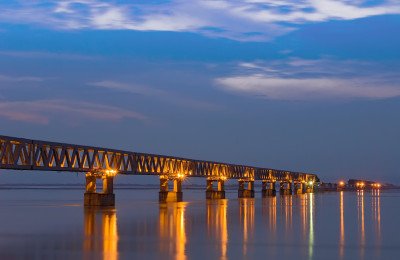
Bogibeel Bridge
Some quick example text to build on the card title and make up the bulk of the card's content.
Go somewhere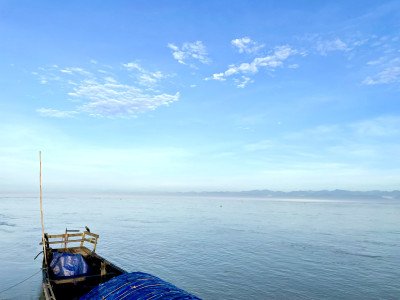
Brahmaputra Riverfront
Some quick example text to build on the card title and make up the bulk of the card's content.
Go somewhere
Dehing Namti Satra
Some quick example text to build on the card title and make up the bulk of the card's content.
Go somewhere
Dibrugarh Phoolbagan Ferry Ghat
Some quick example text to build on the card title and make up the bulk of the card's content.
Go somewhere
Dinjoy Satra
Some quick example text to build on the card title and make up the bulk of the card's content.
Go somewhere
Jokai Botanical Garden
Some quick example text to build on the card title and make up the bulk of the card's content.
Go somewhere
Lekai Chetia Maidam
Some quick example text to build on the card title and make up the bulk of the card's content.
Go somewhere
Mancotta Tea Estate
Some quick example text to build on the card title and make up the bulk of the card's content.
Go somewhere
Naharkatia Town
Some quick example text to build on the card title and make up the bulk of the card's content.
Go somewhere
Radha Krishna Mandir
Some quick example text to build on the card title and make up the bulk of the card's content.
Go somewhere
Raidongia Dol
Some quick example text to build on the card title and make up the bulk of the card's content.
Go somewhere
Raidongia Dol or Raidongia Shiv Doul
Some quick example text to build on the card title and make up the bulk of the card's content.
Go somewhere
Sarumechlow and Bormechow Maidam
Some quick example text to build on the card title and make up the bulk of the card's content.
Go somewhere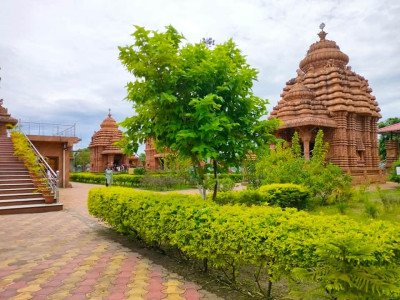
Shri Jagannath Temple
Some quick example text to build on the card title and make up the bulk of the card's content.
Go somewherein Other Cities