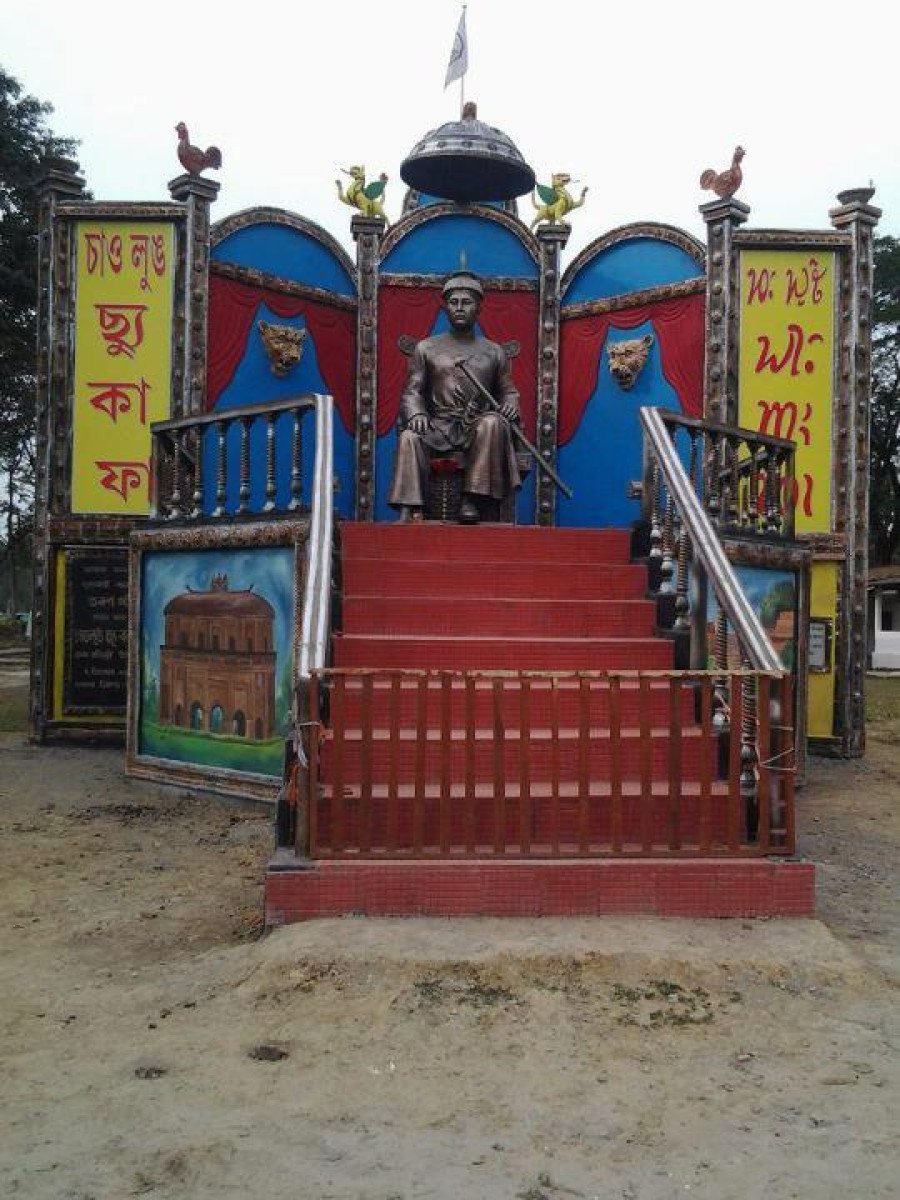
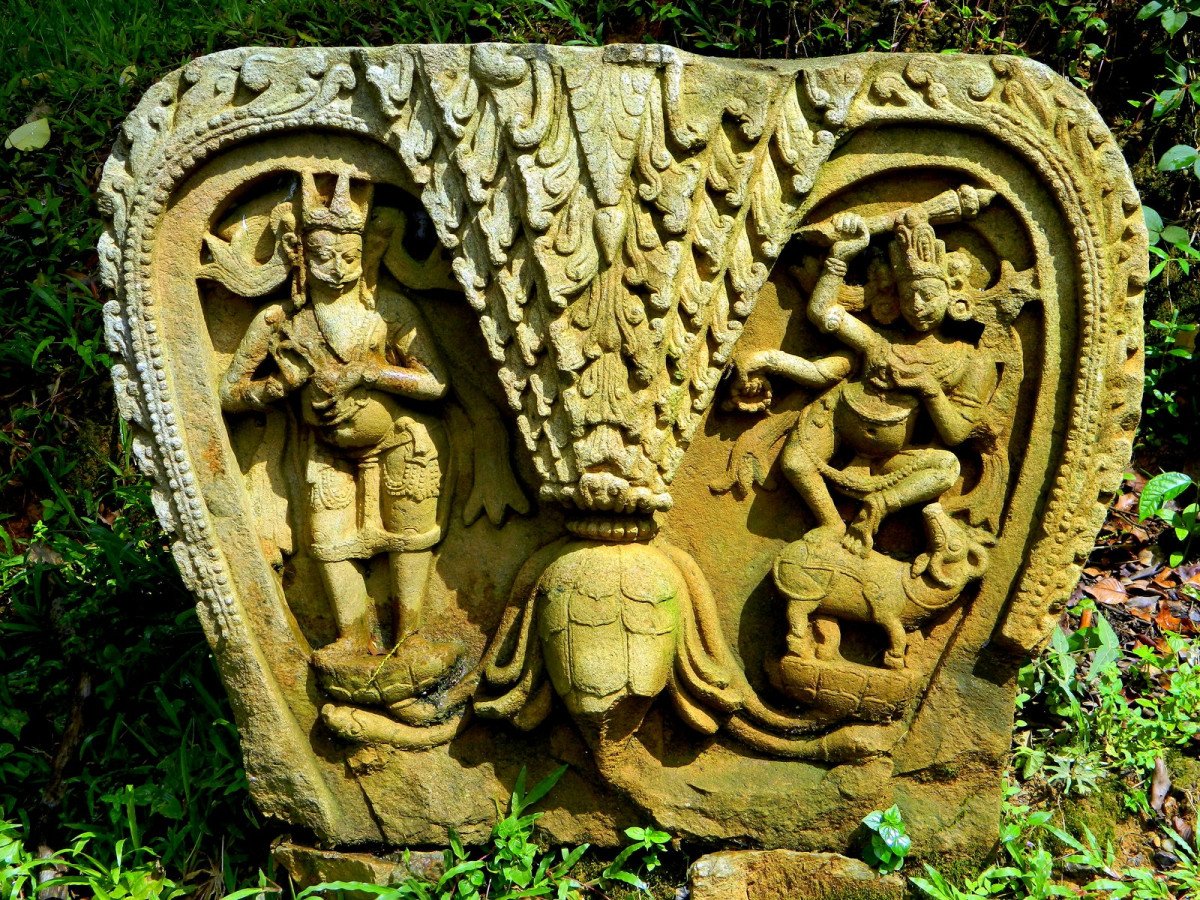
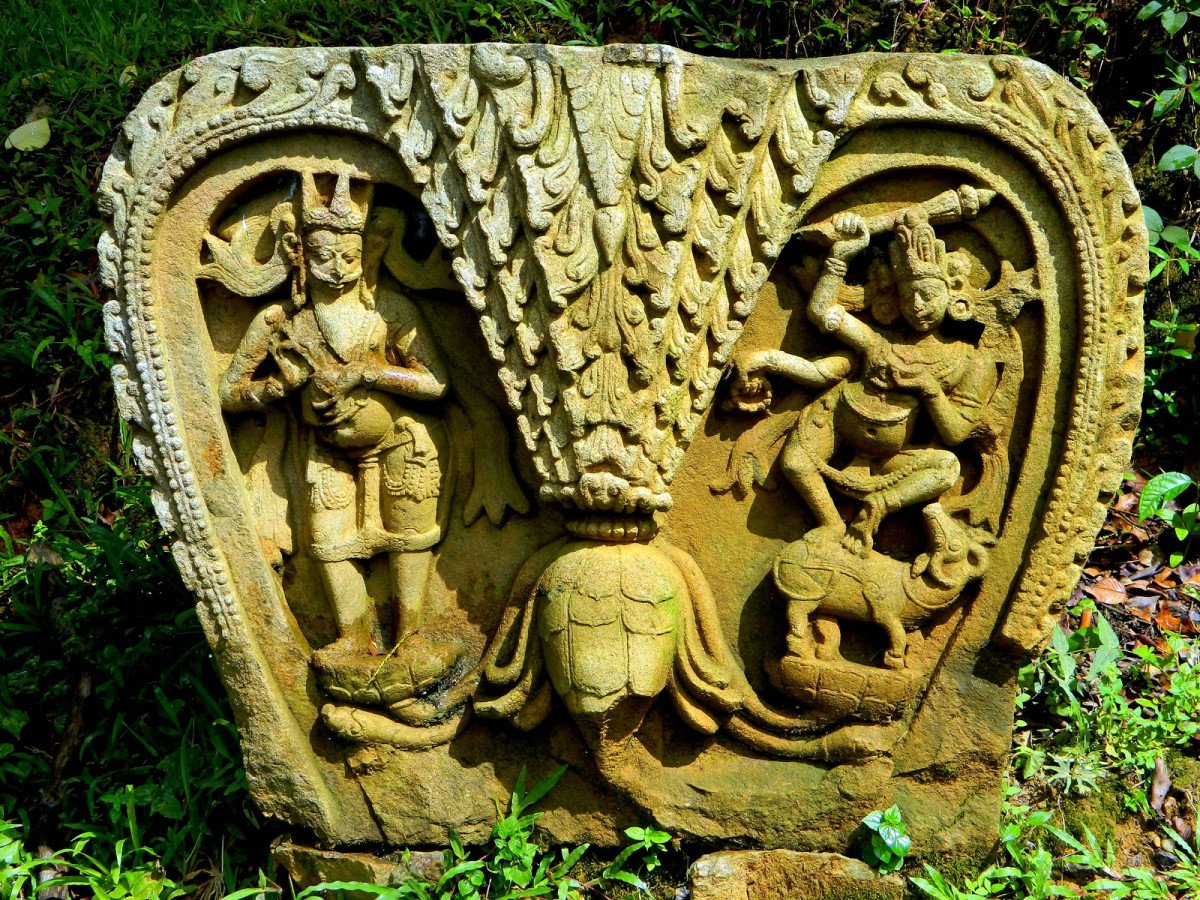
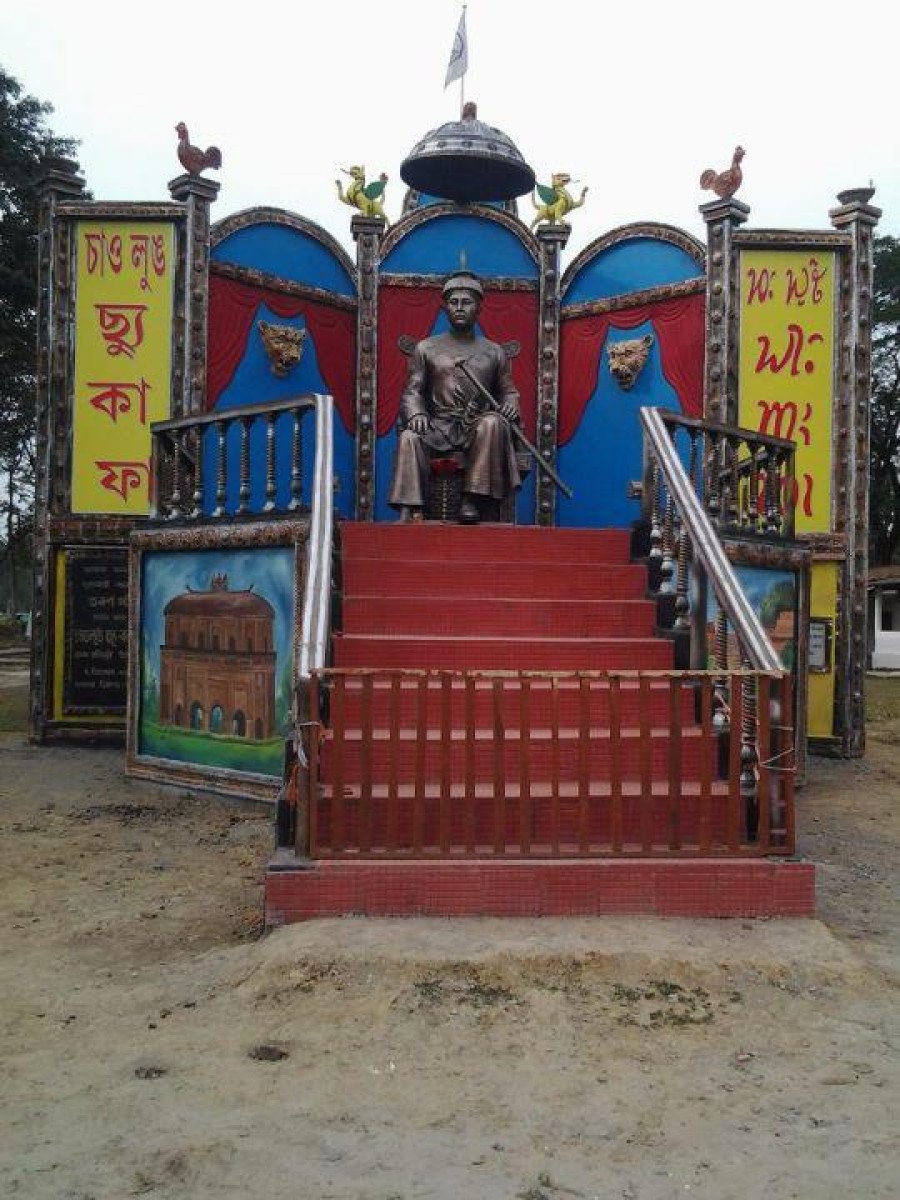
Barbarua Maidam
General information
-
Ideal Duration:
45 minutes to 1 hour (For historical appreciation and peaceful stroll)Place Type:
Historical Landmark, Archaeological Site, ParkEntry Fees:
Entry Fee Structure:: As of now, the Barbarua Maidam is generally an open historical site and a public park, and there is no official entry fee charged to the general public for visiting the mounds themselves. This makes it a very accessible historical spot for both locals ...Entry Fee Structure:: As of now, the Barbarua Maidam is generally an open historical site and a public park, and there is no official entry fee charged to the general public for visiting the mounds themselves. This makes it a very accessible historical spot for both locals and tourists.
Cost-Saving for Tourists:: The free entry to the Maidam is a great advantage for budget travelers. It allows visitors to spend their money on other travel essentials like food, transport, or accommodation in Dibrugarh. However, if you hire a local guide for a more detailed historical tour, their service fee would be a separate, negotiated cost.
Parking and Local Charges (Possible):: While the entry to the historical site is free, there may be a nominal fee for parking a vehicle in the designated area nearby, especially if it's a regulated local parking spot. Furthermore, if the site is used for a special, commercial event, the organizers of that specific event may charge an entry fee, but this is not the regular charge for visiting the Maidam itself.Timing:
Regular Timings (General Access):: Since the site functions as a public park and is an open historical area, there are no strict, officially regulated opening and closing hours like a museum. However, it is generally accessible from Sunrise to Sunset, approximately 6:00 AM ...Regular Timings (General Access):: Since the site functions as a public park and is an open historical area, there are no strict, officially regulated opening and closing hours like a museum. However, it is generally accessible from Sunrise to Sunset, approximately 6:00 AM to 6:00 PM daily. Visitors should stick to daylight hours for safety and the best viewing experience.
Ideal Visit Time (Photography and Peace):: The absolute best time to visit is during the early morning (around 6:00 AM to 8:00 AM). This time is perfect for catching the soft morning light for photography, avoiding the heat of the day, and experiencing the site in its most peaceful state before the crowds of local exercisers peak. The late afternoon, about an hour before sunset, is also a beautiful time for a visit.
Best Day of the Week:: Weekdays are generally quieter than weekends, making them ideal for a more solitary and contemplative historical visit. On Sundays and public holidays, the Maidam tends to be much busier with local families and groups enjoying the open space.Special Events:
Local Community Gatherings and Celebrations:: While the Maidam does not host major religious festivals like a temple, its function as a large public ground means it is frequently used for local community events. This includes cultural programs, social gatherings, and someti...Local Community Gatherings and Celebrations:: While the Maidam does not host major religious festivals like a temple, its function as a large public ground means it is frequently used for local community events. This includes cultural programs, social gatherings, and sometimes small exhibitions organized by local schools or cultural bodies, especially during significant Assamese holidays or celebrations. These events offer visitors a chance to witness local life and cultural performances in an informal historical setting.
Observance of Historical Days:: Local organizations occasionally organize small commemorative events or ceremonies on days significant to Ahom history or the history of Dibrugarh. These events, which are typically low-key and educational, involve laying wreaths, short speeches, and historical talks. They are a good way to gain deeper historical insight into the Ahom period and the significance of the officials buried at Barbarua.Best Photo Spots:
The Grand Hemispherical Mounds:: The best photo spot is generally capturing the largest mounds from a slight distance to showcase their unique, symmetrical, hemispherical shape. Shooting from a low angle can make the mounds appear more imposing and highlight their scale as ...The Grand Hemispherical Mounds:: The best photo spot is generally capturing the largest mounds from a slight distance to showcase their unique, symmetrical, hemispherical shape. Shooting from a low angle can make the mounds appear more imposing and highlight their scale as burial structures. The early morning or late afternoon sun provides the best natural lighting to bring out the textures of the grass and the contours of the earthwork.
The Octagonal Brick Base/Rampart:: If any remains of the lower octagonal brick wall are visible (often hidden by vegetation or restoration), they provide an excellent subject. Photograph the exposed brickwork up close, focusing on the texture and the mortar (lime-surkhi) to document the unique Ahom architecture. These details are often overlooked but offer a rich historical context in the frame.
Sunrise/Sunset Silhouettes:: Position your camera to capture the silhouette of the Maidam mounds against the vibrant colors of the sunrise or sunset. This creates a dramatic and contemplative image, blending the ancient history of the site with the timeless beauty of nature. The wide-open sky above the flat land surrounding the Maidam makes for a stunning backdrop.Photo Gallery
Things To Do
-
Historical Exploration and Contemplation:: Spend time walking around the two main Maidams and the smaller mounds. Try to envision the original significance and scale of these burial structures, which were a pivotal part of the Ahom religious and social life. Read any available information boards to understand the stories of Deka Dihingia Barbarua and Bura Dihingia Barbarua. Take a few moments to appreciate the peaceful silence and reflect on the centuries of history buried beneath the mounds. This activity is perfect for history buffs and those seeking cultural depth.
Nature Walk and Fitness Activities:: As the Maidam complex is maintained as a large, open green space, it is ideal for physical activities. Join the locals for a morning or evening walk or jog around the perimeter. The fresh air and the open field environment ...Historical Exploration and Contemplation:: Spend time walking around the two main Maidams and the smaller mounds. Try to envision the original significance and scale of these burial structures, which were a pivotal part of the Ahom religious and social life. Read any available information boards to understand the stories of Deka Dihingia Barbarua and Bura Dihingia Barbarua. Take a few moments to appreciate the peaceful silence and reflect on the centuries of history buried beneath the mounds. This activity is perfect for history buffs and those seeking cultural depth.
Nature Walk and Fitness Activities:: As the Maidam complex is maintained as a large, open green space, it is ideal for physical activities. Join the locals for a morning or evening walk or jog around the perimeter. The fresh air and the open field environment provide a welcome break from urban pollution. You can also engage in light yoga or stretching exercises on the grass, enjoying the natural tranquility of the location.
Photography and Scenery Capture:: The large, grassy mounds set against the backdrop of the Assamese sky offer excellent photo opportunities. Focus on capturing the unique hemispherical shapes of the Maidams. The setting sun or the early morning light can create dramatic shadows and warm tones, perfect for landscape photography. Look for details in the old brickwork or the surrounding trees for more artistic shots. The site's blend of natural beauty and ancient structure provides a unique visual context.
Simple Picnic or Relaxation:: Due to its park-like atmosphere, the Maidam is a great spot for a simple, informal picnic. Carry a light snack and a water bottle and relax on the grass. It is an ideal place to read a book, journal, or simply watch the local life unfold—children playing, families gathering, or people exercising. Remember to keep the area clean and respect the historical nature of the site.
Learn about the Ahom Culture:: Use your visit as a starting point to delve deeper into the Ahom culture. While at the site, consider using your phone or a guidebook to look up information on Ahom history, their religious practices (like the tradition of burying wealth with the dead), and the unique social structure that gave rise to high-ranking titles like 'Barbarua'. This self-guided learning adds significant value to the visit.
Meet and Interact with Locals:: Since the Maidam is a popular local spot, it offers a great chance to interact with the people of Dibrugarh. Locals often have interesting stories or perspectives on the historical significance of the site. Engaging in polite conversation can enrich your experience and provide an authentic local flavor to your visit.
Information
-
Why Famous:
Testament to the Ahom Dynasty's Legacy:: The Barbarua Maidam is famous primarily because it is a tangible piece of the Ahom Kingdom's extensive six-century rule in Assam. The Ahoms, who were a powerful dynasty with a distinct culture, used these Maidams as their unique buri...Testament to the Ahom Dynasty's Legacy:: The Barbarua Maidam is famous primarily because it is a tangible piece of the Ahom Kingdom's extensive six-century rule in Assam. The Ahoms, who were a powerful dynasty with a distinct culture, used these Maidams as their unique burial system for high-ranking individuals. This site, located far from the main necropolis at Charaideo, highlights the widespread administrative reach and importance of the officials stationed in the Dibrugarh region. It serves as a historical marker that reminds visitors of the sophisticated administrative and funerary practices of the Ahoms.
Burial Site of High Officials:: The fame of the place is directly linked to the belief that the two principal mounds belong to the Deka Dihingia Barbarua and the Bura Dihingia Barbarua, titles held by extremely powerful and high-ranked ministers or officials in the Ahom court. These individuals played pivotal roles in the kingdom's governance and military affairs. Their burial here signifies the area's political importance during their time. Unlike the royal Maidams at Charaideo, which belong to kings, these mounds represent the aristocracy and the key administrative backbone of the kingdom. This unique distinction adds to its historical fame.
Blending of History and Modern Public Space:: While its origin is historical, the site is also known locally as a large, tranquil green space. Over time, the area has evolved into a kind of public park. This blend of an ancient historical monument set within a functional modern recreational space makes it a peculiar and well-known landmark in Dibrugarh. It is a place where locals perform morning walks and community gatherings, quite literally walking over centuries of history, contributing to its local fame and easy accessibility. -
Architecture:
Ahom Funerary Architecture and Structure:: The Maidams are essentially earthen burial mounds that cover an underground vault or chamber constructed of bricks and stones. The general exterior appearance is hemispherical, resembling small hillocks. The size and height of the...Ahom Funerary Architecture and Structure:: The Maidams are essentially earthen burial mounds that cover an underground vault or chamber constructed of bricks and stones. The general exterior appearance is hemispherical, resembling small hillocks. The size and height of the Maidam were often determined by the status and power of the person buried inside. The most complete Maidams, typically those of royalty, included a multi-part structure, although the ones at Barbarua are in ruins. A full-fledged Maidam's internal vault was typically made of burnt bricks cemented with a special mortar of lime-surkhi and occasionally a mixture that included black pulse, molasses, and duck eggs—a unique Ahom building technique known for its resilience, which allowed many structures to withstand earthquakes. Key Architectural Features and Dimensions (Approximate, based on typical Ahom Maidams):: The core of the structure is the vault (Chow-chali), an underground chamber that is usually rectangular in plan. While the exact dimensions of the two main vaults at Barbarua are not precisely documented for public knowledge in ruins, similar high-ranking officials' Maidams have internal chambers measuring approximately 5. 35 meters in length and 4. 40 meters in width. The side walls of the vault are raised, and the chamber is often topped with a domical or arch-shaped superstructure. The entire structure is covered by the massive, hemispherical earthen mound. Surrounding the base of the mound, permanent Maidams were often enclosed by an octagonal brick rampart (garh) with an arched entrance, typically facing the west. At the apex of the mound, a circular brick-paved platform was sometimes built for annual offerings. The overall diameter of these mounds can vary significantly. The architectural style blends local building materials and methods with the traditions of the Tai-Ahom people, creating a distinctive funerary architecture unlike any other in India. -
How To Reach:
General Location:: The Maidam is situated in the Barbarua area, approximately 14 km from the heart of Dibrugarh city. Its location near National Highway 37 (NH 37) makes it relatively easy to locate and access.
By Air (Dibrugarh Airport - DIB):...General Location:: The Maidam is situated in the Barbarua area, approximately 14 km from the heart of Dibrugarh city. Its location near National Highway 37 (NH 37) makes it relatively easy to locate and access.
By Air (Dibrugarh Airport - DIB):: The nearest airport is Dibrugarh Airport (Mohanbari Airport - DIB). After arriving at the airport, you can hire a prepaid taxi or a local cab to reach Barbarua Maidam. The distance from the airport is approximately 15-20 kilometers, and the journey typically takes around 30-45 minutes, depending on traffic. This is the fastest way to reach the region from major Indian cities like Delhi, Kolkata, and Guwahati.
By Train (Dibrugarh Railway Station - DBRT):: The main railway hub is Dibrugarh Town Railway Station (DBRT) or the slightly farther Dibrugarh Railway Station (DBRG). The Maidam is about 10-15 kilometers from the main station. From the station, you can easily hire an auto-rickshaw (or 'tuk-tuk') or a taxi. The train journey connects Dibrugarh well with major parts of the country.
By Road (Bus/Car/Taxi):: Dibrugarh is well-connected by road, notably via NH 37, which is a key artery in Assam. If you are driving from nearby towns like Tinsukia or Jorhat, follow NH 37 towards Dibrugarh. The Maidam is located just off the highway, and local signages should help you find the spot. Hiring a private taxi or cab from the city center is the most comfortable and direct way to get there. The drive from the city center takes about 20-30 minutes.
By Local Transport (Auto-rickshaws/Taxis):: The most common and affordable local transport is the auto-rickshaw. From any point in Dibrugarh city, you can hire an auto-rickshaw to take you directly to Barbarua Maidam. Always agree on the fare with the driver before starting the journey, or insist on using the meter if available. Local city buses might run near the NH 37 route; however, they are less convenient as they might not stop directly at the Maidam's entrance. -
Weather and Best Time to Visit:
Different Types of Seasons::
Winter (October to March): This is the Best Time to Visit. The weather is cool, dry, and pleasant, with temperatures ranging from around 10°C to 25°C. The clear skies and comfortable climate make it ideal for ...Different Types of Seasons::
Winter (October to March): This is the Best Time to Visit. The weather is cool, dry, and pleasant, with temperatures ranging from around 10°C to 25°C. The clear skies and comfortable climate make it ideal for outdoor exploration, historical walks, and photography. The October to November period, just after the monsoon, is particularly lush and beautiful.
Summer (April to June): The weather is hot and humid, with temperatures often exceeding 30°C. Visits during this time should be restricted to the early morning or late evening.
Monsoon (July to September): The region experiences heavy rainfall, which can cause logistical issues and make the earthen Maidam mounds muddy and difficult to explore. While the landscape is lush green, this is generally considered the least ideal time for a visit.
Different Parts of the Day:: Early Morning (6:00 AM - 8:00 AM) As mentioned, this is the Ideal Visit Time. The air is fresh, the light is soft for photography, and the environment is very peaceful, perfect for contemplation and a leisurely walk. Mid-Day (10:00 AM - 3:00 PM) This is the hottest part of the day, especially in summer and pre-monsoon. It is best avoided unless you are only planning a very short stop or the weather is a cool winter day. Late Afternoon/Evening (4:00 PM - 6:00 PM) The temperature cools down, and the Maidam becomes active with locals taking walks. It's a nice time to experience the local life and enjoy the sunset. -
Near Tourist Places:
Lekai Chetia Maidam: Historical Site in Sessa village (approx. 5 km).
Bahikhowa Maidam: Historical Site near Khowang Tea Estate (approx. 10 km).
Sarumechlow and Bormechow Maidam: Burial Mounds in Lengeri Mouza (approx. 12 km).
Raidongia Dol: Ancient Temple Ruins (approx. 15 km).
Jokai Botanical Garden Reserve Forest: Nature and Wildlife (approx. 20 km).
Tea Gardens (Mancotta/Dinjan): Scenic Estates (approx. 8-15 km).
Dinjoy Satra: Vaishnavite Monastery (approx. 25 km).
Radha Krishna Temple: Major Religious Site in Dibrugarh city (approx. 15 km).
Dibrugarh Town: Shopping and Restaurants (approx. 14 km).
Koli Aai Thaan: Old Ahom Religious Site (approx. 20 km).
Tourism Tips
-
Health & Safety:
Hydration and Sun Protection:: Always carry drinking water, especially during the warmer months, and stay hydrated while walking around the open area. Use sunscreen, wear a hat, and carry sunglasses to protect yourself from ...Health & Safety:
Hydration and Sun Protection:: Always carry drinking water, especially during the warmer months, and stay hydrated while walking around the open area. Use sunscreen, wear a hat, and carry sunglasses to protect yourself from the strong Assam sun, even in winter. Be mindful of your steps, as the ground can be uneven, especially near the ruins. Since it's a historical site, avoid climbing on the mounds.
Packing:
Comfortable Footwear and Mosquito Repellent:: Wear comfortable walking shoes as you will be strolling on grass and uneven terrain. Given the lush, green environment of Assam, it is advisable to carry and use mosquito repellent, especially during the late afternoon and early evening hours.
Accommodation:
Dibrugarh City Base:: The best place to find suitable accommodation is in Dibrugarh city. The city offers a range of options, from budget hotels to more comfortable, mid-range and luxury stays. Since the Maidam is only 14 km away, staying in the city allows easy access to restaurants, markets, and other amenities.
Respect and Etiquette:
Historical Significance:: Remember that the Maidams are ancient burial sites, so they should be treated with respect. Avoid littering, do not disturb the ruins or the natural setting, and keep noise to a minimum. If you are there during a local community gathering, observe and respect their activities.
Local Travel Tip:
Transportation Negotiation:: When hiring an auto-rickshaw or taxi from Dibrugarh, it's wise to negotiate the fare beforehand, as drivers might not always use the meter, especially for trips outside the immediate city center.
Reviews
FAQs
Dibrugarh Itineray And Cost:-
Other Places In Dibrugarh :-
Other States In India :-
Information about New and Updated Locations() of Assam Has Been Added :-
Card subtitle
Note:-
Information provided here in good Faith and for reference only.
Near Places
Anthropological Museum Of Indigenous Peoples
Some quick example text to build on the card title and make up the bulk of the card's content.
Go somewhere
Barbarua Maidam
Some quick example text to build on the card title and make up the bulk of the card's content.
Go somewhere
Bogibeel Bridge
Some quick example text to build on the card title and make up the bulk of the card's content.
Go somewhere
Brahmaputra Riverfront
Some quick example text to build on the card title and make up the bulk of the card's content.
Go somewhere
Dehing Namti Satra
Some quick example text to build on the card title and make up the bulk of the card's content.
Go somewhere
Dibrugarh Phoolbagan Ferry Ghat
Some quick example text to build on the card title and make up the bulk of the card's content.
Go somewhere
Dinjoy Satra
Some quick example text to build on the card title and make up the bulk of the card's content.
Go somewhere
Jokai Botanical Garden
Some quick example text to build on the card title and make up the bulk of the card's content.
Go somewhere
Lekai Chetia Maidam
Some quick example text to build on the card title and make up the bulk of the card's content.
Go somewhere
Mancotta Tea Estate
Some quick example text to build on the card title and make up the bulk of the card's content.
Go somewhere
Naharkatia Town
Some quick example text to build on the card title and make up the bulk of the card's content.
Go somewhere
Radha Krishna Mandir
Some quick example text to build on the card title and make up the bulk of the card's content.
Go somewhere
Raidongia Dol
Some quick example text to build on the card title and make up the bulk of the card's content.
Go somewhere
Raidongia Dol or Raidongia Shiv Doul
Some quick example text to build on the card title and make up the bulk of the card's content.
Go somewhere
Sarumechlow and Bormechow Maidam
Some quick example text to build on the card title and make up the bulk of the card's content.
Go somewhere
Shri Jagannath Temple
Some quick example text to build on the card title and make up the bulk of the card's content.
Go somewherein Other Cities