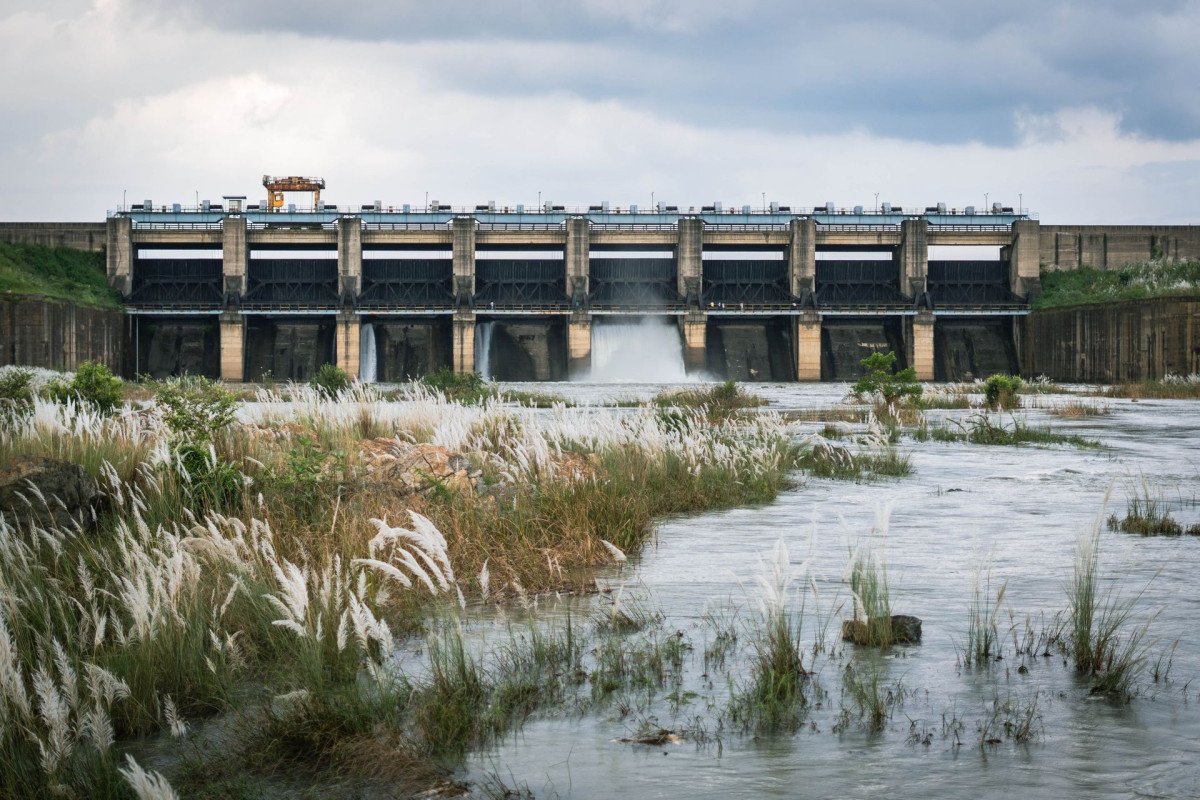
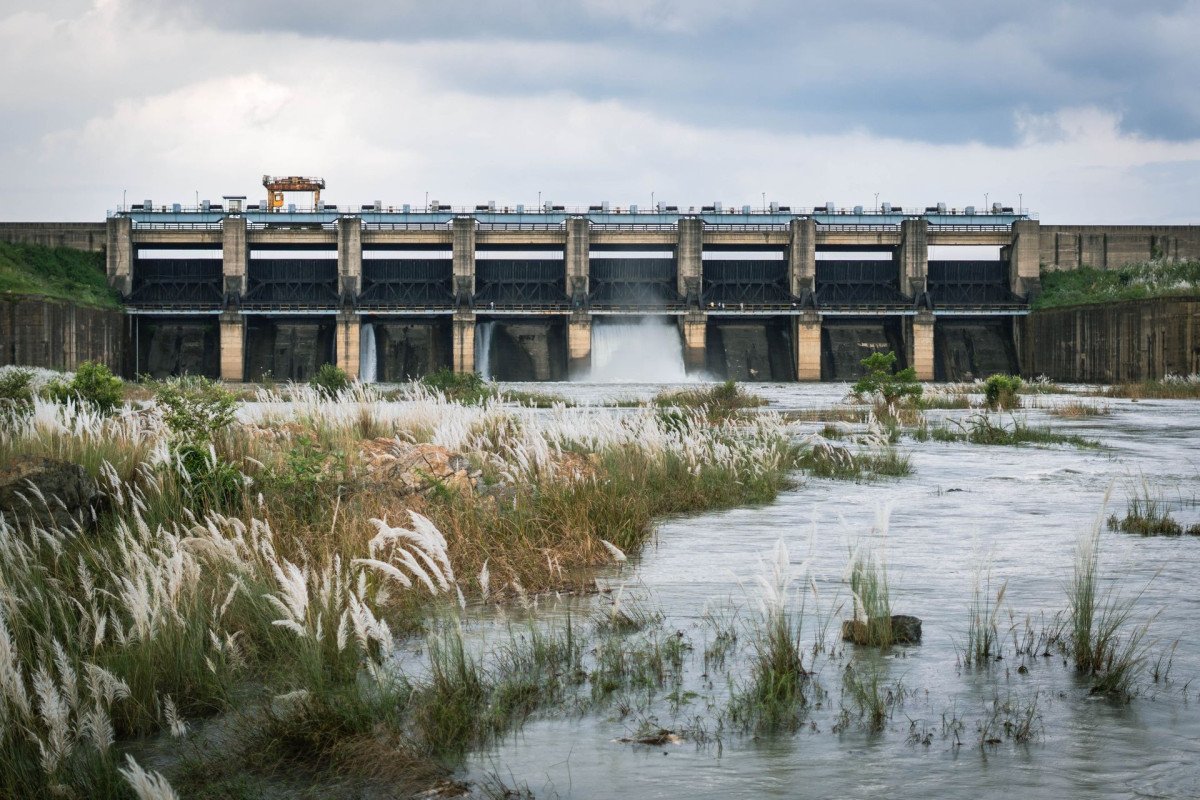
Lekai Chetia Maidam
General information
-
Ideal Duration:
1 to 2 hoursPlace Type:
Historical Site, Cultural Landmark, Religious ThaaEntry Fees:
Standard Entry and Maintenance Fees:Generally, for most Ahom Maidams and local Thaan sites in Assam, there is No Entry Fee for visitors. The historical and religious sites are often managed by local trusts or the Department of Archaeology, which usually aim to keep them acc...Standard Entry and Maintenance Fees:Generally, for most Ahom Maidams and local Thaan sites in Assam, there is No Entry Fee for visitors. The historical and religious sites are often managed by local trusts or the Department of Archaeology, which usually aim to keep them accessible to the public and devotees. However, a small, nominal fee (which might be around Rs.10 to Rs.20) might be introduced for maintenance in the future. It is best to check upon arrival, but anticipate free entry.
Photography and Videography Charges:For casual photography with a mobile phone or small camera, there are usually No Charges. However, professional photography or commercial videography (like pre-wedding shoots, documentary filming, etc. ) may require prior permission from the local authorities or the managing trust, and a fee ranging from Rs.500 to Rs.2,000 or more might be levied. Always inquire with the caretaker if your equipment looks professional to avoid issues.
Donations and Offerings:Since it is also a Thaan (religious site), there are typically Donation Boxes placed near the prayer area. Visitors, especially those offering prayers, are encouraged to make a voluntary contribution. These funds are used for the daily upkeep, maintenance of the grounds, and organizing community events. This is a voluntary contribution and is not a mandatory fee, but a kind gesture to support the preservation of the site.Timing:
Regular Operating Hours:As a historical site and a Thaan, the Lekai Chetia Maidam is generally open to visitors every day. The typical opening time is around 9:00 AM and it remains accessible until 5:00 PM or 6:00 PM. Unlike temples with strict puja schedules, the site foc...Regular Operating Hours:As a historical site and a Thaan, the Lekai Chetia Maidam is generally open to visitors every day. The typical opening time is around 9:00 AM and it remains accessible until 5:00 PM or 6:00 PM. Unlike temples with strict puja schedules, the site focuses on daytime accessibility. Always check with the local information center or caretaker for any specific closing hours, especially during the Winter months when daylight hours are shorter.
Ideal Visit Time (Best Light and Peace):The best time of the day to visit is during the early morning, right after it opens (9:00 AM to 11:00 AM), or late afternoon, an hour before sunset (3:30 PM to 5:30 PM in Winter; 4:30 PM to 6:30 PM in Summer). The weather is cooler during these times, and the soft, oblique light is perfect for photography, casting beautiful shadows on the earthen mound. It is also the least crowded time, allowing for a peaceful and reflective experience. Mornings are usually calmer.
Avoid Midday Sun:Visiting between 11:30 AM and 3:00 PM is generally Not Recommended, especially during the Summer (especially April to June). The sun is harsh, and the temperature is high, which makes walking around the open grounds uncomfortable. The light is also flat and unsuitable for good photographs.Special Events:
Annual Rath Yatra or Local Festivals:While not an ornate temple, as a Thaan, the site participates in or is a focal point for certain local religious and cultural events. The community often organizes Naam Kirtan (devotional singing) or a small Rath Yatra-style procession d...Annual Rath Yatra or Local Festivals:While not an ornate temple, as a Thaan, the site participates in or is a focal point for certain local religious and cultural events. The community often organizes Naam Kirtan (devotional singing) or a small Rath Yatra-style procession during the Assamese Bohag Bihu (mid-April) or around the time of the Puri Rath Yatra in June or July, showcasing the area's inclusive religious harmony. These events are deeply rooted in local traditions, offering a vibrant cultural spectacle distinct from purely historical tourism. The energy and community spirit during these times are special.
Ahom Memorial Days:Special days dedicated to commemorating Ahom heroes and the dynasty's historical figures are observed, sometimes informally, by local history enthusiasts and cultural organizations. These events often involve lighting lamps, offering respects to the departed soul, and sharing stories about Lekai Chetia's life and service. The best time to experience this is during the annual Maidam Divas (Maidam Day), often observed across the state, adding a solemn, historical touch to the visit.
Community Gatherings and Fairs:The spacious grounds are occasionally used for small community fairs, Bihu functions, or melas (local gatherings), especially during the harvest or festive seasons like Magh Bihu (mid-January) or Kati Bihu (mid-October). These gatherings are spontaneous and showcase the local lifestyle, traditional food, and crafts. While not strictly a temple event, they transform the quiet spot into a vibrant community hub, providing a unique visitor experience.Best Photo Spots:
The Maidam at Sunrise/Sunset:The grand earthen mound itself, especially when viewed with the soft, directional light of sunrise or sunset, is the top photo spot. The low angle of the sun casts long shadows, adding texture and drama to the mound's otherwise simple shape. Po...The Maidam at Sunrise/Sunset:The grand earthen mound itself, especially when viewed with the soft, directional light of sunrise or sunset, is the top photo spot. The low angle of the sun casts long shadows, adding texture and drama to the mound's otherwise simple shape. Position yourself slightly away to capture the entire dome against the changing colors of the sky, symbolizing the timeless nature of the monument. The serenity of the early morning or late evening adds a profound depth to the images.
The Lush Green Surroundings:The thick, vibrant green grass that typically covers the Maidam and the surrounding grounds provides an excellent contrast for close-up and wide-angle shots. Use the green lawn as a foreground element to frame the Maidam. If you can capture the adjacent tea gardens in the background, it instantly places the monument within the unique context of Dibrugarh, the 'Tea City'. The sight of a solitary, ancient mound amidst this modern agricultural landscape is a powerful photographic narrative.
Architectural Details and Shrine Elements:Though the architecture is simple, focus on any small, intricate details—like the commemorative plaque, any traditional Assamese decorative motifs used in the fence or entry gate, or the simple altar of the Thaan. These elements speak to the site's dual role. A close-up shot of the prayer offerings (if present and appropriate) can capture the spiritual atmosphere of the place. Look for the contrast between the ancient earthwork and any newer, small devotional structures.
The Road Leading to the Maidam:The Mankota Road approach, often a picturesque avenue lined with trees or tea bushes, is a fantastic spot. Capture the sense of journey and tranquility by photographing the path leading towards the Maidam. This shot should include the feeling of the "road less traveled," emphasizing the quiet, hidden nature of the site. Use the lines of the road or the tea bushes to guide the viewer's eye towards the historical mound.Photo Gallery
Things To Do
-
Historical Exploration and Learning:Take your time to walk around the entire perimeter of the Maidam. Read any available signboards or plaques that provide historical information about Lekai Chetia and the Ahom era. Focus on understanding the social, political, and cultural context of why such grand burial mounds were built for high-ranking officers. Imagine the process of constructing this massive earth structure centuries ago. This is a primary activity for history buffs. Try to find information about Swargodeo Pratapsingha's reign to better appreciate the officer's role. Spend at least an hour absorbing the historical significance.
Experiencing the Religious Sanctity (Thaan Visit):Since it functions as a Thaan (a sacred space), observe and respect the local religious customs. If permissible, you can offer prayers or simp...Historical Exploration and Learning:Take your time to walk around the entire perimeter of the Maidam. Read any available signboards or plaques that provide historical information about Lekai Chetia and the Ahom era. Focus on understanding the social, political, and cultural context of why such grand burial mounds were built for high-ranking officers. Imagine the process of constructing this massive earth structure centuries ago. This is a primary activity for history buffs. Try to find information about Swargodeo Pratapsingha's reign to better appreciate the officer's role. Spend at least an hour absorbing the historical significance.
Experiencing the Religious Sanctity (Thaan Visit):Since it functions as a Thaan (a sacred space), observe and respect the local religious customs. If permissible, you can offer prayers or simply sit quietly to experience the spiritual calm. Note the simple, non-idolatrous nature of the worship, which is often characteristic of local Assamese shrines. The visit should be marked by silence and reverence. Check if there are any naam kirtan (devotional singing) sessions happening, as witnessing these offers a deep cultural insight.
Nature Photography and Scenic Walks:The area is surrounded by immense greenery, often with glimpses of adjacent tea gardens. Dedicate time to capturing the serene landscape, the contrast of the ancient earthen mound against the modern greenery, and the quiet atmosphere. Walk along the Mankota Road periphery to enjoy the fresh air and the sight of the tea bushes. The soft morning or late afternoon light offers the best conditions for landscape photography. The tranquil environment is perfect for a leisurely, meditative walk.
Picnicking and Relaxation (Respectful Use):Due to the peaceful and well-maintained grounds, the area surrounding the Maidam is suitable for a respectful, quiet picnic. Carry a simple mat and some snacks to enjoy the ambiance. However, ensure that no litter is left behind, as the site is both historical and religious. The main goal should be relaxation and quiet contemplation, not loud activity. This is an excellent spot to simply sit and read a book in nature's quiet lap.
Exploring Nearby Maidams and Sites:Dibrugarh district is home to several Ahom-era burial sites, including Sarumechlow and Bormechow Maidam and Barbarua Maidam. A visit to Lekai Chetia Maidam can be a starting point for a 'Maidam Trail' exploration. Hire a local taxi for a half-day trip to explore these interconnected historical sites, which collectively tell the story of the Ahom burial traditions. This provides a comparative study of the monuments.
Interaction with Local Community:If you see locals or the caretaker, engage in a polite conversation (if they are receptive). They might share oral traditions, local legends, or personal experiences associated with the Maidam and the Thaan, which are not found in official guides. This personal interaction often uncovers the most valuable and unique aspects of the place and the community's relationship with its heritage.
Tea Garden Sightseeing:Being near Mankota Road, you are in the heart of the Dibrugarh tea belt. Dedicate some time to observe the nearby tea gardens—the pluckers at work (if in season) and the neat rows of tea bushes. Though the Maidam is the main destination, the surrounding tea culture is an integral part of the local experience and offers a chance to see why Dibrugarh is called the 'Tea City of India'.
Information
-
Why Famous:
Link to Ahom History and Heroism:The primary reason for its fame is its direct connection to the powerful Ahom Kingdom, which shaped the history of Assam. Lekai Chetia was a noted officer under Swargodeo Pratapsingha, and the Maidam is his final resting place. It serves as...Link to Ahom History and Heroism:The primary reason for its fame is its direct connection to the powerful Ahom Kingdom, which shaped the history of Assam. Lekai Chetia was a noted officer under Swargodeo Pratapsingha, and the Maidam is his final resting place. It serves as a tribute to the bravery and contribution of Ahom nobles and officers who were instrumental in running the vast kingdom. It's a place where history can be felt, moving beyond textbook accounts.
Cultural and Religious Sanctity (Thaan):The fact that it is revered as a 'Thaan' adds a layer of religious significance. It's a spot where locals come to seek blessings and offer prayers, making it an active cultural center, not just a ruin. This combination of history and living faith distinguishes it from other historical ruins, ensuring its upkeep and reverence by the community. The Maidam symbolizes the continuity of Assamese tradition.
Scenic Beauty and Tranquil Setting:The location itself, near the beautiful Mankota Road and often surrounded by the lush greenery of tea gardens, has made it famous. It is known for its quiet, serene atmosphere, making it a perfect retreat for those looking for peace. The natural setting enhances the monument's solemnity and appeal, drawing tourists who appreciate both history and nature. -
Architecture:
Traditional Ahom Maidam Style:The Lekai Chetia Maidam follows the distinctive architectural style of the Ahom dynasty's funerary monuments. The Ahom Maidams are essentially earthen tumuli or mounds, built over underground vaults where the deceased was interred along with pe...Traditional Ahom Maidam Style:The Lekai Chetia Maidam follows the distinctive architectural style of the Ahom dynasty's funerary monuments. The Ahom Maidams are essentially earthen tumuli or mounds, built over underground vaults where the deceased was interred along with personal belongings and, in some ancient cases, ritualistic items. The shape is typically semi-spherical or conical, representing a dome-like structure rising from the ground.
Earthen Mound and Dimensions:The primary architectural feature is the massive, well-maintained earth mound. While specific, exact dimensions are not universally published, a typical large Ahom Maidam like this can have a base diameter ranging from 30 to 50 meters and a vertical height of 5 to 10 meters. The sheer scale of the earthwork is a testament to the labor and resources committed by the Ahom kingdom to honor their dead. The soil is carefully packed and sometimes reinforced to withstand the elements for centuries.
Absence of Ornate Stonework:Unlike temples, the Maidam structure itself is simple, focusing on the mound form. The emphasis is on the volume of earth and the sanctity of the hidden vault beneath, rather than external ornamentation. The simplicity reflects the Ahom burial traditions. The surroundings are now often maintained as a green park or a religious compound, incorporating modern landscaping while preserving the ancient structure. -
How To Reach:
By Air (Mohanbari Airport - DIB):The nearest airport is Dibrugarh Airport (Mohanbari Airport - DIB), which is approximately 15-20 KMs away from the Maidam. The airport is well-connected to major Indian cities like Delhi, Kolkata, and Guwahati. From the airport, you can hir...By Air (Mohanbari Airport - DIB):The nearest airport is Dibrugarh Airport (Mohanbari Airport - DIB), which is approximately 15-20 KMs away from the Maidam. The airport is well-connected to major Indian cities like Delhi, Kolkata, and Guwahati. From the airport, you can hire a pre-paid taxi or a private cab. The drive to the Maidam will take about 30 to 45 minutes, depending on traffic. This is the most convenient way for inter-state travelers.
By Train (Dibrugarh Town Railway Station - DBRT):The main railway station serving the city is Dibrugarh Town Railway Station (DBRT). The Maidam is located approximately 7-10 KMs from the station. The station connects Dibrugarh to the rest of India with several important trains. From the station, you can easily hire an auto-rickshaw or book a cab/taxi. The journey by road from the station should take about 20 to 30 minutes.
By Road (National and State Highways):Dibrugarh is well-connected by a network of National Highways (like NH 15) and State Highways. The Maidam is near the Mankota Road at Sessa, which is a local, well-paved road. If driving from within Assam (e. g. , from Guwahati or Jorhat), follow the main highways leading to Dibrugarh and then take the local roads near Sessa and Mankota. The road infrastructure is generally good, but local signage to the specific Maidam might be limited, so rely on a map or local guidance.
By Local Transport (Auto-Rickshaws and Cabs):Within Dibrugarh city, the best ways to reach the Maidam are by hiring a local auto-rickshaw or booking an app-based taxi (like Ola/Uber if available) or a regular private cab. Auto-rickshaws are widely available and are an affordable option. Since the location is slightly outside the main city center, negotiate the fare with the auto-rickshaw driver beforehand, or ensure the cab driver uses a meter or fixed app-based fare. Shared public transport options may require a walk from the main road. -
Weather and Best Time to Visit:
Winter Season (October to March):This is the Best Time to Visit. The weather is pleasantly cool, dry, and mild, with temperatures ranging from 10°C to 25°C. The clear skies and comfortable atmosphere make walking and exploring the open grounds of the Maidam very enjoyabl...Winter Season (October to March):This is the Best Time to Visit. The weather is pleasantly cool, dry, and mild, with temperatures ranging from 10°C to 25°C. The clear skies and comfortable atmosphere make walking and exploring the open grounds of the Maidam very enjoyable. This period is also ideal for combining your visit with other outdoor activities in Dibrugarh, like tea garden tours. The air is fresh and crisp.
Summer Season (April to May):The weather is hot and humid, with temperatures often rising above 30°C. It is Less Ideal for a visit. If you must travel during this period, plan your visit for the early morning or late evening to avoid the harsh mid-day sun. Carry light, cotton clothing and ensure you stay hydrated. The benefit of this season is the surrounding greenery is at its most vibrant.
Monsoon Season (June to September):This season brings heavy and frequent rainfall. It is the Least Recommended time to visit. While the landscape is incredibly lush and beautiful, the constant rain can make walking around the earthen mound muddy and difficult. It can also disrupt travel plans. If you visit, carry rain gear like umbrellas and waterproof jackets.
Different Parts of the Day (Morning and Evening):As mentioned in the Timings section, the early Morning (9:00 AM to 11:00 AM) and late Afternoon (3:30 PM to 5:30 PM) are the Ideal times. The light is soft, the temperature is moderate, and the atmosphere is most serene for reflection and photography. Avoid the intense heat and glare of the midday sun. -
Near Tourist Places:
1.
Mancotta Tea Estate: (Tea Garden) - Approx. 2 KMs2.
Jokai Botanical Garden Reserve Forest: (Nature/Forest) - Approx. 8 KMs3.
Barbarua Maidam: (Historical) - Approx. 10 KMs4.
Dibrugarh Town Railway Station: (Landmark) - Approx. 7 KMs5.
Radha Krishna Mandir: (Religious) - Approx. 6 KMs6.
Shri Jagannath Temple: (Religious) - Approx. 9 KMs7.
Dehing Namti Satra: (Monastery) - Approx. 15 KMs8.
Dibrugarh University: (Landmark) - Approx. 12 KMs9.
Bogibeel Bridge: (Engineering Marvel) - Approx. 30 KMs10.
Thana Chariali: (Shopping Hub) - Approx. 7 KMs
Tourism Tips
-
Health & Safety Guidelines:Carry an insect repellent, especially during the early morning or late afternoon visits, due to the lush green surroundings. Drink only bottled water to avoid stomach issues. The area is open, so wear a hat and apply sunscreen during sunny days. ...Health & Safety Guidelines:Carry an insect repellent, especially during the early morning or late afternoon visits, due to the lush green surroundings. Drink only bottled water to avoid stomach issues. The area is open, so wear a hat and apply sunscreen during sunny days. Since it is an earthen mound, wear comfortable walking shoes; the surface can be uneven. Be mindful of snakes during the monsoon, though sightings are rare in maintained areas. In case of any emergency, the city of Dibrugarh is nearby for medical aid.
Packing Essentials:Pack light, breathable cotton clothes for the Summer and layers of warm clothing, including a jacket or shawl, for the Winter. Always carry a small umbrella or raincoat, regardless of the season, due to the unpredictable weather in Assam. A good camera, extra batteries, and a pair of binoculars for bird-watching (given the proximity to natural areas) are recommended. Carry a small first-aid kit with basic medicines.
Accommodation Options:The Maidam is located slightly outside the main city, so the best accommodation is available in Dibrugarh city center. Options range from budget hotels (Rs.1,500 to Rs.3,000 per night) to mid-range and premium hotels like Hotel Natraj or Hotel Rajhans (Rs.3,000 to Rs.7,000+ per night). Several Homestays and local guesthouses offer a more authentic experience. Book in advance, especially during the peak Winter season (November to February).
Respecting the Cultural & Historical Site:As a Maidam and a Thaan, respect the sanctity of the place. Dress modestly; avoid overly revealing clothes. Do not climb or tamper with the earthen mound itself. Avoid making loud noises or playing music. Take all your garbage back with you—'Swachh Bharat' (Clean India) principles should be followed strictly. If any rituals are in progress, maintain a respectful distance and avoid taking intrusive photos. Seek permission before photographing local people.
Travel & Navigation:Keep local currency (rupees) handy, as small vendors or auto-rickshaw drivers may not accept digital payments. Download offline maps (Google Maps or similar) since mobile network connectivity can sometimes be patchy outside the city center. Learn a few simple phrases in Assamese (like 'Dhunia' for beautiful, 'Dhonne Baad' for thank you) to engage positively with the locals.
Reviews
FAQs
Dibrugarh Itineray And Cost:-
Lekai Chetia Maidam Tourism:-
Other Places In Dibrugarh :-
Other States In India :-
Information about New and Updated Locations() of Assam Has Been Added :-
Card subtitle
Note:-
Information provided here in good Faith and for reference only.
Near Places
Anthropological Museum Of Indigenous Peoples
Some quick example text to build on the card title and make up the bulk of the card's content.
Go somewhere
Barbarua Maidam
Some quick example text to build on the card title and make up the bulk of the card's content.
Go somewhere
Bogibeel Bridge
Some quick example text to build on the card title and make up the bulk of the card's content.
Go somewhere
Brahmaputra Riverfront
Some quick example text to build on the card title and make up the bulk of the card's content.
Go somewhere
Dehing Namti Satra
Some quick example text to build on the card title and make up the bulk of the card's content.
Go somewhere
Dibrugarh Phoolbagan Ferry Ghat
Some quick example text to build on the card title and make up the bulk of the card's content.
Go somewhere
Dinjoy Satra
Some quick example text to build on the card title and make up the bulk of the card's content.
Go somewhere
Jokai Botanical Garden
Some quick example text to build on the card title and make up the bulk of the card's content.
Go somewhere
Lekai Chetia Maidam
Some quick example text to build on the card title and make up the bulk of the card's content.
Go somewhere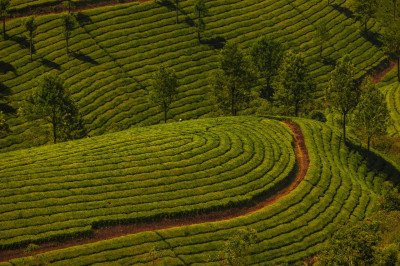
Mancotta Tea Estate
Some quick example text to build on the card title and make up the bulk of the card's content.
Go somewhere
Naharkatia Town
Some quick example text to build on the card title and make up the bulk of the card's content.
Go somewhere
Radha Krishna Mandir
Some quick example text to build on the card title and make up the bulk of the card's content.
Go somewhere
Raidongia Dol
Some quick example text to build on the card title and make up the bulk of the card's content.
Go somewhere
Raidongia Dol or Raidongia Shiv Doul
Some quick example text to build on the card title and make up the bulk of the card's content.
Go somewhere
Sarumechlow and Bormechow Maidam
Some quick example text to build on the card title and make up the bulk of the card's content.
Go somewhere
Shri Jagannath Temple
Some quick example text to build on the card title and make up the bulk of the card's content.
Go somewherein Other Cities