

Jokai Botanical Garden
General information
-
Ideal Duration:
2 to 3 hours (Ideal for a thorough, relaxed visit including walking and photography).Place Type:
Botanical Garden, Nature Reserve, Ecotourism Spot,Entry Fees:
Standard Entry Ticket Price: The Jokai Botanical Garden generally has a very nominal entry fee. As per recent reports, the standard Entry Fee for an Adult is approximately INR 20 per person. The fee for a Child is often reduced, typically around INR 10. These low rates ar...Standard Entry Ticket Price: The Jokai Botanical Garden generally has a very nominal entry fee. As per recent reports, the standard Entry Fee for an Adult is approximately INR 20 per person. The fee for a Child is often reduced, typically around INR 10. These low rates are designed to keep the garden accessible to all, promoting nature awareness and conservation among the local community and visitors alike.
Fees for Educational or Research Visits: For large groups of students on an educational tour or for recognized researchers visiting the Germplasm Centre or other specialized facilities, there might be a separate, often slightly higher, group fee or a requirement for prior official permission. It is advisable for institutions to contact the local Forest Department or the garden authorities in advance to confirm the group rate and any necessary permissions.
Extra Charges for Specialized Activities: The nominal entry fee usually covers basic access to the garden and walking trails. However, certain special activities, if available, may incur an additional charge. For instance, if the facility offers Boating on the Pond or Elephant Rides (as mentioned in some older records for the reserve forest area), there would be a separate ticket required for these activities. Tourists should inquire at the entry gate about these special activity charges.
Parking and Camera Fees: While parking fees are not always explicitly mentioned, there might be a small charge for parking a car or two-wheeler near the entrance, especially during peak seasons. Furthermore, some parks and gardens in India levy a small fee for carrying a DSLR camera or video equipment, particularly for professional use. Tourists should be prepared for a potential nominal Camera Fee at the ticket counter.Timing:
Regular Operating Hours (Daily Timings): The typical operating hours for the Jokai Botanical Garden are from 8:00 AM to 5:00 PM on all days of the week, including Saturdays and Sundays. However, it is strongly recommended that visitors check the latest timings with local so...Regular Operating Hours (Daily Timings): The typical operating hours for the Jokai Botanical Garden are from 8:00 AM to 5:00 PM on all days of the week, including Saturdays and Sundays. However, it is strongly recommended that visitors check the latest timings with local sources or authorities, as opening and closing hours can sometimes vary or be subject to sudden change due to maintenance or administrative issues. Best Time for Photography and Bird Watching (Ideal Visit Time): The absolute Ideal Visit Time is the early morning, right when the garden opens at 8:00 AM, and the late afternoon, between 3:00 PM and 5:00 PM. During these times, the sunlight is soft (Golden Hour), which is perfect for photography, and the cool temperature makes the walk more pleasant. More importantly, this is when the birds and other small wildlife are most active, offering the best opportunities for wildlife spotting.
Ideal Duration for a Visit: The recommended duration for a visit to the Jokai Botanical Garden is approximately 2 to 3 hours. This allows ample time for a slow, leisurely walk through all the main sections, photography, and a short break for relaxation. A quicker visit of 1 to 1. 5 hours can cover the highlights, but a longer duration is suggested for nature enthusiasts.
Winter Season's Extended Comfort: While the timings remain constant year-round, the garden is most comfortable to visit during the entire day in the Winter season, from October to March, due to the pleasant and moderate climate. Visiting during the midday hours of the Summer or Monsoon season can be less enjoyable due to heat and humidity.Special Events:
Annual Maha Shivratri Celebration (Not applicable to Botanical Garden): It is important to note that the Jokai Botanical Garden does not host a major annual religious festival like Maha Shivratri, which is instead famously celebrated at the nearby Raidongia Dol. The garden's events are focused on n...Annual Maha Shivratri Celebration (Not applicable to Botanical Garden): It is important to note that the Jokai Botanical Garden does not host a major annual religious festival like Maha Shivratri, which is instead famously celebrated at the nearby Raidongia Dol. The garden's events are focused on nature and conservation.
Educational Workshops and Seminars: The most significant special events at the Jokai Botanical Garden are typically non-commercial and educational. These include specialized workshops and seminars focusing on plant conservation, regional biodiversity, and the study of medicinal and aromatic plants. These events, often organized in collaboration with the Tea Research Association or local universities, aim to raise awareness and promote scientific research. They are usually held during the pleasant Winter months (like November or February).
Observation of Migratory Bird Season: While not a formal 'event', the peak period for migratory bird arrivals, usually between November and March, is treated as a special season. The garden becomes a focal point for local bird-watching groups and nature photographers during this time. Special guided walks or designated observation sessions may be organized by local nature clubs to highlight the diverse avian visitors.
World Environment Day / Earth Day Observances: In line with its conservation mission, the garden often hosts special plantation drives, educational camps, and public awareness programs to observe global environmental days like World Environment Day (June 5) or Earth Day (April 22). These events involve community participation, school children, and local officials, focusing on the importance of biodiversity conservation.Best Photo Spots:
The Serene Water Pond: This is arguably the most picturesque spot. The water body offers a natural mirror, reflecting the sky and the surrounding lush greenery. The best time for photography here is during the Golden Hour (early morning or late afternoon) when the light is...The Serene Water Pond: This is arguably the most picturesque spot. The water body offers a natural mirror, reflecting the sky and the surrounding lush greenery. The best time for photography here is during the Golden Hour (early morning or late afternoon) when the light is soft, creating beautiful reflections and shadows. Capture the peaceful atmosphere, and if available, a boat on the water for an added element of interest.
The Orchid House's Vibrant Displays: The dedicated Orchid House provides a controlled and colorful environment for close-up (macro) photography. The intricate details, vibrant colors, and unique shapes of the various orchid species are fantastic subjects. Use a macro lens if possible, and pay attention to lighting to highlight the texture and depth of the flowers. This spot is excellent for photography regardless of the time of day, due to the structure protecting the plants.
The Bamboo Grove's Textural Lines: The section with the tall, dense bamboo grove offers dramatic compositions. The vertical lines of the bamboo stalks create a strong, linear pattern, providing a highly textural and dynamic backdrop. This area is perfect for capturing abstract nature patterns or for using the height and density of the bamboo to frame a person for a unique portrait. Try shooting from a low angle to emphasize the height.
Pathways Amidst Lush Greenery: The garden's winding, tree-lined pathways are excellent for capturing a sense of peace and exploration. Use the pathways to create a leading line that draws the viewer's eye into the depth of the scene. The contrast between the well-kept path and the wilder surrounding forest foliage makes for visually appealing images. Early morning, when the fog or mist is settling, makes these paths look magical.
Bird and Butterfly Photography Spots: Look for quiet spots near blooming flowers or the denser canopy for wildlife photography. The area is rich in butterflies and birds. Patience is key here. Carry a telephoto lens to capture these creatures without disturbing them. The flowering plants in the medicinal section often attract a high density of insects and small birds, providing perfect, natural photo opportunities.Photo Gallery
Things To Do
-
Leisurely Strolling and Nature Walks: The primary activity at Jokai Botanical Garden is enjoying peaceful walks along its well-maintained, winding pathways. The lush green environment and the shade from the various trees make for a refreshing experience. Dedicate at least an hour to simply walking through the different sections, breathing in the fresh, clean air, and enjoying the quiet ambiance. It’s a perfect activity for mental rejuvenation and light exercise.
Exploring the Specialized Plant Sections: Take time to specifically visit and explore the garden's thematic zones. The Orchid House is a must-see, offering a vibrant display of the region's diverse orchids, especially when they are in bloom. Similarly, the Medicinal and Aromatic Plant Section provides an interesting and educational experience, allowing visitors to ...Leisurely Strolling and Nature Walks: The primary activity at Jokai Botanical Garden is enjoying peaceful walks along its well-maintained, winding pathways. The lush green environment and the shade from the various trees make for a refreshing experience. Dedicate at least an hour to simply walking through the different sections, breathing in the fresh, clean air, and enjoying the quiet ambiance. It’s a perfect activity for mental rejuvenation and light exercise.
Exploring the Specialized Plant Sections: Take time to specifically visit and explore the garden's thematic zones. The Orchid House is a must-see, offering a vibrant display of the region's diverse orchids, especially when they are in bloom. Similarly, the Medicinal and Aromatic Plant Section provides an interesting and educational experience, allowing visitors to learn about the traditional uses of local flora. Read the informational signboards (where available) to fully appreciate the scientific and cultural value of the collection.
Bird Watching and Wildlife Spotting: Given its location near the Jokai Reserve Forest, the garden is a hotspot for birdlife. Carry a pair of binoculars and a bird guide. Position yourself quietly near the water pond or in the denser bamboo groves. Look out for the colorful migratory birds that visit, particularly during the Winter months (from October to March). Keep an eye out for various species of butterflies and other small wildlife that inhabit the garden's diverse ecosystem.
Photography of Flora and Landscape: The garden's vibrant flowers, unique trees, and tranquil landscapes offer countless opportunities for stunning photography. Focus on macro photography of the orchids and other unique blooms. The serene pond, often reflecting the surrounding greenery, is an ideal subject for landscape shots, especially during the soft light of the early morning or late afternoon. This is a popular activity for both amateur and professional photographers. Boating on the Water Pond (Availability Permitting): Check if the boating facility on the small lake or pond is operational during your visit. A slow boat ride can be a wonderfully relaxing activity, offering a different perspective of the garden's beauty and an opportunity to quietly observe the water-based birdlife. This activity is a great way to spend a peaceful 30 minutes.
Relaxing and Picnicking (Use Designated Areas): The garden's tranquil environment makes it a great spot for relaxation. Find a quiet bench or a designated grassy area to sit, read a book, or simply meditate on the natural beauty around you. While bringing food is often discouraged inside the main park to maintain cleanliness, some larger reserve areas or nearby spots might be suitable for a small, responsible picnic. Always ensure all waste is disposed of properly in designated bins.
Educational Visits for Students and Researchers: The Germplasm Centre is a key feature. Organized school and university trips can be highly rewarding, focusing on the conservation efforts and the study of endemic and endangered plant species. Researchers often visit to study the diverse collection of regional flora. If you are a student, approach the visit with an inquisitive mind, using it as an outdoor classroom. Exploring the Adjacent Reserve Forest (With Permission/Guidance): For the more adventurous, the surrounding Jokai Reserve Forest area offers potential for light trekking or nature trail exploration. This should ideally be done with a local guide or after checking with forest officials for safety and permission, as this is the natural habitat of various wildlife. This activity allows for a deeper immersion into the rich ecosystem of Upper Assam.
Information
-
Why Famous:
Storehouse of Rare and Endangered Flora: The Jokai Botanical Garden is highly famous for its critical role as a Germplasm Centre. This facility works to conserve the genetic material of numerous plant species, especially those native to the biodiverse North-East India and t...Storehouse of Rare and Endangered Flora: The Jokai Botanical Garden is highly famous for its critical role as a Germplasm Centre. This facility works to conserve the genetic material of numerous plant species, especially those native to the biodiverse North-East India and those facing extinction. Its significance goes beyond tourism, making it a key site for botanical research and conservation efforts in the region.
Rich Biodiversity and Bird Watching: The garden's location adjacent to the Jokai Reserve Forest and its own diverse collection of trees and plants create a perfect ecosystem, making it a well-known haven for bird watchers. The area is particularly famous for attracting various migratory birds during the winter season, including species like the Little Pied Flycatcher, Green Pigeons, and the Crimson Sunbird. The vibrant avian life adds to the garden's peaceful ambiance.
The Orchid House Collection: Assam is home to a spectacular variety of orchids, and the garden's meticulously maintained Orchid House showcases a significant collection of these captivating and colorful flowers. This specialized display is a major draw for both international and domestic tourists, particularly those with a keen interest in botany and floral photography.
Tranquil and Educational Retreat: Its reputation as a peaceful retreat is a key reason for its popularity. It offers an escape from urban pollution and noise, allowing visitors to recharge. Furthermore, the systematic labeling and arrangement of plants in the medicinal and aromatic sections make it an excellent educational spot for students and nature enthusiasts to learn about the therapeutic and ecological value of local flora. -
Architecture:
Natural Architectural Design: The "architecture" of the Jokai Botanical Garden is not defined by traditional buildings, but rather by its deliberate and scientifically planned landscaping, which focuses on the systematic arrangement of various plant species and ecosystems. ...Natural Architectural Design: The "architecture" of the Jokai Botanical Garden is not defined by traditional buildings, but rather by its deliberate and scientifically planned landscaping, which focuses on the systematic arrangement of various plant species and ecosystems. The design mimics and enhances natural settings to best conserve and display the flora. The overall layout is organic, with winding pathways and dedicated sections rather than rigid, geometric structures. The garden blends seamlessly with the adjacent Jokai Reserve Forest.
Dimension and Scale: While the entire reserve forest is large, the core botanical garden area is approximately 12 hectares or about 30 acres (some older accounts suggest a larger area, or refer to the combination with the surrounding reserve forest). The main attractions are spaced out along well-defined trails. The central water pond, an important feature, occupies a small but significant area, adding to the tranquil atmosphere. The structures present are mainly functional, like the Germplasm Storage Centre (a research facility) and the Orchid House (a specialized, often glass or net-covered structure to maintain specific humidity and temperature for the delicate plants).
Specialized Plant Zones: The garden is structurally divided into various thematic zones to group plants by type and purpose.
These zones include: The Medicinal and Aromatic Plant Section, the Orchid House which displays a captive collection of regional orchids, the Bamboo Grove, and sections dedicated to endangered and rainforest species. This systematic division, rather than brick and mortar, is the true architectural marvel of the botanical center, promoting both conservation and easy exploration for visitors. The design facilitates an educational experience by clearly demarcating different botanical families. -
How To Reach:
By Air (Nearest Airport): The nearest airport is Mohanbari Airport (DIB), which serves Dibrugarh. The airport is located approximately 18 to 20 KMS from the Jokai Botanical Garden. The airport has good connectivity to major Indian cities like Guwahati, Delhi, Mumbai, and B...By Air (Nearest Airport): The nearest airport is Mohanbari Airport (DIB), which serves Dibrugarh. The airport is located approximately 18 to 20 KMS from the Jokai Botanical Garden. The airport has good connectivity to major Indian cities like Guwahati, Delhi, Mumbai, and Bangalore. Upon landing at DIB, you can easily hire a pre-paid taxi or a private cab from the airport taxi stand directly to the garden. The journey by car takes about 30 to 40 minutes, depending on traffic conditions and the specific route taken.
By Train (Nearest Railway Stations): Dibrugarh is well-served by two major railway stations: the historic Dibrugarh Town (DBRT) and the newer Dibrugarh (DBRG) station. The Dibrugarh Town (DBRT) station is approximately 13 to 15 KMS from the garden, while the new Dibrugarh (DBRG) station is about 25 KMS away. Both stations are major hubs on the railway network and connect Dibrugarh to the rest of the country. From either station, the best way to reach the garden is by hiring a local taxi or an auto-rickshaw. The drive from DBRT should take around 25 to 35 minutes.
By Road (Driving or Bus): The Jokai Botanical Garden is very accessible by road, located only about 10 to 12 KMS from the heart of Dibrugarh city on the Mancotta-Khamtighat Road, which is near National Highway 15. If driving from Dibrugarh, the journey is straightforward and takes around 20 to 30 minutes. State-run and private buses ply the main routes near the garden, but public bus service might require a short walk from the main road. Taxis and private cars are readily available in Dibrugarh for a comfortable trip. The road condition is generally good.
By Local Transport (Taxis and Auto-rickshaws): The most convenient way to reach the garden from anywhere in Dibrugarh is by hiring local transport. Auto-rickshaws (Tuk-Tuks) and cycle-rickshaws are common for shorter distances within the city and can take you close to the destination. For a more comfortable and direct journey, especially from the railway station or airport, hiring a pre-paid taxi or using a ride-sharing app (if available) is recommended. Always negotiate the fare with auto-rickshaws beforehand or insist on using the meter. Since the garden is a known landmark, explaining the destination to local drivers is usually easy. -
Weather and Best Time to Visit:
Best Season:
The Cool and Dry Winter: The absolute best time to visit the Jokai Botanical Garden is during the Winter season, which spans from October to March. During this period, the weather in Dibrugarh is highly pleasant, with cool and m...Best Season:
The Cool and Dry Winter: The absolute best time to visit the Jokai Botanical Garden is during the Winter season, which spans from October to March. During this period, the weather in Dibrugarh is highly pleasant, with cool and moderate temperatures ranging from about 10°C to 28°C. The lack of high humidity makes long walks enjoyable, and the clear skies are perfect for photography. Importantly, this is the season when the garden welcomes its diverse array of migratory birds, making it the ideal time for bird-watching enthusiasts. The flora is also vibrant, often with many specialized plants in bloom.
Avoid the Peak Summer Heat: The Summer months, from April to June, can be quite hot and humid, with temperatures potentially rising above 32°C. Visiting during this time is less comfortable, and should be restricted to the very early morning or late afternoon to avoid the midday sun. The vegetation, however, is lush due to the pre-monsoon showers.
The Monsoon Period:
Lush but Wet: The Monsoon season, from July to September, turns the garden into an intensely lush green paradise. The rain washes the leaves, making the landscape vibrant and beautiful. However, frequent heavy rainfall and high humidity can significantly hinder walking and outdoor activities. Visitors during the monsoon should be prepared with rain gear and waterproof footwear, and keep in mind that some paths might be muddy or slippery.
Best Part of the Day: Early Morning (8:00 AM - 10:00 AM) The early morning is the most recommended part of the day, regardless of the season (except for peak winter fog, which is rare). The temperature is at its coolest, the light is optimal for photography (Golden Hour), and this is the time when the maximum number of birds and other animals are active. It is the most peaceful and immersive time to experience the garden's natural tranquility.
Secondary Best Time: Late Afternoon (3:00 PM - 5:00 PM) The late afternoon offers another great window, with the sun starting to set and the light becoming softer. It's an excellent time for a leisurely stroll and a final round of photography before the garden closes. -
Near Tourist Places:
Shri Jagannath Temple, Dibrugarh: (Religious Site) Approx. 12 KMS
Radha Krishna Temple, Dibrugarh: (Religious Site) Approx. 15 KMS
Barbarua Maidam: (Historical Landmark/Park) Approx. 18 KMS
Raidongia Dol: (Historical Monument) Approx. 20 KMS (in Lejai-Kalakhowa area)
Lekai Chetia Maidam: (Historical Monument) Approx. 25 KMS
Dibrugarh Tea Gardens (Various Estates): (Scenic/Tea Tourism) Closest estates start around 5-10 KMS
Bogibeel Bridge (Rail-Road Bridge): (Infrastructure/Viewpoint) Approx. 30 KMS
Tilinga Mandir (Bell Temple): (Religious Site) Approx. 40 KMS
Dehing Patkai Wildlife Sanctuary: (Wildlife/Ecotourism) Approx. 50 KMS to the entry point
Joypur Rainforest: (Nature Reserve/Ecotourism) Approx. 60 KMS
Tourism Tips
-
Health & Safety Guidelines: Always carry a personal first-aid kit with basic medicines, antiseptic cream, and band-aids. Since the garden is close to a reserve forest, it is wise to carry and apply a good quality insect repellent, especially on exposed skin, to protect agai...Health & Safety Guidelines: Always carry a personal first-aid kit with basic medicines, antiseptic cream, and band-aids. Since the garden is close to a reserve forest, it is wise to carry and apply a good quality insect repellent, especially on exposed skin, to protect against mosquitoes and other insects. Stay hydrated by carrying a reusable water bottle. The pathways are generally safe, but wear closed, comfortable walking shoes as some trails might be uneven or slightly muddy, particularly during or after the monsoon. Be aware of your surroundings and avoid venturing into undesignated or dense forest areas without permission.
Smart Packing Essentials: Given the climate, pack light, breathable clothing, preferably in natural fabrics like cotton, especially if visiting outside of the peak winter. Even during the winter, a light jacket or shawl is sufficient for daytime, with warmer layers needed for early mornings and evenings. A hat or cap and sunscreen are essential to protect against the sun. If you are interested in wildlife, definitely pack binoculars and your camera with a zoom lens. Carry a small bag for your essentials and remember to bring cash for the nominal entry fee and local transport.
Accommodation and Stay: Dibrugarh city offers a wide range of accommodation options to suit various budgets, from luxury hotels to mid-range guesthouses and budget-friendly stays. Popular areas for accommodation include those near the railway station (DBRT) or the city center on HS Road. It is highly recommended to book your stay in advance, especially if traveling during the peak Winter tourist season or during a local festival. Since the garden is only about 20-30 minutes from the city, staying in Dibrugarh is the most convenient option.
Respecting the Environment and Rules: The garden is a conservation center. Visitors must strictly adhere to the rules. Do Not Litter—carry back any plastic or wrappers with you and use designated bins. Do Not Pluck Flowers or Plants—the flora is there for preservation and viewing. Maintain Silence or speak softly, especially in the bird-watching areas, to avoid disturbing the wildlife. Smoking and consuming alcohol are usually strictly prohibited within the premises. Support local conservation efforts by respecting the staff and paying the nominal fee willingly.
Local Cuisine Exploration: After your visit, make sure to explore the local Assamese cuisine in Dibrugarh. Look for restaurants serving traditional dishes like Khar, Tenga Fish Curry, and various preparations of rice with local herbs. Sampling the local flavor is an important part of the cultural experience in Assam.
Reviews
FAQs
Dibrugarh Itineray And Cost:-
Jokai Botanical Garden Tourism:-
Other Places In Dibrugarh :-
Other States In India :-
Information about New and Updated Locations() of Assam Has Been Added :-
Card subtitle
Note:-
Information provided here in good Faith and for reference only.
Near Places
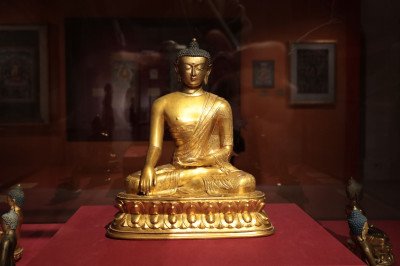
Anthropological Museum Of Indigenous Peoples
Some quick example text to build on the card title and make up the bulk of the card's content.
Go somewhere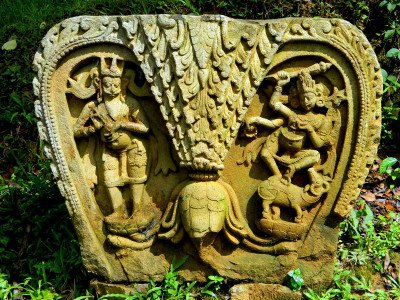
Barbarua Maidam
Some quick example text to build on the card title and make up the bulk of the card's content.
Go somewhere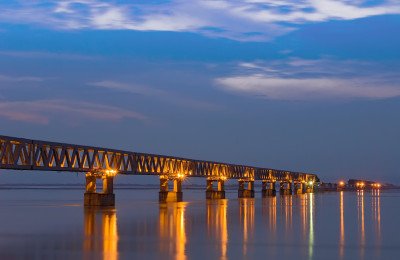
Bogibeel Bridge
Some quick example text to build on the card title and make up the bulk of the card's content.
Go somewhere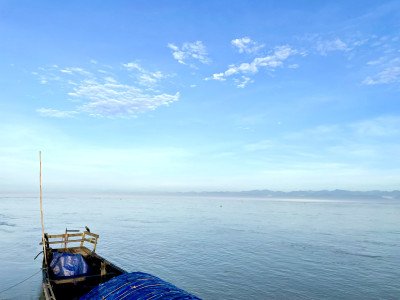
Brahmaputra Riverfront
Some quick example text to build on the card title and make up the bulk of the card's content.
Go somewhere
Dehing Namti Satra
Some quick example text to build on the card title and make up the bulk of the card's content.
Go somewhere
Dibrugarh Phoolbagan Ferry Ghat
Some quick example text to build on the card title and make up the bulk of the card's content.
Go somewhere
Dinjoy Satra
Some quick example text to build on the card title and make up the bulk of the card's content.
Go somewhere
Jokai Botanical Garden
Some quick example text to build on the card title and make up the bulk of the card's content.
Go somewhere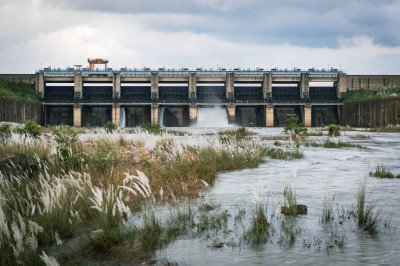
Lekai Chetia Maidam
Some quick example text to build on the card title and make up the bulk of the card's content.
Go somewhere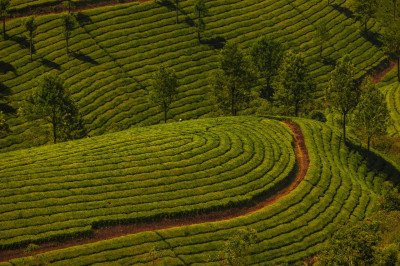
Mancotta Tea Estate
Some quick example text to build on the card title and make up the bulk of the card's content.
Go somewhere
Naharkatia Town
Some quick example text to build on the card title and make up the bulk of the card's content.
Go somewhere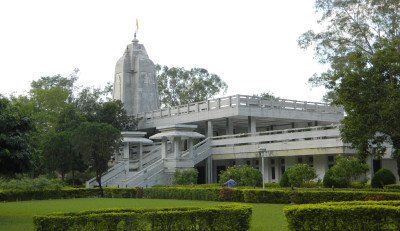
Radha Krishna Mandir
Some quick example text to build on the card title and make up the bulk of the card's content.
Go somewhere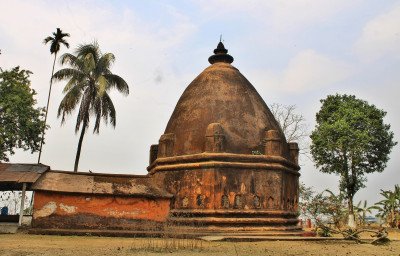
Raidongia Dol
Some quick example text to build on the card title and make up the bulk of the card's content.
Go somewhere
Raidongia Dol or Raidongia Shiv Doul
Some quick example text to build on the card title and make up the bulk of the card's content.
Go somewhere
Sarumechlow and Bormechow Maidam
Some quick example text to build on the card title and make up the bulk of the card's content.
Go somewhere
Shri Jagannath Temple
Some quick example text to build on the card title and make up the bulk of the card's content.
Go somewherein Other Cities