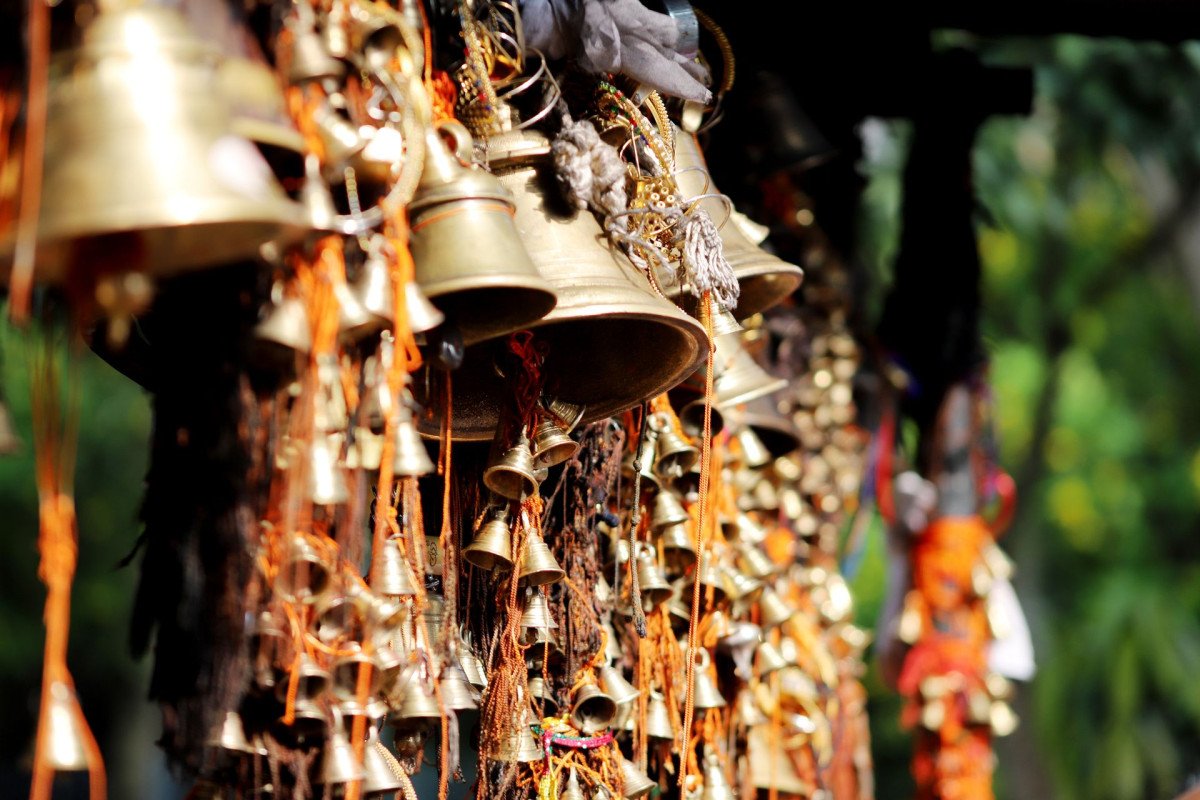
Bawan Pokhar Temple
General information
-
Ideal Duration:
1 HourPlace Type:
TempleEntry Fees:
General Information: Entry to the Bawan Pokhar Temple is Free for all visitors, as it is an active place of worship.
Donations: Visitors are expected to make a small, voluntary donation (Dakshina) for the maintenance of the temple and its ri...General Information: Entry to the Bawan Pokhar Temple is Free for all visitors, as it is an active place of worship.
Donations: Visitors are expected to make a small, voluntary donation (Dakshina) for the maintenance of the temple and its rituals.
Puja Offerings: Budget for the cost of purchasing Puja materials (flowers, incense, sweets) from vendors outside the temple, which typically costs around Rs.50 to Rs.100.
Special Rituals: Specific, elaborate rituals or Abhishekam (ritual bathing of the deity) may require a pre-paid fee agreed upon with the temple priest.
Photography: Non-flash photography is generally permitted, but strictly no photography inside the inner sanctum (Garbhagriha) is usually enforced.Timing:
Regular Timings: The temple is generally open for devotees from 5:00 AM to 12:30 PM and then re-opens from 4:00 PM to 9:00 PM. The temple is closed in the afternoon for rest/cleaning.
Ideal Visit Time: The Ideal Visit Time for a spiritual e...Regular Timings: The temple is generally open for devotees from 5:00 AM to 12:30 PM and then re-opens from 4:00 PM to 9:00 PM. The temple is closed in the afternoon for rest/cleaning.
Ideal Visit Time: The Ideal Visit Time for a spiritual experience is during the morning Aarti (around 6:00 AM) or the evening Aarti (around 7:00 PM). For photography and avoiding crowds, a quiet weekday morning (9:00 AM to 11:00 AM) is best.
Seasonal Changes: During major festivals like Shivratri, the temple remains open for extended hours, often all night.Special Events:
Maha Shivratri: The temple celebrates Maha Shivratri (usually in February or March) with great pomp and fervor, attracting a large number of devotees for night-long prayers and rituals dedicated to Lord Shiva.
Navratri and Durga Puja: Festiv...Maha Shivratri: The temple celebrates Maha Shivratri (usually in February or March) with great pomp and fervor, attracting a large number of devotees for night-long prayers and rituals dedicated to Lord Shiva.
Navratri and Durga Puja: Festivals like Navratri and Durga Puja (usually in September or October) are major events, with special decorations, rituals, and collective worship of the Goddess forms enshrined in the temple.
Local Annual Fair: The area near the pond sometimes hosts a small, traditional annual fair (Mela), bringing local traders, artisans, and entertainers to the vicinity of the temple.Best Photo Spots:
Sculpture Close-Ups: Detailed, high-resolution shots of the four-faced Shivling and the other black basalt deities to highlight the Pala artistry.
The Pokhar View: A wide shot capturing the temple, the pond, and the surrounding trees, emphas...Sculpture Close-Ups: Detailed, high-resolution shots of the four-faced Shivling and the other black basalt deities to highlight the Pala artistry.
The Pokhar View: A wide shot capturing the temple, the pond, and the surrounding trees, emphasizing the serene, traditional Indian rural temple setting.
Temple Gopuram (If applicable): Shots of the temple's entrance or main dome/spire, focusing on the architectural details and color.
Morning Light: Capturing the temple during the early morning hours when the light is soft and the atmosphere is most divine and peaceful.Photo Gallery
Things To Do
-
Offering Prayers and Worship: The primary activity is to offer prayers (Puja) to the multitude of deities, especially the four-faced Shivling. Participate in the morning or evening Aarti (ritual of light) for a full spiritual experience.
Study the Sculptures: Spend time observing the intricate craftsmanship and historical details of the ancient black basalt sculptures, paying attention to the distinct Pala style.
Pondside Relaxation: Sit on the steps of the Pokhar (Bawan Pokhar) bank to enjoy the peaceful atmosphere, watching the local life and the reflection of the sky in the water.
Photography of Art: Focus on taking high-quality, non-flash photographs of the richly carved deities (if permitted) to capture the artistic heritage of the Pala period.Offering Prayers and Worship: The primary activity is to offer prayers (Puja) to the multitude of deities, especially the four-faced Shivling. Participate in the morning or evening Aarti (ritual of light) for a full spiritual experience.
Study the Sculptures: Spend time observing the intricate craftsmanship and historical details of the ancient black basalt sculptures, paying attention to the distinct Pala style.
Pondside Relaxation: Sit on the steps of the Pokhar (Bawan Pokhar) bank to enjoy the peaceful atmosphere, watching the local life and the reflection of the sky in the water.
Photography of Art: Focus on taking high-quality, non-flash photographs of the richly carved deities (if permitted) to capture the artistic heritage of the Pala period.
Interaction with Priests: Engage in a conversation with the temple priests to learn about the history of the excavated idols and the specific legends associated with the temple.
Festival Participation: If visiting during a major Hindu festival, actively participate in the local celebrations and rituals held at the temple.
Visit the Local Market: The temple is near the main town area, allowing for an exploration of the local Vaishali market for souvenirs and local Bihari food.
Information
-
Why Famous:
Rare Pala Sculptures: It is most famous for its exceptional collection of black basalt sculptures of Hindu deities, dating from the Gupta and Pala periods, which are rare and highly prized by art historians and archaeologists.
Religious Inclusiv...Rare Pala Sculptures: It is most famous for its exceptional collection of black basalt sculptures of Hindu deities, dating from the Gupta and Pala periods, which are rare and highly prized by art historians and archaeologists.
Religious Inclusivity: The temple is celebrated for its non-discriminatory nature, where deities of various Hindu sects (Shaivism, Vaishnavism, Shaktism) are worshipped collectively, making it a unique example of religious harmony.
The Bawan Pokhar Setting: The temple's location on the banks of the large Bawan Pokhar adds to its charm, providing a peaceful, serene, and traditional backdrop for worship. -
Architecture:
Pala-Style Temple: The temple's architectural style is characteristic of the regional Nagara style prevalent during the Pala dynasty, employing stone and brick. It is a relatively modest structure compared to large North Indian temples but retains historical integrity.
...Pala-Style Temple: The temple's architectural style is characteristic of the regional Nagara style prevalent during the Pala dynasty, employing stone and brick. It is a relatively modest structure compared to large North Indian temples but retains historical integrity.
Structural Material: The main structure is built using stone and brick, typical of the medieval period constructions in Bihar. The interior's most significant architectural feature is the arrangement of the multitude of deities.
The Chaturmukhi Shivling: The most striking feature is the Chaturmukhi Shivling (four-faced Shiva lingam) made of black basalt, which was excavated on the premises. This type of Shivling is rare and represents the different aspects of Lord Shiva.
Dimension of the Complex: The temple itself is relatively small, but its significance is tied to the large surrounding Pokhar (pond), the Bawan Pokhar, which provides the temple with its name and a picturesque setting. The focus is on the sanctity of the housed relics rather than monumental architecture. -
How To Reach:
By Air: Patna Airport (PAT), approx. 65 KMS. Hire a taxi to travel the 2-3 hour road distance.
By Train: Hajipur Junction (HJP), approx. 35 KMS, is the nearest major rail link. Take a local bus or cab to reach Vaishali town center, from ...By Air: Patna Airport (PAT), approx. 65 KMS. Hire a taxi to travel the 2-3 hour road distance.
By Train: Hajipur Junction (HJP), approx. 35 KMS, is the nearest major rail link. Take a local bus or cab to reach Vaishali town center, from where the temple is easily accessible.
By Road: The temple is centrally located in Vaishali town and is easily reached from Patna via NH 77. Buses and shared taxis from Muzaffarpur and Hajipur are frequent.
By Local Transport: The temple is located near the town center. From the Vaishali bus stand, it's a short auto-rickshaw or cycle-rickshaw ride. It is within a walkable distance of other town-center amenities. -
Weather and Best Time to Visit:
Different Types of Seasons: Winter (October to March) is the optimal period for a comfortable visit. The cool, dry weather makes daytime exploration enjoyable. Avoid the peak Summer heat of May and June and the heavy rains of the Monsoon.
Diff...Different Types of Seasons: Winter (October to March) is the optimal period for a comfortable visit. The cool, dry weather makes daytime exploration enjoyable. Avoid the peak Summer heat of May and June and the heavy rains of the Monsoon.
Different Parts of the Day: Early Morning is best for a serene devotional visit and the start of the day's rituals. Evening is wonderful for witnessing the temple lit up and participating in the spirited Aarti. -
Near Tourist Places:
1.
Raja Vishal ka Garh (Vishal Fort): (5 KMS) 2.
Buddha Relic Stupa (Stupa-I): (3. 5 KMS) 3.
Chaumukhi Mahadev Temple: (4 KMS) 4.
Ashoka Pillar (Lion Pillar): (4 KMS) 5.
Abhishek Pushkarn (Coronation Tank): (4 KMS) 6.
Vaishali Archaeological Museum: (4 KMS) 7.
Kundalpur (Lord Mahavira's Birthplace): (35 KMS) 8.
Ramchaura Mandir (Hajipur): (35 KMS) 9.
Nepali Temple, Hajipur: (35 KMS) 10.
Patna Sahib Gurudwara (Patna): (60 KMS)
Tourism Tips
-
Health & Safety: Be aware of your surroundings in the market area. Maintain personal hygiene, especially around the pond. Remove footwear before entering the temple area.
Packing: Dress conservatively—sarees or churidars for women and fu...Health & Safety: Be aware of your surroundings in the market area. Maintain personal hygiene, especially around the pond. Remove footwear before entering the temple area.
Packing: Dress conservatively—sarees or churidars for women and full pants/dhoti for men are preferred. Carry a small bag for your essentials, leaving valuables secured elsewhere.
Accommodation: Basic lodges are available in Vaishali town. For superior accommodation, it is best to stay in Patna and travel to Vaishali for a day trip.
Respectful Conduct: Be quiet and respectful inside the temple. Do not take photos of the deities with flash, and follow all instructions from the priests.
Pond Caution: Exercise caution around the edge of the Bawan Pokhar, as the banks can be slippery, especially after rain.
Reviews
FAQs
Vaishali Itineray And Cost:-
Bawan Pokhar Temple Tourism:-
Other Places In Vaishali :-
Other States In India :-
Information about New and Updated Locations() of Bihar Has Been Added :-
Card subtitle
Note:-
Information provided here in good Faith and for reference only.
Near Places

Abhishek Pushkarn
Some quick example text to build on the card title and make up the bulk of the card's content.
Go somewhere
Ananda Stupa Site
Some quick example text to build on the card title and make up the bulk of the card's content.
Go somewhere
Ashoka Pillar
Some quick example text to build on the card title and make up the bulk of the card's content.
Go somewhere
Baba Bateshwarnath Temple
Some quick example text to build on the card title and make up the bulk of the card's content.
Go somewhere
Baithakji Hajipur
Some quick example text to build on the card title and make up the bulk of the card's content.
Go somewhere
Baraila Lake
Some quick example text to build on the card title and make up the bulk of the card's content.
Go somewhere
Bawan Pokhar Temple
Some quick example text to build on the card title and make up the bulk of the card's content.
Go somewhere
Buddh Stupa-II
Some quick example text to build on the card title and make up the bulk of the card's content.
Go somewhere
Buddha Relic Stupa
Some quick example text to build on the card title and make up the bulk of the card's content.
Go somewhere
Budhi Mai Temple
Some quick example text to build on the card title and make up the bulk of the card's content.
Go somewhere
Chaturbhuj Temple
Some quick example text to build on the card title and make up the bulk of the card's content.
Go somewhere
Chaumukhi Mahadev Temple
Some quick example text to build on the card title and make up the bulk of the card's content.
Go somewhere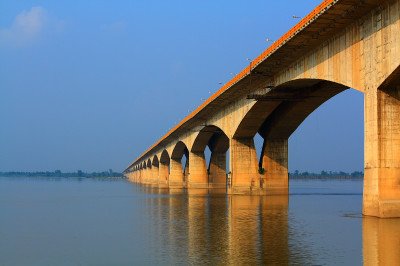
Gandhi Setu Bridge
Some quick example text to build on the card title and make up the bulk of the card's content.
Go somewhere
Govindpur Singhara Shaktipeeth
Some quick example text to build on the card title and make up the bulk of the card's content.
Go somewhere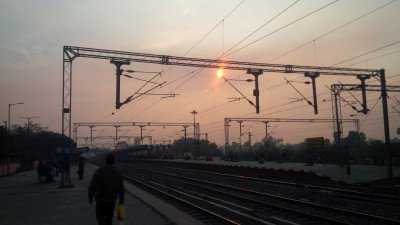
Hajipur Junction Railway Station
Some quick example text to build on the card title and make up the bulk of the card's content.
Go somewhere
Kaunhara Ghat
Some quick example text to build on the card title and make up the bulk of the card's content.
Go somewherein Other Cities