...

Dwarka

Gujarat, India
Dwarka, an ancient city on the Arabian Sea coast of Gujarat, is one of the most sacred pilgrimage sites in Hinduism, revered as one of the seven Sapta Puri (holy cities). It is inextricably linked with Lord Krishna, believed to be the capital of his legendary kingdom, Dvaraka. The city holds immens e spiritual significance as the site of the magnificent Dwarkadhish Temple, a prominent Vaishnavite shrine. Beyond its religious importance, Dwarka boasts a rich maritime history, archaeological wonders (including the submerged ancient city), and beautiful coastal landscapes. It's a place where faith, history, and natural beauty converge, drawing devotees and tourists alike seeking spiritual solace and a glimpse into India's mythological past.

General information

Photo Gallery

...
Darjeeling
Queen of Hills • Tea Gardens

Things To Do

@@Avian Paradise in Mithapur: Charkala Bird Sanctuary is a hidden treasure located near the Mithapur salt pans, managed by Tata Chemicals. This sanctuary is a vital wetland ecosystem that attracts thousands of migratory birds every year, especially during the winter months. The sanctuary is famous for its massive population of Flamingos, which paint the landscape pink. Other species include Pelicans, Herons, Painted Storks, and various types of ducks and waders. The salt pans provide a unique habitat rich in algae and small crustaceans, which serve as a primary food source for these birds. It is not as commercially promoted as other sanctuaries, which ensures a peaceful environment for birdwatchers and photographers. The serene surroundings and the sight of thousands of birds taking flight at sunset is a mesmerizing experience. The sanctuary plays a crucial role in the conservation of avian biodiversity in the Saurashtra region. Visitors can enjoy long walks along the bunds of the salt pans to get a closer look at the winged visitors. It is an ideal spot for those looking to escape the temple crowds and connect with nature. The best time to visit is early morning when the bird activity is at its peak.
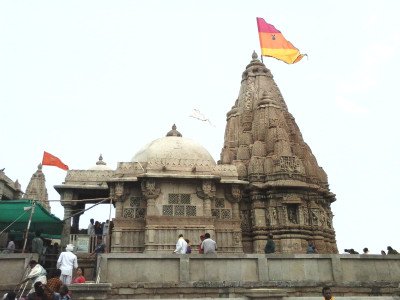
The Dwarkadhish Temple, also known as Jagat Mandir (World Temple), is the undisputed centerpiece of Dwarka and one of the most revered Hindu pilgrimage sites in India. This magnificent five-storied temple, supported by 72 pillars, is dedicated to Lord Krishna, here worshipped as 'Dwarkadhish' or 'King of Dwarka'. It is a pivotal part of the Char Dham yatra (four sacred pilgrimage sites) and the Sapta Puri (seven holy cities) circuits for Hindus, signifying its immense spiritual importance. The temple's architectural grandeur and ancient origins are awe-inspiring. While the current structure dates back to the 15th-16th century, legend states that the original temple was built by Vajranabha, Lord Krishna's great-grandson, over the residential palace of Lord Krishna. The temple is constructed of limestone and is adorned with intricate carvings of mythological figures, elephants, and other deities. The spire (shikhar) of the temple rises to an impressive height of 78 meters (256 feet) and is crowned by a flag (dhwaja) that is changed five times a day, a unique ritual signifying the continuous presence and dynamism of the divine. The main deity, a four-armed black idol of Lord Dwarkadhish (Lord Krishna), is exquisitely adorned with jewels and rich garments, captivating devotees with its divine aura. The temple rituals are meticulous, starting early in the morning with the Mangal Aarti and continuing throughout the day with various darshans (sightings of the deity) and aartis. Devotees often take a holy dip in the Gomti River (Gomti Ghat) before entering the temple, which is believed to purify them. The temple complex is a vibrant hub of devotion, echoing with chants and prayers. A visit to Dwarkadhish Temple is not just a spiritual journey but also an architectural and cultural experience, offering a deep insight into the devotional heart of Gujarat and the enduring legacy of Lord Krishna.
@@The Legendary Separation: The Rukmini Devi Temple is a deeply revered Hindu shrine dedicated to Goddess Rukmini, the principal queen and chief consort of Lord Krishna. Its most striking feature is its geographical separation from the main Dwarkadhish Temple, located approximately 2 to 3 KMS away from the city center. This separation is rooted in a profound and popular legend involving the short-tempered sage Durvasa. According to the myth, while Lord Krishna and Rukmini were transporting the sage, a thirsty Rukmini drank water without first offering it to Durvasa. Offended by this perceived disrespect, the sage cursed her to live separately from her husband, which is why her temple stands apart. This narrative imbues the temple with a unique emotional and spiritual significance, symbolizing enduring love despite physical distance, and is a major draw for pilgrims.@@Religious Significance: As an incarnation of Goddess Lakshmi, visiting Rukmini Devi Temple is considered essential for a complete Dwarka pilgrimage, with many devotees believing it brings harmony to married life. The temple is a serene, tranquil space, offering a spiritual retreat far from the bustling crowds of the main city. It is often cited in religious texts and local folklore, connecting it deeply to the ancient history of Dwarka, the legendary kingdom built by Lord Krishna. The temple is believed to date back to the 12th century and is a standing testament to the rich cultural and religious heritage of the region, continually drawing both pilgrims and history enthusiasts.@@Daily Worship and Offerings: The daily rituals and aartis performed here are simple but steeped in tradition. A unique practice here is Jal Daan (donation of water), which is highly significant due to the curse of Durvasa, which supposedly rendered the surrounding land barren and waterless. Devotees often carry water or donate for the provision of fresh water, making the simple offering of Prasad (consecrated food) or water to the visitors a profoundly meaningful act. The peaceful environment and the simple act of worship in this historical setting make the visit a deeply moving spiritual experience, completing the spiritual journey of a devotee to Dwarka.
@@Coastal Beauty and Spiritual Proximity: Dwarka Beach is not a conventional tourist beach but a sacred coastal stretch that is inextricably linked with the religious life of the city, located close to the heart of the pilgrimage circuit. It is situated where the Gomti River merges into the Arabian Sea (the Sangam point). This proximity to the holy Dwarkadhish Temple and Gomti Ghat imbues it with profound spiritual significance. Pilgrims often use the beach and the Ghat area for ritualistic bathing before visiting the main temple. The sands here are dark and coarse, a stark contrast to the white sands found elsewhere, reflecting the area's unique geology. @@A Landscape of Rituals and Reflection: The beach acts as a backdrop for numerous Hindu rituals, especially offerings to the sea (Samudra Devta). The atmosphere is less about sunbathing and more about spiritual reflection and observing the powerful confluence of the river and the ocean. While the currents can be strong, making swimming unsafe in many areas, the sight of the waves crashing against the stone embankments is mesmerizing. The beach is a vibrant hub of activity in the early morning and late evening, filled with pilgrims performing their morning Surya Namaskar or simply enjoying the sea breeze after a long day of darshan. It is a place where the spiritual and the natural world meet in a powerful coastal display. (Word Count: 401)
Mithapur Beach is a pristine, relatively undiscovered coastal stretch located near the industrial township of Mithapur. Known for its remarkably clear turquoise waters and soft white sands, it offers a much-needed escape from the more crowded pilgrimage sites of Dwarka. The beach is primarily maintained by the local community and the nearby Tata Chemicals township, ensuring a high level of cleanliness and ecological preservation. Unlike the rocky shores of mainland Dwarka, Mithapur features a gently sloping seabed, making it one of the safer spots for wading in the water. The beach is a haven for those who appreciate quietude and natural beauty. It is not uncommon to see crabs scurrying across the sand or various species of sea birds foraging along the tide line. The atmosphere here is laid-back and local, with very few commercial establishments, which helps preserve its "untouched" feel. The sunset views at Mithapur Beach are particularly legendary, as the sun dips directly into the Arabian Sea, painting the sky in shades of violet and orange. It serves as an ideal spot for reflection, a romantic walk, or a quiet family outing. The proximity to the Tata Chemicals plant adds an interesting industrial backdrop to the otherwise natural scenery, yet the beach remains ecologically vibrant. It is a place where the rhythmic sound of the waves is the only music you need.
The Harshad Mata Temple, also known as Harsiddhi Mata Temple, is an ancient and revered shrine dedicated to Goddess Harsiddhi, a manifestation of Goddess Durga. Located on a hillock in Miyani village, overlooking the Arabian Sea, this temple holds immense mythological and historical significance. It is believed to be one of the Shakti Peeths, places where parts of Sati's body fell, although its inclusion in the canonical list varies. The temple's dramatic setting, with panoramic views of the sea and the surrounding coastline, adds to its spiritual allure. The current temple structure is ancient, though it has undergone renovations over centuries. Legend states that the original temple was built by Lord Krishna himself, who brought the idol of the goddess from a distant hill. The temple is particularly famous for its unique ritual involving a lamp that is kept lit for many days, requiring immense quantities of oil, a feat that is believed to be a miracle. Devotees often climb the hill to reach the temple, offering prayers and seeking blessings from the powerful goddess. The ascent provides increasingly magnificent views. The serene ambiance, combined with the temple's rich history and the captivating legends associated with it, makes Harshad Mata Temple a significant pilgrimage site and a scenic destination for visitors to the Dwarka region.
Gita Mandir, as its name suggests, is a unique and serene temple dedicated to the Bhagavad Gita, the sacred Hindu scripture. Built by the Birla Group, this temple stands out for its architectural simplicity yet profound spiritual purpose. Unlike many traditional temples that focus on a single deity, Gita Mandir emphasizes the teachings of Lord Krishna as encapsulated in the Gita. The temple walls are adorned with the verses of the Bhagavad Gita, meticulously inscribed in various languages, allowing visitors to read and reflect upon its timeless wisdom. This creates an environment of contemplation and spiritual learning rather than ritualistic worship alone. The ambiance inside the temple is peaceful and conducive to meditation. The idol of Lord Krishna within the temple is beautiful and serene, often depicted as the divine charioteer imparting wisdom to Arjuna. The temple complex is well-maintained with lush gardens, offering a calm respite from the bustling pilgrimage sites. It serves as an educational and spiritual center, encouraging visitors to understand the philosophical depth of the Gita. For those interested in Hindu philosophy and seeking a quiet place for introspection, Gita Mandir offers a truly enriching experience. It's a place where one can connect with the profound messages of duty, devotion, and righteousness that form the core of the Bhagavad Gita.
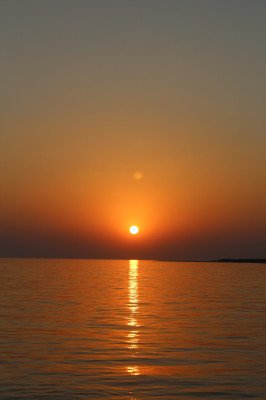
@@The Scenic Experience: The Sunset Point in Dwarka is a designated, slightly elevated area located near the confluence of the Gomti River and the Arabian Sea, often adjacent to the Dwarka Beach and close to the Bhadkeshwar Mahadev Temple. It offers a vast, unobstructed view of the western horizon over the Arabian Sea. @@Atmosphere and Leisure: It is a favorite spot for both pilgrims and tourists to unwind after a day of temple visits. The atmosphere is peaceful and serene, especially in the late evening, making it ideal for reflection and enjoying the cool sea breeze. It's a place for communal appreciation of nature's daily spectacle. @@Activities and Amenities: The area is typically equipped with benches and seating for senior citizens and is a hub for local vendors selling snacks and offering activities like camel rides on the adjacent beach during the peak hours.:
Show All

Resturants

Show All

Information

Tourism Tips

Reviews

Note:-

Information provided here in good Faith and for reference only.

All information and pictures will be updated soon, please keep visiting.

Near Places

...
Ahmedabad (Amdavad)

Some quick example text to build on the card title and make up the bulk of the card's content.

Go somewhere
...
Ahmedabad

Some quick example text to build on the card title and make up the bulk of the card's content.

Go somewhere
...
Bhuj

Some quick example text to build on the card title and make up the bulk of the card's content.

Go somewhere
...
Chotila

Some quick example text to build on the card title and make up the bulk of the card's content.

Go somewhere
...
Dahod

Some quick example text to build on the card title and make up the bulk of the card's content.

Go somewhere
...
Dandi

Some quick example text to build on the card title and make up the bulk of the card's content.

Go somewhere
...
Dwarka

Some quick example text to build on the card title and make up the bulk of the card's content.

Go somewhere
...
Exploring Rajkot

Some quick example text to build on the card title and make up the bulk of the card's content.

Go somewhere
...
Gandhinagar

Some quick example text to build on the card title and make up the bulk of the card's content.

Go somewhere
...
Jamnagar

Some quick example text to build on the card title and make up the bulk of the card's content.

Go somewhere
in Other Cities