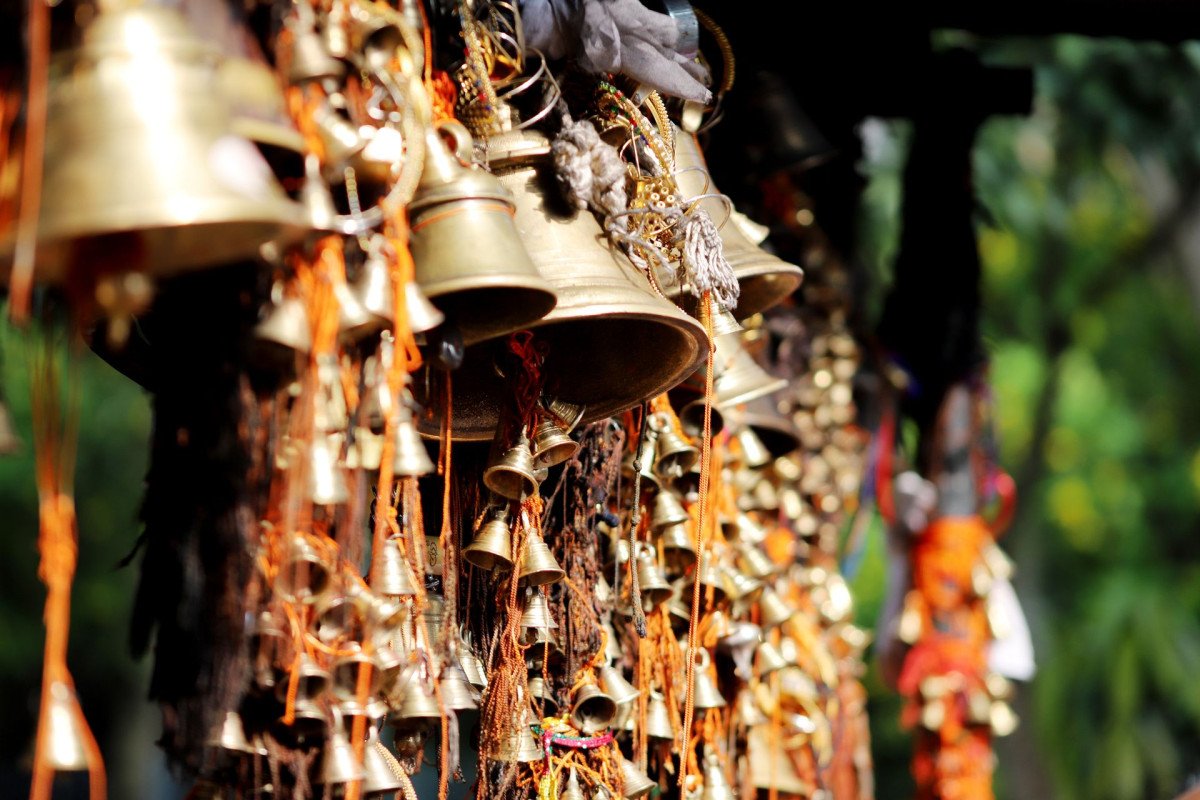
Buda Bharsaar Temple
General information
-
Ideal Duration:
3-4 Hours (Due to the trek/uphill walk):Place Type:
Religious Site and Trekking Destination:Entry Fees:
No Entry Fee for the Temple: As an active religious shrine, there is no ticket or entry fee required for devotees or tourists to visit the Buda Bharsaar Temple for darshan. Access to the site is free and open to all.
Donation/Offerings: Vol...No Entry Fee for the Temple: As an active religious shrine, there is no ticket or entry fee required for devotees or tourists to visit the Buda Bharsaar Temple for darshan. Access to the site is free and open to all.
Donation/Offerings: Voluntary donations for the temple's maintenance are highly appreciated but are not compulsory. Visitors may purchase small offering items (Prasad or flowers) from a local vendor near the base of the climb.
Trekking/Guide Fees: If you plan to trek to Dudhatoli or explore the deeper forest trails, it is highly recommended to hire a local guide from Buransi village. Guide fees vary but are typically around Rs.500 to Rs.1000 per day. This fee is for safety and to support the local economy.
Parking Fee: Due to its secluded location, designated parking may be minimal, but any local parking fee is very nominal, likely less than Rs.30. ()Timing:
Regular Timings: The temple is generally open for prayers from 6:00 AM to 7:00 PM. However, due to its remote location, the main door may be closed during the midday for a short period, and it is best to check with the local priest. During festivals like Maha Shivratri, it...Regular Timings: The temple is generally open for prayers from 6:00 AM to 7:00 PM. However, due to its remote location, the main door may be closed during the midday for a short period, and it is best to check with the local priest. During festivals like Maha Shivratri, it remains open all night.
Ideal Visit Time: The best time to start the climb is in the early morning (around 8:00 AM) to avoid the heat of the day and allow ample time for the trek/climb, darshan, and the return journey before Sunset. In winter, the approach should be made slightly later due to the cold, around 10:00 AM. ()Special Events:
Baikunth Chaturdashi Mela: The most important special event is the large fair held on the day of Baikunth Chaturdashi, a significant Hindu festival. Devotees visit throughout the night, lighting lamps and praying to Lord Shiva for blessings, especially for success and well-...Baikunth Chaturdashi Mela: The most important special event is the large fair held on the day of Baikunth Chaturdashi, a significant Hindu festival. Devotees visit throughout the night, lighting lamps and praying to Lord Shiva for blessings, especially for success and well-being. This is a powerful, highly local, and atmospheric event.
Shivratri Celebrations: Maha Shivratri (the great night of Lord Shiva) is celebrated with fervor, involving all-night Jaagran (vigils), special Puja ceremonies, and chanting of Shiva mantras. The secluded nature of the temple makes this a very intense and spiritual celebration.
Village Harvest Festivals: The nearby Buransi village and associated hamlets often hold small, traditional harvest festivals, which sometimes involve a procession to the temple, marking a unique cultural special event that visitors can witness by chance. ()Best Photo Spots:
The Temple on the Hilltop: The most striking photo spot is the temple itself, framed by the dense forests, especially if you can capture it against the backdrop of a clear blue sky or dramatic clouds. A slight elevation allows capturing the whole structure.The Temple on the Hilltop: The most striking photo spot is the temple itself, framed by the dense forests, especially if you can capture it against the backdrop of a clear blue sky or dramatic clouds. A slight elevation allows capturing the whole structure.
Panoramic Views of the Garhwal Ranges: The viewpoint near the temple offers clear, sweeping shots of the distant peaks and the layered Himalayan ranges. This is ideal for landscape photography, particularly during Sunrise or Sunset when the mountains change color.
Birch and Deodar Forest Trails: Capture the moody and tranquil atmosphere of the dense forest surrounding the temple. Focus on the unique texture of the Birch tree bark or the height of the Deodar trees along the trekking path.
The Shiva Linga or Main Idol: A respectful, close-up shot of the main shrine or the Shiva Linga (if permitted) can be a profound photo. Focus on the details of the offerings and the traditional decorations. The views of the Dudhatoli area from the trekking path are also magnificent photo spots. ()Photo Gallery
Things To Do
-
The Uphill Trek/Walk: The primary activity is the invigorating trek or steep walk up to the hilltop temple. This is a moderate challenge requiring good fitness. Take time to rest and enjoy the changing views as you ascend through the forest.
Worship and Meditation: Spend time in quiet devotion at the shrine, seeking the blessings of Lord Shiva. The temple's secluded and ancient atmosphere is perfect for deep spiritual meditation and introspection. Light a diya (lamp) or offer a Bael leaf.
Exploring the Forest: Engage in nature walking and explore the dense woods of Birch and Deodar surrounding the temple. This area is rich in high-altitude flora, and you may spot rare plants or beautiful butterflies. Carry a local guide to learn about medicinal herbs.
Photograp...The Uphill Trek/Walk: The primary activity is the invigorating trek or steep walk up to the hilltop temple. This is a moderate challenge requiring good fitness. Take time to rest and enjoy the changing views as you ascend through the forest.
Worship and Meditation: Spend time in quiet devotion at the shrine, seeking the blessings of Lord Shiva. The temple's secluded and ancient atmosphere is perfect for deep spiritual meditation and introspection. Light a diya (lamp) or offer a Bael leaf.
Exploring the Forest: Engage in nature walking and explore the dense woods of Birch and Deodar surrounding the temple. This area is rich in high-altitude flora, and you may spot rare plants or beautiful butterflies. Carry a local guide to learn about medicinal herbs.
Photography of the High Himalayas: Use the high vantage point to capture phenomenal panoramic views. Focus your lens on the snow-capped mountains and the vast expanse of the lower Garhwal valleys. The forest scenery itself, especially the majestic Birch trees, is highly photogenic.
Starting the Dudhatoli Trek: For the adventurous, use the temple as the official starting point for the extended, multi-day trek to the beautiful Dudhatoli meadows (around 12 km further). This requires preparation and camping gear but offers an unparalleled experience.
Picnic Amidst Nature: Pack a light meal and enjoy it in the peaceful, natural clearing near the temple. The clean, crisp mountain air and the solitude make this a very restorative experience.
Learning Local History: Speak with the temple priest or local villagers to understand the legends, history, and community efforts that maintain this ancient shrine and its traditions. ()
Information
-
Why Famous:
Ancient and Swayambhu Status: The temple is famous primarily for its antiquity and the local belief that the shrine (or its central deity) was formed naturally (Swayambhu). This 'self-formed' status gives it a unique and powerful spiritual aura, attracting devotees seeking ...Ancient and Swayambhu Status: The temple is famous primarily for its antiquity and the local belief that the shrine (or its central deity) was formed naturally (Swayambhu). This 'self-formed' status gives it a unique and powerful spiritual aura, attracting devotees seeking miracles and profound spiritual connection with Lord Shiva.
The Baikunth Chaturdashi Mela: A major draw is the grand fair held during the festival of Baikunth Chaturdashi (usually in October or November). This specific festival at Buda Bharsaar Temple is a significant local event, known for its deep religious fervor and the gathering of mountain communities.
Trekking Gateway to Dudhatoli: Its fame extends beyond religion as it serves as a starting point or a rest stop for the challenging and beautiful 12 km trek to Dudhatoli, a vast, high-altitude meadow renowned for its scenic beauty, vibrant flowers, and lush pastures. This dual appeal (spiritual and adventure) makes it a famous multi-purpose spot. The isolation also heightens its fame among those seeking peace. () -
Architecture:
Traditional Himalayan Temple Style: The architecture of the Buda Bharsaar Temple is rooted in the traditional Himalayan or Garhwali stone temple design, characterized by its robustness and minimal decorative extravagance. The belief that it was 'self-formed' (Swayambhu) sug...Traditional Himalayan Temple Style: The architecture of the Buda Bharsaar Temple is rooted in the traditional Himalayan or Garhwali stone temple design, characterized by its robustness and minimal decorative extravagance. The belief that it was 'self-formed' (Swayambhu) suggests the central object of worship might be a natural rock formation or Shiva Linga, with a simple structure built around it.
Structure and Materials: The structure is made of rough-hewn, local gray stone, built to withstand the high-altitude weather. The walls are thick, and the roof is typically a simple sloping structure, often of slate or timber, to allow snow and rain runoff. The temple complex is usually a single, small enclosure.
Dimensions (Approximate): Consistent with its ancient hill temple typology, the temple's dimensions are humble. The central shrine area may only be about 10x12 feet, with an overall height of the main structure around 15-20 feet. The surrounding area is composed of a simple stone-paved courtyard or a natural clearing in the forest. The journey to the temple involves a challenging uphill walk or trek, adding to its secluded nature. () -
How To Reach:
By Air: The nearest airport is Jolly Grant Airport (DED), Dehradun, approximately 165 km away. A pre-booked private taxi from the airport to Buransi village (the base for the temple) is the most direct option. From the village, a climb of about 1 km is required.By Air: The nearest airport is Jolly Grant Airport (DED), Dehradun, approximately 165 km away. A pre-booked private taxi from the airport to Buransi village (the base for the temple) is the most direct option. From the village, a climb of about 1 km is required.
By Train: The nearest major railway station is Kotdwar Railway Station (KTW), about 100 km away. From Kotdwar, hire a taxi or take a bus to Pauri. From Pauri (12 km), take a local shared taxi or a private vehicle towards Buransi village.
By Road: Buransi village is located about 12 km from Pauri on a motorable road, which may require a dedicated vehicle or a shared taxi heading past the village. The final approach to the temple requires a walk/trek. The roads are scenic but winding.
By Local Transport: From Pauri, the most practical local option is to hire a dedicated taxi or negotiate with a shared taxi driver to take you to the point closest to the temple base near Buransi village. Be prepared for a walk of up to 1 km from the drop-off point. () -
Weather and Best Time to Visit:
Summer Season (March to June): Highly recommended due to the pleasant, cool, and comfortable trekking weather, making the uphill climb enjoyable. The forest is vibrant and green during this time.
Monsoon Season (July to September): Avoid th...Summer Season (March to June): Highly recommended due to the pleasant, cool, and comfortable trekking weather, making the uphill climb enjoyable. The forest is vibrant and green during this time.
Monsoon Season (July to September): Avoid this period. Heavy rain makes the forest path and steep sections very slippery and dangerous. Landslides can also block the narrow mountain roads to the base village.
Autumn/Post-Monsoon (October to November): Excellent time to visit, especially for trekkers. The skies are clear, the air is crisp, and the views of the distant Himalayas are at their best. The weather is cool and perfect for outdoor activities.
Winter Season (December to February): Very cold, with a chance of light to moderate snowfall, which can make the temple access challenging and the paths icy. This season is best for those seeking deep solitude and don't mind the cold.
Different Parts of the Day: Mid-Morning (9:00 AM to 12:00 PM) is the ideal time to complete the uphill portion of the trek, and the Early Afternoon is perfect for spending time at the shrine before beginning the descent. () -
Near Tourist Places:
Pauri City (12 km), Khirsu (Approx 28 km), Chaukhamba View Point (16 km), Kandoliya Temple (11 km), Nagdev Temple (15 km), Kyunkaleshwar Mahadev Temple (13 km), Dudhatoli Trekking Base (12 km), Bhuvaneshwari Devi Temple (Approx 30 km), Ransi Stadium (13 km), Adwani (Approx 29 km):
Tourism Tips
-
Health & Safety: The trek is moderate; wear sturdy trekking shoes. Carry a stick for balance on the uneven path. Take a local guide if you venture toward Dudhatoli. Inform the hotel or a local about your plan. Be mindful of sudden weather changes common at this altitude...Health & Safety: The trek is moderate; wear sturdy trekking shoes. Carry a stick for balance on the uneven path. Take a local guide if you venture toward Dudhatoli. Inform the hotel or a local about your plan. Be mindful of sudden weather changes common at this altitude.
Packing Essentials: Pack water, high-energy snacks, a light rain jacket (for sudden showers), and sun protection (hat/sunscreen). In colder months, gloves and a warm cap are essential. Carry a power bank for your mobile phone due to limited charging points.
Accommodation (Village Homestays/Lodges): Basic homestays may be available in Buransi village. However, the most reliable and comfortable options are back in Pauri town. Staying in a village homestay offers an excellent cultural immersion experience.
Other Tips (Respecting Traditions): It is customary to remove leather items before entering the temple complex. Carry a small offering (flowers, jaggery) for the deity. Do not litter in the pristine forest area and respect the solitude of the shrine. ()
Reviews
FAQs
Pauri Itineray And Cost:-
Buda Bharsaar Temple Tourism:-
Other Places In Pauri :-
Other States In India :-
Information about New and Updated Locations() of Uttarakhand Has Been Added :-
Card subtitle
Note:-
Information provided here in good Faith and for reference only.
Near Places

Adwani
Some quick example text to build on the card title and make up the bulk of the card's content.
Go somewhere
Bhuvaneshwari Devi Temple
Some quick example text to build on the card title and make up the bulk of the card's content.
Go somewhere
Buda Bharsaar Temple
Some quick example text to build on the card title and make up the bulk of the card's content.
Go somewhere
Chaukhamba View Point
Some quick example text to build on the card title and make up the bulk of the card's content.
Go somewhere
Danda Nagraja Temple
Some quick example text to build on the card title and make up the bulk of the card's content.
Go somewhere
Darwan Singh Regimental Centre Museum
Some quick example text to build on the card title and make up the bulk of the card's content.
Go somewhere
Devprayag Sangam
Some quick example text to build on the card title and make up the bulk of the card's content.
Go somewhere
Jim Corbett
Some quick example text to build on the card title and make up the bulk of the card's content.
Go somewhere
Jwalpa Devi Temple
Some quick example text to build on the card title and make up the bulk of the card's content.
Go somewhere
Kaleshwar Temple
Some quick example text to build on the card title and make up the bulk of the card's content.
Go somewhere
Kandoliya Devta Temple
Some quick example text to build on the card title and make up the bulk of the card's content.
Go somewhere
Khirsu
Some quick example text to build on the card title and make up the bulk of the card's content.
Go somewhere
Khirsu Village
Some quick example text to build on the card title and make up the bulk of the card's content.
Go somewhere
Kyunkaleshwar Mahadev Temple
Some quick example text to build on the card title and make up the bulk of the card's content.
Go somewhere
Nagdev Temple
Some quick example text to build on the card title and make up the bulk of the card's content.
Go somewhere
Pauri Mahadev Temple
Some quick example text to build on the card title and make up the bulk of the card's content.
Go somewherein Other Cities