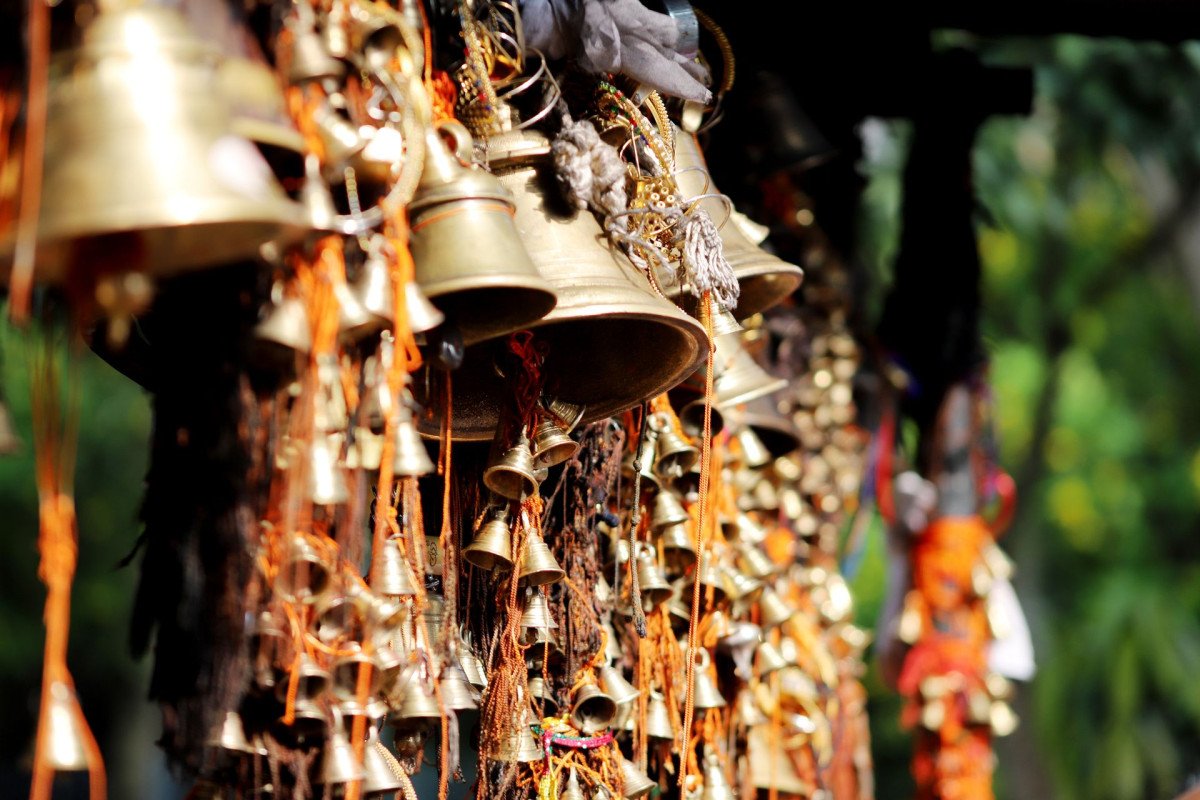
Bhuvaneshwari Devi Temple
General information
-
Ideal Duration:
2-3 Hours (Including the short trek/climb):Place Type:
Religious Site and Viewpoint:Entry Fees:
Temple Entry and Darshan: There is no mandatory entry fee for basic darshan (viewing of the deity) and worship at the Bhuvaneshwari Devi Temple. All are welcome to enter and pray freely.
Voluntary Donations (Hundi): Devotees are encouraged ...Temple Entry and Darshan: There is no mandatory entry fee for basic darshan (viewing of the deity) and worship at the Bhuvaneshwari Devi Temple. All are welcome to enter and pray freely.
Voluntary Donations (Hundi): Devotees are encouraged to make voluntary cash or kind donations (Bheta) in the temple's donation box (Hundi). There is no pressure to donate, and the amount is entirely at the discretion of the visitor.
Puja and Ritual Offerings: If a visitor wishes to perform a specific, elaborate Puja or ritual (like a Mundan Sanskar or a special Homam), they will need to pay a minimal fee to the temple priests to cover the cost of materials (Samagri) and the priest's service (Dakshina). This cost typically ranges from Rs.100 to Rs.500, depending on the complexity of the ritual.
Parking and Vehicle Fee: A nominal fee, usually around Rs.20 to Rs.50, may be charged by the local community for parking private vehicles at the designated base area before the climb. ()Timing:
Regular Timings: The temple generally opens for devotees around 6:00 AM (or with the first rays of Sunrise) and remains open until the evening Aarti concludes, typically around 7:00 PM in Summer and 6:00 PM in Winter. Timings may be extended during major festivals like Navr...Regular Timings: The temple generally opens for devotees around 6:00 AM (or with the first rays of Sunrise) and remains open until the evening Aarti concludes, typically around 7:00 PM in Summer and 6:00 PM in Winter. Timings may be extended during major festivals like Navratri.
Ideal Visit Time: The most spiritually and visually rewarding time to visit is either during the early morning Aarti (around 6:30 AM) for a serene atmosphere and clear mountain views, or in the late afternoon (around 4:30 PM) to witness the Sunset and the evening Aarti ceremony, which is a very powerful and photogenic ritual. ()Special Events:
The Shardiya Navratri Mela: The most significant event is the grand fair or Mela held during the Shardiya Navratri (usually in September or October). This nine-day festival sees a massive influx of devotees. The temple is elaborately decorated, and special rituals, Bhajans...The Shardiya Navratri Mela: The most significant event is the grand fair or Mela held during the Shardiya Navratri (usually in September or October). This nine-day festival sees a massive influx of devotees. The temple is elaborately decorated, and special rituals, Bhajans (devotional songs), and community feasts are organized.
The Chaitra Navratri Celebration: A similar, though often smaller, celebration takes place during Chaitra Navratri (typically in March or April). The focus is on honoring the Goddess with rigorous fasting, prayers, and traditional Puja ceremonies throughout the nine days.
Other Auspicious Days: Special Pujas and gatherings are also held on important Hindu calendar dates like Durga Ashtami, Deepawali (Diwali), and on the first day of the New Year, following the traditional calendar. These events are deeply rooted in local traditions and offer an authentic religious spectacle. ()Best Photo Spots:
The Temple Entrance and Archway: A classic shot is capturing the devotees or a small group approaching the temple, framed by the decorative archway or the flight of steps leading up. This shot tells the story of the pilgrimage.
Panoramic Valley...The Temple Entrance and Archway: A classic shot is capturing the devotees or a small group approaching the temple, framed by the decorative archway or the flight of steps leading up. This shot tells the story of the pilgrimage.
Panoramic Valley and Himalayan Viewpoint: The high point near the temple offers an outstanding spot to take wide-angle landscape photos. Focus on the distant snow peaks (Nanda Devi, Trishul) and the terraced fields in the valleys below. Sunrise and sunset colors are phenomenal here.
Architectural Details and Temple Idol: Get close-up shots of any traditional Garhwali wooden carvings or stone masonry, focusing on intricate details. With permission, a respectful photograph of the Goddess Bhuvaneshwari idol in the sanctum can be taken. Always be discreet and respectful.
Candid Shots of Devotees: During the Aarti or festivals, candidly capture the intense devotion and spiritual atmosphere of the pilgrims and the local cultural attire. This provides a compelling human element to the photography. ()Photo Gallery
Things To Do
-
Offering Prayers and Seeking Blessings: The primary activity is performing Puja (worship) and making offerings (Prasad) to Goddess Bhuvaneshwari. Many devotees take a Parikrama (circumambulation) around the temple to complete their devotion. Spend time inside the sanctum in quiet prayer.
Panoramic View Enjoyment and Photography: Utilize the hilltop location to soak in and photograph the sweeping 360-degree views of the Garhwal valleys and the distinct layers of the Himalayan foothills. On a clear day, one can identify peaks like Trishul and Nanda Devi in the distance. Capture the play of light and shadow on the hills.
Attending the Aarti Ceremony: Try to time your visit to coincide with the morning or evening Aarti (ritual of light) ceremony. This is a highly spiritual and visually moving ex...Offering Prayers and Seeking Blessings: The primary activity is performing Puja (worship) and making offerings (Prasad) to Goddess Bhuvaneshwari. Many devotees take a Parikrama (circumambulation) around the temple to complete their devotion. Spend time inside the sanctum in quiet prayer.
Panoramic View Enjoyment and Photography: Utilize the hilltop location to soak in and photograph the sweeping 360-degree views of the Garhwal valleys and the distinct layers of the Himalayan foothills. On a clear day, one can identify peaks like Trishul and Nanda Devi in the distance. Capture the play of light and shadow on the hills.
Attending the Aarti Ceremony: Try to time your visit to coincide with the morning or evening Aarti (ritual of light) ceremony. This is a highly spiritual and visually moving experience, often accompanied by traditional musical instruments and chanting.
Cultural Immersion: If possible, attend the small fairs or local gatherings held on the premises or in Kotsada village, especially during Navratri. This offers a chance to observe Garhwali folk dances and hear traditional Garhwali folk music and songs. This deepens the cultural understanding.
Leisurely Uphill Walk/Trek: The short trek up to the temple itself is an enjoyable, light physical activity, surrounded by pleasant natural scenery. Take your time, enjoy the fresh mountain air, and observe the local flora along the path.
Spiritual Reflection: Spend a quiet hour sitting on the temple grounds, meditating, or simply observing the peaceful atmosphere and the devotion of the pilgrims. The altitude and serenity are conducive to spiritual reflection.
Interacting with Priests: Engage in respectful conversation with the temple priests (Pandits) to learn about the temple's history, specific rituals, and the legends associated with Goddess Bhuvaneshwari. ()
Information
-
Why Famous:
Shakti Peetha Significance: The temple is famous as a revered Shakti Peetha (seat of the Goddess) in the Garhwal region, dedicated to Goddess Bhuvaneshwari, a powerful form of the Divine Mother. Devotees visit with deep faith to fulfill their wishes and seek protection.Shakti Peetha Significance: The temple is famous as a revered Shakti Peetha (seat of the Goddess) in the Garhwal region, dedicated to Goddess Bhuvaneshwari, a powerful form of the Divine Mother. Devotees visit with deep faith to fulfill their wishes and seek protection.
The Navratri Fair: The largest factor in its fame is the grand Mela (fair) held during the nine days of Navratri (both Chaitra and Shardiya Navratri). This fair is a major cultural and religious event, attracting thousands of pilgrims and showcasing local Garhwali customs and vibrant festivities.
Panoramic Himalayan Views: Situated atop a hill, the temple offers breathtaking panoramic views of the surrounding valleys and, on a clear day, the snow-capped peaks of the Himalayas. The combination of spiritual sanctity and visual splendor contributes greatly to its popularity.
Center for Traditional Learning: The temple's occasional association with a traditional Guru-Shishya (teacher-disciple) system of learning also gives it fame as a cultural and educational landmark in the area. Its elevated and secluded location enhances the feeling of divine connection. () -
Architecture:
Traditional Garhwali Temple Style: The architecture of the Bhuvaneshwari Devi Temple follows the typical, simple yet sturdy Garhwali hill temple style, which is adapted to the mountainous terrain. The construction uses locally available stone and often timber elements. The...Traditional Garhwali Temple Style: The architecture of the Bhuvaneshwari Devi Temple follows the typical, simple yet sturdy Garhwali hill temple style, which is adapted to the mountainous terrain. The construction uses locally available stone and often timber elements. The simplicity reflects the traditional reverence for the deity.
Structure and Components: The main temple structure is generally small and unpretentious compared to temples on the plains, built around the primary shrine (Garbhagriha) where the main idol of Goddess Bhuvaneshwari is consecrated. The temple is usually built on a raised stone platform. The exterior often features a conical or gently sloped roof (shikara), sometimes capped with a metal finial (kalasha). The architecture emphasizes functionality and resilience against the weather.
Dimensions (Approximate): While specific blueprints are unavailable, a typical main shrine in this style may have a base dimension of about 15x15 feet, with an overall height reaching around 20-25 feet to the top of the kalasha. Visitors reach the temple via a manageable flight of stone steps from the road or base village. The simplicity highlights the spiritual rather than the architectural grandeur. () -
How To Reach:
By Air: The nearest airport is Jolly Grant Airport (DED), Dehradun, approximately 160 km away. Taxis are readily available for hire from the airport directly to the temple's base near Kotsada village, or travelers can take a bus to Pauri and then a local vehicle.By Air: The nearest airport is Jolly Grant Airport (DED), Dehradun, approximately 160 km away. Taxis are readily available for hire from the airport directly to the temple's base near Kotsada village, or travelers can take a bus to Pauri and then a local vehicle.
By Train: The nearest major railhead is Kotdwar Railway Station (KTW), about 105 km away. From Kotdwar, one can hire a taxi or take a shared jeep/bus heading towards Pauri. The temple is on a slight detour from the main road, so ensure the local taxi or jeep agrees to drop you near the temple's access point.
By Road: The temple is about 15 km from Pauri town. It is connected by a motorable road that leads near Kotsada village, followed by a short uphill walk. Regular local buses and shared transport (Max/Sumo) run from the Pauri bus stand towards the temple's general area. A private taxi from Pauri is the most convenient option for a direct drop.
By Local Transport: Shared taxis and local buses from the main Pauri bus station are the primary local transport options. Negotiate the fare with the taxi driver for a round trip from Pauri to the temple and back. () -
Weather and Best Time to Visit:
Summer Season (March to June): This is the best time to visit due to the highly pleasant and cool weather, which is perfect for the uphill climb. The skies are generally clear, providing the best views of the Himalayan peaks. This period is highly recommended.Summer Season (March to June): This is the best time to visit due to the highly pleasant and cool weather, which is perfect for the uphill climb. The skies are generally clear, providing the best views of the Himalayan peaks. This period is highly recommended.
Monsoon Season (July to September): Avoid this period. Heavy rains make the uphill path slippery and dangerous, and the thick clouds often completely hide the distant scenic views, negating one of the major attractions.
Autumn/Post-Monsoon (October to November): Excellent time to visit. The air is crisp, the sky is clear, and the overall visibility is superb. The cool temperatures are ideal for a day outing.
Winter Season (December to February): The area gets very cold, and while the spiritual atmosphere is intense, the icy paths can be challenging. This season is best for those who prefer extreme cold and a quieter experience.
Different Parts of the Day: Early Morning is highly recommended for the clearest views and the most spiritual, serene atmosphere. Late Afternoon is also a great choice to witness the beautiful colors of Sunset over the hills. () -
Near Tourist Places:
Kandoliya Temple (13 km), Kyunkaleshwar Mahadev Temple (14 km), Pauri City (15 km), Adwani (Approx 32 km), Chaukhamba View Point (19 km), Nagdev Temple (17 km), Khirsu (Approx 30 km), Ransi Stadium (16 km), Laxman Temple Devalgaon (Approx 40 km), Sita Mata Temple Phalswari (Approx 35 km):
Tourism Tips
-
Health & Safety: Wear good quality, non-slip walking shoes for the uphill path, which can be uneven or slippery. Carry enough drinking water, especially in Summer. If you have knee issues, take frequent breaks during the climb. Respect the temple's sanctity by dressing mo...Health & Safety: Wear good quality, non-slip walking shoes for the uphill path, which can be uneven or slippery. Carry enough drinking water, especially in Summer. If you have knee issues, take frequent breaks during the climb. Respect the temple's sanctity by dressing modestly (covering shoulders and knees).
Packing Essentials: A light jacket or shawl is recommended, as the hilltop can be windy and cool even in warm months. Carry a torch/flashlight if you plan to visit for the late evening Aarti. Don't forget your camera for the fantastic views.
Accommodation (Nearby Pauri): The best stay options, including small local lodges and government guest houses, are found back in Pauri town. Bookings are essential during the Navratri festival season when accommodation near the temple can be scarce.
Other Tips (Respect Temple Etiquette): Do not carry leather items (like belts or wallets) inside the main temple premises, as per local custom. Be mindful of the local priests and the devotees performing rituals. Do not take photos of the deity or rituals without explicit permission. ()
Reviews
FAQs
Pauri Itineray And Cost:-
Bhuvaneshwari Devi Temple Tourism:-
Other Places In Pauri :-
Other States In India :-
Information about New and Updated Locations() of Uttarakhand Has Been Added :-
Card subtitle
Note:-
Information provided here in good Faith and for reference only.
Near Places

Adwani
Some quick example text to build on the card title and make up the bulk of the card's content.
Go somewhere
Bhuvaneshwari Devi Temple
Some quick example text to build on the card title and make up the bulk of the card's content.
Go somewhere
Buda Bharsaar Temple
Some quick example text to build on the card title and make up the bulk of the card's content.
Go somewhere
Chaukhamba View Point
Some quick example text to build on the card title and make up the bulk of the card's content.
Go somewhere
Danda Nagraja Temple
Some quick example text to build on the card title and make up the bulk of the card's content.
Go somewhere
Darwan Singh Regimental Centre Museum
Some quick example text to build on the card title and make up the bulk of the card's content.
Go somewhere
Devprayag Sangam
Some quick example text to build on the card title and make up the bulk of the card's content.
Go somewhere
Jim Corbett
Some quick example text to build on the card title and make up the bulk of the card's content.
Go somewhere
Jwalpa Devi Temple
Some quick example text to build on the card title and make up the bulk of the card's content.
Go somewhere
Kaleshwar Temple
Some quick example text to build on the card title and make up the bulk of the card's content.
Go somewhere
Kandoliya Devta Temple
Some quick example text to build on the card title and make up the bulk of the card's content.
Go somewhere
Khirsu
Some quick example text to build on the card title and make up the bulk of the card's content.
Go somewhere
Khirsu Village
Some quick example text to build on the card title and make up the bulk of the card's content.
Go somewhere
Kyunkaleshwar Mahadev Temple
Some quick example text to build on the card title and make up the bulk of the card's content.
Go somewhere
Nagdev Temple
Some quick example text to build on the card title and make up the bulk of the card's content.
Go somewhere
Pauri Mahadev Temple
Some quick example text to build on the card title and make up the bulk of the card's content.
Go somewherein Other Cities