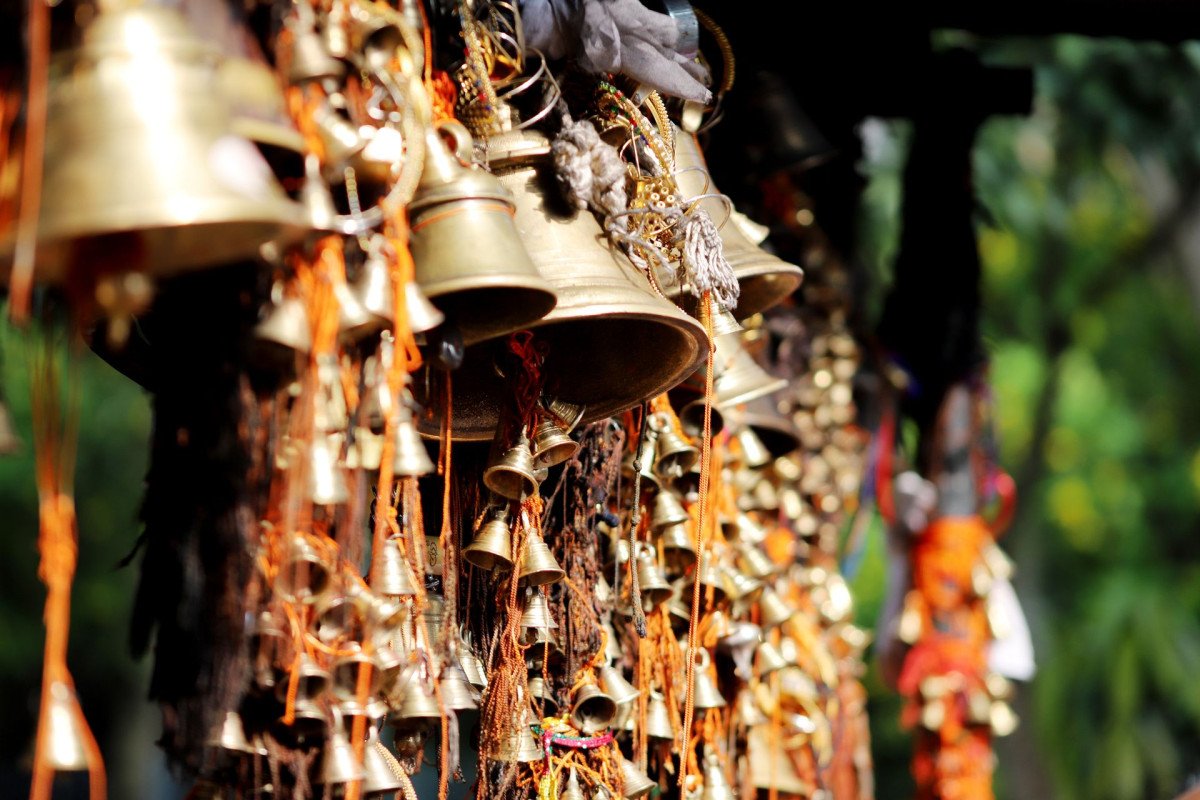
Jwalpa Devi Temple
General information
-
Ideal Duration:
1-2 Hours (Plus significant travel time):Place Type:
Religious Site and Siddhpeeth:Entry Fees:
No Entry Fee: There is no mandatory entry fee or ticket for general darshan (worship) at the Jwalpa Devi Temple. It is a place of public worship, and access is open and free to all.
Voluntary Donations: Visitors are welcome to make voluntar...No Entry Fee: There is no mandatory entry fee or ticket for general darshan (worship) at the Jwalpa Devi Temple. It is a place of public worship, and access is open and free to all.
Voluntary Donations: Visitors are welcome to make voluntary cash or kind donations in the temple's designated donation box (Hundi). There is no pressure or fixed amount required for a donation.
Puja and Ritual Charges: If a devotee wishes to perform a specific, elaborate Puja (ritual) on their behalf, a fee is paid to the temple priest for the service (Dakshina) and for the cost of the required offering materials (Samagri). This is typically a moderate amount, such as Rs.100 to Rs.300.
Accommodation Fee: The nearby government-run Tourist Rest House or the Dharamshala will charge a standard, minimal fee for accommodation if you choose to stay overnight, which is usually very budget-friendly. ()Timing:
Regular Timings: The temple generally opens around 6:00 AM and remains open until the evening Aarti concludes, usually between 7:00 PM and 8:00 PM. Timings are extended and often continuous during the nine days of Navratri.
Ideal Visit Time:Regular Timings: The temple generally opens around 6:00 AM and remains open until the evening Aarti concludes, usually between 7:00 PM and 8:00 PM. Timings are extended and often continuous during the nine days of Navratri.
Ideal Visit Time: The best time to visit is during the Mid-Morning (9:00 AM to 11:00 AM) after the first rush of morning devotees has passed. This allows ample time for darshan, enjoying the river view, and the return journey, without the rush of the late evening crowd. Avoid midday when the sun is harsh. ()Special Events:
The Grand Navratri Festival: The most special and important event is the celebration of Navratri, held twice a year (Chaitra Navratri in March/April and Shardiya Navratri in September/October). The temple complex is beautifully decorated, and special nine-day rituals, commu...The Grand Navratri Festival: The most special and important event is the celebration of Navratri, held twice a year (Chaitra Navratri in March/April and Shardiya Navratri in September/October). The temple complex is beautifully decorated, and special nine-day rituals, community feasts, and Bhajans are organized, drawing a massive crowd of pilgrims.
Durga Ashtami and Maha Navami: The eighth and ninth days of Navratri (Ashtami and Navami) are celebrated with particular zeal, involving special Havan (fire rituals) and the ceremonial Kanya Puja (worship of young girls as the embodiment of the Goddess).
Diwali Celebrations: Deepawali (Diwali), the festival of lights, is celebrated with a special Aarti and the lighting of hundreds of lamps, making the temple glow and creating a visually and spiritually uplifting atmosphere.
Temple Anniversary/Founding Day: Special annual Pujas and small local fairs are held to commemorate the temple's founding or renovation day, which are significant for the local community. ()Best Photo Spots:
The 100 Steps from Below: The iconic flight of around 100 steps leading up to the main temple from the road is a classic photo spot, capturing the devotional journey, especially with a wide-angle lens from the bottom.
The Temple with the Hill Ba...The 100 Steps from Below: The iconic flight of around 100 steps leading up to the main temple from the road is a classic photo spot, capturing the devotional journey, especially with a wide-angle lens from the bottom.
The Temple with the Hill Backdrop: Capture the entire temple structure, framed against the backdrop of the lush green hill and the clear blue sky. This shot emphasizes the temple's revered and natural setting.
The Nayar River View: The viewpoint that captures the curving Nayar River below, often visible from the side of the temple complex, is a fantastic spot for natural landscape photography, showcasing the Shakti Peetha's serene location.
Candid Devotion: During the Aarti and festival times, candidly capturing the intense devotion of the pilgrims, especially the young women, and the priests performing the rituals provides excellent human-interest photos. The use of vibrant colors in the offerings and decorations is also photogenic. ()Photo Gallery
Things To Do
-
Seeking Blessings and Puja: The main activity is climbing the 100 steps, performing Puja and Aarti to Goddess Jwalpa, and seeking the fulfillment of wishes. This is done with great fervor, especially by female devotees.
Meditation and Spiritual Reflection: The temple's quiet ambiance, especially outside of peak hours, and the soothing sound of the Nayar River below, make it a perfect spot for spiritual reflection and quiet meditation. Find a secluded spot on the temple grounds.
Exploring the River Bank: Take time to walk down to the Nayar River bank. The river offers a peaceful break and is a great spot for nature photography, capturing the water flow, the surrounding hills, and the forest.
Witnessing the Navratri Festivities: If visiting during Navratri (Marc...Seeking Blessings and Puja: The main activity is climbing the 100 steps, performing Puja and Aarti to Goddess Jwalpa, and seeking the fulfillment of wishes. This is done with great fervor, especially by female devotees.
Meditation and Spiritual Reflection: The temple's quiet ambiance, especially outside of peak hours, and the soothing sound of the Nayar River below, make it a perfect spot for spiritual reflection and quiet meditation. Find a secluded spot on the temple grounds.
Exploring the River Bank: Take time to walk down to the Nayar River bank. The river offers a peaceful break and is a great spot for nature photography, capturing the water flow, the surrounding hills, and the forest.
Witnessing the Navratri Festivities: If visiting during Navratri (March/April or September/October), participate in or observe the special rituals, religious processions, and the intense devotional atmosphere created by the thousands of pilgrims. This is the ultimate cultural experience here.
Local Interaction: Speak with the temple priests and local vendors to learn about the specific legends and customs associated with the temple and the surrounding region. The local villages contribute greatly to the temple's upkeep.
Photography of the Temple and River: Capture the unique architecture of the temple and the view of the surrounding hills, ensuring the Nayar River is also framed in the shot to highlight the serene setting. The approach stairs are also a great subject.
Relaxation and Rest: Utilize the accommodation units (Tourist Rest House and Dharamshala) near the temple for a brief, peaceful rest, enjoying the serene atmosphere before continuing your journey. ()
Information
-
Why Famous:
As a Powerful Siddhpeeth: The temple is highly famous as a Siddhpeeth, a sacred spot where intense prayers are believed to be fulfilled, especially for devotees seeking blessings for marriage, prosperity, and protection. This draws pilgrims from a wide region.As a Powerful Siddhpeeth: The temple is highly famous as a Siddhpeeth, a sacred spot where intense prayers are believed to be fulfilled, especially for devotees seeking blessings for marriage, prosperity, and protection. This draws pilgrims from a wide region.
The Legend of Sachi and Shankaracharya: The temple's fame is tied to the ancient legends of Sachi and the visit of the 8th-century sage Adi Guru Shankaracharya, lending it historical and mythological significance that appeals to a vast audience.
Wish Fulfillment for Unmarried Girls: It is particularly famous for the local belief that the Goddess Jwalpa blesses unmarried girls with the best grooms, leading to a large number of young women visiting, especially during the Navratri festivals.
Location on Nayar River: The temple's picturesque location on the bank of the holy Nayar River enhances its sanctity and aesthetic appeal, making the pilgrimage a holistic experience of nature and divinity. () -
Architecture:
Traditional Garhwali and Simple Design: The architecture of the Jwalpa Devi Temple follows the customary, functional Garhwali hill temple style, prioritizing resilience and spiritual focus over elaborate ornamentation. It is built to accommodate a large number of pilgrims d...Traditional Garhwali and Simple Design: The architecture of the Jwalpa Devi Temple follows the customary, functional Garhwali hill temple style, prioritizing resilience and spiritual focus over elaborate ornamentation. It is built to accommodate a large number of pilgrims during festivals.
Structure and Components: The main temple is a simple stone structure with thick walls. Access to the shrine from the main road involves climbing a manageable, often paved, flight of steps (around 100 steps), symbolizing the journey to the divine. The main sanctum (Garbhagriha) houses the sacred idol of Goddess Jwalpa. The complex also features a surrounding area for pilgrims and smaller subsidiary shrines dedicated to other deities.
Dimensions and Features (Approximate): The central temple complex is moderate in size, with the main shrine having a typical footprint of around 15x15 feet and a moderate-height shikara or roof. A key architectural feature is the approach via the long, well-maintained staircase from the road, which adds a sense of reverence to the ascent. The use of traditional construction materials like local stone is evident throughout the structure. () -
How To Reach:
By Air: The nearest airport is Jolly Grant Airport (DED), Dehradun, approximately 166 km away. From the airport, hire a pre-paid taxi directly to the temple or take a bus to Pauri or Kotdwar, then transfer to a local vehicle.
By Train: The ...By Air: The nearest airport is Jolly Grant Airport (DED), Dehradun, approximately 166 km away. From the airport, hire a pre-paid taxi directly to the temple or take a bus to Pauri or Kotdwar, then transfer to a local vehicle.
By Train: The nearest major railway station is Kotdwar Railway Station (KTW), about 74 km away. Kotdwar is well-connected to Delhi and other cities. From Kotdwar, frequent buses (to Pauri) and taxis pass directly by the temple, which is a major drop-off point.
By Road: The temple is located right on the main Pauri-Kotdwar road (NH-119), making it extremely accessible by road. It is about 34 km from Pauri and about 17 km from Satpuli. State-run and private buses regularly stop at the temple.
By Local Transport: Shared taxis and local buses running on the Pauri-Kotdwar route are the most frequent and cheapest local transport options. Ask the driver to drop you at the Jwalpa Devi Temple entrance (the 100 steps). Hiring a private taxi from either Pauri or Kotdwar is also a convenient option. () -
Weather and Best Time to Visit:
Summer Season (March to June): This is the most popular time due to the pleasant, cool, and comfortable weather, which is perfect for the journey and the visit. The high season often includes the Chaitra Navratri.
Monsoon Season (July to Septem...Summer Season (March to June): This is the most popular time due to the pleasant, cool, and comfortable weather, which is perfect for the journey and the visit. The high season often includes the Chaitra Navratri.
Monsoon Season (July to September): Not advisable. The area receives heavy rainfall, which can cause traffic disruption and make the approach steps slippery. The Nayar River can also swell, reducing the scenic appeal of the banks.
Autumn/Post-Monsoon (October to November): Highly recommended. The skies are clear, the weather is cool, and the visibility is excellent. The Shardiya Navratri falls in this period, making it a spiritually vibrant time.
Winter Season (December to February): Cold, but manageable. The spiritual atmosphere is quiet and serene. Dress in heavy woolens, especially for the early morning visit. This is the quietest time for darshan.
Different Parts of the Day: Early Morning is ideal for a peaceful visit and to enjoy the cool river air. Visiting during the evening Aarti provides a beautiful, lantern-lit, and spiritual atmosphere. () -
Near Tourist Places:
Satpuli (17 km), Pauri City (34 km), Danda Nagraja Temple (Approx 40 km), Kyunkaleshwar Mahadev Temple (36 km), Devprayag (60 km), Kandoliya Temple (35 km), Adwani (Approx 55 km), Khirsu (Approx 50 km), Tarkeshwar Mahadev Temple (110 km), Sidhbali Temple Kotdwar (75 km):
Tourism Tips
-
Health & Safety: The ascent involves around 100 steps; wear comfortable walking shoes and take breaks if needed. Be cautious near the Nayar River bank, especially during the monsoon or when the water level is high. Keep your belongings secure in crowded festival times.Health & Safety: The ascent involves around 100 steps; wear comfortable walking shoes and take breaks if needed. Be cautious near the Nayar River bank, especially during the monsoon or when the water level is high. Keep your belongings secure in crowded festival times.
Packing Essentials: A light shawl or scarf is appropriate for covering your head inside the temple complex. Carry a refillable water bottle and a small bag for your footwear before climbing the steps. Keep a small amount of cash handy for offerings and donations.
Accommodation (On-Site and Near Satpuli): Basic accommodation is available at the temple's Tourist Rest House or Dharamshala. More comfortable hotels and guesthouses can be found in the nearby town of Satpuli (17 km) or in Pauri (34 km).
Other Tips (Ritual Etiquette): Before entering the sanctum, remove your shoes and any leather items. Be respectful of the priests and the rituals being performed. If you are a woman, wear modest clothing that covers your shoulders and knees. ()
Reviews
FAQs
Pauri Itineray And Cost:-
Jwalpa Devi Temple Tourism:-
Other Places In Pauri :-
Other States In India :-
Information about New and Updated Locations() of Uttarakhand Has Been Added :-
Card subtitle
Note:-
Information provided here in good Faith and for reference only.
Near Places

Adwani
Some quick example text to build on the card title and make up the bulk of the card's content.
Go somewhere
Bhuvaneshwari Devi Temple
Some quick example text to build on the card title and make up the bulk of the card's content.
Go somewhere
Buda Bharsaar Temple
Some quick example text to build on the card title and make up the bulk of the card's content.
Go somewhere
Chaukhamba View Point
Some quick example text to build on the card title and make up the bulk of the card's content.
Go somewhere
Danda Nagraja Temple
Some quick example text to build on the card title and make up the bulk of the card's content.
Go somewhere
Darwan Singh Regimental Centre Museum
Some quick example text to build on the card title and make up the bulk of the card's content.
Go somewhere
Devprayag Sangam
Some quick example text to build on the card title and make up the bulk of the card's content.
Go somewhere
Jim Corbett
Some quick example text to build on the card title and make up the bulk of the card's content.
Go somewhere
Jwalpa Devi Temple
Some quick example text to build on the card title and make up the bulk of the card's content.
Go somewhere
Kaleshwar Temple
Some quick example text to build on the card title and make up the bulk of the card's content.
Go somewhere
Kandoliya Devta Temple
Some quick example text to build on the card title and make up the bulk of the card's content.
Go somewhere
Khirsu
Some quick example text to build on the card title and make up the bulk of the card's content.
Go somewhere
Khirsu Village
Some quick example text to build on the card title and make up the bulk of the card's content.
Go somewhere
Kyunkaleshwar Mahadev Temple
Some quick example text to build on the card title and make up the bulk of the card's content.
Go somewhere
Nagdev Temple
Some quick example text to build on the card title and make up the bulk of the card's content.
Go somewhere
Pauri Mahadev Temple
Some quick example text to build on the card title and make up the bulk of the card's content.
Go somewherein Other Cities