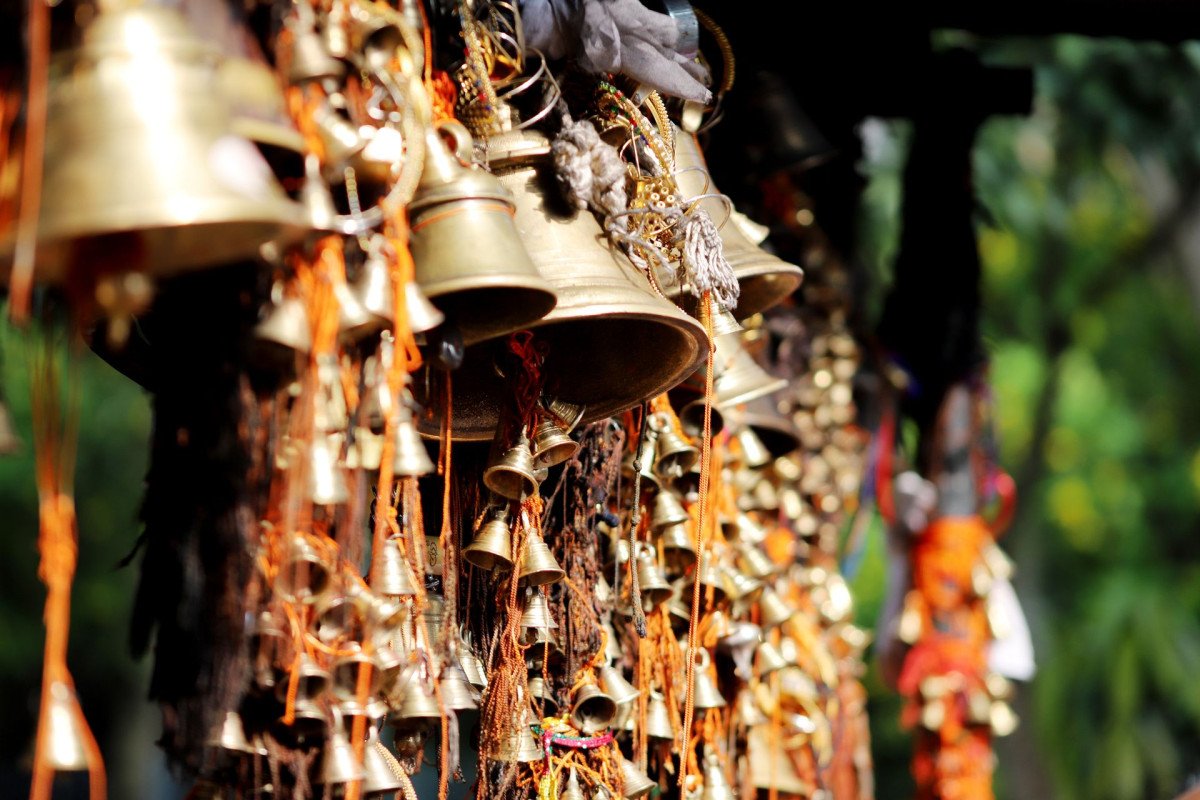
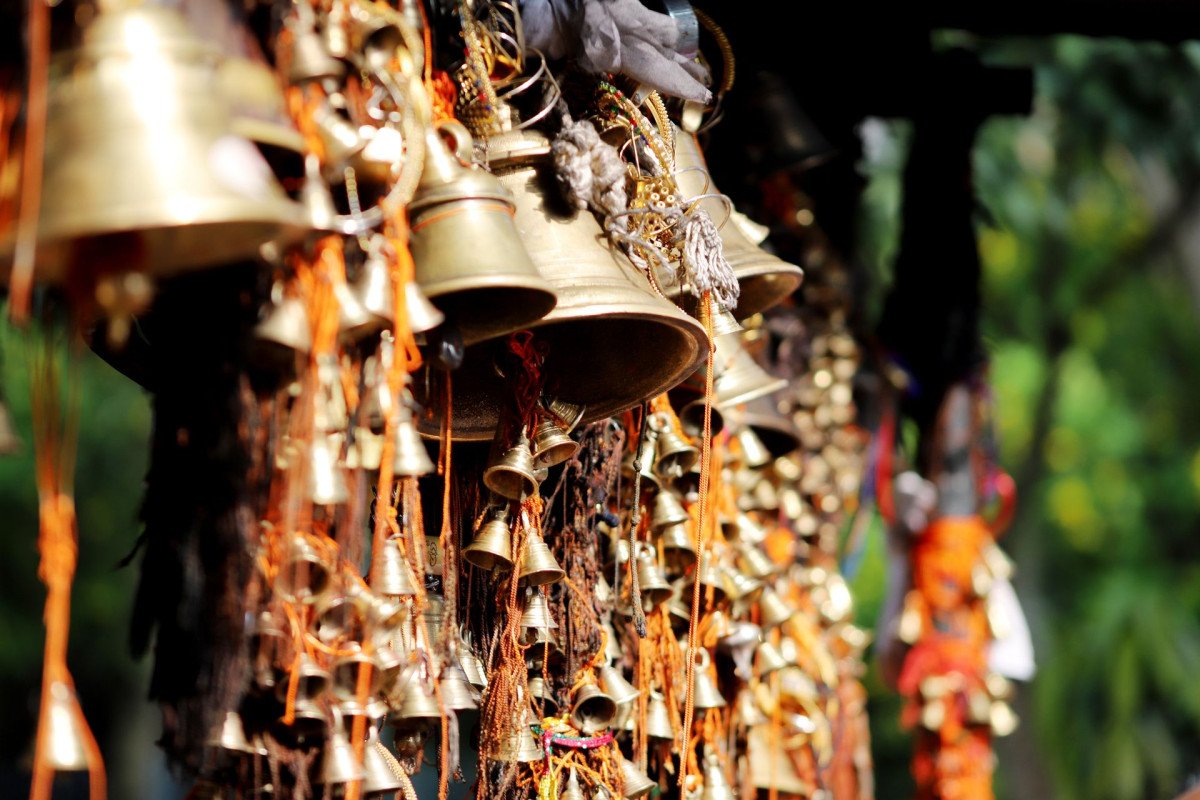
Danda Nagraja Temple
General information
-
Ideal Duration:
2-3 Hours (Plus significant travel time):Place Type:
Religious Site and Pilgrimage Center:Entry Fees:
No Entry Fee for the Temple: Entry for darshan and worship at the Danda Nagraja Temple is completely free for all visitors. The temple is a place of public worship and does not have a ticketing system.
Voluntary Offerings: Devotees typicall...No Entry Fee for the Temple: Entry for darshan and worship at the Danda Nagraja Temple is completely free for all visitors. The temple is a place of public worship and does not have a ticketing system.
Voluntary Offerings: Devotees typically make an offering of Gud (jaggery) as Prasad and a voluntary cash contribution in the temple's donation box (Hundi). There is no fixed amount or obligation for this.
Parking/Road Access Fee: A very nominal fee may be charged for parking vehicles at the road-head base or for maintaining the path leading up to the temple by local community groups. This fee is usually minor, less than Rs.50.
Pooja Charges: Specific, individualized, or complex rituals performed by the temple priests on behalf of a devotee will incur a charge for the materials used and the priest's service (Dakshina). Inquire locally for the exact cost, which is typically a few hundred rupees. ()Timing:
Regular Timings: The temple generally opens around 6:00 AM and closes after the evening Aarti, around 7:00 PM to 7:30 PM. Visitors should factor in the travel time from Pauri when planning. During the annual fair, it remains open all night.
Id...Regular Timings: The temple generally opens around 6:00 AM and closes after the evening Aarti, around 7:00 PM to 7:30 PM. Visitors should factor in the travel time from Pauri when planning. During the annual fair, it remains open all night.
Ideal Visit Time: Due to the significant travel time and the uphill hike, the ideal visit time is the Mid-Morning (around 10:00 AM to 1:00 PM). This allows ample time to travel, complete the worship, and enjoy the views before returning. Avoid visiting right at dusk unless planning to stay nearby. ()Special Events:
Danda Nagraja Mela (Annual Fair): The undisputed most special event is the annual religious and cultural fair held on Baisakh Sankranti (usually April 13th or 14th). The fair attracts thousands of devotees who spend the night in vigil, and the celebrations include tradition...Danda Nagraja Mela (Annual Fair): The undisputed most special event is the annual religious and cultural fair held on Baisakh Sankranti (usually April 13th or 14th). The fair attracts thousands of devotees who spend the night in vigil, and the celebrations include traditional music, dancing, and community feasting.
Janmashtami Celebrations: As the deity is an avatar of Lord Krishna, the festival of Janmashtami (birth of Lord Krishna, usually in August or September) is celebrated with great devotion, involving fasting, midnight ceremonies, and devotional songs (Bhajans).
Serpent Worship Days: Special Pujas and rituals are held on days dedicated to serpent worship in the Hindu calendar, like Nag Panchami (usually in July or August). These events are marked by unique local offerings and ceremonies specific to the Nagraja deity. ()Best Photo Spots:
The Temple’s Iconic Silhouette: The best photo spot is capturing the entire temple complex silhouetted against the sky, ideally during Sunrise or Sunset, which emphasizes its dramatic hilltop location and isolation. Use a lower angle to make the temple seem even grander. ...The Temple’s Iconic Silhouette: The best photo spot is capturing the entire temple complex silhouetted against the sky, ideally during Sunrise or Sunset, which emphasizes its dramatic hilltop location and isolation. Use a lower angle to make the temple seem even grander.
Close-up of the Nagraja Motif: Focus on any serpent or snake motifs on the temple structure, or the central deity if permitted, to capture the essence of the Nagraja worship tradition. This is a detail-oriented cultural shot.
Panoramic Valley View: Find a spot that allows a clear shot of the vast valley and the tiered foothills stretching out below the temple. This is perfect for wide-angle landscape shots, especially on a clear day.
The Mela Atmosphere: During the annual fair, the crowd, the colorful offerings, the traditional attire of the villagers, and the local shops provide endless opportunities for vibrant, candid cultural and human-interest photography. ()Photo Gallery
Things To Do
-
Offering Prayers and Gud Prasad: The most significant activity is performing the traditional Puja, offering prayers, and presenting the customary Gud (jaggery) to Lord Nagraja. This ritual is central to the pilgrimage experience.
Temple Parikrama: After the darshan, devotees perform a Parikrama (circumambulation) of the temple structure and the leveled hilltop area. This act is considered sacred and completes the worship. Take time to observe the devotion of the local pilgrims.
Attending the Aarti Ceremony: Try to be present for the morning or evening Aarti ceremony, which is a deeply moving experience, filled with devotional songs and the ringing of bells. This offers excellent cultural insights and spiritual energy.
Panoramic Hilltop Photography: Utilize th...Offering Prayers and Gud Prasad: The most significant activity is performing the traditional Puja, offering prayers, and presenting the customary Gud (jaggery) to Lord Nagraja. This ritual is central to the pilgrimage experience.
Temple Parikrama: After the darshan, devotees perform a Parikrama (circumambulation) of the temple structure and the leveled hilltop area. This act is considered sacred and completes the worship. Take time to observe the devotion of the local pilgrims.
Attending the Aarti Ceremony: Try to be present for the morning or evening Aarti ceremony, which is a deeply moving experience, filled with devotional songs and the ringing of bells. This offers excellent cultural insights and spiritual energy.
Panoramic Hilltop Photography: Utilize the high vantage point to capture spectacular, sweeping landscape photographs of the layered Himalayan foothills and the vast valleys below. The visibility is excellent, making it a great spot for distant horizon shots.
Visiting During the Mela: If your visit coincides with the annual Danda Nagraja Mela (around April 13-14), dedicate time to experiencing the vibrant festivities, traditional Garhwali music, folk dances, and local market stalls set up for the fair. This is a unique cultural immersion.
Short Hike/Trek: The journey from the main road up to the temple itself is a short, steep hike, offering a light but invigorating trek. Take breaks and enjoy the fresh mountain air and the changing forest canopy.
Supporting Local Economy: Purchase small tokens, Prasad, or refreshments from the local shops/restaurants outside the temple premises to support the village community. ()
Information
-
Why Famous:
The Legend of Lord Krishna: The temple is supremely famous for the mythological belief that Lord Krishna took the form of a serpent (Nagraja) at this specific hilltop, making the deity a manifestation of Lord Vishnu. This connection draws a massive number of Vaishnava and S...The Legend of Lord Krishna: The temple is supremely famous for the mythological belief that Lord Krishna took the form of a serpent (Nagraja) at this specific hilltop, making the deity a manifestation of Lord Vishnu. This connection draws a massive number of Vaishnava and Shiva devotees alike.
The Annual Danda Nagraja Mela: The biggest event that brings fame to the temple is the huge fair (Mela) organized every year, traditionally on April 13th and April 14th (or Baisakh Sankranti). This fair attracts a colossal crowd of pilgrims and showcases vibrant Garhwali cultural traditions, music, and dance.
Jaggery Offering Tradition: The unique custom of offering Gud (Jaggery) as Prasad to the deity is a major factor in its fame and sets it apart from other temples. Devotees participate in this custom with great reverence.
Hilltop Location and Visibility: Perched visibly on a remote hill, the temple itself is a landmark, often visible from great distances. The trek to the top is considered an act of great devotion, adding to its renown. () -
Architecture:
Traditional Nagara Temple Style: The architecture of the Danda Nagraja Temple follows a simple yet elegant version of the traditional Nagara style, typical of North Indian hill temples. The temple complex includes the main shrine (Garbhagriha) and a surrounding circumambula...Traditional Nagara Temple Style: The architecture of the Danda Nagraja Temple follows a simple yet elegant version of the traditional Nagara style, typical of North Indian hill temples. The temple complex includes the main shrine (Garbhagriha) and a surrounding circumambulatory path (Pradakshina Path), though the overall structure is modest due to the terrain.
Materials and Construction: The temple is primarily constructed using stone masonry, plastered and often brightly painted with traditional colors (yellow, red, and white) that stand out against the green hilltop. The roof of the main shrine is often gently sloped or conical, topped by a metal Kalasha and sometimes a serpent-like motif, symbolizing the Nagraja deity.
Dimensions (Approximate): While specific measurements are not available, the main temple structure is small to moderate in size. The sanctum may be around 12x12 feet, with a modest mandap (hall). The entire complex, including the platform and surrounding area for the fair, is spread over a larger, leveled area on the hilltop. The approach requires a vehicle journey followed by a short, steep hike from the road. () -
How To Reach:
By Air: The nearest airport is Jolly Grant Airport (DED), Dehradun, approximately 135 km away. From the airport, hire a taxi to Devprayag or directly to the temple's base via the Adwani-Baganikhal motor road.
By Train: The nearest major rai...By Air: The nearest airport is Jolly Grant Airport (DED), Dehradun, approximately 135 km away. From the airport, hire a taxi to Devprayag or directly to the temple's base via the Adwani-Baganikhal motor road.
By Train: The nearest major railway station is Kotdwar Railway Station (KTW), about 100 km away. From Kotdwar, a taxi or bus to Pauri is the first step. From Pauri (34 km), hire a private taxi to the temple, as shared transport may not go all the way to the base road.
By Road: The temple is accessible via the Adwani-Baganikhal motor road. It is about 34 km from Pauri town. A private taxi is the most convenient way to reach the road-head, from where a short, manageable hike is required to reach the summit. The roads are mountainous but generally well-maintained.
By Local Transport: Shared taxis (Max/Sumo) from Pauri may go as far as Adwani, but from there, a dedicated vehicle or hitchhiking may be necessary to cover the remaining distance to the temple's road-head. Negotiating a return fare with a local taxi from Pauri is advisable. () -
Weather and Best Time to Visit:
Summer Season (March to June): Highly recommended due to the pleasant weather, which is perfect for the long drive and the final uphill hike. The valleys are lush and green during this season.
Monsoon Season (July to September): Avoid this ...Summer Season (March to June): Highly recommended due to the pleasant weather, which is perfect for the long drive and the final uphill hike. The valleys are lush and green during this season.
Monsoon Season (July to September): Avoid this period. Heavy rain often triggers landslides on the mountain roads and makes the final hiking path extremely slippery and dangerous. The views are also frequently obscured by fog and clouds.
Autumn/Post-Monsoon (October to November): An excellent time for a visit. The air is clear, the visibility of the distant landscape is superb, and the temperatures are cool and comfortable for the pilgrimage.
Winter Season (December to February): Very cold, but the spiritual atmosphere is tranquil. The roads may sometimes be closed temporarily due to heavy snow. Visit only if you are prepared for extreme cold and check road status in advance.
Different Parts of the Day: Mid-Morning is the ideal time to reach the temple to complete the Puja and enjoy the maximum daylight for the views and the return journey. () -
Near Tourist Places:
Devprayag (49 km), Pauri City (34 km), Adwani (Approx 20 km), Baganikhal (15 km), Khirsu (Approx 45 km), Kyunkaleshwar Mahadev Temple (36 km), Rudraprayag (Approx 90 km), Badrinath (Trekking Route), Chandrabadni Temple (Approx 110 km), Nag Dev Temple (35 km):
Tourism Tips
-
Health & Safety: Given the remote, hilly location, ensure your vehicle is in good condition, and drive carefully on the winding mountain roads. Wear comfortable, supportive walking shoes for the final hike. Carry all necessary medication, as local medical facilities are ba...Health & Safety: Given the remote, hilly location, ensure your vehicle is in good condition, and drive carefully on the winding mountain roads. Wear comfortable, supportive walking shoes for the final hike. Carry all necessary medication, as local medical facilities are basic.
Packing Essentials: Carry sufficient water and some dry snacks, as refreshment options are limited to small stalls near the temple. A camera and binoculars for the stunning views are a must. A light shawl or jacket is useful for the windy hilltop.
Accommodation (Limited Options): It is best to plan this as a day trip from Pauri or Devprayag, as accommodation near the temple site is very basic (Dharamshalas) or non-existent. Book a hotel/homestay in Pauri town.
Other Tips (Respect Rituals): Purchase the traditional Gud (jaggery) offering near the temple or the base road. Respect the local custom of performing Parikrama after darshan. Avoid making too much noise on the hilltop, maintaining the spiritual sanctity of the location. ()
Reviews
FAQs
Pauri Itineray And Cost:-
Danda Nagraja Temple Tourism:-
Other Places In Pauri :-
Other States In India :-
Information about New and Updated Locations() of Uttarakhand Has Been Added :-
Card subtitle
Note:-
Information provided here in good Faith and for reference only.
Near Places

Adwani
Some quick example text to build on the card title and make up the bulk of the card's content.
Go somewhere
Bhuvaneshwari Devi Temple
Some quick example text to build on the card title and make up the bulk of the card's content.
Go somewhere
Buda Bharsaar Temple
Some quick example text to build on the card title and make up the bulk of the card's content.
Go somewhere
Chaukhamba View Point
Some quick example text to build on the card title and make up the bulk of the card's content.
Go somewhere
Danda Nagraja Temple
Some quick example text to build on the card title and make up the bulk of the card's content.
Go somewhere
Darwan Singh Regimental Centre Museum
Some quick example text to build on the card title and make up the bulk of the card's content.
Go somewhere
Devprayag Sangam
Some quick example text to build on the card title and make up the bulk of the card's content.
Go somewhere
Jim Corbett
Some quick example text to build on the card title and make up the bulk of the card's content.
Go somewhere
Jwalpa Devi Temple
Some quick example text to build on the card title and make up the bulk of the card's content.
Go somewhere
Kaleshwar Temple
Some quick example text to build on the card title and make up the bulk of the card's content.
Go somewhere
Kandoliya Devta Temple
Some quick example text to build on the card title and make up the bulk of the card's content.
Go somewhere
Khirsu
Some quick example text to build on the card title and make up the bulk of the card's content.
Go somewhere
Khirsu Village
Some quick example text to build on the card title and make up the bulk of the card's content.
Go somewhere
Kyunkaleshwar Mahadev Temple
Some quick example text to build on the card title and make up the bulk of the card's content.
Go somewhere
Nagdev Temple
Some quick example text to build on the card title and make up the bulk of the card's content.
Go somewhere
Pauri Mahadev Temple
Some quick example text to build on the card title and make up the bulk of the card's content.
Go somewherein Other Cities