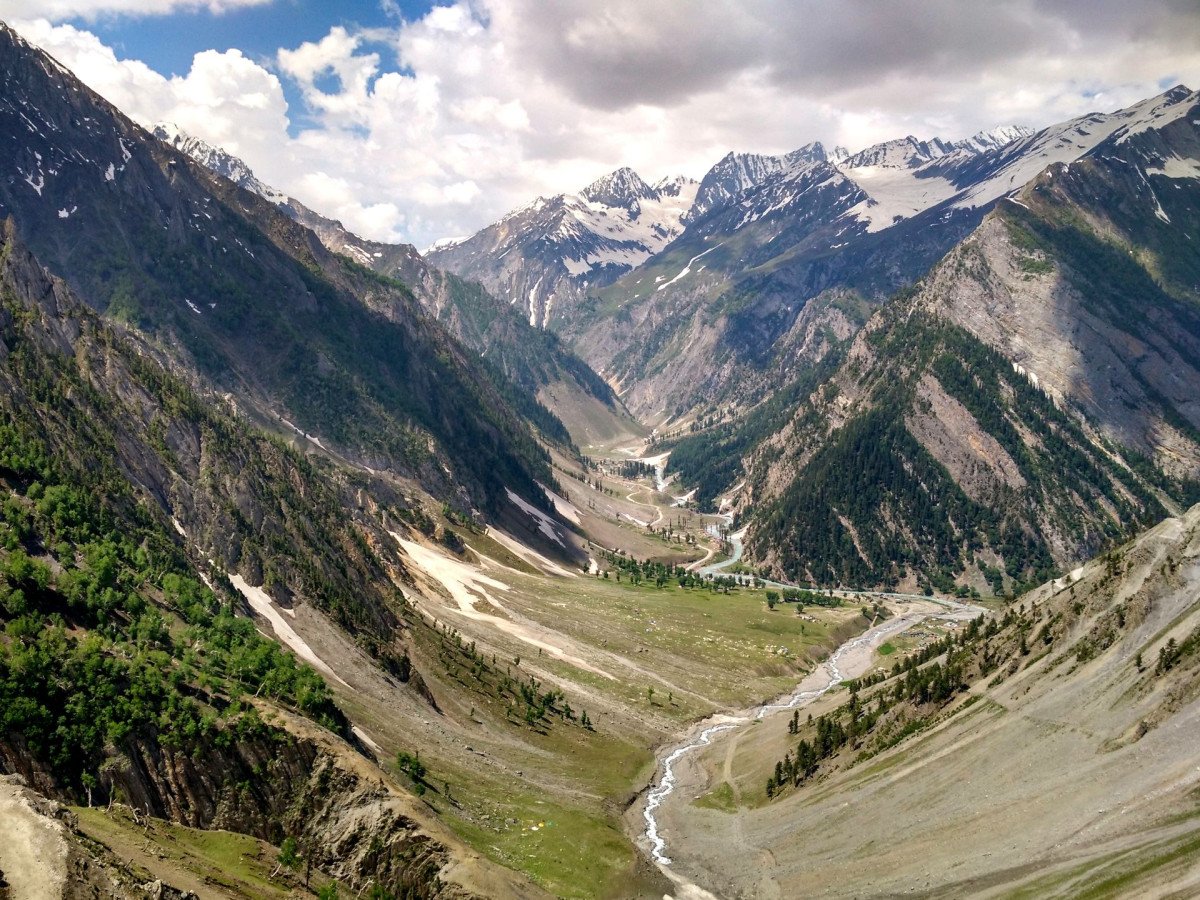
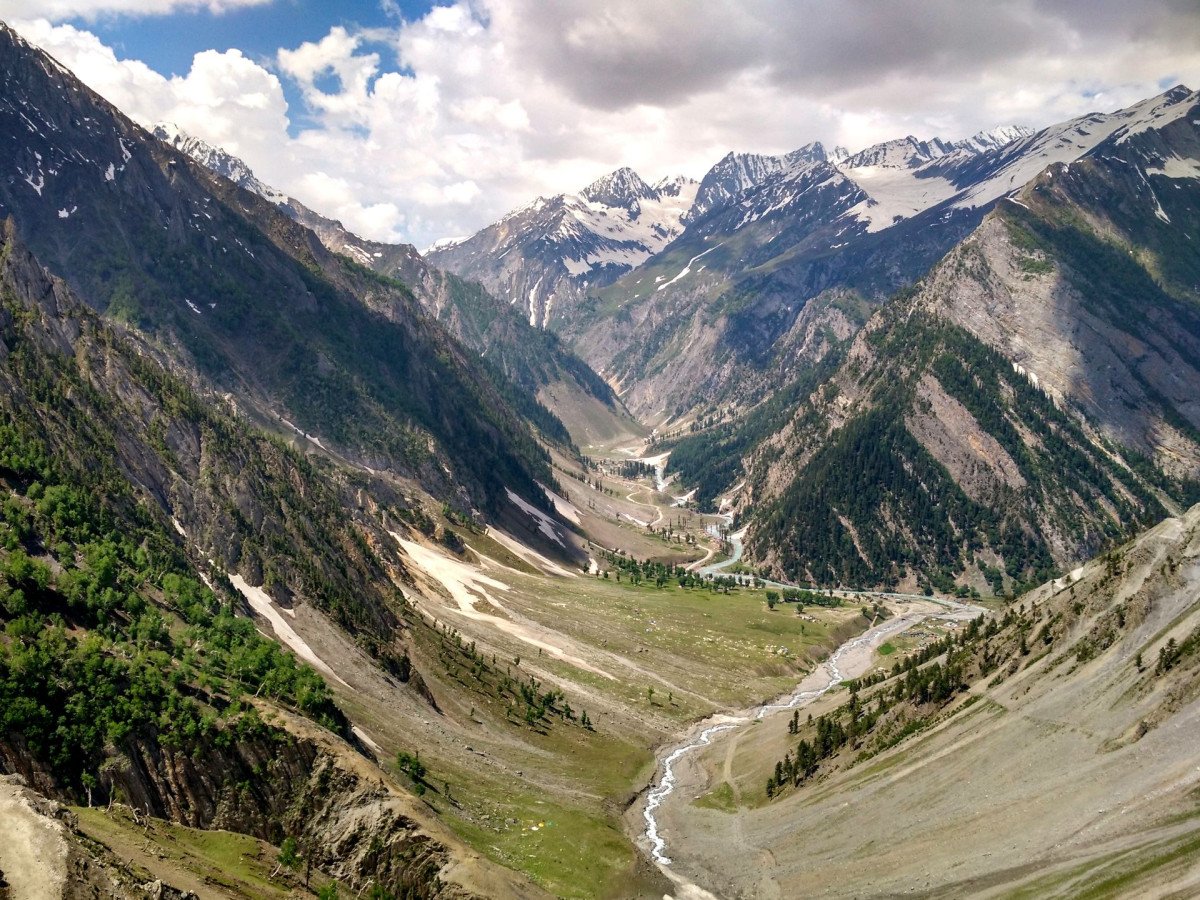
Champhai Valley
General information
-
Ideal Duration:
3 Hours (for viewpoints and a short drive through):Place Type:
Agricultural and Scenic Landscape:Entry Fees:
Access and Maintenance: There are no direct entry fees to visit or drive through the Champhai Valley itself, as it is a vast, open agricultural landscape and not a gated park. However, if you choose to visit one of the dedicated viewing points, such as R Lalzinga Point or a...Access and Maintenance: There are no direct entry fees to visit or drive through the Champhai Valley itself, as it is a vast, open agricultural landscape and not a gated park. However, if you choose to visit one of the dedicated viewing points, such as R Lalzinga Point or a similar local observation deck maintained by a village committee, there may be a nominal fee for access, often around Rs.10 to Rs.30 per person. This fee is for the upkeep of the railings, seating, and parking.
Private Property Respect: It is important to note that the valley comprises privately owned farmlands. No fees should be paid to enter the fields themselves. Visitors must exercise extreme caution and never trespass onto the rice fields without explicit permission from the farmer. Any costs incurred will be for transport, guides, or any local food/drink you purchase in the area, not for viewing the landscape.
Commercial Photography/Drone: If you are engaging in high-level commercial photography or drone usage over the agricultural land, it is respectful and necessary to inquire about and obtain permission from the local Village Council or District Administration, who may levy a small, formal permit fee.Timing:
Regular Timings: As a massive geographical area, the Champhai Valley has no fixed opening or closing times. It can be viewed 24 hours a day. However, for a positive visitor experience and safety, it is generally recommended to visit during daylight hours, from 6:00 AM to 5...Regular Timings: As a massive geographical area, the Champhai Valley has no fixed opening or closing times. It can be viewed 24 hours a day. However, for a positive visitor experience and safety, it is generally recommended to visit during daylight hours, from 6:00 AM to 5:30 PM.
Ideal Visit Time: The Ideal Visit Time is the early morning (Sunrise to 9:00 AM) for the best light and the chance to witness the mist phenomenon. The late afternoon (3:30 PM to Sunset) is also excellent for the warm, golden light and cool air. Visiting just after the monsoon (mid-October) is ideal when the fields are a brilliant green and the air is clear.
Agricultural Seasonality: Note that the valley's visual appeal changes dramatically with the agricultural cycle. The period from June to September (Monsoon) sees the most vibrant green fields, while October-November is the time for the golden harvest color. Visiting outside these times means seeing more fallow or recently planted fields, which are less visually spectacular.Special Events:
The Hnahlan Grape Harvest Festival: The village of Hnahlan, which is agriculturally part of the valley's system, hosts an unofficial Grape Harvest Festival around August or September. This special event involves local wine tasting, cultural performances, and the celebration...The Hnahlan Grape Harvest Festival: The village of Hnahlan, which is agriculturally part of the valley's system, hosts an unofficial Grape Harvest Festival around August or September. This special event involves local wine tasting, cultural performances, and the celebration of the grape yield. It's a vibrant, localized celebration of the valley's diverse agriculture.
Rice Harvest Celebration: The main Rice Harvest takes place around October-November. While not a centralized festival, the entire valley floor and surrounding villages engage in communal celebrations, feasting, and local dance performances at the village level to mark the end of the agricultural cycle. Being in the area during this time provides a window into the Mizo agrarian way of life, with local Khual Zai (welcoming songs) often sung.
Mizo Poets' Day: Near the valley is the Mizo Hlakungpui Mual (Poets' Square). While not strictly a valley event, the valley serves as the backdrop for the Mizo Poets' Day celebration (often in March), where local poets read and recite works often inspired by the landscape. This cultural event connects the land to the arts.Best Photo Spots:
The Golden Carpet View: The key is to photograph the entire valley floor from one of the elevated viewpoints. The Best Photo Spots are the platforms at R Lalzinga Point or the main viewpoint near Vengsang. Focus on the intricate pattern of the paddy fields, especially when...The Golden Carpet View: The key is to photograph the entire valley floor from one of the elevated viewpoints. The Best Photo Spots are the platforms at R Lalzinga Point or the main viewpoint near Vengsang. Focus on the intricate pattern of the paddy fields, especially when they are a rich, vibrant green (after the monsoon) or a stunning golden-yellow (just before the harvest in October-November). Use a wide-angle lens to capture the vastness.
Field Close-Ups and Reflections: Head down to the valley floor and take close-up shots of the rice plants and the water in the fields. The reflections of the sky and the surrounding hills in the flooded fields create beautiful, artistic compositions. This is best done on a calm, sunny day.
Framing the Valley with People: Use the expansive valley as a backdrop for portrait shots of travelers or locals. Position a person on the viewing platform or a low wall, facing the valley, to emphasize the human scale against the grand natural canvas. The vastness of the landscape adds drama to the portraits. The soft light of the early morning is perfect for this.Photo Gallery
Things To Do
-
Sunrise Photography at the Viewpoints: Plan an early morning visit to a key viewpoint (like R Lalzinga Point) to capture the sunrise over the valley. Focus on the soft, diffused light, the texture of the rice terraces, and the ethereal mist. This is the premier photo opportunity and should be on every visitor's list. Bring a tripod for stability.
A Drive/Cycle through the Valley Floor: Rent a local bike or hire a taxi for a slow, gentle drive or cycle ride along the roads and secondary tracks that cross the valley floor, getting close to the fields. This allows you to feel the scale and the farming activity firsthand. Stop to admire the irrigation channels and the quiet rural life. Always seek permission before entering any private property or fields.
Wine Village Visit: Take a short trip t...Sunrise Photography at the Viewpoints: Plan an early morning visit to a key viewpoint (like R Lalzinga Point) to capture the sunrise over the valley. Focus on the soft, diffused light, the texture of the rice terraces, and the ethereal mist. This is the premier photo opportunity and should be on every visitor's list. Bring a tripod for stability.
A Drive/Cycle through the Valley Floor: Rent a local bike or hire a taxi for a slow, gentle drive or cycle ride along the roads and secondary tracks that cross the valley floor, getting close to the fields. This allows you to feel the scale and the farming activity firsthand. Stop to admire the irrigation channels and the quiet rural life. Always seek permission before entering any private property or fields.
Wine Village Visit: Take a short trip to the nearby village of Hnahlan (known for grape cultivation and the wine industry). This offers a fantastic agri-tourism experience where you can learn about grape-growing techniques in the hills and sample or purchase the local wine, a unique product of the Champhai Valley. This often requires half a day.
Cultural and Historical Exploration: Drive along the hill slopes to spot the numerous historical lungdawh (monoliths) and memorial stones that overlook the valley, such as Mangkhaia Lung. The valley view provides the historical context for these stones, showing why the early chiefs chose these strategic locations to commemorate their achievements.
Birdwatching: The paddy fields and the surrounding scrubland are excellent habitats for various bird species, including waterfowl during certain seasons. Bring binoculars and sit quietly near the edge of a field in the early morning or late afternoon for dedicated birdwatching. The valley's natural setting supports a rich ecology.
Trekking on the Valley's Edge: Organize a guided, light trek on the lower ridges overlooking the valley. This offers multiple, dynamic perspectives of the rice fields and the distant hills. It's a great way to appreciate the local geology and flora at a comfortable altitude. Ensure you have a local guide for the best trails.
Local Food Experience: Stop at a small, roadside eatery or a village home on the valley's edge for an authentic Mizo meal. Enjoying the local cuisine, especially rice dishes, while overlooking the very fields where the rice was grown offers a full, immersive, farm-to-table experience that enhances the visit.
Information
-
Why Famous:
The Rice Bowl Moniker: The valley is famous nationally as the "Rice Bowl of Mizoram" due to its unparalleled contribution to the state's rice production. This fame underscores its critical economic role. The visual spectacle of the vast, uninterrupted expanse of rice field...The Rice Bowl Moniker: The valley is famous nationally as the "Rice Bowl of Mizoram" due to its unparalleled contribution to the state's rice production. This fame underscores its critical economic role. The visual spectacle of the vast, uninterrupted expanse of rice fields is what draws the most attention and makes it an instantly recognizable, iconic landmark. The sheer scale is a compelling sight.
Panoramic Beauty: The scenic beauty, especially when viewed from the surrounding elevated points like R Lalzinga Point, is internationally famous. The colorful tapestry of green (in the monsoon season) or golden-yellow (just before the November harvest) against the backdrop of the Chin Hills of Myanmar is a highly sought-after photographic subject. The valley represents the quintessential, peaceful beauty of the Mizo hinterland.
Grape and Wine Cultivation: The valley and its adjacent slopes have gained increasing fame for the successful cultivation of grapes, particularly in villages like Hnahlan. This has led to a unique local wine culture, where the locally produced wine is an emerging highlight, showcasing the valley's diverse agricultural output beyond rice and attracting a niche segment of agri-tourists. -
Architecture:
Natural Topography and Cultivation: The Champhai Valley is a vast natural feature, the lung or flat area in a mountainous region. The architectural features are primarily agricultural and involve large-scale human-made earthworks. The main Dimension of the cultivable area ...Natural Topography and Cultivation: The Champhai Valley is a vast natural feature, the lung or flat area in a mountainous region. The architectural features are primarily agricultural and involve large-scale human-made earthworks. The main Dimension of the cultivable area is approximately 15 to 20 KMS in length and up to 5 KMS in width in its broadest sections.
Terraced Field Design: The vast majority of the land is configured into slightly terraced paddy fields, an Architecture of utility that facilitates irrigation and cultivation on the gentle slopes, creating the distinctive visual pattern. These fields are irrigated by small streams and channels dug by the local farmers, a simple, yet highly effective, hydraulic system refined over centuries. The field boundaries are often marked by small earthen bunds or stone lines.
Man-made Structures for Observation: While the valley itself is natural, the most visible structures are the viewpoints developed on the surrounding hillsides (like R Lalzinga Point). These structures, typically elevated, reinforced concrete platforms with protective railings, are designed to maximize the view. Their Dimension is usually modest, about 5 to 10 meters wide, providing safe space for tourists and photographers to appreciate the grand scale of the valley floor. The overall architectural focus is on the scale and shape of the cultivated landscape. -
How To Reach:
By Air: The nearest airport is Lengpui Airport (AJL), situated approximately 185 KMS from the valley. From the airport, one must hire ground transport (taxi/shared jeep) for the scenic but long journey to Champhai town. Once in Champhai, the valley is accessed by a short l...By Air: The nearest airport is Lengpui Airport (AJL), situated approximately 185 KMS from the valley. From the airport, one must hire ground transport (taxi/shared jeep) for the scenic but long journey to Champhai town. Once in Champhai, the valley is accessed by a short local drive to one of the main viewing points.
By Train: The closest major railway station is Silchar (SCL), about 352 KMS away. From Silchar, the 10-12 hour road journey to Champhai is mandatory. Once in the town, local taxis can easily take you to the viewing points or on a drive along the valley floor.
By Road: The Champhai Valley is best explored by road. State Highway roads and local district roads run along and across the valley floor. Shared taxis and buses from Aizawl (188 KMS) travel to Champhai, and from there, local vehicles are the primary means of exploration. The main viewing areas, such as R Lalzinga Point, are typically accessible by well-maintained asphalt roads.
By Local Transport: In Champhai town, local taxis or shared sumos can be hired for a dedicated valley tour, including a stop at a viewpoint and a drive across the plain. This offers the greatest flexibility for photography and exploration. Negotiate a fixed rate for a few hours. Two-wheeler taxis can also take you to the viewpoints. -
Weather and Best Time to Visit:
Seasonality - Post-Monsoon (October to March): This is the Best Time to Visit. The weather is cool and dry, providing clear visibility of the entire valley expanse, which is critical for appreciating its vastness. The fields transition from golden harvest hues to prepared ...Seasonality - Post-Monsoon (October to March): This is the Best Time to Visit. The weather is cool and dry, providing clear visibility of the entire valley expanse, which is critical for appreciating its vastness. The fields transition from golden harvest hues to prepared earth, offering different visual textures. The travel conditions are also the safest.
Seasonality - Monsoon (June to September): This season offers the most intense green colors but also the highest risk of fog, which can completely obscure the view, and heavy rain, which makes movement difficult. The roads can also be challenging.
Time of Day - Early Morning (Sunrise): The absolute Best Time of Day is from 5:30 AM to 7:30 AM. This period captures the golden light hitting the fields, the dramatic shadows of the hills, and the ephemeral mist rising from the valley floor. This is a must for photographers and serious sightseers.
Time of Day - Late Afternoon (Golden Hour): The two hours before sunset provide warm, soft light that beautifully illuminates the colors of the fields, perfect for leisurely drives and relaxed sightseeing. -
Near Tourist Places:
R Lalzinga Point (approx. 1 KM) Highest, most scenic viewpoint. Mangkhaia Lung (approx. 3 KM) Historical monolith overlooking the valley. Zotlang (approx. 3 KM) Residential area near a key viewpoint. Hnahlan Village (approx.
25 KMS): Famous for wine production. Champhai District Park (approx. 3. 5 KM) Recreational space with views. Kula Khiangte Lungdawh (approx. 2. 5 KM) Another historical stone. Mura Puk (approx.
12 KMS): Caves near the valley's eastern edge. Sikpui Lung (approx. 5 KM) Historical stone platform. Champhai Bazaar (approx. 3 KM) Main market for local produce. Neihtu Lung (approx. 5 KM) Local landmark stone.
Tourism Tips
-
Health & safety: Be mindful of the altitude and the sun. Carry water and wear layers, as the temperature can change quickly between the high viewpoints and the valley floor. If walking near the fields, watch out for small, slippery irrigation channels and uneven earth. Al...Health & safety: Be mindful of the altitude and the sun. Carry water and wear layers, as the temperature can change quickly between the high viewpoints and the valley floor. If walking near the fields, watch out for small, slippery irrigation channels and uneven earth. Always inform someone of your route if venturing onto side roads.
Packing: Bring an excellent camera with a wide-angle lens to capture the vast panorama. A small zoom lens is also helpful for details of the distant hills. Pack comfortable trekking or walking shoes if you plan to walk on the slopes or valley edges. A raincoat or umbrella is essential, even in the dry season, for unpredictable mountain weather.
Accommodation: Stay in Champhai town, which serves as the perfect base. Look for hotels or homestays with views toward the valley for a private viewing experience. Book a room on a higher floor.
Other Different Topics heading:
Respect Private Land: The most important tip is to respect the fields as the livelihood of the farmers. Never walk or drive over cultivated land. Stick to established roads and paths.
Local Fruit: Try the local oranges and other seasonal fruits grown on the valley's surrounding slopes, which are often sold fresh at roadside stalls.
Permits: Ensure all travel documents (ILP/PAP) are in order.
Reviews
FAQs
Champhai Itineray And Cost:-
Other Places In Champhai :-
Other States In India :-
Information about New and Updated Locations() of Mizoram Has Been Added :-
Card subtitle
Note:-
Information provided here in good Faith and for reference only.
Near Places

Bethel Veng
Some quick example text to build on the card title and make up the bulk of the card's content.
Go somewhere
Cfl Hmingthanga Monument
Some quick example text to build on the card title and make up the bulk of the card's content.
Go somewhere
Champhai District Park
Some quick example text to build on the card title and make up the bulk of the card's content.
Go somewhere
Champhai Valley
Some quick example text to build on the card title and make up the bulk of the card's content.
Go somewhere
Fiara Tui
Some quick example text to build on the card title and make up the bulk of the card's content.
Go somewhere
Hlakungpui Mual
Some quick example text to build on the card title and make up the bulk of the card's content.
Go somewhere
Kawtchhuah Ropui
Some quick example text to build on the card title and make up the bulk of the card's content.
Go somewhere
Khawbung Village
Some quick example text to build on the card title and make up the bulk of the card's content.
Go somewhere
Khawhai Village
Some quick example text to build on the card title and make up the bulk of the card's content.
Go somewhere
Kungawrhi Puk
Some quick example text to build on the card title and make up the bulk of the card's content.
Go somewhere
Lamsial Puk
Some quick example text to build on the card title and make up the bulk of the card's content.
Go somewhere
Lianchhiari Lunglen Tlang
Some quick example text to build on the card title and make up the bulk of the card's content.
Go somewhere
Lungvar
Some quick example text to build on the card title and make up the bulk of the card's content.
Go somewhere
Mangkhaia Lung
Some quick example text to build on the card title and make up the bulk of the card's content.
Go somewhere
Mangkhaia Lung Monolith
Some quick example text to build on the card title and make up the bulk of the card's content.
Go somewhere
Melbuk Village
Some quick example text to build on the card title and make up the bulk of the card's content.
Go somewherein Other Cities