Chaumukhi Mahadev Temple
General information
-
Ideal Duration:
45 MinutesPlace Type:
TempleEntry Fees:
General Information: Entry to the Chaumukhi Mahadev Temple is Free for all visitors, as it is an active place of worship.
Donations: Voluntary donations for the temple's maintenance are the primary means of support.
Read MoreGeneral Information: Entry to the Chaumukhi Mahadev Temple is Free for all visitors, as it is an active place of worship.
Donations: Voluntary donations for the temple's maintenance are the primary means of support.
Puja Offerings: Budget for purchasing prayer offerings like milk, flowers, and Bel Patra from local vendors, typically costing around Rs.50 to Rs.150.
Special Rituals: Specific, elaborate Abhishekam or Rudra Puja rituals may be offered for a fee negotiated with the priest.
Dress Code: Strict modesty is required. Shorts or sleeveless tops are not permitted, especially for women.Timing:
Regular Timings: The temple is generally open from 5:00 AM to 12:30 PM and then re-opens from 4:00 PM to 9:00 PM. The afternoon break is for the deity's rest and cleaning.
Ideal Visit Time: The Ideal Visit Time is the very early morning (5:...Regular Timings: The temple is generally open from 5:00 AM to 12:30 PM and then re-opens from 4:00 PM to 9:00 PM. The afternoon break is for the deity's rest and cleaning.
Ideal Visit Time: The Ideal Visit Time is the very early morning (5:00 AM - 6:30 AM) to witness the Mangal Aarti and the first Abhishekam of the day. Evening Aarti is also a great time for a spiritual atmosphere.
Ideal Day: Any Monday is considered sacred to Lord Shiva and attracts the largest number of local devotees.Special Events:
Maha Shivratri: The most important event is Maha Shivratri (usually in February or March), celebrated with immense devotion, night-long bhajans (devotional songs), and a large local fair (Mela).
Shravan Month: The entire Hindu month of Shrav...Maha Shivratri: The most important event is Maha Shivratri (usually in February or March), celebrated with immense devotion, night-long bhajans (devotional songs), and a large local fair (Mela).
Shravan Month: The entire Hindu month of Shravan (July/August) is a period of heightened religious activity, with devotees offering continuous prayers and water from the Ganges to the Shivling.
Kartik Purnima: A major fair and religious gathering takes place during Kartik Purnima (usually in November), attracting pilgrims from neighboring villages.Best Photo Spots:
The Four Faces: The best photograph is a respectful close-up of the Chaumukhi Shivling, capturing the detail and expression of the four distinct faces.
Lingam and the Argha: A shot that captures the imposing size of the lingam and the three ...The Four Faces: The best photograph is a respectful close-up of the Chaumukhi Shivling, capturing the detail and expression of the four distinct faces.
Lingam and the Argha: A shot that captures the imposing size of the lingam and the three circular Argha rings, highlighting the unique presentation.
Devotional Scene: An atmospheric photo capturing the intense devotion of the local people as they perform Abhishekam to the lingam.
Temple Exterior: A wide shot of the temple's modern exterior structure, emphasizing its presence in the surrounding village area.Photo Gallery
Things To Do
-
Performing Abhishekam: The main activity is the ritual bathing (Abhishekam) of the Shivling with milk, water, and Bel Patra (Aegle marmelos leaves). Join the devotees in offering water.
Circumambulation: Perform a respectful Parikrama (circumambulation) around the main sanctum.
Study the Lingam: Spend time closely observing the four distinct faces carved on the Shivling, contemplating the different aspects of Lord Shiva they represent.
Meditation: The temple's ancient, serene atmosphere is highly conducive to meditation and quiet prayer.
Festival Participation: If visiting during Shivratri or Shravan, join the massive crowds in the processions, chanting, and night-long vigil.
Photography of Artistry...Performing Abhishekam: The main activity is the ritual bathing (Abhishekam) of the Shivling with milk, water, and Bel Patra (Aegle marmelos leaves). Join the devotees in offering water.
Circumambulation: Perform a respectful Parikrama (circumambulation) around the main sanctum.
Study the Lingam: Spend time closely observing the four distinct faces carved on the Shivling, contemplating the different aspects of Lord Shiva they represent.
Meditation: The temple's ancient, serene atmosphere is highly conducive to meditation and quiet prayer.
Festival Participation: If visiting during Shivratri or Shravan, join the massive crowds in the processions, chanting, and night-long vigil.
Photography of Artistry: Focus on capturing the unique structure and artistry of the Chaumukhi Shivling (with permission and no flash).
Local Interaction: Talk to the temple priests and elderly devotees to hear the local legends about Lord Rama's visit and the temple's enduring history.
Information
-
Why Famous:
The Chaturmukhi Shivling: It is famous for its unique and ancient four-faced Shiva lingam, which is considered very rare and spiritually potent, attracting devotees from all over Bihar and beyond.
Ancient Shaivite Center: The temple is a sig...The Chaturmukhi Shivling: It is famous for its unique and ancient four-faced Shiva lingam, which is considered very rare and spiritually potent, attracting devotees from all over Bihar and beyond.
Ancient Shaivite Center: The temple is a significant center of Shaivism in Vaishali, providing a counter-narrative to the region's famous Buddhist and Jain heritage and demonstrating the continuous thread of Hindu worship.
Gupta Era Association: The archaeological evidence, such as the recovered Gupta coin, solidifies its claim to deep antiquity, making it an important historical site as well. -
Architecture:
Early Hindu Temple Architecture: The existing temple structure is relatively modern but is built around the original, ancient core which contained the Chaumukhi Shivling. The older remains are indicated by the lingam standing inside a pit, suggesting the foundations of an e...Early Hindu Temple Architecture: The existing temple structure is relatively modern but is built around the original, ancient core which contained the Chaumukhi Shivling. The older remains are indicated by the lingam standing inside a pit, suggesting the foundations of an earlier brick temple.
The Chaturmukhi Shivling: This is the most important architectural and spiritual feature. It is a large, polished black stone lingam with four detailed faces carved into it, facing the cardinal directions. A unique feature is the open third eye on the south-facing countenance. The lingam rests on three large, circular Argha (base) rings.
Construction Material: The surrounding shrine is a mix of older foundations (likely brick) and modern reinforced construction built to protect the sacred lingam. The focus is on the sanctity of the idol itself, which has endured for over a millennium.
Dimension: The lingam is large and impressive, housed within a simple, modest sanctum that focuses the worshipper's attention entirely on the powerful deity. -
How To Reach:
By Air: Patna Airport (PAT), approx. 62 KMS. Hire a taxi or cab for the 2-3 hour journey.
By Train: Hajipur Junction (HJP), approx. 35 KMS. Take a local bus or cab towards Vaishali. Muzaffarpur railway station is also a major railhead (...By Air: Patna Airport (PAT), approx. 62 KMS. Hire a taxi or cab for the 2-3 hour journey.
By Train: Hajipur Junction (HJP), approx. 35 KMS. Take a local bus or cab towards Vaishali. Muzaffarpur railway station is also a major railhead (approx. 36 KMS).
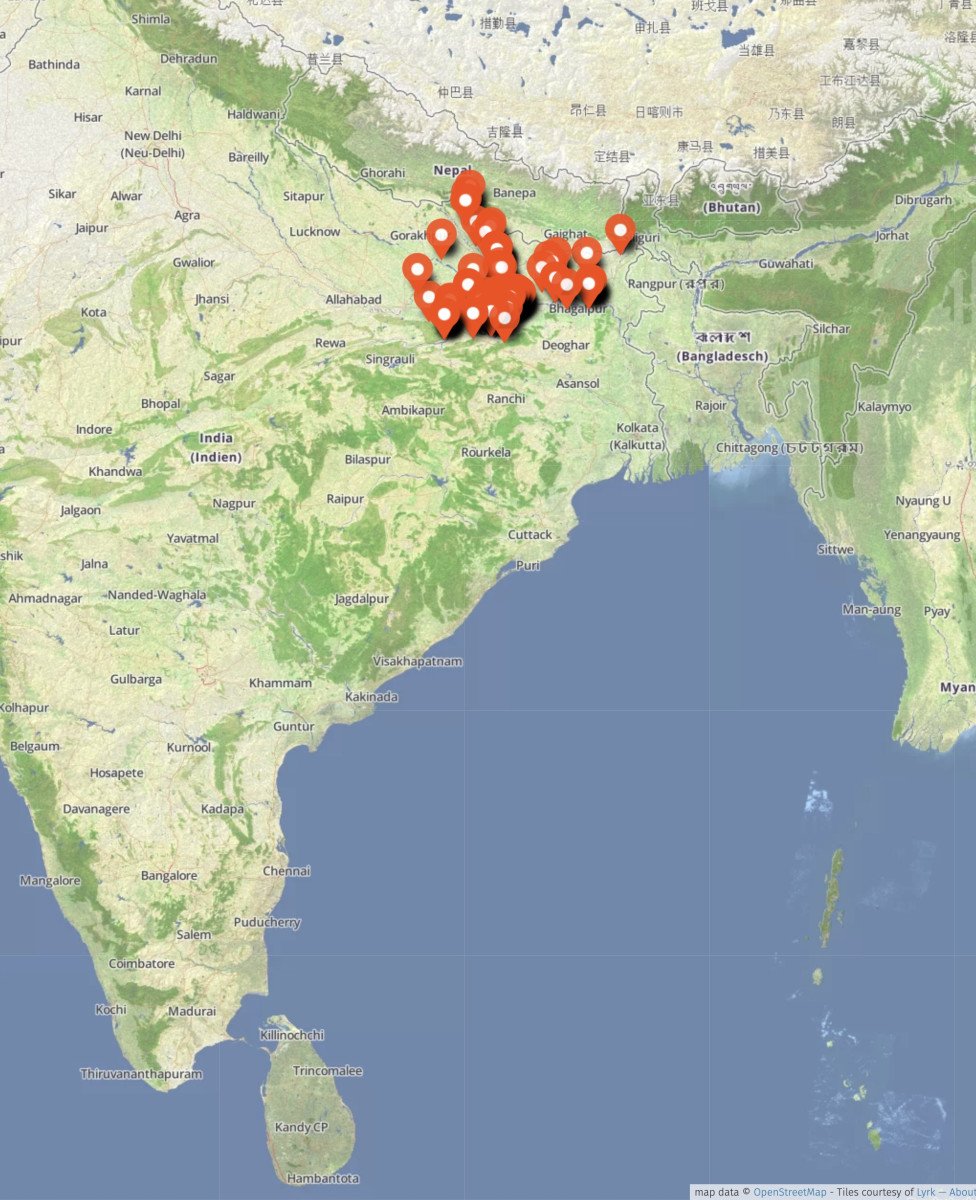
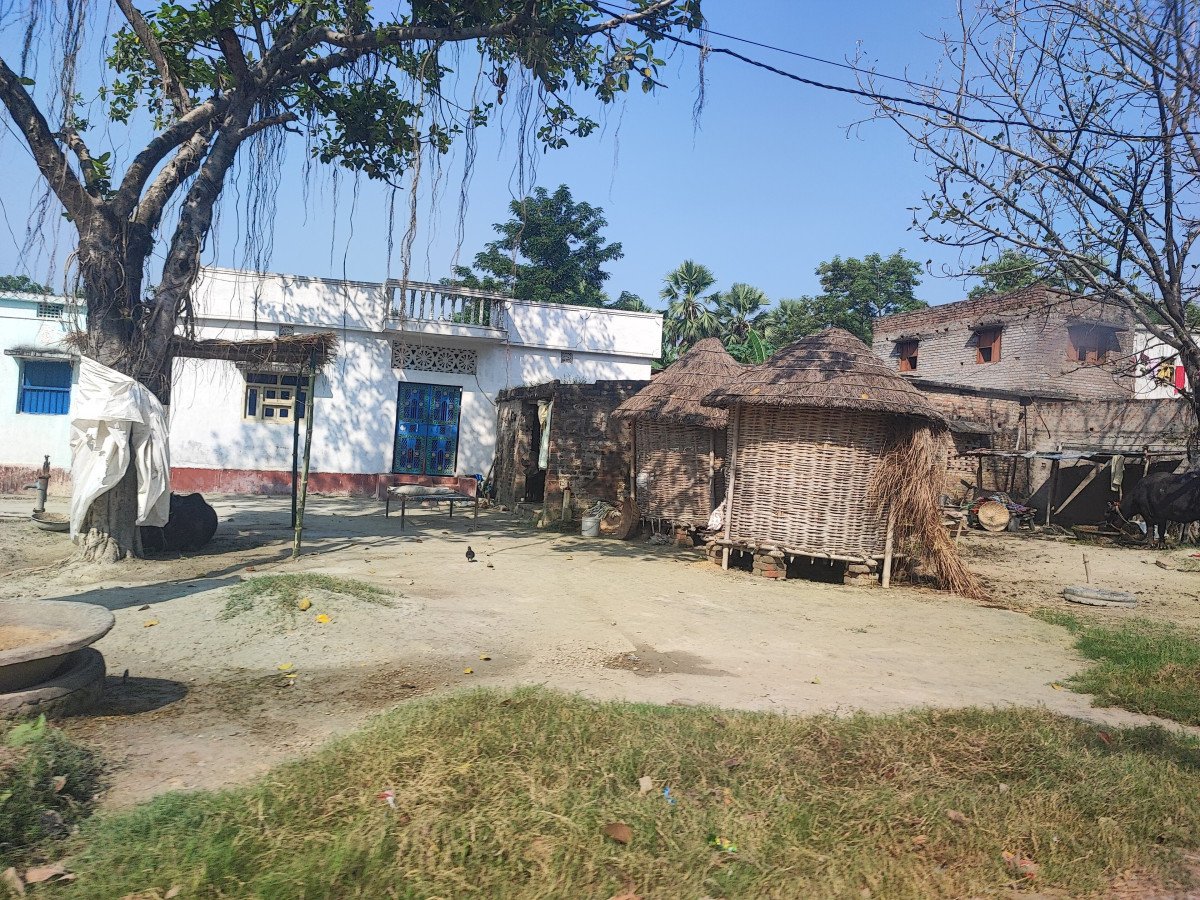
By Road: Located in Rataul village, which is well-connected by local roads from the main Vaishali town. Easily accessible via NH 77 from major cities.
By Local Transport: From the Vaishali bus stand, hire a dedicated auto-rickshaw or a shared Tempo to reach Rataul village, or take a direct bus from Hajipur to the village. -
Weather and Best Time to Visit:
Different Types of Seasons: Winter (October to March) is the most comfortable and pleasant season. The heat of Summer should be avoided. Monsoon (July-September) sees high humidity but is considered the holiest time of the year (Shravan month) for Lord Shiva devotees.
...Different Types of Seasons: Winter (October to March) is the most comfortable and pleasant season. The heat of Summer should be avoided. Monsoon (July-September) sees high humidity but is considered the holiest time of the year (Shravan month) for Lord Shiva devotees.
Different Parts of the Day: Morning is best for the main rituals and devotion. Evening is wonderful for witnessing the temple lit up and enjoying the quiet village atmosphere. -
Near Tourist Places:
1.
Bawan Pokhar Temple: (4 KMS) 2.
Buddha Relic Stupa (Stupa-I): (4 KMS) 3.
Raja Vishal ka Garh (Vishal Fort): (4 KMS) 4.
Ashoka Pillar (Lion Pillar): (4 KMS) 5.
Abhishek Pushkarn (Coronation Tank): (4 KMS) 6.
Ananda Stupa Site: (4 KMS) 7.
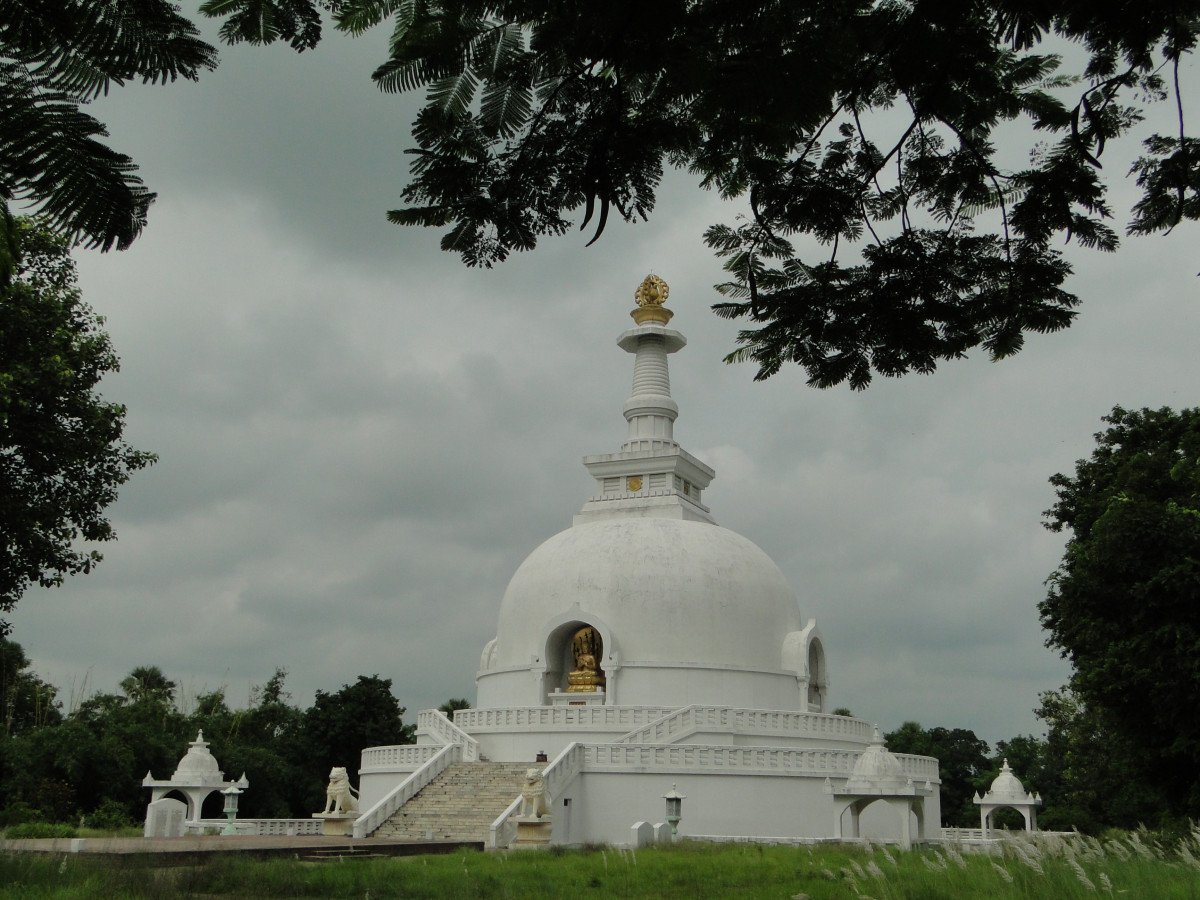
Buddh Stupa-II (Vishwa Shanti Stupa): (4 KMS) 8.
Kundalpur (Lord Mahavira's Birthplace): (35 KMS) 9.
Ramchaura Mandir (Hajipur): (35 KMS) 10.
Patna Museum (Relic Casket): (65 KMS)
Tourism Tips
-
Health & Safety: The surrounding area is a village, so be prepared for basic facilities. Carry hand sanitizer and bottled water.
Packing: Carry a light towel or cloth to wipe yourself down after performing Abhishekam (bathing the lingam). <...Health & Safety: The surrounding area is a village, so be prepared for basic facilities. Carry hand sanitizer and bottled water.
Packing: Carry a light towel or cloth to wipe yourself down after performing Abhishekam (bathing the lingam).
Accommodation: No nearby high-quality hotels. Staying in Patna or a basic lodge in Vaishali is the best option.
Respectful Conduct: Be particularly respectful of the sanctity of the Shivling. Photography inside the inner sanctum is often restricted.
Village Manners: When walking in the village, greet locals politely and ask for directions if needed; they are generally very helpful.
Reviews
FAQs
Vaishali Itineray And Cost:-
Chaumukhi Mahadev Temple Tourism:-
Other Places In Vaishali :-
Other States In India :-
Information about New and Updated Locations() of Bihar Has Been Added :-
Card subtitle
Note:-
Information provided here in good Faith and for reference only.
Near Places

Abhishek Pushkarn
Some quick example text to build on the card title and make up the bulk of the card's content.
Go somewhere
Ananda Stupa Site
Some quick example text to build on the card title and make up the bulk of the card's content.
Go somewhere
Ashoka Pillar
Some quick example text to build on the card title and make up the bulk of the card's content.
Go somewhere
Baba Bateshwarnath Temple
Some quick example text to build on the card title and make up the bulk of the card's content.
Go somewhere
Baithakji Hajipur
Some quick example text to build on the card title and make up the bulk of the card's content.
Go somewhere
Baraila Lake
Some quick example text to build on the card title and make up the bulk of the card's content.
Go somewhere
Bawan Pokhar Temple
Some quick example text to build on the card title and make up the bulk of the card's content.
Go somewhere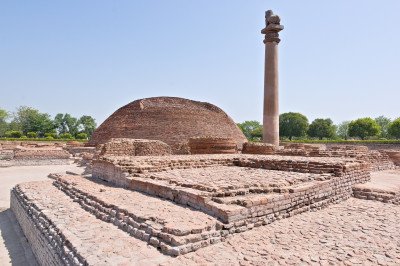
Buddh Stupa-II
Some quick example text to build on the card title and make up the bulk of the card's content.
Go somewhere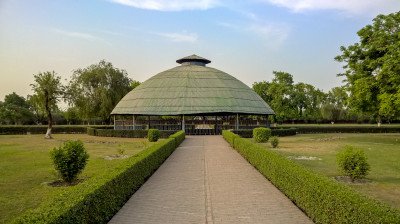
Buddha Relic Stupa
Some quick example text to build on the card title and make up the bulk of the card's content.
Go somewhere
Budhi Mai Temple
Some quick example text to build on the card title and make up the bulk of the card's content.
Go somewhere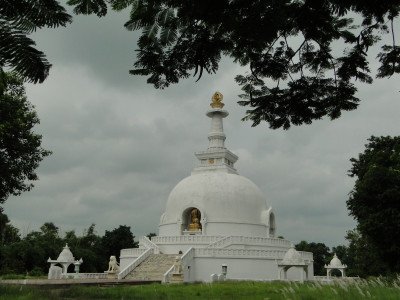
Chaturbhuj Temple
Some quick example text to build on the card title and make up the bulk of the card's content.
Go somewhere
Chaumukhi Mahadev Temple
Some quick example text to build on the card title and make up the bulk of the card's content.
Go somewhere
Gandhi Setu Bridge
Some quick example text to build on the card title and make up the bulk of the card's content.
Go somewhere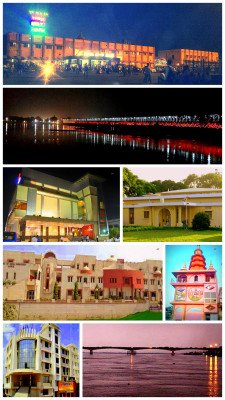
Govindpur Singhara Shaktipeeth
Some quick example text to build on the card title and make up the bulk of the card's content.
Go somewhere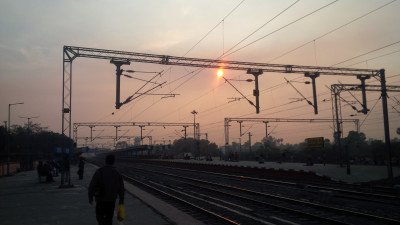
Hajipur Junction Railway Station
Some quick example text to build on the card title and make up the bulk of the card's content.
Go somewhere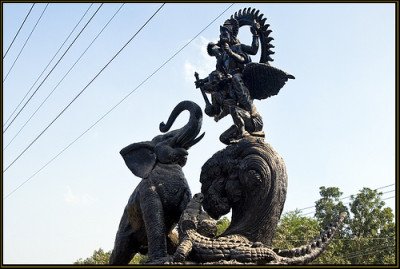
Kaunhara Ghat
Some quick example text to build on the card title and make up the bulk of the card's content.
Go somewherein Other Cities