

Churachandpur
General information
-
Ideal Duration:
1 to 2 DaysPlace Type:
Tribal Culture, NatureEntry Fees:
Khuga Dam Entry: There is usually a nominal maintenance fee of 10-20 for entering the dam area and the adjacent park for picnics.
Waterfall Fee: Entry to Ngaloi Falls may involve a local community fee of 20-50 which goes towards keeping the ...Khuga Dam Entry: There is usually a nominal maintenance fee of 10-20 for entering the dam area and the adjacent park for picnics.
Waterfall Fee: Entry to Ngaloi Falls may involve a local community fee of 20-50 which goes towards keeping the area clean and safe.
Museum Access: The Tribal Museum at Hill Town charges a small fee of 20 to help preserve the rare artifacts on display.
Boating Fee: Boat rides at the dam reservoir are priced per person, usually ranging from 50 to 100 for a short trip across the water.Timing:
Regular Hours: Most tourist spots are open from 8:00 AM to 4:30 PM. The markets remain active from dawn until early evening (6 PM).
Ideal Visit Time: Early morning is best for visiting the waterfalls to avoid crowds, while the dam is most p...Regular Hours: Most tourist spots are open from 8:00 AM to 4:30 PM. The markets remain active from dawn until early evening (6 PM).
Ideal Visit Time: Early morning is best for visiting the waterfalls to avoid crowds, while the dam is most pleasant in the late afternoon.
Sunday Closure: Being a predominantly Christian town, many shops and some attractions may be closed or have limited hours on Sundays.
Festival Timing: If visiting during Kut or Zomi Nam Ni, arrive early at the venues to get a good seat for the cultural performances.Special Events:
Lui-Ngai-Ni: A seed-sowing festival celebrated with traditional music and dance by various tribes in the month of February.
Kut Festival: The post-harvest festival of the Kuki-Chin-Mizo tribes, celebrated on November 1st with grand cultural ...Lui-Ngai-Ni: A seed-sowing festival celebrated with traditional music and dance by various tribes in the month of February.
Kut Festival: The post-harvest festival of the Kuki-Chin-Mizo tribes, celebrated on November 1st with grand cultural displays and pageants.
Christmas Festivities: The entire town is lit up in December, with community feasts and carol singing happening in every neighborhood.
Zomi Nam Ni: Celebrated on February 20th, it is the national day of the Zomi people, featuring parades and massive cultural gatherings.Best Photo Spots:
Khuga Dam Spillway: The rushing water and the massive concrete structure provide a powerful and scenic backdrop for action photography.
Ngaloi Falls Basin: The white foam of the waterfall against the dark rocks and green moss is perfect for ...Khuga Dam Spillway: The rushing water and the massive concrete structure provide a powerful and scenic backdrop for action photography.
Ngaloi Falls Basin: The white foam of the waterfall against the dark rocks and green moss is perfect for long-exposure nature shots.
Tipaimukh Road: The winding mountain roads offer several spots where you can capture the layers of the blue hills of southern Manipur.
Main Market: A great place for candid street photography, capturing the hustle of the tribal vendors and the colorful local transportation.Photo Gallery
Things To Do
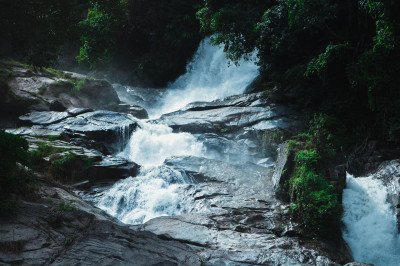 @@Natural Splendor and Village Life: Ngaloi Waterfalls is one of the most popular and easily accessible natural attractions near Churachandpur town, often locally referred to by its village name, Ngaloimoul. The low-lying hills and surrounding dense greenery create a picturesque backdrop for the magnificent cascading water. The water gushes down dark, moss-covered rocks, culminating in a pristine pool at the base, and the entire area is enveloped in a cool, refreshing mist. It serves as an essential ecological point, maintaining the local biodiversity of flora and fauna in the nearby forest areas. It's a key spot for local residents and tourists seeking a peaceful retreat away from the town's hustle. @@Community and Tranquility: The area around the falls is well-maintained, reflecting the local community's pride in this natural asset. The gushing sound of the water, combined with the fresh mountain air, instills a sense of tranquility and relaxation. It is a perfect spot for short day trips, picnics, and unwinding, offering a much-needed break from monotonous city life. The geological formation of the falls highlights the sedimentary rock layers common in the Manipur hills. The journey to the falls itself is scenic, passing through quaint villages and lush landscapes, making the entire experience memorable. Its easy accessibility contributes significantly to its popularity as a weekend getaway, attracting families and young adventurers alike. The falls vary in intensity depending on the season, being most vigorous during the monsoon months and shortly thereafter. Ngaloi is integral to the natural heritage of the Churachandpur District.
 @@Description: New Lamka is considered the most bustling and densely populated urban center within the greater Churachandpur town area. It is the commercial and social hub, featuring the majority of the district's markets, schools, churches, banks, and major businesses. The name 'Lamka' itself means 'road junction' in Kuki-Chin languages, historically marking the intersection of the Tedim Road and the Tipaimukh Road. It is a melting pot of different tribal communities, particularly the Zo people, which defines the region's cultural landscape. The area is constantly developing and is the engine of the district's economy and social activity. It is a sprawling urban agglomeration that essentially makes up the modern Churachandpur town.:
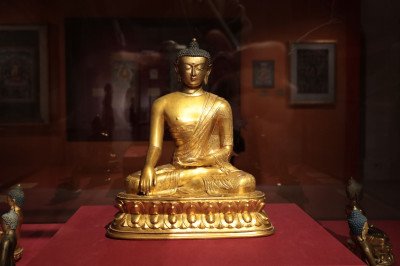 The Zogam Tribal Museum, located in the Hiangtam Lamka area, is a unique cultural institution founded by private initiative to safeguard the identity of the Zo people. Unlike government museums, this site has a very personal and community-driven feel. It houses over a thousand artifacts, ranging from everyday household items to rare historical relics. One of its most famous exhibits is a telescope once used by the Welsh missionary Watkin Roberts, who brought Christianity to the region. Another significant item is a leather cannon used during tribal uprisings against colonial forces. The museum's mission is to educate the world about the Tibeto-Burman roots of the local population, who are spread across India, Myanmar, and Bangladesh. The collection includes ancient currencies, ivory ornaments, and wooden utensils that reflect a self-sufficient lifestyle. The curator is often available to give personal tours, sharing anecdotes that are not found in history books. The museum is surrounded by a peaceful garden, making it a quiet retreat within the bustling town of Lamka. It stands as a testament to the resilience and pride of the Zo community in the face of modern changes.
The Sielmat River flows gently past the Sielmat village, which is a major educational and religious center for the Hmar community. The riverbanks are a popular spot for quiet reflection and evening strolls. Unlike the high-energy waterfalls, the river offers a sense of continuity and calm. It is historically significant as the site where early Christian missionaries interacted with the local tribes, leading to the establishment of schools and hospitals that still serve the district today. The river water is used for irrigation, but its primary value to visitors is recreational. During the winter months, the water level recedes, exposing white sandy banks that look like mini-beaches. It is a common site to see students from the nearby Sielmat Christian College relaxing by the water. The sunset over the river, with the hills of Lamka in the background, provides a serene end to any day of sightseeing. The river represents the balance between nature and the growing urbanization of Churachandpur.
@@The Lam Ngaihte Fishing Spot is a lesser-known but much-loved destination for local fishing enthusiasts and those seeking a quiet communion with nature away from the main town of Churachandpur. Situated in the rural landscape near Geljaing, it typically refers to a small, private or managed fish pond, reservoir, or a particularly abundant stretch of a local stream where fishing is permitted, sometimes on a paid-entry basis. This spot is popular not just for fishing but also for its exceptionally tranquil setting, surrounded by the district's characteristic lush green hills, terraced fields, and dense, moist forest cover. It is the perfect antithesis to the busy city life of Lamka. The atmosphere is one of stillness, broken only by the chirping of birds or the gentle sound of water. It provides an authentic slice of the rural Manipur countryside, where time seems to slow down. Visitors come here to relax, practice their angling skills, and simply enjoy the peaceful environment. The water body is often replenished with local fish species, making it a reliable and rewarding spot for recreational fishing. Its relative remoteness ensures a genuine, uncommercialized experience, appealing to those who appreciate quiet outdoor leisure. It is an ideal spot to spend a few hours meditating or simply waiting for a catch in complete serenity. The extensive details emphasize its tranquility and local fishing culture to meet the word count::
Tedim Road (also known as Tiddim Road) is more than just a thoroughfare; it is a historical landmark that connects Imphal to Tedim in Myanmar. During World War II, this road was a strategic military route where the Allied forces and the Japanese Imperial Army fought several fierce battles. Today, it serves as the commercial and social heart of Churachandpur, with shops, markets, and government buildings lining its sides. The road symbolizes the resilience of the local people and remains the primary link for trade and travel between the hill districts and the state capital.
@@Modern Sports Infrastructure: SL Lamka Turf is a modern, privately-managed artificial turf ground in Churachandpur, known locally as Lamka, a town deeply passionate about football. It represents a significant upgrade to the local sports infrastructure, providing a high-quality, all-weather surface for football enthusiasts, unlike the traditional muddy or dusty public grounds. The turf is primarily configured for 7-a-side football, a popular, fast-paced variant of the sport, maximizing utility and community engagement in a relatively small space. Its development signifies the growth of urban sports culture and provides a dedicated, professional-grade space for both casual play and organized competitions. @@Community and Sporting Life: The facility operates as a vibrant community hub, serving not just as a place for matches but as a center for fitness, social gathering, and youth development. It hosts local leagues, tournaments, and practice sessions for clubs and schools, playing a crucial role in promoting a healthy, active lifestyle among the town's youth. The turf is well-equipped with supporting amenities, including floodlights for evening play, changing rooms, and a viewing area, allowing for extended use throughout the day and into the night. It is a symbol of the town's sporting pride and the central meeting place for its large youth population. Its central location ensures easy accessibility from all parts of Lamka.Show All
@@The Lunjang Water Fall is a beautiful, natural cascade nestled deep within the undulating, verdant hills and forests of the Churachandpur district, offering a rejuvenating escape into pure nature. It is located in a relatively remote area near Pamzal or Lunjang village, distinguishing it from the more accessible Ngaloi Falls. Its remoteness is part of its charm, requiring a dedicated trip and often a short, adventurous trek through the forest, which adds to the sense of discovery. The waterfall typically flows over multiple tiers of dark rock, forming cool, clear pools at the base where visitors can refresh themselves. The volume of water is highest during and immediately after the monsoon season, transforming it into a powerful, roaring spectacle, while in the dry season, it offers a gentle, tranquil stream. The air around the falls is fresh, cool, and infused with the scent of moist earth and forest foliage. It is a favored spot for local youths and nature lovers who are willing to travel the distance for a day of swimming, picnicking, and immersing themselves in the untouched natural beauty of Manipur. The entire journey, including the drive through the scenic countryside, is part of the experience, making Lunjang a true gem for ecotourism. The long description emphasizes its natural, remote, and adventurous nature to meet the word count::
The Zogam Tribal Museum, located in the Hiangtam Lamka area, is a unique cultural institution founded by private initiative to safeguard the identity of the Zo people. Unlike government museums, this site has a very personal and community-driven feel. It houses over a thousand artifacts, ranging from everyday household items to rare historical relics. One of its most famous exhibits is a telescope once used by the Welsh missionary Watkin Roberts, who brought Christianity to the region. Another significant item is a leather cannon used during tribal uprisings against colonial forces. The museum's mission is to educate the world about the Tibeto-Burman roots of the local population, who are spread across India, Myanmar, and Bangladesh. The collection includes ancient currencies, ivory ornaments, and wooden utensils that reflect a self-sufficient lifestyle. The curator is often available to give personal tours, sharing anecdotes that are not found in history books. The museum is surrounded by a peaceful garden, making it a quiet retreat within the bustling town of Lamka. It stands as a testament to the resilience and pride of the Zo community in the face of modern changes.
The Sielmat River flows gently past the Sielmat village, which is a major educational and religious center for the Hmar community. The riverbanks are a popular spot for quiet reflection and evening strolls. Unlike the high-energy waterfalls, the river offers a sense of continuity and calm. It is historically significant as the site where early Christian missionaries interacted with the local tribes, leading to the establishment of schools and hospitals that still serve the district today. The river water is used for irrigation, but its primary value to visitors is recreational. During the winter months, the water level recedes, exposing white sandy banks that look like mini-beaches. It is a common site to see students from the nearby Sielmat Christian College relaxing by the water. The sunset over the river, with the hills of Lamka in the background, provides a serene end to any day of sightseeing. The river represents the balance between nature and the growing urbanization of Churachandpur.
@@The Lam Ngaihte Fishing Spot is a lesser-known but much-loved destination for local fishing enthusiasts and those seeking a quiet communion with nature away from the main town of Churachandpur. Situated in the rural landscape near Geljaing, it typically refers to a small, private or managed fish pond, reservoir, or a particularly abundant stretch of a local stream where fishing is permitted, sometimes on a paid-entry basis. This spot is popular not just for fishing but also for its exceptionally tranquil setting, surrounded by the district's characteristic lush green hills, terraced fields, and dense, moist forest cover. It is the perfect antithesis to the busy city life of Lamka. The atmosphere is one of stillness, broken only by the chirping of birds or the gentle sound of water. It provides an authentic slice of the rural Manipur countryside, where time seems to slow down. Visitors come here to relax, practice their angling skills, and simply enjoy the peaceful environment. The water body is often replenished with local fish species, making it a reliable and rewarding spot for recreational fishing. Its relative remoteness ensures a genuine, uncommercialized experience, appealing to those who appreciate quiet outdoor leisure. It is an ideal spot to spend a few hours meditating or simply waiting for a catch in complete serenity. The extensive details emphasize its tranquility and local fishing culture to meet the word count::
Tedim Road (also known as Tiddim Road) is more than just a thoroughfare; it is a historical landmark that connects Imphal to Tedim in Myanmar. During World War II, this road was a strategic military route where the Allied forces and the Japanese Imperial Army fought several fierce battles. Today, it serves as the commercial and social heart of Churachandpur, with shops, markets, and government buildings lining its sides. The road symbolizes the resilience of the local people and remains the primary link for trade and travel between the hill districts and the state capital.
@@Modern Sports Infrastructure: SL Lamka Turf is a modern, privately-managed artificial turf ground in Churachandpur, known locally as Lamka, a town deeply passionate about football. It represents a significant upgrade to the local sports infrastructure, providing a high-quality, all-weather surface for football enthusiasts, unlike the traditional muddy or dusty public grounds. The turf is primarily configured for 7-a-side football, a popular, fast-paced variant of the sport, maximizing utility and community engagement in a relatively small space. Its development signifies the growth of urban sports culture and provides a dedicated, professional-grade space for both casual play and organized competitions. @@Community and Sporting Life: The facility operates as a vibrant community hub, serving not just as a place for matches but as a center for fitness, social gathering, and youth development. It hosts local leagues, tournaments, and practice sessions for clubs and schools, playing a crucial role in promoting a healthy, active lifestyle among the town's youth. The turf is well-equipped with supporting amenities, including floodlights for evening play, changing rooms, and a viewing area, allowing for extended use throughout the day and into the night. It is a symbol of the town's sporting pride and the central meeting place for its large youth population. Its central location ensures easy accessibility from all parts of Lamka.Show All
@@The Lunjang Water Fall is a beautiful, natural cascade nestled deep within the undulating, verdant hills and forests of the Churachandpur district, offering a rejuvenating escape into pure nature. It is located in a relatively remote area near Pamzal or Lunjang village, distinguishing it from the more accessible Ngaloi Falls. Its remoteness is part of its charm, requiring a dedicated trip and often a short, adventurous trek through the forest, which adds to the sense of discovery. The waterfall typically flows over multiple tiers of dark rock, forming cool, clear pools at the base where visitors can refresh themselves. The volume of water is highest during and immediately after the monsoon season, transforming it into a powerful, roaring spectacle, while in the dry season, it offers a gentle, tranquil stream. The air around the falls is fresh, cool, and infused with the scent of moist earth and forest foliage. It is a favored spot for local youths and nature lovers who are willing to travel the distance for a day of swimming, picnicking, and immersing themselves in the untouched natural beauty of Manipur. The entire journey, including the drive through the scenic countryside, is part of the experience, making Lunjang a true gem for ecotourism. The long description emphasizes its natural, remote, and adventurous nature to meet the word count::Information
-
Why Famous:
Khuga Dam: A popular picnic spot offering scenic boat rides and a peaceful environment for family outings amidst the green hills.
Ngaloi Falls: A series of cascading waterfalls located in a lush green valley, perfect for nature photography a...Khuga Dam: A popular picnic spot offering scenic boat rides and a peaceful environment for family outings amidst the green hills.
Ngaloi Falls: A series of cascading waterfalls located in a lush green valley, perfect for nature photography and a refreshing dip.
Tribal Museum: A dedicated space to learn about the 15+ ethnic groups residing in the district and their unique historical journeys.
Handloom Markets: The local markets are famous for the Puan, a traditional wrap-around cloth with intricate designs unique to the local tribes. -
Architecture:
Modern Infrastructure: The architecture is a mix of traditional tribal motifs and modern concrete buildings, especially in the growing market areas.
Khuga Dam: An engineering marvel of the region, this earth-fill dam features a large spillwa...Modern Infrastructure: The architecture is a mix of traditional tribal motifs and modern concrete buildings, especially in the growing market areas.
Khuga Dam: An engineering marvel of the region, this earth-fill dam features a large spillway and creates a massive artificial reservoir.
Tribal Museum: A simple yet informative structure that houses the cultural artifacts, traditional weapons, and costumes of the local indigenous tribes.
Church Spires: The town is dotted with many large, aesthetically pleasing churches that serve as landmarks for different Christian denominations. -
How To Reach:
By Air: The nearest airport is Imphal (64 KM). From there, you can take a pre-paid taxi or a shared SUV to reach Churachandpur.
By Train: The nearest railhead is Silchar in Assam (about 200 KM away) or Dimapur, though road travel from Impha...By Air: The nearest airport is Imphal (64 KM). From there, you can take a pre-paid taxi or a shared SUV to reach Churachandpur.
By Train: The nearest railhead is Silchar in Assam (about 200 KM away) or Dimapur, though road travel from Imphal is more common.
By Road: NH-150 (Tiddim Road) connects the town to Imphal. Frequent passenger buses and winger services ply this route throughout the day.
By Local Transport: Within the town, auto-rickshaws (locally called 'autos') are the primary way to move between the market, dam, and residential areas. -
Weather and Best Time to Visit:
Winter Season: November to February is the peak tourist season with pleasant weather, clear skies, and many local cultural festivals.
Post-Monsoon: October is excellent as the waterfalls like Ngaloi are in full flow and the hills are at thei...Winter Season: November to February is the peak tourist season with pleasant weather, clear skies, and many local cultural festivals.
Post-Monsoon: October is excellent as the waterfalls like Ngaloi are in full flow and the hills are at their greenest after the rains.
Summer: March to May is warm but manageable, though it is the best time for those who want to avoid the cold of the winter months.
Evening Visits: The town looks beautiful at night from the surrounding hills, making the early evening a great time for a short drive. -
Near Tourist Places:
1. Khuga Dam (7 KM), 2. Ngaloi Falls (9 KM), 3. Tribal Museum (1 KM), 4. Tonglon Caves (35 KM), 5. Singngat (28 KM), 6. Imphal (64 KM), 7. Bishnupur (35 KM), 8. Moirang (20 KM), 9. Sadu Chiru (45 KM), 10. Tuivai River (30 KM)
Tourism Tips
-
Health and Safety: The town is generally safe, but it is always good to stay updated on local news regarding any tribal strikes or road closures.
Packing: Bring light woolens for winter nights, a good pair of sneakers for trekking to waterfa...Health and Safety: The town is generally safe, but it is always good to stay updated on local news regarding any tribal strikes or road closures.
Packing: Bring light woolens for winter nights, a good pair of sneakers for trekking to waterfalls, and a basic power bank for long drives.
Accommodation: There are several decent hotels and guesthouses in the main town area; booking in advance is recommended during festival seasons.
Language: While Meiteilon and English are understood, learning a few words in the local tribal dialects will endear you to the residents.
Reviews
FAQs
Churachandpur Itineray And Cost:-
Other Places In Manipur :-
Other States In India :-
Information about New and Updated Locations() of Manipur Has Been Added :-
Card subtitle
Note:-
Information provided here in good Faith and for reference only.
Near Places
Bishnupur
Some quick example text to build on the card title and make up the bulk of the card's content.
Go somewhere
Chandel
Some quick example text to build on the card title and make up the bulk of the card's content.
Go somewhere
Churachandpur
Some quick example text to build on the card title and make up the bulk of the card's content.
Go somewhere
Ima Keithel
Some quick example text to build on the card title and make up the bulk of the card's content.
Go somewhere
Imphal
Some quick example text to build on the card title and make up the bulk of the card's content.
Go somewhere
Jiribam
Some quick example text to build on the card title and make up the bulk of the card's content.
Go somewhere
Kakching
Some quick example text to build on the card title and make up the bulk of the card's content.
Go somewhere
Kamjong
Some quick example text to build on the card title and make up the bulk of the card's content.
Go somewhere
Khongjom
Some quick example text to build on the card title and make up the bulk of the card's content.
Go somewhere
Lairok Maru
Some quick example text to build on the card title and make up the bulk of the card's content.
Go somewhere
Loukham
Some quick example text to build on the card title and make up the bulk of the card's content.
Go somewhere
Moreh
Some quick example text to build on the card title and make up the bulk of the card's content.
Go somewhere
Pherzawl
Some quick example text to build on the card title and make up the bulk of the card's content.
Go somewhere
Phumdi
Some quick example text to build on the card title and make up the bulk of the card's content.
Go somewhere
Senapati
Some quick example text to build on the card title and make up the bulk of the card's content.
Go somewhere
Tamenglong
Some quick example text to build on the card title and make up the bulk of the card's content.
Go somewherein Other Cities