

Khongjom
General information
-
Ideal Duration:
2 to 4 HoursPlace Type:
Historical / MonumentEntry Fees:
Standard Entry: A very nominal fee (usually Rs.10 to Rs.20) is charged for the maintenance of the complex.
Photography Fee: Small additional charges may apply if you are using professional cameras or video equipment. ...Standard Entry: A very nominal fee (usually Rs.10 to Rs.20) is charged for the maintenance of the complex.
Photography Fee: Small additional charges may apply if you are using professional cameras or video equipment.Timing:
Regular Hours: Open from 9:00 AM to 5:00 PM daily; however, timings may be extended during special events.
Ideal Time: Morning hours are best for a quiet visit, while late afternoons offer the best lighting for photography. ...Regular Hours: Open from 9:00 AM to 5:00 PM daily; however, timings may be extended during special events.
Ideal Time: Morning hours are best for a quiet visit, while late afternoons offer the best lighting for photography.Special Events:
Khongjom Day: Held on April 23, featuring high-profile government ceremonies, floral tributes, and cultural plays.
Independence Day: Special patriotic songs and flag-hoisting ceremonies are conducted here to mark the occasion.Khongjom Day: Held on April 23, featuring high-profile government ceremonies, floral tributes, and cultural plays.
Independence Day: Special patriotic songs and flag-hoisting ceremonies are conducted here to mark the occasion.
Republic Day: The complex is illuminated and visited by thousands of locals to pay their respects to national heroes.Best Photo Spots:
Main Pillars: The symmetry of the three pillars makes for an iconic shot, especially from a low angle.
Hilltop View: The view from Kheba Hill looking down at the memorial complex is spectacular for landscape photography.
Read MoreMain Pillars: The symmetry of the three pillars makes for an iconic shot, especially from a low angle.
Hilltop View: The view from Kheba Hill looking down at the memorial complex is spectacular for landscape photography.
Entrance Gate: The traditional motifs on the entrance gate provide a beautiful frame for cultural portraits.Photo Gallery
Things To Do
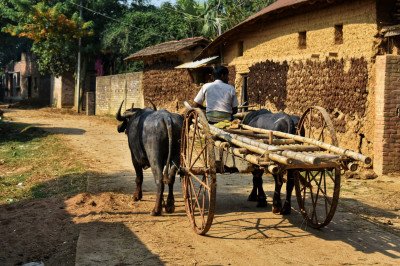 Andro Cultural Village is an ancient settlement that serves as a living museum of Meitei culture. Located at the foothills of the Nongmaiching range, this village is world-renowned for its unique pottery traditions and cultural preservation. The villagers, known as the Loi community, have maintained their indigenous faith and customs despite external influences over centuries. Visitors can explore the Mutua Museum, which houses artifacts from various Manipuri tribes, including traditional attire, weapons, and household tools. The atmosphere is serene, offering a deep dive into the rural soul of Manipur through its thatched huts and scenic surroundings. It is a place where history and daily life merge seamlessly.
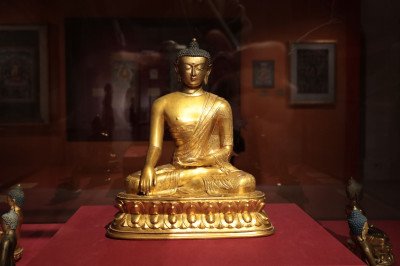 The Sekta Archaeological Museum, also known as Sekta Kei, is a unique "living museum" that protects a significant excavation site. Discovered in the early 1990s, this site revealed burial mounds belonging to the Proto-Meitei tribes. The museum is built over the actual excavation area, allowing visitors to see the burial layers and the artifacts exactly where they were found. It provides a rare glimpse into the funerary customs of ancient Manipur, where the dead were buried with secondary items like copper, iron, and semi-precious stones. The findings date back to the late centuries BC and early AD, filling a massive gap in the historical timeline of the region. There are six burial mounds identified in total, though only one is fully excavated and showcased. The museum serves as an educational hub for students and researchers from across the country. Walking through the site feels like stepping back two thousand years. The surrounding Sekta village is peaceful and reflects a traditional agrarian lifestyle, making the visit a holistic cultural experience:
 @@ Details : Langmeidong Maning Leikai is a traditional residential locality within the larger Langmeidong area, known for its deep-rooted cultural practices and artisanal skills. This sub-place is a quintessential example of a Manipuri village, where life revolves around the rhythms of agriculture and traditional crafts. The area is particularly famous for its skilled weavers who produce high-quality handloom products that are exported to various parts of the state. Visitors to Langmeidong Maning Leikai can witness the intricate process of silk rearing and weaving in many households. The village is also known for its strong community spirit, often reflected in the maintenance of local shrines and community halls. Historically, the area has been a peaceful settlement, contributing significantly to the cultural fabric of the Thoubal district. The landscape is characterized by narrow, clean lanes, traditional houses with flower gardens, and community ponds where locals gather. It offers a very different experience compared to the mainstream tourist spots, focusing more on human connection and heritage preservation. The people of Langmeidong are very proud of their traditions and are often eager to share their stories with respectful visitors. It is an excellent place for those interested in sociology, textile arts, or simply experiencing the "slow life" of rural Northeast India. The village also sits near some historical sites, making it a good base for exploring the southern part of the valley. :
Heirok Village is a picturesque settlement located along the banks of the Heirok River. Known for its lush paddy fields and traditional Meitei homesteads, it offers an authentic slice of Manipuri rural life. The village is divided into three parts, each maintaining its unique charm and community spirit. Agriculture is the mainstay here, and the sight of farmers working in the fields against the backdrop of rolling hills is truly captivating. Heirok is also famous for its local artisans who specialize in bamboo crafts and traditional weaving. It is a quiet destination where one can experience the genuine hospitality of the Manipuri people and enjoy the slow pace of life away from urban noise.
Loktak View Park is a specially curated vantage point that offers one of the most comprehensive views of the famous Loktak Lake from the Khongjom side. Located on a gentle elevation, the park is designed to provide tourists with a serene environment to appreciate the vastness of the largest freshwater lake in Northeast India. The park features well-maintained gardens, flower beds, and strategically placed benches that overlook the shimmering waters and the unique "Phumdis" (floating islands) that dot the lake’s surface. From this height, the circular patterns of the fish farms, known as "Athaphum," create a geometric masterpiece on the water that is best appreciated from a distance. The park serves as a bridge between the historical significance of Khongjom and the natural wonder of Loktak. Historically, this area was used by scouts during the Anglo-Manipur war to monitor movements across the valley, but today it is a place of peace and recreation. The landscaping includes various ornamental plants and local tree species that provide a lush green canopy. Visitors can spend hours watching the changing colors of the lake as the sun moves across the sky. The park is particularly popular among birdwatchers, as many migratory birds can be seen flying over the lake from this elevated position. It is equipped with basic amenities like toilets and a small refreshment stall, making it a convenient stop for families traveling along the Indo-Myanmar road. The atmosphere is quiet and contemplative, providing a stark contrast to the bustling markets of nearby towns. Whether you are a professional photographer looking for the perfect landscape shot or a traveler seeking a quiet spot for a picnic, Loktak View Park delivers a visual feast that captures the essence of Manipur's natural beauty. It is a place where the sky, the hills, and the water converge in a stunning display of geographical harmony.
Moirang Lamkhai is a legendary site in Manipur that serves as a bridge between ancient folklore and modern Indian history. It is most famous as the place where the Indian National Army (INA) hoisted the Tricolour flag for the first time on the mainland of India on April 14, 1944. Historically, it is the center of the Khamba-Thoibi epic, a tale of love and bravery that is foundational to Manipuri identity. The town is situated near the magnificent Loktak Lake, making it a hub for eco-tourism. Visitors flock here to pay homage at the INA Memorial Complex, which houses a library and museum filled with wartime relics. The atmosphere is deeply spiritual, rooted in the worship of Lord Thangjing. This place offers a unique blend of patriotic fervor and serene natural beauty, reflecting the resilience of the Manipuri people. It is a must-visit for those seeking to understand the soul of Northeast India. The local markets nearby offer a glimpse into the vibrant daily life of the Meitei community:
@@ Details : The Khongjom War Memorial Complex is a site of immense historical significance located in the Thoubal district of Manipur. It commemorates the heroic struggle of the Manipuri warriors who fought against the British Army in the Anglo-Manipur War of 1891. The battle, which took place on April 23rd, was the last major resistance against British imperialism in the region. The complex is situated atop Kheba Hill, where the final fierce hand-to-hand combat occurred. It serves as a symbol of patriotism and sacrifice, honoring legendary heroes like Major Paona Brajabasi, who chose death over surrender. The memorial is beautifully landscaped with lush lawns, a serene pond, and several monuments that narrate the history of the conflict. One of the most striking features of the complex is the world's tallest sword statue, which stands as a testament to the bravery of the fallen soldiers. The site offers a panoramic view of the surrounding valley and the Khongjom River. Every year, the state observes Khongjom Day on April 23rd, attracting dignitaries and thousands of people who come to pay their respects. The complex also houses a museum and a gallery that display artifacts, weapons, and historical documents related to the war. It is not just a tourist spot but a place of pilgrimage for the people of Manipur. :Show All
Chingkhei Khongnang is a revered site featuring ancient Banyan trees that hold immense spiritual value in Sanamahism. According to local legend, these trees are the abode of forest deities who protect the surrounding valley. The site is a tranquil grove where devotees come to offer prayers for health and prosperity. The sprawling roots and massive canopies of the Khongnang (Banyan) trees create a natural cathedral of green, offering a quiet escape from the bustle of the city. It is particularly significant during religious festivals when the entire area is decorated with flowers and oil lamps. The site represents the deep bond between the Meitei people and nature, preserving ancient tree-worship traditions.
@@ Details : Langmeidong Maning Leikai is a traditional residential locality within the larger Langmeidong area, known for its deep-rooted cultural practices and artisanal skills. This sub-place is a quintessential example of a Manipuri village, where life revolves around the rhythms of agriculture and traditional crafts. The area is particularly famous for its skilled weavers who produce high-quality handloom products that are exported to various parts of the state. Visitors to Langmeidong Maning Leikai can witness the intricate process of silk rearing and weaving in many households. The village is also known for its strong community spirit, often reflected in the maintenance of local shrines and community halls. Historically, the area has been a peaceful settlement, contributing significantly to the cultural fabric of the Thoubal district. The landscape is characterized by narrow, clean lanes, traditional houses with flower gardens, and community ponds where locals gather. It offers a very different experience compared to the mainstream tourist spots, focusing more on human connection and heritage preservation. The people of Langmeidong are very proud of their traditions and are often eager to share their stories with respectful visitors. It is an excellent place for those interested in sociology, textile arts, or simply experiencing the "slow life" of rural Northeast India. The village also sits near some historical sites, making it a good base for exploring the southern part of the valley. :
Heirok Village is a picturesque settlement located along the banks of the Heirok River. Known for its lush paddy fields and traditional Meitei homesteads, it offers an authentic slice of Manipuri rural life. The village is divided into three parts, each maintaining its unique charm and community spirit. Agriculture is the mainstay here, and the sight of farmers working in the fields against the backdrop of rolling hills is truly captivating. Heirok is also famous for its local artisans who specialize in bamboo crafts and traditional weaving. It is a quiet destination where one can experience the genuine hospitality of the Manipuri people and enjoy the slow pace of life away from urban noise.
Loktak View Park is a specially curated vantage point that offers one of the most comprehensive views of the famous Loktak Lake from the Khongjom side. Located on a gentle elevation, the park is designed to provide tourists with a serene environment to appreciate the vastness of the largest freshwater lake in Northeast India. The park features well-maintained gardens, flower beds, and strategically placed benches that overlook the shimmering waters and the unique "Phumdis" (floating islands) that dot the lake’s surface. From this height, the circular patterns of the fish farms, known as "Athaphum," create a geometric masterpiece on the water that is best appreciated from a distance. The park serves as a bridge between the historical significance of Khongjom and the natural wonder of Loktak. Historically, this area was used by scouts during the Anglo-Manipur war to monitor movements across the valley, but today it is a place of peace and recreation. The landscaping includes various ornamental plants and local tree species that provide a lush green canopy. Visitors can spend hours watching the changing colors of the lake as the sun moves across the sky. The park is particularly popular among birdwatchers, as many migratory birds can be seen flying over the lake from this elevated position. It is equipped with basic amenities like toilets and a small refreshment stall, making it a convenient stop for families traveling along the Indo-Myanmar road. The atmosphere is quiet and contemplative, providing a stark contrast to the bustling markets of nearby towns. Whether you are a professional photographer looking for the perfect landscape shot or a traveler seeking a quiet spot for a picnic, Loktak View Park delivers a visual feast that captures the essence of Manipur's natural beauty. It is a place where the sky, the hills, and the water converge in a stunning display of geographical harmony.
Moirang Lamkhai is a legendary site in Manipur that serves as a bridge between ancient folklore and modern Indian history. It is most famous as the place where the Indian National Army (INA) hoisted the Tricolour flag for the first time on the mainland of India on April 14, 1944. Historically, it is the center of the Khamba-Thoibi epic, a tale of love and bravery that is foundational to Manipuri identity. The town is situated near the magnificent Loktak Lake, making it a hub for eco-tourism. Visitors flock here to pay homage at the INA Memorial Complex, which houses a library and museum filled with wartime relics. The atmosphere is deeply spiritual, rooted in the worship of Lord Thangjing. This place offers a unique blend of patriotic fervor and serene natural beauty, reflecting the resilience of the Manipuri people. It is a must-visit for those seeking to understand the soul of Northeast India. The local markets nearby offer a glimpse into the vibrant daily life of the Meitei community:
@@ Details : The Khongjom War Memorial Complex is a site of immense historical significance located in the Thoubal district of Manipur. It commemorates the heroic struggle of the Manipuri warriors who fought against the British Army in the Anglo-Manipur War of 1891. The battle, which took place on April 23rd, was the last major resistance against British imperialism in the region. The complex is situated atop Kheba Hill, where the final fierce hand-to-hand combat occurred. It serves as a symbol of patriotism and sacrifice, honoring legendary heroes like Major Paona Brajabasi, who chose death over surrender. The memorial is beautifully landscaped with lush lawns, a serene pond, and several monuments that narrate the history of the conflict. One of the most striking features of the complex is the world's tallest sword statue, which stands as a testament to the bravery of the fallen soldiers. The site offers a panoramic view of the surrounding valley and the Khongjom River. Every year, the state observes Khongjom Day on April 23rd, attracting dignitaries and thousands of people who come to pay their respects. The complex also houses a museum and a gallery that display artifacts, weapons, and historical documents related to the war. It is not just a tourist spot but a place of pilgrimage for the people of Manipur. :Show All
Chingkhei Khongnang is a revered site featuring ancient Banyan trees that hold immense spiritual value in Sanamahism. According to local legend, these trees are the abode of forest deities who protect the surrounding valley. The site is a tranquil grove where devotees come to offer prayers for health and prosperity. The sprawling roots and massive canopies of the Khongnang (Banyan) trees create a natural cathedral of green, offering a quiet escape from the bustle of the city. It is particularly significant during religious festivals when the entire area is decorated with flowers and oil lamps. The site represents the deep bond between the Meitei people and nature, preserving ancient tree-worship traditions.Information
-
Why Famous:
Anglo-Manipur War: The site of the last great battle where the independence of the Manipur Kingdom was defended.
Paona Brajabashi: Dedicated to the legendary hero whose name is synonymous with bravery in Manipuri folklore.
Read MoreAnglo-Manipur War: The site of the last great battle where the independence of the Manipur Kingdom was defended.
Paona Brajabashi: Dedicated to the legendary hero whose name is synonymous with bravery in Manipuri folklore.
Khongjom Day: A major state-level event held every April 23rd to honor the fallen soldiers and patriots.
Nationalist Symbol: It remains the most powerful symbol of resistance against colonial rule in the entire region.Architecture:
Memorial Pillars: The main monument features three tall, white pillars joined at the top by a circular structure, symbolizing unity. Dimensionally, the complex spans several acres, with the Kheba Hill standing at a significant height for a local viewpoint. The architecture...Memorial Pillars: The main monument features three tall, white pillars joined at the top by a circular structure, symbolizing unity. Dimensionally, the complex spans several acres, with the Kheba Hill standing at a significant height for a local viewpoint. The architecture incorporates traditional Manipuri elements like the 'Kangla-sha' (dragon) motifs in the gateway and surrounding fences. Stone pathways and well-manicured hedges define the layout of the memorial garden.How To Reach:
By Air: Reach Imphal Airport (45 KM away), then take a taxi or a local bus heading towards Thoubal.
By Train: No direct train; the nearest connectivity is through Jiribam or Dimapur via road through Imphal.
By ...By Air: Reach Imphal Airport (45 KM away), then take a taxi or a local bus heading towards Thoubal.
By Train: No direct train; the nearest connectivity is through Jiribam or Dimapur via road through Imphal.
By Road: Located right on the Indo-Myanmar Road (NH-102); very easy to reach by any vehicle from Imphal.
Local Transport: Plenty of 'Winger' services and buses run between Imphal and Moreh, stopping at Khongjom.Weather and Best Time to Visit:
Winter Season: November to February is the most comfortable time for walking around the large outdoor complex.
Khongjom Day: Visit on April 23 if you want to experience the site in its full ceremonial and patriotic glory.
Read MoreWinter Season: November to February is the most comfortable time for walking around the large outdoor complex.
Khongjom Day: Visit on April 23 if you want to experience the site in its full ceremonial and patriotic glory.
Autumn: October offers clear weather and lush greenery, making the landscape look extremely beautiful.Near Tourist Places:
Thoubal (10 KM), Imphal (36 KM), Kakching (20 KM), Waithou Lake (15 KM), Moreh (70 KM).Tourism Tips
-
Hydration: Carry water as you will be walking and climbing; there are limited shops inside the memorial area.
Footwear: Wear comfortable walking shoes or sneakers to navigate the paths and climb the hill comfortably.
Read MoreHydration: Carry water as you will be walking and climbing; there are limited shops inside the memorial area.
Footwear: Wear comfortable walking shoes or sneakers to navigate the paths and climb the hill comfortably.
Respectful Behavior: Maintain silence and decorum, as this is a solemn memorial dedicated to martyred soldiers.
Guides: Consider hiring a local who knows the history well to get a more detailed account of the battle stories.Reviews
FAQs
Khongjom Itineray And Cost:-
Other Places In Manipur :-
Other States In India :-
Information about New and Updated Locations() of Manipur Has Been Added :-
Card subtitle
Note:-
Information provided here in good Faith and for reference only.
Near Places
Bishnupur
Some quick example text to build on the card title and make up the bulk of the card's content.
Go somewhere
Chandel
Some quick example text to build on the card title and make up the bulk of the card's content.
Go somewhere
Churachandpur
Some quick example text to build on the card title and make up the bulk of the card's content.
Go somewhere
Ima Keithel
Some quick example text to build on the card title and make up the bulk of the card's content.
Go somewhere
Imphal
Some quick example text to build on the card title and make up the bulk of the card's content.
Go somewhere
Jiribam
Some quick example text to build on the card title and make up the bulk of the card's content.
Go somewhere
Kakching
Some quick example text to build on the card title and make up the bulk of the card's content.
Go somewhere
Kamjong
Some quick example text to build on the card title and make up the bulk of the card's content.
Go somewhere
Khongjom
Some quick example text to build on the card title and make up the bulk of the card's content.
Go somewhere
Lairok Maru
Some quick example text to build on the card title and make up the bulk of the card's content.
Go somewhere
Loukham
Some quick example text to build on the card title and make up the bulk of the card's content.
Go somewhere
Moreh
Some quick example text to build on the card title and make up the bulk of the card's content.
Go somewhere
Pherzawl
Some quick example text to build on the card title and make up the bulk of the card's content.
Go somewhere
Phumdi
Some quick example text to build on the card title and make up the bulk of the card's content.
Go somewhere
Senapati
Some quick example text to build on the card title and make up the bulk of the card's content.
Go somewhere
Tamenglong
Some quick example text to build on the card title and make up the bulk of the card's content.
Go somewherein Other Cities