

Ima Keithel
General information
-
Ideal Duration:
3 to 4 HoursPlace Type:
Shopping, CultureEntry Fees:
No Entry Fee: There is absolutely no charge to enter and walk through any of the three main buildings of the Ima Keithel complex.
Shopping Budget: While entry is free, carry enough cash as most vendors do not use digital payments; small ite...No Entry Fee: There is absolutely no charge to enter and walk through any of the three main buildings of the Ima Keithel complex.
Shopping Budget: While entry is free, carry enough cash as most vendors do not use digital payments; small items start from as low as 50.
Parking Charges: If you are driving, the municipal corporation charges a small parking fee of 20-30 in the designated bazaar parking lots.
Photography: There is no official fee for photography, but it is a polite gesture to buy something from a vendor if you take their portrait.Timing:
Regular Timings: The market opens as early as 4:00 AM for wholesale and stays active until 7:00 PM when the women pack up for the day.
Ideal Visit Time: Visit between 9:00 AM and 11:00 AM to see the full range of goods and experience the mar...Regular Timings: The market opens as early as 4:00 AM for wholesale and stays active until 7:00 PM when the women pack up for the day.
Ideal Visit Time: Visit between 9:00 AM and 11:00 AM to see the full range of goods and experience the market at its most energetic state.
Closed Days: The market is open every day, but it may be closed during state-wide general strikes or on very major religious festival days.
Afternoon Lull: Between 1 PM and 3 PM, it is slightly quieter as some vendors take their lunch, making it a good time for a relaxed walk.Special Events:
Nupi Lal Memorial: Every December 12th, the market women take a lead role in commemorating the Women's War against British economic policies.
Ningol Chakouba: A festival in October/November where brothers invite sisters for a feast; the mar...Nupi Lal Memorial: Every December 12th, the market women take a lead role in commemorating the Women's War against British economic policies.
Ningol Chakouba: A festival in October/November where brothers invite sisters for a feast; the market is at its peak with festive shoppers.
Yaoshang: During the Manipuri Holi in March, the market area becomes a center for traditional sports and colorful community gatherings.
New Year Sales: During Cheiraoba in April, the market is filled with special ritual items and fresh vegetables for the new year feast.Best Photo Spots:
Main Atrium: Stand on the first floor to get a high-angle shot of the thousands of colorful stalls arranged in a neat, geometric pattern.
Elderly Vendors: With permission, take close-up portraits of the "Imas" whose faces tell stories of dec...Main Atrium: Stand on the first floor to get a high-angle shot of the thousands of colorful stalls arranged in a neat, geometric pattern.
Elderly Vendors: With permission, take close-up portraits of the "Imas" whose faces tell stories of decades of hard work and resilience.
Textile Row: The vibrant colors of the Phaneks hanging in the stalls create a rainbow-like backdrop for fashion or travel photography.
Pagoda Roofs: Capture the architectural silhouette of the market buildings against the sunset sky with the Kangla Fort in the background.Photo Gallery
Things To Do
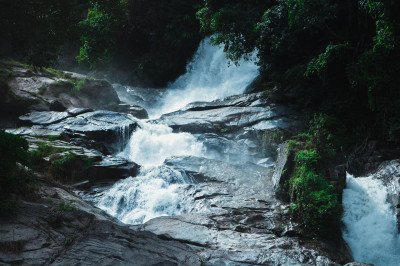 Sadu Chiru Waterfalls, popularly known as Leimaram Waterfall, is one of the most spectacular natural attractions in Manipur. Nestled in the valley of the Senapati district, this perennial waterfall consists of three distinct cascades. The first and most accessible tier falls from a height of approximately 30 meters, creating a misty veil that cools the surrounding air. The path to the waterfall involves a picturesque trek through lush forests, stone-paved steps, and small wooden bridges. Along the way, visitors can see vibrant crop fields and hear the sound of mountain streams. The site has been developed with basic amenities like resting sheds and small eateries run by the local Chiru tribe. These stalls offer local delicacies, including fresh corn and traditional snacks. The waterfall is a favorite weekend getaway for locals who come here to bathe in the cool, clear waters and enjoy a picnic amidst nature. The second and third tiers of the waterfall are located further uphill and require a more challenging trek through denser vegetation. The mist created by the falling water often creates small rainbows when the sunlight hits at the right angle. It is a place that truly justifies Manipur's reputation as the "Jewel of India." The serenity and raw beauty of the site make it a must-visit for any nature lover.
 @@Nature Retreat:@@ The Bamboo Lovers Club is a unique eco-tourism initiative located in the outskirts of the city. It serves as a dedicated space for the conservation of various bamboo species native to the North East. The club provides a serene environment for visitors to learn about the environmental and economic importance of bamboo in Manipuri culture. It is a perfect getaway for those looking to escape the hustle of Ima Keithel and immerse themselves in nature.
@@Ancient Capital:@@ Langthabal Konung (Royal Palace Ruins) is an archaeological site that served as the temporary capital of Manipur during the reign of Maharaja Gambhir Singh. The site is located atop a small hill and contains the remnants of old temples, residential quarters, and ceremonial gates. It offers a melancholic yet beautiful glimpse into the 19th-century royal life of the Meitei kings. The surrounding area is lush with jackfruit and pine trees, providing a cool shade for explorers.
Matai Garden, also locally known as the Ibudhou Asheiningthou Garden, is a sprawling landscape of manicured greenery and floral diversity. It is situated in the Matai area and is famous for its extensive collection of Duranta plants, which are meticulously trimmed into various shapes and hedges. The garden serves as a peaceful retreat for those looking to escape the urban sprawl of Imphal. It is named after the local deity Ibudhou Asheiningthou, lending it a touch of spiritual significance. The pathways are paved with cement and winding through lush lawns, making it an ideal place for a leisurely evening stroll. The garden is particularly popular among couples and families for its quiet, romantic atmosphere and picturesque backdrops. During the spring, the garden transforms into a vibrant canvas of colors with various seasonal blooms. There are small resting sheds and benches where visitors can sit and enjoy the cool breeze. The garden also features a small cafeteria that serves local snacks and beverages. Its proximity to the NH-39 makes it an easy stop for travelers heading towards the northern districts. The well-maintained hedges and the soft ambient sounds of nature provide a meditative experience.
Yaralpat View Point is a newly emerging tourist destination that offers one of the most breathtaking panoramic views of the Imphal valley. Situated on a hillock in the Imphal East district, it overlooks the Yaralpat wetland, which is being revived as an ecological park. The view point provides a 360-degree vista of the surrounding hills, paddy fields, and the sprawling city of Imphal in the distance. It has become a favorite spot for sunrise and sunset chasers due to its unobstructed horizon. The government has developed the area with paved walkways, ornamental gardens, and a large observation tower. The wetland below is home to various migratory birds during the winter months, making it a spot of interest for environmentalists as well. The climb to the view point is relatively easy, with well-laid stone stairs that wind through local vegetation. At the top, there are several shaded sitting areas where visitors can relax and take in the cool mountain breeze. It is often less crowded than other major spots, offering a sense of peace and solitude. The contrast between the blue water of the 'pat' (lake) and the green of the hills makes for a stunning visual experience. It is a perfect spot for those who want to see the geographical layout of Manipur's central valley.
@@Spiritual Hike:@@ Cheirao Ching is a prominent hill located in the heart of Imphal that offers a panoramic view of the entire valley. It is traditionally climbed by locals during the Cheiraoba festival to symbolize reaching new heights in the New Year. The climb consists of a well-maintained staircase that leads to the summit. It is a hub for fitness enthusiasts and those seeking spiritual peace above the city's noise.
@@Spiritual Landmark:@@ Lilashing Khongnangkhong is a sacred Banyan tree located right in the heart of the Ima Keithel market area. It is more than just a tree; it is a spiritual anchor for the women vendors of the market. Historically, it has been a site for community gatherings and traditional rituals. The tree is often adorned with ceremonial cloths and is a place where many "Imas" offer a quick prayer before starting their day of trade. It represents the deep connection between nature and commerce in Manipur.Show All
Red Hill, also known as Maibam Lokpaching, is a site of immense historical and emotional significance. It was the location of a fierce battle during World War II in May 1944, where Japanese forces fought against the British Allied forces. The hill earned its name "Red Hill" because it is said that the soil was stained red with the blood of the fallen soldiers. Today, it stands as a symbol of peace and reconciliation. At the base of the hill lies the India Peace Memorial, a somber monument built by the Japanese government in 1994 to honor their soldiers who died here. The memorial is a place of pilgrimage for Japanese veterans and their families who visit annually to pay their respects. In 2019, the Imphal Peace Museum was inaugurated at the foothills, showcasing rare artifacts, letters, and weaponry from the war. The hill itself offers a panoramic view of the surrounding countryside and the Tiddim Road. Climbing to the top provides a sense of the strategic importance this location held during the conflict. The atmosphere is quiet and reflective, a stark contrast to the violent history it represents. The site is meticulously maintained, with lush green lawns and stone monuments that tell the story of the "Battle of Imphal." It serves as a reminder of the human cost of war and the enduring spirit of peace.
@@Nature Retreat:@@ The Bamboo Lovers Club is a unique eco-tourism initiative located in the outskirts of the city. It serves as a dedicated space for the conservation of various bamboo species native to the North East. The club provides a serene environment for visitors to learn about the environmental and economic importance of bamboo in Manipuri culture. It is a perfect getaway for those looking to escape the hustle of Ima Keithel and immerse themselves in nature.
@@Ancient Capital:@@ Langthabal Konung (Royal Palace Ruins) is an archaeological site that served as the temporary capital of Manipur during the reign of Maharaja Gambhir Singh. The site is located atop a small hill and contains the remnants of old temples, residential quarters, and ceremonial gates. It offers a melancholic yet beautiful glimpse into the 19th-century royal life of the Meitei kings. The surrounding area is lush with jackfruit and pine trees, providing a cool shade for explorers.
Matai Garden, also locally known as the Ibudhou Asheiningthou Garden, is a sprawling landscape of manicured greenery and floral diversity. It is situated in the Matai area and is famous for its extensive collection of Duranta plants, which are meticulously trimmed into various shapes and hedges. The garden serves as a peaceful retreat for those looking to escape the urban sprawl of Imphal. It is named after the local deity Ibudhou Asheiningthou, lending it a touch of spiritual significance. The pathways are paved with cement and winding through lush lawns, making it an ideal place for a leisurely evening stroll. The garden is particularly popular among couples and families for its quiet, romantic atmosphere and picturesque backdrops. During the spring, the garden transforms into a vibrant canvas of colors with various seasonal blooms. There are small resting sheds and benches where visitors can sit and enjoy the cool breeze. The garden also features a small cafeteria that serves local snacks and beverages. Its proximity to the NH-39 makes it an easy stop for travelers heading towards the northern districts. The well-maintained hedges and the soft ambient sounds of nature provide a meditative experience.
Yaralpat View Point is a newly emerging tourist destination that offers one of the most breathtaking panoramic views of the Imphal valley. Situated on a hillock in the Imphal East district, it overlooks the Yaralpat wetland, which is being revived as an ecological park. The view point provides a 360-degree vista of the surrounding hills, paddy fields, and the sprawling city of Imphal in the distance. It has become a favorite spot for sunrise and sunset chasers due to its unobstructed horizon. The government has developed the area with paved walkways, ornamental gardens, and a large observation tower. The wetland below is home to various migratory birds during the winter months, making it a spot of interest for environmentalists as well. The climb to the view point is relatively easy, with well-laid stone stairs that wind through local vegetation. At the top, there are several shaded sitting areas where visitors can relax and take in the cool mountain breeze. It is often less crowded than other major spots, offering a sense of peace and solitude. The contrast between the blue water of the 'pat' (lake) and the green of the hills makes for a stunning visual experience. It is a perfect spot for those who want to see the geographical layout of Manipur's central valley.
@@Spiritual Hike:@@ Cheirao Ching is a prominent hill located in the heart of Imphal that offers a panoramic view of the entire valley. It is traditionally climbed by locals during the Cheiraoba festival to symbolize reaching new heights in the New Year. The climb consists of a well-maintained staircase that leads to the summit. It is a hub for fitness enthusiasts and those seeking spiritual peace above the city's noise.
@@Spiritual Landmark:@@ Lilashing Khongnangkhong is a sacred Banyan tree located right in the heart of the Ima Keithel market area. It is more than just a tree; it is a spiritual anchor for the women vendors of the market. Historically, it has been a site for community gatherings and traditional rituals. The tree is often adorned with ceremonial cloths and is a place where many "Imas" offer a quick prayer before starting their day of trade. It represents the deep connection between nature and commerce in Manipur.Show All
Red Hill, also known as Maibam Lokpaching, is a site of immense historical and emotional significance. It was the location of a fierce battle during World War II in May 1944, where Japanese forces fought against the British Allied forces. The hill earned its name "Red Hill" because it is said that the soil was stained red with the blood of the fallen soldiers. Today, it stands as a symbol of peace and reconciliation. At the base of the hill lies the India Peace Memorial, a somber monument built by the Japanese government in 1994 to honor their soldiers who died here. The memorial is a place of pilgrimage for Japanese veterans and their families who visit annually to pay their respects. In 2019, the Imphal Peace Museum was inaugurated at the foothills, showcasing rare artifacts, letters, and weaponry from the war. The hill itself offers a panoramic view of the surrounding countryside and the Tiddim Road. Climbing to the top provides a sense of the strategic importance this location held during the conflict. The atmosphere is quiet and reflective, a stark contrast to the violent history it represents. The site is meticulously maintained, with lush green lawns and stone monuments that tell the story of the "Battle of Imphal." It serves as a reminder of the human cost of war and the enduring spirit of peace.Information
-
Why Famous:
World's Only: It is the only market on Earth where thousands of women hold the sole right to trade, making it a must-visit for any traveler.
Authentic Handlooms: The best place to buy the Phanek (traditional skirt) and Inaphi (shawl) made wi...World's Only: It is the only market on Earth where thousands of women hold the sole right to trade, making it a must-visit for any traveler.
Authentic Handlooms: The best place to buy the Phanek (traditional skirt) and Inaphi (shawl) made with exquisite Manipuri silk and cotton.
Local Interaction: It offers a rare chance to speak with the matriarchs who are the gatekeepers of Manipuri oral history and folk traditions.
Vibrant Atmosphere: The sights, sounds of bargaining, and the smell of fresh herbs and dried fish create a sensory experience like no other. -
Architecture:
Modern Buildings: The market is housed in three large, RCC buildings with traditional pagoda-style roofs that blend modern and ancient styles.
Interior Layout: Each "Ima" has a specific allotted platform or wooden stall where they sit cross-...Modern Buildings: The market is housed in three large, RCC buildings with traditional pagoda-style roofs that blend modern and ancient styles.
Interior Layout: Each "Ima" has a specific allotted platform or wooden stall where they sit cross-legged to sell their traditional goods.
Open Moats: The market is situated near the historic Kangla Fort moats, giving the surrounding area an old-world charm amidst city chaos.
Traditional Motifs: The facades of the buildings are decorated with motifs representing the state's royal history and the Sangai deer. -
How To Reach:
By Air: Located just 8 KM from Imphal International Airport, a 20-minute taxi or auto ride will bring you directly to the market center.
By Train: Not applicable directly; visitors coming to Dimapur by train take a 7-hour bus or taxi journe...By Air: Located just 8 KM from Imphal International Airport, a 20-minute taxi or auto ride will bring you directly to the market center.
By Train: Not applicable directly; visitors coming to Dimapur by train take a 7-hour bus or taxi journey to reach Imphal city center.
By Road: It is the heart of Imphal, connected by all major state highways. Any bus going to the state capital will stop near the market.
By Local Transport: You can reach the market from anywhere in the city using shared 'Diesel Autos', cycle-rickshaws, or by simply walking if staying nearby. -
Weather and Best Time to Visit:
Winter Season: October to March is the best time as the weather is cool for walking through the crowded lanes of the massive market complex.
Springtime: April is vibrant due to the New Year festivities, offering a chance to see rare seasonal...Winter Season: October to March is the best time as the weather is cool for walking through the crowded lanes of the massive market complex.
Springtime: April is vibrant due to the New Year festivities, offering a chance to see rare seasonal vegetables and ritualistic items for sale.
Morning Visit: Regardless of the season, visiting in the early morning (7 AM) allows you to see the fresh arrival of produce from the villages.
Late Afternoon: Visit around 4 PM to see the "Imas" preparing to close, often offering lower prices on perishable goods like fruits and flowers. -
Near Tourist Places:
1. Kangla Fort (0. 5 KM), 2. Shaheed Minar (0. 2 KM), 3. State Museum (0. 5 KM), 4. Govindajee Temple (2 KM), 5. War Cemetery (3 KM), 6. Polo Ground (0. 4 KM), 7. RKCS Gallery (2 KM), 8. Second World War Museum (16 KM), 9. Loktak Lake (48 KM), 10. Langthabal (6 KM)
Tourism Tips
-
Health and Safety: The market is very crowded; keep your belongings safe from pickpockets and be mindful of the heavy traffic in the outer lanes.
Packing: Carry a large eco-friendly shopping bag for your purchases and wear comfortable sanda...Health and Safety: The market is very crowded; keep your belongings safe from pickpockets and be mindful of the heavy traffic in the outer lanes.
Packing: Carry a large eco-friendly shopping bag for your purchases and wear comfortable sandals that are easy to slip off if entering stalls.
Accommodation: Stay at hotels in the North AOC or Thangal Bazar area to be within walking distance of the market and other city sites.
Photography Etiquette: Always ask "Ima, photoRs." before clicking; most will smile and agree, especially if you engage in a small conversation first.
Reviews
FAQs
Ima Keithel Itineray And Cost:-
Other Places In Manipur :-
Other States In India :-
Information about New and Updated Locations() of Manipur Has Been Added :-
Card subtitle
Note:-
Information provided here in good Faith and for reference only.
Near Places
Bishnupur
Some quick example text to build on the card title and make up the bulk of the card's content.
Go somewhere
Chandel
Some quick example text to build on the card title and make up the bulk of the card's content.
Go somewhere
Churachandpur
Some quick example text to build on the card title and make up the bulk of the card's content.
Go somewhere
Ima Keithel
Some quick example text to build on the card title and make up the bulk of the card's content.
Go somewhere
Imphal
Some quick example text to build on the card title and make up the bulk of the card's content.
Go somewhere
Jiribam
Some quick example text to build on the card title and make up the bulk of the card's content.
Go somewhere
Kakching
Some quick example text to build on the card title and make up the bulk of the card's content.
Go somewhere
Kamjong
Some quick example text to build on the card title and make up the bulk of the card's content.
Go somewhere
Khongjom
Some quick example text to build on the card title and make up the bulk of the card's content.
Go somewhere
Lairok Maru
Some quick example text to build on the card title and make up the bulk of the card's content.
Go somewhere
Loukham
Some quick example text to build on the card title and make up the bulk of the card's content.
Go somewhere
Moreh
Some quick example text to build on the card title and make up the bulk of the card's content.
Go somewhere
Pherzawl
Some quick example text to build on the card title and make up the bulk of the card's content.
Go somewhere
Phumdi
Some quick example text to build on the card title and make up the bulk of the card's content.
Go somewhere
Senapati
Some quick example text to build on the card title and make up the bulk of the card's content.
Go somewhere
Tamenglong
Some quick example text to build on the card title and make up the bulk of the card's content.
Go somewherein Other Cities