

Kakching
General information
-
Ideal Duration:
1 DayPlace Type:
Garden / PilgrimageEntry Fees:
Garden Entry: A small maintenance fee of Rs.20 to Rs.30 per adult is usually charged at the entrance.
Parking Fees: Nominal charges for two-wheelers and four-wheelers apply at the designated parking zones. ...Garden Entry: A small maintenance fee of Rs.20 to Rs.30 per adult is usually charged at the entrance.
Parking Fees: Nominal charges for two-wheelers and four-wheelers apply at the designated parking zones.Timing:
Regular Hours: The garden is open from 9:00 AM to 5:00 PM in winters and slightly longer in summers.
Ideal Time: Late afternoons are perfect to catch the sunset and enjoy the garden in cooler temperatures. ...Regular Hours: The garden is open from 9:00 AM to 5:00 PM in winters and slightly longer in summers.
Ideal Time: Late afternoons are perfect to catch the sunset and enjoy the garden in cooler temperatures.Special Events:
Haraoba: The Lai Haraoba festival is celebrated with great pomp, featuring traditional dances and rituals.
Republic Day: The town takes great pride in its cleanliness awards, often celebrated during national holidays.
Read MoreHaraoba: The Lai Haraoba festival is celebrated with great pomp, featuring traditional dances and rituals.
Republic Day: The town takes great pride in its cleanliness awards, often celebrated during national holidays.
Flower Shows: Occasional floral exhibitions held at the main garden during the blooming seasons of Spring.Best Photo Spots:
Statue Hill: The base of the Hao Sampubi statue offers a dramatic perspective for portrait photography.
Rose Garden: Thousands of blooming roses in February provide a vibrant and colorful background for photos.
...Statue Hill: The base of the Hao Sampubi statue offers a dramatic perspective for portrait photography.
Rose Garden: Thousands of blooming roses in February provide a vibrant and colorful background for photos.
Top View: The highest point of the garden allows for stunning landscape shots of the surrounding hills.Photo Gallery
Things To Do
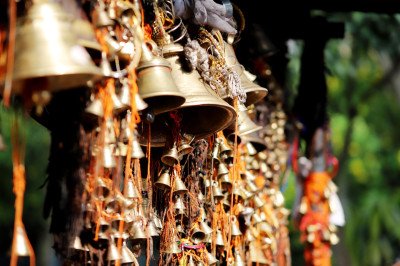 The Chingya Lairembi Temple is a highly revered site dedicated to Goddess Lairembi, a local deity in the Meitei traditional religion, Sanamahism: The temple serves as a vital center for religious worship and cultural preservation for the people of Kakching: The goddess is believed to be a protector and a source of prosperity and healing: The temple's location on a small elevation provides a peaceful and spiritually charged atmosphere away from the main town bustle: It embodies the deep-rooted indigenous belief systems of the Meitei community, which continue to thrive alongside Hindu influences: The site is integral to local ceremonies and festivals, drawing devotees and visitors interested in Manipur's unique spiritual heritage: The temple complex is not just a place of worship but also a cultural landmark that reflects the community's strong connection to its folklore and traditions: The history of the temple is intertwined with ancient Meitei mythology and local legends, which are often recounted by elders and priests: The simplicity of the temple structure often stands in contrast to grander Hindu temples, emphasizing its indigenous roots and focus on the nature-connected deity: The surroundings are often lush and green, enhancing the feeling of a sacred grove or a natural sanctuary: The temple fosters a strong sense of community, as its rituals and maintenance are collectively managed by local residents and religious bodies:
 Wangoo Pachi Eco Park is a newly developed sustainable tourism project situated in the serene village of Wangoo. The park is designed to offer a blend of recreational activities and environmental education for the local community and tourists. It features beautifully landscaped gardens, stone-paved walkways, and a variety of indigenous plants that create a refreshing atmosphere. The park is a testament to the efforts of local conservationists to preserve the natural beauty of the Bishnupur-Kakching border area. Visitors can enjoy the silence of nature while watching butterflies dance among the wildflowers. It serves as a popular weekend destination for families looking for a quiet picnic spot. The park's design emphasizes the use of natural materials to minimize its carbon footprint. It is a place where one can truly connect with the earth. The air here is remarkably fresh due to the dense surrounding vegetation.
 The Langol Tourist Watch Tower, perched atop the majestic Langol Peak (also known as Tlanglhungbung), is one of the most breathtaking viewpoints in the northeastern part of India. This site offers a panoramic 360-degree view of the surrounding valleys, the winding Indo-Myanmar road, and the distant mountain ranges that define the border. Historically, the peak served as a strategic observation point for the Allied forces during World War II, and today it stands as a symbol of peace and natural beauty. The ascent to the tower involves a scenic drive followed by a short, invigorating trek that rewards visitors with crisp, clean mountain air and a sense of absolute tranquility. From the top, one can see the meticulously planned settlements of Pallel and the sprawling greenery of the Kakching district. Legend has it that this peak was frequented by Princess Thoibi of Moirang to pluck the rare and beautiful 'Thoibi-Lei' flowers, adding a romantic and mythical layer to the location. The watch tower itself is a sturdy structure designed to withstand the high-altitude winds while providing a safe platform for tourists to soak in the views. It has become a favorite spot for young hikers, families on weekend getaways, and nature photographers looking for that perfect landscape shot. The surrounding slopes are covered in diverse vegetation, including seasonal wildflowers that bloom in vibrant colors, creating a stunning contrast against the blue sky. Whether you are a history buff interested in the remnants of the war or a nature lover seeking solitude, the Langol Tourist Watch Tower provides an experience that is both physically stimulating and mentally refreshing. It is a place where the grandeur of nature meets the echoes of the past.
@@The Granary of Kakching: Kakching Phousupat is a locality whose name translates to 'paddy field' or 'rice granary area' (Phou means paddy/rice, Supat refers to a field or plain), indicating its primary identity as an expansive, highly fertile agricultural plain crucial to Kakching's fame as the 'Granary of Manipur'. This area is characterized by vast, flat stretches of paddy fields, interspersed with irrigation channels like the Ethei Khong canal, which is one of the longest in Manipur. The landscape here is stunningly picturesque, shifting its colors dramatically throughout the year, from lush green in the monsoon and post-monsoon months (July to October) to golden yellow just before harvest. It embodies the agrarian lifestyle and economy that forms the backbone of the local community. The area is a testament to the efficient farming practices and irrigation facilities that allow for double cropping, a major feature of Kakching agriculture. The sight of farmers working, especially during the transplanting or harvesting seasons, is a vivid cultural spectacle. It is a place for nature lovers and those interested in agricultural practices. The quiet, open space provides a beautiful contrast to the busy town center. The area also often features small traditional farmhouses and barns, adding to its rustic charm and visual appeal. The sheer scale of the cultivation highlights Kakching's importance to the state's food production.
Kakching Garden, also known locally by its location on the Uyok Ching hill, is a popular tourist spot and ecological park offering beautiful views of the surrounding valley: The garden complex is unique as it houses shrines of multiple religions, including the traditional Meitei religion (Sanamahism) and Hinduism, signifying the town's syncretic culture: Key religious sites here include the Mahadeva Temple (Hindu God Shiva) and a shrine dedicated to the Meitei deity Haoreima Shampubi: The garden features well-manicured lawns, various flowering plants, and topiaries (often including a green elephant), making it a picturesque destination: Its elevated position on Uyok Ching ensures a peaceful retreat with stunning panoramic views of the Imphal valley and the Sekmai river nearby: It is a favorite spot for tourists from both the plains and the hill areas of Manipur, acting as a cultural melting pot: The combination of spiritual significance, natural beauty, and recreational space makes it one of Kakching's main attractions: It is a place where nature, culture, and religion peacefully converge:
Pallel is a vibrant and strategically located town situated at the meeting point of the valley and the hills, serving as the gateway to the Chandel district and the international border at Moreh. Located on the Indo-Myanmar road (National Highway 102), Pallel is a melting pot of various ethnic communities, including the Meitei, the Naga, and the Kuki groups. This cultural diversity is most evident in its bustling daily market, where one can find a unique array of products ranging from valley-grown vegetables to exotic forest produce brought down by the hill tribes. The town is physically divided by the beautiful Sekmai River, which flows with crystal clear water and serves as a popular spot for locals to cool off. Historically, Pallel played a significant role during World War II as a major base and an airfield, and the scars of history are still visible in some of the older structures and local legends. For a traveler, Pallel offers a sensory explosion; the sights of colorful traditional attire, the smells of spicy local street food, and the sounds of multiple languages being spoken create a truly cosmopolitan atmosphere in a rural setting. The town's location at the foot of the hills makes the climate slightly cooler and more refreshing than the deeper valley areas. It is the perfect place to stop for a meal or to shop for authentic Manipuri handicrafts, bamboo products, and hand-woven shawls. The sense of harmony and communal interaction in Pallel is a testament to the peaceful coexistence of different cultures in Manipur, making it much more than just a transit point.
The Langol Tourist Watch Tower, perched atop the majestic Langol Peak (also known as Tlanglhungbung), is one of the most breathtaking viewpoints in the northeastern part of India. This site offers a panoramic 360-degree view of the surrounding valleys, the winding Indo-Myanmar road, and the distant mountain ranges that define the border. Historically, the peak served as a strategic observation point for the Allied forces during World War II, and today it stands as a symbol of peace and natural beauty. The ascent to the tower involves a scenic drive followed by a short, invigorating trek that rewards visitors with crisp, clean mountain air and a sense of absolute tranquility. From the top, one can see the meticulously planned settlements of Pallel and the sprawling greenery of the Kakching district. Legend has it that this peak was frequented by Princess Thoibi of Moirang to pluck the rare and beautiful 'Thoibi-Lei' flowers, adding a romantic and mythical layer to the location. The watch tower itself is a sturdy structure designed to withstand the high-altitude winds while providing a safe platform for tourists to soak in the views. It has become a favorite spot for young hikers, families on weekend getaways, and nature photographers looking for that perfect landscape shot. The surrounding slopes are covered in diverse vegetation, including seasonal wildflowers that bloom in vibrant colors, creating a stunning contrast against the blue sky. Whether you are a history buff interested in the remnants of the war or a nature lover seeking solitude, the Langol Tourist Watch Tower provides an experience that is both physically stimulating and mentally refreshing. It is a place where the grandeur of nature meets the echoes of the past.
@@The Granary of Kakching: Kakching Phousupat is a locality whose name translates to 'paddy field' or 'rice granary area' (Phou means paddy/rice, Supat refers to a field or plain), indicating its primary identity as an expansive, highly fertile agricultural plain crucial to Kakching's fame as the 'Granary of Manipur'. This area is characterized by vast, flat stretches of paddy fields, interspersed with irrigation channels like the Ethei Khong canal, which is one of the longest in Manipur. The landscape here is stunningly picturesque, shifting its colors dramatically throughout the year, from lush green in the monsoon and post-monsoon months (July to October) to golden yellow just before harvest. It embodies the agrarian lifestyle and economy that forms the backbone of the local community. The area is a testament to the efficient farming practices and irrigation facilities that allow for double cropping, a major feature of Kakching agriculture. The sight of farmers working, especially during the transplanting or harvesting seasons, is a vivid cultural spectacle. It is a place for nature lovers and those interested in agricultural practices. The quiet, open space provides a beautiful contrast to the busy town center. The area also often features small traditional farmhouses and barns, adding to its rustic charm and visual appeal. The sheer scale of the cultivation highlights Kakching's importance to the state's food production.
Kakching Garden, also known locally by its location on the Uyok Ching hill, is a popular tourist spot and ecological park offering beautiful views of the surrounding valley: The garden complex is unique as it houses shrines of multiple religions, including the traditional Meitei religion (Sanamahism) and Hinduism, signifying the town's syncretic culture: Key religious sites here include the Mahadeva Temple (Hindu God Shiva) and a shrine dedicated to the Meitei deity Haoreima Shampubi: The garden features well-manicured lawns, various flowering plants, and topiaries (often including a green elephant), making it a picturesque destination: Its elevated position on Uyok Ching ensures a peaceful retreat with stunning panoramic views of the Imphal valley and the Sekmai river nearby: It is a favorite spot for tourists from both the plains and the hill areas of Manipur, acting as a cultural melting pot: The combination of spiritual significance, natural beauty, and recreational space makes it one of Kakching's main attractions: It is a place where nature, culture, and religion peacefully converge:
Pallel is a vibrant and strategically located town situated at the meeting point of the valley and the hills, serving as the gateway to the Chandel district and the international border at Moreh. Located on the Indo-Myanmar road (National Highway 102), Pallel is a melting pot of various ethnic communities, including the Meitei, the Naga, and the Kuki groups. This cultural diversity is most evident in its bustling daily market, where one can find a unique array of products ranging from valley-grown vegetables to exotic forest produce brought down by the hill tribes. The town is physically divided by the beautiful Sekmai River, which flows with crystal clear water and serves as a popular spot for locals to cool off. Historically, Pallel played a significant role during World War II as a major base and an airfield, and the scars of history are still visible in some of the older structures and local legends. For a traveler, Pallel offers a sensory explosion; the sights of colorful traditional attire, the smells of spicy local street food, and the sounds of multiple languages being spoken create a truly cosmopolitan atmosphere in a rural setting. The town's location at the foot of the hills makes the climate slightly cooler and more refreshing than the deeper valley areas. It is the perfect place to stop for a meal or to shop for authentic Manipuri handicrafts, bamboo products, and hand-woven shawls. The sense of harmony and communal interaction in Pallel is a testament to the peaceful coexistence of different cultures in Manipur, making it much more than just a transit point.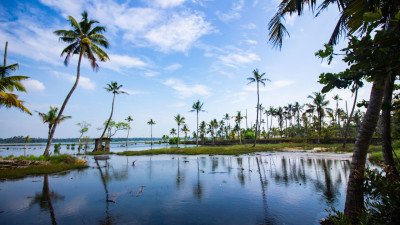 Ikop Lake, locally known as Ikoppat, is a significant freshwater body that plays a crucial role in the ecological and cultural landscape of Kakching. The lake is famous for its association with the legendary love story of Khamba and Thoibi, where it is said that the hero Khamba caught a wild bull. Beyond its mythological importance, the lake is a vital source of livelihood for the surrounding villages, supporting large-scale fishing and paddy cultivation. During the winter months, the lake transforms into a haven for migratory birds, making it a prime spot for naturalists. The water is relatively shallow and is fed by the Arong River, creating a unique wetland ecosystem. Farmers in the area practice a special type of winter cultivation known as 'Anganfou' on the periphery of the lake. The serenity of the vast water expanse, combined with the sight of traditional dugout canoes (hi), offers a glimpse into the timeless rhythm of Manipuri life. It is an ideal spot for those looking to escape the crowded markets of Kakching and experience the raw beauty of Manipur's wetlands.Show All
@@Detailed Overview: Sugnu Town is a vital trading and cultural center located at the southern edge of Kakching, known for its strategic location on the banks of the Imphal River and the Sekmai River. The town acts as a bridge between the valley and the surrounding hills, making it a vibrant melting pot of different ethnic groups. The most striking feature of Sugnu is the riverbank, where the calm waters reflect the lush greenery of the nearby hillocks. Historically, Sugnu has been a significant market for agricultural produce, fish, and forest goods. The town's atmosphere is a mix of a busy marketplace and a serene riverside retreat. The Sekmai River Bank in this region is a popular spot for community gatherings and traditional rituals. The landscape is characterized by small, rolling hills that provide a dramatic backdrop to the flowing river. Visitors to Sugnu can witness the traditional way of life, where the river serves as a lifeline for both irrigation and daily chores. The town is also a gateway to the deeper southern districts of Manipur, making it an essential stop for travelers heading towards Chandel. The natural beauty of the area is most prominent during the post-monsoon season when the vegetation is at its peak and the river is full. Exploring the town on foot allows one to appreciate the local architecture, the warmth of the residents, and the unique geographical position that makes Sugnu a "window" to the diverse landscapes of the state.
Ikop Lake, locally known as Ikoppat, is a significant freshwater body that plays a crucial role in the ecological and cultural landscape of Kakching. The lake is famous for its association with the legendary love story of Khamba and Thoibi, where it is said that the hero Khamba caught a wild bull. Beyond its mythological importance, the lake is a vital source of livelihood for the surrounding villages, supporting large-scale fishing and paddy cultivation. During the winter months, the lake transforms into a haven for migratory birds, making it a prime spot for naturalists. The water is relatively shallow and is fed by the Arong River, creating a unique wetland ecosystem. Farmers in the area practice a special type of winter cultivation known as 'Anganfou' on the periphery of the lake. The serenity of the vast water expanse, combined with the sight of traditional dugout canoes (hi), offers a glimpse into the timeless rhythm of Manipuri life. It is an ideal spot for those looking to escape the crowded markets of Kakching and experience the raw beauty of Manipur's wetlands.Show All
@@Detailed Overview: Sugnu Town is a vital trading and cultural center located at the southern edge of Kakching, known for its strategic location on the banks of the Imphal River and the Sekmai River. The town acts as a bridge between the valley and the surrounding hills, making it a vibrant melting pot of different ethnic groups. The most striking feature of Sugnu is the riverbank, where the calm waters reflect the lush greenery of the nearby hillocks. Historically, Sugnu has been a significant market for agricultural produce, fish, and forest goods. The town's atmosphere is a mix of a busy marketplace and a serene riverside retreat. The Sekmai River Bank in this region is a popular spot for community gatherings and traditional rituals. The landscape is characterized by small, rolling hills that provide a dramatic backdrop to the flowing river. Visitors to Sugnu can witness the traditional way of life, where the river serves as a lifeline for both irrigation and daily chores. The town is also a gateway to the deeper southern districts of Manipur, making it an essential stop for travelers heading towards Chandel. The natural beauty of the area is most prominent during the post-monsoon season when the vegetation is at its peak and the river is full. Exploring the town on foot allows one to appreciate the local architecture, the warmth of the residents, and the unique geographical position that makes Sugnu a "window" to the diverse landscapes of the state.Information
-
Why Famous:
Cleanest Town: It has consistently ranked as one of the cleanest towns in North East India for years.
Kakching Garden: A beautifully landscaped park that has become a symbol of the town's aesthetic development.
...Cleanest Town: It has consistently ranked as one of the cleanest towns in North East India for years.
Kakching Garden: A beautifully landscaped park that has become a symbol of the town's aesthetic development.
Agricultural Wealth: Known for its high-quality produce and being a major supplier of food to the entire state.
Hao Sampubi Statue: A significant monument dedicated to a legendary local figure, attracting many history lovers. -
Architecture:
Garden Design: The Kakching Garden at Uyok Ching features terraced landscaping with stone-carved pathways and flower beds. Dimensionally, the garden spreads over several hectares on a hillside, offering tiered viewing levels. It houses the Mahadev Temple, built in traditio...Garden Design: The Kakching Garden at Uyok Ching features terraced landscaping with stone-carved pathways and flower beds. Dimensionally, the garden spreads over several hectares on a hillside, offering tiered viewing levels. It houses the Mahadev Temple, built in traditional Manipuri style with a conical roof and intricate wood carvings. Modern additions include a tall statue of Hao Sampubi, which is a masterpiece of local craftsmanship. -
How To Reach:
By Air: Fly to Imphal Airport, which is about 45 KM away, followed by a taxi or bus ride.
By Train: The nearest railhead is Jiribam, but most travelers prefer coming via road from Imphal.
By Road: Excellent ...By Air: Fly to Imphal Airport, which is about 45 KM away, followed by a taxi or bus ride.
By Train: The nearest railhead is Jiribam, but most travelers prefer coming via road from Imphal.
By Road: Excellent connectivity via the Indo-Myanmar Road; buses and wingers ply frequently from Imphal.
Local Transport: Local taxis and auto-rickshaws are readily available for moving between different spots in the town. -
Weather and Best Time to Visit:
Spring Season: March and April are the best months when the gardens are in full bloom and the weather is mild.
Winter Mornings: Clear, crisp air in December makes for great visibility and comfortable walking tours.
Read MoreSpring Season: March and April are the best months when the gardens are in full bloom and the weather is mild.
Winter Mornings: Clear, crisp air in December makes for great visibility and comfortable walking tours.
Early Autumn: October is beautiful as the rains wash the landscape clean, leaving it bright and vibrant.Near Tourist Places:
Sugnu (29 KM), Pallel (10 KM), Thoubal (20 KM), Imphal (45 KM), Moreh (65 KM), Moirang (40 KM).Tourism Tips
-
Cleanliness: Visitors are strictly requested not to litter, as the town takes its cleanliness reputation very seriously.
Respect Rituals: When visiting temples within the garden, follow local customs such as removing footwear outside.Cleanliness: Visitors are strictly requested not to litter, as the town takes its cleanliness reputation very seriously.
Respect Rituals: When visiting temples within the garden, follow local customs such as removing footwear outside.
Hydration: Carry water while climbing the terraced gardens, as it can be physically demanding for some.
Local Support: Buy from local vendors to support the town's economy and get the freshest possible produce.
Reviews
FAQs
Kakching Itineray And Cost:-
Other Places In Manipur :-
Other States In India :-
Information about New and Updated Locations() of Manipur Has Been Added :-
Card subtitle
Note:-
Information provided here in good Faith and for reference only.
Near Places
Bishnupur
Some quick example text to build on the card title and make up the bulk of the card's content.
Go somewhere
Chandel
Some quick example text to build on the card title and make up the bulk of the card's content.
Go somewhere
Churachandpur
Some quick example text to build on the card title and make up the bulk of the card's content.
Go somewhere
Ima Keithel
Some quick example text to build on the card title and make up the bulk of the card's content.
Go somewhere
Imphal
Some quick example text to build on the card title and make up the bulk of the card's content.
Go somewhere
Jiribam
Some quick example text to build on the card title and make up the bulk of the card's content.
Go somewhere
Kakching
Some quick example text to build on the card title and make up the bulk of the card's content.
Go somewhere
Kamjong
Some quick example text to build on the card title and make up the bulk of the card's content.
Go somewhere
Khongjom
Some quick example text to build on the card title and make up the bulk of the card's content.
Go somewhere
Lairok Maru
Some quick example text to build on the card title and make up the bulk of the card's content.
Go somewhere
Loukham
Some quick example text to build on the card title and make up the bulk of the card's content.
Go somewhere
Moreh
Some quick example text to build on the card title and make up the bulk of the card's content.
Go somewhere
Pherzawl
Some quick example text to build on the card title and make up the bulk of the card's content.
Go somewhere
Phumdi
Some quick example text to build on the card title and make up the bulk of the card's content.
Go somewhere
Senapati
Some quick example text to build on the card title and make up the bulk of the card's content.
Go somewhere
Tamenglong
Some quick example text to build on the card title and make up the bulk of the card's content.
Go somewherein Other Cities