
Darjeeling
General information
-
Ideal Duration:
3 to 4 DaysPlace Type:
Hill Station and Nature RetreatEntry Fees:
Zoo and HMI: Combined ticket of Rs.60 for Indians and Rs.100 for foreigners.
Tiger Hill: A small fee of Rs.50 is charged for vehicle entry.
Ropeway: Tickets cost around Rs.200 per person.
Read MoreZoo and HMI: Combined ticket of Rs.60 for Indians and Rs.100 for foreigners.
Tiger Hill: A small fee of Rs.50 is charged for vehicle entry.
Ropeway: Tickets cost around Rs.200 per person.
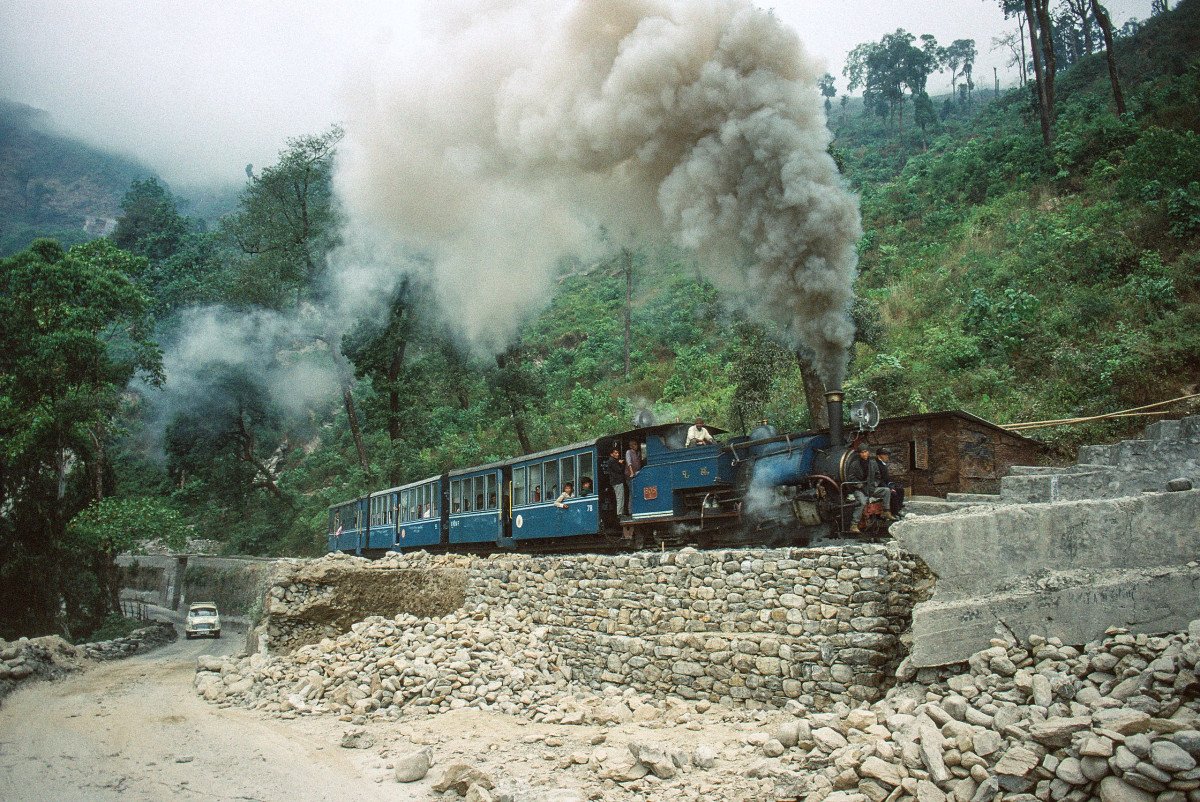
Toy Train: The steam engine joyride is approximately Rs.1,500, while the diesel version is cheaper at Rs.1,000.
:Timing:
Regular Timings: Most attractions like the Zoo and Museums are open from 9:00 AM to 4:00 PM. The Mall road is active until 8:00 PM.
Ideal Visit Time: Tiger Hill must be visited between 4:30 AM and 6:00 AM.
Week...Regular Timings: Most attractions like the Zoo and Museums are open from 9:00 AM to 4:00 PM. The Mall road is active until 8:00 PM.
Ideal Visit Time: Tiger Hill must be visited between 4:30 AM and 6:00 AM.
Weekly Holidays: The Zoo and HMI are usually closed on Thursdays.
:Special Events:
Darjeeling Tea Festival: Held in November or December, celebrating the local tea culture with music and exhibitions.
Losar: The Tibetan New Year in February, featuring traditional dances and monastery decorations.
Read MoreDarjeeling Tea Festival: Held in November or December, celebrating the local tea culture with music and exhibitions.
Losar: The Tibetan New Year in February, featuring traditional dances and monastery decorations.
Teesta Tea & Tourism Festival: A grand event showcasing the beauty of North Bengal.
:Best Photo Spots:
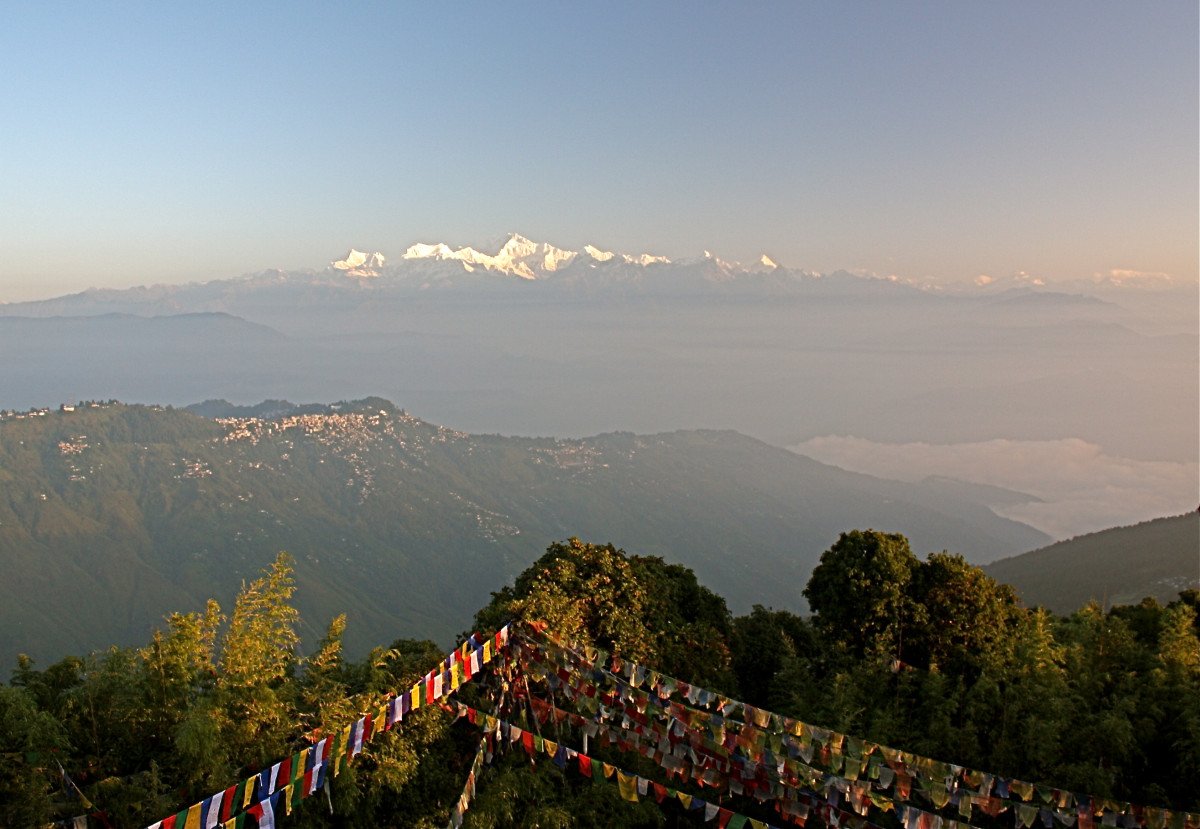
Tiger Hill: The golden glow of sunrise on the peaks is the most photographed scene in the region.
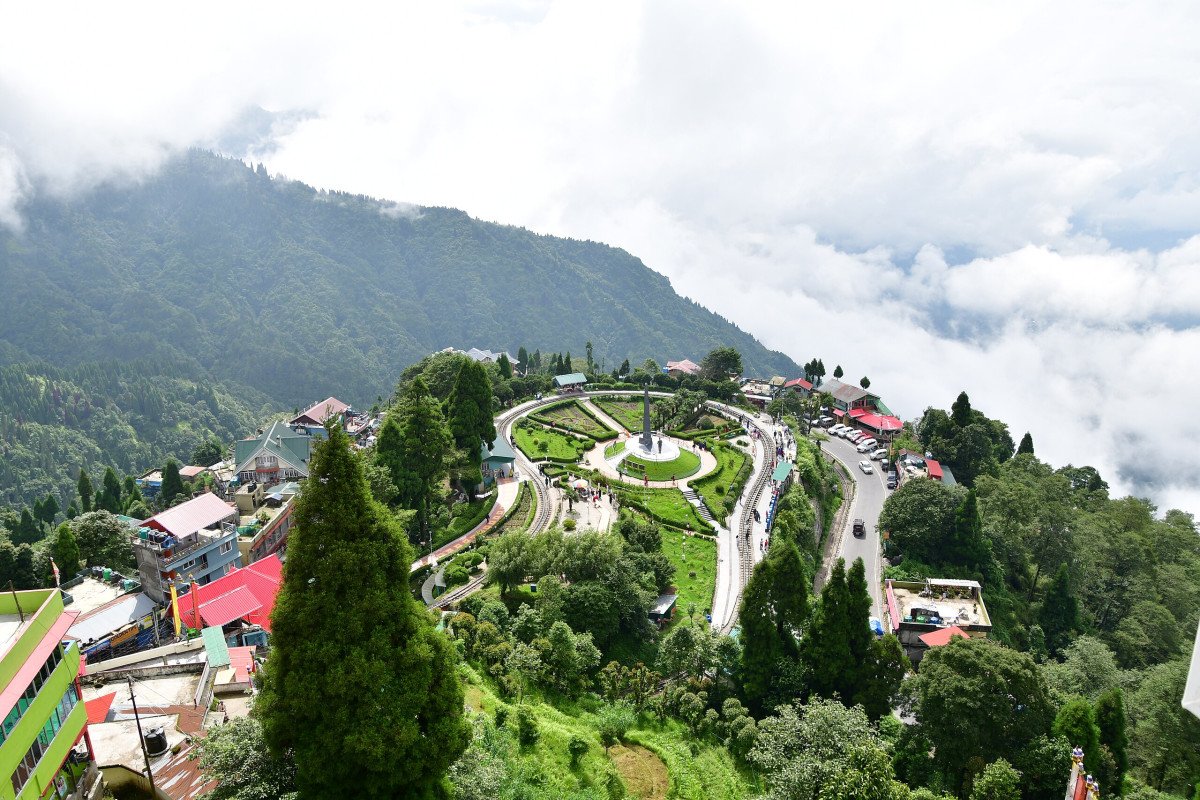
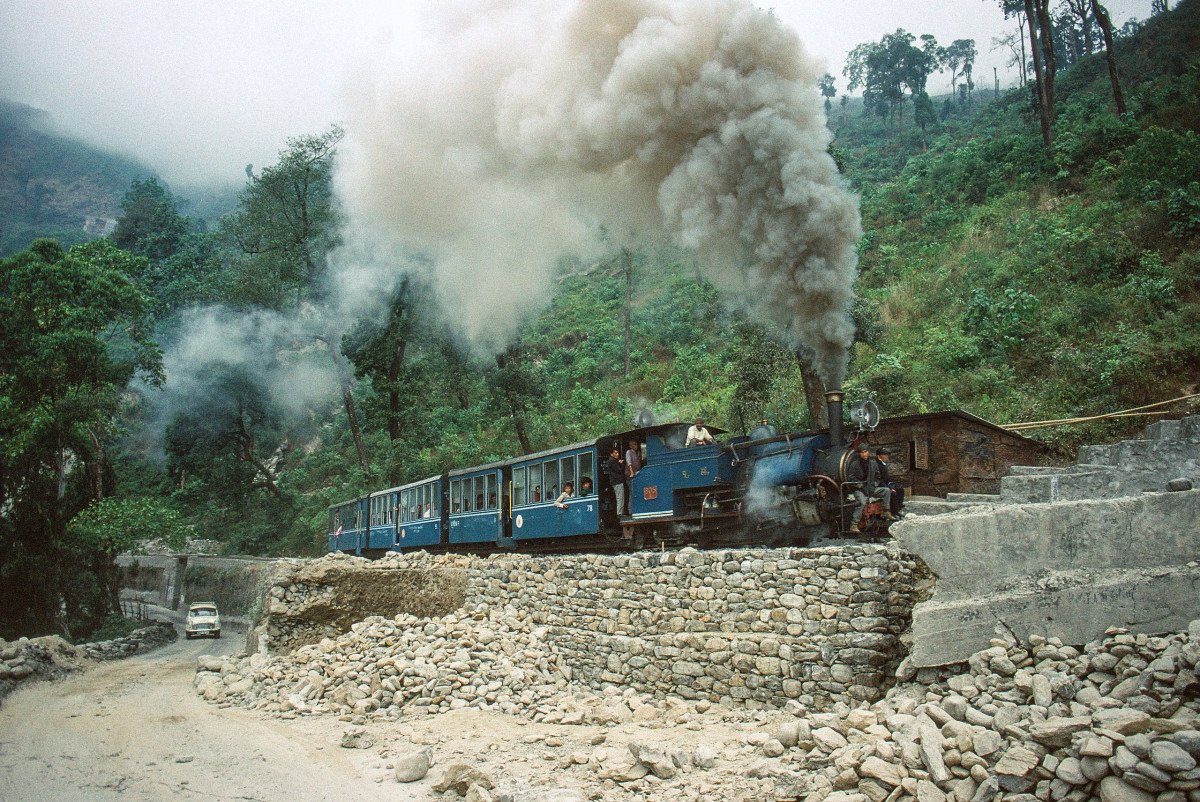
Batasia Loop: Capture the Toy Train with the mountains in the background.
Tea Gardens: The symmetrical rows o...Tiger Hill: The golden glow of sunrise on the peaks is the most photographed scene in the region.
Batasia Loop: Capture the Toy Train with the mountains in the background.
Tea Gardens: The symmetrical rows of tea bushes provide a lush green backdrop.
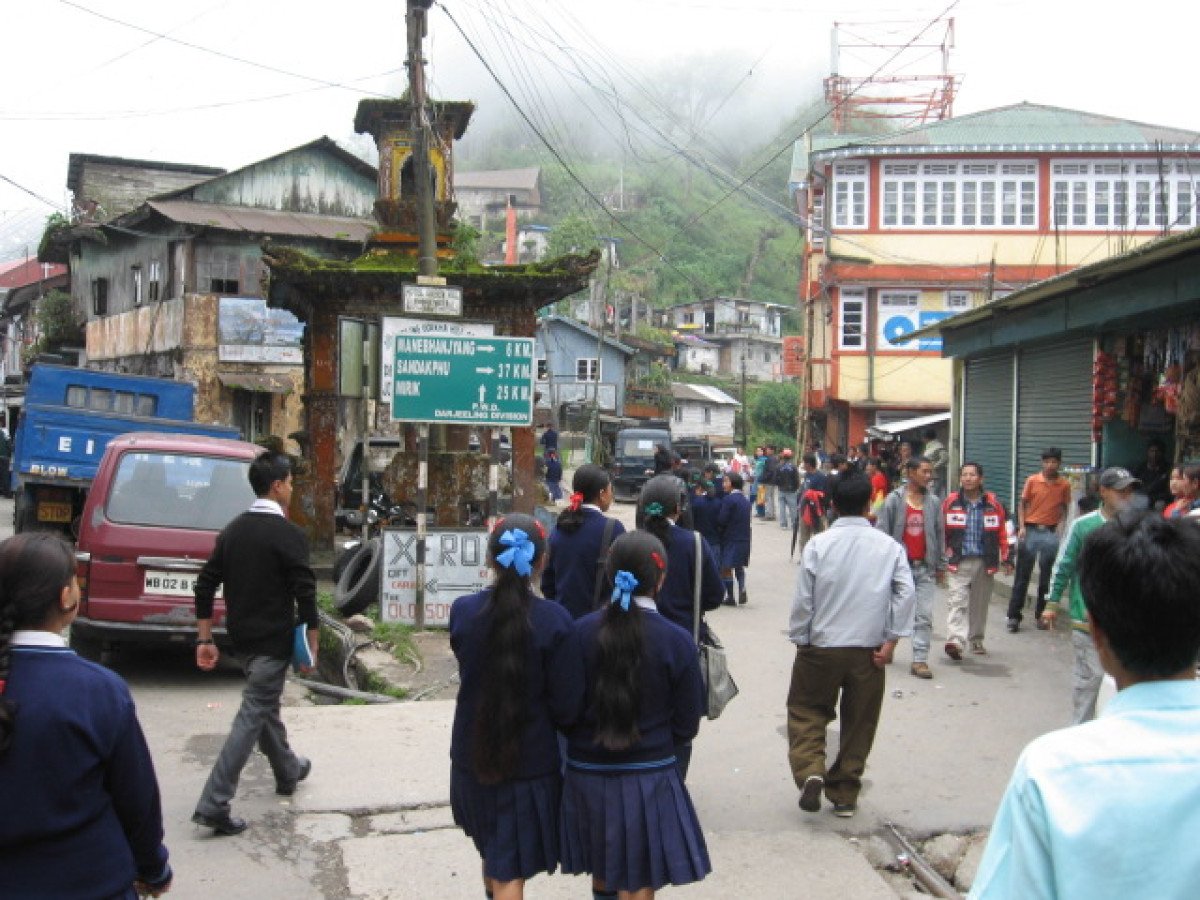
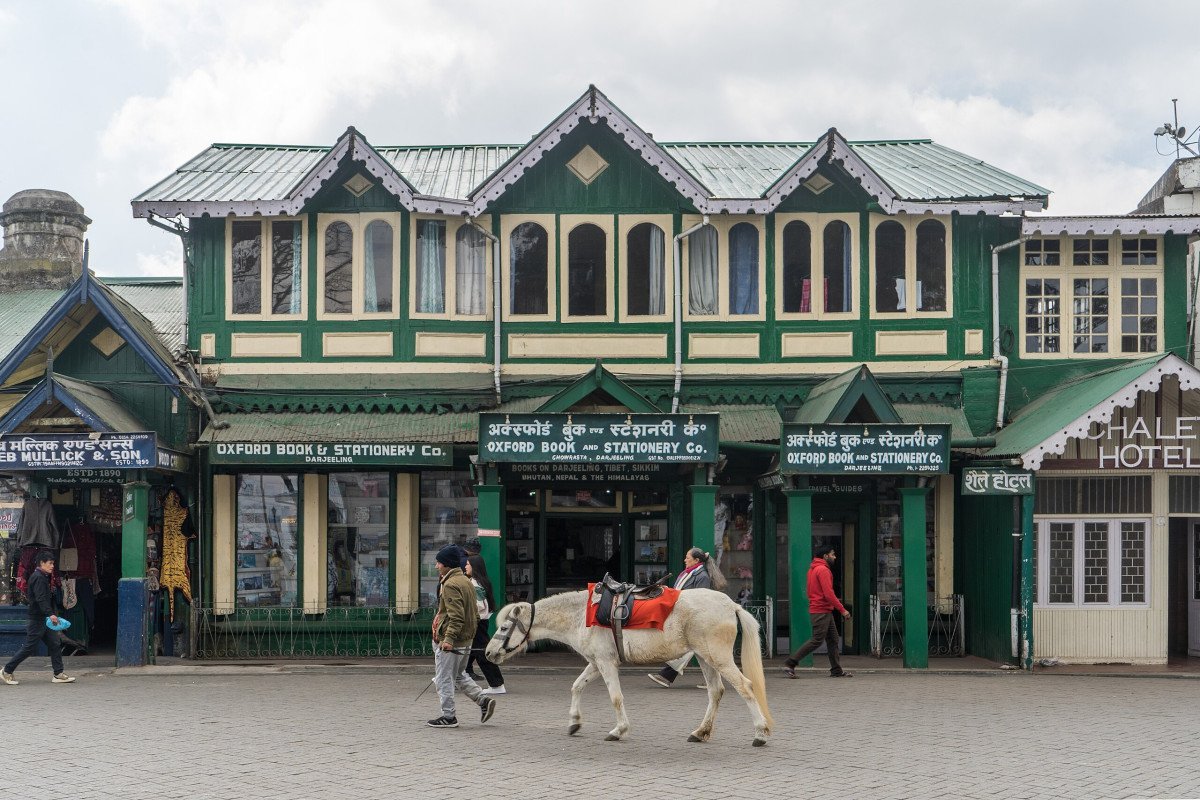
Chowrasta Mall: Great for street photography and capturing the local mountain life.
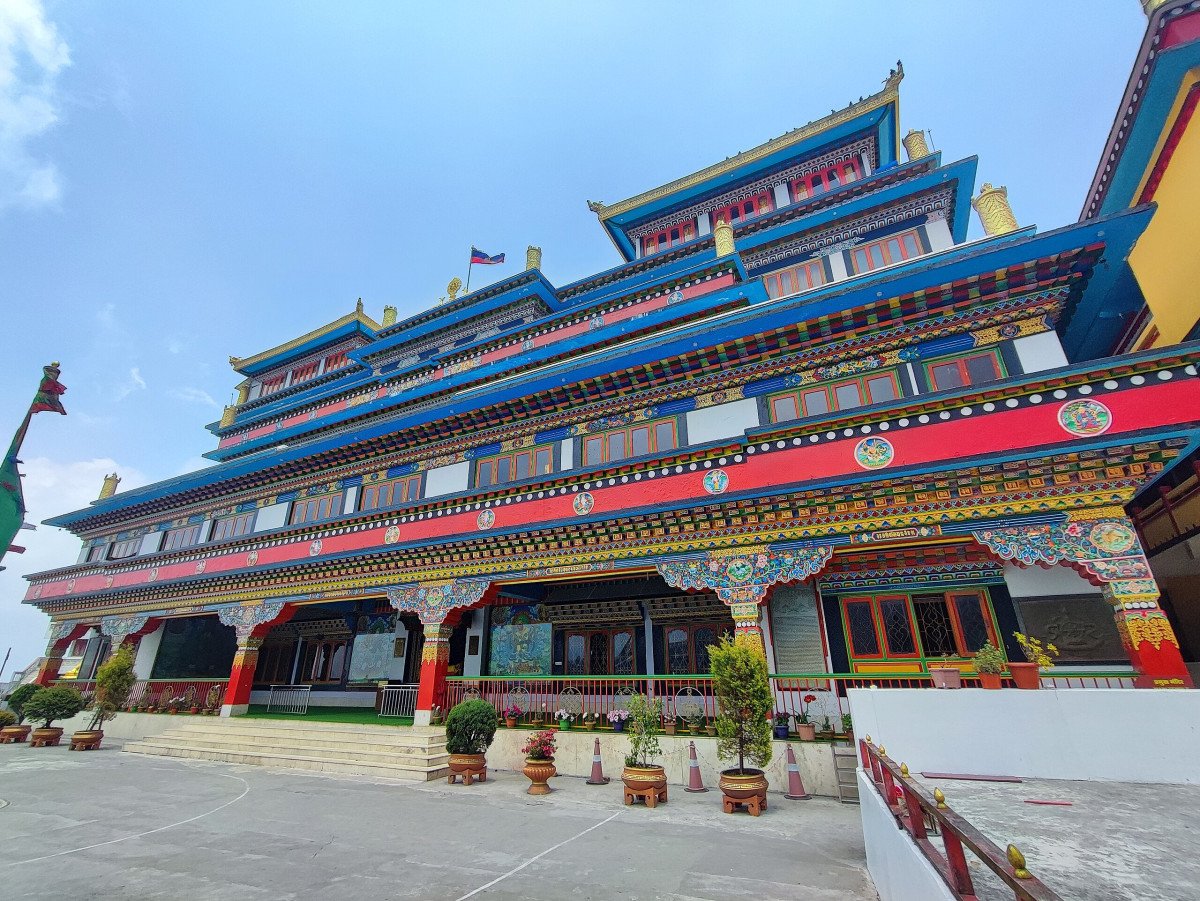
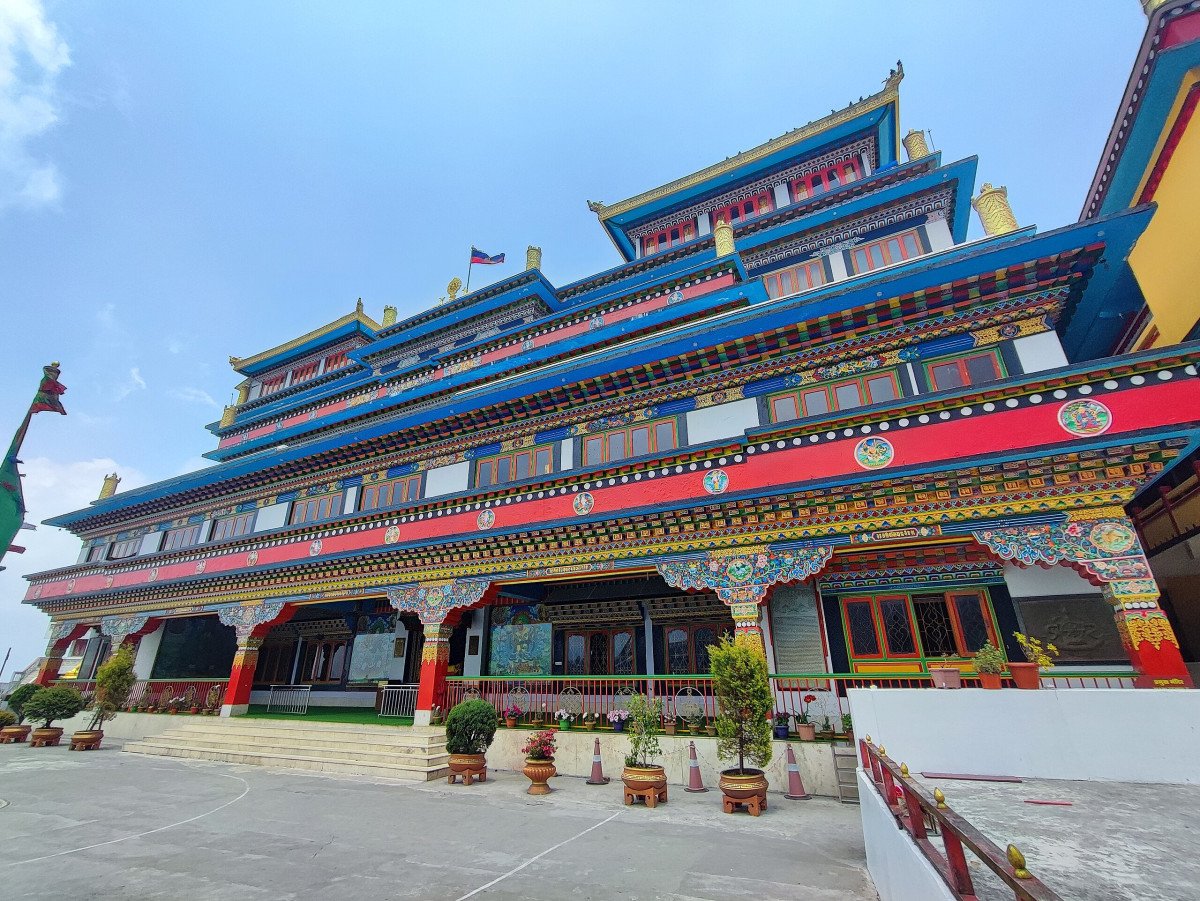
Ghoom Monastery: The colorful murals and traditional architecture are perfect for detailed shots.
:Photo Gallery

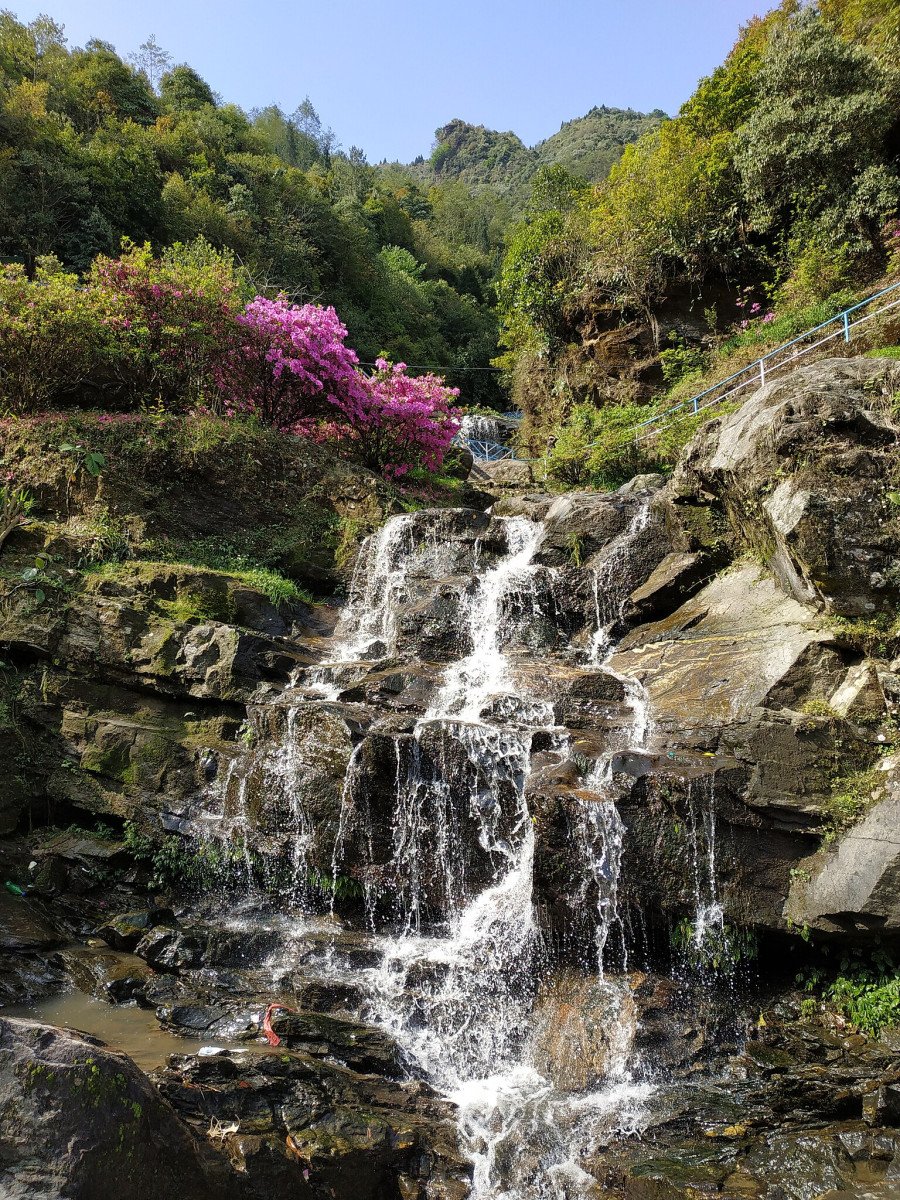
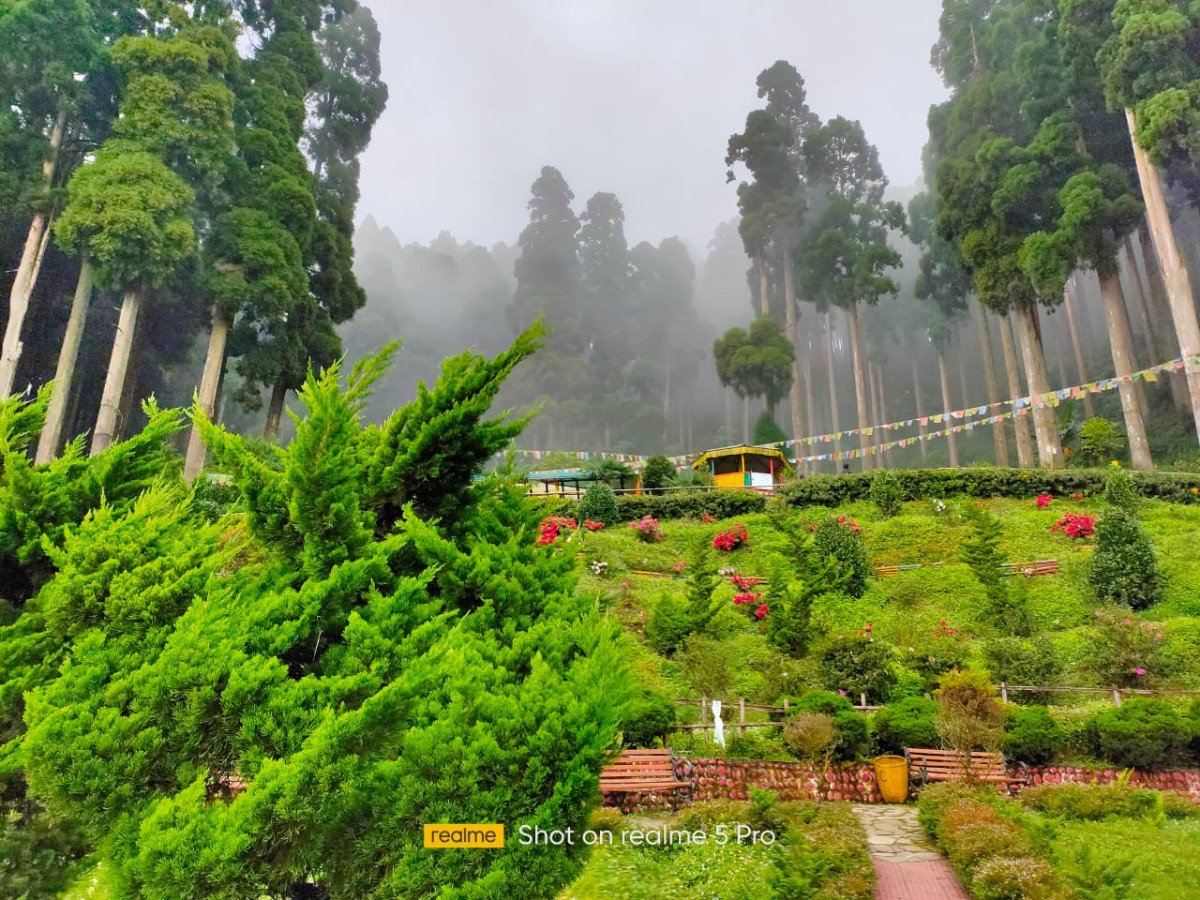
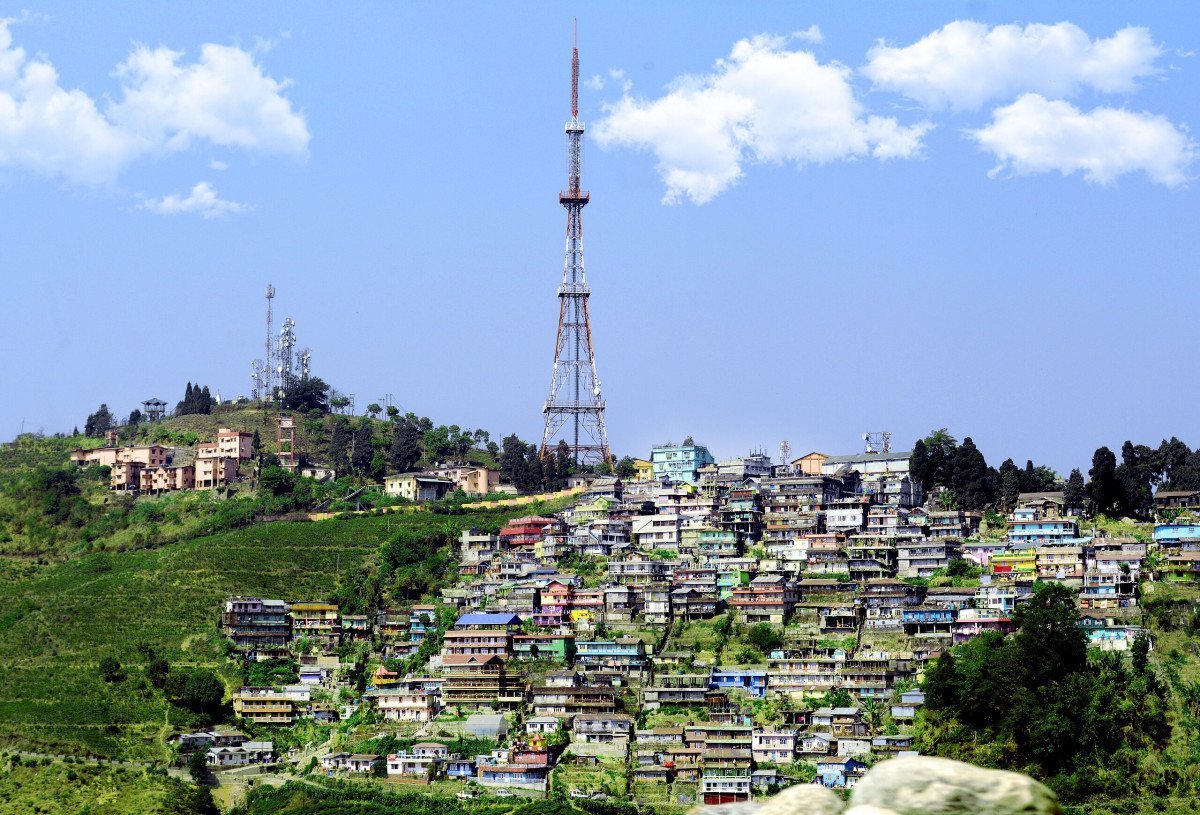
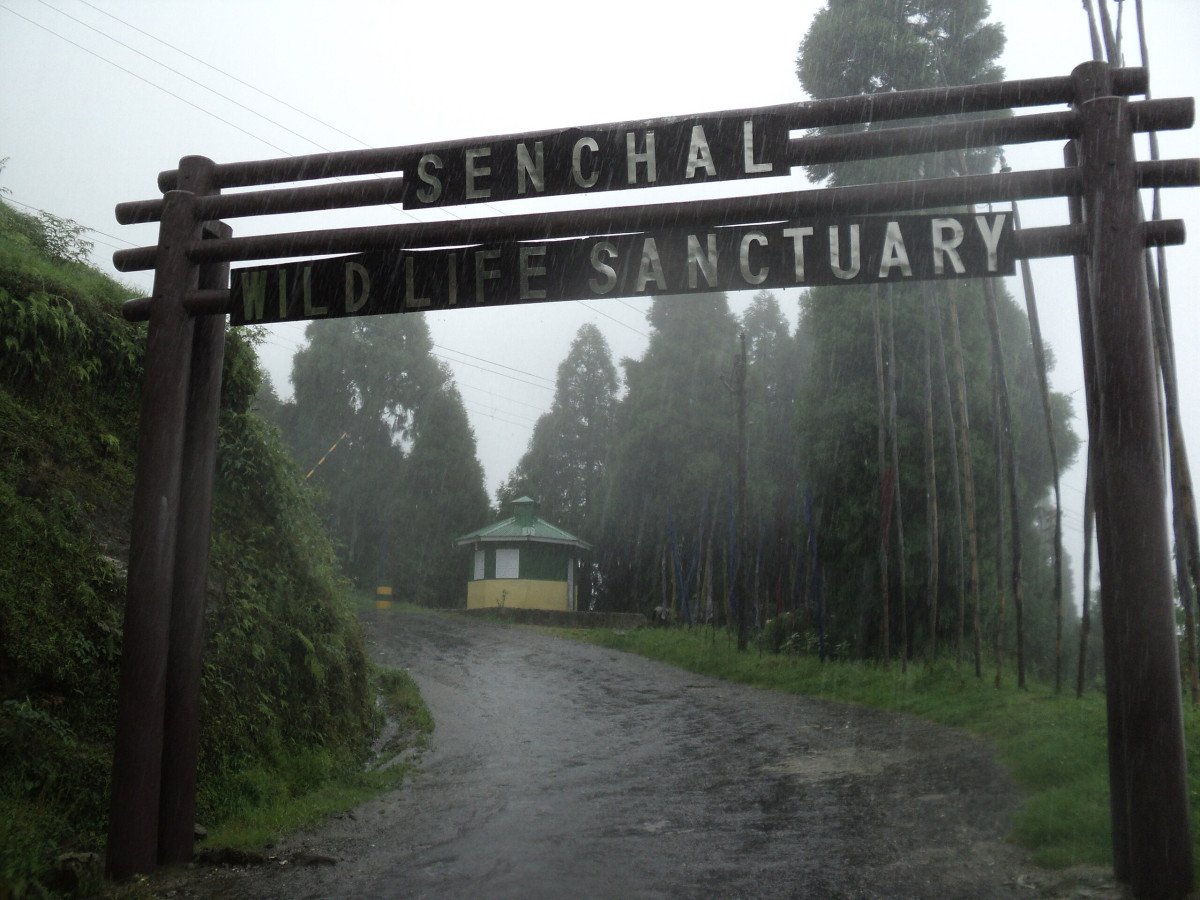


Things To Do
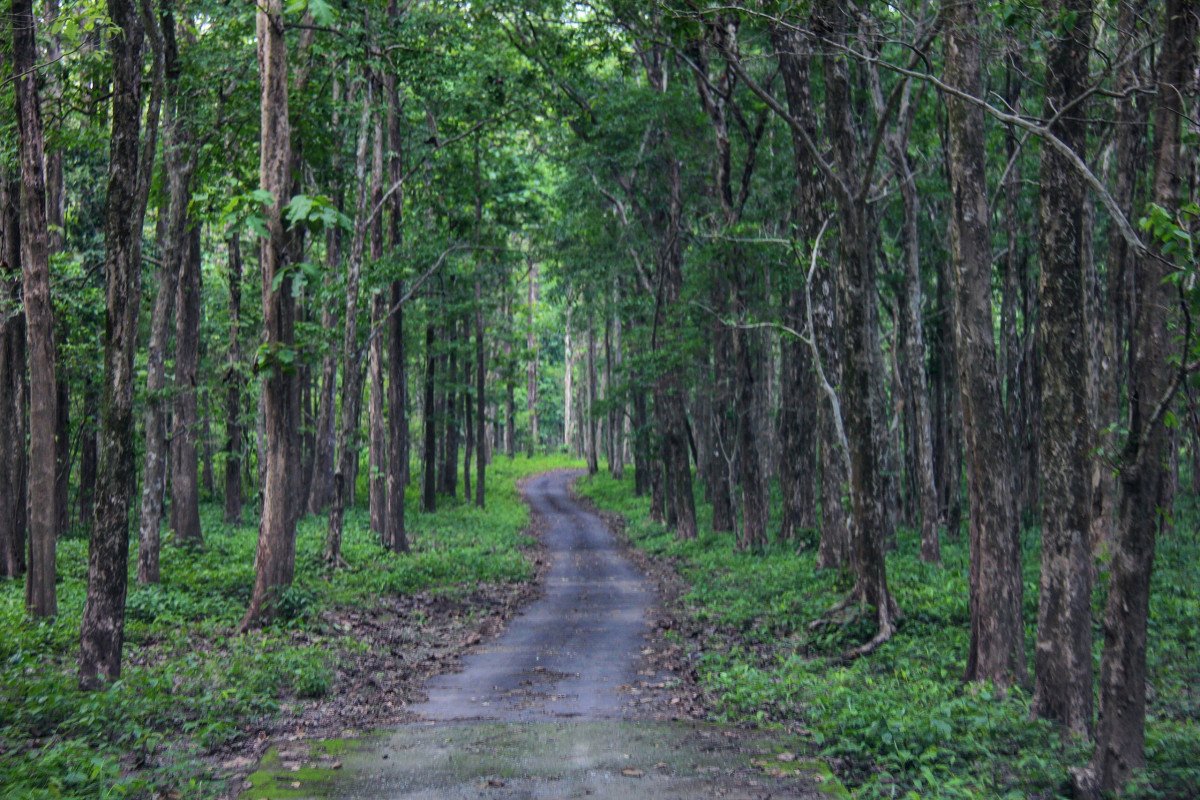
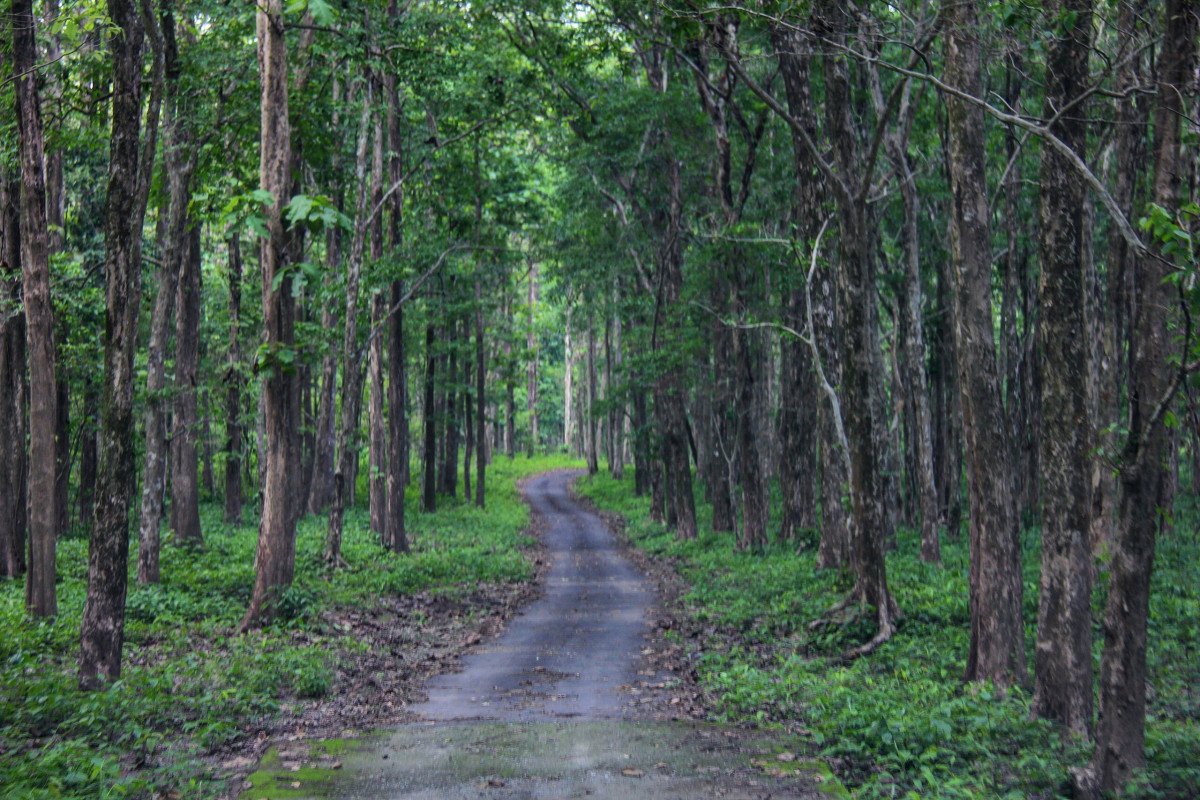
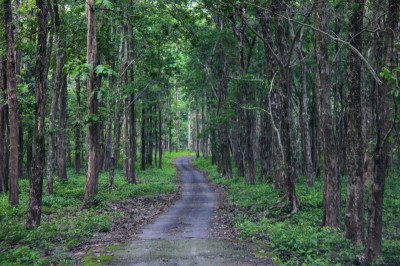 The Mahananda Wildlife Sanctuary is a protected area and a haven for nature lovers and wildlife enthusiasts. Located in the foothills of the Eastern Himalayas, between the Teesta and Mahananda rivers, it is a protected area that spans over 158 sq km of reserve forests and is a great way to learn about the local flora and fauna. The sanctuary was established in 1959 to protect the Indian Bison and the Royal Bengal Tiger, which were facing the threat of extinction. The sanctuary is home to a variety of flora and fauna, including the elusive Red Panda, Himalayan Black Bear, Barking Deer, Wild Boar, and many more. The sanctuary is also a haven for bird watchers, with over 300 species of birds found here. The serene atmosphere is complemented by the fluttering prayer flags, which add a touch of spiritual significance to the landscape. On a clear day, the sanctuary offers a spectacular panoramic view of the majestic Mount Kanchenjunga and the beautiful Teesta River. The sanctuary is a great way to learn about the local culture and tradition, with a number of homestays and lodges that offer a unique and authentic experience. The peaceful and less-crowded atmosphere makes it a perfect destination for those seeking a quiet and relaxing vacation.
 @@Overview: Lepchajagat is a small village located at an altitude of 6,956 feet, originally inhabited by the Lepcha tribe. The word 'Jagat' means world, so it literally translates to "The World of Lepchas." Today, it is a reserved forest area managed by the West Bengal Forest Development Corporation. It is heavily forested with oaks, rhododendrons, and pines, making it a paradise for nature lovers. Unlike the main town of Darjeeling, Lepchajagat offers solitude and a deep connection with nature. The village provides a spectacular view of the Kanchenjunga peaks peeking through the tall trees. It is a popular destination for honeymooners and writers looking for inspiration in the silence. The air here is crisp and filled with the scent of pine needles. Nighttime in Lepchajagat is magical, with the lights of Darjeeling town visible on the opposite hill like sparkling diamonds. The village has a few homestays that offer authentic local hospitality and food. It is also a base for several short treks into the surrounding forests. The area is rich in birdlife, and the sounds of the forest create a natural symphony. It is one of the few places where you can experience the true "old-world" charm of the Himalayas without the crowds. :
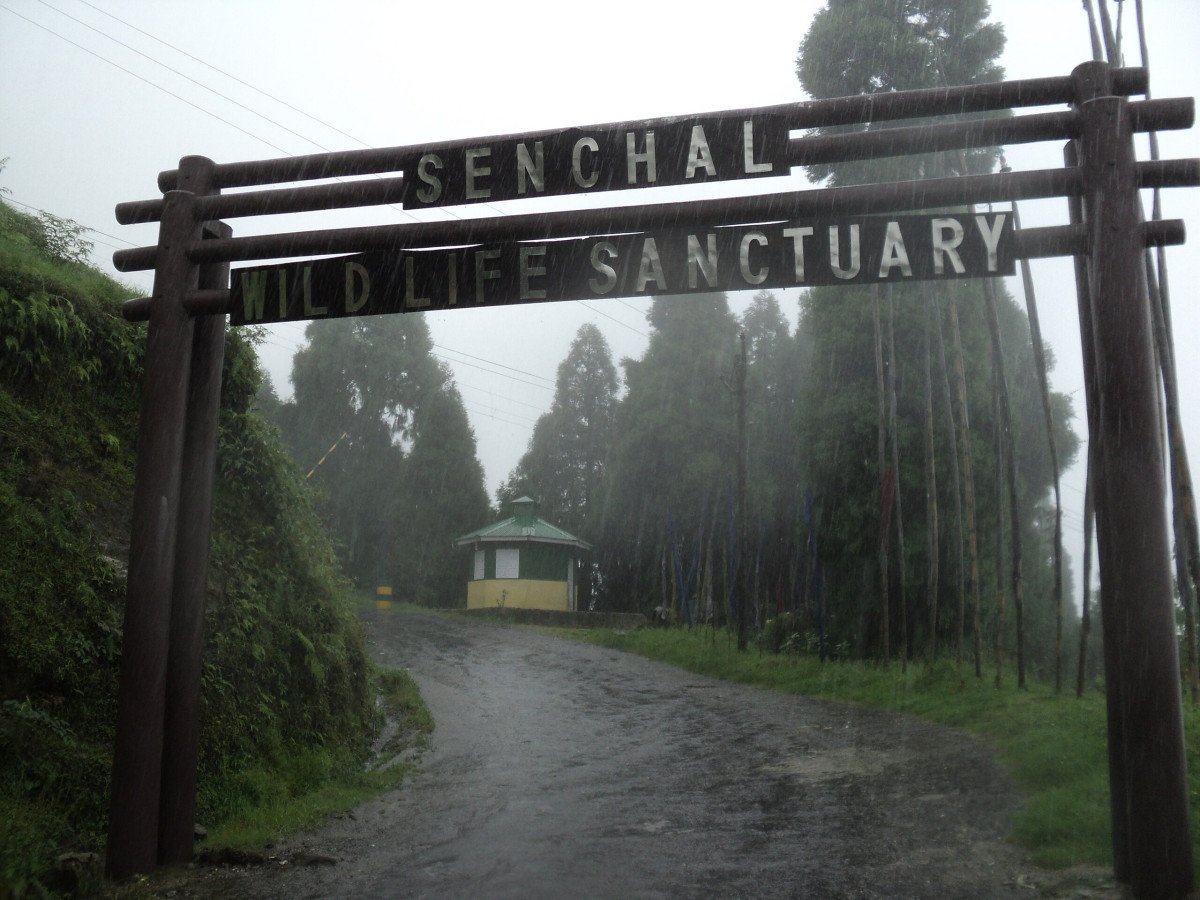
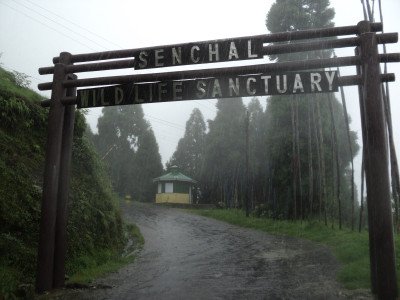 Senchal Lake and Wildlife Sanctuary is a pristine and serene nature reserve located in the outskirts of Darjeeling. Established in 1915, it is one of the oldest wildlife sanctuaries in India, covering an area of 38.6 square kilometers. The sanctuary is a haven for nature lovers, with a variety of flora and fauna, including rare and endangered species. The sanctuary is home to a wide range of animals, including barking deer, wild boar, Himalayan black bear, and Indian leopard. The sanctuary is also rich in bird life, with a variety of native and migratory birds. The two Senchal lakes, which are a part of the sanctuary, are the main source of water for the town of Darjeeling. The lakes are a beautiful and peaceful place to relax and unwind, with a series of well-laid-out paths and small bridges. The surrounding forests are a great place for nature walks, bird watching, and trekking, with a variety of trails that lead to stunning viewpoints. The sanctuary is a great place to learn about the unique flora and fauna of the region and to enjoy the peaceful and serene atmosphere.
 @@History of Resilience: The Tibetan Refugee Self-Help Centre (TRSHC) was established on October 2, 1959, following the dramatic escape of the 14th Dalai Lama and thousands of Tibetans from their homeland. This site, known as "Hermitage," holds deep spiritual significance as it was also the place of exile for the 13th Dalai Lama in the early 20th century. The center was started by a committee led by Mrs. Zhu Dan, the wife of Gyalo Thondup (the Dalai Lama's brother), with just four workers. Its primary mission was to provide a means of self-reliance for refugees through the production of traditional handicrafts. Over the decades, it has grown into a bustling community where the elderly are cared for and the youth are educated in their ancestral skills. Visitors can witness the entire process of carpet weaving—from the carding and spinning of wool to the intricate knotting on large wooden looms. The center also produces exquisite wood carvings, leather goods, and hand-painted thangkas. The earnings from these sales go directly toward the welfare of the community members, including their health and education. Walking through the center is a somber yet inspiring experience, as the photo gallery documents the arduous journey of the refugees across the Himalayas. It serves as a living museum of Tibetan culture and a testament to the human spirit's ability to survive and thrive despite displacement. The peaceful atmosphere, coupled with the rhythmic sound of looms and the sight of elders spinning prayer wheels, makes it one of the most culturally significant spots in Darjeeling.
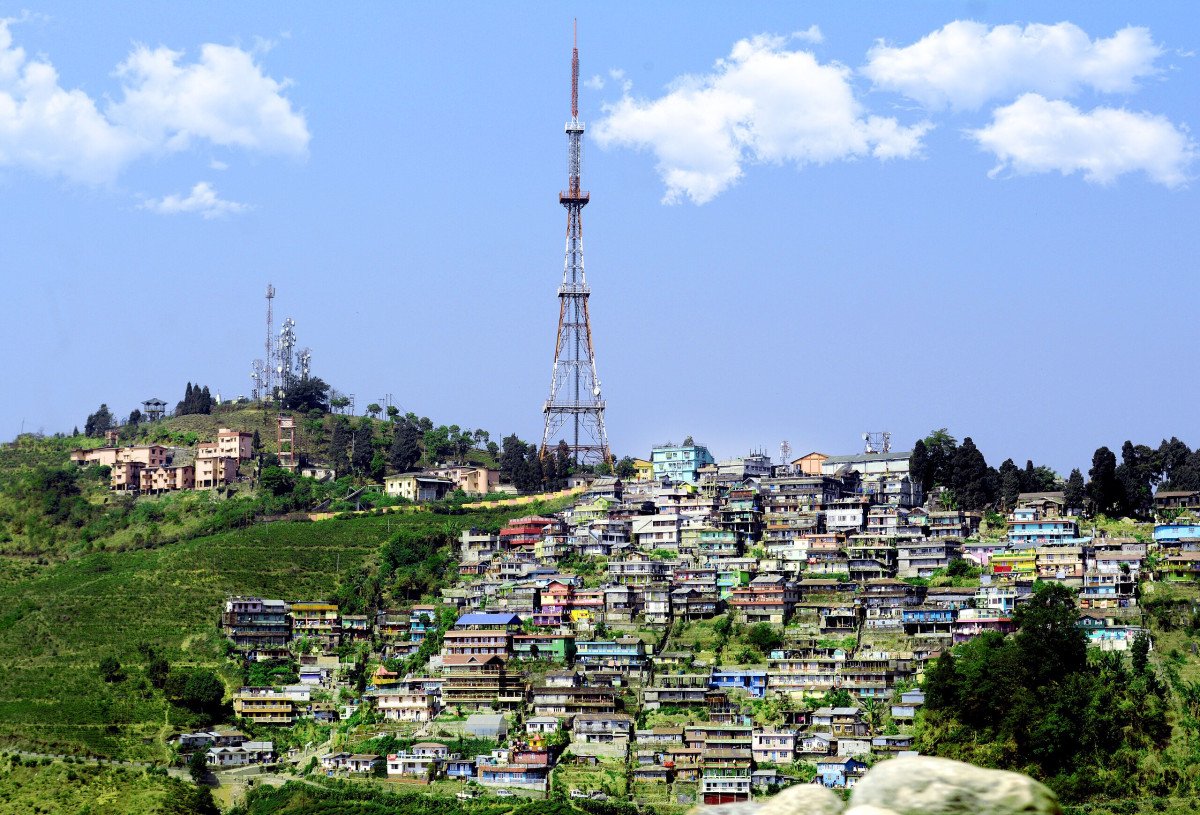
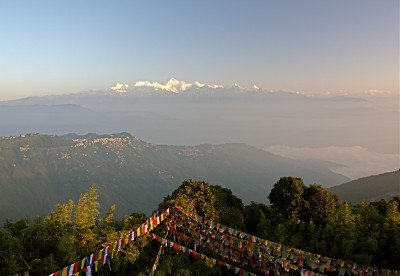 Tiger Hill is arguably the most famous and sought-after destination in Darjeeling, renowned globally for its spectacular sunrise views over the majestic peaks of the Himalayas. Located at an altitude of 2,590 meters (8,497 feet), it provides an unobstructed, panoramic vista of the snow-clad mountains. The primary attraction is the breathtaking spectacle of the sun's first rays painting the peaks of Mount Kanchenjunga in a brilliant spectrum of orange, pink, and gold. On a clear day, one can even catch a glimpse of the world's highest peak, Mount Everest, appearing as a distant, snow-capped triangle among the clouds. The journey to Tiger Hill is an experience in itself, requiring visitors to wake up in the pre-dawn hours and brave the biting cold to reach the summit before sunrise. The anticipation builds as you join a crowd of fellow tourists, all eagerly awaiting the celestial show. The moment the sun appears and the colors begin to change is a magical and unforgettable experience that makes the early morning trek worthwhile. The hill has a multi-level viewing deck and a dedicated watchtower to accommodate the large number of visitors, ensuring that everyone gets a good view of the stunning panorama. The area is surrounded by lush green tea plantations and dense forests, adding to the serene and natural beauty of the location. The experience is more than just a visual treat; it is a moment of profound connection with nature, making it a must-visit for every traveler to Darjeeling.
@@Mission and Impact: Hayden Hall is a unique and inspiring social service organization located in the heart of Darjeeling. Founded in 1969 by Father Edgar Burns, a Jesuit priest, it was named after Father Edward John Hayden. This non-profit association was established to provide relief and development opportunities for the underprivileged communities of the hills, particularly women and children. Unlike traditional tourist spots, Hayden Hall offers a glimpse into the resilient spirit and social fabric of Darjeeling. The institution focuses on several core areas including health, education, housing, and income generation. For a visitor, the most prominent feature is the Hayden Hall Shop, which sells exquisite handcrafted items made by local women who have been trained at the center. The products range from hand-knotted woolen carpets and intricate shawls to hand-woven sweaters and cotton bags. Every purchase made here directly supports the livelihood of a local family. Over the years, Hayden Hall has trained thousands of women, empowering them to become self-reliant and financially independent. The building itself is a hub of activity, housing a library, a preschool, a dispensary, and vocational training centers. The organization also runs a special program for the elderly and a nutrition program for infants. Visitors are often moved by the dedication of the staff and the tangible impact the center has on the community. It represents the "giving" side of Darjeeling, far away from the commercialized tourist trail. The atmosphere inside is one of quiet productivity and hope. Walking through the halls, one can see students attending remedial classes or women meticulously weaving on traditional looms. It is a place that celebrates local talent and human dignity. For those who wish to see the "real" Darjeeling beyond the scenic views, Hayden Hall is a mandatory stop. It serves as a reminder of how collective effort can transform lives in a challenging mountain terrain.
Tiger Hill is arguably the most famous and sought-after destination in Darjeeling, renowned globally for its spectacular sunrise views over the majestic peaks of the Himalayas. Located at an altitude of 2,590 meters (8,497 feet), it provides an unobstructed, panoramic vista of the snow-clad mountains. The primary attraction is the breathtaking spectacle of the sun's first rays painting the peaks of Mount Kanchenjunga in a brilliant spectrum of orange, pink, and gold. On a clear day, one can even catch a glimpse of the world's highest peak, Mount Everest, appearing as a distant, snow-capped triangle among the clouds. The journey to Tiger Hill is an experience in itself, requiring visitors to wake up in the pre-dawn hours and brave the biting cold to reach the summit before sunrise. The anticipation builds as you join a crowd of fellow tourists, all eagerly awaiting the celestial show. The moment the sun appears and the colors begin to change is a magical and unforgettable experience that makes the early morning trek worthwhile. The hill has a multi-level viewing deck and a dedicated watchtower to accommodate the large number of visitors, ensuring that everyone gets a good view of the stunning panorama. The area is surrounded by lush green tea plantations and dense forests, adding to the serene and natural beauty of the location. The experience is more than just a visual treat; it is a moment of profound connection with nature, making it a must-visit for every traveler to Darjeeling.
@@Mission and Impact: Hayden Hall is a unique and inspiring social service organization located in the heart of Darjeeling. Founded in 1969 by Father Edgar Burns, a Jesuit priest, it was named after Father Edward John Hayden. This non-profit association was established to provide relief and development opportunities for the underprivileged communities of the hills, particularly women and children. Unlike traditional tourist spots, Hayden Hall offers a glimpse into the resilient spirit and social fabric of Darjeeling. The institution focuses on several core areas including health, education, housing, and income generation. For a visitor, the most prominent feature is the Hayden Hall Shop, which sells exquisite handcrafted items made by local women who have been trained at the center. The products range from hand-knotted woolen carpets and intricate shawls to hand-woven sweaters and cotton bags. Every purchase made here directly supports the livelihood of a local family. Over the years, Hayden Hall has trained thousands of women, empowering them to become self-reliant and financially independent. The building itself is a hub of activity, housing a library, a preschool, a dispensary, and vocational training centers. The organization also runs a special program for the elderly and a nutrition program for infants. Visitors are often moved by the dedication of the staff and the tangible impact the center has on the community. It represents the "giving" side of Darjeeling, far away from the commercialized tourist trail. The atmosphere inside is one of quiet productivity and hope. Walking through the halls, one can see students attending remedial classes or women meticulously weaving on traditional looms. It is a place that celebrates local talent and human dignity. For those who wish to see the "real" Darjeeling beyond the scenic views, Hayden Hall is a mandatory stop. It serves as a reminder of how collective effort can transform lives in a challenging mountain terrain.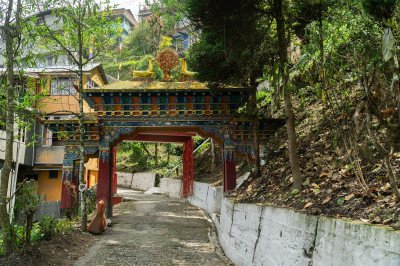 @@A Legacy of Resilience@@: The Bhutia Busty Monastery, also known as Karmaa Dorjee Chyoling, is the oldest monastery in Darjeeling, though its journey has been marked by numerous relocations and reconstructions. Originally built in 1761 by Lama Dorje Rinzing, it first stood atop Observatory Hill, where the Mahakal Temple now resides. However, in 1815, it was destroyed during a Gorkha invasion. It was later rebuilt in 1861 and eventually moved to its present location in the Bhutia Busty area in 1879. Tragedy struck again in 1934 when a massive earthquake leveled the structure, but it was rebuilt with the generous patronage of the Chogyal (King) of Sikkim. Today, the monastery stands as a proud representative of the Nyingma sect, the oldest of the four major schools of Tibetan Buddhism. Its historical depth is palpable in the air, mixed with the scent of butter lamps and incense. The monastery is famous for its extensive library, which contains rare Buddhist texts, including one of the original copies of the Tibetan Book of the Dead. For the local Bhutia and Tibetan communities, this is not just a place of worship but a sanctuary of their ancestral identity. The monastery is tucked away from the main road, requiring a steep downhill walk that filters out the casual tourist, leaving a space of profound quiet. Inside, the walls are covered with frescoes depicting the life of Buddha and various deities. The central shrine houses a serene statue of Lord Buddha, flanked by images of the Dalai Lama and other high lamas. It is a place where the ancient rituals of Tibet are preserved with unwavering devotion.Show All
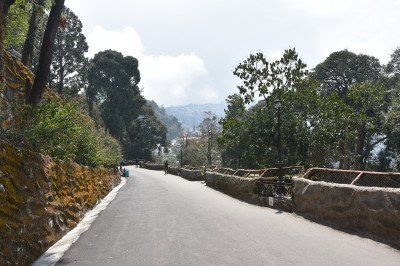 Established in 1958, this is the largest high-altitude zoo in India. It is situated at an elevation of about 7,000 feet above sea level. The park is internationally famous for its conservation breeding programs for endangered species. It focuses primarily on Himalayan fauna like the Red Panda and Snow Leopard. The zoo was named in memory of Padmaja Naidu, former Governor of West Bengal. It attracts over 300,000 visitors annually. The enclosures are designed to mimic the natural alpine habitat of the animals. It is a member of the World Association of Zoos and Aquariums. The park plays a crucial role in educating the public about mountain ecosystems. Walking through the zoo provides spectacular views of the Kanchenjunga range. The lush greenery of Birch Hill surrounds the entire area. It also houses the Himalayan Mountaineering Institute within the same complex. The staff is highly trained in wildlife conservation and animal health. The zoo is a pride of Darjeeling and a must-visit for nature lovers. It provides a rare opportunity to see elusive mountain cats in a safe environment. The park is a pioneer in the captive breeding of the Himalayan Salamander.
Hotels
● Gangamaya Homestay Darjeeling
Address: 12/A Kanchenjunga View Road, Near HMI, Darjeeling, West Bengal, 734101
Distance:
Details: Immerse yourself in authentic Gorkha hospitality at this charming retreat. The property features beautifully appointed rooms with expansive double bed...
Homestays In Darjeeling
Show AllInformation
-
Why Famous:
Himalayan Views: Famous for the panoramic view of the Kanchenjunga range from Tiger Hill.
Toy Train: The Darjeeling Himalayan Railway is famous for its zig-zags and loops, representing colonial engineering.
Worl...Himalayan Views: Famous for the panoramic view of the Kanchenjunga range from Tiger Hill.
Toy Train: The Darjeeling Himalayan Railway is famous for its zig-zags and loops, representing colonial engineering.
World-Class Tea: Home to more than 80 tea estates producing the finest tea in the world.
Mountaineering History: The Himalayan Mountaineering Institute (HMI) was founded by Tenzing Norgay, who was among the first to climb Everest.
: -
Architecture:
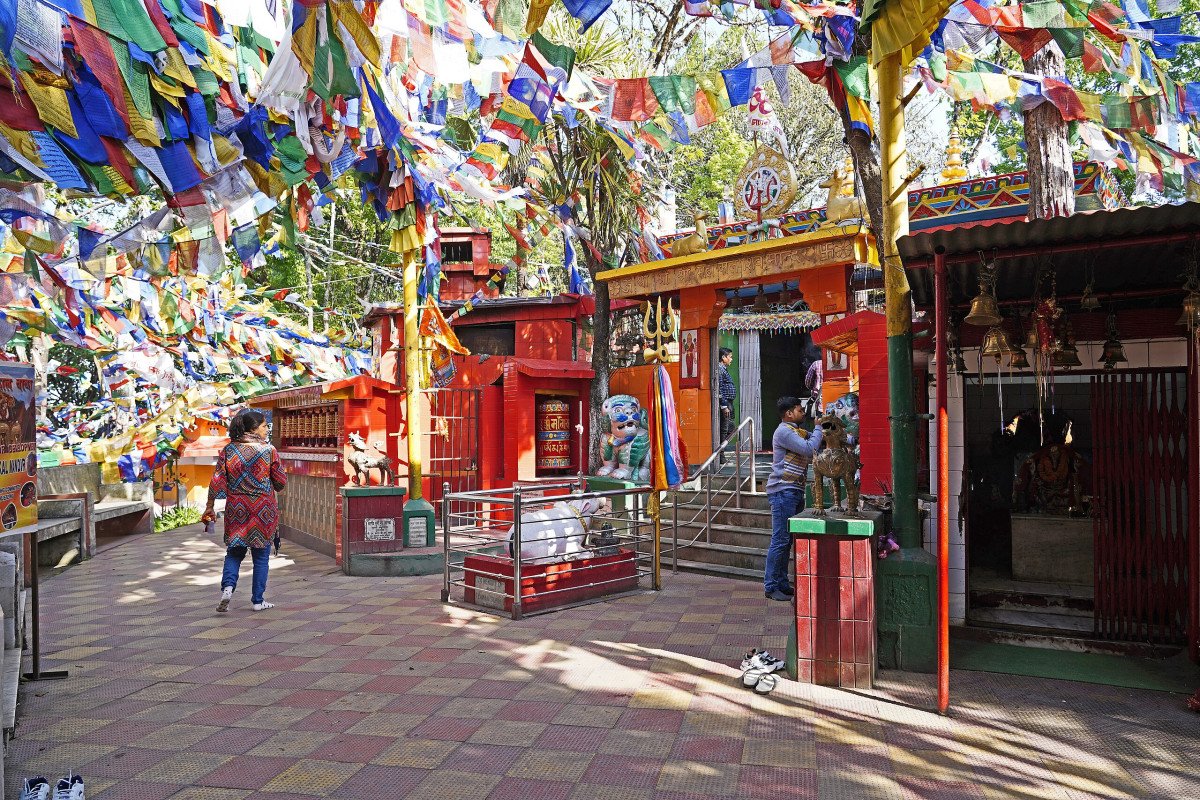
Tibetan Style: The Ghoom Monastery features traditional Tibetan architecture with a 15-foot high statue of Maitreya Buddha. The walls are adorned with colorful thangka paintings and murals.
Colonial Influence: St. Andrews Church, built in ...Tibetan Style: The Ghoom Monastery features traditional Tibetan architecture with a 15-foot high statue of Maitreya Buddha. The walls are adorned with colorful thangka paintings and murals.
Colonial Influence: St. Andrews Church, built in 1843, is a classic example of Early English Gothic architecture with stained glass windows.
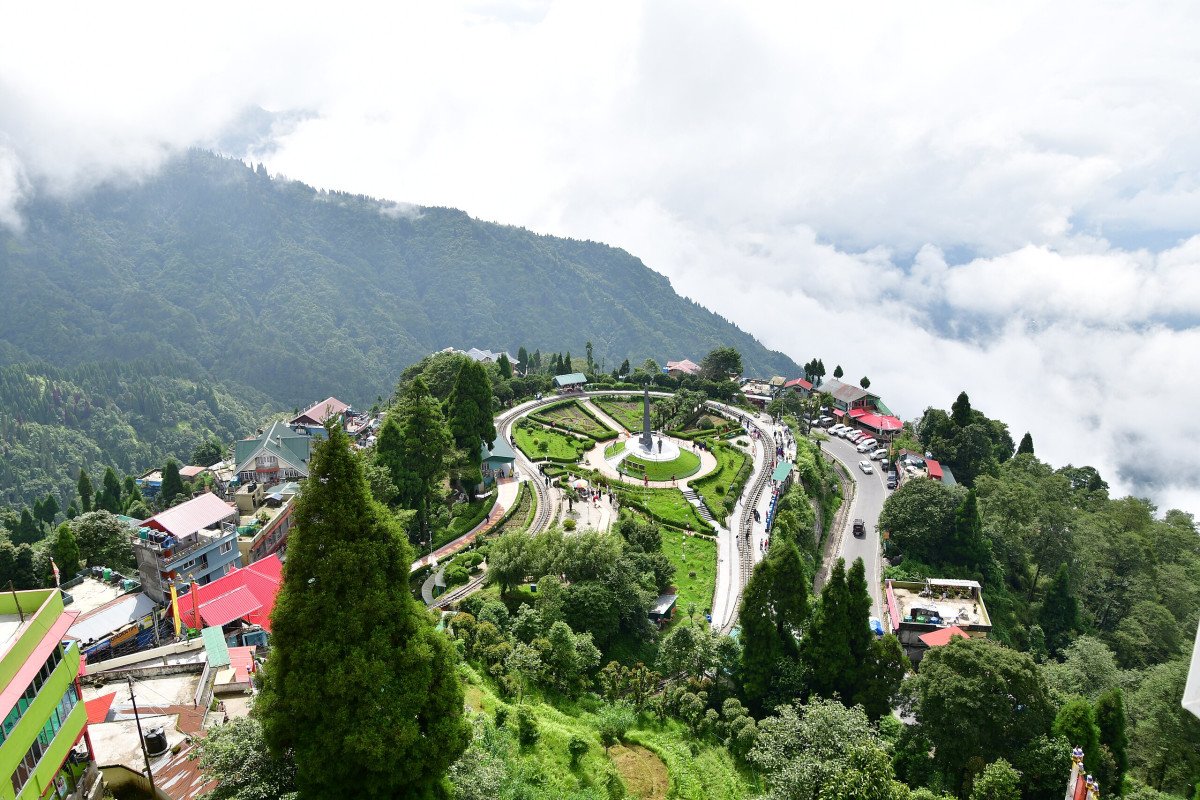
Engineering Marvel: The Batasia Loop is a spiral railway engineering feat that allows the Toy Train to negotiate a steep descent of 1,000 feet. It features a Gorkha War Memorial at the center.
: -
How To Reach:
By Air: Fly to Bagdogra International Airport, followed by a 3-hour drive.
By Train: Reach New Jalpaiguri (NJP) station, then take a car or the Toy Train.
By Road: Well-connected to Siliguri via NH-110 and t...By Air: Fly to Bagdogra International Airport, followed by a 3-hour drive.
By Train: Reach New Jalpaiguri (NJP) station, then take a car or the Toy Train.
By Road: Well-connected to Siliguri via NH-110 and the scenic Rohini Road.
By Local Transport: Shared Jeeps are the lifeline of the hills, connecting all major points. Walking is the best way to explore the main town area.
: -
Weather and Best Time to Visit:
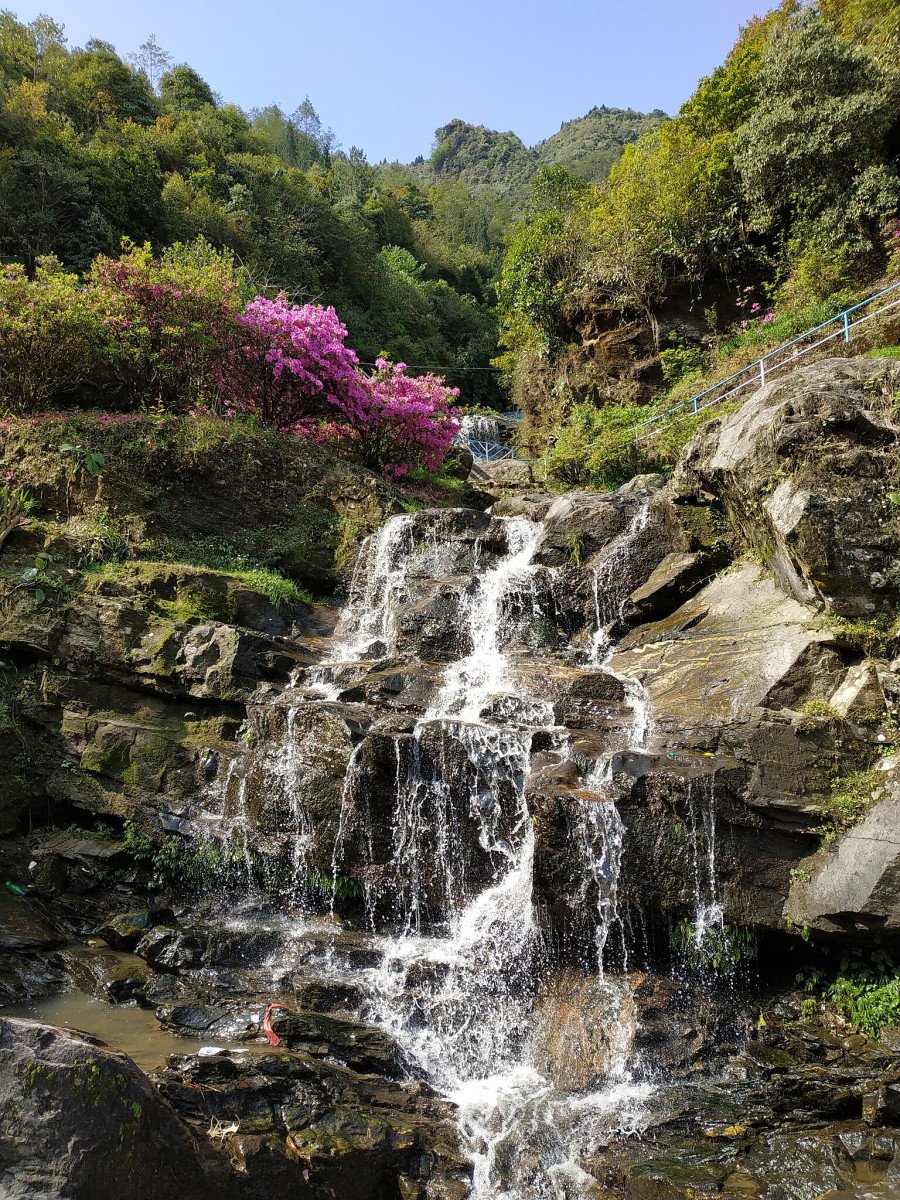
Spring Season: March to May is the peak season with pleasant weather and blooming rhododendrons.
Autumn Season: October to November offers the clearest views of the mountains after the rains.
Winter: Decembe...Spring Season: March to May is the peak season with pleasant weather and blooming rhododendrons.
Autumn Season: October to November offers the clearest views of the mountains after the rains.
Winter: December to February is cold but beautiful, with occasional snowfall in higher reaches.
Best Time of Day: Early mornings for mountain views and late afternoons for market strolls.
: -
Near Tourist Places:
1. Tiger Hill (11 km), 2. Batasia Loop (5 km), 3. Ghoom Monastery (6 km), 4. Mirik Lake (49 km), 5. Kalimpong (50 km), 6. Kurseong (30 km), 7. Pashupati Market (30 km), 8. Rock Garden (10 km), 9. Sandakphu (58 km), 10. Lepchajagat (19 km)
Tourism Tips
-
Health & Safety: Be prepared for high-altitude sickness; drink plenty of water and move slowly.
Packing: Always carry heavy woolens, as temperatures can drop even in summer evenings.
Accommodation: Booking ...Health & Safety: Be prepared for high-altitude sickness; drink plenty of water and move slowly.
Packing: Always carry heavy woolens, as temperatures can drop even in summer evenings.
Accommodation: Booking hotels near the Mall Road is convenient for easy access to restaurants.
Eco-Tourism: Avoid using plastic as Darjeeling has strict anti-plastic rules to preserve its natural beauty. Always carry a reusable water bottle.
:
Reviews
FAQs
Darjeeling Itineray And Cost:-
Information about New and Updated Locations() of West Bengal Has Been Added :-
Card subtitle
Note:-
Information provided here in good Faith and for reference only.
Near Places
Bakkhali
Some quick example text to build on the card title and make up the bulk of the card's content.
Go somewhere
Bankura
Some quick example text to build on the card title and make up the bulk of the card's content.
Go somewhere
Bishnupur
Some quick example text to build on the card title and make up the bulk of the card's content.
Go somewhere
Cooch Behar
Some quick example text to build on the card title and make up the bulk of the card's content.
Go somewhere
Darjeeling
Some quick example text to build on the card title and make up the bulk of the card's content.
Go somewhere
Digha
Some quick example text to build on the card title and make up the bulk of the card's content.
Go somewhere
Dooars
Some quick example text to build on the card title and make up the bulk of the card's content.
Go somewhere
Kalimpong
Some quick example text to build on the card title and make up the bulk of the card's content.
Go somewhere
Kolkata
Some quick example text to build on the card title and make up the bulk of the card's content.
Go somewhere
Kurseong
Some quick example text to build on the card title and make up the bulk of the card's content.
Go somewhere
Lataguri
Some quick example text to build on the card title and make up the bulk of the card's content.
Go somewhere
Lava
Some quick example text to build on the card title and make up the bulk of the card's content.
Go somewhere
Lolegaon
Some quick example text to build on the card title and make up the bulk of the card's content.
Go somewhere
Malda City
Some quick example text to build on the card title and make up the bulk of the card's content.
Go somewhere
Mandarmani
Some quick example text to build on the card title and make up the bulk of the card's content.
Go somewhere
Mayapur
Some quick example text to build on the card title and make up the bulk of the card's content.
Go somewherein Other Cities