Kalimpong
General information
-
Ideal Duration:
2 to 3 DaysPlace Type:
Hill Station, Adventure, and SpiritualityEntry Fees:
Place Entry Fees: Most attractions in Kalimpong have very low entry fees.
Parks and Nurseries: Places like Deolo Park or Pine View Nursery usually charge between Rs.20 and Rs.50.
Monasteries: Entry to monasterie...Place Entry Fees: Most attractions in Kalimpong have very low entry fees.
Parks and Nurseries: Places like Deolo Park or Pine View Nursery usually charge between Rs.20 and Rs.50.
Monasteries: Entry to monasteries is generally free, but it is a good gesture to leave a small donation in the box.
Museums: The Lepcha Museum or Science Centre may have a fee of about Rs.20 to Rs.40.
Adventure Sports: Paragliding can cost anywhere from Rs.3000 to Rs.5000 depending on the duration of the flight. River rafting costs around Rs.1500 to Rs.2500 per boat. Overall, it is an affordable place for sightseeing :Timing:
Place Timings:
Regular Timings: Most nurseries and parks are open from 9:00 AM to 5:00 PM. Monasteries are usually open from sunrise to sunset.
Ideal Visit Time: Early morning is the best time to visit viewp...Place Timings:
Regular Timings: Most nurseries and parks are open from 9:00 AM to 5:00 PM. Monasteries are usually open from sunrise to sunset.
Ideal Visit Time: Early morning is the best time to visit viewpoints to see the mountain peaks before the clouds cover them. Sunsets are best viewed between 4:30 PM and 5:30 PM.
Market Timings: The local market is most active between 10:00 AM and 6:00 PM. Most shops close by 7:30 PM, and the town becomes very quiet at night. It is recommended to be back at your hotel by 8:
00 PM as some areas can get quite foggy :Special Events:
Place Special Event: The most colorful special event in Kalimpong is Losar, the Tibetan New Year, celebrated in February. The monasteries are decorated, and there are traditional dances and feasts.
Maghe Sankranti: Celebrated in January, th...Place Special Event: The most colorful special event in Kalimpong is Losar, the Tibetan New Year, celebrated in February. The monasteries are decorated, and there are traditional dances and feasts.
Maghe Sankranti: Celebrated in January, this is an important festival for the Nepali community, where people take holy dips in the rivers and eat traditional sweets.
Kalimpong Flower Show: Usually held in the spring, this event showcases the best orchids and exotic flowers from the local nurseries, attracting plant lovers from all over the world.
Durga Puja: Like the rest of West Bengal, Kalimpong celebrates Durga Puja with great enthusiasm, but with a unique mountain touch in the decorations and food :Best Photo Spots:
Place Best Photo Spots: Kalimpong is a visual treat for anyone with a camera.
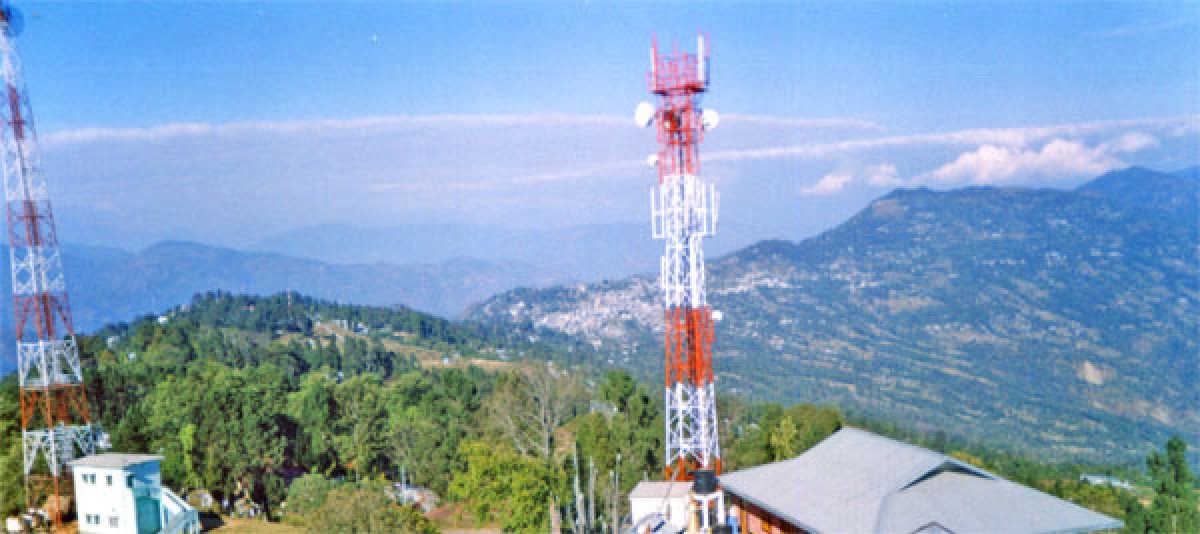
Deolo Hill: The highest point provides a stunning backdrop of the hills and the Teesta River.
Durpin Monastery: The vibrant color...Place Best Photo Spots: Kalimpong is a visual treat for anyone with a camera.
Deolo Hill: The highest point provides a stunning backdrop of the hills and the Teesta River.
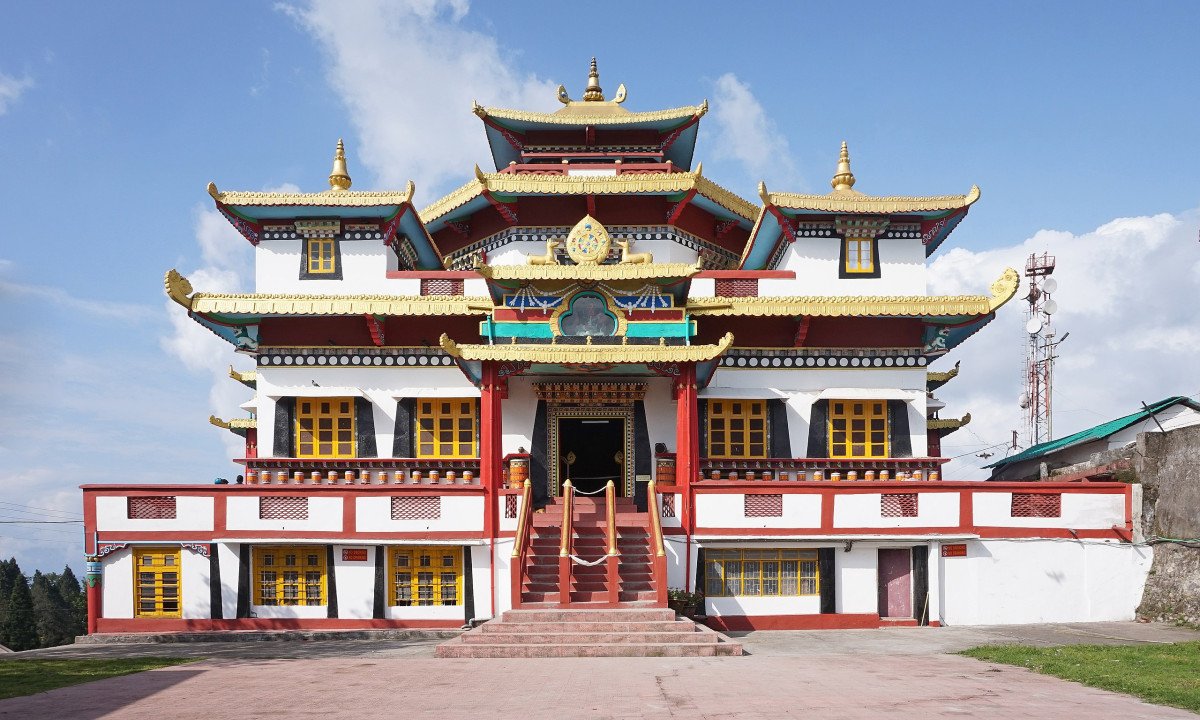
Durpin Monastery: The vibrant colors of the monastery and the golden statues are perfect for cultural photography.
Morgan House: The ivy-covered stone walls of this colonial bungalow give a very "old world" feel to your photos.
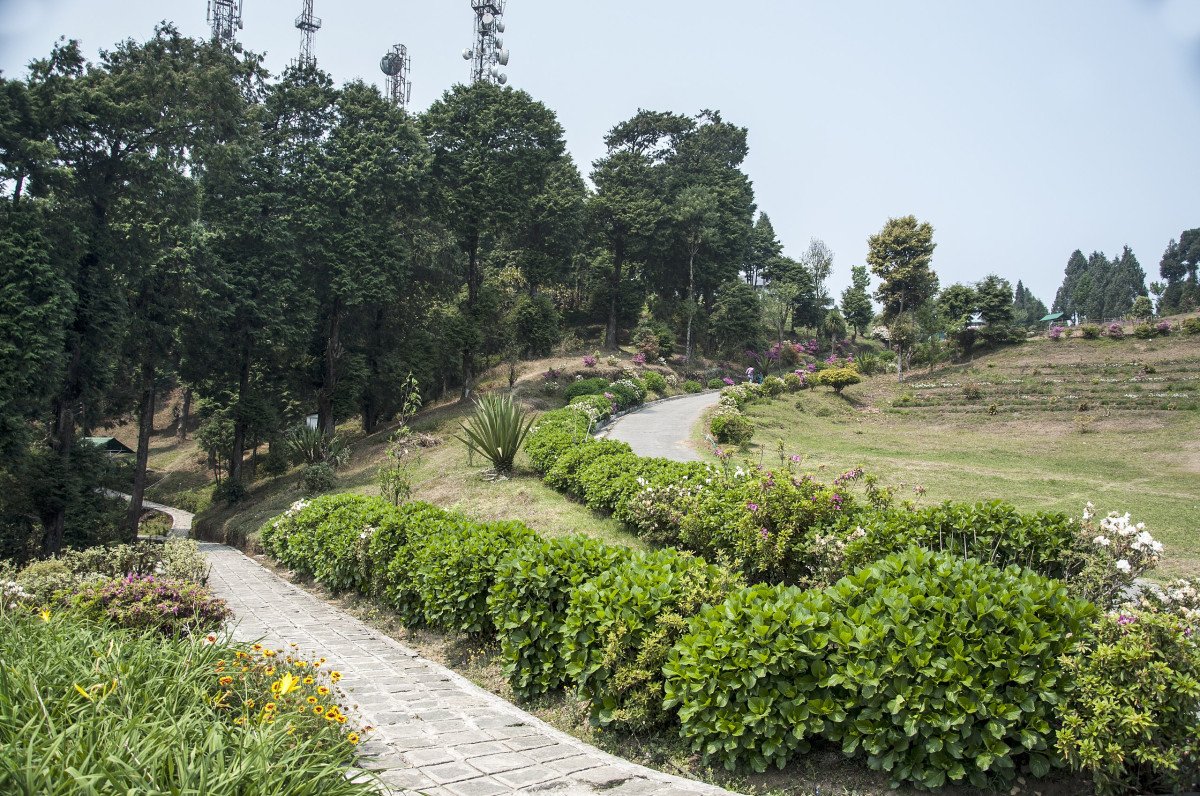
Pine View Nursery: The rows of geometric cacti make for very interesting and unique close-up shots.
Teesta Viewpoint: On the way to Kalimpong, there are spots where you can see the emerald green Teesta river meeting the Rangeet river.
Thongsha Gumpha: This is the oldest monastery and has a very quiet, ancient vibe that looks great in pictures. These spots will ensure your travel album is filled with the magic of the mountains :Photo Gallery


Things To Do
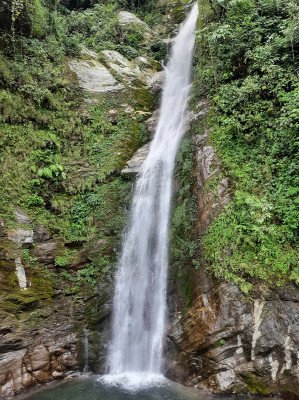 @@Overview: Changey Falls is a spectacular waterfall located near the village of Kolakham, within the Kalimpong district. It is known as the highest altitude waterfall in North Bengal, plunging from a height of about 400 feet. The journey to the falls involves a scenic drive through pine forests followed by a steep 900-foot downhill trek on a well-paved trail. The sound of the gushing water can be heard long before the falls come into view. The area is surrounded by dense greenery and the Neora Valley National Park, offering a pristine natural environment. The water is crystal clear and cold, forming a small pool at the bottom where visitors can relax. The mist from the falls creates a cooling effect even during the summer months. It is a popular spot for photographers and adventure enthusiasts. The tranquility of the location is interrupted only by the roar of the water and the songs of forest birds. It is often visited as part of a circuit including Lava and Loleygaon.
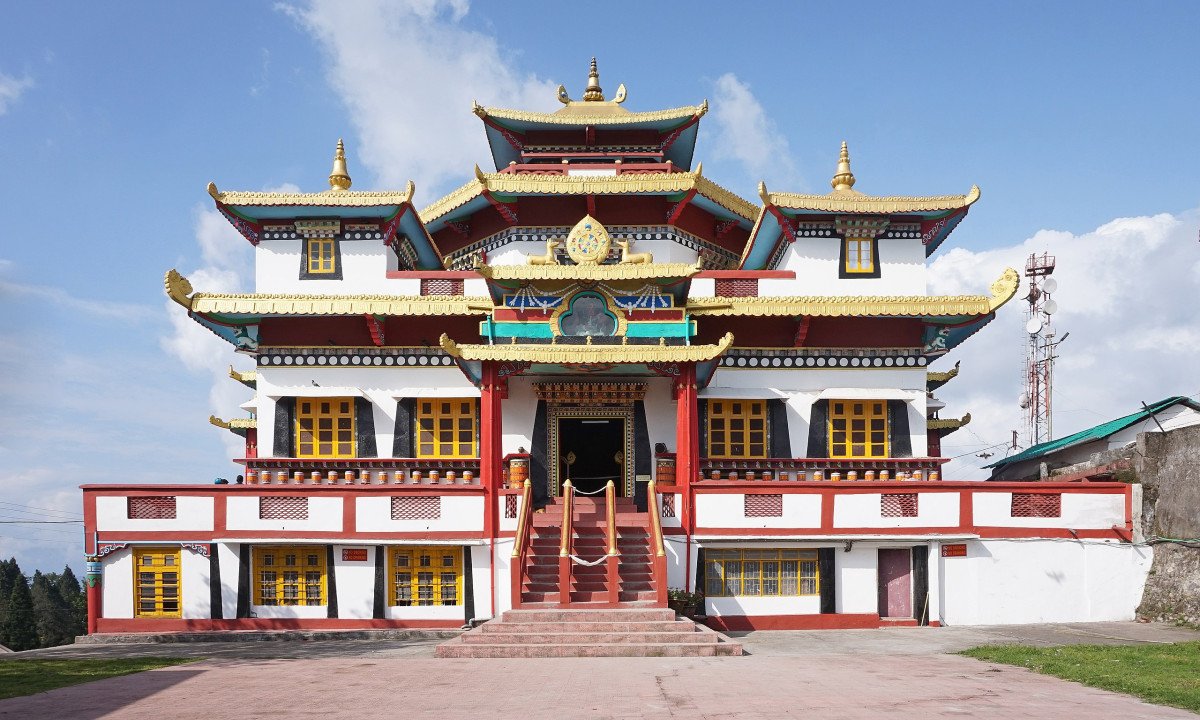
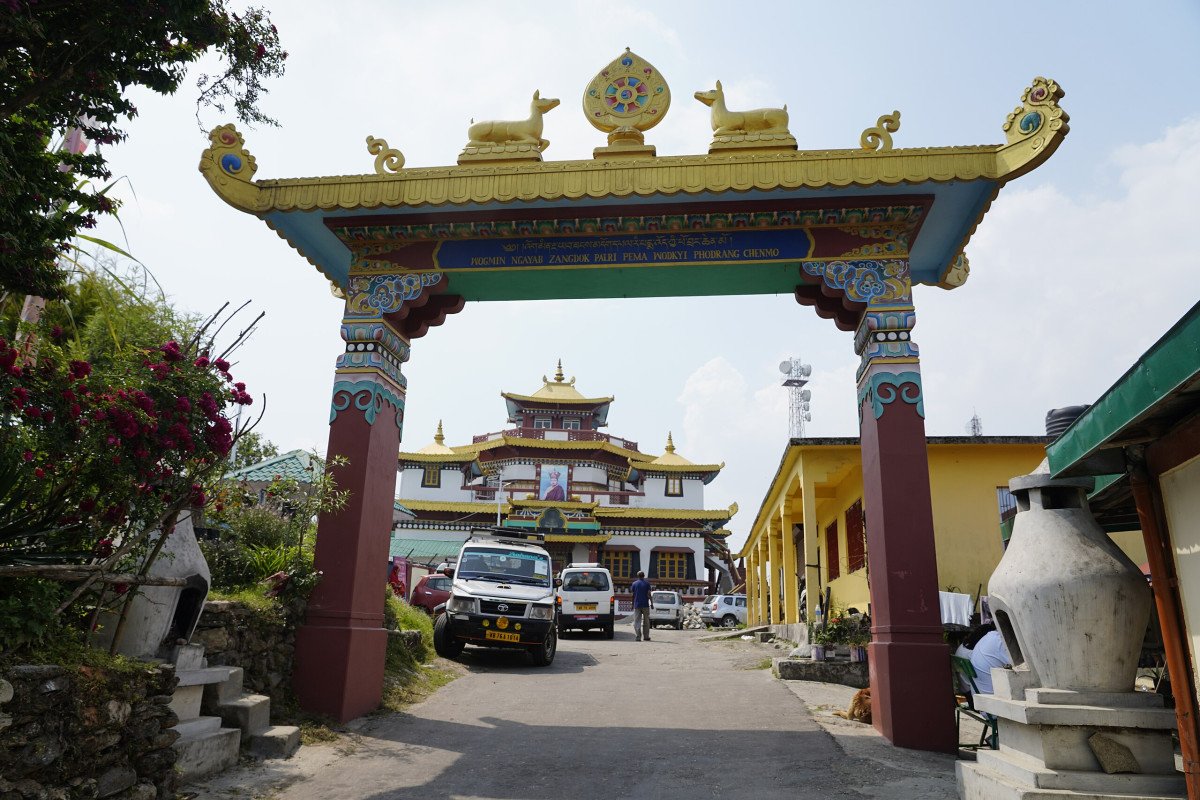
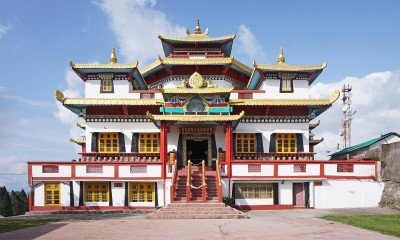 The Zong Dog Palri Fo Brang Monastery, frequently called Durpin Monastery due to its dramatic location on Durpin Dara Hill, holds immense spiritual weight and is a cornerstone of Kalimpong's identity. Its Tibetan name translates to "The Palace of the Complete Assembly of the Land of the Victorious Peak," a testament to its significance. The monastery was inaugurated and consecrated by His Holiness the 14th Dalai Lama in 1976, a pivotal event that instantly established it as a major pilgrimage and spiritual center for the Gelug school of Tibetan Buddhism in exile. The site is famous not just for its breathtaking panoramic views which encompass the majestic Kanchenjunga range, the winding Teesta and Reang Rivers, and the entire Kalimpong valley but more profoundly for its spiritual contents. The monastery is the proud custodian of the complete set of 108 volumes of the Kanjur, which are the sacred texts containing the collected words, teachings, and discourses of Lord Buddha. These volumes are housed in specially designed, ornately carved cabinets within the main prayer hall (Gompa). The vibrant atmosphere of the monastery is characterized by the constant, low hum of devotional chanting, the presence of resident monks in their maroon robes, and the rhythmic, silent spinning of the hundreds of prayer wheels that line the courtyard. Visiting this site is a dual experience: one of sublime natural beauty from the highest point near the town, and one of deep cultural and religious immersion, providing a vital connection to Tibetan history and faith, preserved steadfastly in the Indian Himalayas.
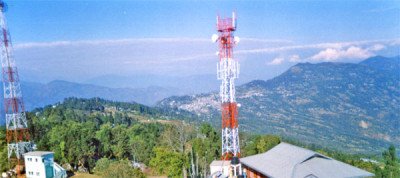 Durpin Dara Hill is one of the two most important vantage points in Kalimpong, offering truly breathtaking, panoramic views that stretch across the entire region. The name Durpin Dara literally translates to "telescope hill" or "binoculars hill" in the local language, a fitting title for a place that grants a magnificent, sweeping perspective. Perched at an altitude of about 1,400 meters (4,590 feet) above sea level, the hill provides an unparalleled 360-degree view of the surrounding landscape. To the north, visitors can clearly see the majestic snow-capped peaks of the Kanchenjunga range, especially stunning on a clear day, making the early morning visit highly rewarding. The hill also offers a unique geographical perspective, allowing you to see the serpentine turns of the Teesta River valley as it snakes down towards the plains, a sight often described as a silver ribbon flowing through green velvet. The strategic location also provides a full view of Kalimpong town itself, allowing one to appreciate the layered architecture of the hill station. At the summit of Durpin Dara lies the famous Zang Dhok Palri Phodang Monastery, which adds a layer of spiritual serenity to the natural beauty. The atmosphere here is typically quiet and crisp, often filled with the gentle ringing of prayer bells from the monastery. Many travelers describe the feeling of standing on the hill as one of sublime peace, where the massive scale of the Himalayas humbles the observer. This hill is crucial for photographers and nature lovers alike, serving as a peaceful retreat away from the central market's hustle. The gentle slopes surrounding the viewpoint are covered in lush greenery, including beautiful orchid and flower nurseries, which contribute to the pleasant mountain aroma. The convergence of spiritual sanctity from the monastery and the raw, overwhelming beauty of the Himalayas makes Durpin Dara Hill a cornerstone of the Kalimpong experience. (Word Count: ~405)
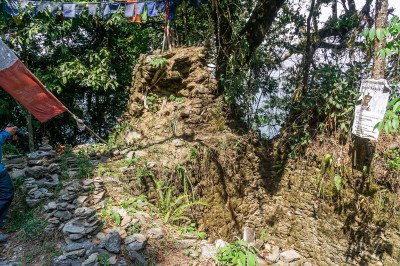 Sillery Gaon is a pristine Himalayan hamlet situated at an altitude of about 6,000 feet. Often called the "New Darjeeling," this village offers a peaceful escape from the urban chaos. It is surrounded by dense pine forests and provides a 180-degree view of the majestic Kanchenjunga. The village was originally home to cinchona plantation workers during the British era. Today, it has evolved into a popular eco-tourism destination where visitors stay in cozy homestays. The atmosphere is filled with the scent of pine and the chirping of exotic Himalayan birds. The name "Sillery" is derived from a local edible green plant that grows abundantly here. Life in the village is simple, rustic, and deeply connected to nature. It serves as a base for several short treks to historical ruins and breathtaking viewpoints. The tranquility of this place makes it a paradise for writers, photographers, and soul-seekers. During the winter, the village looks like a postcard with snow-capped peaks in the background. The hospitality of the local families adds a warm touch to the chilly mountain air. It is a place where time seems to slow down, allowing you to breathe in the purest air.
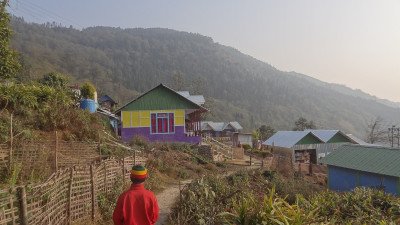 Icchey Gaon, also known as the "Wishing Village", is a pristine organic hamlet nestled at an altitude of 5,800 feet in the Kalimpong hills. This tranquil destination is famous for its panoramic views of the Kanchenjunga range and the deep green forests of pine, birch, and juniper that surround it. The village offers a rustic experience away from the noise of urban life, where the only sounds you hear are the chirping of birds and the rustling of leaves. The local community primarily consists of the Sherpa and Lepcha people, who are known for their exceptional hospitality and sustainable lifestyle. During the day, the majestic snow-capped peaks dominate the horizon, while at night, the twinkling lights of Darjeeling, Ravangla, and Namchi create a magical atmosphere. The climate remains pleasant throughout the year, making it a perfect retreat for nature lovers, honeymooners, and birdwatchers. The village is an eco-tourism hub where visitors can experience authentic mountain life, enjoy home-cooked organic meals, and explore the rich biodiversity of the Icchey Forest. It serves as a gateway to several trekking trails and offbeat spots like Sillery Gaon and Ramitey Dara. The serenity of this place is unmatched, offering a soulful connection with nature that rejuvenates the mind and body. Tourists often spend their time walking through the cinchona plantations or sitting by the homestay balconies to watch the clouds float by.
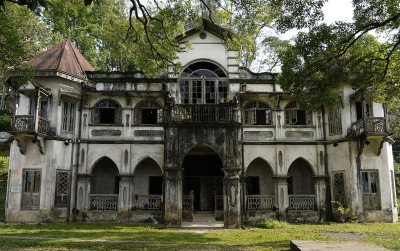 Gauripur House is a place of deep historical and literary significance located on the serene slopes of Kalimpong. This majestic building was once the favorite retreat of the Nobel Laureate Rabindranath Tagore. Between 1938 and 1940, the poet visited this house multiple times to find solace and inspiration in the mountains. It was originally owned by the Zamindars of Gauripur (now in Bangladesh), specifically Brajendrakishore Roy Chowdhury, who gifted it to Tagore. One of the most iconic moments in Indian history occurred here on May 8, 1938, when Tagore celebrated his 78th birthday. On this day, he recited his famous poem "Janmadin" (Birthday) over a live telephone line, which was broadcast by All India Radio to the entire nation. This was the first time a live broadcast of this nature happened from the hills. The house sits in a tranquil area surrounded by tall pine trees and offers a panoramic view of the Himalayas. For any lover of Bengali literature or history, a visit to Gauripur House is like a pilgrimage. Although the building faced years of neglect and fell into a dilapidated state, the West Bengal Government and the PWD have undertaken massive restoration projects to preserve this heritage site. Walking through its premises, one can almost feel the presence of the great poet who spent his final productive years here. The silence of the hills, the rustling of the leaves, and the old-world charm of the architecture create an atmosphere of intense nostalgia. It serves as a reminder of the cultural bond between the hills of Kalimpong and the plains of Bengal. Today, it stands as a protected monument, attracting scholars, students, and tourists who wish to explore the life of Tagore outside the famous Shantiniketan. The renovation aims to turn it into a museum and research center, ensuring that the legacy of the "Bard of Bengal" continues to inspire future generations in the heights of Kalimpong.
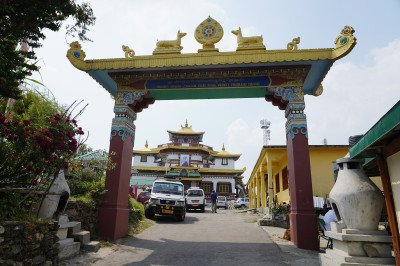 The Zang Dhok Palri Phodang Monastery, often referred to simply as Durpin Monastery because of its location atop Durpin Dara Hill, is one of the most revered Buddhist sites in the region. Its spiritual importance stems from its consecration by the Dalai Lama himself in 1976. This act instantly cemented its status as a major pilgrimage center for the Gelug school of Tibetan Buddhism. The name translates roughly to 'The Victorious Peak' or 'Celestial Palace', a fitting title given its lofty elevation and breathtaking views. Beyond the scenic panorama that encompasses the Kanchenjunga range, the Teesta River, and the Reang Valley, the monastery is a repository of immense cultural value. It houses the complete, sacred set of 108 volumes of the Kanjur, the collected teachings and discourses of Lord Buddha. These scriptures are kept in secure, decorated storage, adding to the spiritual energy of the main prayer hall (Gompa). The monastery complex exudes a palpable sense of peace, characterized by the rhythmic fluttering of thousands of prayer flags (Lung Ta) and the quiet chanting of the resident monks. Visitors come not only for the views but also for a deep, authentic experience of Tibetan culture and devotion. The surrounding area of Durpin Hill is also home to the Army Golf Club, offering a sharp contrast between spiritual quietude and recreational activity nearby. The structure itself, adorned with vibrant colors and intricate artwork, serves as a powerful symbol of the resilience and continuation of Tibetan culture in India. The sheer scale of the landscape visible from here, especially during clear weather in October or November, is a constant reminder of nature's vast majesty and the insignificance of worldly concerns. This combination of sacred history, precious relics, and stunning geography makes it a unique and unforgettable stop.Show All
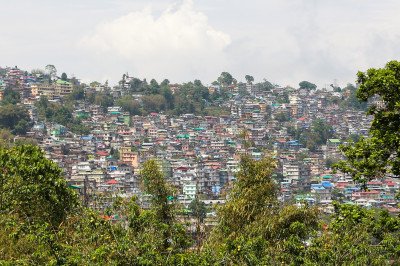 Ramdhura is a mesmerizing hamlet situated at an altitude of 5,500 feet, offering a direct and unobstructed view of the Kanchenjunga. The name is derived from 'Ram' (the Hindu deity) and 'Dhura' (meaning village), and it truly lives up to its heavenly name. Surrounded by a dense forest of pine and oak, the village is often shrouded in mist, giving it a surreal, dreamlike quality. It is a relatively new destination on the tourist map, which means it has retained its quiet charm and untouched natural beauty. The village overlooks the meandering Teesta River on one side and the snowy peaks on the other. It is an ideal weekend getaway for those who want to experience the tranquility of the mountains without the commercial bustle of Kalimpong or Darjeeling. The homestays here are famous for their warm hospitality and traditional Gorkha cuisine. Travelers can spend hours sitting in the pine forests, listening to the wind whistling through the needles, or watching the flickering lights of Kalimpong town across the valley at night. Ramdhura also serves as an excellent base for short treks to Icchey Gaon and Sillery Gaon. The area is rich in birdlife and butterflies, making it a favorite for nature photographers. Whether it is the golden glow of the sunrise on the peaks or the floating clouds entering your room during the monsoon, Ramdhura offers a poetic escape into the lap of the Himalayas.
Hotels
● Mayfair Himalayan Spa Resort
Address: Upper Cart Road, Kalimpong, West Bengal 734301
Distance:
Details: Experience true luxury with a heated outdoor swimming pool overlooking the Himalayas. The resort offers a world-class spa with rejuvenating treatments...
Best Family Holiday Resorts With Swimming Pool
● Morgan House
Address: Morgan House, Durpin Dara, Kalimpong
Distance:
Details: A historic colonial bungalow located atop Durpin Dara hill, offering unparalleled views of the Himalayas and the Teesta Valley. The resort provides a ...
Best Hill Top Nature Resorts In Kalimpong Region
● Kalimpong View Home Stay
Address: Dr. Gramhomes Road, Deolo, Kalimpong
Distance:
Details: Offers a comfortable stay with shared living room facilities, a helpful caretaker, reliable power backup, and a cozy atmosphere for guests to relax. P...
Budget Homestays And Pocket Friendly Hotels
● Mayfair Himalayan Spa Resort
Address: Kalimpong Khasmahal, Kalimpong
Distance:
Details: A luxury heritage resort featuring a spa, swimming pool, gym, and tea boutique. Offers spacious rooms with stunning Kanchenjunga views, a movie theatr...
Couple Friendly Hill Station Resorts
● Zimba Cottage Retreat
Address: Kalimpong Khasmahal, Kalimpong, West Bengal
Distance:
Details: Features a garden, balcony, free private parking, and free WiFi. Offers a cozy room with scenic views. Exceptionally rated for comfort and hosting....
Cozy Wooden Cottages And Eco Lodges
● MAYFAIR Himalayan Spa Resort
Address: Kalimpong Khasmahal, Kalimpong, West Bengal
Distance:
Details: Luxury 5-star resort with a spa, swimming pool, gym, theatre, and tea boutique. Offers upscale dining and panoramic Himalayan views for a premium stay...
Kalimpong-West-Bengal-India
● Summit Sherpa Mountain Hotel
Address: Deolo Hill, Kalimpong, West Bengal
Distance:
Details: Situated atop the famous Deolo Hill, this luxury hotel offers stunning 360-degree views of Mt. Kanchenjunga. The hotel features a multi-cuisine restau...
Luxury Mountain View Resort Hotels In Kalimpong Town
● MAYFAIR Himalayan Spa Resort
Address: Upper Cart Road, Khasmahal, Kalimpong, West Bengal 734301
Distance:
Details: Features a world-class wellness spa, outdoor swimming pool, fitness centre, and lush gardens. The resort offers spacious rooms, some with Kanchenjunga...
Premium Kalimpong Spa Hotels With Kanchenjunga View
● The Elgin Silver Oaks
Address: Kalimpong, West Bengal 734301
Distance:
Details: Heritage property with colonial architecture. Features classic wood-paneled rooms, lush gardens, library, and authentic local/continental cuisine. Loc...
Top Heritage Boutique Hotels Near Delo Hill
● Hotel Kalimpong Park
Address: Near Bus Stand, Kalimpong, West Bengal 734301
Distance:
Details: Convenient transit hotel. Offers clean rooms, 24/7 reception, airport transfer assistance, quick check-in/out, and on-site dining for travelers on the...
Top Rated Transit Hotels Near Kalimpong Bus Stand
Show AllInformation
-
Why Famous:
Why Famous Place: Kalimpong is famous for several reasons that make it a top destination in India.
Orchids and Nurseries: It is known as the "Flower Capital" of the region because of its many nurseries that grow exotic orchids and cacti.Why Famous Place: Kalimpong is famous for several reasons that make it a top destination in India.
Orchids and Nurseries: It is known as the "Flower Capital" of the region because of its many nurseries that grow exotic orchids and cacti.
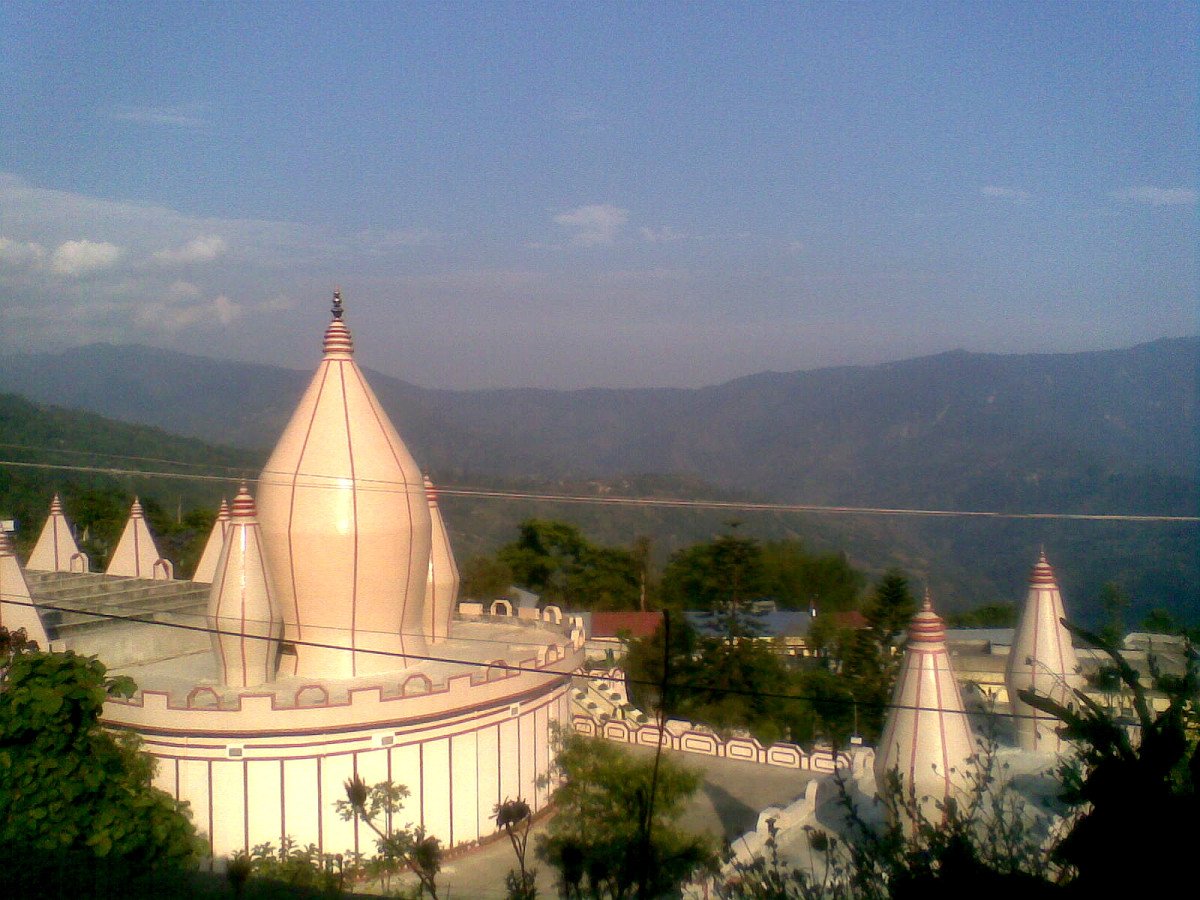
Buddhist Monasteries: The town is a major center for Tibetan Buddhism, housing several ancient and beautiful monasteries.
Adventure Sports: It is one of the best places in East India for paragliding, especially from the top of Deolo Hill.
Colonial History: The presence of old British bungalows and schools gives it a nostalgic charm.
Panoramic Views: On a clear day, the view of the Kanchenjunga mountain from Durpin Dara or Deolo is absolutely breathtaking.
Handicrafts: The town is also famous for its high-quality handmade paper, copperware, and traditional Tibetan masks and clothing. The local Kalimpong Cheese and Lollipops are also very popular among tourists : -
Architecture:
Place Architecture: The architecture of Kalimpong is a unique blend of British Colonial, Tibetan Buddhist, and traditional Himalayan styles.
Colonial Style: The Morgan House is a prime example of British colonial architecture, built with sto...Place Architecture: The architecture of Kalimpong is a unique blend of British Colonial, Tibetan Buddhist, and traditional Himalayan styles.
Colonial Style: The Morgan House is a prime example of British colonial architecture, built with stone and featuring gabled roofs and large fireplaces. It looks like a classic English manor.
Monastery Architecture: The Zang Dhok Palri Phodang monastery follows traditional Tibetan design with bright colors, golden spires, and intricate murals on the walls.
Dimension of Monastery: The main prayer hall is a large structure roughly 60 feet by 40 feet, with three stories that house sacred Buddhist scriptures. Another architectural gem is the Dr. Graham’s Homes school, which features several stone buildings spread across 500 acres, built in the early 20th century. The local churches, like the MacFarlane Memorial Church, show Gothic influences with their tall steeples and stone masonry. The modern homes in Kalimpong often use wooden balconies and sloping tin roofs to deal with the heavy rainfall. This mix of styles gives the town a very charming and historic look that photographers love : -
How To Reach:
Place How to Reach:
By Air: The nearest airport is Bagdogra International Airport, which is about 78 km away. There are regular flights from Kolkata, Delhi, and Bangalore.
By Train: The closest major railway...Place How to Reach:
By Air: The nearest airport is Bagdogra International Airport, which is about 78 km away. There are regular flights from Kolkata, Delhi, and Bangalore.
By Train: The closest major railway stations are New Jalpaiguri (NJP) and Siliguri Junction, about 70 km away. These stations are well-connected to all major cities in India.
By Road: Kalimpong is well-connected by road to Siliguri, Gangtok, and Darjeeling. It takes about 2. 5 to 3 hours to reach from Siliguri. You can take a shared taxi or hire a private car.
By Local Transport: Within the town, shared taxis (mostly Marutis or Sumos) are the most common way to get around. You can also hire a private taxi for a full day of local sightseeing for about Rs.2500 to Rs.3500 : -
Weather and Best Time to Visit:
Place Best Time to Visit:
Spring Season: March to May is the best time for flowers and pleasant weather. Temperatures are mild, making it perfect for walking.
Autumn Season: October to December offers the cl...Place Best Time to Visit:
Spring Season: March to May is the best time for flowers and pleasant weather. Temperatures are mild, making it perfect for walking.
Autumn Season: October to December offers the clearest skies and the best views of the Kanchenjunga peaks.
Winter Season: January and February are cold but good for those who like the chill and fewer crowds.
Monsoon Season: June to September brings heavy rain which can cause landslides, but the waterfalls and forests look beautiful.
Time of Day: Morning before 10:00 AM is best for mountain views.
Evening is great for the local markets and cafes : -
Near Tourist Places:
1. Deolo Hill (4 km), 2. Durpin Dara (3 km), 3. Pine View Nursery (1 km), 4. Morgan House (2 km), 5. Dr. Graham’s Homes (4 km), 6. Lava (32 km), 7. Lolegaon (50 km), 8. Pedong (20 km), 9. Rishyap (28 km), 10. Teesta River (15 km).
Tourism Tips
-
Place Tourism Tips:
Health and Safety: Motion sickness can be an issue on the winding roads, so keep medicine handy. Carry a light jacket even in summer as it can get breezy.
Packing: Pack comfortable walkin...Place Tourism Tips:
Health and Safety: Motion sickness can be an issue on the winding roads, so keep medicine handy. Carry a light jacket even in summer as it can get breezy.
Packing: Pack comfortable walking shoes and an umbrella or raincoat. For winter, bring heavy woolens.
Accommodation: There are many homestays that offer a great experience of local life. Colonial-style hotels like the Morgan House offer a unique stay.
Other Tips: Please maintain silence inside the monasteries. Try to support local artisans by buying authentic handicrafts. Do not litter in the hills. Always carry some cash as small shops and taxis may not accept digital payments. Local people are polite, so a friendly "Namaste" or "Juju-la" goes a long way :
Reviews
FAQs
Kalimpong Itineray And Cost:-
Information about New and Updated Locations() of West Bengal Has Been Added :-
Card subtitle
Note:-
Information provided here in good Faith and for reference only.
Near Places
Bakkhali
Some quick example text to build on the card title and make up the bulk of the card's content.
Go somewhere
Bankura
Some quick example text to build on the card title and make up the bulk of the card's content.
Go somewhere
Bishnupur
Some quick example text to build on the card title and make up the bulk of the card's content.
Go somewhere
Cooch Behar
Some quick example text to build on the card title and make up the bulk of the card's content.
Go somewhere
Darjeeling
Some quick example text to build on the card title and make up the bulk of the card's content.
Go somewhere
Digha
Some quick example text to build on the card title and make up the bulk of the card's content.
Go somewhere
Dooars
Some quick example text to build on the card title and make up the bulk of the card's content.
Go somewhere
Kalimpong
Some quick example text to build on the card title and make up the bulk of the card's content.
Go somewhere
Kolkata
Some quick example text to build on the card title and make up the bulk of the card's content.
Go somewhere
Kurseong
Some quick example text to build on the card title and make up the bulk of the card's content.
Go somewhere
Lataguri
Some quick example text to build on the card title and make up the bulk of the card's content.
Go somewhere
Lava
Some quick example text to build on the card title and make up the bulk of the card's content.
Go somewhere
Lolegaon
Some quick example text to build on the card title and make up the bulk of the card's content.
Go somewhere
Malda City
Some quick example text to build on the card title and make up the bulk of the card's content.
Go somewhere
Mandarmani
Some quick example text to build on the card title and make up the bulk of the card's content.
Go somewhere
Mayapur
Some quick example text to build on the card title and make up the bulk of the card's content.
Go somewherein Other Cities