
Bishnupur
General information
-
Ideal Duration:
2 to 3 DaysPlace Type:
Heritage, Culture, and PilgrimageEntry Fees:
ASI Fees: The Archaeological Survey of India (ASI) charges a nominal fee of approximately INR 25 for Indian citizens and INR 300 for foreign nationals, which covers entry to all major protected monuments like Rasmancha, Jor-Bangla, and Shyamrai Temple. Children below 15 yea...ASI Fees: The Archaeological Survey of India (ASI) charges a nominal fee of approximately INR 25 for Indian citizens and INR 300 for foreign nationals, which covers entry to all major protected monuments like Rasmancha, Jor-Bangla, and Shyamrai Temple. Children below 15 years are usually free.
Photography Charges: While still photography is generally free for personal use, professional video filming requires prior permission and separate fees.Timing:
Standard Hours: Most temples are open from 6:00 AM to 6:00 PM daily.
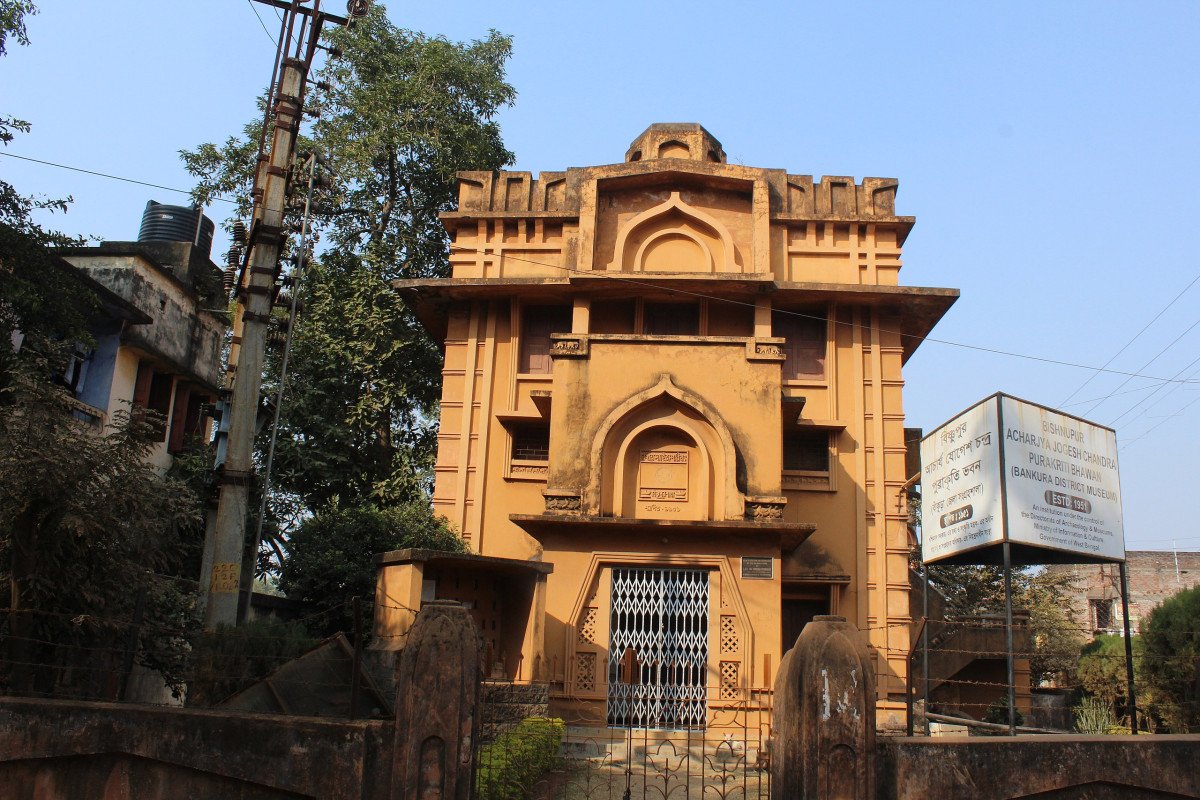
Museum Hours: The local museum is usually open from 10:00 AM to 5:00 PM, except on Mondays and government holidays.
Ideal Visit Time: The ...Standard Hours: Most temples are open from 6:00 AM to 6:00 PM daily.
Museum Hours: The local museum is usually open from 10:00 AM to 5:00 PM, except on Mondays and government holidays.
Ideal Visit Time: The best time to photograph the temples is between 7:00 AM and 10:00 AM for soft morning light.Special Events:
Bishnupur Mela: Held every year in late December, this grand fair showcases the best of local handicrafts, folk music, and traditional dance forms like Chhau, attracting thousands of tourists.
Ras Festival: Celebrated in November, this is a ...Bishnupur Mela: Held every year in late December, this grand fair showcases the best of local handicrafts, folk music, and traditional dance forms like Chhau, attracting thousands of tourists.
Ras Festival: Celebrated in November, this is a spiritual event where the town's history as a Vaishnavite center comes alive with processions and traditional rituals.Best Photo Spots:
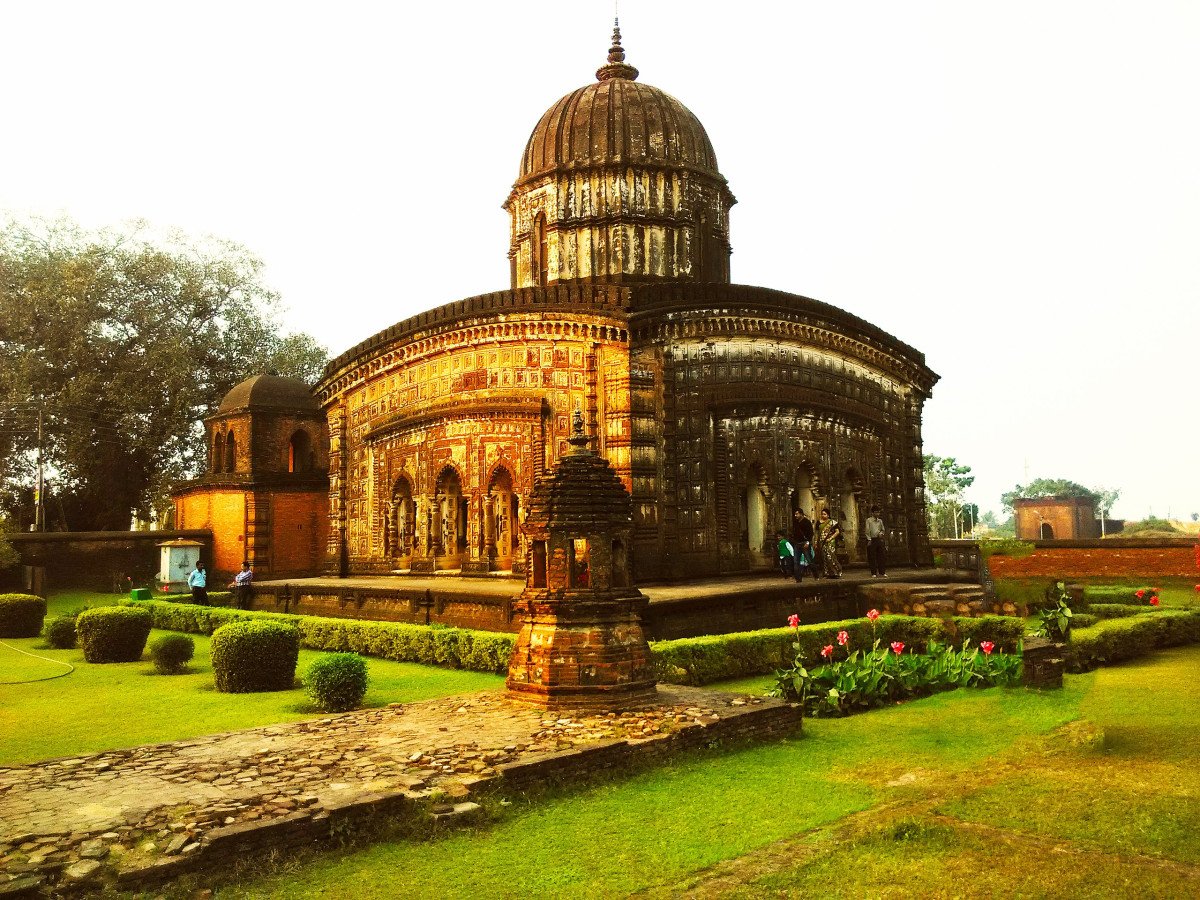
Rasmancha at Sunset: The pyramidal structure against the orange sky creates a silhouette that is iconic to Bengal tourism.
Shyamrai Carvings: Close-up shots of the intricate wall panels depicting the Krishna Leela are essential for any trave...Rasmancha at Sunset: The pyramidal structure against the orange sky creates a silhouette that is iconic to Bengal tourism.
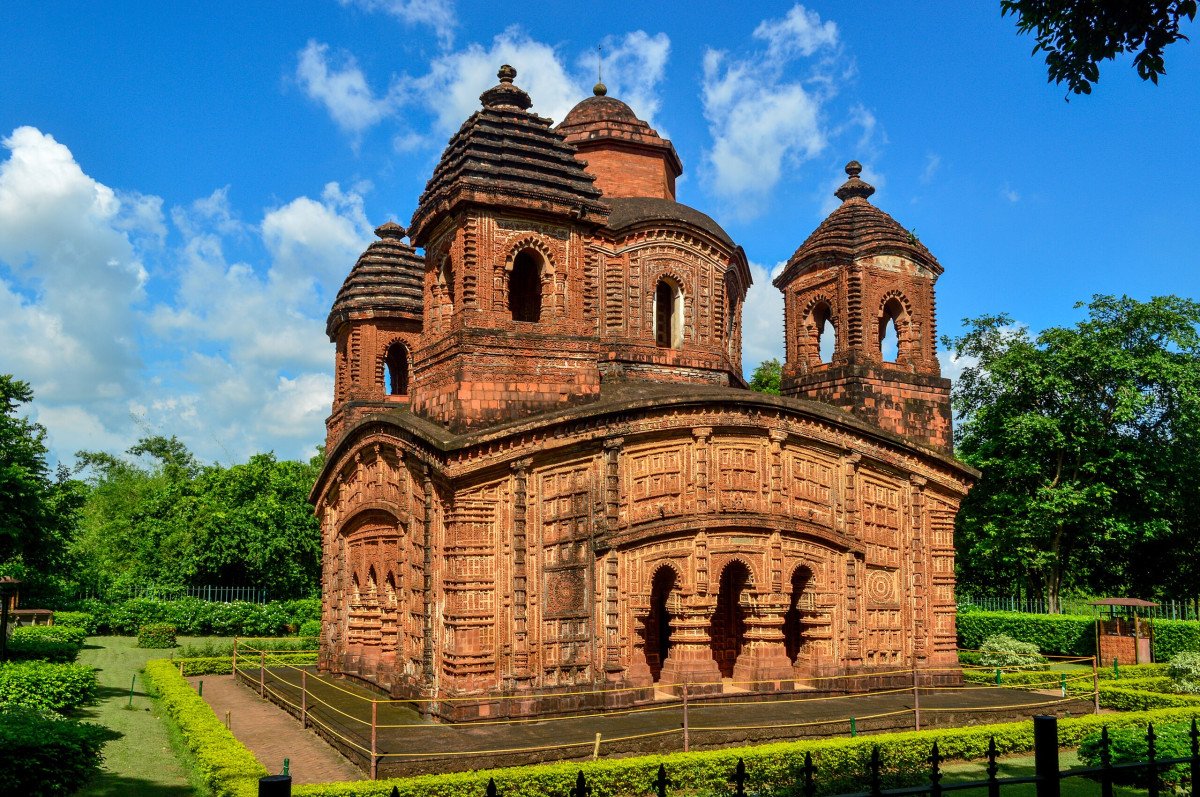
Shyamrai Carvings: Close-up shots of the intricate wall panels depicting the Krishna Leela are essential for any travel album.
Lalbandh Lake: The reflections of the surrounding greenery in the water during early morning or late afternoon offer serene landscape photography opportunities.Photo Gallery





Things To Do
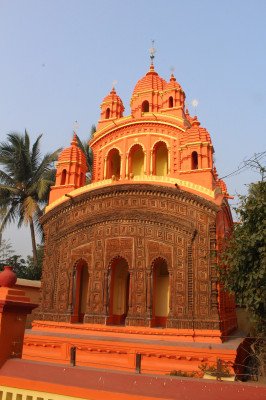 The **Sridhara Temple** is a unique and lesser-known gem among the famous terracotta temples of **Bishnupur**. Built in the 19th century by the **Basu Family**, this temple stands out due to its distinctive **Pancha-bingshatiratna** style, which translates to "twenty-five pinnacles" or peaks. While some sources refer to it as **Nava-Ratna** (nine spires), the original design featured 25 spires, a testament to the ambitious vision of its builders. The temple is dedicated to **Lord Vishnu**, worshipped in the form of **Sridhar** or **Shaligram**. The temple's exterior and interior are a canvas of exquisite terracotta work, with intricate carvings and sculptures that narrate tales from Hindu epics like the **Ramayana** and the **Mahabharata**. The detailed panels showcase a variety of themes, including deities, mythological figures, and scenes of daily life, offering a fascinating glimpse into the artistic and cultural heritage of the Malla dynasty period. Despite being a later addition to the town's temple landscape, its architectural grandeur and detailed craftsmanship make it a significant historical and religious site. The temple's serene and less-crowded atmosphere provides a tranquil space for visitors to appreciate the artistry and spiritual ambiance.
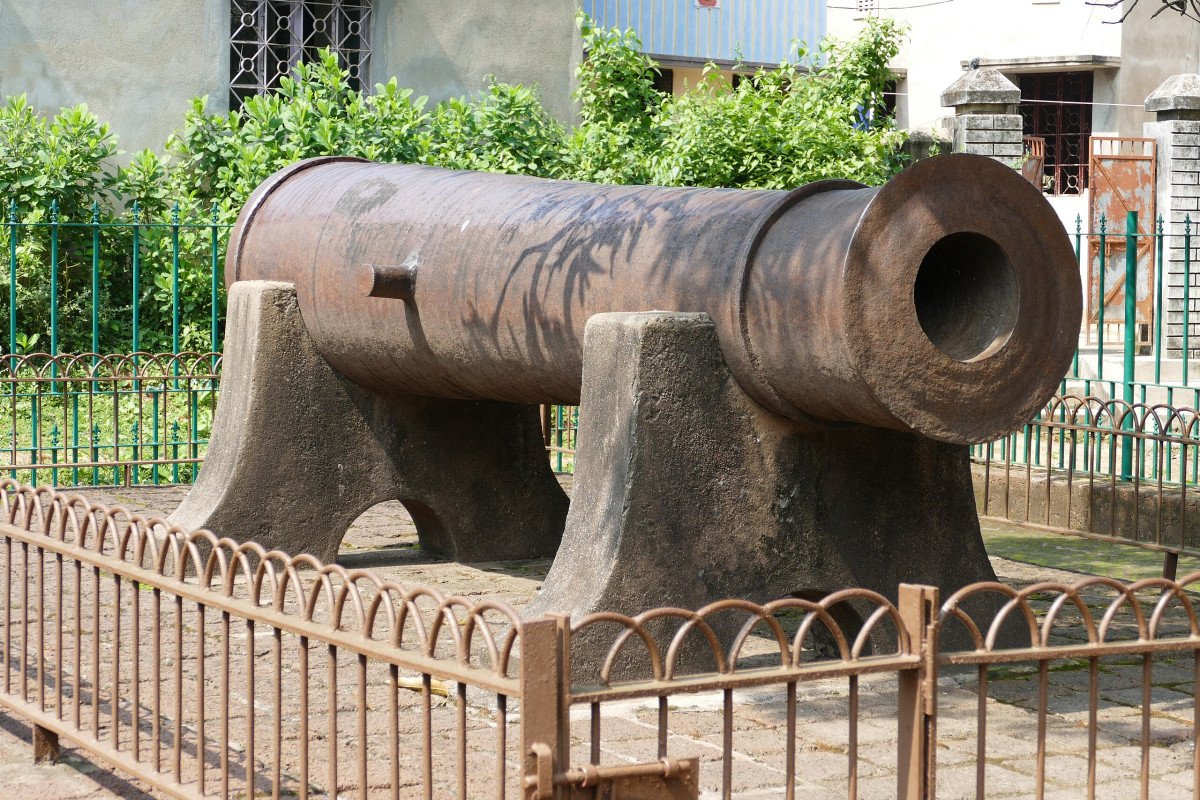
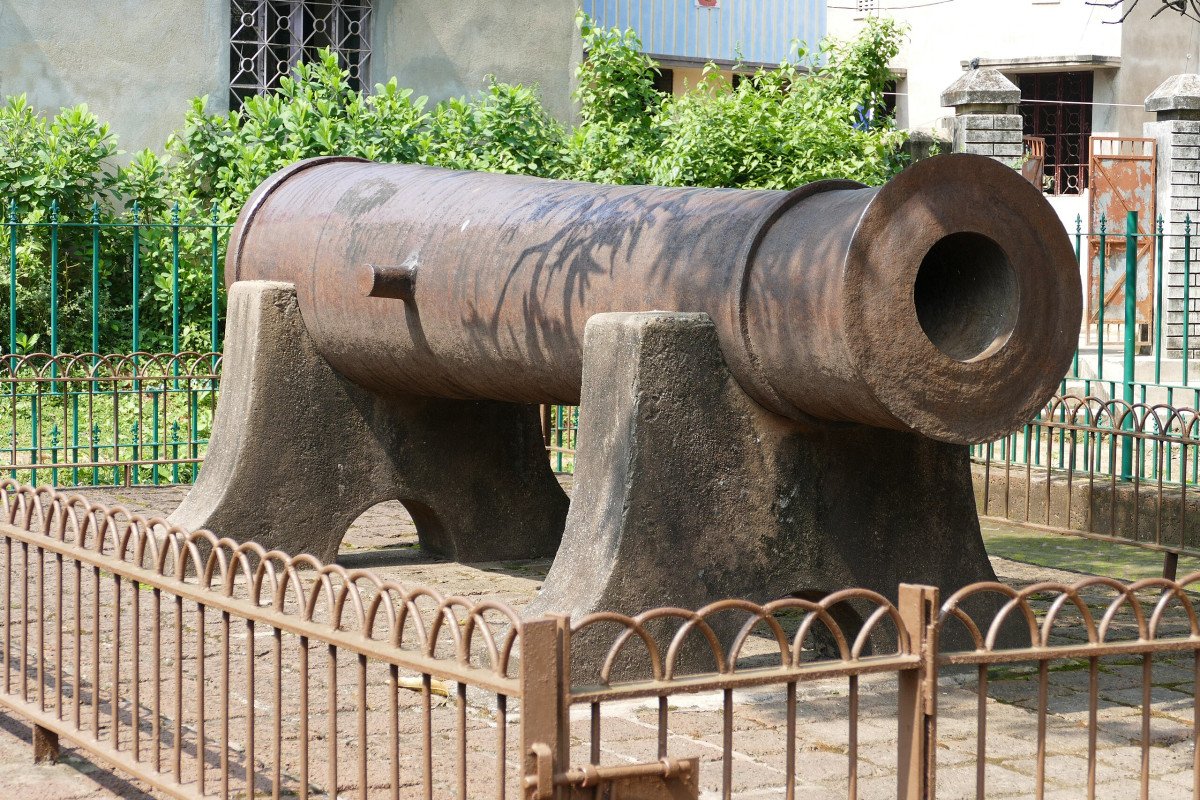
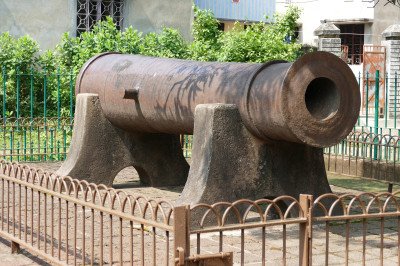 The **Dalmadal Cannon**, also known as the **Dal Madal Kaman**, is a massive historical cannon located in **Bishnupur**, **Bankura** district, **West Bengal**, **India**. Its name, **Dalmadal**, literally translates to "destroyer of the enemy," reflecting its crucial role in the military defense of the **Mallabhum** kingdom. It was forged in **1742 CE** under the command of **Malla King Gopal Singha** to protect the capital, **Bishnupur**, from the invading **Maratha** forces led by **Bhaskar Rao**. The cannon is a symbol of the Malla dynasty's martial power and their successful resistance against invaders. A popular local legend dramatically enhances its fame, claiming that when the Malla army was on the verge of defeat, the family deity, **Lord Madan Mohan**, miraculously appeared and fired the cannon himself, routing the Maratha army. This story deeply embeds the cannon in the local religious and cultural lore of **Bishnupur**. Forged by the local master blacksmith, **Jagannath Karmakar**, it is a remarkable example of indigenous iron casting and metallurgy of the 18th century. Today, the cannon stands proudly on a raised masonry platform, protected by the Archaeological Survey of **India** (ASI), attracting historians, military enthusiasts, and tourists who are fascinated by its size, history, and the myths surrounding it. It is one of the key non-temple historical attractions in the town, providing a glimpse into the defensive strategies of the Malla kings.
 Kamarpukur is a major pilgrimage center as it is the birthplace of the great 19th-century saint Sri Ramakrishna Paramhansa. Once a quiet, unassuming village, it has now become a global spiritual hub maintained by the Ramakrishna Math and Mission. The center of attraction is the white marble temple built on the exact spot where the saint was born in 1836. The village still retains much of its pastoral charm, with the ancestral thatched huts of the Chattopadhyay family being meticulously preserved. Visitors can see the "husking machine" shed where Gadadhar (the saint's childhood name) was born and the mango tree he planted. The atmosphere is one of profound silence and devotion, attracting thousands who seek spiritual solace. Nearby, the Haldarpukur tank and various small temples like the Yogi’s Shiva Temple tell stories of the Master’s divine childhood. The mission also runs various philanthropic activities here, including schools and dispensaries, embodying the saint’s philosophy of "Service to man is service to God."
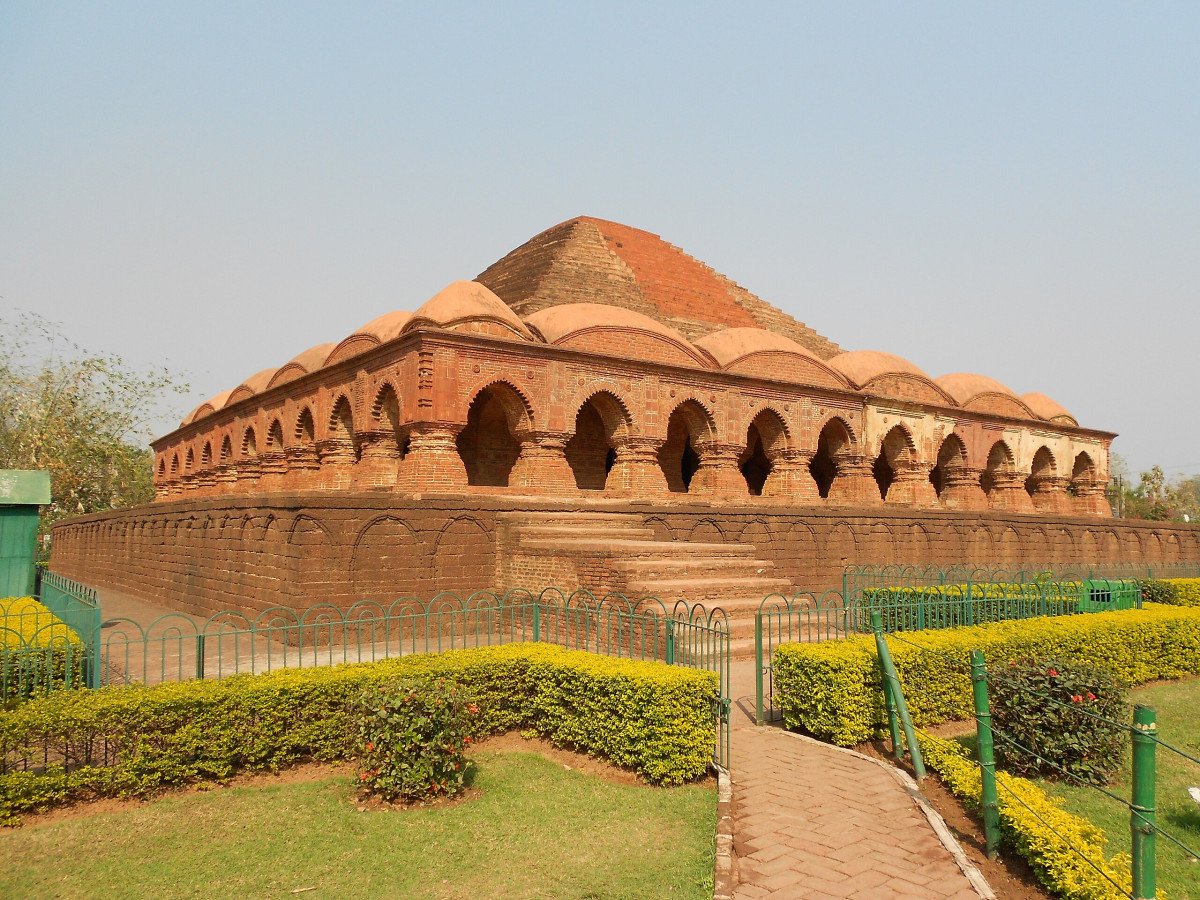
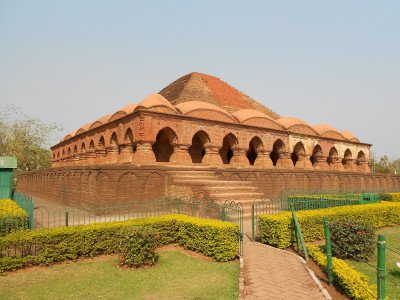 The **Rasmancha** is arguably the most distinct and historically significant monument in **Bishnupur**, setting the stage for the towns rich architectural landscape. Commissioned in **1600 CE** by the devout **Malla** King **Bir Hambir**, it is heralded as the oldest surviving brick structure in the entire region of **Bengal** and stands out due to its unique pyramidal form. Unlike typical temples that permanently house a single deity, the **Rasmancha** was built with a singular, ceremonial purpose: to act as the grand pavilion for the annual **Vaishnava Ras Utsav** festival. During this important festival, all the Radha-Krishna idols from the numerous small and large temples across the **Mallabhum** kingdom would be ceremoniously brought here and exhibited to the common public for mass viewing and worship. This practice continued until **1932**, giving the structure profound religious and communal importance for centuries. Architecturally, the **Rasmancha** represents a fascinating blend of different styles, a characteristic often found in the artistic expressions patronized by the **Malla** dynasty. Its massive, square laterite stone plinth provides a sturdy base for the soaring structure above. The main hall is enclosed by three successive circumambulatory galleries, a feature that allowed the large crowds of devotees to view and walk around the displayed deities. These galleries are adorned with a remarkable series of arched openings, many of which are cusped and decorated with intricate terracotta lotus motifs, a feature that borrows from contemporary Islamic architectural patterns but is beautifully assimilated into the local style. The roof is the monument's most striking element: a colossal, stepped pyramidal superstructure that gives it an unparalleled, almost Egyptian, silhouette. This impressive form, surrounded by smaller, hut-shaped turretsmimicking the *chala* style of traditional Bengali village hutsshowcases a brilliant structural ingenuity. The material used is mainly laterite stone for the plinth and foundation, with burnt clay bricks, or terracotta, forming the upper structure and decorative elements. Although the festival is no longer held here, the **Rasmancha** remains a majestic symbol of **Bishnupur**s historical and religious glory, perfectly maintained today by the Archaeological Survey of **India** (ASI). The play of light and shadow through its numerous arches during sunrise and sunset is a visual masterpiece, encapsulating the spirit of this historic town.
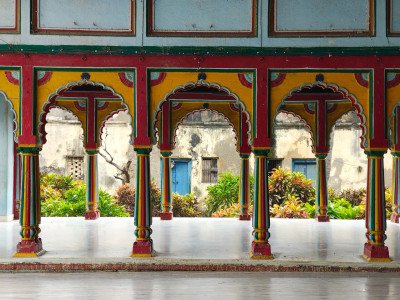 The Bishnupur Rajbari, or the Royal Palace, was once the heart of the Mallabhum kingdom. Today, it stands mostly in ruins, but it still evokes the grandeur of a bygone era. The Malla kings, who ruled for over a millennium, shifted their capital to Bishnupur in the 10th Century. The palace complex was once a sprawling area consisting of administrative blocks, residential quarters, and temples. The most notable surviving part of the palace area is the Hawa Mahal, a multi-storied structure used by the royals to enjoy the cool breeze during the hot summer months. The palace was surrounded by high laterite walls and a series of moats (Bandhs) that provided a natural cooling system and defense. Historically, the Rajbari was the center of the Bishnupur Gharana of music and various arts. While the main residential buildings have succumbed to time, the foundations and some arched structures remain. Local legends speak of hidden tunnels connecting the palace to various temples and the Dalmadal Kaman. The site is a poignant reminder of the fragility of power. Walking through the ruins, one can find fragmented terracotta decorations and sturdy laterite pillars. The palace grounds are also home to some smaller shrines that were used for private worship by the royal family. The Bishnupur Rajbari is a must-visit for those who want to understand the lifestyle of the Malla kings beyond their religious contributions. The site is currently under the care of the descendants of the royal family and the Archaeological Survey of India. It provides a stark contrast to the well-preserved temples nearby, offering a more raw and authentic historical experience. The overgrown vegetation and the weathered stones create a melancholic yet beautiful atmosphere that attracts history buffs and photographers alike.
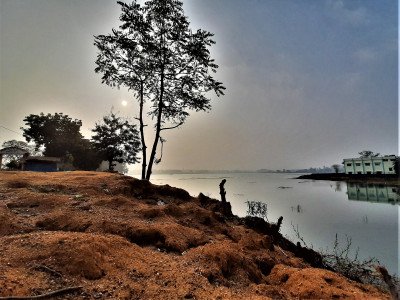 The lakes, or "bandhs," of **Bishnupur** are an integral part of the town's history and geography. The **Pokabandh Lake** is one of the largest and most significant of these man-made reservoirs. The Malla kings constructed these lakes to serve as a strategic source of water for the city, particularly for the fort and its residents. Beyond their utilitarian purpose, these lakes also played a vital role in the town's ecosystem and aesthetics, serving as scenic spots for leisure and recreation. **Pokabandh Lake** is a tranquil oasis amidst the bustling town, surrounded by lush greenery and offering a peaceful retreat. The serene waters reflect the surrounding landscape and the temples, creating a picturesque setting. The lake is a testament to the Malla rulers' foresight in urban planning and their understanding of the importance of water management for a sustainable city. Today, it remains a favorite spot for locals and tourists alike, providing a quiet space for relaxation and enjoyment of nature.
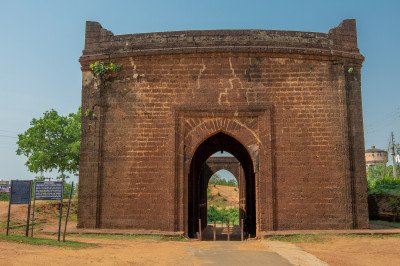 The **Pathar Darwaja** (Stone Gateway), also officially known as the **Garh Darwaja**, is one of the most imposing non-religious monuments in **Bishnupur**. It served as the crucial **northern entrance** to the formidable citadel, or **Fort (Garh)**, of the **Malla Kings**. This massive arched gateway, built entirely of durable **laterite stone** blocks, stands as a stark reminder that **Bishnupur** was not just a religious center but also a strategic military capital (**Mallabhum**). Its construction is attributed to the powerful Malla King, **Bir Singha Dev**, in the second half of the **17th century** (circa **1670 CE**), a time when the kingdom was still strong but beginning to feel the military pressures from external forces. Unlike the terracotta temples which are rich in fine carving, the **Pathar Darwaja** is purely utilitarian and defensive. Its power is conveyed through its sheer scale, robust material, and design features tailored for military defense. The central arched passage is flanked by double-storeyed chambers, designed to house troops and guards. These chambers are fitted with narrow slits**arrow slits**from which archers and gunmen could fire upon approaching enemies while remaining protected. It is a symbol of the Malla King's engineering prowess in utilizing the locally abundant, reddish laterite stone for massive, enduring constructions, serving as a tangible link between the peaceful piety of the temples and the martial power of the kingdom.Show All
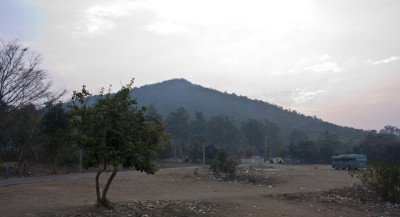 Susunia Hills is a magnificent natural and archaeological site located in the Bankura district, reaching an elevation of approximately 1,200 feet. It is part of the Eastern Ghats and is significantly older than the Himalayas, offering a landscape characterized by red soil, lush green forests of Sal and Palash, and the gentle Gandheswari River flowing at its base. The hill is a treasure trove for archaeologists and paleontologists, as fossils of extinct species like the Asiatic Lion, Giraffe, and Hyena have been discovered here. Historically, it was the seat of King Chandravarman in the 4th century AD, who built a fort on its summit, though only traces of it remain today. The most significant historical feature is the Susunia Lipi, the oldest rock inscription in West Bengal, which dates back to the Gupta period and features a prominent wheel (Chakra) with flaming edges. This inscription records the transfer of a village to the "wielder of the wheel," Lord Vishnu. Beyond its history, Susunia is a hub for nature lovers and adventurers. The slopes are covered with medicinal plants and diverse flora, making it a "natural sanctuary" that glows with fiery orange Palash flowers during the spring. The hill is famous for its perennial spring, known as Dhara, where water flows through a stone-carved gargoyle near the Narasimha temple at the foothills. This water is believed to have medicinal properties and remains cool throughout the year. The local village at the base is home to traditional stone carvers who have kept the ancient art of stone chiseling alive for generations, creating intricate idols and household items from local stone. The hill's rugged terrain makes it a premier destination for rock climbing and trekking in West Bengal, with several mountaineering clubs using it as a training ground. For spiritual seekers, the Narasimha temple offers a unique glimpse into tribal-influenced religious practices, featuring a monolith idol that differs from traditional Puranic descriptions. Susunia serves as a perfect weekend getaway, blending the serenity of nature with the echoes of a 1,600-year-old civilization.
Hotels
● Hotel Annapurna
Address: Professors Colony, Bishnupur, West Bengal
Distance:
Details: Offers a garden, terrace, restaurant, and bar. Provides room service, 24-hour front desk, free WiFi, and is highly rated for its food quality and loca...
Best Hotels In Bishnupur
● Hotel Annapurna
Address: Professors Colony, Bishnupur, West Bengal
Distance:
Details: Well-rated 3.5-star hotel offering quality food, modern rooms, garden, terrace, bar, and 24-hour reception, ideal for families and business travelers....
Best Place To Stay In Bishnupur
● Hotel Annapurna
Address: Dalmadal Para, Bishnupur, West Bengal
Distance:
Details: WiFi, Swimming pool, Free Breakfast, Restaurant, Room Service, 24-hour Front Desk...
Budget Hotels
● Bishnupur Tourist Lodge
Address: Bishnupur, Bankura, West Bengal 722122
Distance:
Details: Parking, Restaurant, Power Backup...
Budget Hotels In Bishnupur
● Bishnupur River Side Resort
Address: Subhas Pally, Chakdaha, Bishnupur, West Bengal 722122
Distance:
Details: Swimming pool, Restaurant, Banquet facilities, Pet Friendly, Parking, WiFi, Backup generator...
Family Resorts
● Bishnupur Tourist Lodge
Address: Bishnupur, Bankura, West Bengal 722122
Distance:
Details: Parking, Restaurant, Power Backup...
Family Resorts In Bishnupur
● Hotel Annapurna
Address: Professors Colony, Bishnupur, West Bengal 722122
Distance:
Details: Features a refreshing outdoor swimming pool, an in-house multi-cuisine restaurant, free WiFi, and a 24-hour front desk. The rooms are equipped with AC...
Heritage Hotels In Bishnupur
● Bishnupur Homestay
Address: Near Firebrigade, Bishnupur, West Bengal 722122
Distance:
Details: A cozy, home-like accommodation offering WiFi, a shared kitchen for cooking vegetarian meals, and laundry services. It provides a localized experience...
Homestays In Bishnupur
● Hotel Annapurna
Address: Professors Colony, College Road, Bishnupur, Bankura - 722122
Distance:
Details: Free WiFi, Parking, Restaurant, Swimming Pool, 24-hour room service, Bar, Power backup....
Hotels In Bishnupur With Parking
● Hotel Annapurna
Address: Professors Colony, College Road, Bishnupur, Bankura - 722122
Distance:
Details: Proximity to temples, Restaurant, Pool, Modern rooms, Bar, WiFi....
Hotels Near Bishnupur Terracotta Temples
● Hotel Sonar Bangla Joypur Forest
Address: Joypur Forest, Bishnupur, Bankura, West Bengal
Distance:
Details: Features elegant rooms like Deluxe Twin Bed, Tent House, and Platinum floors. Premium amenities include an Olympic-sized swimming pool, fully equipped...
Luxury Resorts In Bishnupur
● Bishnupur Tourism Property (WBTDCL)
Address: P.O: Bishnupur, Dist.: Bankura, PIN-722122, West Bengal
Distance:
Details: Managed by West Bengal Tourism, this property offers a reliable and comfortable stay. Amenities include an on-site restaurant, air-conditioned rooms, ...
Tourist Lodges In Bishnupur
Show AllInformation
-
Why Famous:
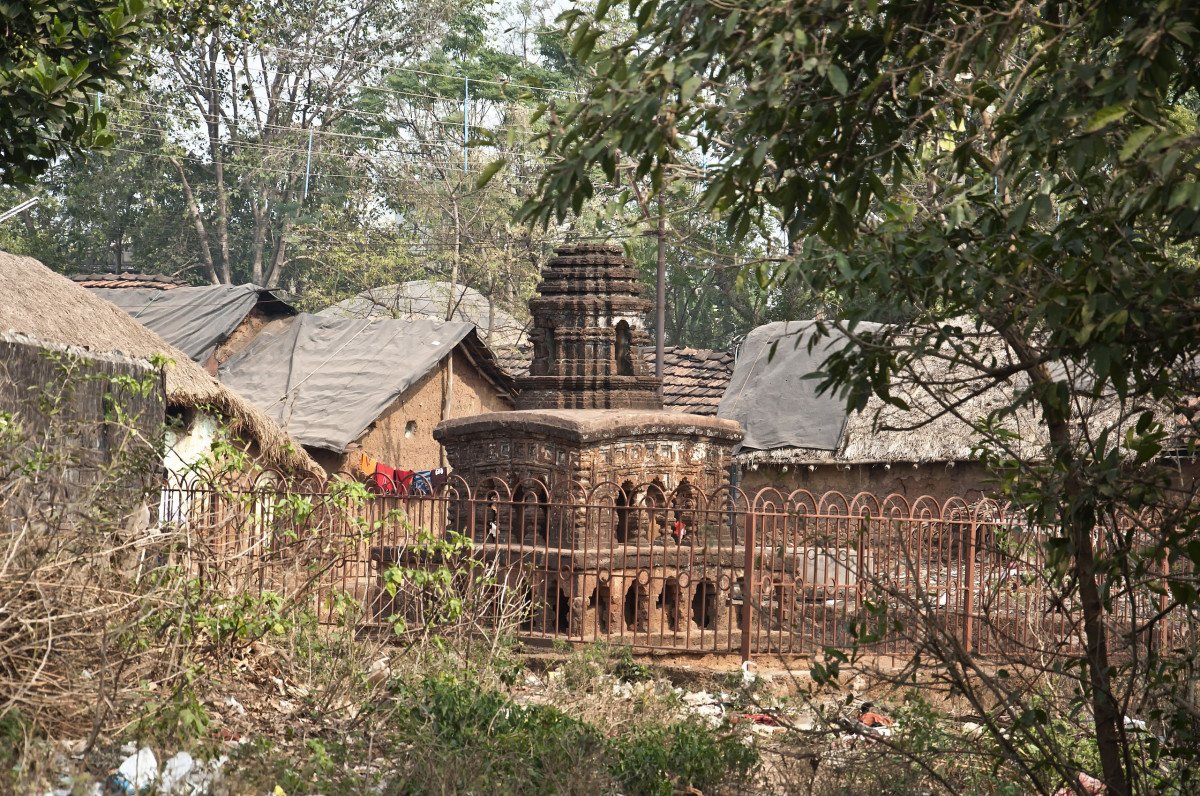
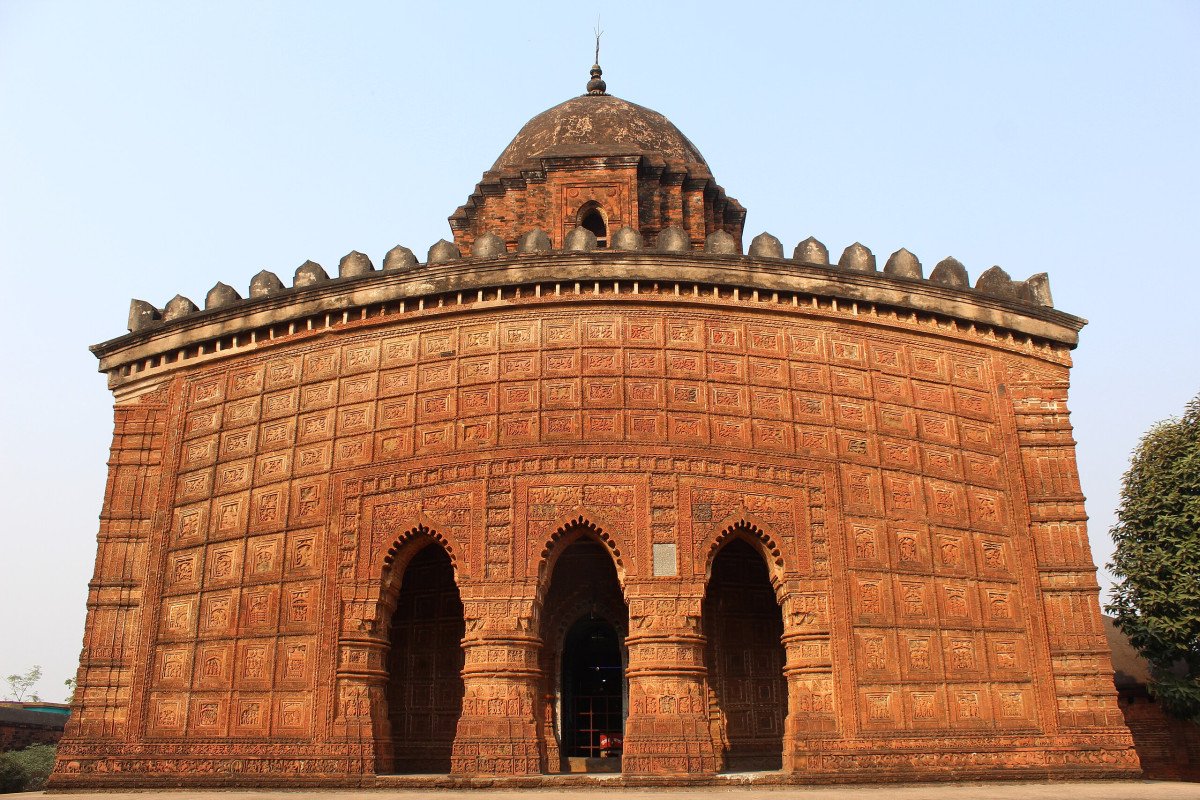
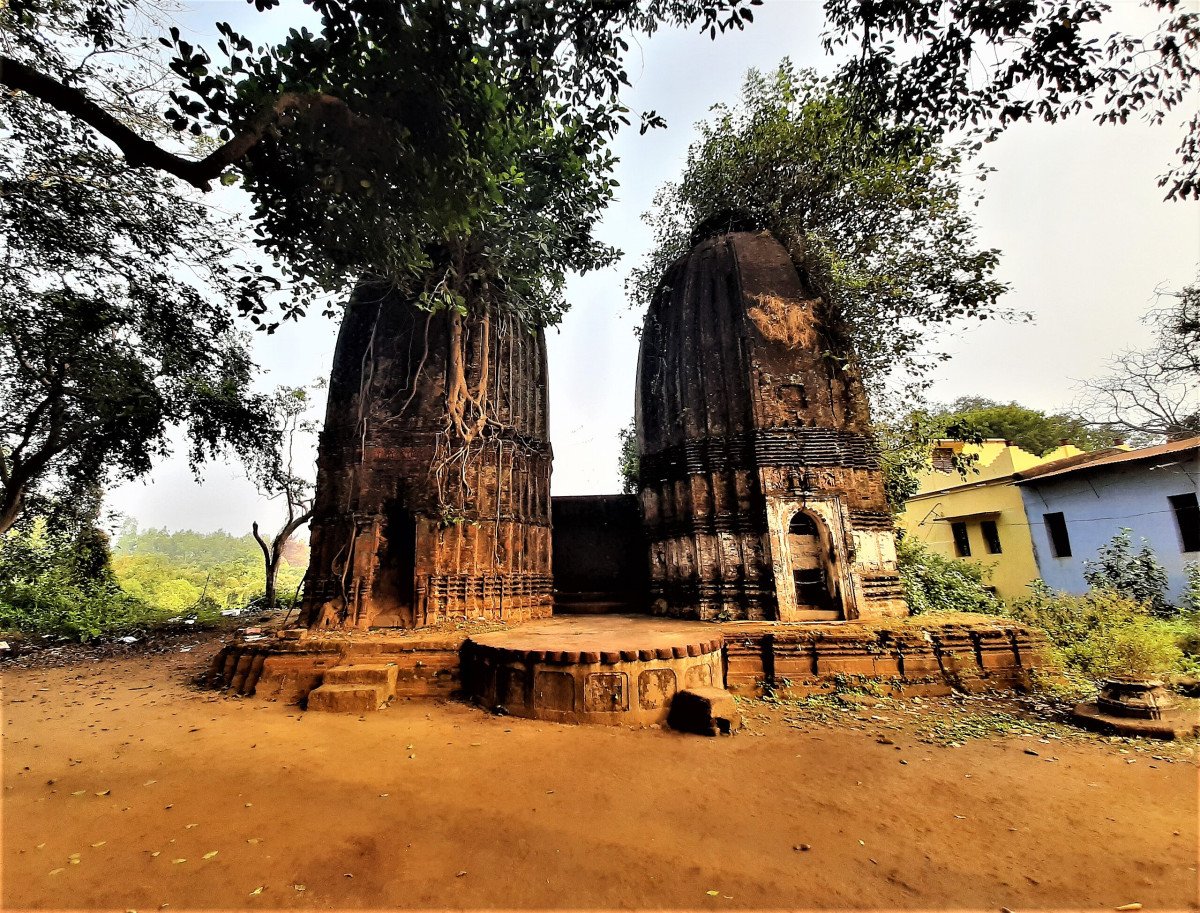
Terracotta Artistry: Bishnupur is world-famous for its terracotta temples which are included in the UNESCO World Heritage tentative list. These temples represent the pinnacle of baked-clay craftsmanship.
Classical Music: The town gave birth...Terracotta Artistry: Bishnupur is world-famous for its terracotta temples which are included in the UNESCO World Heritage tentative list. These temples represent the pinnacle of baked-clay craftsmanship.
Classical Music: The town gave birth to the Bishnupur Gharana, the only school of classical music in Bengal that follows the Dhrupad style, making it a pilgrimage for music enthusiasts.
Handicrafts: It is also the home of the iconic Bankura Horse, a symbol of Indian folk art, and the intricate Baluchari sarees which are recognized with a Geographical Indication (GI) tag. -
Architecture:
Temple Dimensions and Styles: The architecture of Bishnupur is characterized by the unique use of terracotta tiles and the 'Ratna' style. The Rasmancha, the oldest structure built in 1600, features a massive square laterite plinth of 24. 5 meters by 24. 5 meters and stands ...Temple Dimensions and Styles: The architecture of Bishnupur is characterized by the unique use of terracotta tiles and the 'Ratna' style. The Rasmancha, the oldest structure built in 1600, features a massive square laterite plinth of 24. 5 meters by 24. 5 meters and stands 12. 5 meters tall with a unique pyramidal roof.
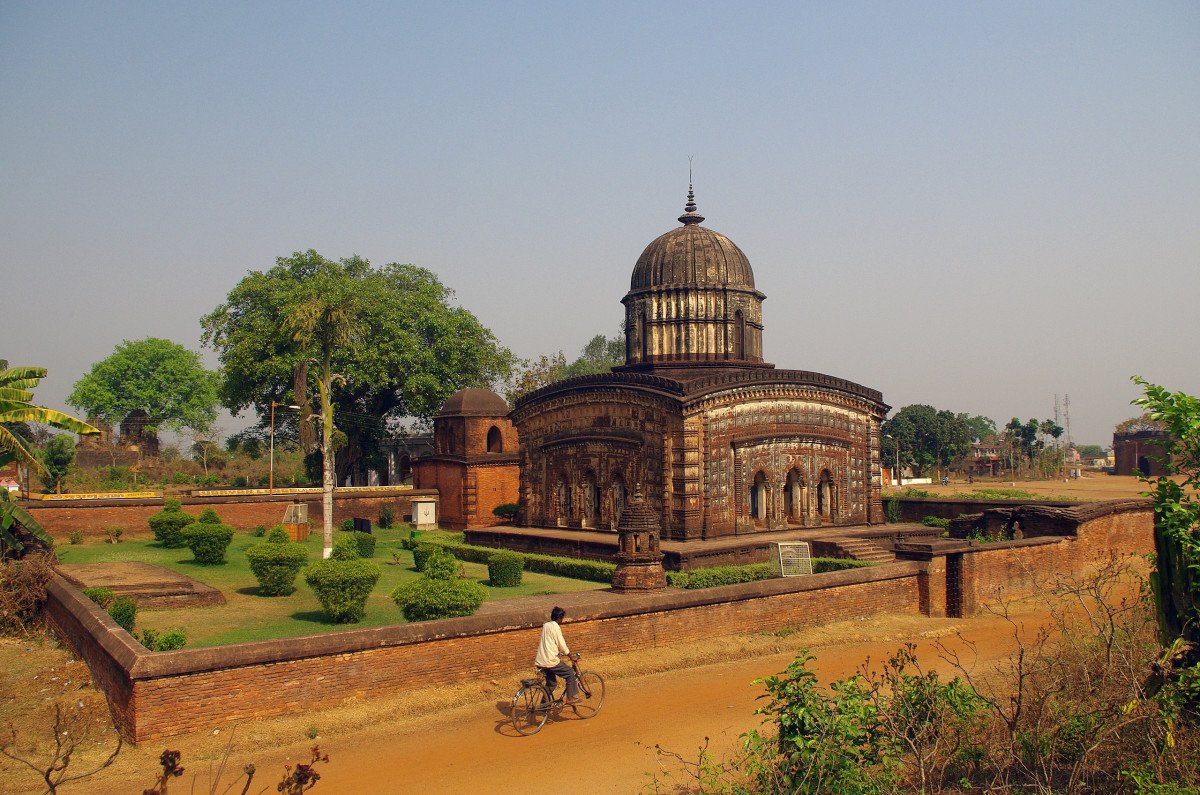
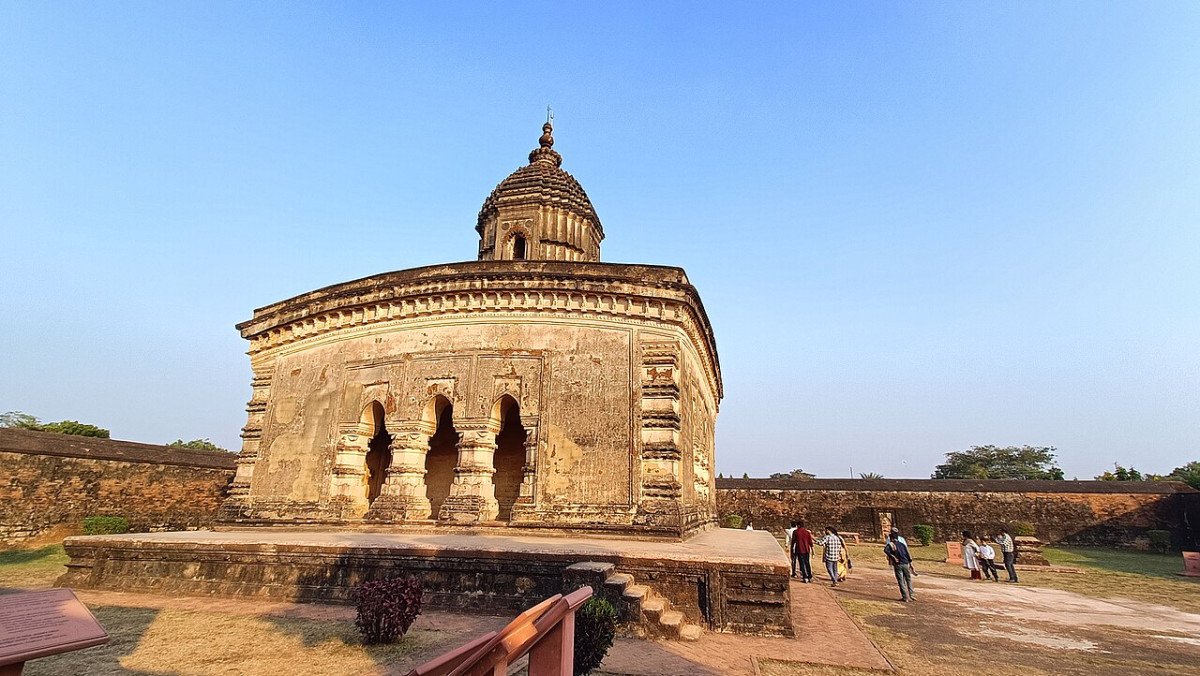
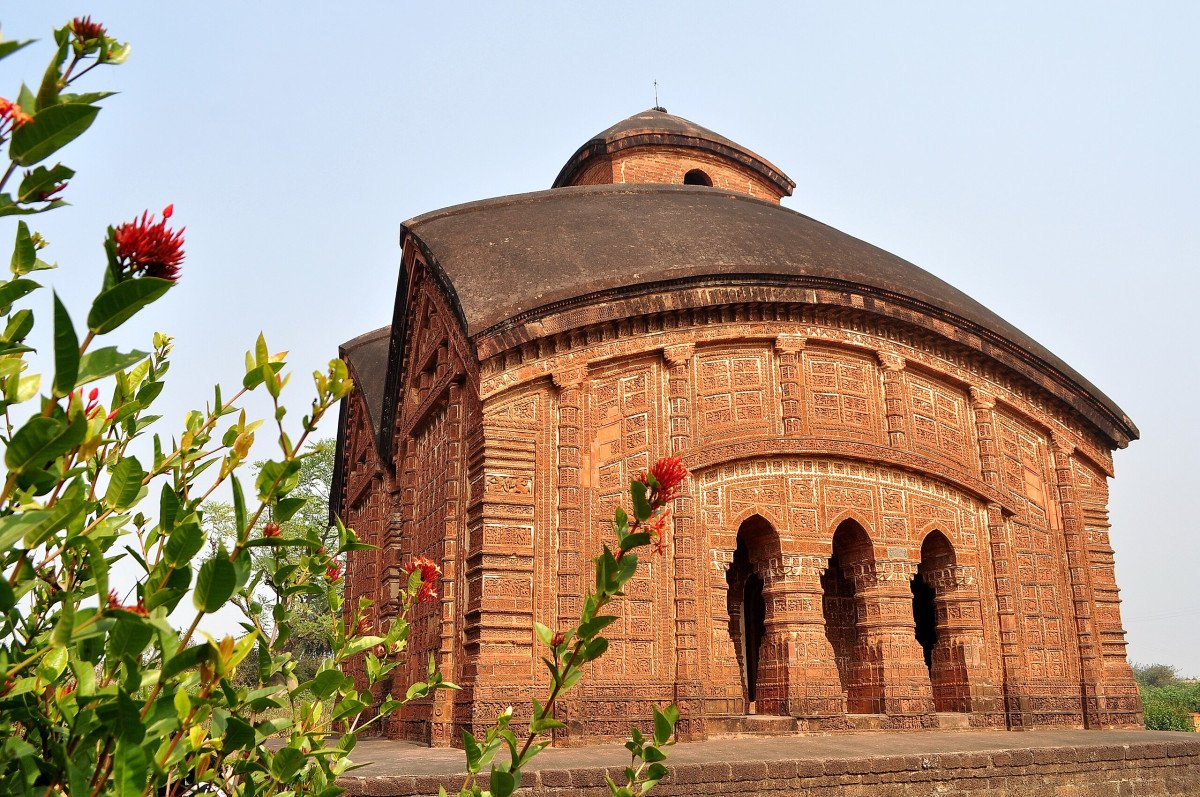
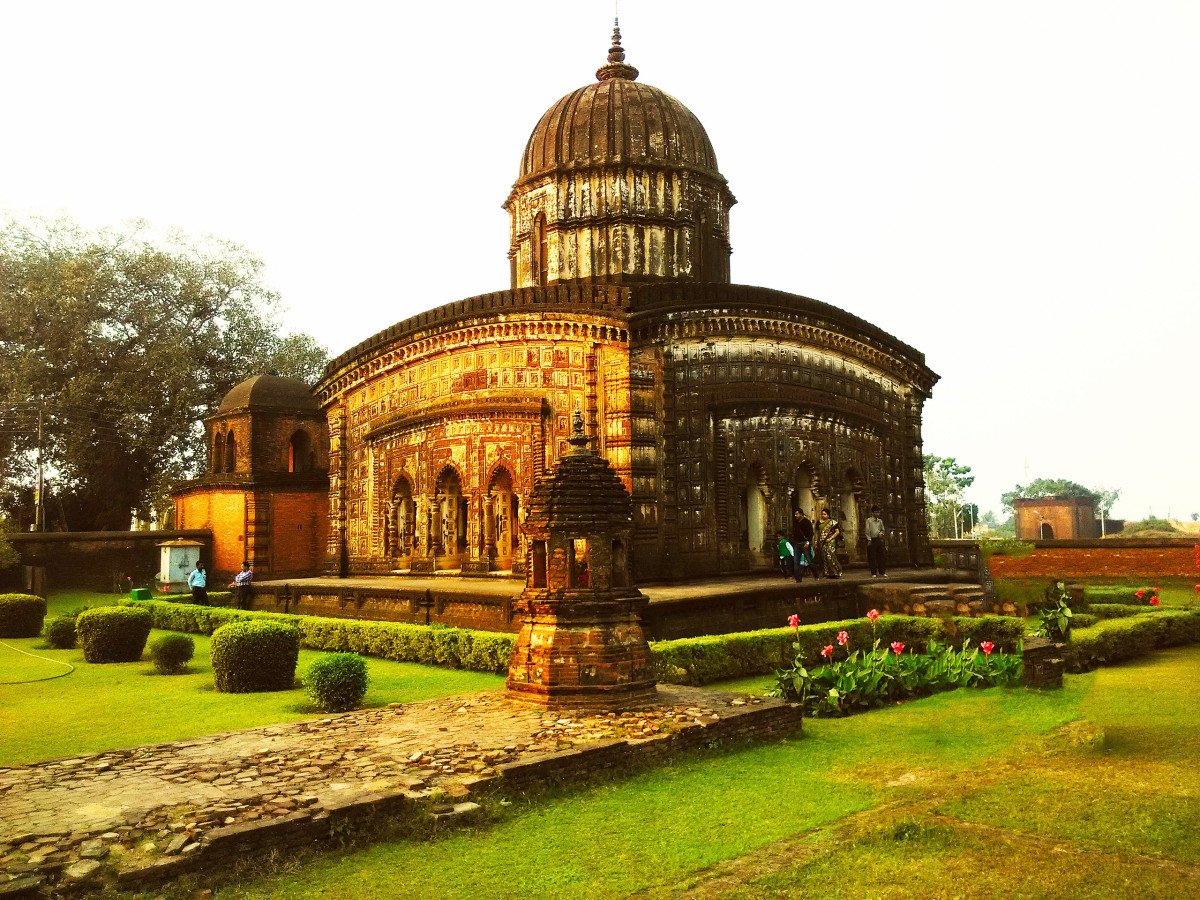
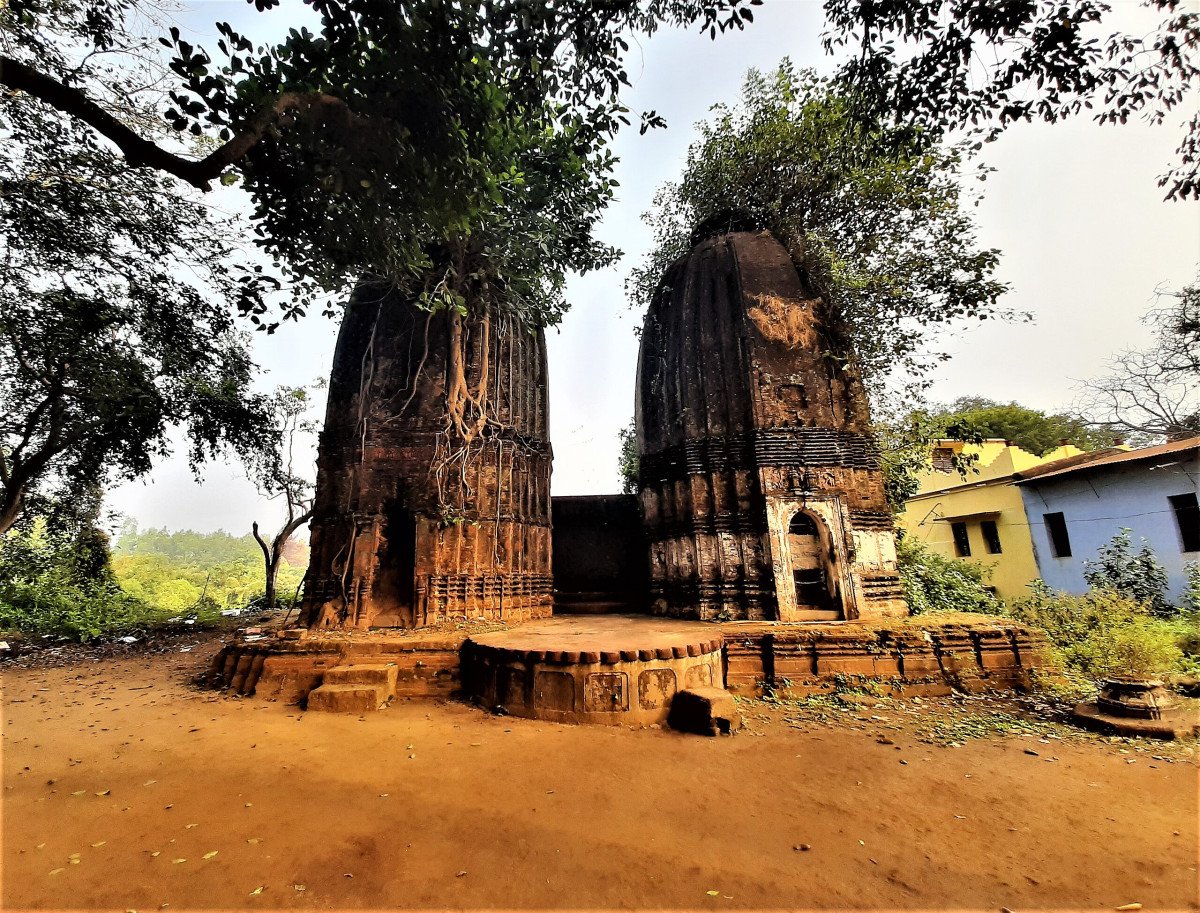
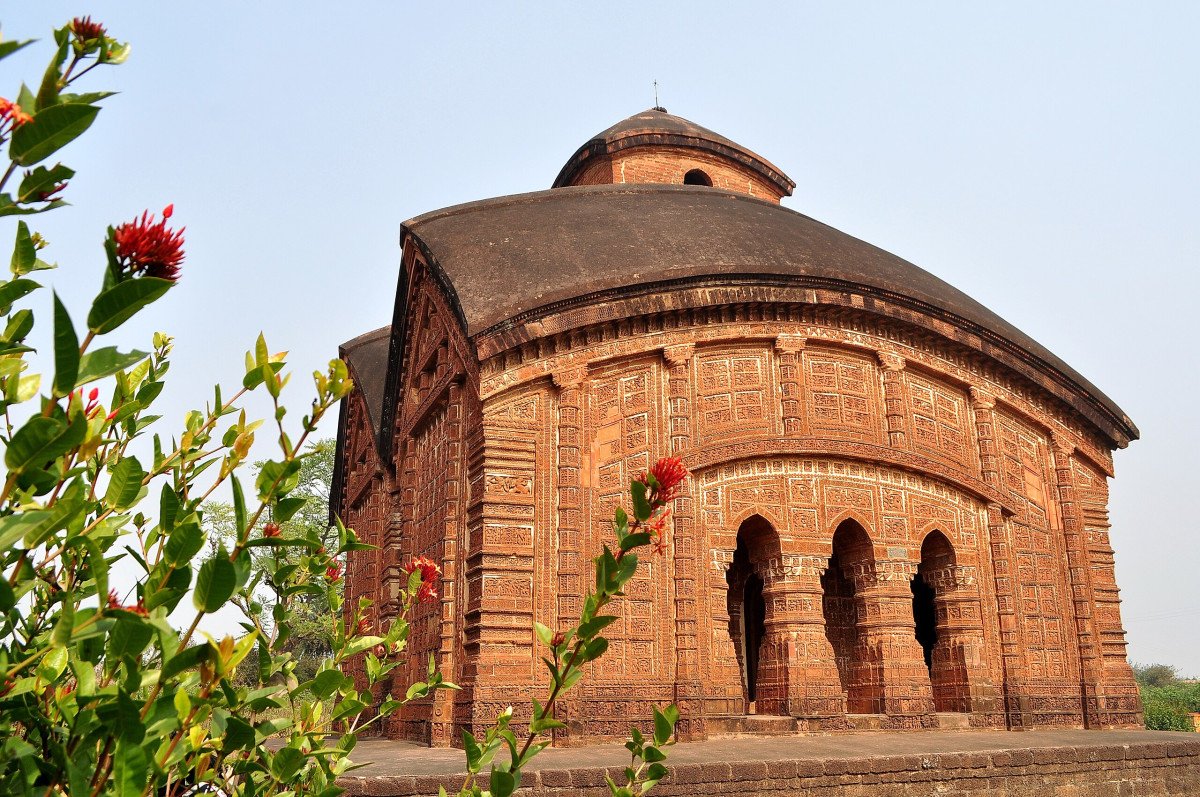
Specific Architectural Styles: The Shyamrai Temple is a classic example of the Pancharatna style, featuring five pinnacles on a square plan, while the Jor-Bangla temple showcases the Do-chala style with two joined hut-like structures measuring approximately 11. 8 meters in length. Most temples stand on raised platforms to protect them from floods. -
How To Reach:
By Air: The nearest major airport is Netaji Subhash Chandra Bose International Airport in Kolkata, located about 145 km away; from there, one can hire a private taxi or take a train.
By Train: Bishnupur is well-connected by rail; the Arany...By Air: The nearest major airport is Netaji Subhash Chandra Bose International Airport in Kolkata, located about 145 km away; from there, one can hire a private taxi or take a train.
By Train: Bishnupur is well-connected by rail; the Aranyak Express and Rupashi Bangla Express depart from Howrah and Santragachi respectively, reaching the town in about 3 to 4 hours.
By Road: It is approximately 140 km from Kolkata via the Arambagh route; the roads are generally in good condition, and state-run buses ply regularly from the Esplanade bus stand.
By Local Transport: Within the town, cycle-rickshaws and e-rickshaws (Totos) are the most convenient way to navigate the narrow lanes and reach different temple clusters. -
Weather and Best Time to Visit:
Winter Season: October to March is the best time to visit as the weather is pleasant with temperatures ranging from 12°C to 25°C, making outdoor sightseeing comfortable.
Summer and Monsoon: April to June can be very hot, while July to Sept...Winter Season: October to March is the best time to visit as the weather is pleasant with temperatures ranging from 12°C to 25°C, making outdoor sightseeing comfortable.
Summer and Monsoon: April to June can be very hot, while July to September brings heavy rains which can make walking between temples difficult.
Daily Schedule: Morning and late afternoon are the best parts of the day for exploring. -
Near Tourist Places:
Bankura (22 km), Joypur Forest (15 km), Mukutmanipur (72 km), Susunia Hill (50 km), Jhilimili (70 km), Panchmura Village (20 km), Gangani (30 km), Kamarpukur (48 km), Jayrambati (43 km), Durgapur (55 km).
Tourism Tips
-
Health and Safety: Carry bottled water as the weather can be dehydrating; there are several local pharmacies but no large multi-specialty hospitals in the immediate vicinity.
Packing: Wear comfortable cotton clothes and walking shoes as tem...Health and Safety: Carry bottled water as the weather can be dehydrating; there are several local pharmacies but no large multi-specialty hospitals in the immediate vicinity.
Packing: Wear comfortable cotton clothes and walking shoes as temple hopping involves significant walking; don't forget a hat and sunscreen.
Accommodation: Stay at the West Bengal Tourism Development Corporation (WBTDC) lodge for a reliable and comfortable experience; there are also several private heritage hotels.
Respecting Traditions: Remember that some temples are still active places of worship; remove footwear where required and dress modestly.
Reviews
FAQs
Bishnupur Itineray And Cost:-
Information about New and Updated Locations() of West Bengal Has Been Added :-
Card subtitle
Note:-
Information provided here in good Faith and for reference only.
Near Places
Bakkhali
Some quick example text to build on the card title and make up the bulk of the card's content.
Go somewhere
Bankura
Some quick example text to build on the card title and make up the bulk of the card's content.
Go somewhere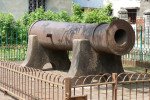
Bishnupur
Some quick example text to build on the card title and make up the bulk of the card's content.
Go somewhere
Cooch Behar
Some quick example text to build on the card title and make up the bulk of the card's content.
Go somewhere
Darjeeling
Some quick example text to build on the card title and make up the bulk of the card's content.
Go somewhere
Digha
Some quick example text to build on the card title and make up the bulk of the card's content.
Go somewhere
Dooars
Some quick example text to build on the card title and make up the bulk of the card's content.
Go somewhere
Kalimpong
Some quick example text to build on the card title and make up the bulk of the card's content.
Go somewhere
Kolkata
Some quick example text to build on the card title and make up the bulk of the card's content.
Go somewhere
Kurseong
Some quick example text to build on the card title and make up the bulk of the card's content.
Go somewhere
Lataguri
Some quick example text to build on the card title and make up the bulk of the card's content.
Go somewhere
Lava
Some quick example text to build on the card title and make up the bulk of the card's content.
Go somewhere
Lolegaon
Some quick example text to build on the card title and make up the bulk of the card's content.
Go somewhere
Malda City
Some quick example text to build on the card title and make up the bulk of the card's content.
Go somewhere
Mandarmani
Some quick example text to build on the card title and make up the bulk of the card's content.
Go somewhere
Mayapur
Some quick example text to build on the card title and make up the bulk of the card's content.
Go somewherein Other Cities