Lava
General information
-
Ideal Duration:
2 to 3 DaysPlace Type:
Hill Station / Spiritual RetreatEntry Fees:
The Lava Monastery has no entry fee, but donations are welcome. Neora Valley National Park has an entry fee of around 100 Rupees per person.
Jeep Charges: A trip to Changey Falls or Rishyap can cost between 1500 to 2000 Rupees for a dedicated vehicle. ...The Lava Monastery has no entry fee, but donations are welcome. Neora Valley National Park has an entry fee of around 100 Rupees per person.
Jeep Charges: A trip to Changey Falls or Rishyap can cost between 1500 to 2000 Rupees for a dedicated vehicle.Timing:
Regular Timings: The monastery is open from 6 AM to 5 PM. The Nature Interpretation Centre is open from 9 AM to 4 PM.
Ideal Visit Time: Early mornings are best for mountain views, while afternoons are perfect for exploring the village and f...Regular Timings: The monastery is open from 6 AM to 5 PM. The Nature Interpretation Centre is open from 9 AM to 4 PM.
Ideal Visit Time: Early mornings are best for mountain views, while afternoons are perfect for exploring the village and forests.Special Events:
Buddhist Festivals: The monastery celebrates various Tibetan festivals with masked dances and special prayers, especially during the Tibetan New Year in February.
Village Fairs: Small local fairs are held during the winter months, showcasing...Buddhist Festivals: The monastery celebrates various Tibetan festivals with masked dances and special prayers, especially during the Tibetan New Year in February.
Village Fairs: Small local fairs are held during the winter months, showcasing local produce and folk arts.Best Photo Spots:
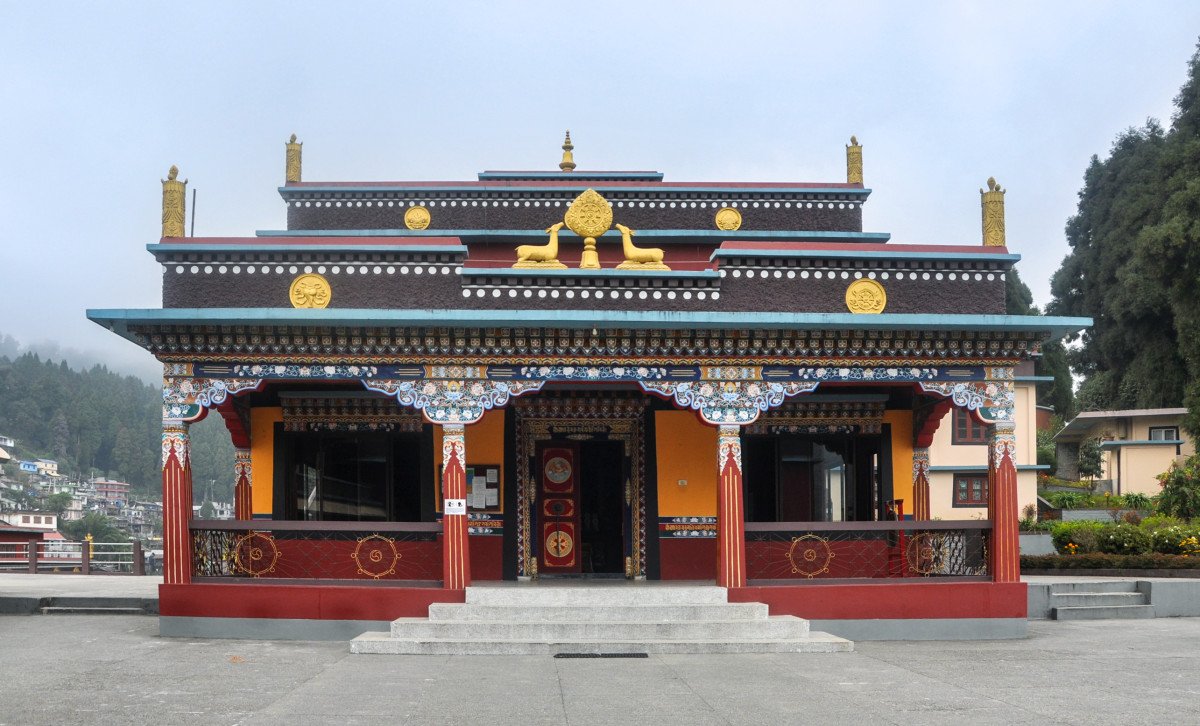
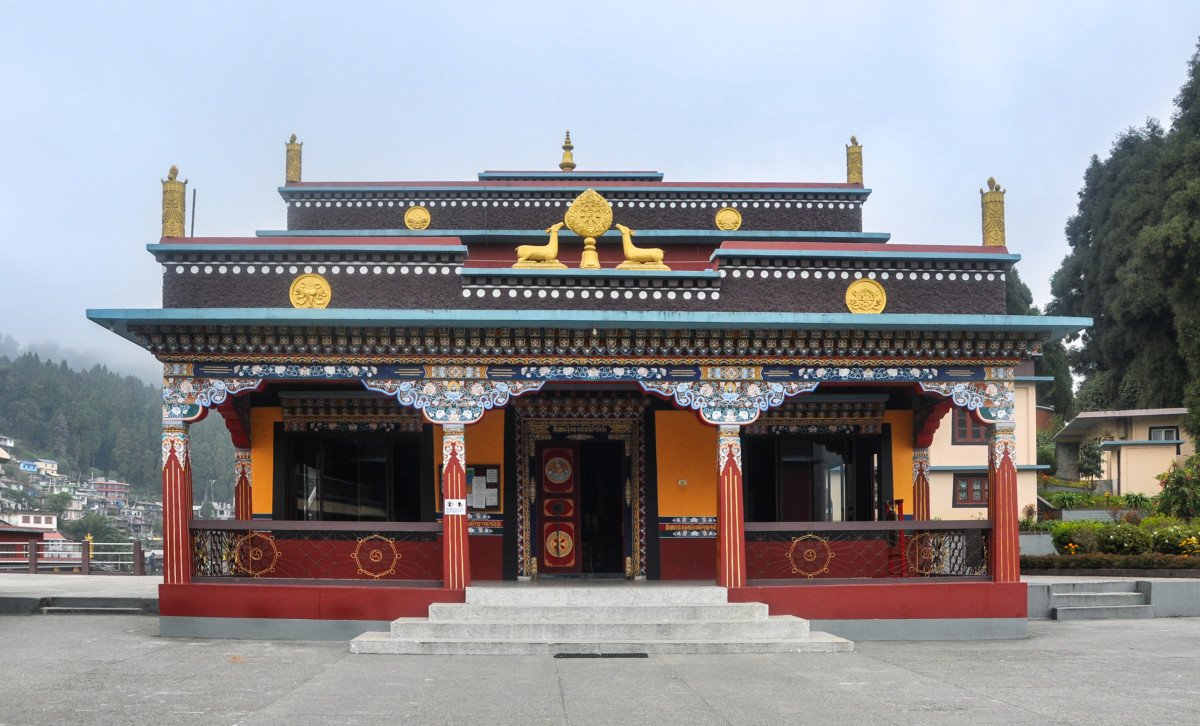
Lava Monastery: The vibrant red architecture against the green hills or blue sky is a perfect shot.
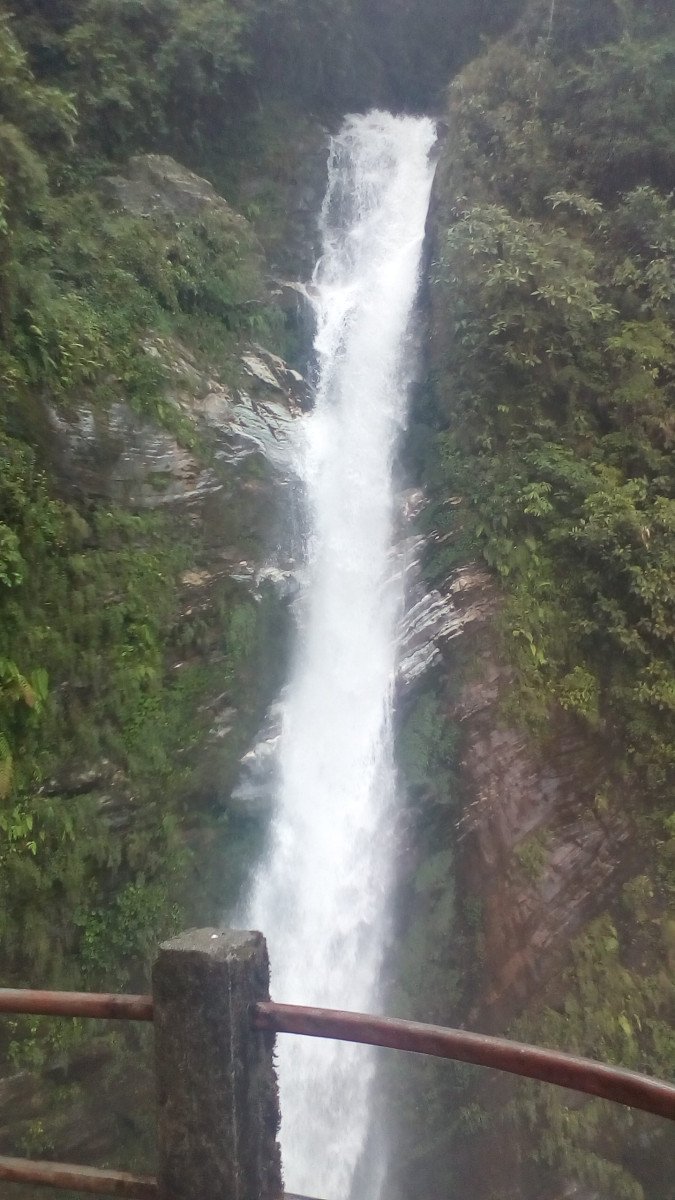
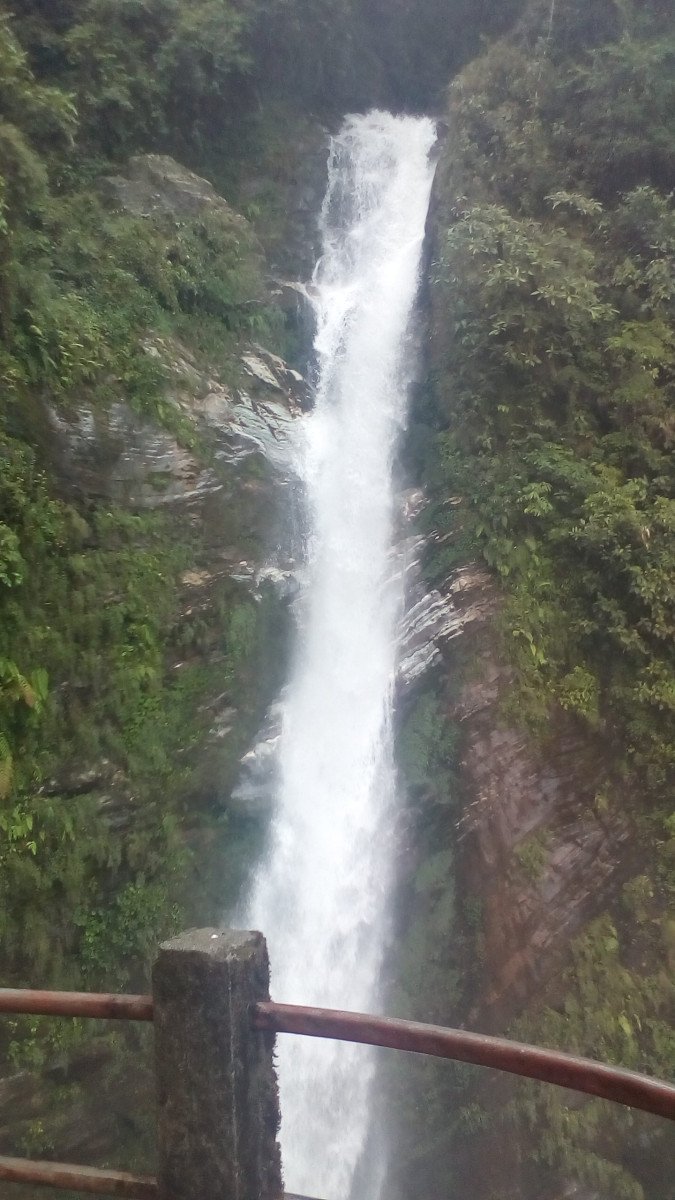
Changey Falls: The long exposure shots of the water cascading through the greenery are popular.
Tiffin Dara:Lava Monastery: The vibrant red architecture against the green hills or blue sky is a perfect shot.
Changey Falls: The long exposure shots of the water cascading through the greenery are popular.
Tiffin Dara: The golden light of the sunrise hitting the Kanchenjunga peaks is a bucket-list photograph.Photo Gallery
Things To Do
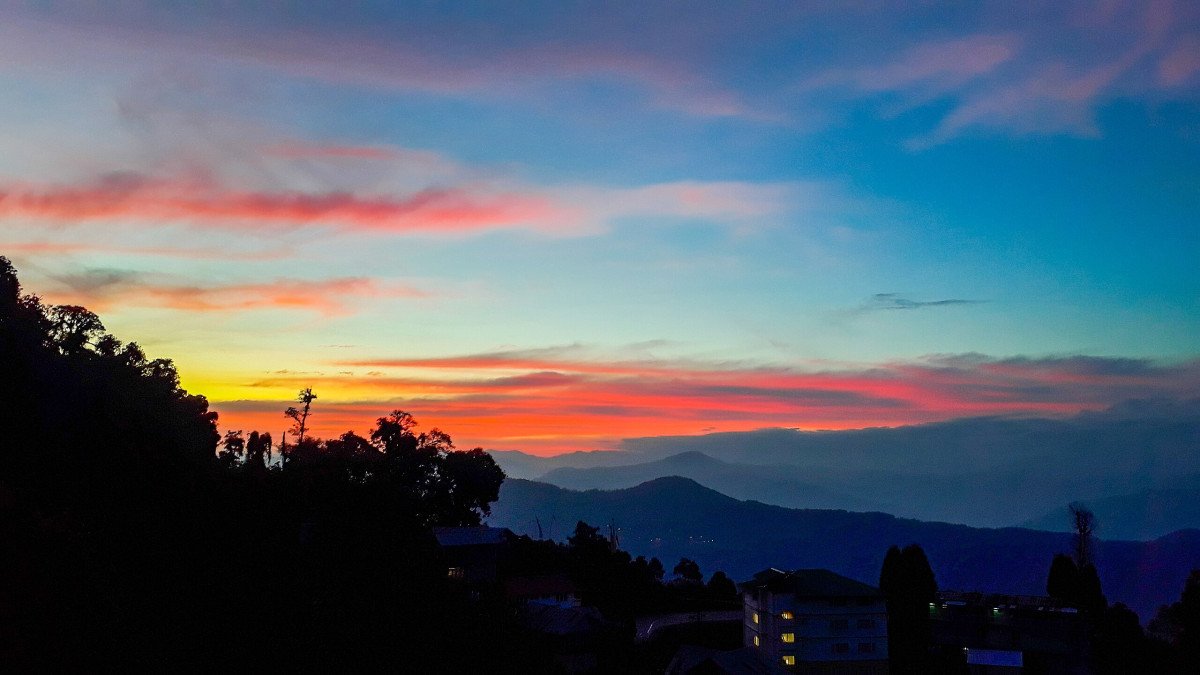
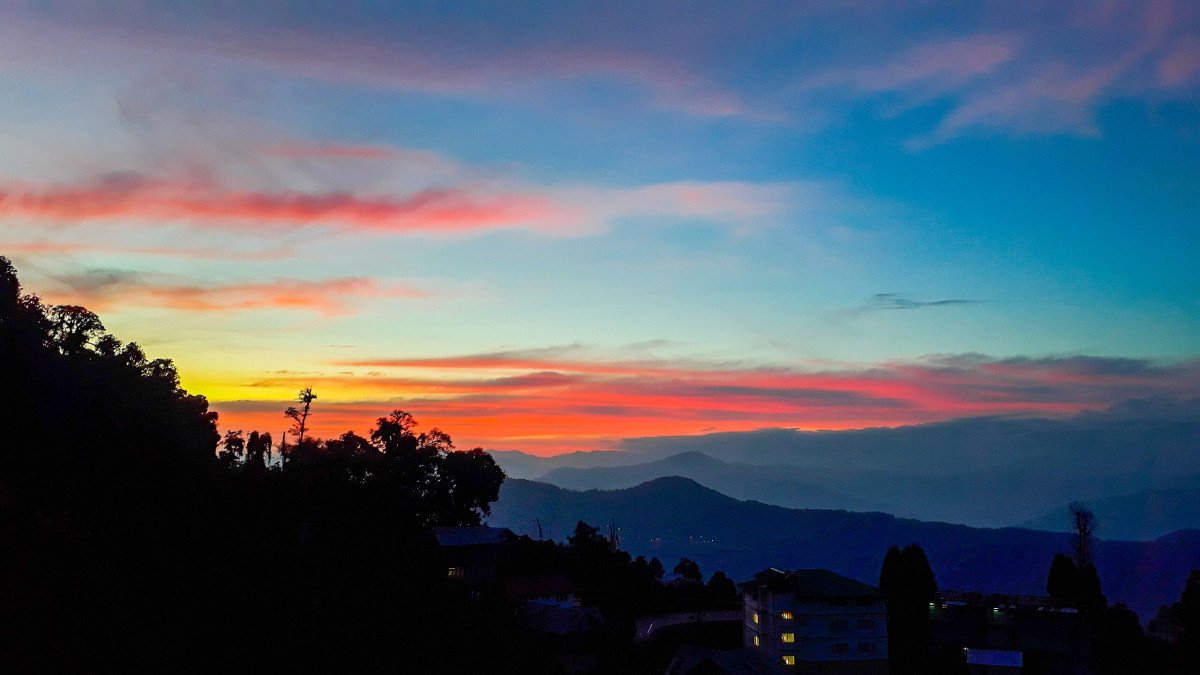
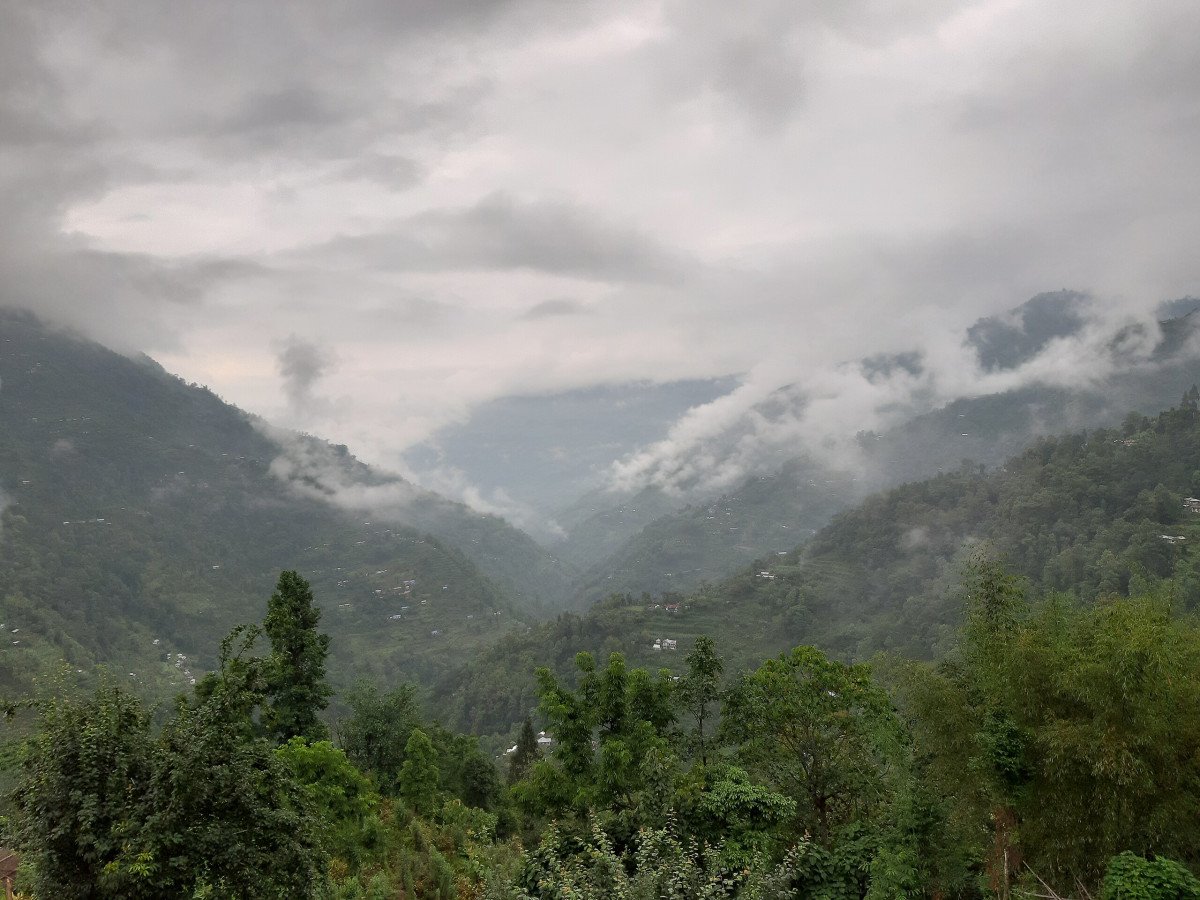
 Ghanti Dara View Point is situated on a high ridge crest along the scenic route connecting Lava and Lolegaon. This location provides a 360-degree panoramic spectacle, a rarity among mountain viewpoints which often offer only a single-direction vista. From Ghanti Dara, visitors can simultaneously view the serpentine paths of the Teesta and Rishyap Rivers far below, the overlapping layers of the green Himalayan foothills, and, on clear days, the distant snow-capped peaks, including the majestic Kanchenjunga. The view is incredibly vast, offering a dramatic sense of scale and elevation, making it a popular stop for all travelers on this circuit. The name "Ghanti Dara" literally means "Bell Ridge," and local legends sometimes associate the place with ancient ringing sounds or bells left by traveling hermits, contributing to its quiet, mystical atmosphere. The site is a favorite for capturing both the vibrant sunrise and the deep, colorful sunset, as its exposed position on the ridge captures light from all directions. It often experiences strong winds due to its elevation and exposure, but the reward is an unparalleled, unobstructed view of the region's geographical complexity, showcasing deep valleys and high mountain forests equally well.
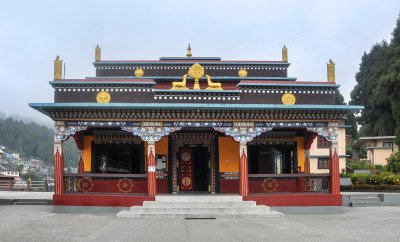 The Kagyu Thekchen Ling Monastery, simply known as Lava Monastery, is the beating spiritual heart of the small forest town. Situated on a ridge line and surrounded by deep, quiet conifer forests, the monastery belongs to the Karma Kagyu lineage of Tibetan Buddhism. Its location, slightly elevated from the main town center, provides a palpable sense of peace and isolation, which is highly conducive to meditation and spiritual study. The monastery is not only a center for learning and worship for the resident young monks but also a vibrant cultural landmark that beautifully showcases the colorful and intricate traditions of Tibetan art and architecture. The complex is dominated by a large, main prayer hall (Gompa), which is home to a magnificent, large statue of Lord Buddha and walls adorned with exquisite murals (Thangkas) depicting various Bodhisattvas and scenes from Buddhist cosmology. Visiting the monastery offers a chance to observe the daily routines of the monks, including the rhythmic chanting and the playing of traditional instruments. Due to its peaceful setting and the sound of the wind through the surrounding pine trees, the monastery often feels miles away from the modern world, making it an essential stop for travelers seeking both cultural enrichment and spiritual tranquility within the mystical environment of the Eastern Himalayas.
The Nature Interpretation Centre in Lava is a highly valuable, educational, and informative establishment designed to promote environmental awareness and nature conservation, with a specific focus on the incredible biodiversity of the nearby Neora Valley National Park and the surrounding Kalimpong region. It functions as a small natural history museum or eco-center, providing visitors with in-depth knowledge about the unique ecosystems, the vast array of flora, and the diverse fauna found in the Eastern Himalayas. The center is thoughtfully equipped with a rich collection of exhibits, informative displays, posters, models, and diagrams, which vividly showcase the natural heritage of the area. One of the primary attractions is the detailed information available on endangered species like the Red Panda, the Himalayan Black Bear, and numerous varieties of bird species, including pheasants, eagles, and migratory birds that thrive in this region. The exhibits also delve into the rich vegetation, specifically highlighting the presence of various species of Rhododendrons, Orchids, and the dense Bamboo forests. Beyond the biology, the center highlights the crucial ecosystem conservation efforts, including habitat restoration projects, and the vital role that local communities play in sustainable development and environmental protection. It offers insight into the cultural and environmental awareness of the region, emphasizing how local populations live in harmony with nature. For a more engaging experience, the center features interactive exhibits, such as touchscreens, models, and audiovisual presentations, making the learning process enjoyable for visitors of all ages. It truly serves as an excellent starting point for any traveler planning to explore the wilderness of Lava and the Neora Valley. The duration of a visit, typically 2 to 4 hours, allows ample time to absorb the wealth of information presented.
The Kagyu Thekchen Ling Monastery, simply known as Lava Monastery, is the beating spiritual heart of the small forest town. Situated on a ridge line and surrounded by deep, quiet conifer forests, the monastery belongs to the Karma Kagyu lineage of Tibetan Buddhism. Its location, slightly elevated from the main town center, provides a palpable sense of peace and isolation, which is highly conducive to meditation and spiritual study. The monastery is not only a center for learning and worship for the resident young monks but also a vibrant cultural landmark that beautifully showcases the colorful and intricate traditions of Tibetan art and architecture. The complex is dominated by a large, main prayer hall (Gompa), which is home to a magnificent, large statue of Lord Buddha and walls adorned with exquisite murals (Thangkas) depicting various Bodhisattvas and scenes from Buddhist cosmology. Visiting the monastery offers a chance to observe the daily routines of the monks, including the rhythmic chanting and the playing of traditional instruments. Due to its peaceful setting and the sound of the wind through the surrounding pine trees, the monastery often feels miles away from the modern world, making it an essential stop for travelers seeking both cultural enrichment and spiritual tranquility within the mystical environment of the Eastern Himalayas.
The Nature Interpretation Centre in Lava is a highly valuable, educational, and informative establishment designed to promote environmental awareness and nature conservation, with a specific focus on the incredible biodiversity of the nearby Neora Valley National Park and the surrounding Kalimpong region. It functions as a small natural history museum or eco-center, providing visitors with in-depth knowledge about the unique ecosystems, the vast array of flora, and the diverse fauna found in the Eastern Himalayas. The center is thoughtfully equipped with a rich collection of exhibits, informative displays, posters, models, and diagrams, which vividly showcase the natural heritage of the area. One of the primary attractions is the detailed information available on endangered species like the Red Panda, the Himalayan Black Bear, and numerous varieties of bird species, including pheasants, eagles, and migratory birds that thrive in this region. The exhibits also delve into the rich vegetation, specifically highlighting the presence of various species of Rhododendrons, Orchids, and the dense Bamboo forests. Beyond the biology, the center highlights the crucial ecosystem conservation efforts, including habitat restoration projects, and the vital role that local communities play in sustainable development and environmental protection. It offers insight into the cultural and environmental awareness of the region, emphasizing how local populations live in harmony with nature. For a more engaging experience, the center features interactive exhibits, such as touchscreens, models, and audiovisual presentations, making the learning process enjoyable for visitors of all ages. It truly serves as an excellent starting point for any traveler planning to explore the wilderness of Lava and the Neora Valley. The duration of a visit, typically 2 to 4 hours, allows ample time to absorb the wealth of information presented.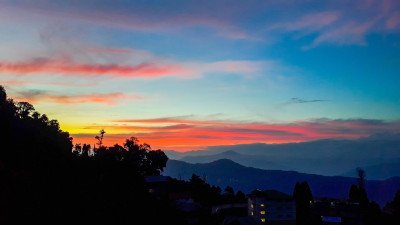 Rishyap, also often spelled Rishop, is a tranquil and picturesque Lepcha hamlet nestled high in the Kalimpong Hills at an elevation of approximately 8,100 feet (2,470 meters). The name is often translated to mean "Land of Lofty Mountains, Peaks and Old Aged Trees," perfectly describing its location. It has rapidly gained popularity as a top offbeat tourist destination for its profound natural splendor, seclusion, and, most famously, for offering one of the most magnificent and close-up views of the Mt. Kanchenjunga range and its sister peaks. On a clear day, the entire snow-capped range appears to be right outside your window. Rishyap is situated only about 4 kilometers uphill from Lava, a distance that can be covered by a scenic, though steep, forest trek, making it a fantastic destination for hikers and nature walkers. Alternatively, it is reachable by a longer, winding motorable road (approx. 9 KMS). The village is surrounded by a mysterious and quiet forest of dense Pine, Birch, and Fir trees, interspersed with colorful Orchids, creating a soothing environment. The calm atmosphere is often broken only by the chirping of Himalayan birds, making it a paradise for bird-watchers and those seeking a peaceful getaway. Accommodation in Rishyap primarily consists of charming, locally-run cottage-style homestays and resorts, built by the local Sherpa and Lepcha communities, ensuring an authentic cultural experience. The village serves as the closest base for the trek to the famed Tiffin Dara Viewpoint, which is just 2 kilometers uphill from Rishyap. The unadulterated natural beauty and the spectacular mountain views make Rishyap a perfect spot for honeymooners and anyone searching for a serene escape into the lap of the Himalayas. The absence of major commercialization further adds to its secluded and pristine appeal.
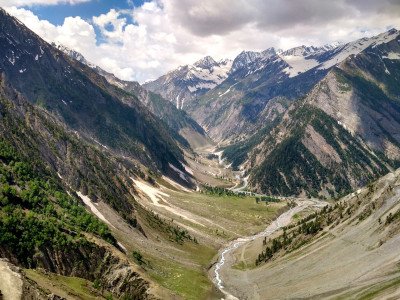 The Trek to Neora Valley Core Zone is not a casual day hike but a serious, multi-day expedition into one of the last remaining tracts of untouched, virgin forest in the Eastern Himalayas. Starting from the Lava gate, the trail quickly descends into dense, damp, temperate jungle characterized by thick moss, ferns, bamboo, and huge, ancient trees. The core zone represents the deepest, most protected part of the park, where human interference is minimal, and biodiversity is at its highest. This area is the definitive stronghold of the rare and endangered Red Panda, as well as other high-altitude fauna like the Himalayan Black Bear and the Clouded Leopard. Due to the remoteness and the rough, unmarked nature of the trails, this trek is only undertaken with prior permission and is mandatory with experienced, licensed local guides and porters. The journey typically involves camping at temporary forest settlements and enduring very high levels of moisture, leeches (especially during the monsoon and post-monsoon), and sudden changes in mountain weather. It is a challenging, rewarding experience reserved for those with a high level of fitness, a strong sense of adventure, and a commitment to experiencing true, untamed wilderness.
The Neora Valley National Park Entry Gate, situated a short drive from Lava town, is the official and most frequently used access point to one of the most biodiverse and least-disturbed tracts of land in India the Neora Valley National Park. This park extends down to the plains and up to the Tibetan border, covering a vast, largely unexplored area. The forest surrounding the Lava entry point is dense, pristine, and incredibly rich in flora and fauna, serving as a vital corridor for high-altitude wildlife. This gate provides access to marked nature trails and is the mandatory point for securing permits for deeper forest trekking. The sheer density of the canopy is immediately noticeable, where sunlight struggles to penetrate the thick vegetation of moss, ferns, bamboo, and towering trees. The park is especially renowned for being a prime habitat of the endangered Red Panda, though spotting this elusive creature requires immense patience and luck. It is also a birdwatcher s paradise, hosting countless species unique to the Eastern Himalayan sub-tropical and temperate zones. The atmosphere at the gate itself is rustic and administrative, yet it serves as a powerful reminder of the incredible wilderness that lies just beyond the barrier, making it a thrilling starting point for any nature-based activity in the Lava region.
Tiffin Dara Viewpoint is one of the most rewarding destinations in the Kalimpong district, renowned for offering a mesmerizing, 360-degree panoramic view of the mighty Himalayan mountain range. Situated at an elevation of around 2,360 meters (7,743 feet), this viewpoint is particularly famous for its spectacular sunrise and sunset views. On a clear day, the vistas from Tiffin Dara are nothing short of breathtaking. Visitors can witness the grand sight of the Kanchenjunga range including peaks like Mt. Kharg, Kokthang, Rathung, Kabroo, Talung, Pandim, Simvo, Narsingh, and Siniolchu as the first rays of the sun paint the snow-capped peaks in brilliant golden and orange hues. The viewpoint also provides a rare glimpse of two significant international passes, the Nathu-La and Jelep-La passes, along with the beautiful blue mountains of Sikkim. The journey to Tiffin Dara is an experience in itself, requiring a strenuous but highly rewarding uphill trek of about 4 kilometers from Lava or a shorter 2 kilometers trek from the nearby hamlet of Rishyap/Rishop. The path from Lava leads through a dense, silent forest of Pines, Rhododendrons, and Orchids, which takes approximately 45 minutes to one hour of steep climbing each way. This trek is considered a soft adventure, and the final reward of the expansive, unparalleled view makes the physical effort completely worthwhile. It is an ideal spot for nature lovers, trekkers, and anyone seeking a moment of profound connection with the majesty of the Himalayas. The tranquility at the top, broken only by the sound of the wind, is an unforgettable experience, often cited as the highlight of the Lava-Rishyap trip.Show All
The Trek to Neora Valley Core Zone is not a casual day hike but a serious, multi-day expedition into one of the last remaining tracts of untouched, virgin forest in the Eastern Himalayas. Starting from the Lava gate, the trail quickly descends into dense, damp, temperate jungle characterized by thick moss, ferns, bamboo, and huge, ancient trees. The core zone represents the deepest, most protected part of the park, where human interference is minimal, and biodiversity is at its highest. This area is the definitive stronghold of the rare and endangered Red Panda, as well as other high-altitude fauna like the Himalayan Black Bear and the Clouded Leopard. Due to the remoteness and the rough, unmarked nature of the trails, this trek is only undertaken with prior permission and is mandatory with experienced, licensed local guides and porters. The journey typically involves camping at temporary forest settlements and enduring very high levels of moisture, leeches (especially during the monsoon and post-monsoon), and sudden changes in mountain weather. It is a challenging, rewarding experience reserved for those with a high level of fitness, a strong sense of adventure, and a commitment to experiencing true, untamed wilderness.
The Neora Valley National Park Entry Gate, situated a short drive from Lava town, is the official and most frequently used access point to one of the most biodiverse and least-disturbed tracts of land in India the Neora Valley National Park. This park extends down to the plains and up to the Tibetan border, covering a vast, largely unexplored area. The forest surrounding the Lava entry point is dense, pristine, and incredibly rich in flora and fauna, serving as a vital corridor for high-altitude wildlife. This gate provides access to marked nature trails and is the mandatory point for securing permits for deeper forest trekking. The sheer density of the canopy is immediately noticeable, where sunlight struggles to penetrate the thick vegetation of moss, ferns, bamboo, and towering trees. The park is especially renowned for being a prime habitat of the endangered Red Panda, though spotting this elusive creature requires immense patience and luck. It is also a birdwatcher s paradise, hosting countless species unique to the Eastern Himalayan sub-tropical and temperate zones. The atmosphere at the gate itself is rustic and administrative, yet it serves as a powerful reminder of the incredible wilderness that lies just beyond the barrier, making it a thrilling starting point for any nature-based activity in the Lava region.
Tiffin Dara Viewpoint is one of the most rewarding destinations in the Kalimpong district, renowned for offering a mesmerizing, 360-degree panoramic view of the mighty Himalayan mountain range. Situated at an elevation of around 2,360 meters (7,743 feet), this viewpoint is particularly famous for its spectacular sunrise and sunset views. On a clear day, the vistas from Tiffin Dara are nothing short of breathtaking. Visitors can witness the grand sight of the Kanchenjunga range including peaks like Mt. Kharg, Kokthang, Rathung, Kabroo, Talung, Pandim, Simvo, Narsingh, and Siniolchu as the first rays of the sun paint the snow-capped peaks in brilliant golden and orange hues. The viewpoint also provides a rare glimpse of two significant international passes, the Nathu-La and Jelep-La passes, along with the beautiful blue mountains of Sikkim. The journey to Tiffin Dara is an experience in itself, requiring a strenuous but highly rewarding uphill trek of about 4 kilometers from Lava or a shorter 2 kilometers trek from the nearby hamlet of Rishyap/Rishop. The path from Lava leads through a dense, silent forest of Pines, Rhododendrons, and Orchids, which takes approximately 45 minutes to one hour of steep climbing each way. This trek is considered a soft adventure, and the final reward of the expansive, unparalleled view makes the physical effort completely worthwhile. It is an ideal spot for nature lovers, trekkers, and anyone seeking a moment of profound connection with the majesty of the Himalayas. The tranquility at the top, broken only by the sound of the wind, is an unforgettable experience, often cited as the highlight of the Lava-Rishyap trip.Show All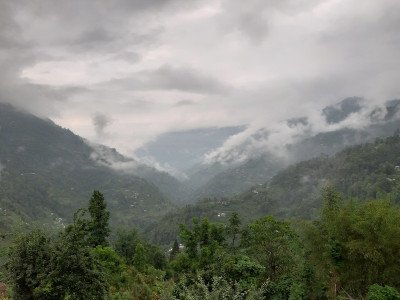 Kolakham is a charming, tiny village that has rapidly grown into a preferred eco-tourism destination due to its singular advantage: a direct, unobstructed view of the entire Kanchenjunga range. Situated at a slightly lower altitude than Lava but closer to the mountain range, Kolakham provides a dramatic and clearer panorama of the snow-capped peaks. The village is nestled right on the fringe of the Neora Valley National Park, making it a perfect base for nature activities, birdwatching, and enjoying deep forest quietude. Its environment is characterized by temperate forests rich in oak, rhododendron, and towering pine trees, providing a cool and damp climate throughout the year. The community here is predominantly dependent on tourism, managing small, rustic homestays and eco-resorts that promote sustainable travel. Life in Kolakham moves slowly; the mornings are crisp, usually offering the spectacular view of the mountains before the clouds gather in the afternoon. Unlike the main town of Lava, which is a transit point, Kolakham is a destination for solitude and intense nature connection. The atmosphere is quiet and welcoming, allowing visitors to feel fully immersed in the natural rhythm of the Himalayan foothills, making it a highly valued retreat for city dwellers seeking genuine peace and an unforgettable mountain spectacle.
Hotels
● MAYFAIR Himalayan Spa Resort
Address: Kalimpong, West Bengal
Distance:
Details: Luxurious spa, multi-cuisine restaurant, halal options, Himalayan views, elegant rooms, professional service....
Best Hotels In Lava
● Kolakham Dynasty
Address: Kolakham, West Bengal
Distance:
Details: Cottage stay, scenic nature views, budget-friendly, tranquil location, parking....
Budget Hotels In Lava
● MAYFAIR Himalayan Spa Resort
Address: Kalimpong, West Bengal
Distance:
Details: Spacious family rooms, kid-friendly dining, spa, gardens, safe environment for children....
Family Friendly Hotels In Lava
● Shivaay Inn
Address: Lava, West Bengal
Distance:
Details: Mountain views, terrace, local hospitality, free Wi-Fi, authentic local experience....
Homestays In Lava
● Hotel Mahakala
Address: Lava Bazar, West Bengal
Distance:
Details: Restaurant, room service, 24-hr front desk, central, comfortable....
Hotels In Lava West Bengal
● MAYFAIR Himalayan Spa Resort
Address: Kalimpong, West Bengal
Distance:
Details: Offers a world-class spa experience, multi-cuisine restaurant with local flavors, elegant rooms, and high-end services in a luxurious setting near Lav...
Luxury Resorts
● Lava WBFDC Cottage
Address: Lava, West Bengal
Distance:
Details: Nestled in dense pine and conifer forests, offering a rustic Himalayan experience, proximity to trekking routes, and serene nature views....
Nature Resorts
● Hotel Mahakala
Address: Lava Bazar, West Bengal
Distance:
Details: Conveniently located near the city center, offering a restaurant, butler services, 24-hour room service, and comfortable rooms for short stays....
Weekend Getaway Hotels
Show AllInformation
-
Why Famous:
Lava Monastery: One of the most beautiful and peaceful monasteries in the region, offering a panoramic view of the surrounding hills.
Snowfall in Bengal: It is famous as one of the very few places in West Bengal where tourists can experience...Lava Monastery: One of the most beautiful and peaceful monasteries in the region, offering a panoramic view of the surrounding hills.
Snowfall in Bengal: It is famous as one of the very few places in West Bengal where tourists can experience snowfall in January.
Neora Valley Gateway: It is the base for exploring the diverse and virgin forests of Neora Valley National Park. -
Architecture:
Tibetan and Rustic Himalayan Architecture: The architecture in Lava is a mix of spiritual grandeur and practical mountain living.
Lava Monastery (Kagyu Thekchen Ling): This is the centerpiece of the village. Built in the traditional Tibetan...Tibetan and Rustic Himalayan Architecture: The architecture in Lava is a mix of spiritual grandeur and practical mountain living.
Lava Monastery (Kagyu Thekchen Ling): This is the centerpiece of the village. Built in the traditional Tibetan style, it features bright red walls, intricate wood carvings, and a tiered roof. The prayer hall is spacious, roughly 50 by 40 feet, adorned with large statues of Buddha and colorful thangkas.
Local Dwellings: The houses in the village are often made of wood and stone, with tin roofs painted in bright colors. These structures are built to withstand the extreme cold and heavy rainfall. The dimensions are typically small to conserve heat.
Nature Interpretation Centre: This building uses a more modern but simple design, focusing on functionality to house exhibits of local flora and fauna. -
How To Reach:
By Air: The nearest airport is Bagdogra, about 115 km away.
By Train: The nearest major station is New Jalpaiguri (NJP), approximately 105 km away. Taxis are available for the 4-hour journey.
By Road: Lava ...By Air: The nearest airport is Bagdogra, about 115 km away.
By Train: The nearest major station is New Jalpaiguri (NJP), approximately 105 km away. Taxis are available for the 4-hour journey.
By Road: Lava can be reached from Siliguri or Kalimpong. The road from Kalimpong (34 km) is well-maintained and very scenic.
By Local Transport: Shared jeeps and private taxis are the only way to move between Lava, Kalimpong, and other nearby spots. -
Weather and Best Time to Visit:
Winter Season: December to February is the best time for clear views and the possibility of snow. Temperatures can drop to -2°C.
Spring Season: March to May is beautiful with rhododendrons blooming and pleasant daytime weather.Winter Season: December to February is the best time for clear views and the possibility of snow. Temperatures can drop to -2°C.
Spring Season: March to May is beautiful with rhododendrons blooming and pleasant daytime weather.
Autumn Season: October and November offer the clearest skies and best mountain views. -
Near Tourist Places:
Kalimpong (34 km), Lolegaon (24 km), Rishyap (4 km), Kolakham (10 km), Changey Falls (12 km), Neora Valley National Park (5 km), Algarah (15 km), Pedong (20 km), Sillery Gaon (25 km), Gorubathan (50 km).
Tourism Tips
-
Health and Safety: The altitude can cause mild dizziness for some; stay hydrated. Carry basic medicines for cold and stomach upsets.
Packing: Even in summer, carry light woolens. In winter, heavy thermal wear, gloves, and caps are essenti...Health and Safety: The altitude can cause mild dizziness for some; stay hydrated. Carry basic medicines for cold and stomach upsets.
Packing: Even in summer, carry light woolens. In winter, heavy thermal wear, gloves, and caps are essential.
Accommodation: Options range from budget guest houses to mid-range resorts. Stay near the monastery for the best atmosphere.
Other Tips: Electricity can be erratic during heavy rain; carry a power bank. Respect the silence of the monastery and the forest.
Reviews
FAQs
Lava Itineray And Cost:-
Information about New and Updated Locations() of West Bengal Has Been Added :-
Card subtitle
Note:-
Information provided here in good Faith and for reference only.
Near Places
Bakkhali
Some quick example text to build on the card title and make up the bulk of the card's content.
Go somewhere
Bankura
Some quick example text to build on the card title and make up the bulk of the card's content.
Go somewhere
Bishnupur
Some quick example text to build on the card title and make up the bulk of the card's content.
Go somewhere
Cooch Behar
Some quick example text to build on the card title and make up the bulk of the card's content.
Go somewhere
Darjeeling
Some quick example text to build on the card title and make up the bulk of the card's content.
Go somewhere
Digha
Some quick example text to build on the card title and make up the bulk of the card's content.
Go somewhere
Dooars
Some quick example text to build on the card title and make up the bulk of the card's content.
Go somewhere
Kalimpong
Some quick example text to build on the card title and make up the bulk of the card's content.
Go somewhere
Kolkata
Some quick example text to build on the card title and make up the bulk of the card's content.
Go somewhere
Kurseong
Some quick example text to build on the card title and make up the bulk of the card's content.
Go somewhere
Lataguri
Some quick example text to build on the card title and make up the bulk of the card's content.
Go somewhere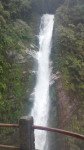
Lava
Some quick example text to build on the card title and make up the bulk of the card's content.
Go somewhere
Lolegaon
Some quick example text to build on the card title and make up the bulk of the card's content.
Go somewhere
Malda City
Some quick example text to build on the card title and make up the bulk of the card's content.
Go somewhere
Mandarmani
Some quick example text to build on the card title and make up the bulk of the card's content.
Go somewhere
Mayapur
Some quick example text to build on the card title and make up the bulk of the card's content.
Go somewherein Other Cities