


Bankura
General information
-
Ideal Duration:
3 to 4 DaysPlace Type:
Art, Pilgrimage, and TrekkingEntry Fees:
Place Entry Fees: In Bishnupur, a single ASI ticket (around Rs.25 for Indians and Rs.300 for foreigners) covers most major temples like Rasmancha, Shyam Rai, and Jor Bangla. Sites like Mukutmanipur dam have no entry fee for the dam itself, but boating and island trips have sepa...Place Entry Fees: In Bishnupur, a single ASI ticket (around Rs.25 for Indians and Rs.300 for foreigners) covers most major temples like Rasmancha, Shyam Rai, and Jor Bangla. Sites like Mukutmanipur dam have no entry fee for the dam itself, but boating and island trips have separate charges (approx. Rs.200-500 per boat). Entry to Joyrambati and Kamarpukur shrines is free. Parking fees apply at most major spots.Timing:
Place Timings:
Regular Timings: Temples in Bishnupur are open from 6:00 AM to 6:00 PM. The Mukutmanipur dam is accessible throughout the day, but boating stops after sunset.
Ideal Visit Time: Early morning i...Place Timings:
Regular Timings: Temples in Bishnupur are open from 6:00 AM to 6:00 PM. The Mukutmanipur dam is accessible throughout the day, but boating stops after sunset.
Ideal Visit Time: Early morning is best for trekking Susunia. The temples are best photographed in the late afternoon sun (around 4:00 PM) when the terracotta glow is most intense.Special Events:
Place Special Event: The Bishnupur Mela, held annually from December 27 to 31, is a grand celebration of the region's art, music, and culture. It features stalls of terracotta, silk, and handicrafts, along with classical music performances. The Palash Utsab in March is a b...Place Special Event: The Bishnupur Mela, held annually from December 27 to 31, is a grand celebration of the region's art, music, and culture. It features stalls of terracotta, silk, and handicrafts, along with classical music performances. The Palash Utsab in March is a beautiful festival of colors celebrated amidst the blooming red Palash flowers at Mukutmanipur and Susunia, featuring tribal dances like Chhau and Santhali.Best Photo Spots:
Place Best Photo Spots:
Rasmancha at Night: The monument is beautifully lit, creating a golden glow against the dark sky.
Terracotta Panels of Shyam Rai: Close-up shots of the detailed carvings of soldiers, a...Place Best Photo Spots:
Rasmancha at Night: The monument is beautifully lit, creating a golden glow against the dark sky.
Terracotta Panels of Shyam Rai: Close-up shots of the detailed carvings of soldiers, animals, and gods are essential.
Susunia Hill Spring: The natural spring water gushing out of a stone lion's head is a unique sight.
Mukutmanipur Dam: The vast expanse of blue water meeting the green hills at the horizon is a classic landscape shot.
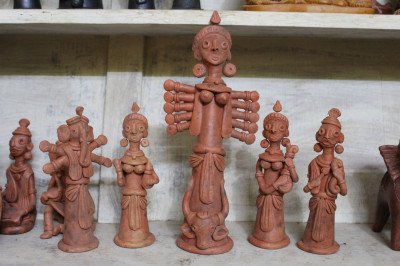
Panchmura Village: Rows of terracotta horses of all sizes lined up in the village street make for a very colorful and cultural photograph.
Jor Bangla Arches: The double-roof structure provides interesting geometric patterns for architectural shots.Photo Gallery


Things To Do
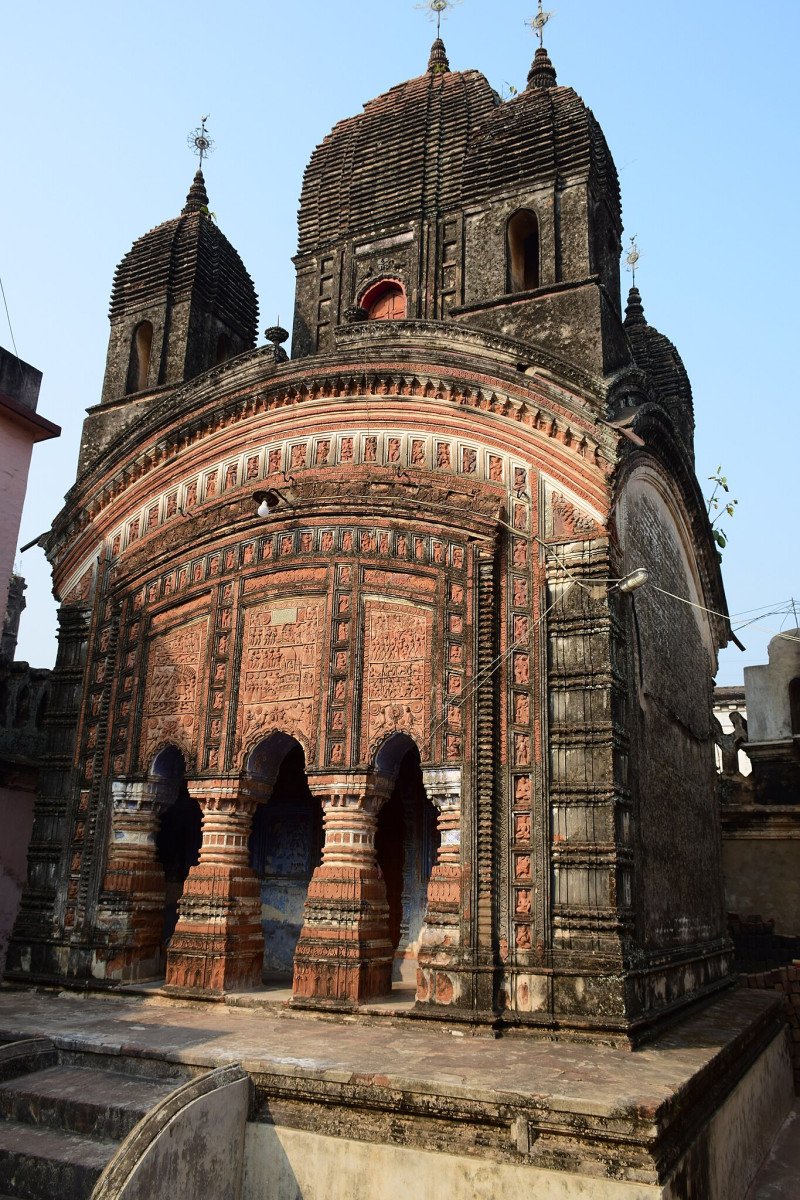
 Gangdua is a quiet village that holds a charming and historically significant, though lesser-known, terracotta temple. This temple is an excellent example of the architectural style and artistic tradition that flourished under the Malla kings but is situated away from the primary cluster of monuments in Bishnupur. The temple is typically a brick-built structure, possibly in the simple Eka-Ratna (one-pinnacled) or At-chala (eight-roofed) style. Its main attraction is the surviving terracotta artwork that adorns its fa ade. Although some panels might be damaged by time and weather, the remaining craftsmanship showcases the mastery of the Bishnupur school of art depicting intricate figures, mythological scenes, and delicate floral and geometric patterns. Visiting Gangdua offers a peaceful, authentic experience, allowing visitors to see the beauty of the region's heritage in a traditional, non-commercialized rural setting.
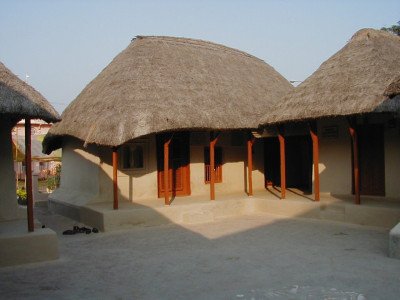 Joyrambati is one of the most significant pilgrimage sites in West Bengal, especially for followers of the Ramakrishna Math and Mission. It is the sacred birthplace of Sri Sarada Devi (The Holy Mother), the wife and spiritual consort of Sri Ramakrishna Paramahamsa. The village is entirely centered around the Matri Mandir (Mother's Temple), constructed on the exact spot where the Holy Mother was born in 1853. This serene, spiritual location is where she spent her early life and performed many of her spiritual duties. The Matri Mandir is a beautiful temple built in the distinct Rekha Deul style, with a calm atmosphere perfectly suited for prayer and meditation. Besides the main temple, visitors can see the meticulously preserved Old House (ancestral home) of Sarada Devi, including the small thatched hut (Mayer Bari) where she lived. There is also the Punya Pukur (Holy Tank), where she used to bathe. The village remains quiet, simple, and deeply spiritual, offering pilgrims an opportunity to connect with the roots of this major modern spiritual movement. The site is often visited in conjunction with Kamarpukur, the birthplace of Sri Ramakrishna, about 6 KMS away.
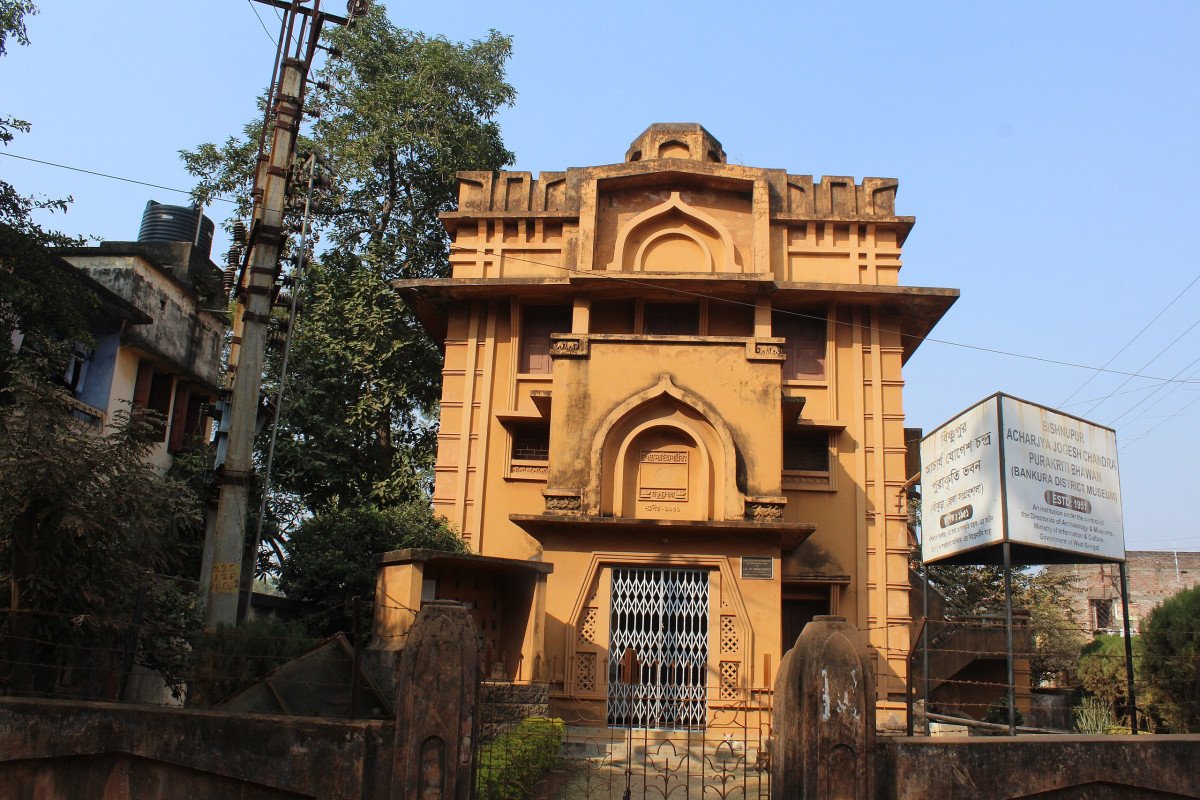
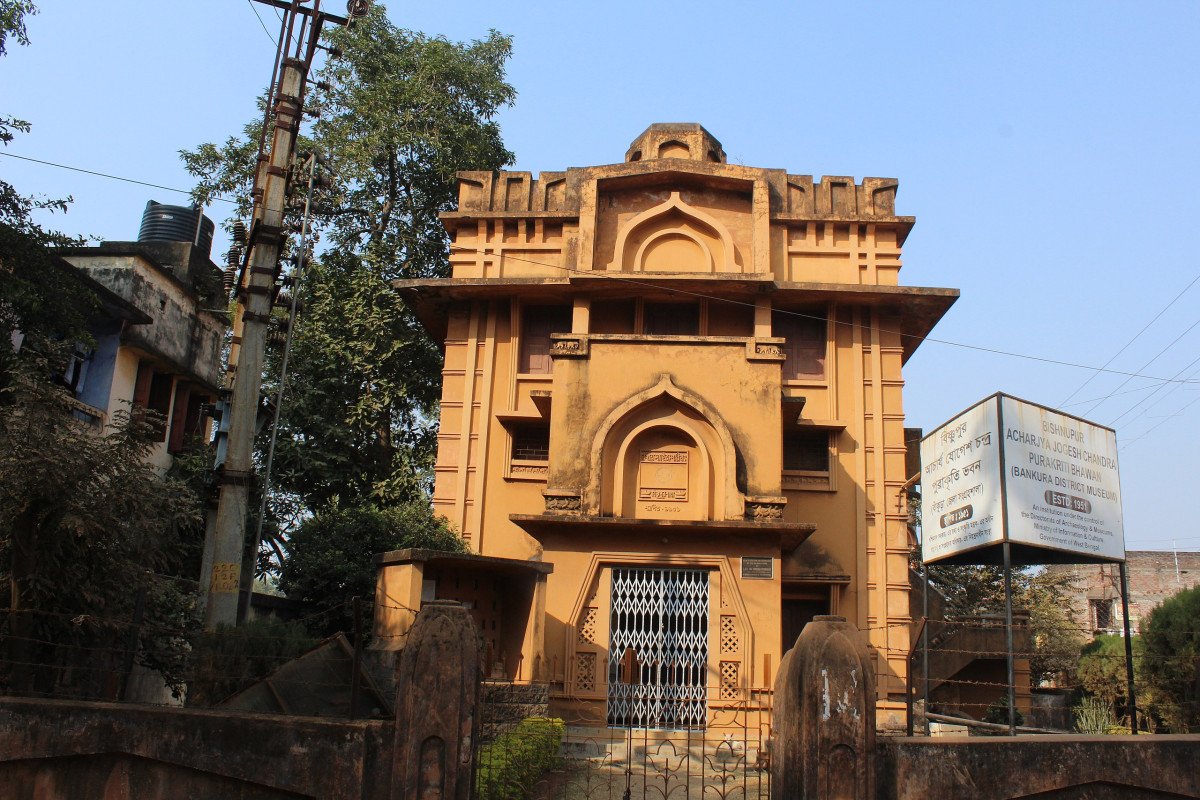
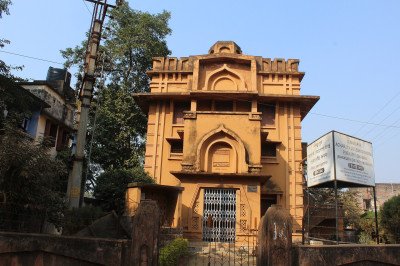 The Acharya Jogesh Chandra Museum (AJCM) is the most important cultural institution in Bankura City, acting as a repository for the region's vast historical and artistic legacy. Established to house and protect artifacts unearthed in the district, the museum's collection is primarily focused on the Malla dynasty period (the era of the famous Bishnupur temples) and the preceding ancient history. It showcases an impressive range of stone sculptures, terracotta figurines, and epigraphical records, including ancient coins and manuscripts. One of the highlights is its extensive gallery of terracotta art, which features pieces from various sites across Bankura, illustrating different styles and mythological narratives. Furthermore, the museum preserves folk art traditions unique to the area, such as the famous Dashavatar playing cards and rare examples of local weaving. It also features a natural history section with geological and palaeontological specimens, including fossils found near Susunia Hill. This museum is vital for tourists as it provides the necessary context and detailed understanding of the art, religion, and socio-economic life that flourished in Bankura from the ancient to the medieval period. It is an intellectual journey that beautifully complements the physical exploration of the nearby historical sites.
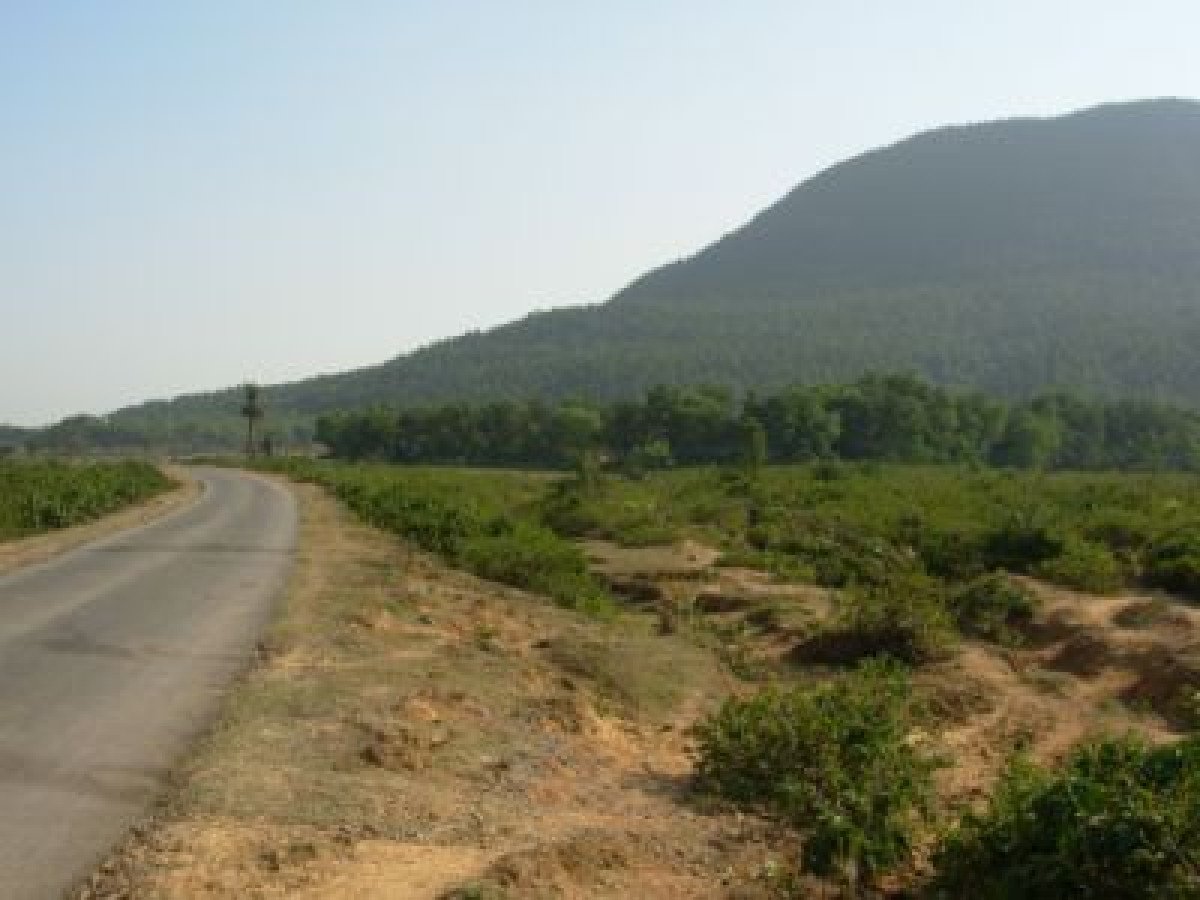
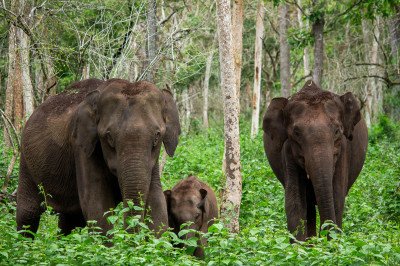 Jhilimili Forest, often referred to as the "Darjeeling of South Bengal," is a mesmerizing expanse of dense greenery located at the border of Bankura, Purulia, and Midnapore. The name Jhilimili translates to "sparkling" or "twinkling," a fitting description for the way sunlight filters through the thick canopy of Sal, Mahua, and Shimul trees. The forest is part of the Chota Nagpur Plateau and offers a hilly terrain that is rare in this part of the state. The Kangsabati River flows nearby, adding a shimmering water element to the lush landscape. The journey to Jhilimili from Ranibandh is an experience in itself, with winding roads that climb through layers of forest, offering panoramic views of the valleys below. The area is rich in tribal culture, predominantly inhabited by Santhal communities whose vibrant lifestyles and traditional mud houses add a cultural dimension to the natural beauty. Jhilimili is an ideal escape for those seeking solitude and a break from the cacophony of urban life. The air is crisp, scented with the aroma of forest blooms and damp earth. During the monsoon, the forest turns into a vivid shade of emerald, with numerous small streams coming to life. It is also a corridor for migratory elephants, and lucky visitors might spot wildlife like deer and various bird species. The peace found here is profound, making it a favorite for nature photographers and writers. Whether you are trekking through the 'Baro Mile-er Jungle' or sitting by the banks of the Kangsabati, Jhilimili offers a sense of wonder that stays with you long after you leave.
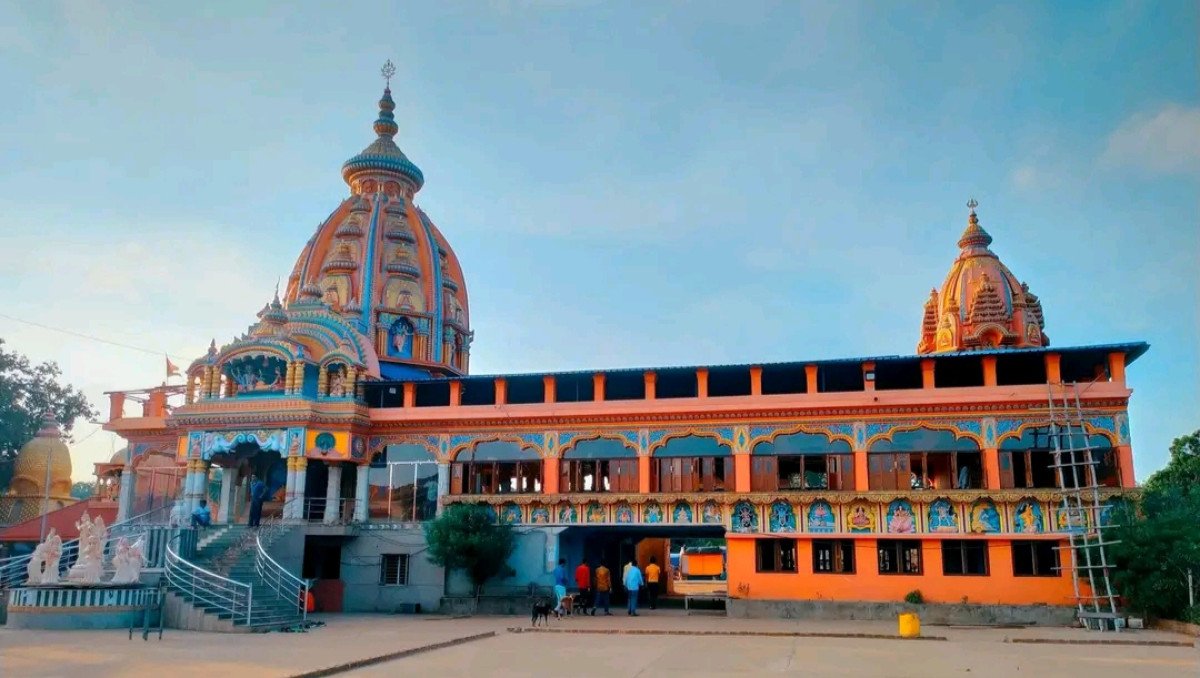
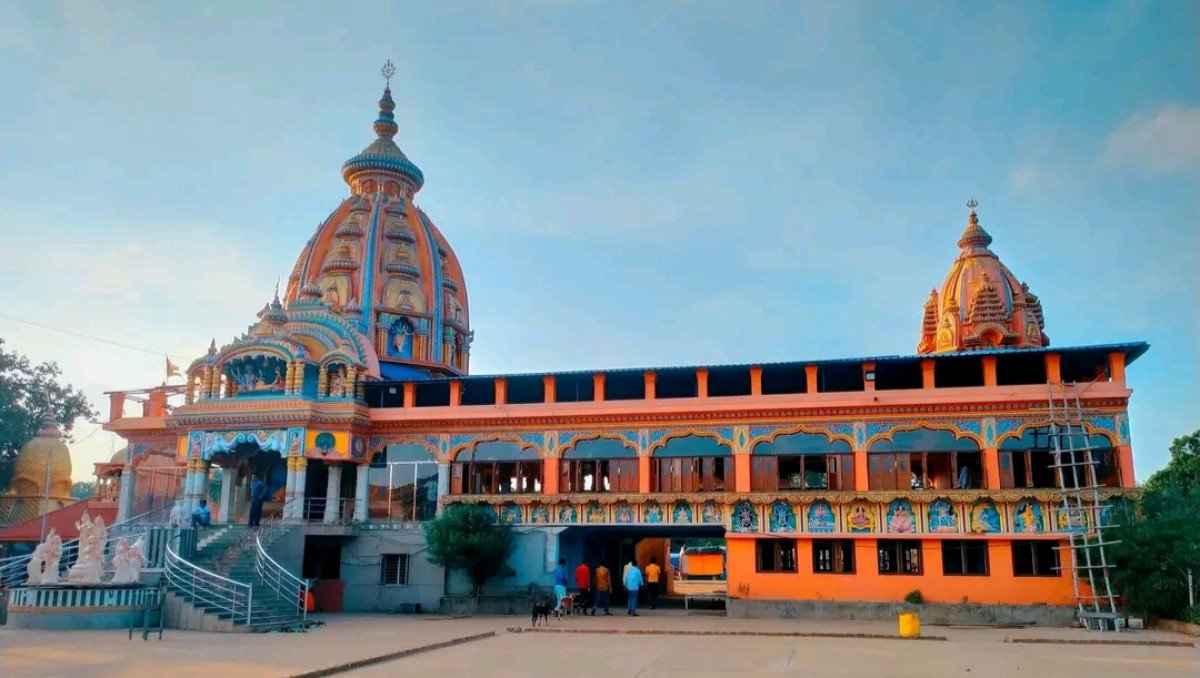
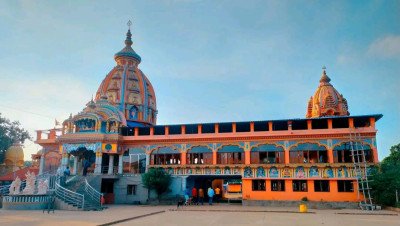 The name Tridhara Milan Mandir translates to the "Temple of the Confluence of Three Streams," suggesting a unique, modern spiritual center dedicated to the harmony of three different deities, three paths of devotion (e.g., Bhakti, Karma, Gyan), or perhaps three key figures in modern Bengali spiritual history. While it is a lesser-known destination than the historical temples, it is significant as an example of contemporary, syncretic religious practice in the district. It is generally a large, modern complex featuring brightly colored statues and well-maintained grounds, providing a peaceful and aesthetically pleasing environment for all visitors, regardless of their specific faith. The "Three Streams" concept is often interpreted by locals as the confluence of Shaivism, Vaishnavism, and Shaktism, or the three spiritual leaders Ramakrishna, Sarada Devi, and Vivekananda. The architecture is typically modern, using marble and polished stone, contrasting sharply with the ancient laterite and terracotta temples of the region. It functions as a community center for worship, yoga, and cultural gatherings.
 The Dharmaraj Temple in Puchara is one of the most significant centers for the unique Dharmaraj cult in Bankura and surrounding districts. The deity Dharmaraj is a localized deity widely worshipped in Bengal, often syncretized with Lord Yama (God of Death), Lord Shiva, or even the Sun God (Surya), but worshipped in a non-Vedic, indigenous manner, typically represented by a stone slab or a symbolic earthen mound. This particular temple cluster is architecturally noteworthy because it features several small shrines, showcasing the evolution of local temple styles, ranging from simple thatched huts to the more sturdy Aatchala (eight-roofed) terracotta-adorned structures. The site is a vibrant hub of folk religious practice, attracting devotees from many nearby villages. Unlike the grand, state-patronized terracotta temples of Bishnupur, the Dharmaraj Temple offers a glimpse into the grassroots, living traditions of Bengal's folk religion. The surrounding area is rural, dominated by paddy fields and the red, laterite soil typical of the Bankura landscape. Visiting this spot provides a crucial understanding of the non-Brahminical religious fervor and the cultural diversity that exists parallel to the dominant Vaishnavite history of the region.
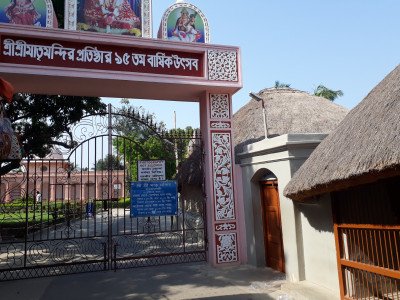 Matrimandir in Joyrambati is one of the most revered pilgrimage sites in India, marking the birthplace of Sri Sarada Devi, the spiritual consort of Sri Ramakrishna Paramahansa. Known affectionately as the 'Holy Mother', Sarada Devi was born in this humble village in 1853. The Matrimandir was established in 1923 by Swami Saradananda and is managed by the Ramakrishna Mission. The temple is built exactly on the spot where the Mother was born, and it houses a beautiful white marble idol of her in a meditative pose. The atmosphere of Joyrambati is one of profound peace and rural simplicity, reflecting the life of the Holy Mother herself. The temple complex includes the 'Old House' (Puratan Bari) and 'New House' (Nutan Bari) where she lived, preserved with great care to allow devotees to feel her presence. A visit here is often combined with a trip to Kamarpukur (the birthplace of Sri Ramakrishna), located just 5 KMS away. The village is surrounded by lush green paddy fields and the sacred Amodar River, where the Mother used to bathe. The rituals at the temple, including the morning and evening aartis, are conducted with deep devotion and discipline. For followers of the Ramakrishna-Vivekananda movement, Joyrambati is a "Tirtha" that offers spiritual rejuvenation. The institution also provides 'Bhog Prasad' (consecrated food) to hundreds of visitors daily, symbolizing the Mother's tireless service and hospitality. The village remains largely untouched by modern commercialism, maintaining the same rustic charm that existed over a century ago.Show All
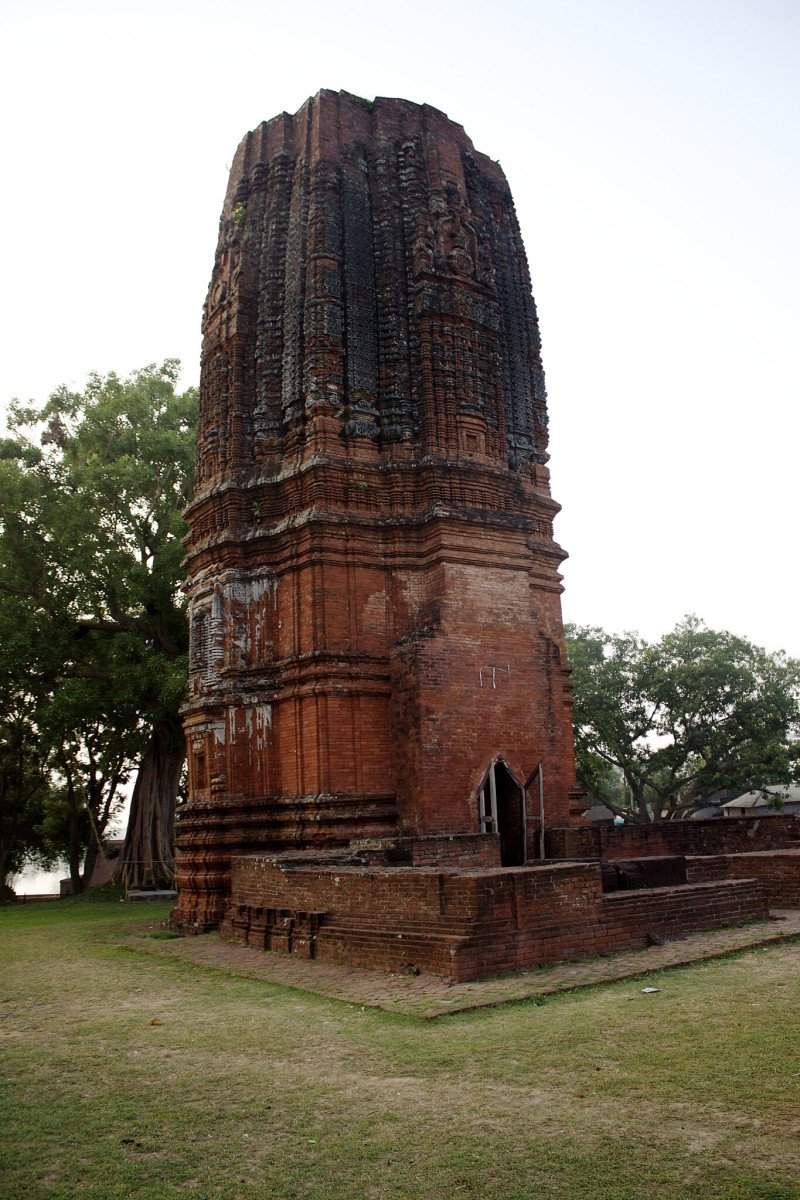
 The Siddheswara Mahadeva Temple at Bahulara is an architectural masterpiece and one of the most important archaeological monuments in West Bengal. Dedicated to Lord Shiva (Siddheswara Mahadeva), the temple is a stellar example of the Rekha Deul style (similar to the Orissan/Kalinga style) that flourished in the region before the rise of the ubiquitous Malla terracotta temples in Bishnupur. The temple is often dated to the 10th century CE or earlier, placing it firmly in the ancient period of Bengal's temple history. It is built entirely of laterite stone and stands as a solitary, magnificent, towering structure, perfectly showcasing the curvilinear Shikhara (tower) that characterizes this style. Its imposing height (about 60 feet / 18 meters) and excellent state of preservation make it a crucial point of study for anyone interested in the architectural transition of the region. The temple is protected by the Archaeological Survey of India (ASI) and remains an active place of worship.
Hotels
● Hotel Hilltrip
Address: Bankura Purulia Road, Badulara, Bankura - 722101
Distance:
Details: Offers spacious air-conditioned rooms, free Wi-Fi, restaurant, 24-hour room service, and is located in the prime city center for convenient access to ...
AC Rooms In Bankura
● Hotel Sonar Bangla Joypur Forest
Address: Basudebpur, Bishnupur, Bankura - 722122
Distance:
Details: An exceptional nature-retreat offering AC rooms with forest views, an outdoor pool, free Wi-Fi, and authentic local cuisine in a tranquil setting....
Best Hotels In Bankura Town
● Hungry Eyes & Garden Villa
Address: Bankura - 722101
Distance:
Details: A cost-effective choice with free cancellation, offering basic comfortable rooms and a pleasant garden area for a relaxed stay....
Budget Stay In Bankura
● Hotel Hilltrip
Address: Badulara, Bankura - 722101
Distance:
Details: Business-friendly features include a central location, reliable Wi-Fi, 24-hour room service, and proximity to major business and transport hubs....
Business Hotels In Bankura
● Hotel Sonar Bangla Joypur Forest
Address: Bishnupur, Bankura - 722122
Distance:
Details: Perfect for families with its outdoor pool, lush gardens, nature-oriented activities, and spacious rooms that accommodate groups comfortably....
Family Friendly Hotels In Bankura
● Green Palace Guest House
Address: Shubhankar Sarani Rd, Pratapbagan, Bankura - 722101
Distance:
Details: Wi-Fi, Kitchenette, Spacious living room, cozy lounge area, daily housekeeping, parking, and 24/7 power backup....
Guest Houses In Bankura
● Green Palace Homestay
Address: Shubhankar Sarani Rd, Bankura - 722101
Distance:
Details: Family-friendly, lush green surroundings, peaceful ambiance, high-speed Wi-Fi, and personalized services....
Homestays In Bankura
● Hotel Saptarshi
Address: Lalbazar, Bankura - 722101
Distance:
Details: 3-star standards, fine dining restaurant, bar, lounge, 24/7 security, and proximity to railway station....
Hotels Near Bankura Station
● Hotel Warner The Royal Unicorn
Address: Bankura - 722101
Distance:
Details: Exclusive suites, 24/7 butler service, executive lounge, fine-dining, and premium bathroom amenities....
Luxury Hotels In Bankura
● Krishnabandh Tourist Complex
Address: Krishnabandh, Bishnupur, Bankura - 722122
Distance:
Details: Nature resort environment, comfortable cottages, local cuisine, and peaceful garden areas....
Tourist Lodges In Bankura
Show AllInformation
-
Why Famous:
Why Famous Place: Bankura is globally famous for its Terracotta Temples and the Bankura Horse.
Heritage: Bishnupur is on the tentative list of UNESCO World Heritage Sites due to its unique Malla architecture.
Ar...Why Famous Place: Bankura is globally famous for its Terracotta Temples and the Bankura Horse.
Heritage: Bishnupur is on the tentative list of UNESCO World Heritage Sites due to its unique Malla architecture.
Art and Craft: The Dokra metal casting and Terracotta pottery are world-class.
Textiles: The Baluchari silk sarees are a masterpiece of weaving, where every saree tells a story.
Nature: Mukutmanipur is one of the most popular weekend getaways in eastern India for its serene dam and hills. -
Architecture:
Place Architecture: The architecture of Bankura, especially in Bishnupur, is dominated by the "Chala" style, which mimics the curved roofs of traditional Bengali huts.
Rasmancha: Built by King Bir Hambir in 1600, this unique structure stands...Place Architecture: The architecture of Bankura, especially in Bishnupur, is dominated by the "Chala" style, which mimics the curved roofs of traditional Bengali huts.
Rasmancha: Built by King Bir Hambir in 1600, this unique structure stands on a square laterite plinth of 24. 5 meters. It features a pyramidal roof and 40 pillars, standing 12. 5 meters high.
Jor Bangla Temple: Built in 1655, it consists of two "Do-chala" structures joined together, measuring 11. 8 meters by 11. 48 meters. The entire exterior is covered in detailed terracotta panels.
Shyam Rai Temple: A five-pinnacled (Pancha-ratna) temple built in 1643, it is famous for its elaborate carvings on all four sides. The temples use local laterite stone and burnt clay bricks, creating a warm red aesthetic that defines the region. -
How To Reach:
Place How to Reach:
By Air: The nearest airport is Netaji Subhash Chandra Bose International Airport in Kolkata (about 170 km). From there, hire a cab or take a train.
By Train: Bankura Junction (BQA) and Bi...Place How to Reach:
By Air: The nearest airport is Netaji Subhash Chandra Bose International Airport in Kolkata (about 170 km). From there, hire a cab or take a train.
By Train: Bankura Junction (BQA) and Bishnupur (VSU) are well-connected to Kolkata via the Aranyak Express and Rupashi Bangla Express.
By Road: Well-maintained roads connect Bankura to Kolkata (4 hours) and Durgapur (1. 5 hours).
By Local Transport: Cycle-rickshaws and E-rickshaws are common in Bishnupur. For district travel, hired cars are best. -
Weather and Best Time to Visit:
Place Best Time to Visit:
Winter (October to March): The best time for sightseeing and festivals. Temperatures are pleasant (12°C-28°C).
Spring (March): Ideal to see the Palash flowers in full bloom.
<...Place Best Time to Visit:
Winter (October to March): The best time for sightseeing and festivals. Temperatures are pleasant (12°C-28°C).
Spring (March): Ideal to see the Palash flowers in full bloom.
Monsoon (July to September): Great for seeing the greenery of Jhilimili, though trekking can be slippery.
Parts of Day: Dawn for hill treks, midday for museums/temples, and late afternoon for dam views. -
Near Tourist Places:
1. Bishnupur (37km), 2. Mukutmanipur (52km), 3. Susunia Hill (25km), 4. Biharinath Hill (60km), 5. Jhilimili (70km), 6. Joyrambati (50km), 7. Kamarpukur (55km), 8. Durgapur (45km), 9. Purulia (85km), 10. Panchmura (22km)
Tourism Tips
-
Place Tourism Tips:
Health & Safety: The red soil can be dusty; carry a scarf. Stay hydrated during treks.
Packing: Wear sturdy sneakers for trekking. Carry a camera with a good zoom lens for temple detail...Place Tourism Tips:
Health & Safety: The red soil can be dusty; carry a scarf. Stay hydrated during treks.
Packing: Wear sturdy sneakers for trekking. Carry a camera with a good zoom lens for temple details.
Accommodation: Stay at the West Bengal Tourism lodges in Bishnupur or Mukutmanipur for the best experience.
Other: Don't buy "antiques" from unauthorized sellers; stick to government-approved craft centers. Respect the silence in the spiritual centers of Joyrambati.
Reviews
FAQs
Bankura Itineray And Cost:-
Information about New and Updated Locations() of West Bengal Has Been Added :-
Card subtitle
Note:-
Information provided here in good Faith and for reference only.
Near Places
Bakkhali
Some quick example text to build on the card title and make up the bulk of the card's content.
Go somewhere
Bankura
Some quick example text to build on the card title and make up the bulk of the card's content.
Go somewhere
Bishnupur
Some quick example text to build on the card title and make up the bulk of the card's content.
Go somewhere
Cooch Behar
Some quick example text to build on the card title and make up the bulk of the card's content.
Go somewhere
Darjeeling
Some quick example text to build on the card title and make up the bulk of the card's content.
Go somewhere
Digha
Some quick example text to build on the card title and make up the bulk of the card's content.
Go somewhere
Dooars
Some quick example text to build on the card title and make up the bulk of the card's content.
Go somewhere
Kalimpong
Some quick example text to build on the card title and make up the bulk of the card's content.
Go somewhere
Kolkata
Some quick example text to build on the card title and make up the bulk of the card's content.
Go somewhere
Kurseong
Some quick example text to build on the card title and make up the bulk of the card's content.
Go somewhere
Lataguri
Some quick example text to build on the card title and make up the bulk of the card's content.
Go somewhere
Lava
Some quick example text to build on the card title and make up the bulk of the card's content.
Go somewhere
Lolegaon
Some quick example text to build on the card title and make up the bulk of the card's content.
Go somewhere
Malda City
Some quick example text to build on the card title and make up the bulk of the card's content.
Go somewhere
Mandarmani
Some quick example text to build on the card title and make up the bulk of the card's content.
Go somewhere
Mayapur
Some quick example text to build on the card title and make up the bulk of the card's content.
Go somewherein Other Cities