Dooars
General information
-
Ideal Duration:
4 to 6 DaysPlace Type:
Nature, Wildlife, and AdventureEntry Fees:
Sanctuary Entry: Entry to National Parks costs around INR 100 to INR 200 for Indians and much more for foreigners.
Safari Costs: A jeep safari usually costs between INR 2500 and INR 3500 per vehicle, including guide fees and forest entry.Sanctuary Entry: Entry to National Parks costs around INR 100 to INR 200 for Indians and much more for foreigners.
Safari Costs: A jeep safari usually costs between INR 2500 and INR 3500 per vehicle, including guide fees and forest entry.
Elephant Rides: These are highly sought after and cost approximately INR 1000 to INR 1500 per person, depending on the zone.Timing:
Forest Seasons: National Parks are strictly closed from June 15th to September 15th every year for the breeding season.
Regular Hours: Safaris operate in two shifts, usually 6:00 AM to 9:00 AM and 3:00 PM to 5:30 PM.
Read MoreForest Seasons: National Parks are strictly closed from June 15th to September 15th every year for the breeding season.
Regular Hours: Safaris operate in two shifts, usually 6:00 AM to 9:00 AM and 3:00 PM to 5:30 PM.
Ideal Visit: Reach the watchtowers just before dawn or dusk for the highest probability of animal sightings.Special Events:
Teesta Tea and Tourism Festival: Celebrated in December or January, this festival promotes the region's heritage with traditional food, music, and tea-tasting sessions.
Dooars Utsav: A massive cultural fair held in Alipurduar in January that...Teesta Tea and Tourism Festival: Celebrated in December or January, this festival promotes the region's heritage with traditional food, music, and tea-tasting sessions.
Dooars Utsav: A massive cultural fair held in Alipurduar in January that brings together various ethnic groups to showcase their folk arts and crafts.Best Photo Spots:
Hollong Watchtower: The best place for capturing wildlife photography, especially when rhinos and elephants come to the salt lick.
Jayanti River Bed: The wide, white-stone river bed with the Bhutia hills in the background is a perfect spot f...Hollong Watchtower: The best place for capturing wildlife photography, especially when rhinos and elephants come to the salt lick.
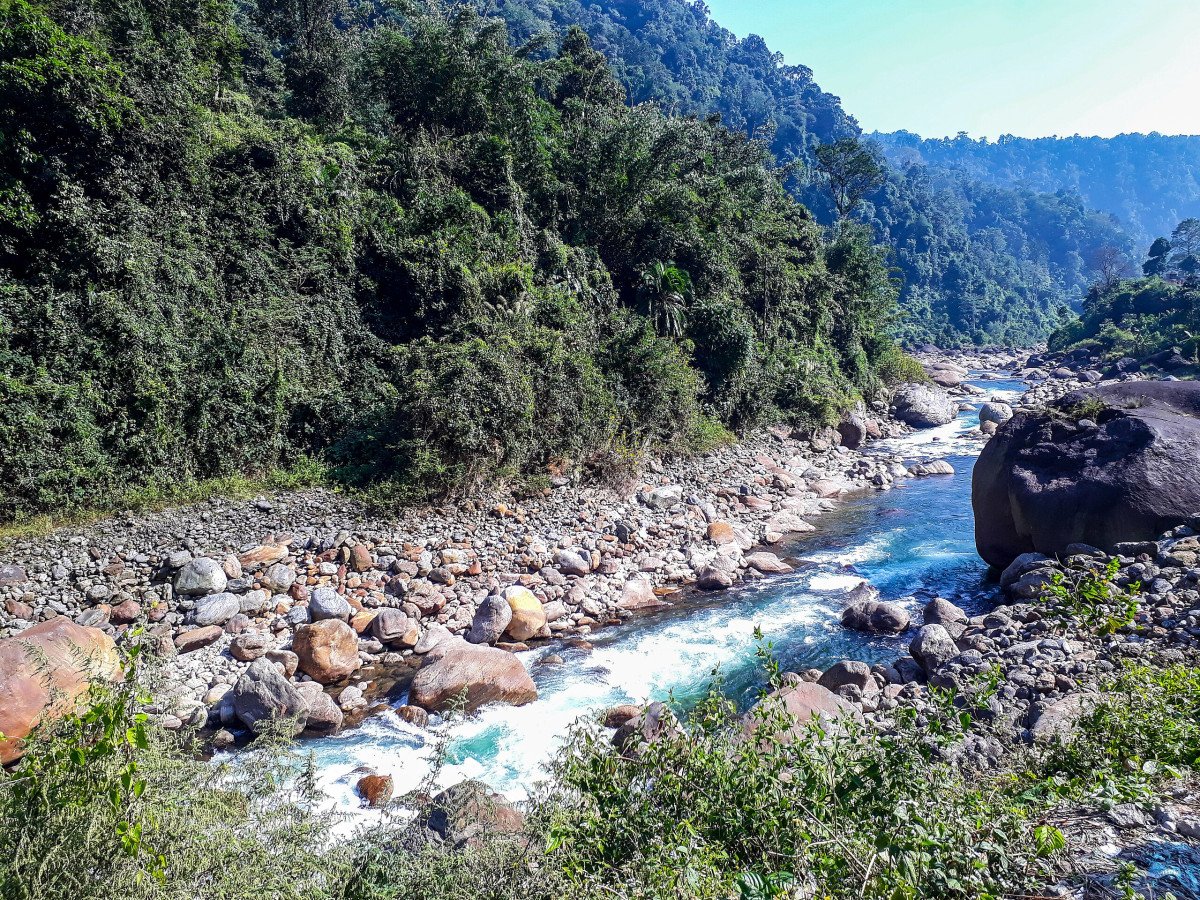
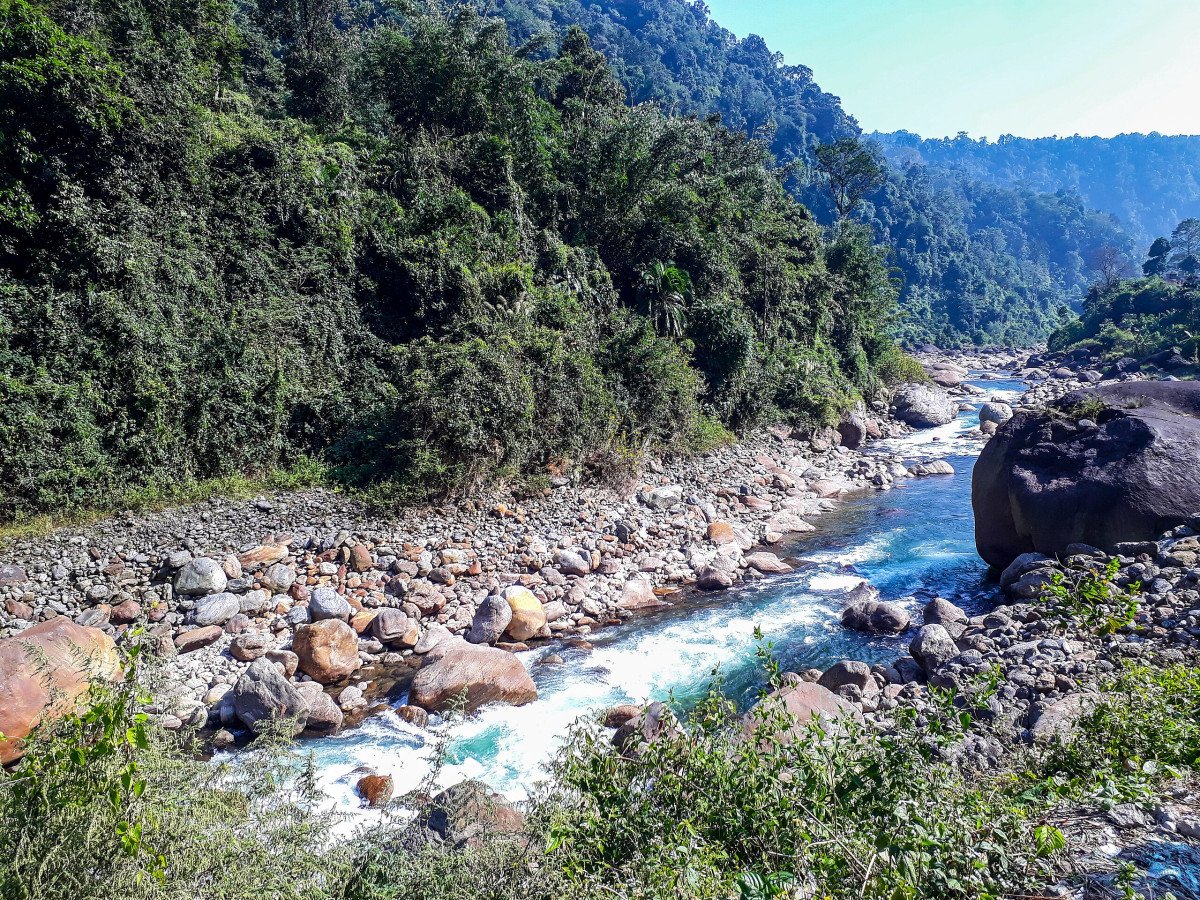
Jayanti River Bed: The wide, white-stone river bed with the Bhutia hills in the background is a perfect spot for landscape shots.
Samsing Viewpoint: Capturing the rolling hills and the deep valley from here provides a sense of the vastness of the Himalayan foothills.Photo Gallery

Things To Do
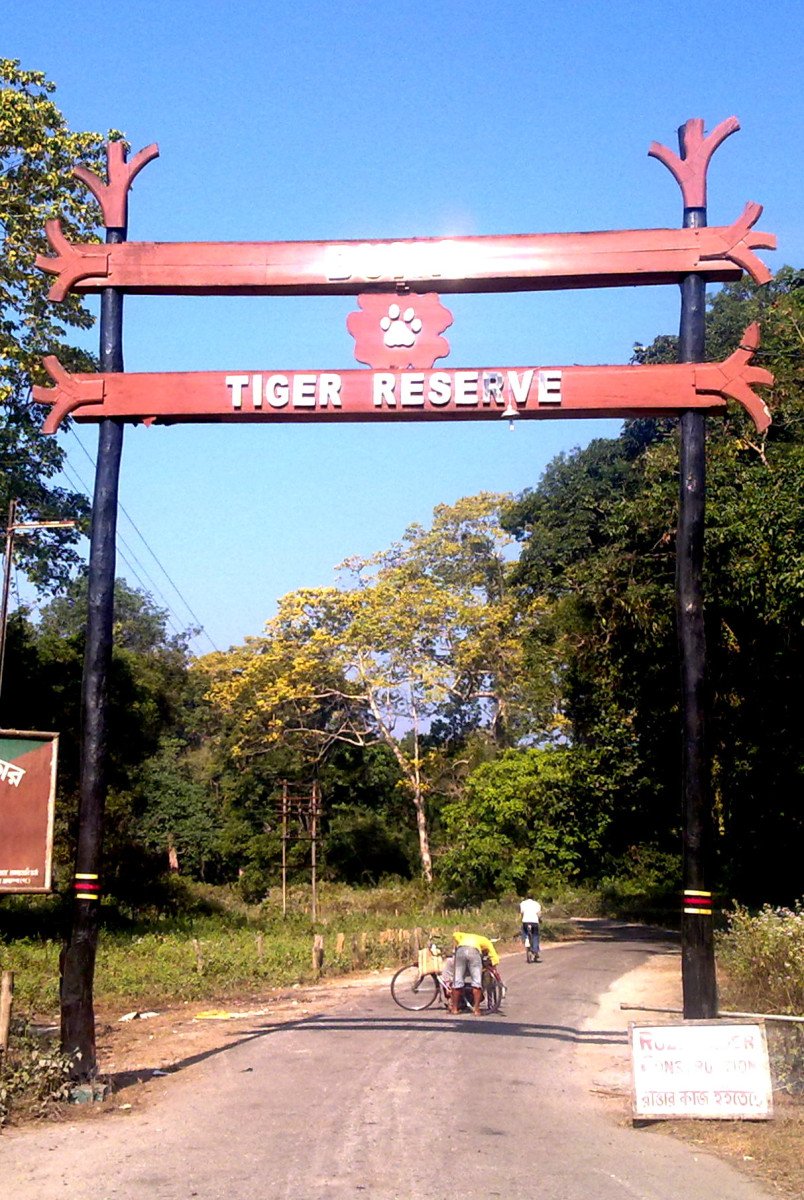
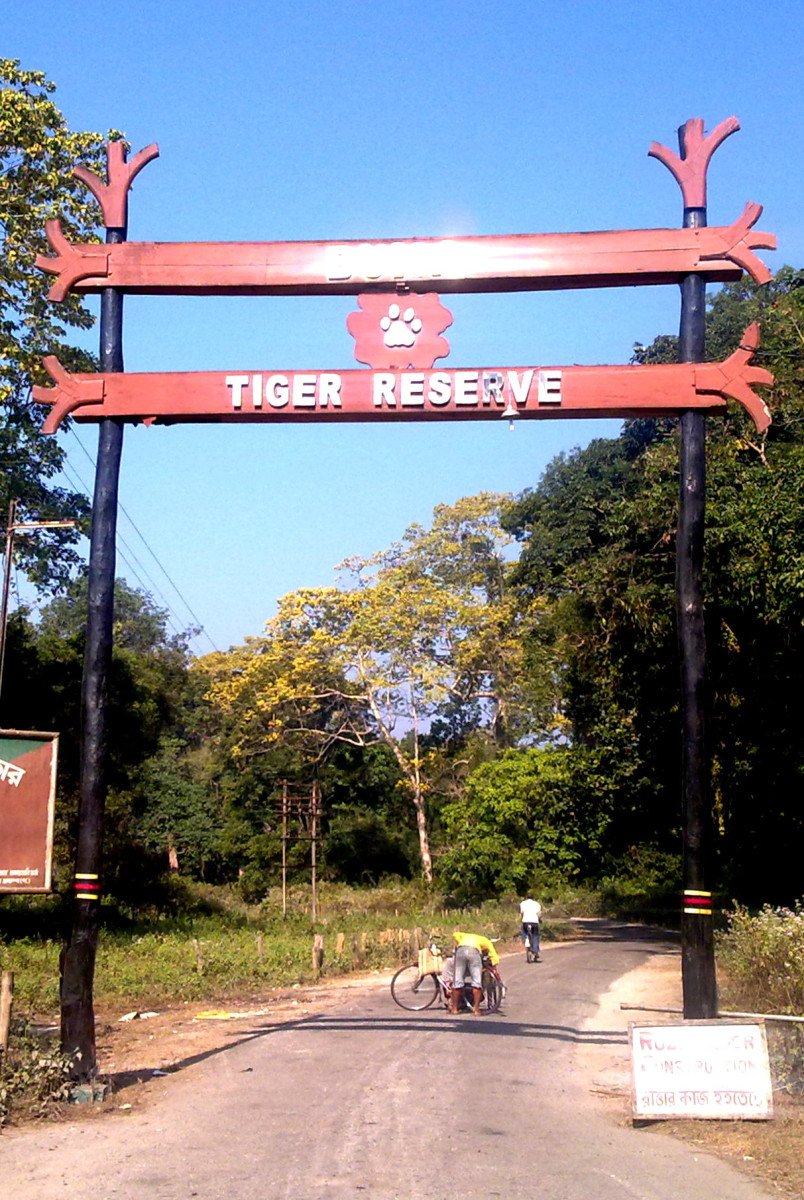
 Rajabhatkhawa is a quaint forest village that serves as the primary entry point to the world-renowned Buxa Tiger Reserve. The name itself carries a fascinating historical legacy, derived from a feast where a king ("Raja") ate rice ("Bhat"). Surrounded by a dense canopy of tropical trees, this place feels like a hidden world where nature reigns supreme. It is a vital corridor for the international migration of Asian Elephants between India and Bhutan. The village is strategically placed near the Raidak and Jayanti rivers, providing a diverse ecosystem that supports a wide array of flora and fauna. As the administrative hub for the tiger reserve, it houses the Nature Interpretation Centre, which educates visitors about the local biodiversity. The atmosphere in Rajabhatkhawa is thick with the scent of wild orchids and damp earth. It is a place of "green darkness," where the sunlight struggles to pierce through the thick forest roof even during mid-day. The historical significance extends to the nearby Buxa Fort, which was used by the British as a high-security prison for Indian freedom fighters. Visitors often feel a sense of profound isolation here, which is the main draw for those seeking true wilderness. The area is dotted with small tribal settlements, where life moves at a pace dictated by the forest seasons. Whether you are a hardcore trekker aiming for the Sinchula Range or a photographer looking for rare butterflies, Rajabhatkhawa offers an authentic jungle experience that is hard to find elsewhere in West Bengal.
 Paren is arguably the most tranquil and least-developed of the three destinations, primarily functioning as a deep forest retreat base. It is located just a short distance from Jhalong but feels a world away, as the road quickly ascends into a dense, wet temperate forest ecosystem. Paren is not known for any single major attraction like a dam or a tea garden; its appeal is its absolute solitude and its function as a getaway where nature remains entirely dominant. The location serves as an excellent bird watching destination, even better than Jhalong, due to its minimal human presence and higher elevation away from the main river traffic. The air here is noticeably cooler and crisper, and the soundscape is dominated entirely by the chirping of birds and the rustling of leaves. The small village settlement offers very limited but high-quality accommodation, usually in the form of eco-resorts or forest bungalows managed by either the government or local cooperatives. The forests around Paren are a part of the greater Neora Valley National Park foothills, which means the area is rich in high-altitude flora, including several species of orchids and medicinal plants, thriving in the perpetually moist environment. Due to its proximity to the Jaldhaka River and Bindu, it also serves as a strategic stop for travelers completing the full circuit of the upper Dooars foothills. The experience in Paren is one of slow tourism, encouraging long, reflective forest walks, quiet observation, and complete digital isolation, as mobile network signals are extremely weak. It is a place designed for serious nature lovers and those seeking true, deep rest, valuing the quality of the wilderness experience over conventional sightseeing. The local Nepali and Lepcha communities are incredibly hospitable, often managing the small homestays and offering guidance on the forest trails.
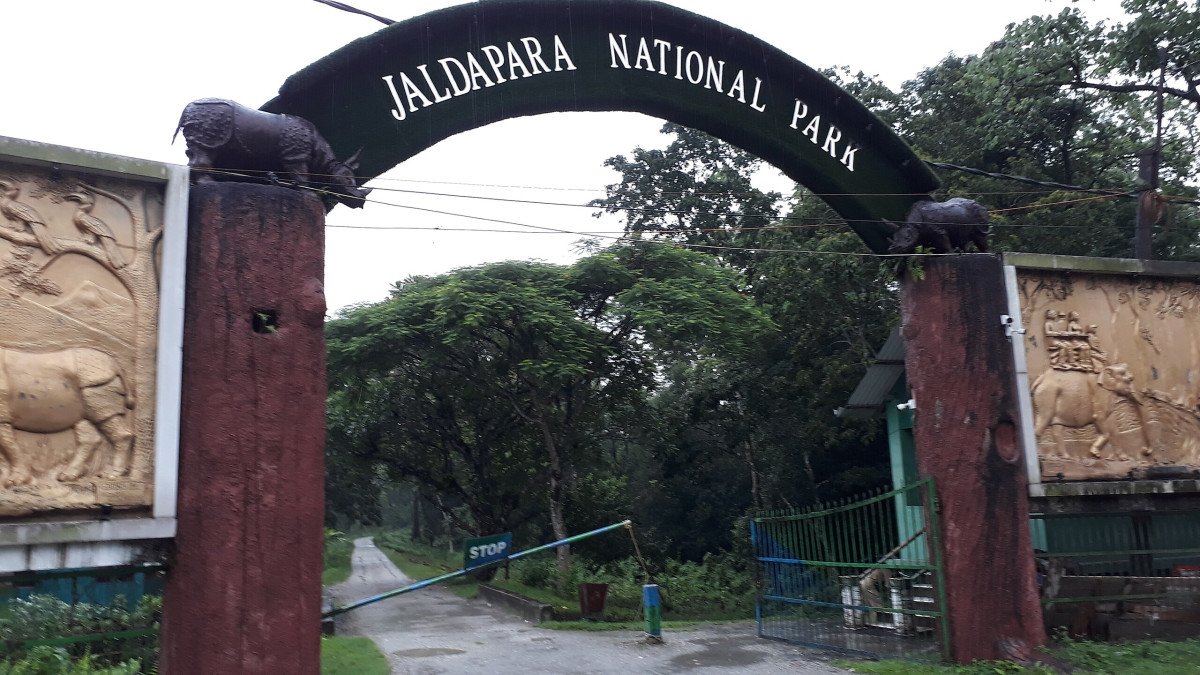
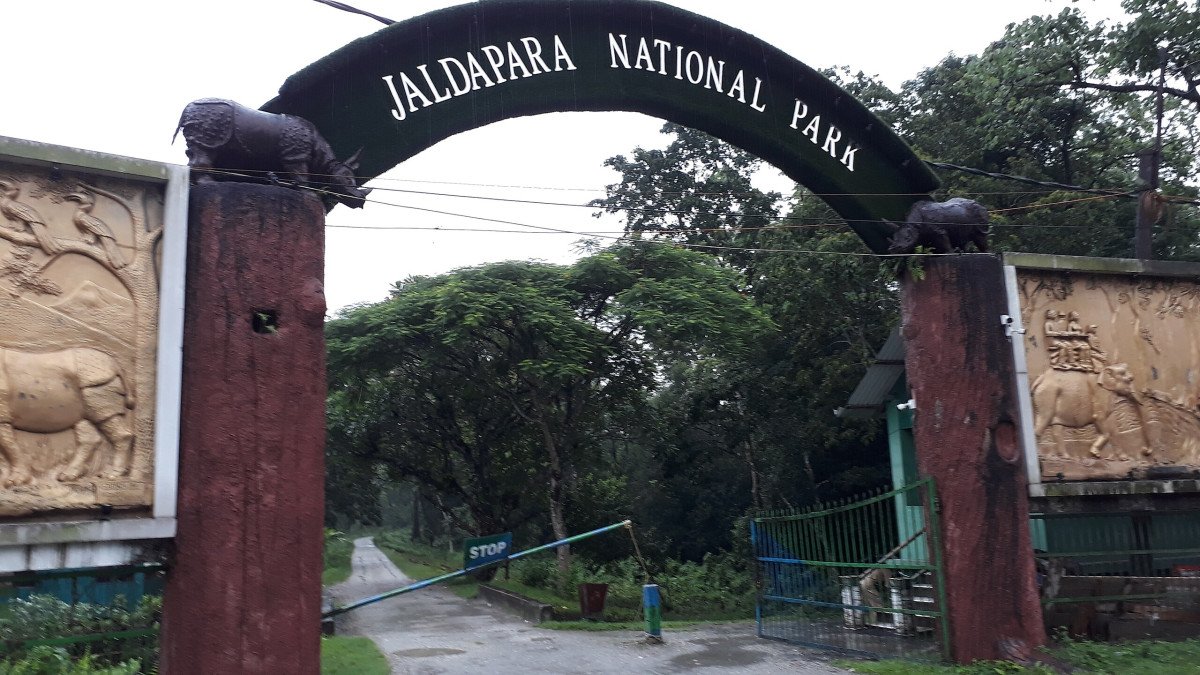
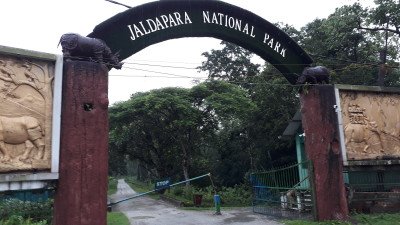 Jaldapara National Park is one of the most celebrated wildlife sanctuaries in Eastern India, famed primarily for its robust population of the critically vulnerable Indian one-horned rhinoceros. Located in the foothills of the Eastern Himalayas, it is a mosaic of extensive grasslands (locally known as Savanna) interspersed with patches of forest. It was declared a National Park in 2012, securing its status as a vital ecological hotspot, though it was a sanctuary since 1941. The Torsha River flows through the park, providing a perennial water source crucial for the sustenance of its diverse flora and fauna. Beyond the rhinos, the park offers refuge to various other magnificent animals, including the majestic Asian Elephant, the elusive Leopard, various species of deer (like Chital, Sambar, and Hog Deer), and wild pigs. Birdwatchers find Jaldapara particularly rewarding, as it hosts rare species such as the endangered Bengal Florican. The general terrain is flat, wet, and densely vegetated, characterized by tall grass, which provides perfect camouflage for the large herbivores. A trip here is fundamentally an immersion into a dense, untouched riverine landscape, offering a tranquil yet thrilling opportunity to observe wildlife in its natural setting. The primary tourist activities revolve around the morning safaris, especially the popular Elephant Safari originating from the Holong area, which provides unparalleled close-range views of the rhinos grazing peacefully in the misty grasslands. The park's commitment to conservation has made it a success story in protecting the one-horned rhino population.
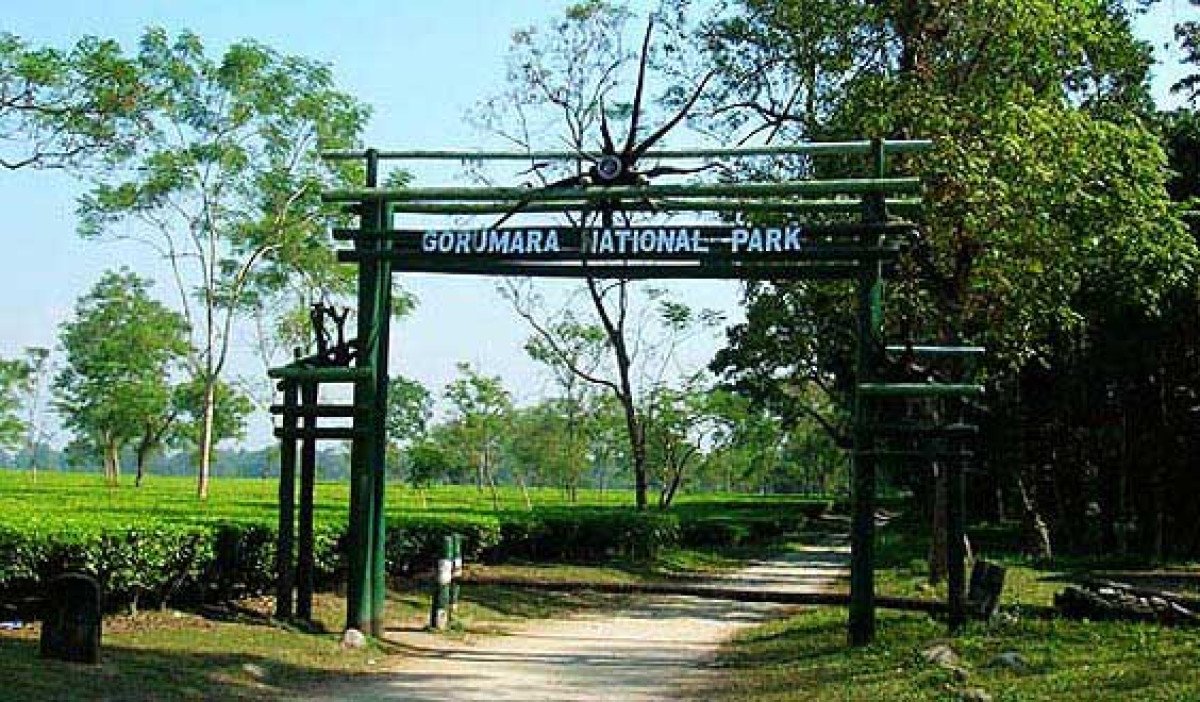
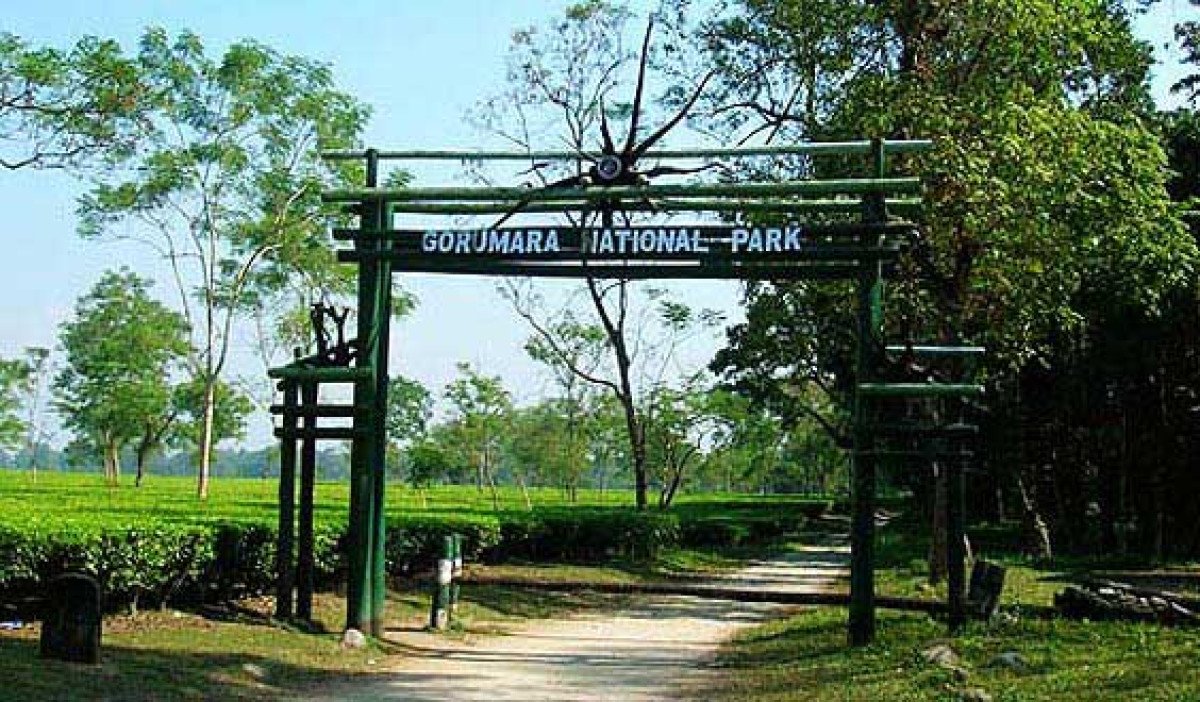
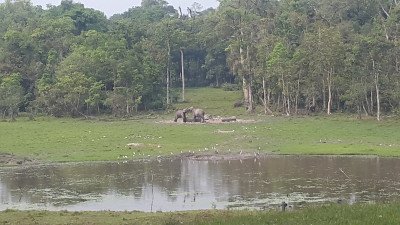 @@Biodiversity Hub: Chapramari Wildlife Sanctuary is one of the oldest wildlife reserves in India, located in the foothills of the Eastern Himalayas. It is a relatively small sanctuary, covering about 9.6 square kilometers, but it is incredibly rich in biodiversity. The name "Chapramari" is derived from 'Chapra', a type of fish, and 'Mari', meaning abundance, reflecting the rich aquatic life in its rivers. It is separated from the Gorumara National Park by the Murti River, and the two essentially form one continuous ecological zone. The sanctuary is dominated by moist deciduous forests, featuring trees like Sal, Teak, and Shirish. It is most famous for its large population of Asiatic Elephants and Indian Bison (Gaur). Visitors often flock to the sanctuary's watchtower, which overlooks a salt lick where animals frequently gather. Apart from the larger mammals, Chapramari is home to leopards, wild boars, and several species of deer, including the Chital and Sambar. For bird enthusiasts, the sanctuary is a paradise, housing over 200 species of birds, including the Green Magpie and Scarlet Minivet. The Murti River flowing along its borders provides a scenic backdrop and opportunities for angling. The sanctuary was officially established in 1895 as a forest reserve and upgraded to a wildlife sanctuary in 1998. It offers a more intimate wildlife experience compared to larger parks. The quietude of the forest is only interrupted by the calls of the wild, making it a perfect spot for those seeking peace. Jeep safaris are the primary way to explore the interior, taking visitors through dense canopies and grasslands. The proximity to the Lataguri hub makes it an easy addition to any Dooars itinerary.
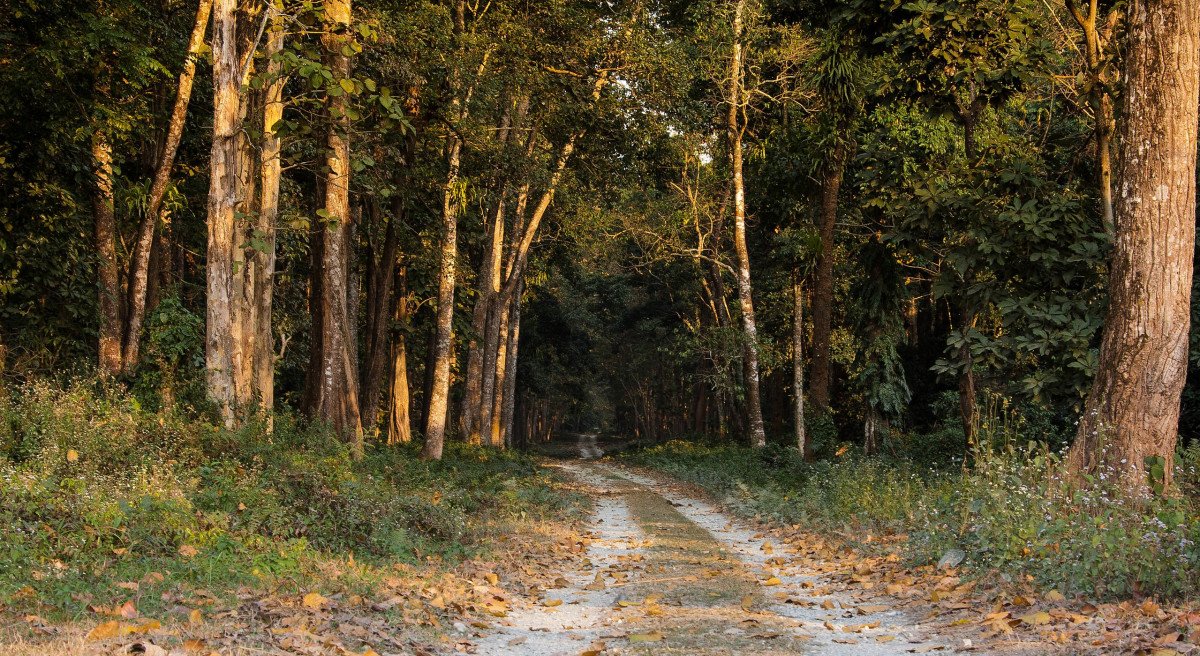
 Chilapata Forest is much more than just a patch of green; it is a vital, living artery connecting the larger Jaldapara National Park to the west and the massive Buxa Tiger Reserve to the east. This biological corridor is critically important, serving as the main migratory path for huge herds of Asian elephants, whose seasonal movements are essential for maintaining the health and diversity of the entire Terai-Dooars ecosystem. The forest is predominantly semi-evergreen and moist deciduous, characterized by towering Sal (Shorea robusta) and teak trees, creating a dense, multi-layered canopy that keeps the forest floor perpetually cool and shaded. The terrain is flat alluvial plain, typical of the lower Himalayan foothills, which facilitates the creation of marshes, waterholes, and khotis (open grasslands), which are the key areas for wildlife viewing. While the forest is famous for the One-Horned Rhinoceros a major, though challenging, sight it is also home to a diverse population of other large mammals, including the majestic Gaur (Indian Bison), leopards, wild pigs, and various species of deer like the Sambar and the Barking Deer. For the dedicated explorer, Chilapata holds historical significance with the ruins of the Nalraja Garh, an ancient fort that provides a mysterious link to the Gupta period; these forgotten ruins, swallowed by the jungle, evoke a profound sense of stepping back in time. The lifeblood of this area is the Torsha River, whose numerous tributaries and streams ensure constant water supply, particularly crucial during the dry Winter months when animals concentrate near these water sources. Tourism here is strictly regulated by the Forest Department, with safaris confined to specific areas and mandatory local guides, often from the indigenous Rabha community, whose intimate knowledge of the jungle's secrets enhances the experience immeasurably. The overall environment is one of raw, untamed nature, offering a profound retreat for anyone seeking a deep and meaningful connection with India's wilderness heritage, far removed from commercial tourism circuits. The forest s resilience in maintaining its ecological function despite increasing external pressures makes it an extraordinary site for both conservation and appreciation.
Murti is a picturesque small village named after the shimmering Murti River that flows through the heart of the Dooars region. It serves as a vital transition zone between the Gorumara National Park and the Chapramari Wildlife Sanctuary, making it one of the most strategically located tourist hubs. The river itself originates from the Neora Valley National Park and maintains a shallow, crystal-clear flow for most of the year, allowing tourists to wade through its cool waters. Historically, the area was a dense, impenetrable forest, but today it has transformed into a peaceful retreat featuring eco-resorts and forest bungalows. The landscape is a mesmerizing blend of golden riverbeds, emerald green forests, and the distant blue silhouettes of the Himalayas. It is particularly famous for its tranquil atmosphere where the only sounds are the gurgling river and bird calls. Wildlife enthusiasts frequent Murti because animals like Elephants, Rhinos, and Gaur (Indian Bison) often come to the riverbanks to drink water, especially during dawn and dusk. The village offers a "slow life" experience, far removed from urban chaos, making it a favorite for family picnics and romantic getaways. For birdwatchers, the riverbank becomes a paradise in winter as migratory birds descend upon the valley. The local culture is deeply rooted in the forest, with many residents belonging to tribal communities like the Rabhas and Mechia, who contribute to the area's unique charm through their folklore and traditional dances. Overall, Murti is not just a destination but a sensory experience of the wild Dooars.
Bindu holds the unique distinction of being the last permanent settlement in the Dooars before the geographical territory of India merges into the kingdom of Bhutan. This quaint, picturesque village is nestled in a valley, forming a natural amphitheater where the Himalayan foothills sharply rise from the alluvial plains. Its primary claim to fame is the Jaldhaka Dam, a major hydroelectric project constructed over the Jaldhaka River, which flows down from Bhutan and serves as the international boundary at this point. The river, particularly where it passes through Bindu, is a magnificent sight, especially after the monsoon when its volume is at its peak, rushing over the dam spillway with immense force. The environment is one of quiet, pristine beauty, characterized by dense, wet temperate forests that climb the slopes on the Indian side and the vast, uncultivated hills of Bhutan on the other. Visitors come here for the tranquility, the stunning river views, and the novelty of being so close to a sensitive international border. The local population is primarily composed of Nepali and various tribal groups who rely on small-scale agriculture and a nascent tourism economy. The air is remarkably clean and cool, thanks to the altitude and the constant rush of the glacial river water. Surrounding Bindu are numerous small cardamom and orange plantations, which add to the region's distinctive natural aroma, particularly noticeable during the harvest season in Winter. Access to the dam and immediate river area is regulated by the Central Industrial Security Force (CISF), adding a layer of controlled security that ensures the area remains peaceful and its environment protected. The journey to Bindu itself is an experience, passing through dense forests, across the Jhalong settlement, and alongside the winding Jaldhaka River, making the destination feel truly remote and untouched, a perfect capstone for exploring the remote northern stretches of the Dooars. The entire valley offers an immersive lesson in border ecology and the powerful confluence of human engineering and raw Himalayan water power.Show All
Chilapata Forest is much more than just a patch of green; it is a vital, living artery connecting the larger Jaldapara National Park to the west and the massive Buxa Tiger Reserve to the east. This biological corridor is critically important, serving as the main migratory path for huge herds of Asian elephants, whose seasonal movements are essential for maintaining the health and diversity of the entire Terai-Dooars ecosystem. The forest is predominantly semi-evergreen and moist deciduous, characterized by towering Sal (Shorea robusta) and teak trees, creating a dense, multi-layered canopy that keeps the forest floor perpetually cool and shaded. The terrain is flat alluvial plain, typical of the lower Himalayan foothills, which facilitates the creation of marshes, waterholes, and khotis (open grasslands), which are the key areas for wildlife viewing. While the forest is famous for the One-Horned Rhinoceros a major, though challenging, sight it is also home to a diverse population of other large mammals, including the majestic Gaur (Indian Bison), leopards, wild pigs, and various species of deer like the Sambar and the Barking Deer. For the dedicated explorer, Chilapata holds historical significance with the ruins of the Nalraja Garh, an ancient fort that provides a mysterious link to the Gupta period; these forgotten ruins, swallowed by the jungle, evoke a profound sense of stepping back in time. The lifeblood of this area is the Torsha River, whose numerous tributaries and streams ensure constant water supply, particularly crucial during the dry Winter months when animals concentrate near these water sources. Tourism here is strictly regulated by the Forest Department, with safaris confined to specific areas and mandatory local guides, often from the indigenous Rabha community, whose intimate knowledge of the jungle's secrets enhances the experience immeasurably. The overall environment is one of raw, untamed nature, offering a profound retreat for anyone seeking a deep and meaningful connection with India's wilderness heritage, far removed from commercial tourism circuits. The forest s resilience in maintaining its ecological function despite increasing external pressures makes it an extraordinary site for both conservation and appreciation.
Murti is a picturesque small village named after the shimmering Murti River that flows through the heart of the Dooars region. It serves as a vital transition zone between the Gorumara National Park and the Chapramari Wildlife Sanctuary, making it one of the most strategically located tourist hubs. The river itself originates from the Neora Valley National Park and maintains a shallow, crystal-clear flow for most of the year, allowing tourists to wade through its cool waters. Historically, the area was a dense, impenetrable forest, but today it has transformed into a peaceful retreat featuring eco-resorts and forest bungalows. The landscape is a mesmerizing blend of golden riverbeds, emerald green forests, and the distant blue silhouettes of the Himalayas. It is particularly famous for its tranquil atmosphere where the only sounds are the gurgling river and bird calls. Wildlife enthusiasts frequent Murti because animals like Elephants, Rhinos, and Gaur (Indian Bison) often come to the riverbanks to drink water, especially during dawn and dusk. The village offers a "slow life" experience, far removed from urban chaos, making it a favorite for family picnics and romantic getaways. For birdwatchers, the riverbank becomes a paradise in winter as migratory birds descend upon the valley. The local culture is deeply rooted in the forest, with many residents belonging to tribal communities like the Rabhas and Mechia, who contribute to the area's unique charm through their folklore and traditional dances. Overall, Murti is not just a destination but a sensory experience of the wild Dooars.
Bindu holds the unique distinction of being the last permanent settlement in the Dooars before the geographical territory of India merges into the kingdom of Bhutan. This quaint, picturesque village is nestled in a valley, forming a natural amphitheater where the Himalayan foothills sharply rise from the alluvial plains. Its primary claim to fame is the Jaldhaka Dam, a major hydroelectric project constructed over the Jaldhaka River, which flows down from Bhutan and serves as the international boundary at this point. The river, particularly where it passes through Bindu, is a magnificent sight, especially after the monsoon when its volume is at its peak, rushing over the dam spillway with immense force. The environment is one of quiet, pristine beauty, characterized by dense, wet temperate forests that climb the slopes on the Indian side and the vast, uncultivated hills of Bhutan on the other. Visitors come here for the tranquility, the stunning river views, and the novelty of being so close to a sensitive international border. The local population is primarily composed of Nepali and various tribal groups who rely on small-scale agriculture and a nascent tourism economy. The air is remarkably clean and cool, thanks to the altitude and the constant rush of the glacial river water. Surrounding Bindu are numerous small cardamom and orange plantations, which add to the region's distinctive natural aroma, particularly noticeable during the harvest season in Winter. Access to the dam and immediate river area is regulated by the Central Industrial Security Force (CISF), adding a layer of controlled security that ensures the area remains peaceful and its environment protected. The journey to Bindu itself is an experience, passing through dense forests, across the Jhalong settlement, and alongside the winding Jaldhaka River, making the destination feel truly remote and untouched, a perfect capstone for exploring the remote northern stretches of the Dooars. The entire valley offers an immersive lesson in border ecology and the powerful confluence of human engineering and raw Himalayan water power.Show All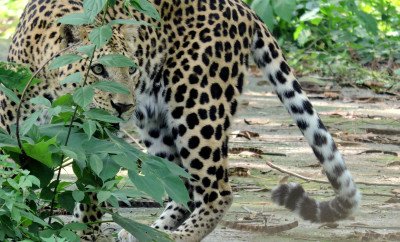 South Khayerbari is a unique destination in the Dooars, primarily known as the Royal Bengal Tiger & Leopard Rescue Centre. It was established as a rehabilitation facility for animals rescued from circuses following the national ban on using wild animals for entertainment in the early 2000s. Spreading over a significant area of the Khayerbari forest, it has evolved into a vital conservation hub. The center provides a semi-natural habitat for felines that cannot be released back into the wild due to long-term captivity or injuries. The landscape is characterized by the meandering Buri Torsa River, which adds a scenic dimension to the sanctuary. Visitors can explore the park via battery-operated safari cars, allowing for safe and ethical observation of the majestic Tigers and Leopards. Unlike traditional zoos, the enclosures here are massive and designed to mimic the natural forest floor. The sanctuary also plays a crucial role in treating injured animals found in nearby tea gardens or forest fringes. It is a place of healing and education, teaching visitors about the importance of wildlife protection and the tragic history of animal exploitation in entertainment. The peaceful environment is enhanced by a well-maintained children’s park and boating facilities on the river, making it a well-rounded family destination. The sound of the river, combined with the occasional roar of a tiger, creates a hauntingly beautiful atmosphere. For those interested in wildlife biology and conservation, South Khayerbari offers a rare look at the efforts required to protect India’s apex predators.
Hotels
● WBTDC Murti Tourist Lodge
Address: Murti River Bank, Malbazar, Dooars, West Bengal 735221
Distance:
Details: Situated on the picturesque banks of the Murti River, this lodge offers a serene escape. Guests can enjoy spacious rooms with river views, an in-house...
Affordable Government Tourist Lodges Booking In Dooars Region
● The Reserve Gorumara
Address: Lataguri, Dooars, West Bengal 735219
Distance:
Details: This premium resort offers luxury amidst the wild. Facilities include elegantly designed cottages, a swimming pool, and a high-end multi-cuisine resta...
Best Forest Resorts In Dooars Wild Life Tourism
● Suntaleykhola Nature Resort
Address: Suntaleykhola, Near Samsing, Dooars, West Bengal 735223
Distance:
Details: Nestled in the lush hills, this heritage-style resort offers authentic tea garden charm. Facilities include guided nature walks, organic garden-to-tab...
Best Tea Garden Heritage Bungalow Stay In Dooars
● Murti River Resort
Address: Murti, Dooars, West Bengal 735206
Distance:
Details: Located right on the banks of the Murti river. Facilities include family-sized cottages, dining hall, river access for casual strolls, kids' area, amp...
Budget Friendly Family Resorts Near Murti River Dooars
● Hollong Tourist Lodge
Address: Madarihat, Jaldapara, West Bengal 735220
Distance:
Details: Inside the sanctuary, basic rooms, canteen, safari help, serene views....
Jaldapara Wildlife Sanctuary Top Rated Safari Resort
● The Gorumara Nature Resort
Address: Lataguri, Gorumara, West Bengal
Distance:
Details: Luxury cottages, swimming pool, tribal dance shows, dining hall, safari service....
Luxury Jungle Stays In Gorumara National Park
● Turibari Eco Resort
Address: Turibari, Dooars
Distance:
Details: Features lush tea gardens, dense forests, jungle safaris, bird watching, and personalized service in an eco-friendly setting....
Nature Resorts And Eco Tourism Lodges
● Sinclairs Retreat Dooars
Address: Chalsa Hill Top, Dooars
Distance:
Details: Offers a full-service spa with massage/sauna/steam, Olympic-size pool, organic farm with medicinal shrubs, and refined cottage-style rooms....
Premium Wellness Retreats And Spa Resorts
● The Riverwood Forest Retreat
Address: Near Gorumara National Park, Dooars, West Bengal 735206
Distance:
Details: Nestled on the banks of the Murti River, this retreat offers boutique cottages with river views, ethnic decor, private balconies, and proximity to wil...
Riverfront Boutique Cottages And Family Suites In Dooars
● Resort Lataguri
Address: Lataguri, Dooars, West Bengal 735219
Distance:
Details: A premier weekend choice near Lataguri forest. It offers modern rooms, quick access to Gorumara safaris, a swimming pool, and an on-site restaurant. D...
Top Weekend Getaway Hotels Near Lataguri Forest Dooars
Show AllInformation
-
Why Famous:
Wildlife Biodiversity: Dooars is famous for being the primary habitat of the endangered Indian one-horned rhinoceros in Jaldapara and Gorumara.
Tea Tourism: The region produces some of the finest CTC tea in the world, and its expansive tea e...Wildlife Biodiversity: Dooars is famous for being the primary habitat of the endangered Indian one-horned rhinoceros in Jaldapara and Gorumara.
Tea Tourism: The region produces some of the finest CTC tea in the world, and its expansive tea estates provide a scenic beauty that is synonymous with North Bengal.
Gateway to Bhutan: Its strategic location as the entrance to the Himalayan kingdom of Bhutan via Phuentsholing makes it a significant transit and tourism point. -
Architecture:
Colonial and Forest Structures: The architecture in Dooars is primarily functional and integrated with nature. Traditional Tea Bungalows built during the British era feature high ceilings, large verandahs, and slanted roofs designed for heavy rainfall, often covering an are...Colonial and Forest Structures: The architecture in Dooars is primarily functional and integrated with nature. Traditional Tea Bungalows built during the British era feature high ceilings, large verandahs, and slanted roofs designed for heavy rainfall, often covering an area of over 300 square meters.
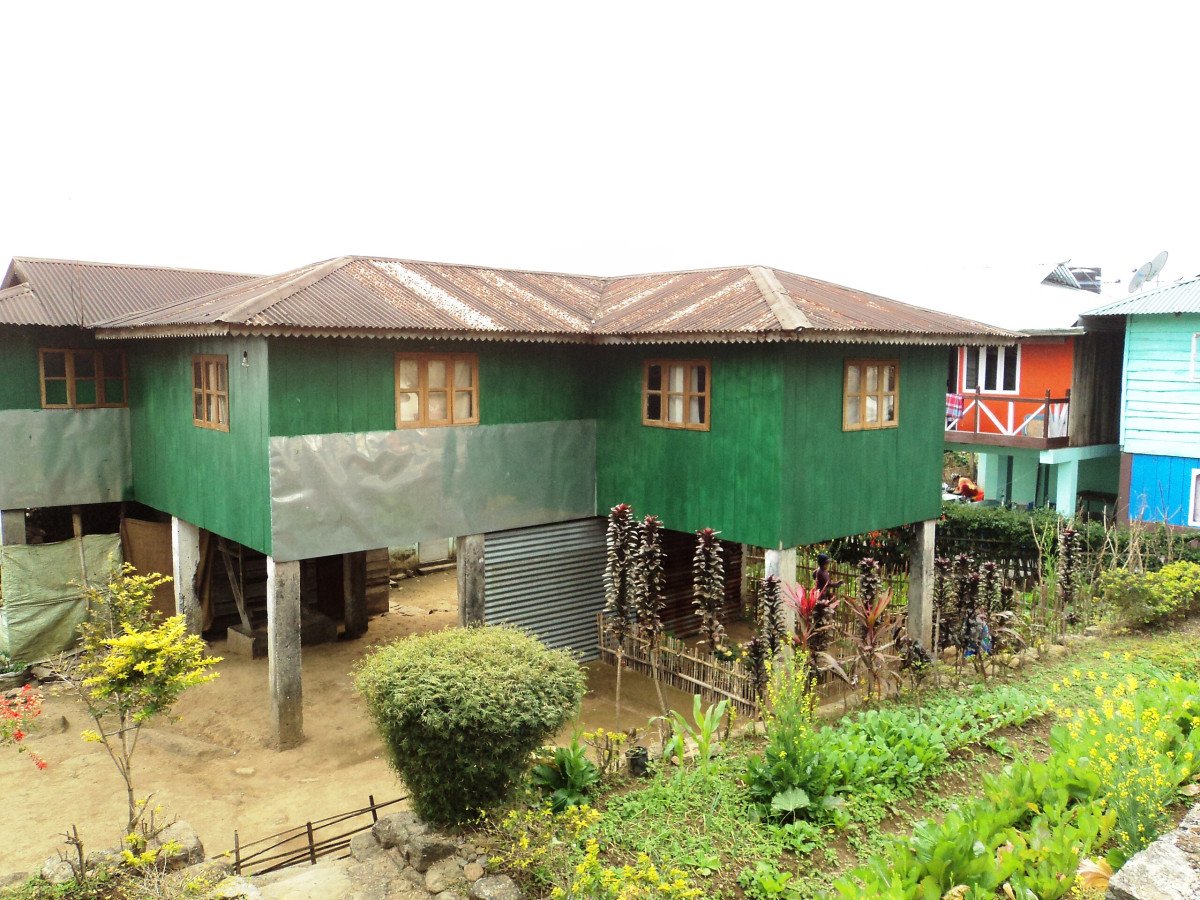
Historical Ruins: The Buxa Fort, located at an altitude of 867 meters, showcases heavy stone masonry walls that are roughly 3 meters thick, once used as a high-security prison. Forest rest houses like the Hollong lodge are built on stilts to keep inhabitants safe from wild animals and flooding during the monsoons. -
How To Reach:
By Air: Bagdogra Airport (IXB) is the nearest, about 80 km from Malbazar and 120 km from Jaldapara; it has regular flights from Kolkata, Delhi, and Guwahati.
By Train: Major railheads include New Jalpaiguri (NJP), New Alipurduar, and Hasima...By Air: Bagdogra Airport (IXB) is the nearest, about 80 km from Malbazar and 120 km from Jaldapara; it has regular flights from Kolkata, Delhi, and Guwahati.
By Train: Major railheads include New Jalpaiguri (NJP), New Alipurduar, and Hasimara; the Kanchan Kanya Express is a popular train that passes through the heart of the Dooars forests.
By Road: Siliguri is the gateway; National Highway 31 connects the region to the rest of the country, and private cabs are the best way to explore the interior forests.
By Local Transport: Within the region, shared jeeps and private taxis are the primary modes of transport between different tourist spots. -
Weather and Best Time to Visit:
Winter Season: November to February is the peak season with clear skies and cool temperatures (10°C to 22°C), ideal for safaris and bird watching.
Monsoon Magic: July to August is beautiful for the lush greenery, though forests are closed....Winter Season: November to February is the peak season with clear skies and cool temperatures (10°C to 22°C), ideal for safaris and bird watching.
Monsoon Magic: July to August is beautiful for the lush greenery, though forests are closed.
Best Part of Day: Very early mornings for wildlife and evenings for riverside relaxation. -
Near Tourist Places:
Jaldapara (0 km), Gorumara (70 km), Buxa Fort (30 km), Jayanti (30 km), Chilapata Forest (20 km), Murti (65 km), Samsing (85 km), Bindu (100 km), Lava (120 km), Cooch Behar (75 km).
Tourism Tips
-
Health and Safety: This is a malaria-prone zone, so carry mosquito repellents and consult a doctor about prophylaxis; never venture into the forest without a licensed guide.
Packing: Wear camouflage or neutral-colored clothing (greens and b...Health and Safety: This is a malaria-prone zone, so carry mosquito repellents and consult a doctor about prophylaxis; never venture into the forest without a licensed guide.
Packing: Wear camouflage or neutral-colored clothing (greens and browns) for safaris to avoid disturbing animals; carry sturdy boots for trekking.
Accommodation: Options range from luxury resorts in Lataguri to budget forest rest houses; booking in advance via the WBFDC website is essential.
Environmental Ethics: Do not litter in the forest and strictly follow the 'no plastic' rules of the National Parks.
Reviews
FAQs
Dooars Itineray And Cost:-
Information about New and Updated Locations() of West Bengal Has Been Added :-
Card subtitle
Note:-
Information provided here in good Faith and for reference only.
All information and pictures will be updated soon, please keep visiting.
Near Places

Bakkhali
Some quick example text to build on the card title and make up the bulk of the card's content.
Go somewhere
Bankura
Some quick example text to build on the card title and make up the bulk of the card's content.
Go somewhere
Bishnupur
Some quick example text to build on the card title and make up the bulk of the card's content.
Go somewhere
Cooch Behar
Some quick example text to build on the card title and make up the bulk of the card's content.
Go somewhere
Darjeeling
Some quick example text to build on the card title and make up the bulk of the card's content.
Go somewhere
Digha
Some quick example text to build on the card title and make up the bulk of the card's content.
Go somewhere
Dooars
Some quick example text to build on the card title and make up the bulk of the card's content.
Go somewhere
Kalimpong
Some quick example text to build on the card title and make up the bulk of the card's content.
Go somewhere
Kolkata
Some quick example text to build on the card title and make up the bulk of the card's content.
Go somewhere
Kurseong
Some quick example text to build on the card title and make up the bulk of the card's content.
Go somewherein Other Cities