
Kurseong
General information
-
Ideal Duration:
2 to 4 DaysPlace Type:
Hill Station / Nature RetreatEntry Fees:
Most viewpoints and public areas like Eagle’s Crag have a minimal entry fee of 10 to 20 Rupees. The Netaji Museum may charge around 20 Rupees.
Tea Estate Tours: Guided tours at estates like Makaibari can cost around 500 to 1000 Rupees per person, including tea t...Most viewpoints and public areas like Eagle’s Crag have a minimal entry fee of 10 to 20 Rupees. The Netaji Museum may charge around 20 Rupees.
Tea Estate Tours: Guided tours at estates like Makaibari can cost around 500 to 1000 Rupees per person, including tea tasting.Timing:
Regular Timings: Most tourist spots are open from 9 AM to 5 PM. The Eagle’s Crag is best visited in the late afternoon.
Ideal Visit Time: Early mornings (6 AM to 8 AM) are perfect for mountain views, while late afternoons are best for mis...Regular Timings: Most tourist spots are open from 9 AM to 5 PM. The Eagle’s Crag is best visited in the late afternoon.
Ideal Visit Time: Early mornings (6 AM to 8 AM) are perfect for mountain views, while late afternoons are best for misty forest walks.Special Events:
Flower Shows: In April, local flower shows are held where a variety of orchids and Himalayan flora are displayed.
Durga Puja: The festival is celebrated with traditional Gorkha flavor, featuring local music and dance performances in the town...Flower Shows: In April, local flower shows are held where a variety of orchids and Himalayan flora are displayed.
Durga Puja: The festival is celebrated with traditional Gorkha flavor, featuring local music and dance performances in the town square.Best Photo Spots:
Eagle’s Crag Viewpoint: The panoramic view of the plains and the sunset makes this the top spot for landscape photography.
Makaibari Tea Estate: The lush green slopes with tea pluckers in traditional attire provide a quintessentially Himal...Eagle’s Crag Viewpoint: The panoramic view of the plains and the sunset makes this the top spot for landscape photography.
Makaibari Tea Estate: The lush green slopes with tea pluckers in traditional attire provide a quintessentially Himalayan frame.
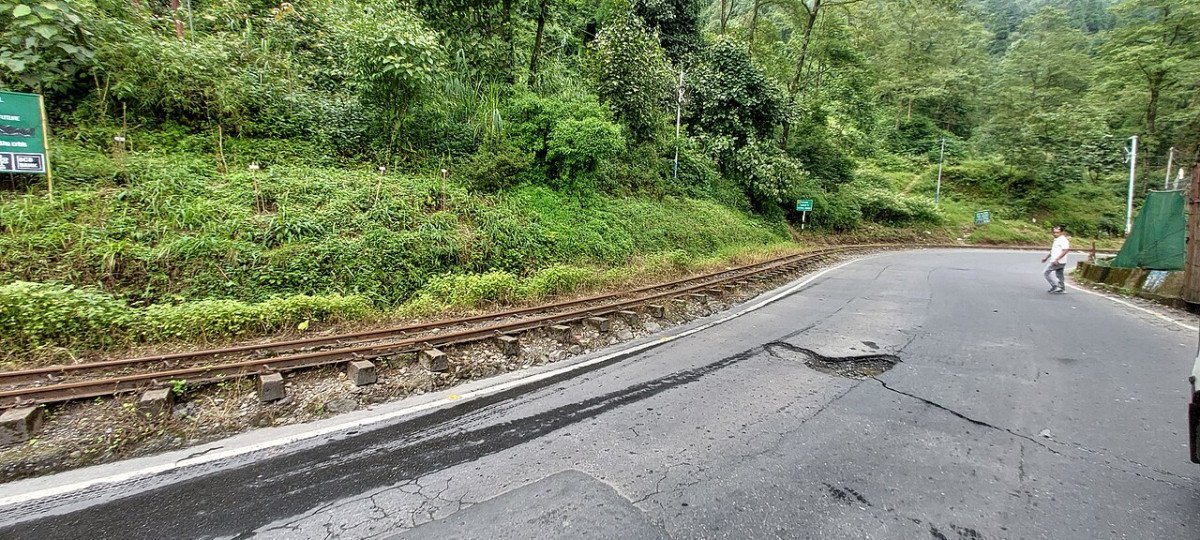
The Toy Train Tracks: Capturing the train as it crosses the main road or winds through the forest is a classic Kurseong shot.Photo Gallery
Things To Do
 Chimney Heritage Park is named after a magnificent 23-foot tall red brick chimney that stands as a solitary monument in a beautifully landscaped garden. This chimney is the sole remaining part of an old British bungalow, believed to have been built around 1839 and potentially used as a rest house by British soldiers during World War I. The village that grew around this prominent structure also adopted the name Chimney. The park sits at an elevation of about 7,200 feet, offering spectacular views of the Himalayan range, the distant plains, and the winding course of the Teesta and Mahananda Rivers. The park itself has been lovingly restored and maintained by the local joint forest management committee, featuring a delightful collection of flowering plants, including various types of orchids, rhododendrons, and camellias. It is a peaceful, offbeat destination that combines a unique historical relic with a tranquil, botanical garden experience, making it a favorite for nature lovers and history buffs.
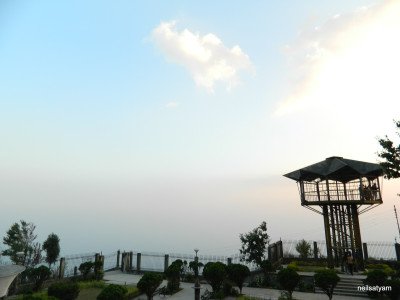 Eagle's Crag, known locally as Durpin Dara, is arguably the most famous viewpoint in Kurseong. It is situated atop a prominent ridge, offering a breathtaking, 360-degree vista that spans from the mighty snow-capped Kanchenjunga peaks to the north, all the way to the sprawling plains of Siliguri and the Teesta River valley in the south. The location features a beautifully manicured garden, paved pathways, and an observation tower that enhances the view. The name reflects its cliffside perch, suggesting the perspective of an eagle. On a clear day, especially during the autumn and winter months, the view is absolutely unrivaled, showcasing the contrast between the icy peaks and the lush, green valleys below. There is a small, functional watchtower that visitors can climb for an even higher vantage point. The site also holds a small reservoir and is close to a major television and telecommunications tower, which has become a landmark for the area. Eagle's Crag is less about spiritual or historical significance and more about the raw, dramatic beauty of the Himalayan landscape. It is an essential stop for anyone visiting Kurseong, offering easy access to some of the best scenery the region has to offer. The gentle cool breeze and the sheer openness of the location make it an invigorating and memorable place to spend time.
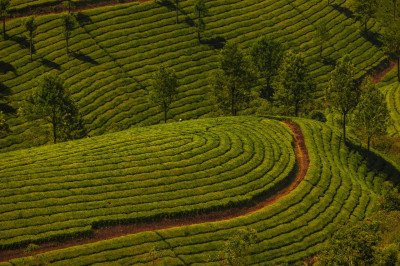 Ambootia Tea Estate is one of the most celebrated and picturesque tea gardens in the Darjeeling region. Established in the 1860s by British planters, it has gained international fame not just for the exceptional quality of its tea but also for its pioneering role in organic and biodynamic farming. Since 1992, Ambootia has been 100% certified organic and biodynamic, which means the tea is grown without any chemical pesticides or fertilizers, using sustainable, holistic practices that are in harmony with the natural ecosystem. The estate is sprawling, covering over 500 acres of manicured tea bushes that cling to the steep slopes of the Himalayan foothills. The vast expanse of lush green tea bushes, interspersed with tall shade trees and dotted with colonial-era estate bungalows and the tea factory, makes for a truly spectacular sight. Visitors can take guided tours to understand the entire process from 'leaf to cup,' including plucking, processing, and tasting. For tea connoisseurs and nature lovers, Ambootia offers a profound and serene experience, embodying the purity and unique flavour profile of authentic Darjeeling tea. The estate is also Fair Trade certified, highlighting its commitment to the welfare of its workers.
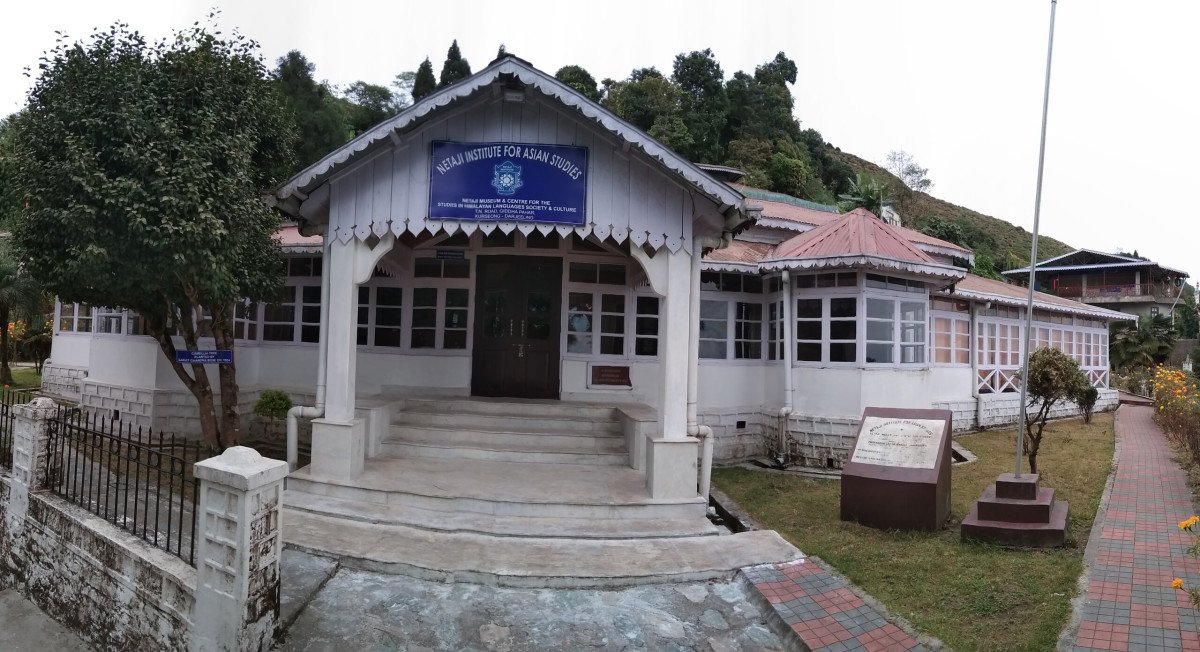
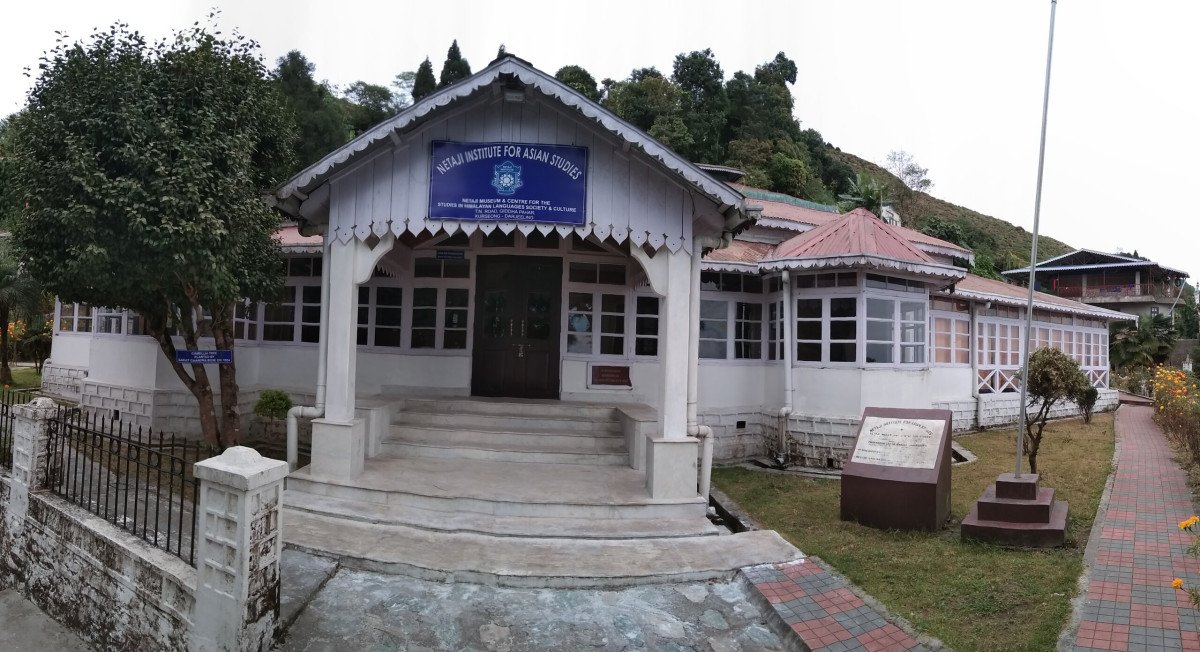
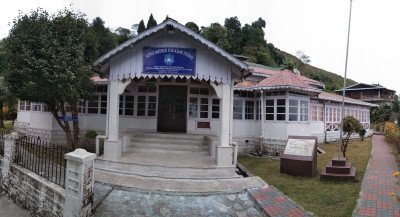 The Netaji Subhas Chandra Bose Museum is housed in the historical Giddapahar dwelling where the great Indian freedom fighter, Netaji Subhas Chandra Bose, was held under house arrest by the British authorities in 1933. This site is not just a collection of artifacts, but a preserved piece of history, offering a tangible connection to Netaji's revolutionary journey and philosophical development during a crucial period of his life. The museum is a simple, unassuming bungalow that has been carefully maintained to retain the look and feel of the 1930s. Inside, visitors can see original furniture used by Netaji, including his writing desk, chair, and bed, as well as personal belongings, letters, and rare photographs from his Giddapahar stay. The exhibits beautifully document his political thoughts, his famous escape, and his role in the Indian National Army (INA). The museum operates under the Netaji Subhas Bose National Centre for Historical Research. The atmosphere is one of profound historical significance, reverence, and quiet patriotism, often attracting historians, students, and political enthusiasts. The building stands as a powerful reminder of the sacrifices made during India's fight for independence, offering a deep, educational experience that contrasts sharply with the area's natural tourism. The surrounding gardens, where Netaji often walked, are also preserved, providing a tranquil space for reflection on his life.
 Grotto View Point, located on St. Mary's Hill, is primarily a deeply spiritual site centered around a revered shrine a natural rock grotto dedicated to Mother Mary. This spot is far more tranquil and secluded than the bustling viewpoints closer to the town center. The grotto itself is a small, cave-like formation nestled into the hillside, meticulously decorated with statues of the Virgin Mary, flickering candles, and small offerings left by devotees. It has been a site of pilgrimage and prayer for the local Christian community and others seeking peace and solace for over a century. The surrounding area is characterized by dense, cool forest trails and quiet lanes, giving the entire hill a serene, meditative atmosphere. A short distance from the grotto is the historical St. Mary's College, a significant educational institution, adding to the hill's gentle, cultured ambiance. While the view from the Grotto View Point is less expansive than Eagle's Crag, it offers a beautiful, close-up perspective of the surrounding tea estates, forest cover, and the intricate details of the valley below. Visiting here is an experience in quiet contemplation, often marked by the subtle sound of church bells or the distant chanting of prayers, providing a perfect escape from the faster pace of typical tourism.
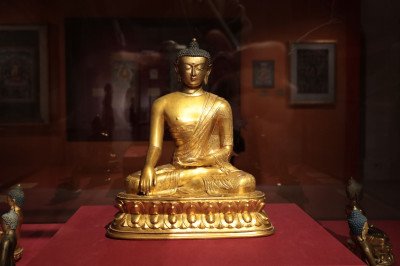 The Forest Museum at Dow Hill is a fascinating destination for anyone interested in the natural heritage and colonial past of the Darjeeling district. It is peacefully located in the misty Dow Hill area, a region famed for its thick pine and cedar forests. Originally established during the British Raj, the museum was primarily an education and research center focused on forest and timber resource management. Today, it serves as a repository showcasing a diverse collection related to the Himalayan ecosystem. The exhibits include various types of wood samples, wildlife taxidermy (featuring skins, bones, and hides of animals that once roamed the area), historical documents, old maps of the region, and botanical collections. Maintained by the state forest department, the museum is dedicated to the conservation and study of the local environment. It provides a quiet, introspective experience away from the bustling town life and is particularly engaging for children and nature enthusiasts, offering insights into the rich biodiversity of the Eastern Himalayas. The tranquility of the surroundings, coupled with the educational exhibits, makes it a unique stop in the Kurseong itinerary.
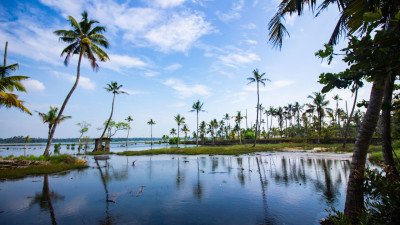 Bhangzang Salamander Lake is a small, serene water body located in the scenic hills near Kurseong, towards the road leading to Mirik. The lake is a natural habitat and breeding ground for the extremely rare and endangered Himalayan Newt or Himalayan Black Salamander (Tylototriton verrucosus). This makes the lake an ecologically significant location, drawing nature enthusiasts and conservationists. The lake itself is surrounded by dense forests and has a distinctly quiet, green-tinged appearance, reflecting the lush, natural beauty of the environment. The area, historically a popular destination for the British, retains its tranquil charm. While sightings of the elusive salamander are rare and depend on the season, the lake's picturesque setting provides a perfect spot for nature walks and peaceful contemplation, making it a unique eco-tourism spot in the Darjeeling region.Show All
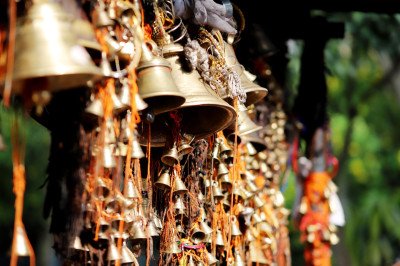 Giddapahar is a geographically and spiritually significant spot located a short distance outside Kurseong on the main road leading to Darjeeling. The name 'Giddapahar' translates roughly to 'Vulture Hill,' though the origin is subject to local myths. The location is two-fold: a popular natural viewpoint and the site of an ancient, revered Hindu shrine dedicated to Lord Shiva and Goddess Kali. The viewpoint is particularly famous among railway enthusiasts because it offers the perfect vantage point to observe and photograph the iconic Darjeeling Himalayan Railway (DHR) Toy Train as it slowly winds its way up or down the steep slopes, often circling closely below the viewing deck. The temple, built into the rock face of the hill, is a place of deep devotion, drawing pilgrims from nearby towns. It has a peaceful, mystical ambiance, often filled with the gentle ringing of bells and the aroma of incense. Unlike other viewpoints, which focus solely on mountains, Giddapahar combines natural beauty, human engineering marvel (the Toy Train), and spiritual heritage, making it a unique and well-rounded destination for all visitors. The surrounding small businesses, often selling local food and souvenirs, add a lively community feel to the sacred spot.
Hotels
● Rosa Allita Hotels & Resorts
Address: Ashram Basti, Gidda Pahar, Naya Bazaar, Kurseong - 734203
Distance:
Details: Resort with scenic views, spacious family rooms, restaurant, and garden area, ideal for families seeking comfort and nature....
Best Family Resorts In Kurseong
● Hotel Basera
Address: Pankhabari Rd, Kurseong
Distance:
Details: 3-star budget hotel with restaurant, lounge, and central location, offering basic comforts for travelers....
Budget Stay In Kurseong
● Sampang Hotel and Restaurant
Address: Kurseong
Distance:
Details: Budget hotel and restaurant providing affordable meals and simple stay for low-budget travelers....
Cheap Hotels In Kurseong
● Himalayan Eco- Stay Homestay
Address: Lower Sittong, Dairy Gaon, Kurseong
Distance:
Details: Eco-friendly stay with terrace, dining area, and caretaker services, fostering a nature-centric experience....
Eco-friendly Resorts In Kurseong
● Aama Home Stay
Address: Kurseong
Distance:
Details: Highly rated, garden-rich property with mountain views and a cozy family-run environment....
Homestays In Kurseong
● Summit Bougainvillea Tea Resort
Address: Gayabari, Tindharia, Kurseong
Distance:
Details: Free WiFi, Restaurant, Couple Friendly, Early Check-In, Free Breakfast....
Hotels With WiFi
● Kurseong Tourist Lodge
Address: Tenzing Norgay Road, Kurseong
Distance:
Details: Government accommodation, Standard amenities, Scenic location....
Kurseong Guest Houses
● Cochrane Place by Teesta Hotels
Address: Pankhabari Rd, Kurseong
Distance:
Details: Heritage property, Colonial architecture, Scenic tea gardens....
Kurseong Heritage Hotels
● The Amarjeet Hotel
Address: Pankhabari Rd, Kurseong
Distance:
Details: 1 min walk to station, Restaurant, Bar, Couple friendly....
Kurseong Hotels Near Station
● Summit Bougainvillea Tea Resort
Address: Near Joy Ride Station
Distance:
Details: Mountain views, Balconies, Swimming pool....
Kurseong Hotels With Mountain View
● Taj Chia Kutir Resort & Spa
Address: Pankhabari Rd, Kurseong, West Bengal 734203
Distance:
Details: Features luxury suites with mountain views, an upscale spa, tea tasting experiences, fine dining, fitness center, and impeccable hospitality services....
Luxury Boutique Hotels
● Taj Chia Kutir Resort & Spa
Address: Pankhabari Rd, Kurseong, West Bengal 734203
Distance:
Details: 5-star luxury accommodation with valley views, world-class spa, fitness facilities, and premium guest amenities....
Luxury Hotels
● Nirvana Retreat
Address: Kurseong, West Bengal
Distance:
Details: Pet-friendly policy allowing dogs of any size, large outdoor spaces for pets to roam, and cozy rooms....
Pet Friendly Hotels
● Taj Chia Kutir Resort & Spa
Address: Pankhabari Rd, Kurseong, West Bengal
Distance:
Details: Top-rated 5-star resort, swimming pool, luxury spa, fine dining, and stunning mountain/valley views....
Top Rated Resorts
● Cochrane Place By Teesta Hotels
Address: Kurseong, West Bengal
Distance:
Details: Ideal for weekends; offers historical ambiance, mountain views, restaurant, and library for relaxation....
Weekend Getaways
Show AllInformation
-
Why Famous:
The Toy Train Heritage: Kurseong is a major station for the Darjeeling Himalayan Railway, a UNESCO World Heritage site. The sight of the steam engine puffing through the town's narrow streets is iconic.
Tea Tourism: It is home to some of th...The Toy Train Heritage: Kurseong is a major station for the Darjeeling Himalayan Railway, a UNESCO World Heritage site. The sight of the steam engine puffing through the town's narrow streets is iconic.
Tea Tourism: It is home to some of the world's most famous tea estates, including Makaibari and Ambotia, where the first organic tea was produced.
Education Hub: The town is famous for its elite residential schools that have educated generations of students from across South Asia. -
Architecture:
Colonial and Hillside Architecture: Kurseong showcases a rich heritage of British colonial architecture.
Victorian Influence: Buildings like the Dow Hill Girls' School and the Victoria Boys' School are classic examples of Victorian style, fe...Colonial and Hillside Architecture: Kurseong showcases a rich heritage of British colonial architecture.
Victorian Influence: Buildings like the Dow Hill Girls' School and the Victoria Boys' School are classic examples of Victorian style, featuring stone masonry, large glass windows, and steep gabled roofs. The dimensions of these structures are impressive, often sprawling across several acres of hill slopes.
Religious Structures: The St. Paul's Church is a beautiful red-roofed building that stands as a testament to the town's colonial past. In contrast, the monasteries like the Giddapahar Gompa reflect traditional Tibetan architecture with colorful murals and tiered roofs. The Ambotia Shiva Temple is situated in a scenic spot, using simple but elegant local stone and wood construction. -
How To Reach:
By Air: The nearest airport is Bagdogra Airport, which is about 40 km away. Taxis are easily available from the airport.
By Train: The nearest major railhead is New Jalpaiguri (NJP), approximately 45 km away. The Toy Train also connects NJ...By Air: The nearest airport is Bagdogra Airport, which is about 40 km away. Taxis are easily available from the airport.
By Train: The nearest major railhead is New Jalpaiguri (NJP), approximately 45 km away. The Toy Train also connects NJP to Kurseong.
By Road: Kurseong is located on the Hill Cart Road (NH 110) connecting Siliguri to Darjeeling. Buses and shared taxis run frequently from Siliguri.
By Local Transport: Shared jeeps and private taxis are the main way to travel within the town and to nearby attractions. -
Weather and Best Time to Visit:
Spring Season: March to May is the best time for orchids and clear mountain views. The weather is cool and pleasant.
Autumn Season: October to December offers the sharpest views of the Kanchenjunga and crisp, sunny days.
Read MoreSpring Season: March to May is the best time for orchids and clear mountain views. The weather is cool and pleasant.
Autumn Season: October to December offers the sharpest views of the Kanchenjunga and crisp, sunny days.
Monsoon Season: June to September sees heavy rainfall, making the hills incredibly green but also prone to landslides.Near Tourist Places:
Darjeeling (30 km), Mirik (25 km), Siliguri (35 km), Ghoom (24 km), Makaibari Tea Estate (3 km), Dow Hill (4 km), Bagora (15 km), Chatakpur (18 km), Mongpu (35 km), Sonada (15 km).Tourism Tips
-
Health and Safety: The mountain roads can be winding; carry motion sickness medication if needed. Be careful while walking in the forest areas during the monsoon due to leeches.
Packing: Even in summer, evenings can be chilly; carry light...Health and Safety: The mountain roads can be winding; carry motion sickness medication if needed. Be careful while walking in the forest areas during the monsoon due to leeches.
Packing: Even in summer, evenings can be chilly; carry light woolens. In winter, heavy jackets and thermal wear are essential.
Accommodation: Options range from heritage bungalows to budget hotels. Staying in a tea estate guest house is a unique experience.
Other Tips: Try to use the shared jeeps for a more local experience. Respect the local culture and do not litter in the hills.
Reviews
FAQs
Kurseong Itineray And Cost:-
Information about New and Updated Locations() of West Bengal Has Been Added :-
Card subtitle
Note:-
Information provided here in good Faith and for reference only.
Near Places
Bakkhali
Some quick example text to build on the card title and make up the bulk of the card's content.
Go somewhere
Bankura
Some quick example text to build on the card title and make up the bulk of the card's content.
Go somewhere
Bishnupur
Some quick example text to build on the card title and make up the bulk of the card's content.
Go somewhere
Cooch Behar
Some quick example text to build on the card title and make up the bulk of the card's content.
Go somewhere
Darjeeling
Some quick example text to build on the card title and make up the bulk of the card's content.
Go somewhere
Digha
Some quick example text to build on the card title and make up the bulk of the card's content.
Go somewhere
Dooars
Some quick example text to build on the card title and make up the bulk of the card's content.
Go somewhere
Kalimpong
Some quick example text to build on the card title and make up the bulk of the card's content.
Go somewhere
Kolkata
Some quick example text to build on the card title and make up the bulk of the card's content.
Go somewhere
Kurseong
Some quick example text to build on the card title and make up the bulk of the card's content.
Go somewhere
Lataguri
Some quick example text to build on the card title and make up the bulk of the card's content.
Go somewhere
Lava
Some quick example text to build on the card title and make up the bulk of the card's content.
Go somewhere
Lolegaon
Some quick example text to build on the card title and make up the bulk of the card's content.
Go somewhere
Malda City
Some quick example text to build on the card title and make up the bulk of the card's content.
Go somewhere
Mandarmani
Some quick example text to build on the card title and make up the bulk of the card's content.
Go somewhere
Mayapur
Some quick example text to build on the card title and make up the bulk of the card's content.
Go somewherein Other Cities