Dattatreya Temple
General information
-
Ideal Duration:
2 to 3 hours (Includes travel from town, ascent, and time at the top)Place Type:
Highest Peak, Temple, Viewpoint, Trekking SpotEntry Fees:
No Direct Entry Fee for the Peak or Temple: There is no official entry fee or ticket required to visit Guru Shikhar peak or the Dattatreya Temple itself.
Parking and Road Toll (Nominal): Visitors who drive their own vehicles may be required ...No Direct Entry Fee for the Peak or Temple: There is no official entry fee or ticket required to visit Guru Shikhar peak or the Dattatreya Temple itself.
Parking and Road Toll (Nominal): Visitors who drive their own vehicles may be required to pay a nominal fee for parking at the base of the mountain or a small environmental/road tax upon entering the Mount Abu Wildlife Sanctuary area where the peak is located.
Other Costs: The only potential costs are for any purchases from the small refreshment or souvenir stalls located along the ascent path. The principle of visiting a high-altitude natural and sacred spot remains free of charge for all visitors. This encourages a wide range of people, from dedicated pilgrims to casual tourists, to experience the site without financial constraint. The maintenance of the path is often supported by voluntary contributions or government infrastructure budgets.
(Total: 200 Words approx. )Timing:
Regular Timings:
Daily Access: Guru Shikhar and the road leading up to the base are generally accessible from around 8:00 AM to 6:30 PM daily. The ascent is best avoided after sunset for safety reasons due to the terrain.
Read MoreRegular Timings:
Daily Access: Guru Shikhar and the road leading up to the base are generally accessible from around 8:00 AM to 6:30 PM daily. The ascent is best avoided after sunset for safety reasons due to the terrain.
Ideal Visit Time:
Sunrise or Early Morning: The absolute ideal time to visit is to begin the climb early enough to reach the summit just before or during sunrise. The clear morning air, the stunning light, and the sheer tranquility at this hour offer the most magical experience and the best photographic opportunities.
Off-Season Considerations: During the peak monsoon season (July-August), the path can be slippery, and the timings may be restricted or visits discouraged during heavy rain, so it is advisable to check local conditions.
Safety Emphasis: Due to the exposed nature of the peak and the presence of wildlife, the official closing time of 6:30 PM is strictly adhered to for the safety of all visitors.
(Total: 200 Words approx. )Special Events:
Dattatreya Jayanti: The annual celebration of the birth anniversary of Guru Dattatreya (usually in November or December) is the most important festival. The temple is especially decorated, and special poojas and aartis are performed, attracting a large number of devotees fo...Dattatreya Jayanti: The annual celebration of the birth anniversary of Guru Dattatreya (usually in November or December) is the most important festival. The temple is especially decorated, and special poojas and aartis are performed, attracting a large number of devotees for a powerful spiritual experience.
Maha Shivratri: As Guru Dattatreya is considered an incarnation of the Trinity, including Shiva, Maha Shivratri (usually in February or March) is also celebrated with special prayers and rituals.
Annual Pilgrimage: Many regional pilgrims undertake the ascent on specific auspicious days or during the local pilgrimage season to seek the blessings of the Guru, often involving traditional songs and religious processions.
(Total: 200 Words approx. )Best Photo Spots:
The Summit Platform: The area right next to the Dattatreya Temple and the large bell offers a stunning 360-degree backdrop, perfect for a triumphant 'I made it' photo with the vast landscape behind.
The Viewpoint Benches/Rails: Several desig...The Summit Platform: The area right next to the Dattatreya Temple and the large bell offers a stunning 360-degree backdrop, perfect for a triumphant 'I made it' photo with the vast landscape behind.
The Viewpoint Benches/Rails: Several designated viewpoints along the final stretch of the climb offer framing opportunities of the sweeping valleys and the distant town, especially excellent for wide-angle landscape shots.
Framing the Temple with the Sky: Capture the simple architecture of the temple and the fluttering red flag against the vast expanse of the mountain sky, which is especially dramatic during the golden hour of sunrise or sunset.
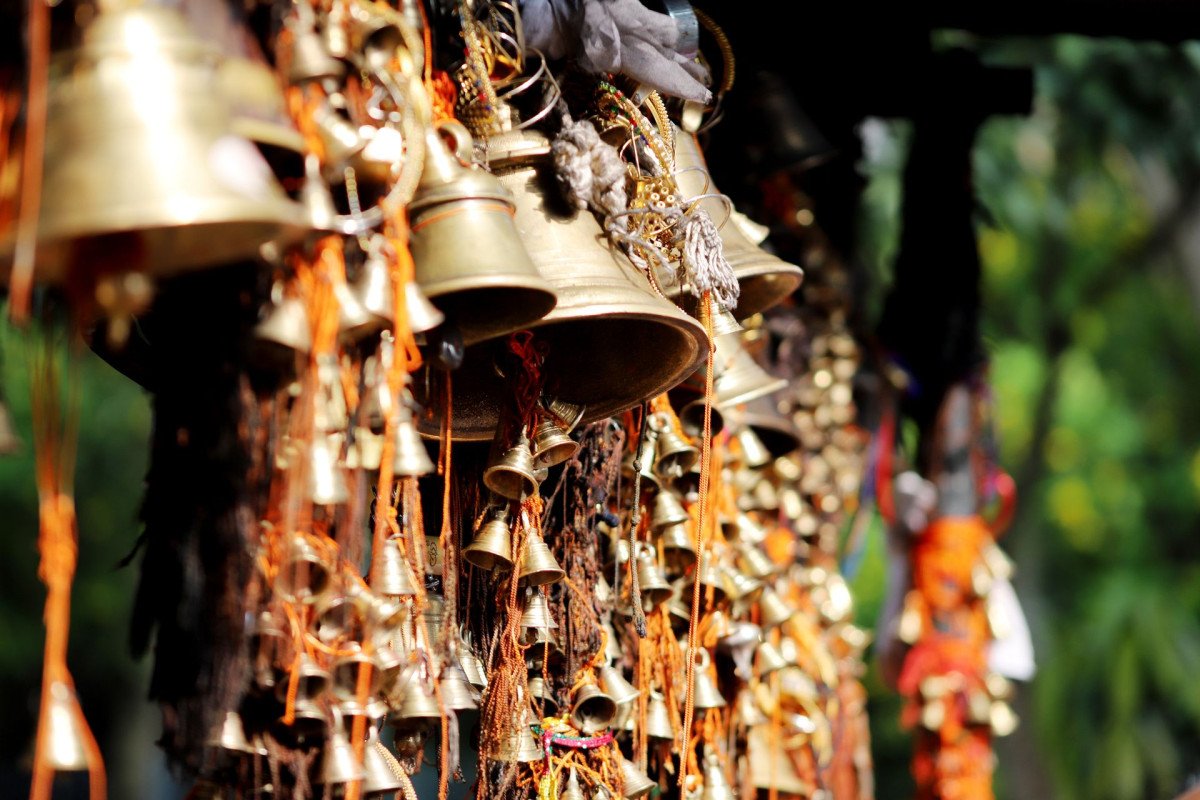
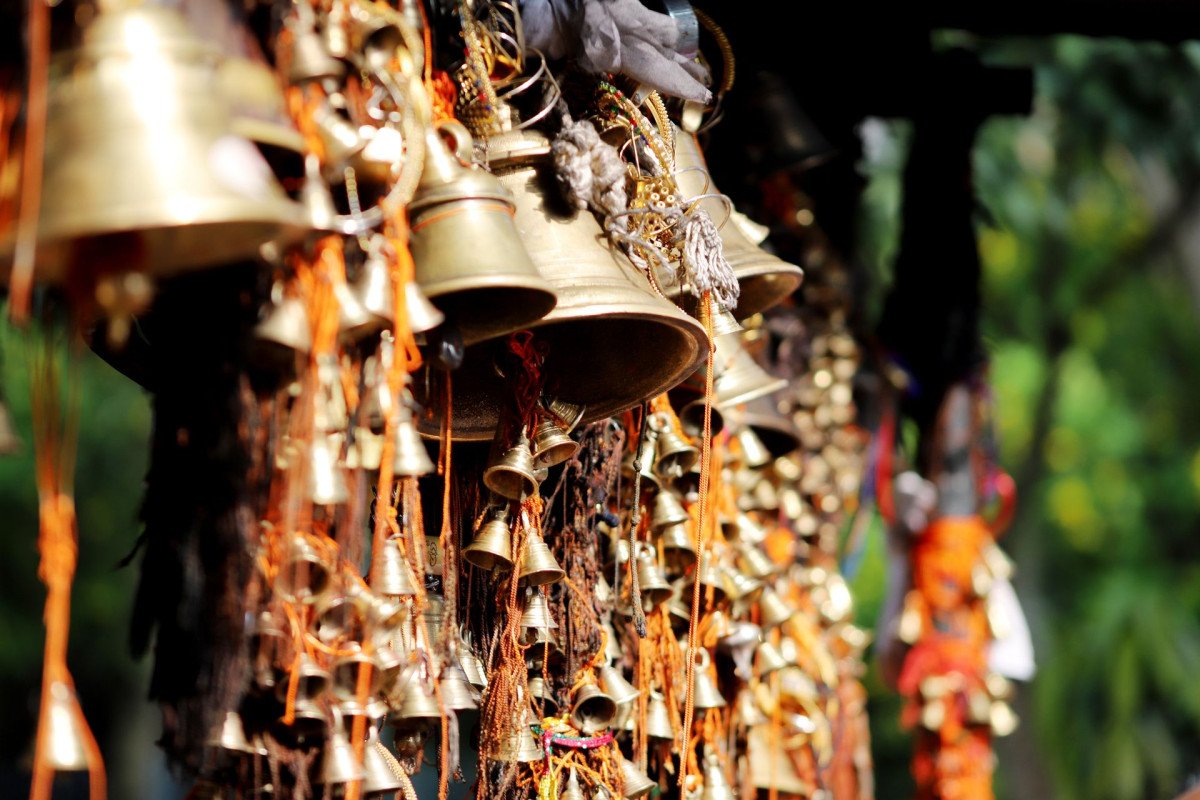
Close-up of the Historic Bell: A focused shot of the large brass bell, capturing its texture, age, and any visible inscriptions, is a great cultural and historical photographic memory.
(Total: 300 Words approx. )Photo Gallery
Things To Do
-
Trek to the Summit and Ring the Bell: The primary activity is the moderately challenging, approximately 300-step climb to the peak. Upon reaching the top, ring the massive bell as a traditional sign of having successfully summited the highest point.
Seek Blessings at the Dattatreya Temple: Offer prayers and spend quiet time inside the small cave shrine that houses the sacred footprints of Guru Dattatreya, the presiding deity of the peak.
Witness the Sunrise or Sunset: Plan your visit to coincide with either sunrise or sunset. The peak offers the most dramatic, unobstructed, and memorable views of the sun casting its light over the Aravalli range and the plains below.
Engage in Panoramic Photography: Use the unique vantage point to capture spectacular landscape ...
Information
-
Why Famous:
The Highest Peak of the Aravallis: The foremost reason for its fame is its undisputed position as the highest point of the vast Aravalli mountain range. Geographically, this makes it a mandatory destination for tourists and trekkers seeking the ultimate panoramic view of ...The Highest Peak of the Aravallis: The foremost reason for its fame is its undisputed position as the highest point of the vast Aravalli mountain range. Geographically, this makes it a mandatory destination for tourists and trekkers seeking the ultimate panoramic view of the region.
The Dattatreya Temple's Sanctity: The peak is named after Guru Dattatreya, an incarnation revered across India as a unified form of the Hindu Trinity. The temple housing his sacred footprints attracts a large number of Hindu pilgrims, giving the location profound religious significance beyond its natural beauty.
Unmatched Panoramic Views: Guru Shikhar offers the most expansive and spectacular views of the entire Mount Abu region, the vast plains of Rajasthan, and the surrounding rugged Aravalli hills. This visual reward is the main draw for general tourism and nature lovers, especially at sunrise and sunset.
The Historic Bell: The presence of the large, inscribed bell at the summit adds a unique historical and ritualistic element. Visitors queue up to ring the bell, marking their accomplishment and connecting them to a long tradition of pilgrims who have visited the site.
(Total: 200 Words approx. ) -
Architecture:
Architectural Style: Rustic and Cave Shrine The Dattatreya Temple's architecture is simple, rustic, and characteristic of a mountain shrine, built around a natural cave where the Guru is believed to have resided. It is not a grand, sprawling structure but a humble yet power...Architectural Style: Rustic and Cave Shrine The Dattatreya Temple's architecture is simple, rustic, and characteristic of a mountain shrine, built around a natural cave where the Guru is believed to have resided. It is not a grand, sprawling structure but a humble yet powerful stone building perfectly harmonizing with its rugged natural environment at the peak.
The Sanctum and Footprints: The main shrine is built to protect the most sacred feature: the Padukas (footprints) of Guru Dattatreya imprinted on a rock. This simple act of enshrining a natural phenomenon highlights the spiritual significance over elaborate structural design. The interior is small, creating an intimate space for personal worship and reflection.
Key Structure:
The Summit Bell: Adjacent to the temple stands a large, old brass bell. While not part of the temple's core architectural design, the bell is a key feature of the site. It is inscribed with the date 1411 AD (though a replacement bell is now in use), symbolizing the peak's historical and spiritual continuity. Ringing this bell upon reaching the summit is an essential part of the visit, marking the achievement.
Materials and Integration: The construction primarily uses local stone and rock, ensuring it can withstand the high-altitude weather conditions. The white-painted spire and the fluttering red religious flag are the only major splashes of color that contrast with the gray stone and the surrounding green hills, making the temple visible from afar. The pathway is a long, well-built stone staircase of about 300 steps, which acts as a structured ascent through the natural terrain.
(Total: 200 Words approx. ) -
How To Reach:
By Air: The nearest airports are Udaipur (Dabok Airport, 180 KMS) and Ahmedabad (Sardar Vallabhbhai Patel International Airport, 220 KMS). From the airport, hire a pre-booked taxi or take a bus to Mount Abu town. From the town, local transport is required for the final str... -
Near Tourist Places:
1. Achalgarh Village/Fort (Approx.
7 KMS): Historical site with ancient temples. 2. Peace Park (Brahma Kumaris) (Approx.
8 KMS): A tranquil garden for meditation. 3. Trevor's Tank (Approx.
16 KMS): Nature spot for wildlife and scenery. 4. Dilwara Jain Temples (Approx.
18 KMS): Famous for marble carvings. 5. Nakki Lake (Approx.
15 KMS): Main water body in town, ideal for boating. 6.
Mount Abu Wildlife Sanctuary (Entry Points Vary): Surrounds the peak. 7. Honeymoon Point (Approx.
17 KMS): Another popular viewpoint. 8. Adhar Devi Temple (Approx.
18 KMS): Cave temple. 9. Gaumukh Temple (Approx.
20 KMS): Sacred site. 10. Sunset Point (Approx.
19 KMS): Famous sunset viewing spot.
Tourism Tips
-
Health & Safety:
Hydration and Footwear: The climb is steep and involves about 300 steps. Wear sturdy, comfortable walking or trekking shoes. Carry a water bottle, especially if climbing during the day, to stay hydrated.
Read More
Reviews
Dattatreya Temple Itineray And Cost:-
Dattatreya Temple Tourism:-
Information about New and Updated Locations() of Rajasthan Has Been Added :-
Card subtitle
Note:-
Information provided here in good Faith and for reference only.
All information and pictures will be updated soon, please keep visiting.
Near Places

Abu View Point
Some quick example text to build on the card title and make up the bulk of the card's content.
Go somewhere
Achaleshwar Mahadev Temple
Some quick example text to build on the card title and make up the bulk of the card's content.
Go somewhere
Achalgarh Fort
Some quick example text to build on the card title and make up the bulk of the card's content.
Go somewhere
Achalgarh Jain Temples
Some quick example text to build on the card title and make up the bulk of the card's content.
Go somewhere
Achalgarh Village
Some quick example text to build on the card title and make up the bulk of the card's content.
Go somewhere
Adhar Devi Temple
Some quick example text to build on the card title and make up the bulk of the card's content.
Go somewhere
Arbuda Devi Cave
Some quick example text to build on the card title and make up the bulk of the card's content.
Go somewhere
Arbuda Devi Temple
Some quick example text to build on the card title and make up the bulk of the card's content.
Go somewhere
Bailey's Walk
Some quick example text to build on the card title and make up the bulk of the card's content.
Go somewhere
Brahma Kumaris Spiritual University & Museum
Some quick example text to build on the card title and make up the bulk of the card's content.
Go somewherein Other Cities