...

FAQs On Achalgarh Fort

Mount Abu, Rajasthan, India
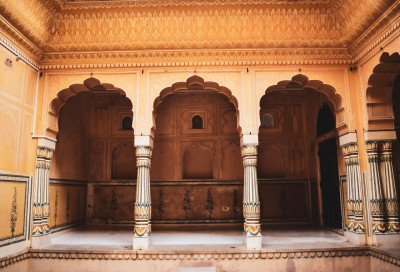
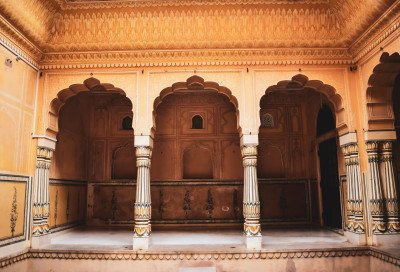
Achalgarh Fort, translating to the 'Immovable Fort', is a historic hill fort located about 11 kilometers north of Mount Abu town. Its history predates the 15th century, with the original structure believed to have been built by the Paramara dynasty. However, the fort's major reconstruction, renovati on, and the naming as Achalgarh were commissioned by Maharana Kumbha of the Mewar Kingdom in 1452 CE. Maharana Kumbha, one of the most celebrated rulers of Mewar, is credited with building or renovating 32 forts in his reign, and Achalgarh served as a key strategic stronghold, providing a commanding view of the surrounding plains and mountain passes, crucial for defense against invaders. Today, the fort is largely in a dilapidated state, but its massive stone ramparts and majestic gates still convey the grandeur of a bygone era, allowing visitors a tangible connection to Rajasthan's rich, turbulent history. The fort complex is divided into two parts: the lower fort and the inner, upper fort. The approach is marked by two massive gates, the first being Hanumanpol (named after the deity Hanuman) and the second, higher up, being Champapol. Both gates are constructed from large blocks of grey granite, demonstrating the robust medieval military architecture. Within the lower fort complex lies the famous Achaleshwar Mahadev Temple and the sacred pond known as Mandakini Kund. The fort is a unique synthesis of a military fortress and a religious pilgrimage site. Besides the Shiva temple, it also houses several ancient Jain temples, including the Adinath Temple, built in 1513 CE, further emphasizing the religious harmony and co-existence that defined the region's past. The strategic hilltop location of Achalgarh provides breathtaking, panoramic views of the Aravalli hills, often cited as a key draw for tourists and photographers. The serene, ancient atmosphere, coupled with the dramatic scenery, makes exploring the ruins a deeply evocative experience. The fort stands as a silent sentinel, telling tales of the Paramara dynasty's foundation, the military prowess of Maharana Kumbha, and the centuries of history and conflict that played out across the plains below. The contrast between the ruined ramparts and the pristine temples within makes it a must-visit for historians, architects, and spiritual seekers alike, representing a powerful blend of heritage, spirituality, and natural beauty in the only hill station of Rajasthan.

Note:-

Information provided here in good Faith and for reference only.

All information and pictures will be updated soon, please keep visiting.

Near Places

...
Abu View Point

Some quick example text to build on the card title and make up the bulk of the card's content.

Go somewhere

...
Achaleshwar Mahadev Temple

Some quick example text to build on the card title and make up the bulk of the card's content.

Go somewhere

...
Achalgarh Fort

Some quick example text to build on the card title and make up the bulk of the card's content.

Go somewhere
...
Achalgarh Jain Temples

Some quick example text to build on the card title and make up the bulk of the card's content.

Go somewhere

...
Achalgarh Village

Some quick example text to build on the card title and make up the bulk of the card's content.

Go somewhere
...
Adhar Devi Temple

Some quick example text to build on the card title and make up the bulk of the card's content.

Go somewhere
...
Arbuda Devi Cave

Some quick example text to build on the card title and make up the bulk of the card's content.

Go somewhere
...
Arbuda Devi Temple

Some quick example text to build on the card title and make up the bulk of the card's content.

Go somewhere
...
Bailey's Walk

Some quick example text to build on the card title and make up the bulk of the card's content.

Go somewhere
...
Brahma Kumaris Spiritual University & Museum

Some quick example text to build on the card title and make up the bulk of the card's content.

Go somewhere
in Other Cities