...

FAQs On Gauripur House

Kalimpong, West Bengal, India
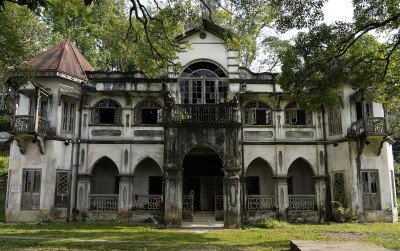
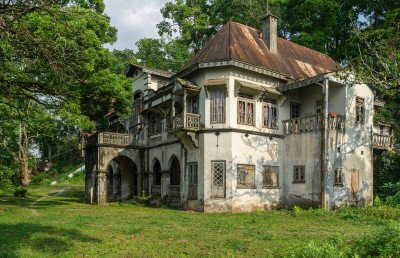
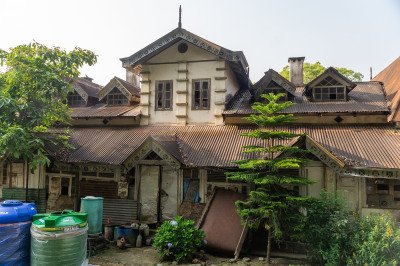
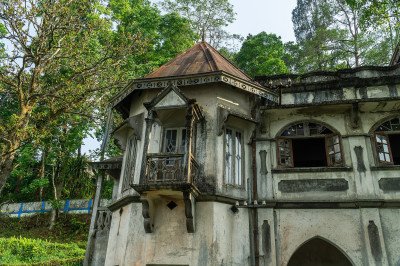
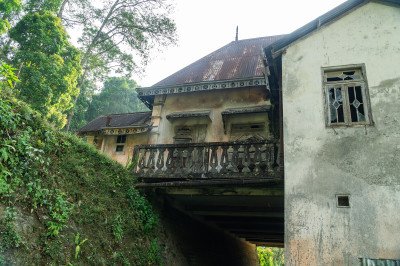
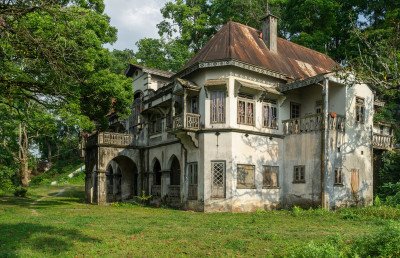
Gauripur House is a place of deep historical and literary significance located on the serene slopes of Kalimpong. This majestic building was once the favorite retreat of the Nobel Laureate Rabindranath Tagore. Between 1938 and 1940, the poet visited this house multiple times to find solace and insp iration in the mountains. It was originally owned by the Zamindars of Gauripur (now in Bangladesh), specifically Brajendrakishore Roy Chowdhury, who gifted it to Tagore. One of the most iconic moments in Indian history occurred here on May 8, 1938, when Tagore celebrated his 78th birthday. On this day, he recited his famous poem "Janmadin" (Birthday) over a live telephone line, which was broadcast by All India Radio to the entire nation. This was the first time a live broadcast of this nature happened from the hills. The house sits in a tranquil area surrounded by tall pine trees and offers a panoramic view of the Himalayas. For any lover of Bengali literature or history, a visit to Gauripur House is like a pilgrimage. Although the building faced years of neglect and fell into a dilapidated state, the West Bengal Government and the PWD have undertaken massive restoration projects to preserve this heritage site. Walking through its premises, one can almost feel the presence of the great poet who spent his final productive years here. The silence of the hills, the rustling of the leaves, and the old-world charm of the architecture create an atmosphere of intense nostalgia. It serves as a reminder of the cultural bond between the hills of Kalimpong and the plains of Bengal. Today, it stands as a protected monument, attracting scholars, students, and tourists who wish to explore the life of Tagore outside the famous Shantiniketan. The renovation aims to turn it into a museum and research center, ensuring that the legacy of the "Bard of Bengal" continues to inspire future generations in the heights of Kalimpong.

Ans:- As of recently, Gauripur House has been undergoing restoration by the West Bengal government to preserve its historical heritage. While the exterior can be viewed, access to the interior may be limited or subject to current renovation activities. It is best to check locally or with the tourism office for the latest visiting rules. When open, it serves as a museum and memorial dedicated to Rabindranath Tagore.

Ans:- Gauripur House is historically significant because it was a favorite retreat of the great Indian poet and Nobel laureate, Rabindranath Tagore. He visited Kalimpong several times and stayed in this house between 1938 and 1940. It was here that he spent some of his final years and composed several of his famous poems. The house stands as a symbol of the deep connection between the poet and the hills of Kalimpong.

Ans:- Gauripur House is located on the Upper Cart Road in Kalimpong, not far from the town center. It is situated on a hillside that offers a peaceful environment and beautiful views, which is likely why it appealed so much to Tagore. It is easily accessible by taxi or a short walk from the main town area. Most locals know it as "Tagore House" and can easily guide you there.

Ans:- If you are able to enter, you can see the rooms where Tagore lived and worked. The memorial often displays photographs, letters, and copies of the manuscripts he wrote while staying in Kalimpong. The simple yet elegant architecture of the house and the furniture from that era provide a glimpse into the lifestyle of the poet. The gardens around the house are also being restored to their original beauty.

Ans:- Photography of the exterior of Gauripur House is generally allowed and encouraged. However, if you are allowed inside the museum area, photography may be restricted to protect the artifacts and documents on display. Always look for signs or ask the staff for permission. The house and its gardens are very photogenic and provide a great subject for those interested in historical and colonial architecture.

Ans:- Tagore loved the tranquility and the natural beauty of Kalimpong. He found the cool climate and the views of the Himalayas very conducive to his health and his creative work. He was a guest of the Raja of Gauripur (hence the name), who offered him this beautiful house. Tagore’s presence in Kalimpong helped popularize the town as a center for culture and literature among the Bengali intelligentsia.

Ans:- The best time to visit is during the spring (March to May) or the autumn (October to November) when the weather is pleasant and the gardens are in bloom. These seasons offer the best conditions for walking around the site and enjoying the views. However, since most of the attraction is the house itself, you can visit at any time of the year as long as it is open to the public.

Ans:- There is typically no entry fee to view the house from the outside. If the interior museum is open, a small nominal fee might be charged for maintenance and preservation of the site. It is always best to carry some change and follow any instructions provided by the caretakers or security personnel at the gate. Any contribution helps in the ongoing efforts to keep this historical site alive.

Ans:- When open to the public, the typical visiting hours are from 10:00 AM to 4:00 PM. It is usually closed on Sundays and public holidays. However, since it is a heritage site under restoration, these hours can change. It is highly recommended to ask your hotel or a local taxi driver for the current status before making a specific trip to the house to avoid any disappointment.

Ans:- Yes, Tagore wrote several poems while staying at Gauripur House. One of his most famous poems, "Janmadin" (Birthday), was recited by him live on All India Radio directly from this house in 1938. His stay in Kalimpong was a very productive period for him creatively, and he often wrote about the mountains, the local people, and the serene environment that surrounded him during his visits to the hills.
Information about New and Updated Locations() of West Bengal Has Been Added :-
Card subtitle

Note:-

Information provided here in good Faith and for reference only.

Near Places

...
7th Mile Viewpoint

Some quick example text to build on the card title and make up the bulk of the card's content.

Go somewhere
...
Ahal Dara Viewpoint

Some quick example text to build on the card title and make up the bulk of the card's content.

Go somewhere
...
Bara Mangwa

Some quick example text to build on the card title and make up the bulk of the card's content.

Go somewhere
...
Changey Falls

Some quick example text to build on the card title and make up the bulk of the card's content.

Go somewhere
...
Chatakpur

Some quick example text to build on the card title and make up the bulk of the card's content.

Go somewhere
...
Chota Mangwa

Some quick example text to build on the card title and make up the bulk of the card's content.

Go somewhere
...
Deolo Hill

Some quick example text to build on the card title and make up the bulk of the card's content.

Go somewhere
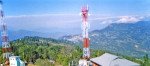
...
Dr. Graham s Homes

Some quick example text to build on the card title and make up the bulk of the card's content.

Go somewhere
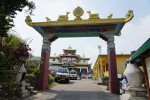
...
Durpin Dara Hill

Some quick example text to build on the card title and make up the bulk of the card's content.

Go somewhere
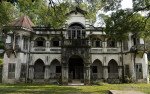
...
Durpin Monastery

Some quick example text to build on the card title and make up the bulk of the card's content.

Go somewhere
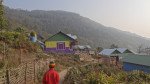
...
Gauripur House

Some quick example text to build on the card title and make up the bulk of the card's content.

Go somewhere
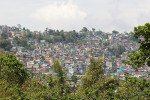
...
Icchey Gaon

Some quick example text to build on the card title and make up the bulk of the card's content.

Go somewhere
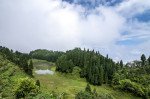
...
Kalimpong Science Centre

Some quick example text to build on the card title and make up the bulk of the card's content.

Go somewhere
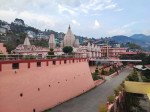
...
Kolakham

Some quick example text to build on the card title and make up the bulk of the card's content.

Go somewhere
...
Latpanchar

Some quick example text to build on the card title and make up the bulk of the card's content.

Go somewhere
...
Mangal Dham

Some quick example text to build on the card title and make up the bulk of the card's content.

Go somewhere
in Other Cities