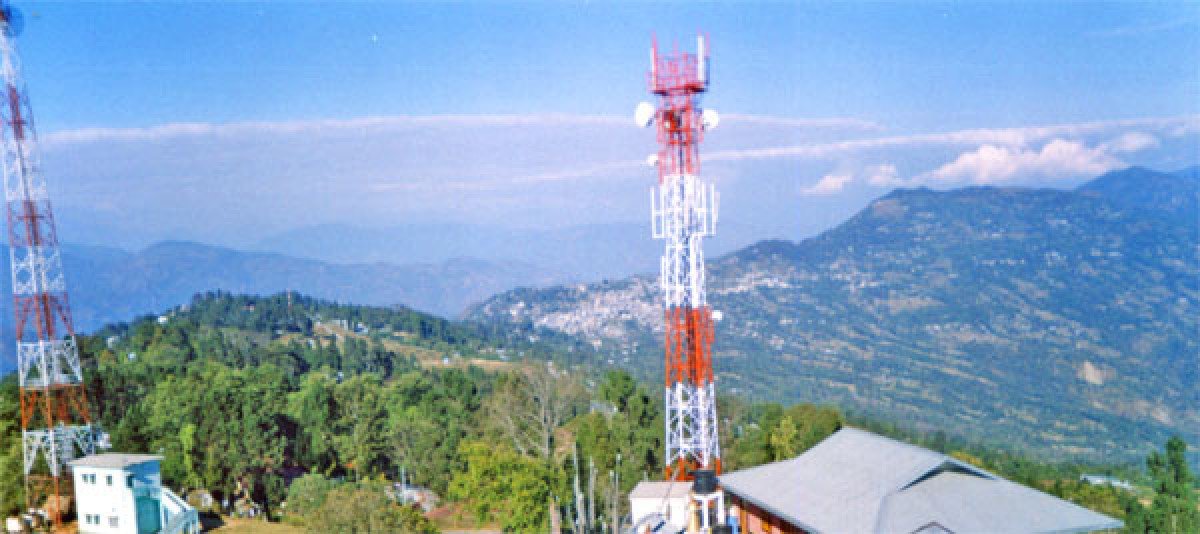
Durpin Dara Hill
General information
-
Ideal Duration:
1 to 2 hoursPlace Type:
Hilltop, Viewpoint, Religious/Spiritual SpotEntry Fees:
Viewpoint Access Fee: There is generally a nominal entry fee charged by the local authorities for accessing the main Durpin Dara viewpoint and the viewing tower. This fee is typically very small, often in the range of Rs.10 to Rs.30 per person. This collection is used for the ...Viewpoint Access Fee: There is generally a nominal entry fee charged by the local authorities for accessing the main Durpin Dara viewpoint and the viewing tower. This fee is typically very small, often in the range of Rs.10 to Rs.30 per person. This collection is used for the maintenance and cleanliness of the site and the upkeep of the viewing structure. Children usually have a reduced fee or are admitted free of charge, depending on their age.
Monastery Entry and Photography: There is usually no entry fee to visit the Zang Dhok Palri Phodang Monastery itself, as it is a place of worship and spiritual practice open to all. However, donations for the monastery's upkeep are always welcomed and highly appreciated. Inside the main prayer hall, photography is often strictly prohibited, or a very small, separate fee (e. g. , Rs.50 to Rs.100) might be charged for carrying a camera or taking pictures in non-sacred areas of the complex. It is essential to respect the rules posted at the entrance regarding photography.
Parking and Vehicle Charges: Due to its remote location and limited space at the summit, there may be a small charge for parking private cars or tourist taxis near the viewpoint area. This fee, usually around Rs.50 to Rs.100 per vehicle, helps manage the traffic flow and congestion, particularly during the peak Winter tourist season. Keep small change handy for these minor, localized fees.
Timing:
Regular Timings: The viewpoint and the monastery typically open early in the morning, around 5:00 AM to 6:00 AM, to allow visitors to catch the Sunrise and the clearest views of Kanchenjunga. Both usually remain open until 5:00 PM to 6:00 PM. It is not advisable or general...Regular Timings: The viewpoint and the monastery typically open early in the morning, around 5:00 AM to 6:00 AM, to allow visitors to catch the Sunrise and the clearest views of Kanchenjunga. Both usually remain open until 5:00 PM to 6:00 PM. It is not advisable or generally permitted to stay at the viewpoint after sunset due to the isolated nature of the hill and security concerns. Always check the monastery's specific prayer times, as they may close sections of the temple during rituals.
Ideal Visit Time: The single most ideal time to visit Durpin Dara Hill is the Early Morning, specifically between 5:30 AM and 8:00 AM. This period guarantees the highest chance of crystal-clear views of the Kanchenjunga peaks before the clouds and haze roll in, which often happens after 9:00 AM or 10:00 AM. A secondary good time is the Late Afternoon (around 3:30 PM to 5:00 PM) to witness the sunset glow on the peaks and the beautiful sight of the Teesta valley turning golden.
Seasonal Variation: During the peak Winter season (November to February), the opening hours might be slightly later due to the cold, but the clarity of the views compensates. In the Monsoon (July to September), the hill is often engulfed in mist, and the viewpoint's primary attraction (the Himalayan view) is mostly obscured, so plan accordingly.
Special Events:
Losar (Tibetan New Year) Celebrations: The Zang Dhok Palri Phodang Monastery, being a major center for Tibetan Buddhism, is the focal point for Losar celebrations, typically falling in February or March. The events are marked by traditional masked dances (Cham), special puj...Losar (Tibetan New Year) Celebrations: The Zang Dhok Palri Phodang Monastery, being a major center for Tibetan Buddhism, is the focal point for Losar celebrations, typically falling in February or March. The events are marked by traditional masked dances (Cham), special pujas performed by the monks, and the recitation of ancient scriptures. The entire monastery complex is decorated with new prayer flags and colorful banners, drawing pilgrims and visitors to witness the unique cultural and spiritual rituals that ring in the New Year.
Buddha Purnima Observance: The full moon day of Vaisakha (usually in May), marking the birth, enlightenment, and passing of Gautama Buddha, is a sacred occasion. On Buddha Purnima, the monastery organizes large prayer gatherings, processions, and charitable events. The atmosphere is intensely spiritual, with many devotees gathering to offer prayers and meditate. Special lamps are lit, and the rhythmic sound of chanting fills the hilltop, creating a powerful, moving experience for all who visit during this auspicious time.
Best Photo Spots:
The Kanchenjunga and Himalayan Panorama: The main viewing deck at the summit is the best spot for the iconic Himalayan landscape shot. Use a wide-angle lens to capture the vast expanse of the mountain range on a clear morning, focusing on the distinct peaks of Kanchenjunga....The Kanchenjunga and Himalayan Panorama: The main viewing deck at the summit is the best spot for the iconic Himalayan landscape shot. Use a wide-angle lens to capture the vast expanse of the mountain range on a clear morning, focusing on the distinct peaks of Kanchenjunga. The light is most dramatic just after Sunrise, casting soft pink and golden hues on the snow.
The River and Valley View: A lower deck or a point slightly further down the road offers the perfect frame for the Teesta River winding through the valley. This is a great spot to use a telephoto lens to compress the distance and emphasize the scale of the valley floor compared to the towering mountains. Look for shots that capture the mist filling the valley in the early hours.
Monastery Architecture and Details: Focus on the vibrant colors and intricate designs of the Zang Dhok Palri Phodang Monastery. Photograph the symmetrical lines of the main temple building, the brightly painted thangka on the walls, and the close-up texture of the massive prayer wheels. A powerful shot is capturing the monastery's architecture framed against the clear blue sky, or with the distant Kanchenjunga visible in the background.
Prayer Flags and the Sky: Capture the visual energy of the countless prayer flags (lungta) strung across the viewpoint. Use a slow shutter speed to capture the motion of the flags fluttering against a dramatic sky or a fast shutter speed to freeze a single flag with a clear mountain background, symbolizing the prayers carried by the wind.
Photo Gallery
Things To Do
-
Viewing the Kanchenjunga and Himalayan Range: The essential activity is simply gazing at the majestic views. Plan to arrive just before Sunrise or early in the morning for the clearest sight of the snow-capped Kanchenjunga. Use the installed telescope (if available and functional) to zoom in on the peaks and the distant valleys. The view changes constantly with the light, so take your time to appreciate the play of shadows and light across the massive mountain range. On exceptionally clear days, you can identify peaks in Sikkim and even Nepal.
Visiting the Zang Dhok Palri Phodang Monastery: Spend quality time inside the magnificent monastery located at the summit. Walk slowly around the complex, admiring the colorful prayer flags (lungta) fluttering in the wind. Enter the main prayer hall, removing your shoes beforehand, a...Viewing the Kanchenjunga and Himalayan Range: The essential activity is simply gazing at the majestic views. Plan to arrive just before Sunrise or early in the morning for the clearest sight of the snow-capped Kanchenjunga. Use the installed telescope (if available and functional) to zoom in on the peaks and the distant valleys. The view changes constantly with the light, so take your time to appreciate the play of shadows and light across the massive mountain range. On exceptionally clear days, you can identify peaks in Sikkim and even Nepal.
Visiting the Zang Dhok Palri Phodang Monastery: Spend quality time inside the magnificent monastery located at the summit. Walk slowly around the complex, admiring the colorful prayer flags (lungta) fluttering in the wind. Enter the main prayer hall, removing your shoes beforehand, and observe the large, beautiful statues and the intricate wall paintings (frescos). Watch the monks perform their daily rituals. You can gently spin the giant prayer wheels (mani-khorlo) located outside the hall, which is believed to spread goodwill and peace.
Photography and Time-Lapse Shooting: Durpin Dara is a photographer's dream. Capture wide-angle landscape shots of the Teesta River valley and the distant plains, or zoom in for detailed pictures of the snow peaks. For advanced photographers, setting up a tripod for a time-lapse video during the early morning hours, showing the sun rising over the mountains and the mist clearing from the valley below, is highly rewarding. Don't forget to capture the vibrant colors and unique architecture of the monastery itself.
Enjoying a Picnic and Quiet Reflection: The surrounding areas of the hill are dotted with small, peaceful garden patches and benches. Bring a light breakfast or some local snacks and enjoy a small picnic with your family or friends, basking in the fresh mountain air. The tranquil environment, far from the town’s noise, makes it perfect for quiet reflection, reading, or simply enjoying the sounds of nature and the gentle ringing of the monastery bells.
Exploring the Flower Nurseries: The slopes of Durpin Dara are famous for their microclimate, which supports various beautiful flower nurseries, particularly orchids. Take a walk on the path leading down or around the main road and you will often find small, family-run nurseries. You can spend time admiring the exotic blooms, learning about local horticulture, and perhaps even purchasing a potted plant or flower seeds as a unique souvenir of Kalimpong.
Walking the Upper Ridge Road: Instead of immediately taking a vehicle back down, consider walking along the upper ridge road for a short distance (1 to 2 KMS). This path offers continuous views and a chance to truly experience the silence of the higher altitude. It is an excellent form of gentle exercise and a way to observe the local Gorkha and Sherpa village life situated on the surrounding slopes, providing a deeper connection to the place.
Hotels
● Art Mile Kalimpong
Address: Kalimpong, Kalimpong
Distance: 1.8 KM
Details: A resort featuring artistic decor and great recreational facilities. Facilities include cooking classes, karaoke, a picnic area, and an on-site restau...
● Hills Tale Backpackers Hostel
Address: Kalimpong, Kalimpong
Distance: 2.0 KM
Details: A highly-rated hostel offering a budget-friendly stay. Facilities include social spaces, free Wi-Fi, and a relaxed, communal atmosphere. It is the per...
● Hotel Parijat
Address: Rishi Road, Kalimpong
Distance: 2.5 KM
Details: A convenient hotel in the heart of the town. Facilities include clean, comfortable rooms, an on-site restaurant, and proximity to the local market. It...
● Kalimpong Park Hotel
Address: Ringkingpong Road, Kalimpong
Distance: 2.6 KM
Details: A well-located hotel with comfortable facilities. Facilities include a garden, parking, and a restaurant. It provides a relaxed environment and is sui...
● Mayfair Himalayan Spa Resort
Address: Upper Cart Road, Kalimpong
Distance: 2.0 KM
Details: Luxury spa resort known for heritage architecture and expansive gardens. Facilities include fine dining, premium suites, and a relaxing spa. It is one...
● Mountain Retreat Ecostay
Address: Kalimpong, Kalimpong
Distance: 2.1 KM
Details: An eco-friendly stay focusing on nature and sustainability. Facilities include comfortable rooms, scenic views, and local organic food options. It pro...
● Sterling Park Kalimpong
Address: Kalimpong Khasmahal, Kalimpong
Distance: 2.5 KM
Details: A premier hotel offering heritage-style suites and modern comfort. Facilities include a bar, restaurant, and landscaped grounds. Guests love the profe...
● Summit Barsana Resort & Spa
Address: Deolo Hill Road, Kalimpong
Distance: 3.0 KM
Details: A high-end resort with comprehensive amenities. Facilities include a spa, restaurant, and mountain-facing rooms. It is a perfect choice for those want...
● The Gingko Eyrie
Address: Kalimpong, Kalimpong
Distance: 1.8 KM
Details: A cozy, boutique-style stay. Facilities include free Wi-Fi, car hire services, and a lobby with a fireplace. The rooms are designed for comfort, provi...
● The Grand Kalimpong
Address: Kalimpong, Kalimpong
Distance: 2.2 KM
Details: A centrally located mountain hotel. Facilities include free Wi-Fi, 24-hour room service, a garden, and a communal living room. It offers a friendly en...
Show AllInformation
-
Why Famous:
Durpin Dara Hill is famous for two primary, intertwining reasons: its spectacular mountain views and its spiritual importance.
Panoramic Himalayan and Valley Views: Its fame rests chiefly on its ability to offer one of the most comprehensive views in the entire reg...Durpin Dara Hill is famous for two primary, intertwining reasons: its spectacular mountain views and its spiritual importance.
Panoramic Himalayan and Valley Views: Its fame rests chiefly on its ability to offer one of the most comprehensive views in the entire region. Visitors come specifically to see the majestic peaks of Kanchenjunga and its surrounding mountains, especially during the clear Winter mornings. Furthermore, the hill’s elevation provides a perfect aerial view of the meandering Teesta River and the lower plains, a unique geographical spectacle that draws nature lovers and professional landscape photographers from across India and the world. The visibility of Kalimpong town below adds to the grandeur, making it the definitive viewing spot.
Sanctity of Zang Dhok Palri Phodang Monastery: The presence of the Zang Dhok Palri Phodang Monastery, which was consecrated by the Dalai Lama himself in 1976, significantly elevates the hill's status. The monastery houses a precious collection of sacred Tibetan scriptures and religious artifacts. Its deep spiritual importance, particularly to the local Buddhist community, makes the hill a destination for pilgrims as well as tourists. This blend of sublime natural scenery and profound religious sanctity is what truly sets Durpin Dara apart and establishes its widespread fame.
-
Architecture:
The architecture on Durpin Dara Hill is dominated by the viewpoint structure and the large monastery complex.
Viewpoint Tower and Foundation: The primary viewpoint structure is a multi-story concrete tower, built specifically to elevate visitors above the tree line...The architecture on Durpin Dara Hill is dominated by the viewpoint structure and the large monastery complex.
Viewpoint Tower and Foundation: The primary viewpoint structure is a multi-story concrete tower, built specifically to elevate visitors above the tree line and provide the desired 360-degree visibility. The foundation is robust, designed to withstand the high winds and seismic activity common in the Himalayan foothills. The tower itself is utilitarian, often featuring railings and sheltered areas. Its dimension is typically rectangular, around 10 meters wide and 15 meters high, providing ample space for tourists on multiple levels to view the surrounding peaks. The design prioritizes safety and access, with wide staircases leading to the top deck.
Zang Dhok Palri Phodang Monastery: The adjacent Zang Dhok Palri Phodang Monastery presents classic Tibetan Buddhist architecture. It features a tiered roof structure, often with gold-plated finials and typical Buddhist motifs painted in bright colors (red, blue, gold) on the wooden eaves and window frames. The main temple hall is a large, square structure with thick, stabilizing walls. The interior features enormous statues of the Buddha and other deities, along with intricate thangka paintings. The overall complex is spread over a sizable area, combining prayer halls, living quarters for monks, and a library. The architectural style symbolizes the spiritual importance of the site, contrasting the functional nature of the adjacent viewpoint.
-
How To Reach:
By Air: The nearest airport is Bagdogra Airport (IXB) in Siliguri, approximately 80 KMS away from Kalimpong town center. IXB connects to major Indian cities like Delhi, Kolkata, and Mumbai. From the airport, travelers must hire a pre-paid taxi or a private cab. The road j...By Air: The nearest airport is Bagdogra Airport (IXB) in Siliguri, approximately 80 KMS away from Kalimpong town center. IXB connects to major Indian cities like Delhi, Kolkata, and Mumbai. From the airport, travelers must hire a pre-paid taxi or a private cab. The road journey from Bagdogra to Kalimpong takes about 3 to 4 hours, depending on road conditions and traffic. Once you reach Kalimpong town, you can hire a local taxi or a shared jeep to take you the remaining 5 KMS up the hill to Durpin Dara.
By Train: The nearest major railway station is New Jalpaiguri (NJP) in Siliguri, which is approximately 77 KMS from Kalimpong. NJP is a well-connected station serving most parts of India. From NJP, the same procedure applies as from the airport: hire a taxi or book a shared cab. The road journey takes about 3 to 4 hours, often following the scenic route along the Teesta River. After reaching Kalimpong town, all local vehicles know the way to Durpin Dara Hill.
By Road: Kalimpong is accessible via the National Highway 10 (NH10) from Siliguri, which is the main gateway to the Darjeeling and Kalimpong hills. The journey is incredibly scenic but involves winding mountain roads. Buses run regularly from Siliguri's Tenzing Norgay Bus Terminus to Kalimpong. Driving from Siliguri takes about 3 hours. Once in Kalimpong, the hill is reached via a dedicated, uphill road. Hiring a reserved local taxi (often a Maruti Suzuki Alto or a similar small car) from the town center is the most convenient and quickest way to cover the final 5 KMS to the summit, taking about 15-20 minutes.
By Local Transport: From any part of Kalimpong town (especially from Damber Chowk), the most common local transport is a shared or reserved taxi. Reserved taxis (non-shared) are highly recommended for Durpin Dara as they will wait for you to complete your visit. Shared taxis usually only run to the bottom of the hill or to a nearby locality, requiring a short walk uphill. For a more adventurous experience, you can hire a local motorcycle taxi. Since the distance is only 5 KMS, the fare is generally moderate, but always negotiate the round-trip price with the driver before starting.
-
Weather and Best Time to Visit:
Autumn and Winter (October to February): This is the absolute best time for clear views. The sky is largely cloudless after the Monsoon, and the visibility of the Kanchenjunga peaks is at its peak. The weather is cold but sunny, with temperatures averaging between 5Rs.C and ...Autumn and Winter (October to February): This is the absolute best time for clear views. The sky is largely cloudless after the Monsoon, and the visibility of the Kanchenjunga peaks is at its peak. The weather is cold but sunny, with temperatures averaging between 5Rs.C and 18Rs.C. The crisp, dry air makes the panoramic view spectacular, and it is highly recommended to visit during the Winter months for the defining experience.
Spring (March to May): This is a pleasant time, as the weather is moderate, and the surrounding flower nurseries are in full bloom. The views are still clear in the early mornings, but the haze begins to set in during the late morning and afternoon. Temperatures are mild, ranging from 15Rs.C to 25Rs.C. It's a good time for those who prefer warmer weather but still want a decent view.
Monsoon (June to September): This is the least ideal period. Heavy rainfall often leads to poor visibility, and the majestic peaks are usually completely obscured by thick clouds and fog. While the surrounding hills are lush green, the primary purpose of visiting the viewpoint is defeated. Landslides can occasionally make the road leading to the hill difficult to navigate.
Different Parts of the Day: Sunrise is the best part of the day for the ultimate Kanchenjunga view. The light is soft, and the shadows are dramatic. The Late Afternoon is the second best time, offering a golden glow on the peaks and a clear view of the setting sun over the western hills, which is particularly beautiful.
-
Near Tourist Places:
Zang Dhok Palri Phodang Monastery: 0 KMS (Located at the summit)
Kalimpong Golf Course: 1 KMS
Pine View Nursery (Orchids): 4 KMS
Morgan House (Historic Bungalow): 5. 5 KMS
Kalimpong Science Centre: 7 KMS
Deolo Hill: 8 KMS
Mangal Dham Temple: 4 KMS
Thongsa Gumpha (Monastery): 5 KMS
Gouripur House (Rabindranath Tagore's Home): 6 KMS
Himalayan Handicrafts Centre: 5 KMS (in town center)
Tourism Tips
-
Health & Safety and Altitude: Although Durpin Dara is not extremely high, the air can be thin for some, so walk slowly. Dress in layers, especially if visiting early in the morning, as the cold can be intense before Sunrise. Carry basic medication for headaches or motion s...Health & Safety and Altitude: Although Durpin Dara is not extremely high, the air can be thin for some, so walk slowly. Dress in layers, especially if visiting early in the morning, as the cold can be intense before Sunrise. Carry basic medication for headaches or motion sickness, as the drive up the hill involves winding roads. The viewpoint has railings, but always exercise caution and do not climb over boundaries. Stick to the designated paths within the monastery complex.
Packing and Photography Gear: Pack warm clothes, including a cap, gloves, and a heavy jacket, for the early morning visit. A good camera, preferably with a zoom lens (100mm to 300mm), is essential for capturing the distant mountain peaks. Since the light is intense at high altitudes, carry sunglasses and strong sunscreen. Binoculars are highly recommended to appreciate the fine details of the valley and the peaks.
Monastery Etiquette: When visiting the Zang Dhok Palri Phodang Monastery, wear modest clothing that covers your shoulders and knees. Remove your shoes before entering the main temple hall. Maintain silence and observe the monks and devotees with respect. Do not point your feet directly at the Buddha statues. While photography rules vary, always ask the local monks before taking pictures inside the prayer hall. If you wish to donate, do so discreetly.
Local Transport Management: Always negotiate the fare for a round trip to the top of Durpin Dara Hill from Kalimpong town center. Ensure the taxi driver agrees to wait for you, as finding a vehicle for the return journey from the top can be difficult. Allow at least 1. 5 hours for the visit, including travel and viewing time. Carry small denominations of Indian Rupees for entry fees and tips.
Reviews
FAQs
Ans:- The main attraction at Durpin Dara Hill is the Zong Dhog Palri Fo Brang Monastery, which is one of the largest and most significant Buddhist monasteries in the region. Perched atop the hill, it offers unparalleled 360-degree views of the Kalimpong town, the Teesta and Reang rivers, and the magnificent Himalayan range, including the Kanchenjunga peak. The combination of spiritual serenity, stunning architecture, and panoramic natural beauty makes it an essential destination for anyone visiting Kalimpong, providing a deeply fulfilling experience for tourists.Ans:- Yes, visiting the Zong Dhog Palri Fo Brang Monastery is the primary reason most people trek or drive up to Durpin Dara Hill. It is a stunning structure known for its intricate paintings, beautiful carvings, and significant religious artifacts. Visitors are welcome to walk around the prayer halls, spin the large prayer wheels, and experience the meditative atmosphere. It is important to maintain complete silence, follow the instructions of the monks, and dress modestly when entering the sacred areas of the monastery.Ans:- Yes, Durpin Dara Hill is famous for offering some of the most panoramic and breathtaking views of the Himalayas in all of Kalimpong. From the top, you can see a sweeping landscape that includes snow-capped peaks, deep valleys, and the winding paths of the Teesta River far below. On clear days, the visibility is extraordinary, allowing for spectacular views that stretch across the horizon. It is considered one of the best viewpoints in the area for catching the sunset or sunrise as well.Ans:- You can reach the top of Durpin Dara Hill by road, which is the most common and convenient way. You can hire a local taxi from Kalimpong town, and the drive takes approximately 20 to 30 minutes, winding through beautiful mountain roads. The path is well-paved, and the journey itself offers stunning scenic vistas. Some adventurous tourists choose to walk up if they enjoy trekking, but the incline is significant, so hiring a vehicle is generally recommended for a more comfortable and efficient trip.Ans:- No, there is no entry fee to visit Durpin Dara Hill or the Zong Dhog Palri Fo Brang Monastery. It is a place of worship and a public space, meaning it is free for everyone to enter and explore. This makes it an accessible and popular stop for travelers of all budgets. While there is no fee, it is customary for some visitors to make a small voluntary donation at the monastery’s donation box as a sign of respect and support for the maintenance of the sacred premises.Ans:- Yes, the monastery is generally open for tourists every day of the week. Visitors can explore the grounds, admire the architecture, and observe the peaceful life within the monastery. However, keep in mind that during specific prayer times, religious ceremonies, or special monastic events, visitors might be asked to wait outside or remain quiet. Always check if there are any special instructions posted at the entrance. It is best to visit during the day when the monastery is fully accessible to the public.Ans:- The best time of day to visit Durpin Dara Hill for photography is either during the early morning, just after sunrise, or in the late afternoon, approaching sunset. The soft, golden light during these times enhances the beauty of the monastery and creates a magical glow over the Himalayan mountains, making it perfect for capturing stunning photographs. Midday light can be quite harsh, potentially washing out the colors of the valley, so timing your visit for the golden hours is highly recommended.Ans:- Durpin Dara Hill is located approximately 5 kilometers from the main Kalimpong market area. It is a short and scenic drive from the town center. Since it is one of the most popular attractions in the area, most taxi drivers will know exactly how to reach it. The drive involves ascending towards the hilltop, passing through some residential areas and beautiful greenery, which provides a lovely introduction to the scenic beauty that awaits you at the summit of the hill.Ans:- While you are generally allowed to take photographs of the exterior of the monastery and the surrounding landscape, photography is often strictly prohibited inside the main prayer hall where the sacred altars and statues are located. This is to maintain the sanctity of the religious space. Always look for signs indicating if photography is allowed or ask a monk or a caretaker before pulling out your camera. It is always better to be respectful of the sacred environment and religious practices.Ans:- Yes, Durpin Dara Hill and the surrounding monastery area are generally very safe for solo travelers. It is a popular tourist destination with a constant flow of visitors and locals alike. The local culture in Kalimpong is friendly and welcoming. As with any travel destination, it is advisable to stick to standard safety precautions such as keeping your belongings secure, avoiding wandering into secluded areas after dark, and keeping your transport arrangements clear. You will find it to be a very peaceful and approachable location.Ans:- Yes, from various points atop Durpin Dara Hill, you can catch magnificent views of the Teesta River as it winds through the deep valley below. The sight of the river, especially when it catches the sunlight against the dark green landscape of the hills, is truly mesmerizing. This combination of the massive Himalayan peaks in the distance and the river flowing through the valley makes the viewpoint at Durpin Dara exceptionally rewarding for nature lovers and landscape enthusiasts alike.Ans:- When visiting the monastery at Durpin Dara Hill, it is respectful to dress modestly, covering your shoulders and knees. As it is a Buddhist monastery, you should also remove your shoes before entering the prayer hall. Wearing comfortable, layered clothing is wise as the weather can be chilly at the top of the hill. Avoid wearing flashy or revealing clothes out of respect for the religious nature of the site, ensuring your attire is appropriate for a sacred place of worship.Ans:- Yes, there are small shops and local tea stalls near the parking area at Durpin Dara Hill. These places are perfect for grabbing a quick snack, such as momos, noodles, or tea, while enjoying the views. While they are not formal sit-down restaurants, they provide a very convenient way to get refreshments after walking around the monastery and the hilltop. It is a nice way to support the local small businesses while enjoying a relaxing break amidst the beautiful surroundings.Ans:- Yes, Durpin Dara Hill is very easily accessible by car or local taxi. The road leads all the way to the top, near the monastery entrance, which makes it very convenient for all types of travelers, including families with children or elderly individuals. There is no need for any strenuous trekking to reach the main viewpoint or the monastery gates. Once you reach the top, you can simply step out of your vehicle and walk a few minutes to reach the monastery.Ans:- It typically takes about 1 to 2 hours to fully explore Durpin Dara Hill and the Zong Dhog Palri Fo Brang Monastery. This allows enough time to walk around the monastery premises, admire the intricate details and statues, take in the panoramic mountain views, and enjoy a relaxed tea break at one of the nearby stalls. It is a leisurely experience that does not require rushing, making it a perfect spot to spend a quiet morning or afternoon in the hills.Kalimpong Itineray And Cost:-
Durpin Dara Hill Tourism:-
Information about New and Updated Locations() of West Bengal Has Been Added :-
Card subtitle
Note:-
Information provided here in good Faith and for reference only.
Near Places

7th Mile Viewpoint
Some quick example text to build on the card title and make up the bulk of the card's content.
Go somewhere
Ahal Dara Viewpoint
Some quick example text to build on the card title and make up the bulk of the card's content.
Go somewhere
Bara Mangwa
Some quick example text to build on the card title and make up the bulk of the card's content.
Go somewhere
Changey Falls
Some quick example text to build on the card title and make up the bulk of the card's content.
Go somewhere
Chatakpur
Some quick example text to build on the card title and make up the bulk of the card's content.
Go somewhere
Chota Mangwa
Some quick example text to build on the card title and make up the bulk of the card's content.
Go somewhere
Deolo Hill
Some quick example text to build on the card title and make up the bulk of the card's content.
Go somewhere
Dr. Graham s Homes
Some quick example text to build on the card title and make up the bulk of the card's content.
Go somewhere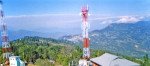
Durpin Dara Hill
Some quick example text to build on the card title and make up the bulk of the card's content.
Go somewhere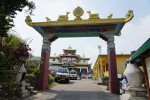
Durpin Monastery
Some quick example text to build on the card title and make up the bulk of the card's content.
Go somewhere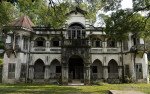
Gauripur House
Some quick example text to build on the card title and make up the bulk of the card's content.
Go somewhere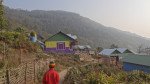
Icchey Gaon
Some quick example text to build on the card title and make up the bulk of the card's content.
Go somewhere
Kalimpong Science Centre
Some quick example text to build on the card title and make up the bulk of the card's content.
Go somewhere
Kolakham
Some quick example text to build on the card title and make up the bulk of the card's content.
Go somewhere
Latpanchar
Some quick example text to build on the card title and make up the bulk of the card's content.
Go somewhere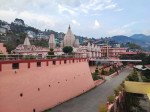
Mangal Dham
Some quick example text to build on the card title and make up the bulk of the card's content.
Go somewherein Other Cities