

Dr. Graham s Homes
General information
-
Ideal Duration:
2 Hours (Respectful walk through public areas and visit to the Chapel).Place Type:
Historic Educational Institution, Colonial ArchiteEntry Fees:
General Campus Access (No Formal Fee): There is no official entry fee to visit the outer public areas of Dr. Graham s Homes. Free Access for Respectful Visitors and Historical Interest: Visitors interested in the history and architecture are usually allowed to walk the ma...General Campus Access (No Formal Fee): There is no official entry fee to visit the outer public areas of Dr. Graham s Homes. Free Access for Respectful Visitors and Historical Interest: Visitors interested in the history and architecture are usually allowed to walk the main drive and grounds free of charge, as the institution welcomes public knowledge of its heritage and mission. Guided Tour/Archive Access Fee (Special Permission and Service Charge): If a formal, internal tour is requested, or if access to the archives or a private building is sought, the school administration may request a donation or levy a small fee.
Donation for Guided Access and Staff Time: This donation compensates the staff member who dedicates time to the tour and contributes to the school s general welfare fund, honoring the institution's philanthropic roots. Purchases at the School Bakery/Stall (Commercial Transaction): Any purchases made at the school's historic bakery (known for its fruitcake and biscuits) or any other student-run stalls during public events are standard commercial transactions, not a fee. Purchase of Homemade Goods for Institutional Support: This supports the vocational training of the students and is a great way to contribute directly to the school s self-sufficiency model.Timing:
Regular Timings (Non-Academic Hours): Visitors are generally advised to come between 10:00 AM and 3:00 PM on weekdays, but only after contacting the main office. School Schedule Respect and Limited Visitor Window: The timings are highly restricted because it is a functioni...Regular Timings (Non-Academic Hours): Visitors are generally advised to come between 10:00 AM and 3:00 PM on weekdays, but only after contacting the main office. School Schedule Respect and Limited Visitor Window: The timings are highly restricted because it is a functioning school. Visitors must avoid morning assembly, class hours, and evening activities to minimize disruption to the students academic routine, making prior arrangement essential.
Ideal Visit Time (Best Light and Least Disruption): The ideal time is immediately after the midday lunch break, around 1:30 PM. Mid-Afternoon Tranquility and Architectural Lighting: During this short window, the main paths are usually quiet, and the light is excellent for photography. Weekends are generally avoided, as they are reserved for the students and residents.Special Events:
Annual Founder s Day Celebrations: The school celebrates Founder s Day in honor of Dr. J. A. Graham, typically in September or October.
Commemoration and Alumni Gathering: This is the most significant event of the year, drawing thousands ...Annual Founder s Day Celebrations: The school celebrates Founder s Day in honor of Dr. J. A. Graham, typically in September or October.
Commemoration and Alumni Gathering: This is the most significant event of the year, drawing thousands of alumni, dignitaries, and former staff from around the world. The day features formal ceremonies, speeches detailing the school's history and mission, and often concludes with a formal dinner and cultural program showcasing student talents.
The Annual Christmas Programme: Held in December, the Christmas Programme is a highly anticipated event.
Festive Tradition and Community Spirit: Given the school's Christian founding, the Christmas celebration is elaborate, featuring a traditional carol service in the Chapel, sometimes a Nativity play, and large-scale community feasts. The campus is beautifully decorated, providing a warm, festive atmosphere unique in the cool Himalayan winter.Best Photo Spots:
The Main Approach and Clock Tower:
Grand Entrance and Architectural Symmetry: Capture the long, curving driveway leading up to the main administrative building or the iconic clock tower. Frame the building symmetrically, using the large, we...The Main Approach and Clock Tower:
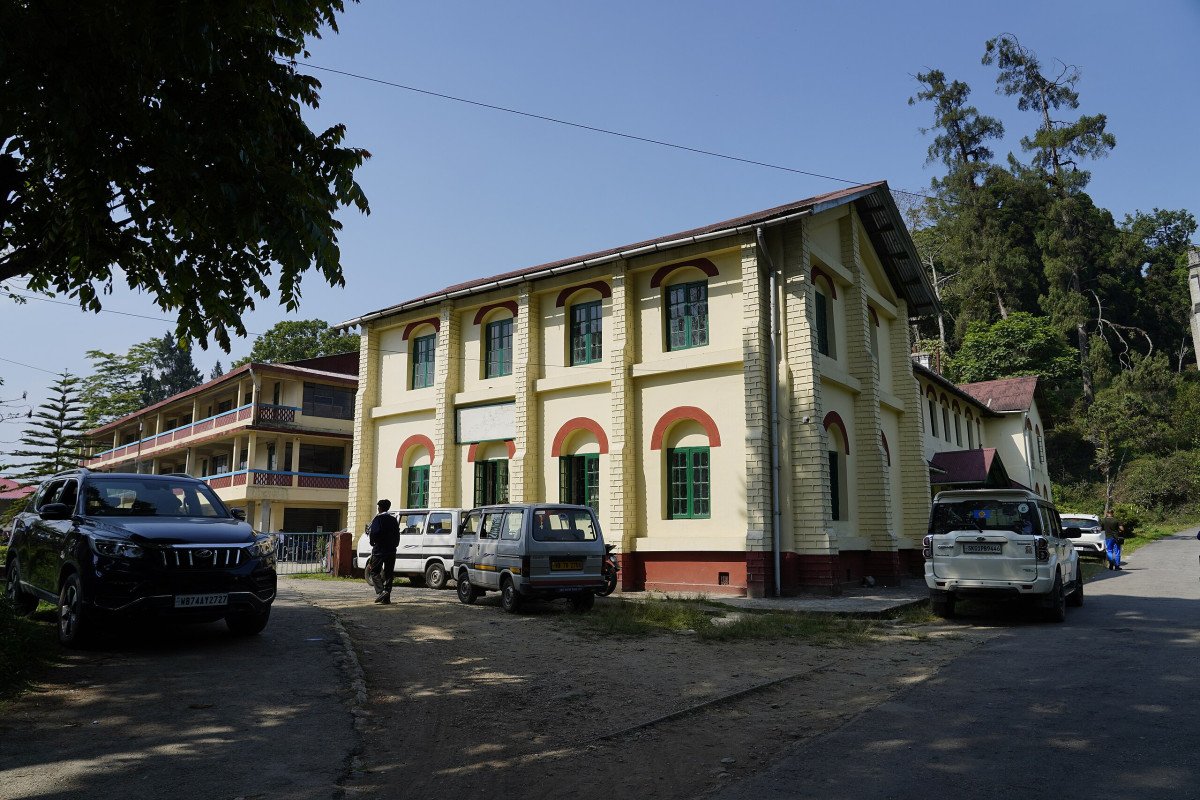
Grand Entrance and Architectural Symmetry: Capture the long, curving driveway leading up to the main administrative building or the iconic clock tower. Frame the building symmetrically, using the large, well-kept green lawns as the foreground to emphasize the colonial scale and the grand institutional feel of the Homes.
The Historic Chapel Exterior and Gardens:
Serene Framing and Detailed Gothic Revival: Photograph the historic Chapel, ideally framed by the flowering gardens or the large pine trees on the perimeter. Focus on the subtle Gothic architectural elements, such as the detailed windows and the simple but elegant bell tower, highlighting its role as the spiritual center of the campus.
The View from the Dormitory Hillside:
Landscape Integration and Elevated Perspective: If permitted access to the higher residential areas, capture the view looking down over the vast, self-contained campus spread out across the hill. This perspective captures the sheer size of the 500-acre estate and shows how the scattered Victorian bungalows blend into the surrounding forest and terraced landscape.Photo Gallery
Things To Do
-
Visit the Historic Centenary Chapel:
Architectural Observation and Reflection on Faith: The Chapel is a beautiful, quiet structure that is often open to visitors. Spend time admiring the stained-glass windows, the traditional woodwork, and the architecture. It's a peaceful spot for reflection, and it provides a key insight into the Christian ethos that underpinned the school's founding and its daily life.
Explore the Self-Sufficient Campus Areas:
Viewing Utility Buildings and Educational Model: Take a walk past the original self-sufficient areas, such as the historic bakery, the old dairy farm, and the assembly hall. While you cannot enter, observing these buildings helps you understand the early model of education, which was based on practical skills and self...Visit the Historic Centenary Chapel:
Architectural Observation and Reflection on Faith: The Chapel is a beautiful, quiet structure that is often open to visitors. Spend time admiring the stained-glass windows, the traditional woodwork, and the architecture. It's a peaceful spot for reflection, and it provides a key insight into the Christian ethos that underpinned the school's founding and its daily life.
Explore the Self-Sufficient Campus Areas:
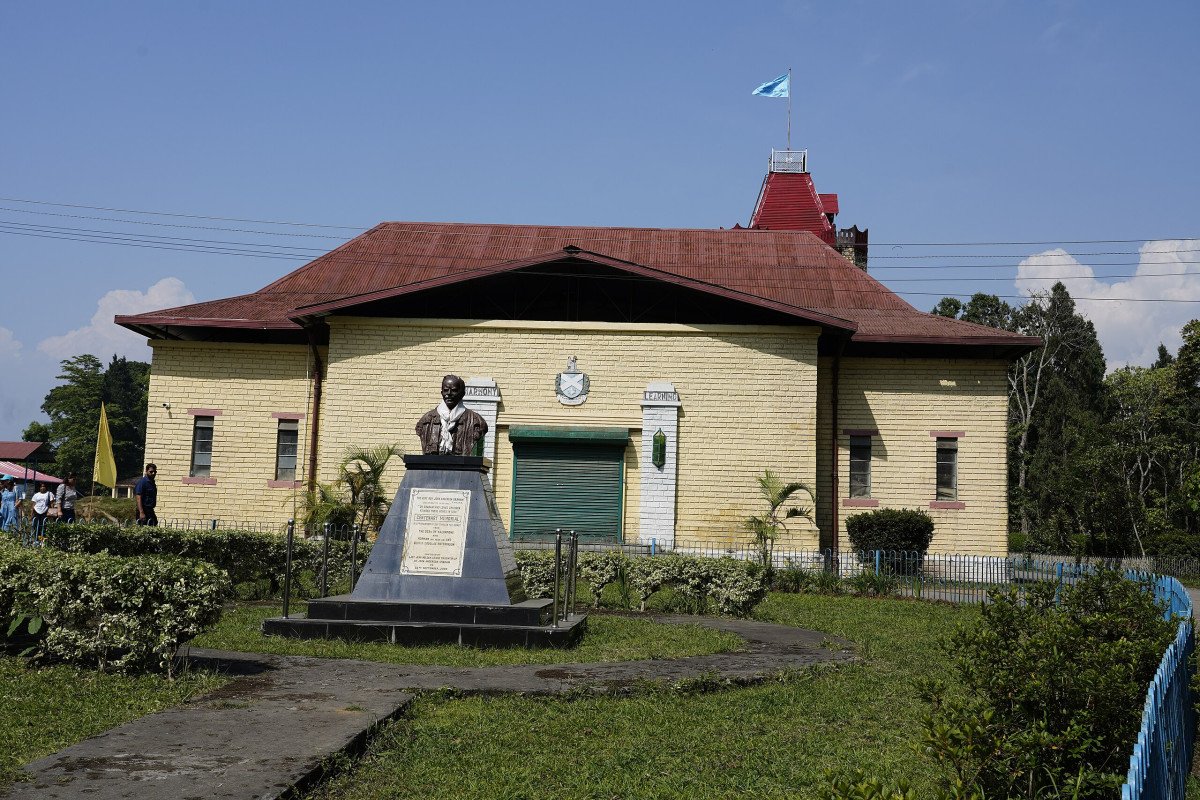
Viewing Utility Buildings and Educational Model: Take a walk past the original self-sufficient areas, such as the historic bakery, the old dairy farm, and the assembly hall. While you cannot enter, observing these buildings helps you understand the early model of education, which was based on practical skills and self-reliance, a crucial part of the Homes' legacy.
Walk the Main Avenue and Admire the Architecture:
Colonial Style Appreciation and Campus Scale: Walk slowly along the main road that winds through the campus. Observe the classic Victorian bungalows and dormitories, noting the consistent use of stone, timber, and colonial design elements. The scale of the campus is immense, and simply walking the grounds provides a strong sense of the institution's historical importance.
Respectfully Engage with Students or Staff: Understanding Modern Life and Community Interaction: If you encounter older students or staff outside of class hours, you may politely greet them. You might learn about modern school life or the contemporary challenges and successes of maintaining such a historic institution. Always remember it is a functioning school; never interrupt classes or photography students without permission.
Attend a Public School Event (If Applicable):
Seasonal Performances and Cultural Immersion: If your visit coincides with a public event like a school fair, bazaar, or a major sports day, try to attend. These events are often open to the public and offer a lively, immersive way to experience the unique community spirit and culture of the Homes, showcasing the talents of the current student body. Photography of the Iconic Clock Tower and Buildings: Capturing Historical Landmarks and Architectural Lines: The clock tower, often a prominent feature of the main building, is a popular photographic subject. Use the expansive, manicured lawns to frame the wide-angle shots of the iconic buildings, utilizing the green foreground to contrast with the deep red or white colonial structures.
Enjoy the Panoramic Views from the Grounds:
Scenic Backdrop and Hill Station Vistas: Find a spot on the upper lawns, which often afford excellent, unobstructed views of the surrounding hills, valleys, and occasionally the distant Kanchenjunga (though Deolo and Durpin are better viewpoints). The view here is softer, focused more on the peaceful, green surroundings of the Homes' own estate.
Hotels
● Deki Lodge
Address: Kalimpong, Kalimpong
Distance: 2.1 KM
Details: A cozy and affordable lodge. Facilities include free Wi-Fi, room service, and a friendly, relaxed atmosphere. It provides necessary amenities for a co...
● Denzong House And Restaurant
Address: Deolo Hill, Kalimpong
Distance: 0.9 KM
Details: A budget-friendly hotel offering a simple yet satisfying experience. Facilities include an on-site restaurant serving breakfast and basic room ameniti...
● Hotel Arms
Address: Chotta Bhalukhop, Kalimpong
Distance: 2.2 KM
Details: A 3-star hotel offering quality service. Facilities include free Wi-Fi, parking, and complimentary breakfast. Guests appreciate the cleanliness and ef...
● Hotel J P Lodge
Address: Kalimpong, Kalimpong
Distance: 2.0 KM
Details: A basic and convenient budget hotel. Facilities include a business center, parking, and essential room comforts. Designed for easy travel, it serves a...
● Misson Valley Kalimpong
Address: Chotta Bhalukhop, Kalimpong
Distance: 2.2 KM
Details: A comfortable 3-star homestay. Facilities include a business center, parking, and a welcoming environment. It is well-suited for travelers looking for...
● Sb Vacation Homes
Address: Bhalukhop, Kalimpong
Distance: 0.7 KM
Details: A 3-star homestay offering a comfortable stay near the campus. Facilities include a bar, free Wi-Fi, and well-maintained rooms. It is a great budget c...
● Shikher Guest House
Address: Tirpai, Kalimpong
Distance: 0.9 KM
Details: A comfortable 3-star guest house. Facilities include free Wi-Fi, room service, and complimentary breakfast. It is well-regarded for its accessibility ...
● Sterling Park Kalimpong
Address: Kalimpong Khasmahal, Kalimpong
Distance: 2.0 KM
Details: A well-equipped mid-range hotel offering modern comfort. Facilities include a restaurant, complimentary hi-tea, and early check-in options. It is high...
● The Bicknell's Nest
Address: Sindebong, Kalimpong
Distance: 1.4 KM
Details: A peaceful 3-star stay with welcoming interiors. Facilities include parking, a bar, and daily breakfast. The property provides a calm environment, mak...
● The Elgin Silver Oaks
Address: Rinkingpong Road, Kalimpong
Distance: 1.9 KM
Details: A heritage property from 1932 preserving colonial charm. Facilities include antique interiors, fireplaces, lush garden lawns, and a fine-dining restau...
Show AllInformation
-
Why Famous:
Century-Old Social Mission and Legacy:
Philanthropic Origin and Enduring Social Relevance: Dr. Graham s Homes is famous for its unique founding principle providing a safe haven and education for disadvantaged or Anglo-Indian children. This...Century-Old Social Mission and Legacy:
Philanthropic Origin and Enduring Social Relevance: Dr. Graham s Homes is famous for its unique founding principle providing a safe haven and education for disadvantaged or Anglo-Indian children. This century-old, compassionate mission, which continues to provide subsidized education and housing, sets it apart from typical private schools and is the cornerstone of its national and international reputation.
Architectural Grandeur and Colonial Heritage: Preserved Victorian Aesthetics and Spacious Hillside Campus: The sheer size of the 500-acre campus and its collection of well-preserved Victorian and colonial-era buildings are a major draw. The institution offers a rare, intact example of a self-contained British hill station community, acting as a living museum of colonial educational architecture and landscaping. -
Architecture:
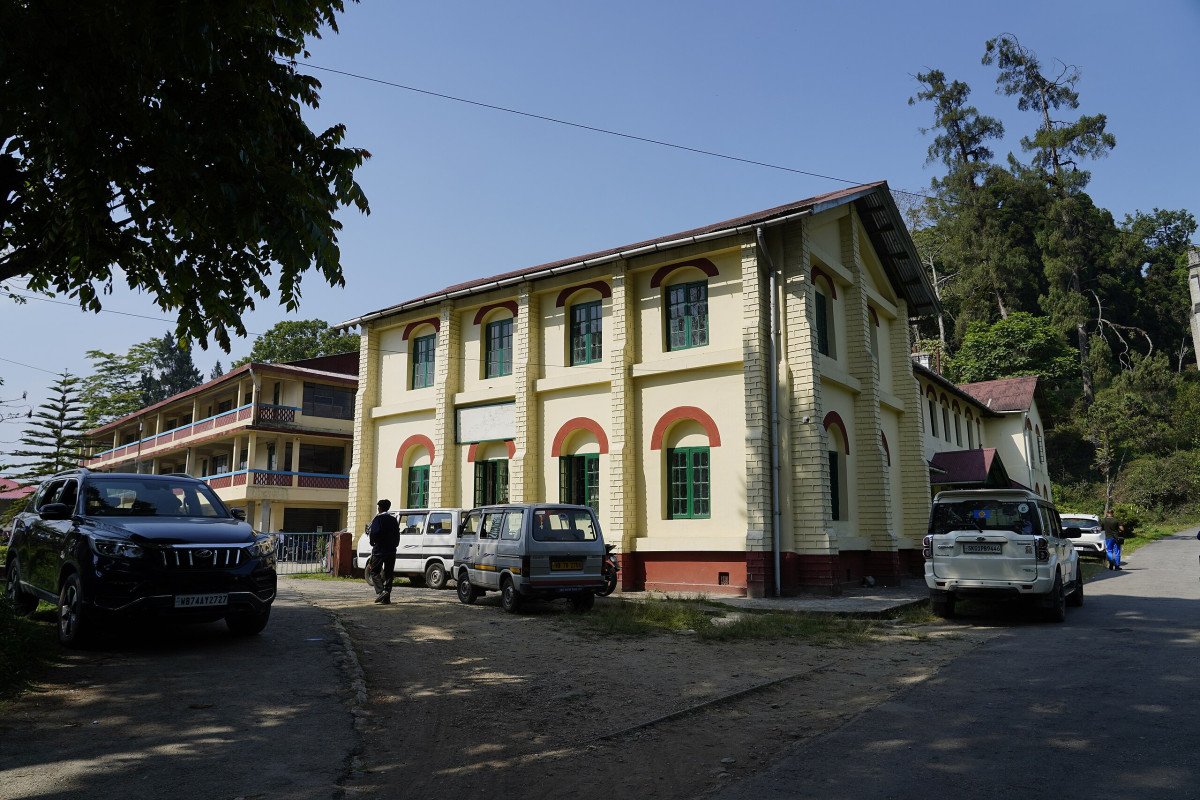
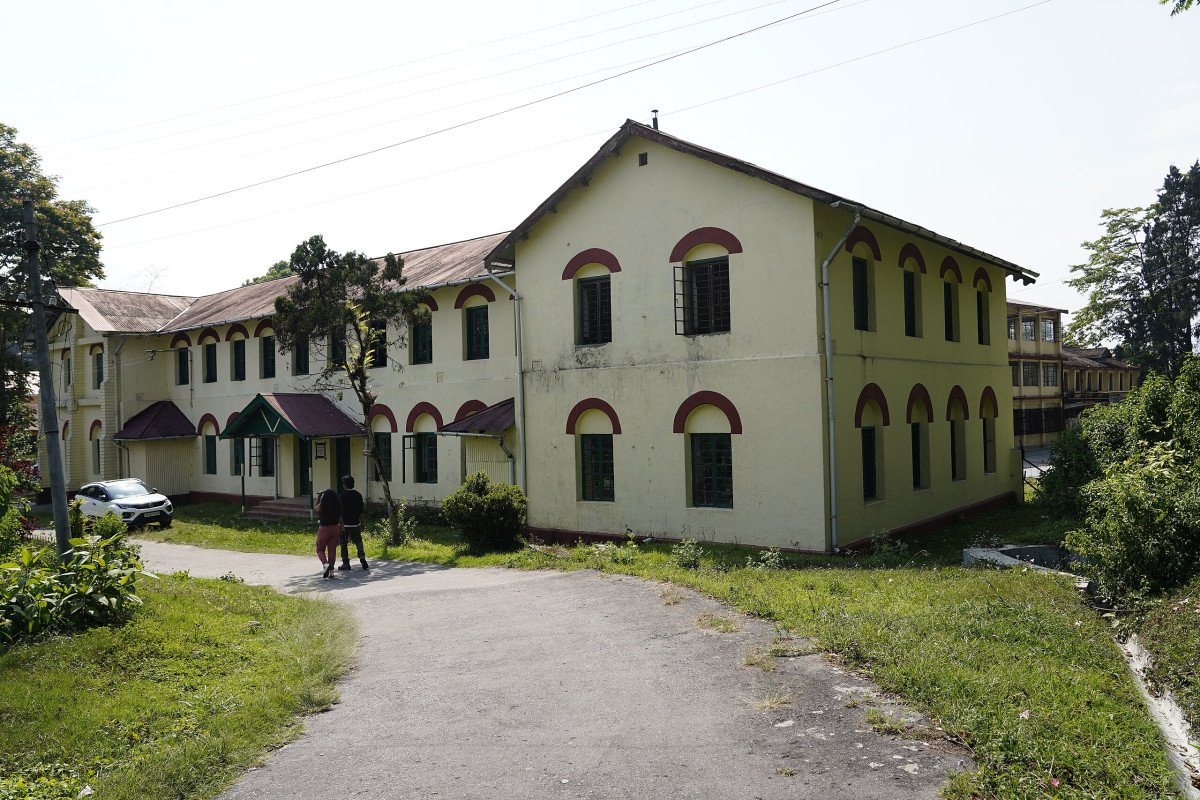
Victorian and Colonial Bungalow Style: The architecture across the vast campus is a defining feature, primarily consisting of large, sturdy bungalows built in the late Victorian and early colonial style.
Durable Hill Construction and Timber Aes...Victorian and Colonial Bungalow Style: The architecture across the vast campus is a defining feature, primarily consisting of large, sturdy bungalows built in the late Victorian and early colonial style.
Durable Hill Construction and Timber Aesthetics: These structures, including the school houses and administrative buildings, typically feature heavy stone foundations, sloping tin or slate roofs to withstand heavy rainfall and snow, and prominent timber elements, such as intricate wooden verandas and large sash windows. The buildings are generally two to three stories high, with the average schoolhouse measuring about 30 meters long and 12 meters wide.
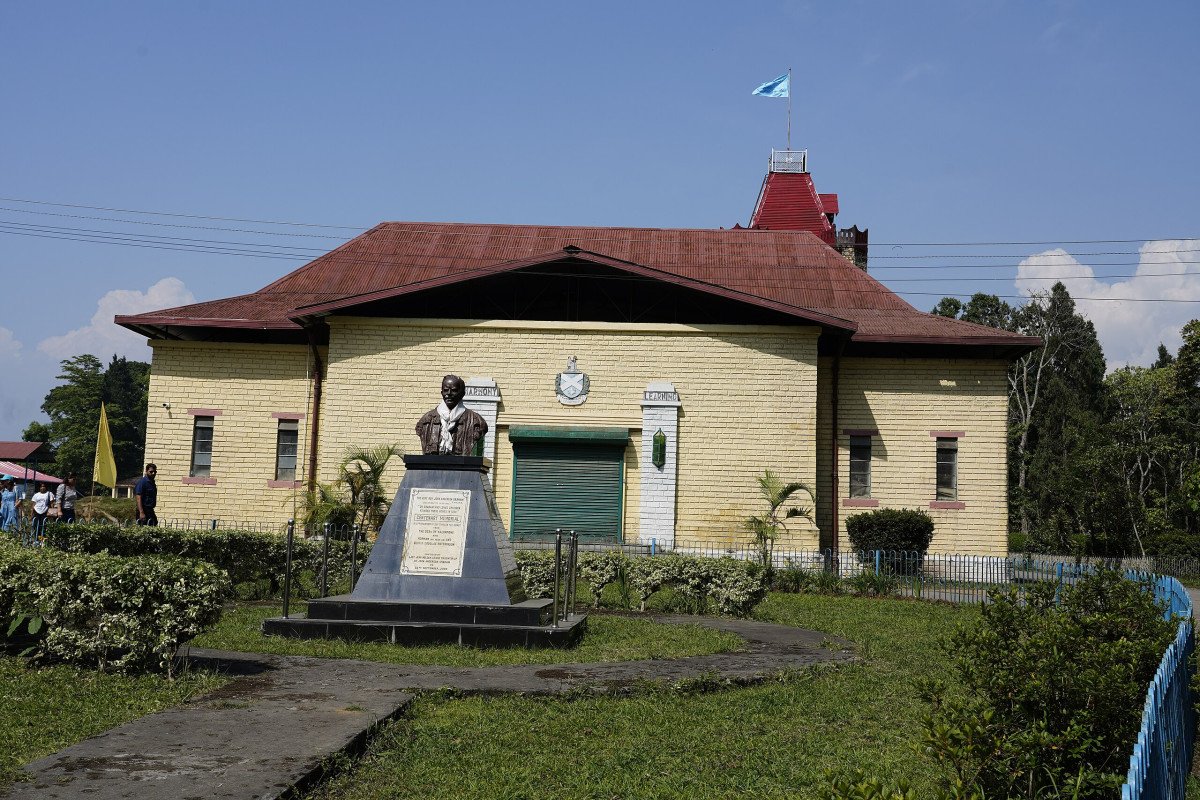
The Centenary Chapel and Community Buildings: The campus includes significant religious and functional buildings. Ecclesiastical Design and Functional Utility Space: The historic chapel, a central feature of the campus, often follows a simple Gothic Revival style, characterized by pointed arch windows and a modest bell tower. Community buildings like the bakery and the original assembly hall are built with thick, white-washed walls and high ceilings to maintain a cool temperature, offering a clear visual contrast to the nearby timber-heavy, dark-wood residential houses. -
How To Reach:
By Air: The closest airport is Bagdogra Airport (IXB). Air Travel to Gateway City and Long Distance Road Hire: The distance is approximately 88 KMS. Hire a reserved taxi directly to the school's location on Hampton Estate in Kalimpong (about 4 hours). While it's located ...By Air: The closest airport is Bagdogra Airport (IXB). Air Travel to Gateway City and Long Distance Road Hire: The distance is approximately 88 KMS. Hire a reserved taxi directly to the school's location on Hampton Estate in Kalimpong (about 4 hours). While it's located outside the main town center, the road leading to the campus is well-known and easily accessible via the main highway into Kalimpong.
By Train: The major railhead is New Jalpaiguri (NJP).
Rail-to-Private Transport and Dedicated Drop-Off: Dr. Graham s Homes is around 83 KMS from NJP. From the station, a pre-booked or reserved taxi is the most practical option to reach the campus directly. Ensure the driver knows the location on Hampton Estate, as it is a specific destination outside the crowded market area of Kalimpong town.
By Road: The school is located on a dedicated estate road, off the main road that leads towards Deolo Hill. Well-Maintained Estate Road and Direct Vehicle Access: The approach road is well-maintained and easily navigable by cars and taxis. Since the campus is quite large, vehicles can generally drive a short distance into the grounds (after permission) to the main administrative area, allowing for comfortable and convenient drop-off and pickup.
By Local Transport: Local transport is available but requires a dedicated hire, not a shared trip.
Dedicated Local Taxi for Outskirts Location: Hire a local taxi from the Kalimpong bus stand. Due to the distance (8 KMS) from the town center, shared jeeps do not operate on a fixed route here. Negotiate a fixed round-trip fare that includes waiting time for your visit. -
Weather and Best Time to Visit:
Optimal Post-Monsoon Season (Views and Pleasant Walks): The months of October and November are highly recommended. Clear Skies for Photography and Comfortable Campus Walks: The weather is cool, sunny, and perfect for walking the extensive grounds. The post-monsoon clarity also offers the best cha...Optimal Post-Monsoon Season (Views and Pleasant Walks): The months of October and November are highly recommended. Clear Skies for Photography and Comfortable Campus Walks: The weather is cool, sunny, and perfect for walking the extensive grounds. The post-monsoon clarity also offers the best chance for viewing the distant mountain ranges from the campus viewpoints. Winter Season (Historic Atmosphere and Low Activity): The period from December to February is excellent, especially during the school's Christmas holiday break.
Tranquil Environment and Christmas Festivities: During the holidays, the campus is very quiet, allowing for maximum exploration without disrupting students. The clear, cold weather adds a unique, atmospheric charm to the old Victorian buildings.
Different Parts of the Day:
Midday Photography and Early Afternoon Walks: Focus your visit between 1:30 PM and 3:00 PM. This avoids the busy morning hours and allows for good afternoon light to illuminate the main buildings and lawns for photography, while minimizing intrusion into the school's daily operational rhythm. -
Near Tourist Places:
Deolo Hill: 3 KMS (Highest viewpoint)
Kalimpong Market: 8 KMS (Central hub)
Pine View Cactus Nursery: 6 KMS (Floral attraction)
Durpin Dara Hill: 9. 5 KMS (Monastery and viewpoint)
Morgan House: 10 KMS (Historic guesthouse)
Mangal Dham Temple: 8 KMS (Hindu temple)
Samsing: 58 KMS (Dooars tea gardens)
Lava: 40 KMS (Forest town)
Ichey Gaon: 22 KMS (Quiet village stay)
Tinchuley: 30 KMS (Village with views)
Tourism Tips
-
Health & Safety (Uneven Terrain and School Rules): Careful Walking on Slopes and Strict Adherence to Rules: The campus is built on a hillside, so be prepared for some uneven terrain and slopes; wear good walking shoes. Crucially, adhere strictly to any rules provided by t...Health & Safety (Uneven Terrain and School Rules): Careful Walking on Slopes and Strict Adherence to Rules: The campus is built on a hillside, so be prepared for some uneven terrain and slopes; wear good walking shoes. Crucially, adhere strictly to any rules provided by the gate security or the office staff regarding areas that are restricted to visitors.
Packing Essentials (Layers and Respectful Dress):
Warmth for Elevated Climate and Modest Attire: Even in summer, the hill location can be cool; pack a light jacket or shawl. Dress respectfully, as you are visiting a major school and historic institution, and remember that photography of individual children is usually strictly prohibited without express permission. Accommodation and Planning (Prior Permission is Key): Essential Pre-Visit Permission and Designated Route: It is highly recommended to contact the school office (by phone or email) a few days in advance to request permission for your visit. Upon arrival, check in at the main office and stick only to the designated visitor routes to respect the privacy of the students and residents.
Other Tips (Support and Educational Focus): Supporting the School's Mission and Historical Focus: Consider purchasing items from the school's bakery or stores, as all proceeds directly benefit the students. Focus your visit on the history, architecture, and philanthropic mission of Dr. Graham s Homes to gain the deepest understanding of this special place.
Reviews
FAQs
Ans:- Dr. Graham's Homes was founded in 1900 by the Scottish missionary Dr. John Anderson Graham. He established the institution primarily to provide education and care for the children of mixed-race Anglo-Indian parentage who were often neglected during that colonial era. Over the decades, it has evolved into a prestigious residential school, renowned for its academic excellence, discipline, and historical significance. The institution remains a landmark in Kalimpong, reflecting a rich legacy of philanthropy, education, and community service that has shaped the lives of countless students.Ans:- Yes, tourists are generally permitted to visit the beautiful campus of Dr. Graham's Homes, although it is a functional residential school, so access to specific classrooms or dormitories is restricted. Visitors often walk through the lush, sprawling grounds to admire the heritage colonial architecture, the well-maintained gardens, and the peaceful, serene environment. It is highly recommended to visit during designated visiting hours or coordinate with the administrative office if you wish to explore specific areas, as it is a working educational institution.Ans:- While tourists can wander through many parts of the campus, it is always a respectful and prudent practice to check in at the main gate or the administration office if you intend to explore deeply. During school hours, access might be limited to ensure the safety and privacy of the students. It is definitely not a public park, so visitors should maintain a quiet and respectful demeanor, avoid disturbing classes, and stick to the areas that are designated as open for visitors.Ans:- The campus of Dr. Graham's Homes features a distinct Victorian and colonial architectural style, characterized by stone buildings, high ceilings, large windows, and sloping roofs designed to withstand the heavy rainfall of the Kalimpong region. The sturdy construction and timeless design reflect the period of its founding in the early 20th century. Walking through the campus feels like taking a step back in time, as the architecture is well-preserved and exudes a charming, historic atmosphere that is quite unique in the Himalayan landscape.Ans:- The chapel at Dr. Graham's Homes is a centerpiece of the institution and is highly significant due to its beautiful architecture and spiritual history. It serves as the heart of the school's communal life, reflecting the Christian heritage upon which the school was established. The chapel features intricate woodwork, stained glass, and a very peaceful, solemn ambiance that provides a moment of quiet reflection for students and visitors alike. It is one of the most photographed and admired structures within the historic school campus.Ans:- Official, structured guided tours are not always available on demand for individual tourists, but the campus is relatively easy to explore on your own if you are respectful. The institution is quite large, and there is significant information available through plaques and historical markers placed around the grounds. If you are part of a large group or a student delegation, it might be possible to arrange a visit with the school authorities in advance to get a more comprehensive tour of the facilities.Ans:- Dr. Graham's Homes is situated at a manageable distance from the Kalimpong main bus stand, approximately 3 to 4 kilometers away. It is located on the slope of Deolo Hill, making it a pleasant drive through the scenic town. Depending on the traffic, it typically takes about 15 to 20 minutes to reach by taxi. The road to the school is well-connected, and local drivers are very familiar with the route, making it an easy addition to your sightseeing itinerary in Kalimpong.Ans:- Access to the main library or the museum sections of Dr. Graham's Homes is typically restricted to students, faculty, and authorized personnel. These are not general tourist attractions but vital academic resources. However, the exterior architecture, the historic chapel, and the beautiful, expansive school grounds are open for visitors to enjoy. It is always a good idea to inquire at the administration office if there is an exhibition or a public viewing area currently open to visitors during your visit.Ans:- There is no strict dress code for visiting the campus of Dr. Graham's Homes, but since it is a prestigious residential school, visitors are expected to dress modestly and behave in a respectful manner. Avoid overly loud, boisterous behavior, and ensure your attire is appropriate for visiting an educational institution. Dressing in smart-casual clothing is perfectly acceptable. Keeping a respectful decorum helps in maintaining the quiet, disciplined environment that the school is famous for, ensuring a pleasant experience for both visitors and students.Ans:- Dr. Graham's Homes was established in the year 1900. It has a long and storied history spanning over a century, which is quite remarkable. Founded by Dr. John Anderson Graham, it started with only a few students and has since grown into a world-renowned educational institution that provides holistic education to students from various backgrounds. The school has celebrated its centenary and continues to uphold its founding values, making it an essential historical site to understand the development and cultural fabric of Kalimpong.Ans:- While the campus is a historic landmark, it is primarily a private residential school and not a public park that is open 24/7. Visitors should stick to standard daytime hours and avoid arriving late in the evening or very early in the morning when the school is strictly functioning for its students. Furthermore, during times like exam seasons or specific school events, visitors might be discouraged from entering. It is always best to check with locals or your hotel desk regarding the feasibility of visiting on your specific day.Ans:- Yes, there are several hotels, homestays, and guesthouses in the vicinity of Deolo and Dr. Graham's Homes. Kalimpong is a well-developed tourist destination, and you will find accommodation ranging from budget-friendly homestays to more comfortable resorts. Staying near this area is a great choice if you enjoy quiet, scenic surroundings and want easy access to other landmarks like Deolo Park, which is nearby. It is recommended to book your stay in advance, especially during the peak tourist season in the spring and autumn.Ans:- Dr. Graham's Homes is famous in Kalimpong for being one of the oldest and most prestigious educational institutions in India. Its historical, architectural, and philanthropic significance makes it a must-visit spot. The school has played a pivotal role in the lives of generations of students and remains a symbol of the town's educational heritage. Beyond its history, the beauty of its campus, nestled in the serene hills of Kalimpong, makes it a picturesque location that offers a deep insight into the cultural identity of the region.Ans:- You are allowed to take photographs of the beautiful campus, the chapel, and the exterior of the historic buildings, which is great for memory-making. However, you must always be mindful of privacy and not take photos of the students or staff without their explicit permission. It is crucial to respect the boundaries of the school; refrain from entering private student hostels or classrooms just to take pictures. Always prioritize the comfort and the educational environment of the children above your desire for the perfect photograph.Ans:- Yes, it is a very family-friendly place to visit. The expansive, well-kept grounds provide a safe and pleasant environment where families can walk around and enjoy the fresh mountain air and the scenic beauty of the surroundings. Children can learn about the history of the school, and the peaceful atmosphere is perfect for a relaxing family afternoon. It is an excellent educational outing as well, offering a glimpse into the rich history of the region in a way that is accessible and interesting for both adults and kids.Kalimpong Itineray And Cost:-
Dr. Graham s Homes Tourism:-
Information about New and Updated Locations() of West Bengal Has Been Added :-
Card subtitle
Note:-
Information provided here in good Faith and for reference only.
Near Places

7th Mile Viewpoint
Some quick example text to build on the card title and make up the bulk of the card's content.
Go somewhere
Ahal Dara Viewpoint
Some quick example text to build on the card title and make up the bulk of the card's content.
Go somewhere
Bara Mangwa
Some quick example text to build on the card title and make up the bulk of the card's content.
Go somewhere
Changey Falls
Some quick example text to build on the card title and make up the bulk of the card's content.
Go somewhere
Chatakpur
Some quick example text to build on the card title and make up the bulk of the card's content.
Go somewhere
Chota Mangwa
Some quick example text to build on the card title and make up the bulk of the card's content.
Go somewhere
Deolo Hill
Some quick example text to build on the card title and make up the bulk of the card's content.
Go somewhere
Dr. Graham s Homes
Some quick example text to build on the card title and make up the bulk of the card's content.
Go somewhere
Durpin Dara Hill
Some quick example text to build on the card title and make up the bulk of the card's content.
Go somewhere
Durpin Monastery
Some quick example text to build on the card title and make up the bulk of the card's content.
Go somewhere
Gauripur House
Some quick example text to build on the card title and make up the bulk of the card's content.
Go somewhere
Icchey Gaon
Some quick example text to build on the card title and make up the bulk of the card's content.
Go somewhere
Kalimpong Science Centre
Some quick example text to build on the card title and make up the bulk of the card's content.
Go somewhere
Kolakham
Some quick example text to build on the card title and make up the bulk of the card's content.
Go somewhere
Latpanchar
Some quick example text to build on the card title and make up the bulk of the card's content.
Go somewhere
Mangal Dham
Some quick example text to build on the card title and make up the bulk of the card's content.
Go somewherein Other Cities