Durpin Monastery
General information
-
Ideal Duration:
2 Hours (1 hour for the monastery and Kanjur viewing, 1 hour for the viewpoint and surrounding walk).Place Type:
Spiritual Site, High-Altitude Viewpoint, and HistoEntry Fees:
Monastery Entry and General Access (Voluntary Donation Only): There is no mandatory entry fee required to access the Zang Dhok Palri Phodang Monastery or the Durpin Dara Hill viewpoint. Free Spiritual Access and Sustenance Through Generosity: The premises are open to the public free of charge, ref...Monastery Entry and General Access (Voluntary Donation Only): There is no mandatory entry fee required to access the Zang Dhok Palri Phodang Monastery or the Durpin Dara Hill viewpoint. Free Spiritual Access and Sustenance Through Generosity: The premises are open to the public free of charge, reflecting the inclusive nature of the Buddhist faith. However, a small, discreet donation box is provided at the entrance, and voluntary contributions are welcomed and necessary for the sustenance of the monks and the maintenance of the historic complex.
Local Parking Fee and Road Maintenance Charge: A nominal fee is often charged by local committees for parking vehicles near the hilltop.
Vehicular Charge for Hilltop Management: This fee, usually around Rs.30 to Rs.50 per car, is used to manage traffic, keep the immediate area clean, and contribute to the upkeep of the steep approach road, which is often damaged by heavy seasonal rains, making it an essential local maintenance fund. Photography/Video Fees (Commercial Activity Regulation): While casual photography for personal use is usually free, if a visitor intends to use professional equipment (tripods, large lenses) or shoot for commercial purposes (documentaries, travel blogs), a specific permit and fee might be required from the monastic committee.
Commercial Permit for Professional Filming: This fee is intended to protect the sanctity and privacy of the monks and the site, and inquiries should be made at the monastery office beforehand.Timing:
Regular Timings (Standard Visitor Hours): The monastery and the viewpoint are generally open from 8:00 AM to 5:00 PM.
Daylight Operation and Safety Closure: These hours are strictly observed, as the road leading up to Durpin Dara is narrow,...Regular Timings (Standard Visitor Hours): The monastery and the viewpoint are generally open from 8:00 AM to 5:00 PM.
Daylight Operation and Safety Closure: These hours are strictly observed, as the road leading up to Durpin Dara is narrow, winding, and poorly lit, making late afternoon travel hazardous. The main prayer hall may close briefly during midday for the monks' private rituals.
Ideal Visit Time (Peak Clarity for Kanchenjunga): The absolute best time to visit is between 7:30 AM and 9:00 AM.
Golden Light and Atmospheric Clarity: During this window, the atmosphere is usually clearest, allowing for the most spectacular, uninterrupted views of the snow-capped Kanchenjunga as it is bathed in the magnificent golden light of the early morning sun, before the heat haze or clouds begin to obscure the distant horizon.Special Events:
Annual Buddha Jayanti Celebrations: The Zang Dhok Palri Phodang Monastery observes Buddha Jayanti, the triple celebration of Lord Buddha's birth, enlightenment, and death, which typically occurs on the full moon day in the lunar month of Vaisakha (usually April or May).Annual Buddha Jayanti Celebrations: The Zang Dhok Palri Phodang Monastery observes Buddha Jayanti, the triple celebration of Lord Buddha's birth, enlightenment, and death, which typically occurs on the full moon day in the lunar month of Vaisakha (usually April or May).
Religious Intensity and Monastic Rituals: The entire monastery comes alive with profound devotion. Monks engage in continuous prayers, special chanting sessions, and solemn ceremonies dedicated to the life of the Buddha. The atmosphere is spiritually charged, offering a unique glimpse into the monks' disciplined life and faith.
Traditional Chham (Mask Dances) Performance: Vibrant Cultural Performance and Symbolic Narrative: A key highlight is the performance of traditional Chham dances by the resident monks in the courtyard. These are highly stylized, colorful mask dances that narrate moral tales from Buddhist mythology, depicting the victory of good over evil. The music is provided by traditional Tibetan instruments, and the entire spectacle draws a large crowd of both devotees and tourists.Best Photo Spots:
Sunrise on Kanchenjunga from the Viewpoint:
Golden Hour Illumination and Himalayan Majesty: The single best shot is the Kanchenjunga range at sunrise. Frame the shot to capture the first rays of the sun hitting the peaks, turning them a lum...Sunrise on Kanchenjunga from the Viewpoint:
Golden Hour Illumination and Himalayan Majesty: The single best shot is the Kanchenjunga range at sunrise. Frame the shot to capture the first rays of the sun hitting the peaks, turning them a luminous gold and pink. Use the foreground the railing or the dark outlines of the pine trees to give scale and depth to the massive mountain backdrop.
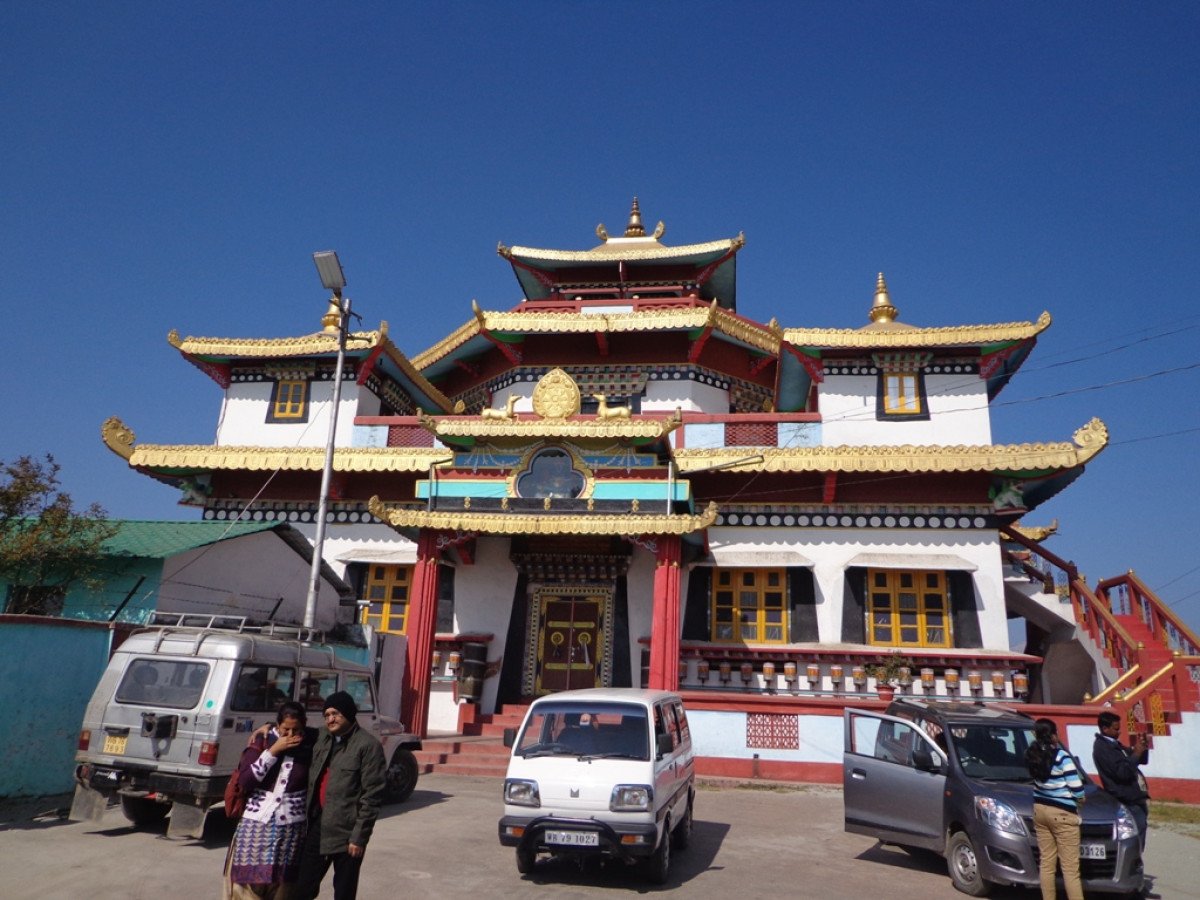
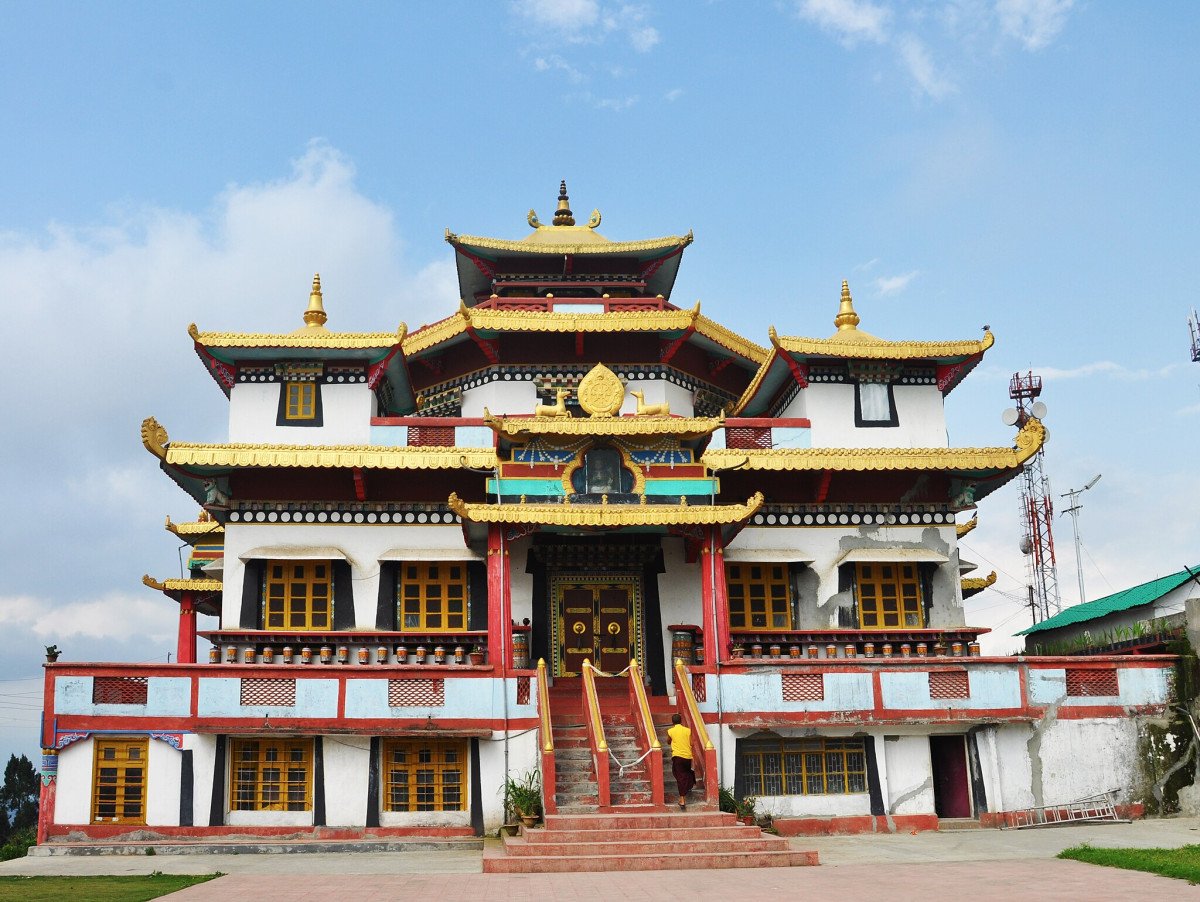
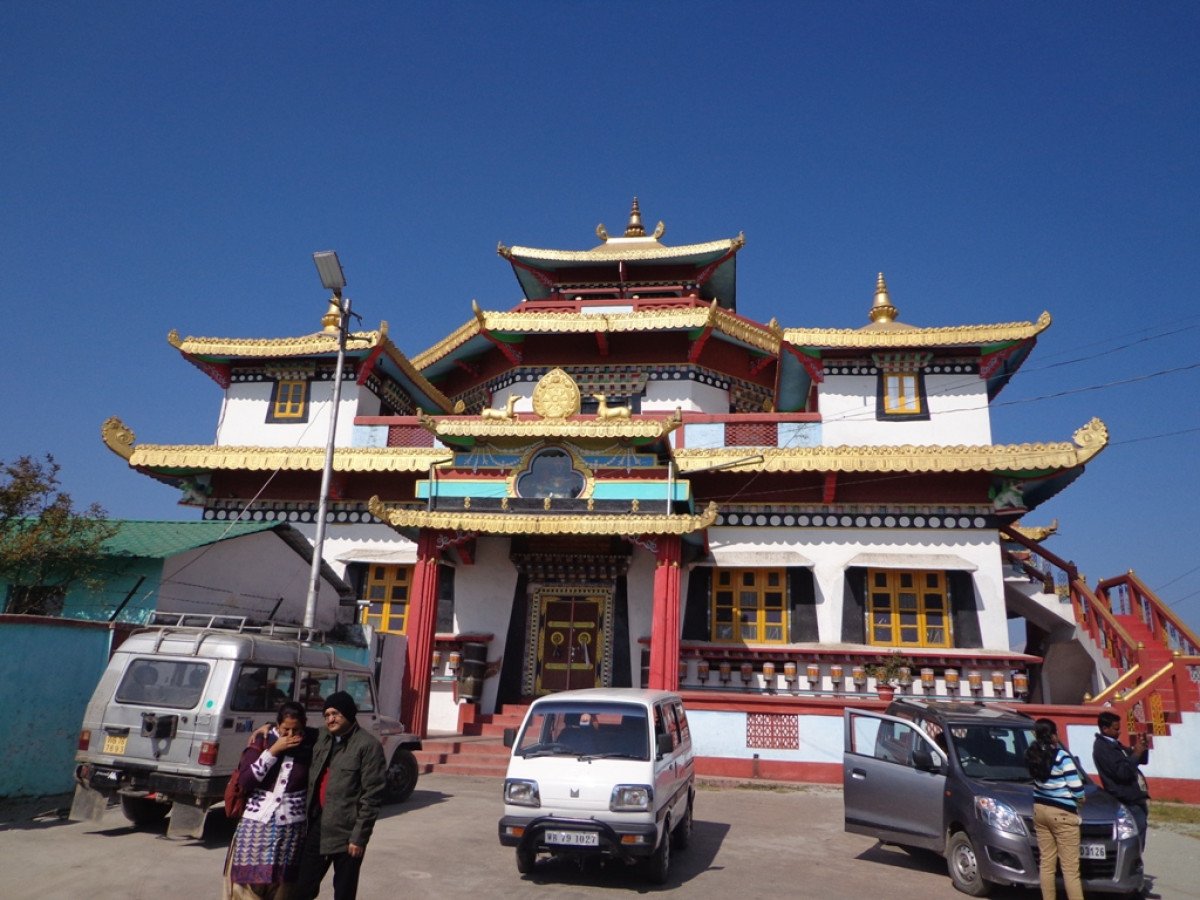
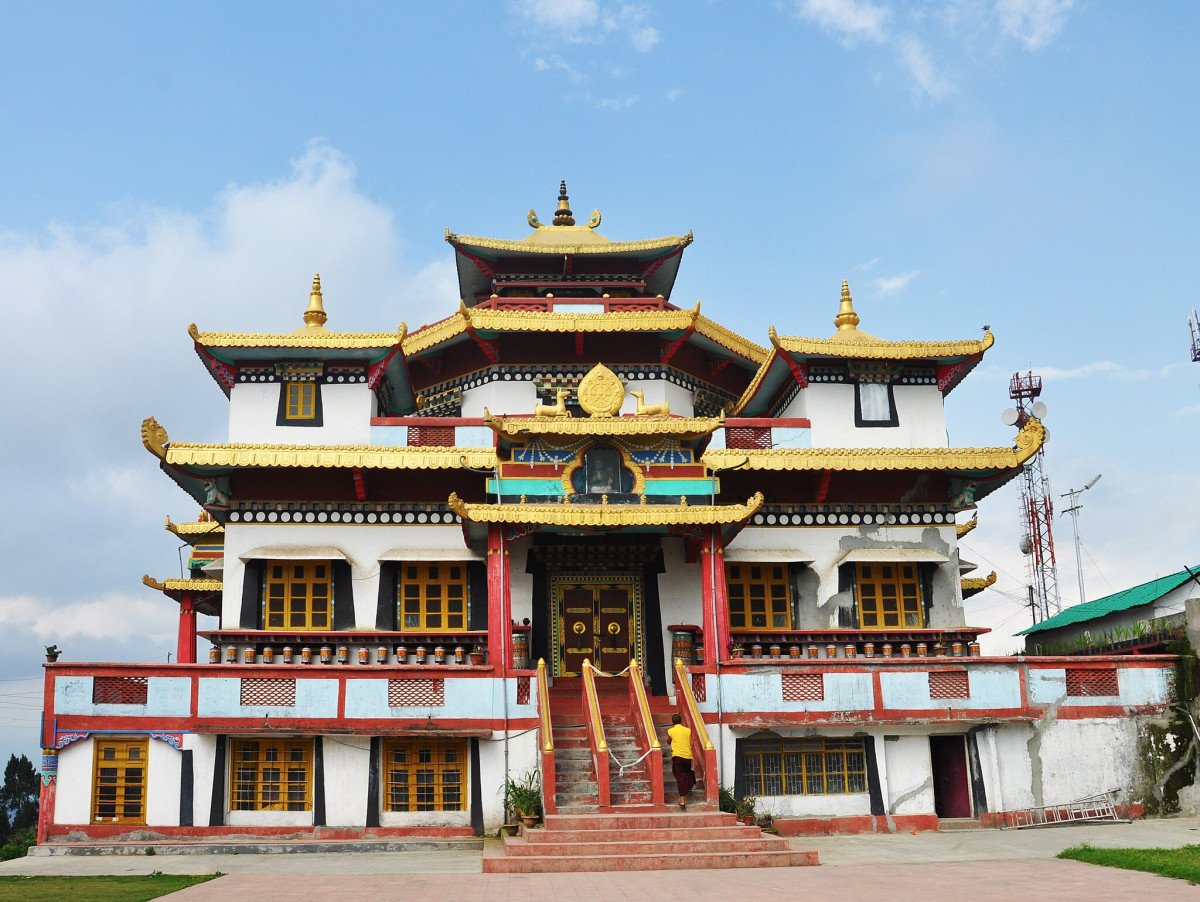
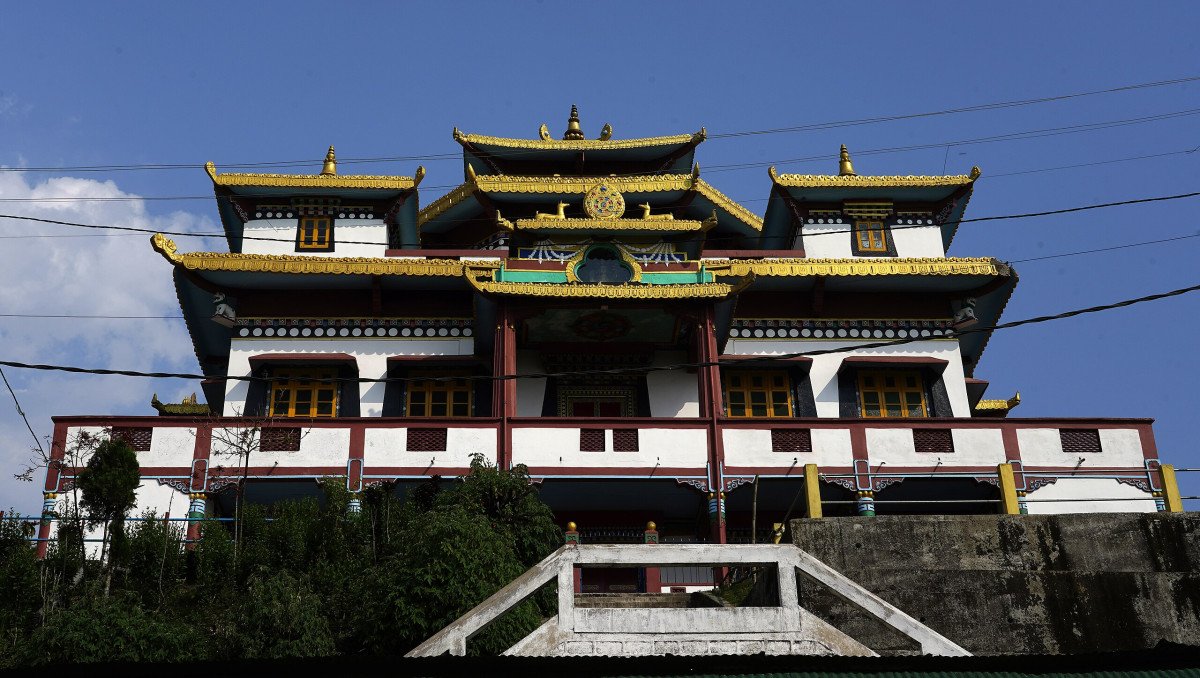
The Gompa Entrance and Prayer Flag Forest: Symmetrical Architecture and Dynamic Color Contrast: Stand back to capture the main entrance of the monastery, framing it with the hundreds of multicolored prayer flags fluttering wildly in the wind. The vibrant red and gold of the architecture contrasted against the primary colors of the flags and the bright blue sky provides a powerful, iconic image of Tibetan Buddhism in Kalimpong.
Detail Shots of the Kanjur Cabinets:
Intricate Interior Woodwork and Sacred Detail: Focus a lens on the detailed carvings and paintings decorating the protective cabinets that hold the Kanjur scriptures inside the main hall. These detailed shots highlight the craftsmanship and the reverence given to the texts, offering an intimate look at the spiritual dedication, ensuring you maintain silence and respect while doing so.Photo Gallery

Things To Do
-
Engage in Prayer Wheel Circumambulation:
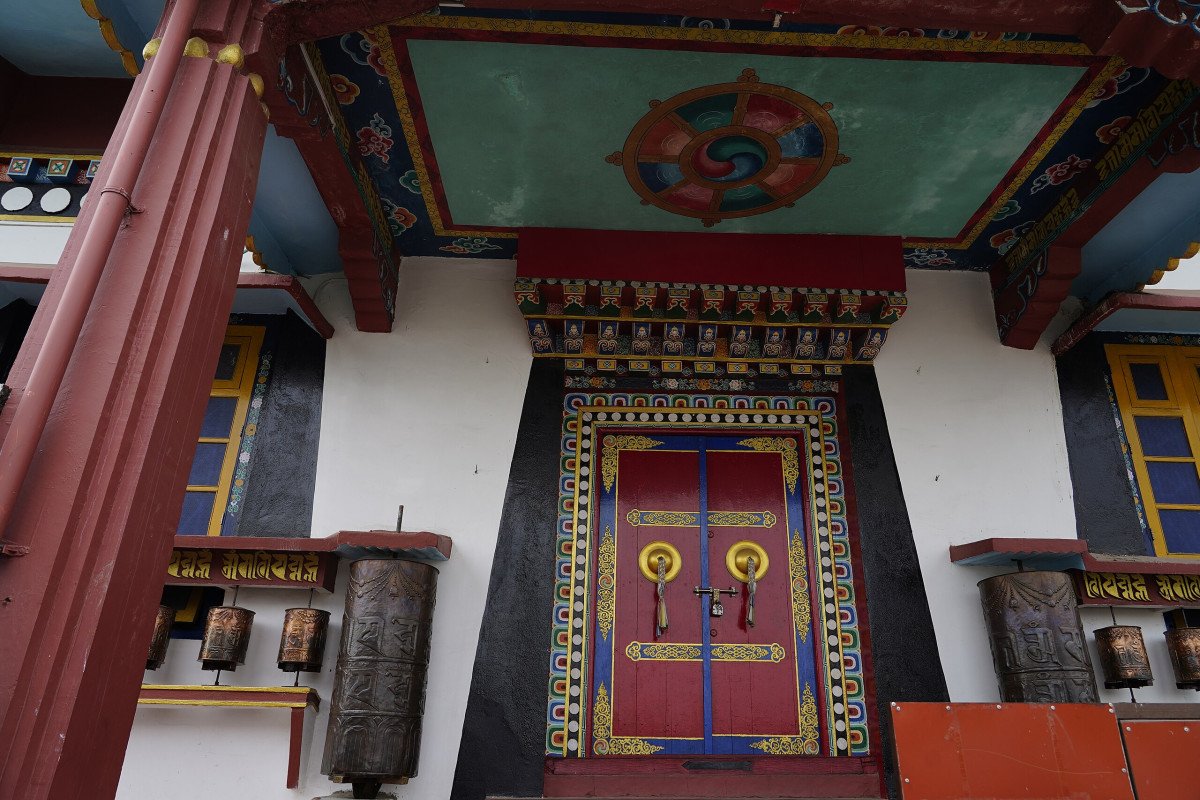
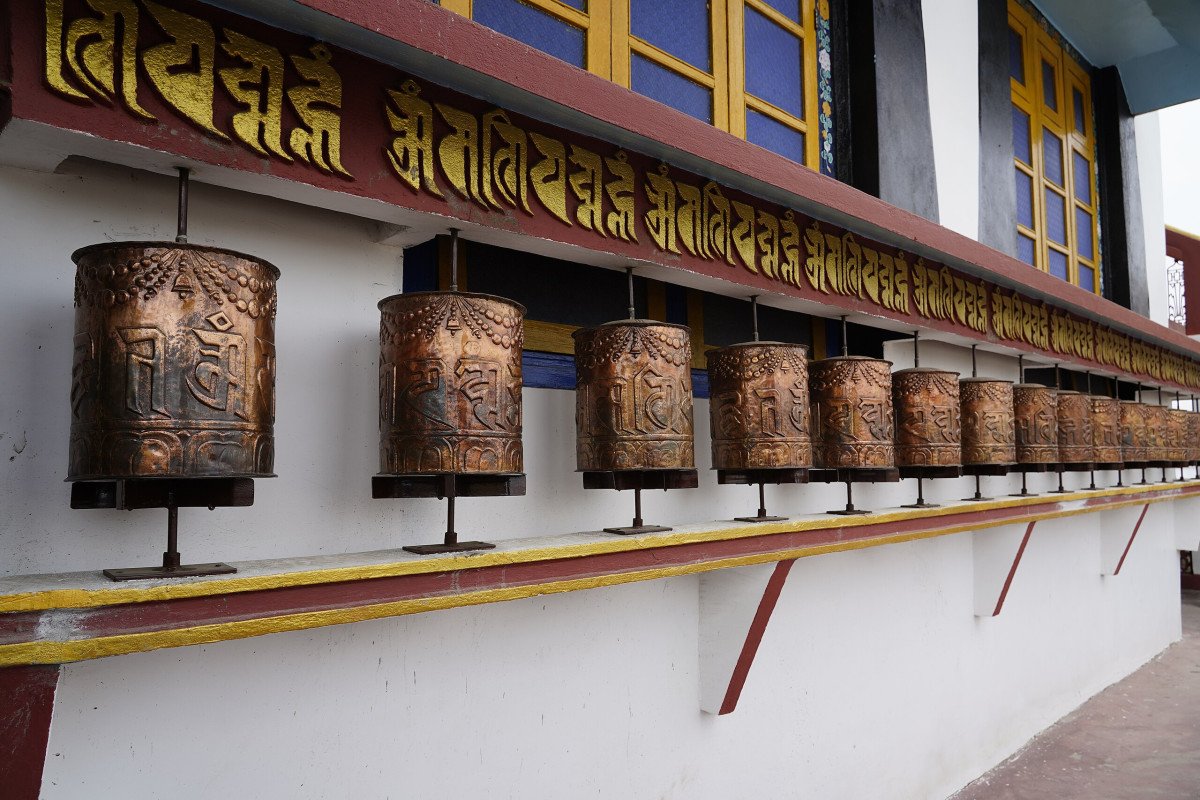
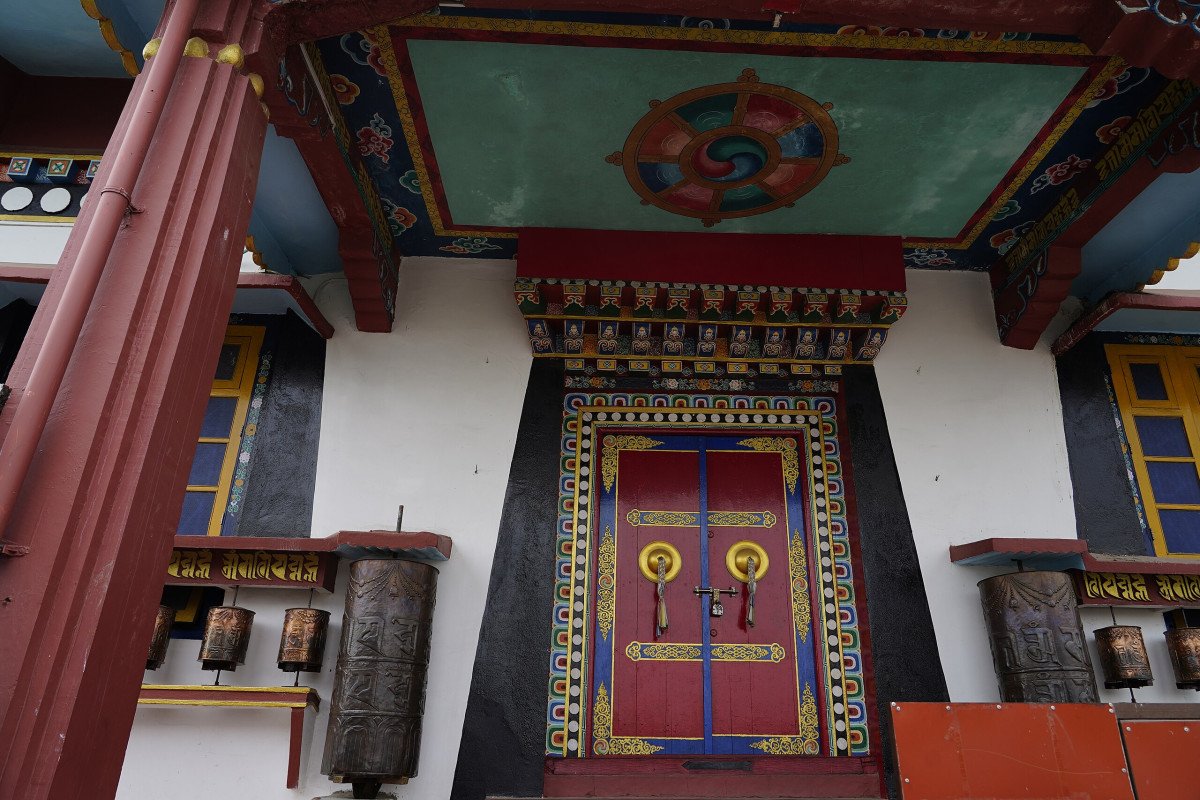
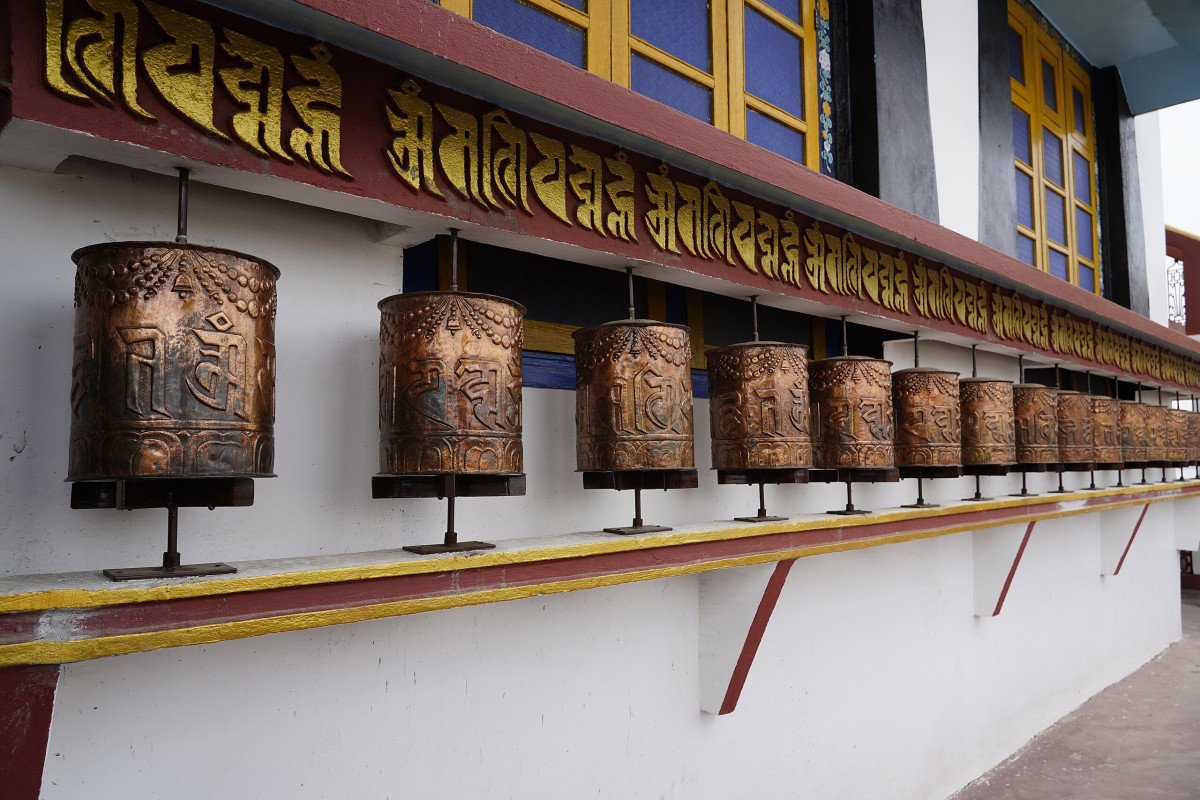
Spiritual Practice of Kora and Accumulating Merit: Take part in the traditional ritual of Kora (circumambulation) by gently spinning the rows of prayer wheels located outside the main hall. Do this in a clockwise direction, which is the correct way, chanting the mantra Om Mani Padme Hum softly. Each turn of the wheel is believed to release the prayers written inside into the cosmos, purifying negative karma and accumulating merit for spiritual progress.
View the Panoramic Kanchenjunga and River Valley:
Scenic Observation and Geographical Appreciation: Spend ample time at the hilltop viewpoint. Use the provided telescopes (if available) or simply enjoy the naked eye view of the snow-capped Kanchenjunga peaks. Observe th...Engage in Prayer Wheel Circumambulation:
Spiritual Practice of Kora and Accumulating Merit: Take part in the traditional ritual of Kora (circumambulation) by gently spinning the rows of prayer wheels located outside the main hall. Do this in a clockwise direction, which is the correct way, chanting the mantra Om Mani Padme Hum softly. Each turn of the wheel is believed to release the prayers written inside into the cosmos, purifying negative karma and accumulating merit for spiritual progress.
View the Panoramic Kanchenjunga and River Valley:
Scenic Observation and Geographical Appreciation: Spend ample time at the hilltop viewpoint. Use the provided telescopes (if available) or simply enjoy the naked eye view of the snow-capped Kanchenjunga peaks. Observe the mesmerizing serpentine path of the Teesta River below, tracing the geographical confluence of the Himalayan and Dooars regions. This is the primary non-spiritual draw of the location.
Seek Blessings and Interact with Monks:
Cultural Exchange and Monastic Protocol: If a monk is available and not actively engaged in prayer or duty, you may politely request a brief interaction or a blessing. Be respectful, maintaining silence and a humble demeanor. This provides a rare opportunity to learn about monastic life and the significance of the Gelug tradition directly from its practitioners.
Explore the Holy Kanjur Volumes: Examination of Sacred Texts and Historical Preservation: While access to the Kanjur volumes is restricted for touching, you can respectfully view the decorated cabinets that house these ancient scriptures. Reflect on their profound age and spiritual weight; they are a direct link to centuries of Buddhist philosophy and practice, representing a major cultural treasure salvaged from Tibet.
Capture the Dramatic Landscape and Cultural Vistas:
Landscape Photography and Cultural Documentation: Use the dramatic backdrop of the Himalayan peaks and the vast valley for wide-angle landscape photography. Additionally, focus on capturing the vibrant cultural elements: the red robes of the monks, the intricate gold work on the roof, the colorful Thangkas (religious paintings), and the sheer volume of the fluttering prayer flags against the blue sky.
Enjoy the Peaceful Solitude of the Hilltop:
Relaxation and Mindfulness Practice: Find a quiet corner, away from the main rush, and simply sit in silence. The atmosphere atop Durpin Dara is naturally tranquil, especially in the early mornings. Utilize this peaceful environment for mindfulness, meditation, or simply to take a break from the noise of city life, breathing in the fresh, clean mountain air that characterizes Kalimpong.
Visit the Nearby Army Golf Club:
Recreational Contrast and Nearby Leisure: While not part of the monastery complex, the adjacent Army Golf Club is a beautifully maintained, scenic piece of land. Tourists can often walk a short distance to admire the manicured greens (often with permission from the security post) and enjoy the contrast between the organized recreational space and the wild, untamed nature visible from the viewpoint.
Hotels
● Blue Bell Homestay
Address: Lower Cart Road, Kalimpong, West Bengal 734301
Distance: 3.5 km
Details: A charming and budget-friendly homestay providing a warm, family-like environment. Guests can enjoy homemade meals, personalized service, and clean, c...
● Hills Tale Backpackers Hostel
Address: Near Kalimpong Town, Kalimpong, West Bengal 734301
Distance: 4.5 km
Details: A highly-rated budget hostel designed for backpackers and adventure seekers. It offers a communal atmosphere, dormitory-style and private beds, and sh...
● Marmen Homestay
Address: Near Durpin Hill, Kalimpong, West Bengal 734301
Distance: 1.2 km
Details: A small, intimate homestay offering a rustic and authentic stay experience near the monastery. The rooms are simple but tidy, and the hosts are known ...
● MAYFAIR Himalayan Spa Resort
Address: Upper Cart Road, Kalimpong, West Bengal 734301
Distance: 2.5 km
Details: A luxurious 5-star resort blending colonial elegance with modern opulence. Set amidst misty hills, it offers a serene atmosphere perfect for families....
● Shikher Guest House
Address: Main Road, Kalimpong, West Bengal 734301
Distance: 4.0 km
Details: A budget-friendly guest house offering basic but comfortable amenities for travelers on a shoestring budget. It features clean rooms, helpful staff, a...
● Sinclairs Retreat Kalimpong
Address: P.O. & Dist. Kalimpong, West Bengal 734301
Distance: 1.8 km
Details: Nestled in the lush hills, this retreat offers a tranquil escape with excellent nature-focused amenities. Guests can enjoy a refreshing outdoor swimmi...
● Sterling Park Kalimpong
Address: Rinkingpong Road, Kalimpong, West Bengal 734301
Distance: 3.0 km
Details: A prominent mid-range property offering heritage-style suites and comfortable modern accommodations. The hotel features a restaurant serving local and...
● Summit Barsana Resort & Spa
Address: Near Durpin Monastery, Kalimpong, West Bengal 734301
Distance: 0.5 km
Details: This mid-range resort provides a perfect blend of comfort and convenience near the monastery. It features well-appointed rooms, a terrace with scenic ...
● The Elgin Silver Oaks
Address: Rinkingpong Road, Kalimpong, West Bengal 734301
Distance: 3.2 km
Details: A heritage boutique hotel established in 1932 that captures the essence of the British colonial era. Guests can enjoy antique interiors, cozy fireplac...
● White Yak Resort
Address: Durpin Dara, Kalimpong, West Bengal 734301
Distance: 0.8 km
Details: A pleasant budget resort situated conveniently on Durpin Dara hill. The property features comfortable rooms with basic amenities, a small garden, and ...
Show AllRestaurants
● Aam's Courtyard
Address: Main Town Area, Kalimpong, West Bengal
Distance: 2.8 KM
Details: This hidden gem offers a beautiful vibe with stunning sunset views. It is a modern cafe-style restaurant that serves tasty, well-presented dishes. Mus...
Food List: Pasta', 'Grilled Chicken', 'Garden Salad', 'Hot Co...
● Art Cafe
Address: Sharma Building, Thana Dara, Kalimpong
Distance: 2.8 KM
Details: This bohemian Art Cafe is a creative hub known for its aesthetic decor and mountain views. It serves a blend of global and local comfort foods. Must T...
Food List: Chocolate Cake', 'Mango Ice Cream', 'Veggie Pizza'...
● Café Kalimpong
Address: Durpin Dara Road, Kalimpong, West Bengal
Distance: 0.5 KM
Details: Nestled near the monastery, this Café offers a tranquil escape with panoramic Himalayan views. It focuses on sustainable, farm-to-table practices usi...
Food List: Aalu-thukpa', 'Momos', 'Coffee', 'Pastries', 'Brea...
● Centre Point Restaurant
Address: Kalimpong Main Town, West Bengal
Distance: 2.5 KM
Details: This restaurant is known for its authentic, flavorful preparations and friendly staff. It provides a reliable menu featuring a mix of Indian and local...
Food List: Thukpa', 'Momos', 'Chicken Curry', 'Dal Bhat', 'Fr...
● Downtown Cafe
Address: Near Market Area, Kalimpong, West Bengal
Distance: 2.6 KM
Details: A peaceful spot where you can witness the sunset over the Tista River and the Kanchenjunga range. It is loved for its quiet atmosphere. Must Try: Hot ...
Food List: Hot Chocolate', 'Pastries', 'Club Sandwich', 'Tea'...
Show AllInformation
-
Why Famous:
Consecration by the Dalai Lama:
Spiritual Endorsement and Global Significance: The monastery's fame is primarily rooted in the fact that it was personally consecrated by His Holiness, the 14th Dalai Lama, in the mid-1970s. This act of spiri...Consecration by the Dalai Lama:
Spiritual Endorsement and Global Significance: The monastery's fame is primarily rooted in the fact that it was personally consecrated by His Holiness, the 14th Dalai Lama, in the mid-1970s. This act of spiritual blessing immediately elevated the monastery's standing from a local religious site to one of international significance within the Buddhist world, drawing pilgrims and students from across the globe, especially those interested in Tibetan Buddhism.
Repository of the Sacred Kanjur:
Preservation of Ancient Wisdom and Buddhist Texts: Housing the complete set of 108 volumes of the Kanjur the fundamental canonical scripture of Tibetan Buddhism makes it an essential destination for scholars and devout Buddhists. These ancient texts represent the living word of Lord Buddha, and their presence bestows a profound sense of sanctity and historical continuity upon the monastery complex. -
Architecture:
Traditional Tibetan Style and Symbolic Features:
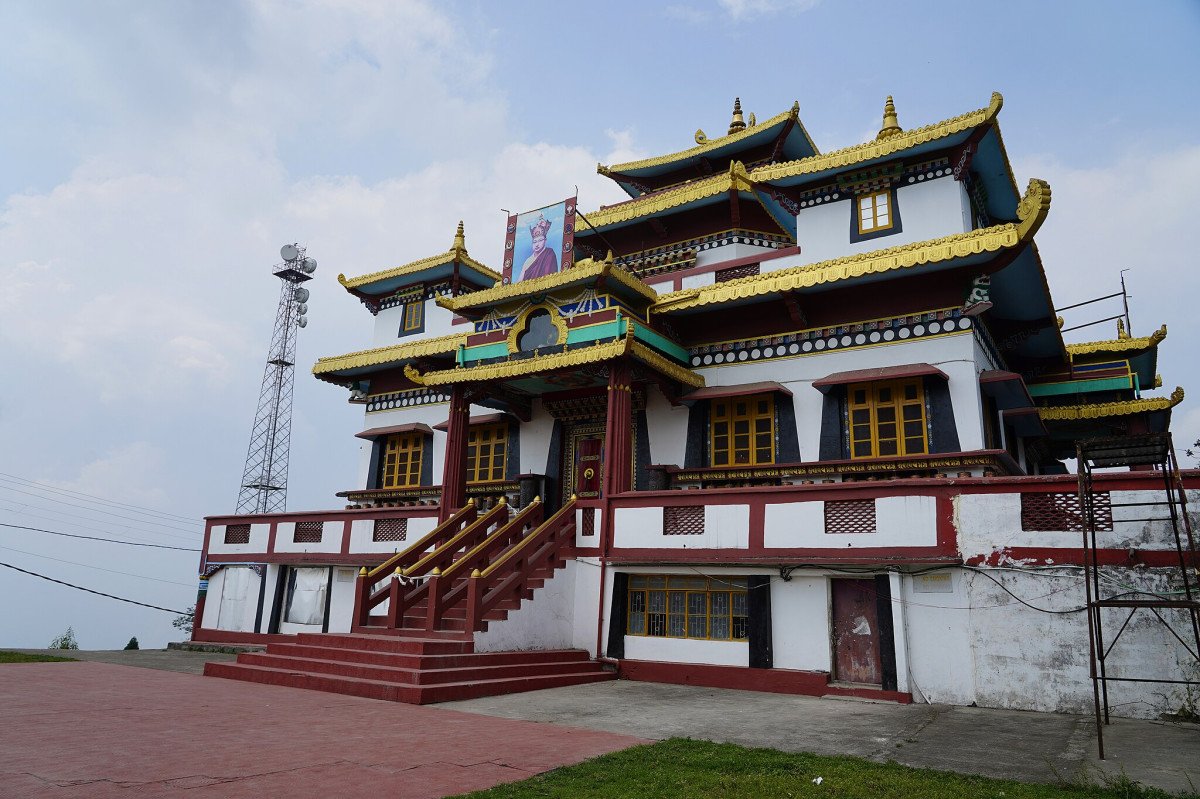
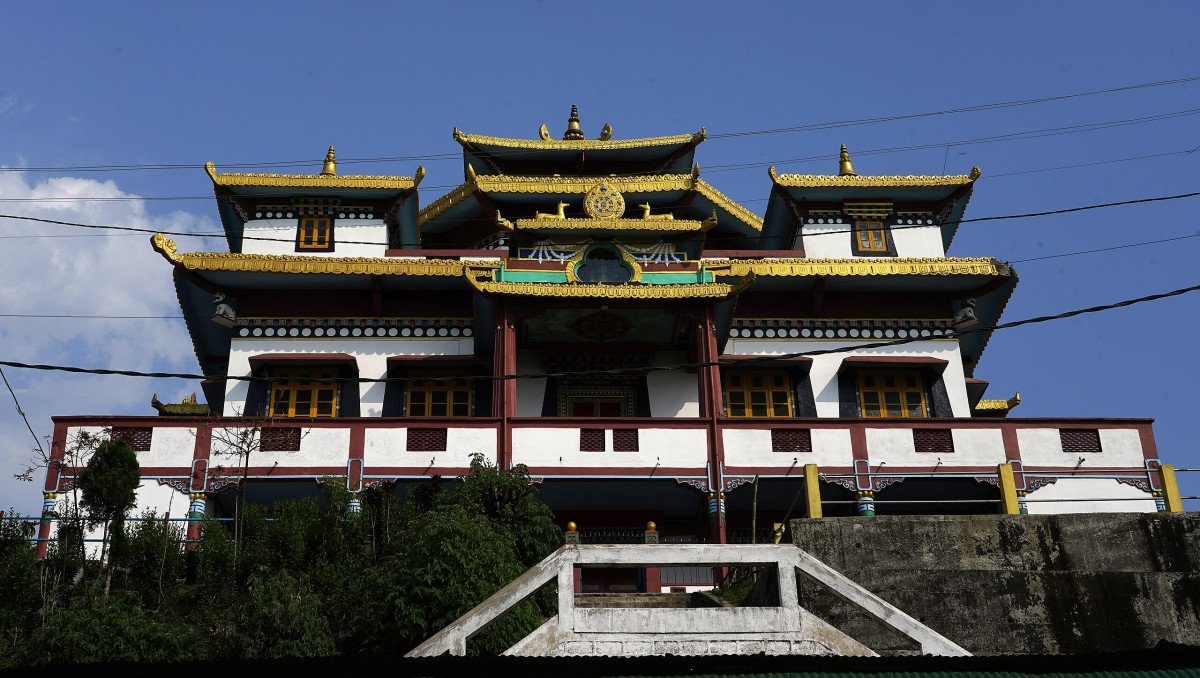
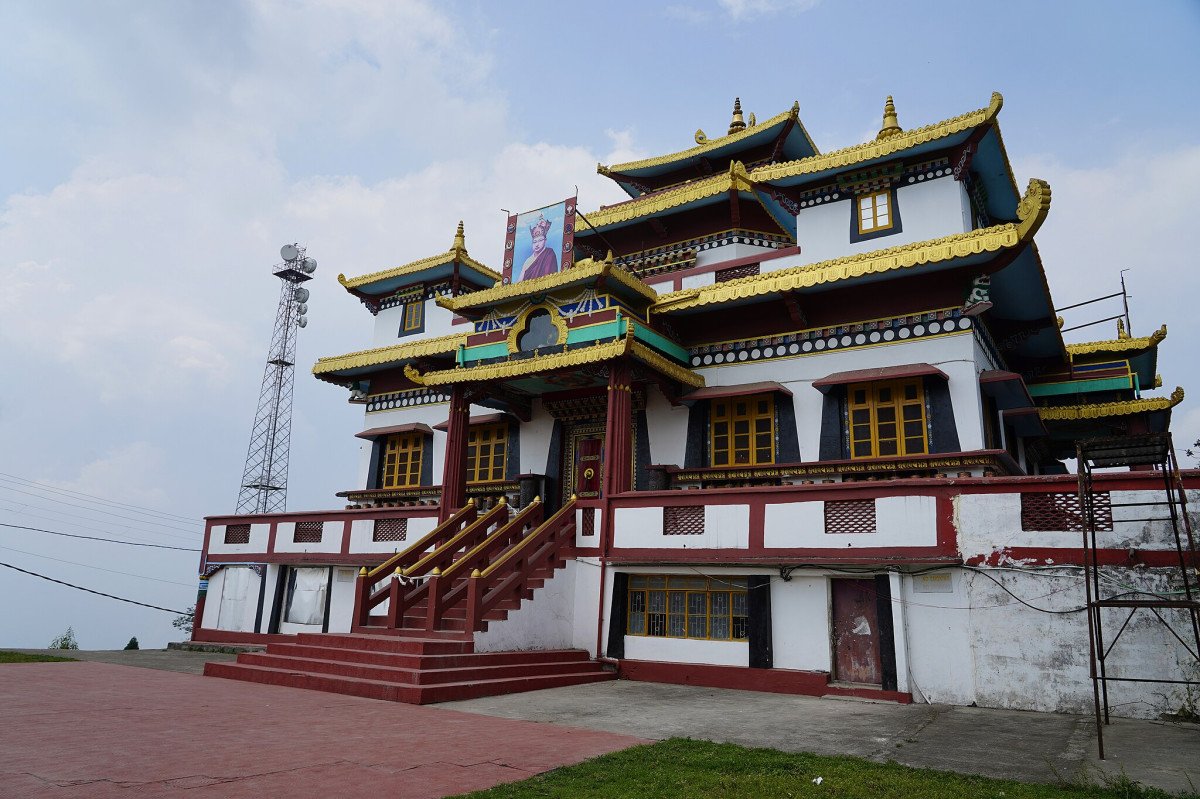
Gelugpa Architecture and Structural Symbolism: The Durpin Monastery adheres strictly to traditional Tibetan architectural principles, typical of the Gelug school, characterized by heavy wooden...Traditional Tibetan Style and Symbolic Features:
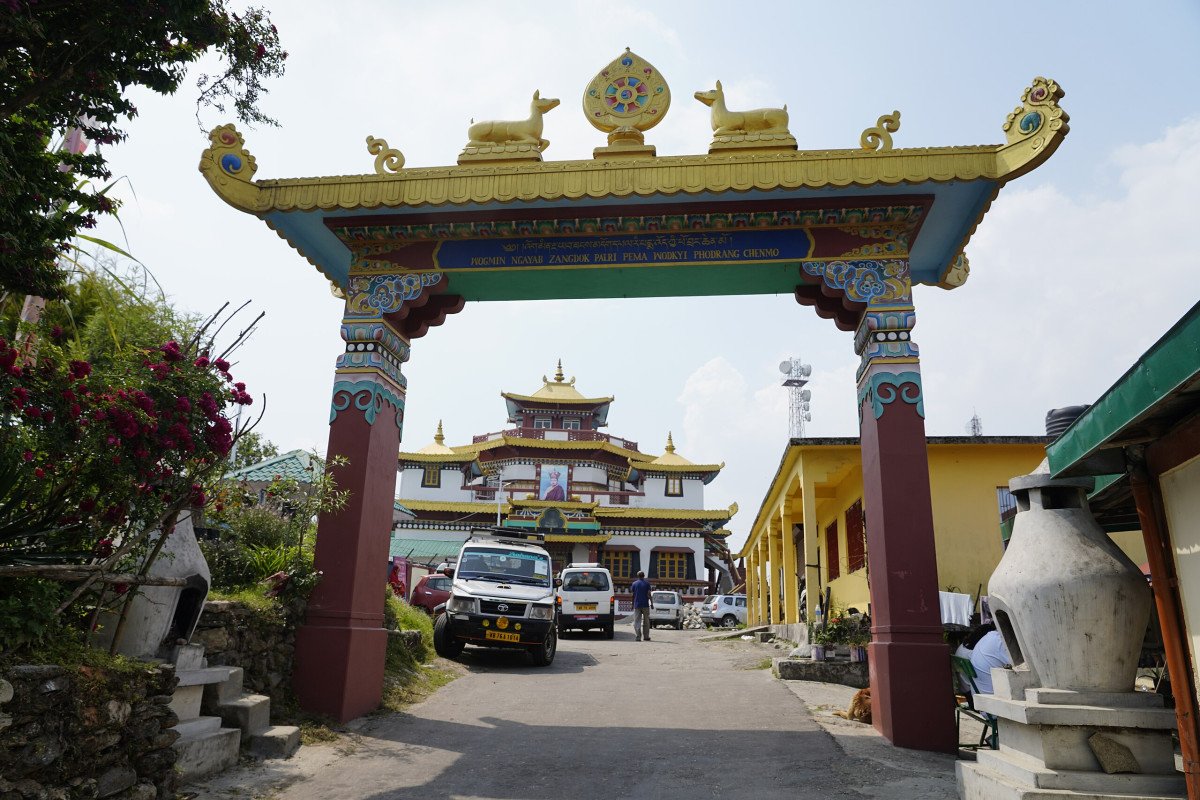
Gelugpa Architecture and Structural Symbolism: The Durpin Monastery adheres strictly to traditional Tibetan architectural principles, typical of the Gelug school, characterized by heavy wooden construction, vibrant colors (primarily maroon, yellow, and gold), and a tiered roof structure. The main prayer hall (Gompa) is robustly built to withstand Himalayan weather. It features thick, sloping walls and small, decorative windows. The entire complex is oriented to maximize spiritual flow, with key shrines arranged for clockwise circumambulation (Kora).
Main Hall Dimensions and Relic Storage:
Prayer Hall Scale and Sacred Repository Design: The central Gompa is a large, rectangular room, measuring approximately 28 meters in length and 14 meters in width, with soaring ceilings. Inside, the focus is the main altar, which holds the primary statues of Buddhist deities. Most importantly, the hall features special, highly decorated wooden cabinets built into the walls, designed specifically to securely house the 108 volumes of the Kanjur. These cabinets function as architectural shrines themselves, occupying a substantial wall space (roughly 10 meters long and 3 meters high) near the main altar. -
How To Reach:
By Air: The nearest airport is Bagdogra Airport (IXB) in Siliguri. Air Travel to Major Hub and Immediate Road Transfer: The distance to Kalimpong town is approximately 80 KMS. From IXB, hire a reserved taxi directly to Kalimpong (a 3 to 3. 5-hour journey). Once in the to...By Air: The nearest airport is Bagdogra Airport (IXB) in Siliguri. Air Travel to Major Hub and Immediate Road Transfer: The distance to Kalimpong town is approximately 80 KMS. From IXB, hire a reserved taxi directly to Kalimpong (a 3 to 3. 5-hour journey). Once in the town center, a local taxi is mandatory for the final 5. 5 KMS climb to Durpin Dara, as the road is too steep for long-distance cabs to easily navigate, requiring specialist local knowledge.
By Train: The principal railway station is New Jalpaiguri (NJP), about 75 KMS from Kalimpong.
Rail Connection and Hill Road Navigation: After arriving at NJP, board a shared or reserved taxi to Kalimpong town (about 3 hours). From the town market area, you must hire a local vehicle a small jeep or dedicated taxi to ascend to Durpin Dara Hill. This final leg takes about 20 minutes, and the fare should be negotiated as a round trip including waiting time.
By Road: Durpin Monastery is reached via a well-known, albeit very steep and winding, asphalt road leading up Durpin Hill. Dedicated Hill Road Drive and Local Expertise Requirement: While the road is motorable throughout the year, it is highly recommended to use a high-clearance vehicle like a jeep or SUV due to the gradient. Always hire a local driver from the Kalimpong area, as their knowledge of the challenging road conditions and specific turns is crucial for safety, especially during the monsoon months of July and August.
By Local Transport: Local taxis are the most reliable way to get to the monastery.
Final Ascent by Dedicated Taxi Hire: From the Kalimpong bus stand or market, hire a local cab for the dedicated uphill trip. Shared transport is rare for the final ascent. The journey is short but steep. Alternatively, the monastery is often the first stop in a full or half-day Kalimpong sightseeing package, which is the most convenient way to visit. -
Weather and Best Time to Visit:
Optimal Post-Monsoon Season: The months of October and November are unequivocally the best time for a visit.
Clearest Mountain Visibility and Ideal Climate: The atmosphere is at its cleanest following the summer monsoon, offering unparallel...Optimal Post-Monsoon Season: The months of October and November are unequivocally the best time for a visit.
Clearest Mountain Visibility and Ideal Climate: The atmosphere is at its cleanest following the summer monsoon, offering unparalleled views of the Kanchenjunga range. The weather is cool, sunny, and perfect for walking and outdoor photography, though light woolens are necessary.
Summer/Spring Season: The period from March to May is also highly recommended.
Floral Blooms and Mild Warmth: During this time, the surrounding hills are in full bloom, especially with rhododendrons, and the weather is pleasantly warm, making the journey comfortable. Mountain views are generally good, although slightly less consistent than in the post-monsoon period.
Different Parts of the Day:
Early Morning Viewpoint and Midday Solitude: Be at the viewpoint before 9:00 AM for the best light on the mountains. If your primary goal is spiritual reflection or viewing the monastery artifacts without large crowds, the mid-afternoon (2:00 PM to 4:00 PM) is typically quieter, as most day-trippers have moved on. -
Near Tourist Places:
Army Golf Course: 1. 5 KMS (Scenic leisure area)
Kalimpong Market: 5. 5 KMS (Shopping hub)
Pine View Cactus Nursery: 6 KMS (Floral attraction)
Deolo Hill: 11 KMS (Highest viewpoint)
Morgan House: 7. 5 KMS (Historic guesthouse)
Mangal Dham Temple: 7 KMS (Hindu temple) Dr.
Graham s Homes: 9. 5 KMS (Historic school)
Tharpa Choling Monastery: 4. 5 KMS (Historic Gelug site)
Samthar Valley: 30 KMS (Trekking base)
Lava: 34 KMS (Forest town)
Tourism Tips
-
Health & Safety (Wind Chill and Footwear): Layered Clothing for Wind Chill and Sturdy Footwear: The hill is extremely exposed to wind, and the wind chill factor can be significant, even on a sunny day. Pack a windproof jacket and wear sturdy, comfortable shoes for the walk...Health & Safety (Wind Chill and Footwear): Layered Clothing for Wind Chill and Sturdy Footwear: The hill is extremely exposed to wind, and the wind chill factor can be significant, even on a sunny day. Pack a windproof jacket and wear sturdy, comfortable shoes for the walk up the slopes. Always remain within the designated viewing areas and be cautious near railings.
Packing Essentials (Camera and Modest Attire):
Photography Gear and Respectful Dressing: Bring a zoom lens if you are serious about capturing the distant Kanchenjunga details. When entering the monastery's main prayer hall, remember to dress modestly (covering shoulders and knees) and mandatory remove your shoes and hats before stepping inside the temple premises. Accommodation and Planning (Town-based Exploration): Central Town Stay for Convenience and Sightseeing Routes: The best option is to stay in a hotel or homestay in Kalimpong town center. Durpin Monastery is an easily managed half-day trip from the town. You should combine this visit with the nearby Army Golf Club and perhaps the Cactus Nurseries to create an efficient sightseeing loop.
Other Tips (Silence and Cultural Respect):
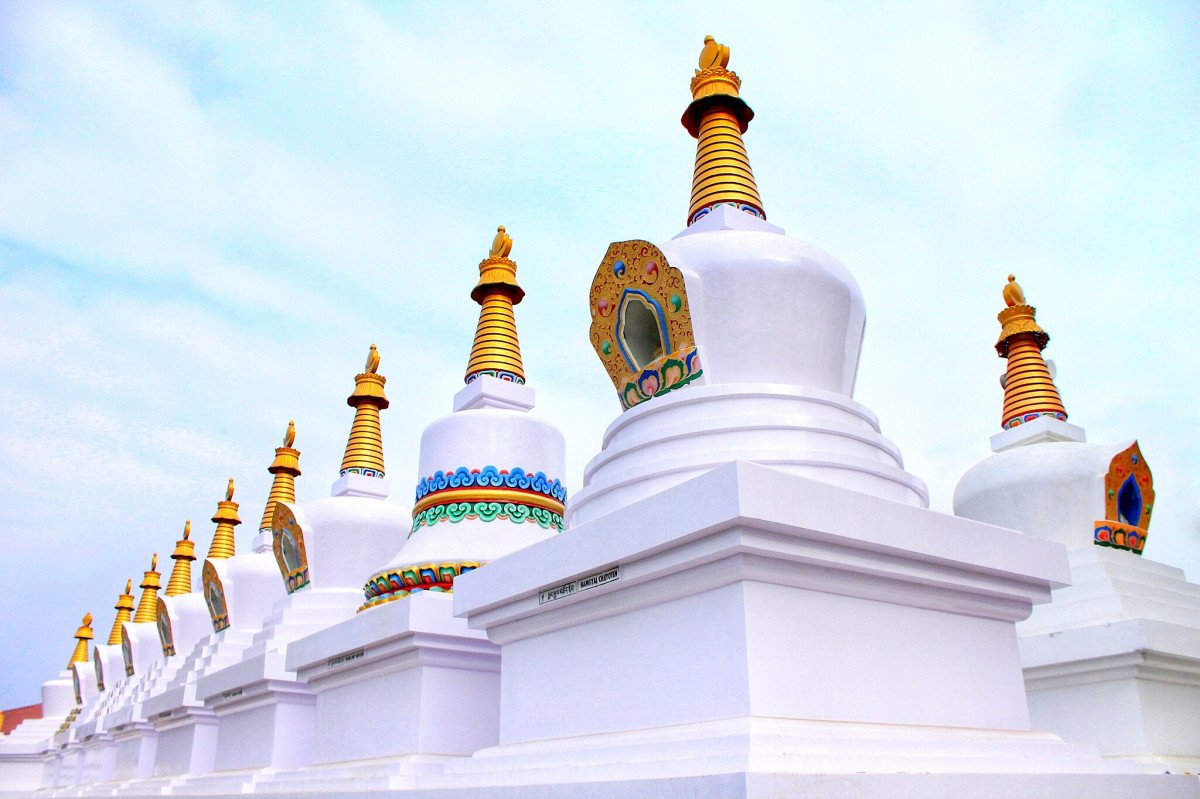
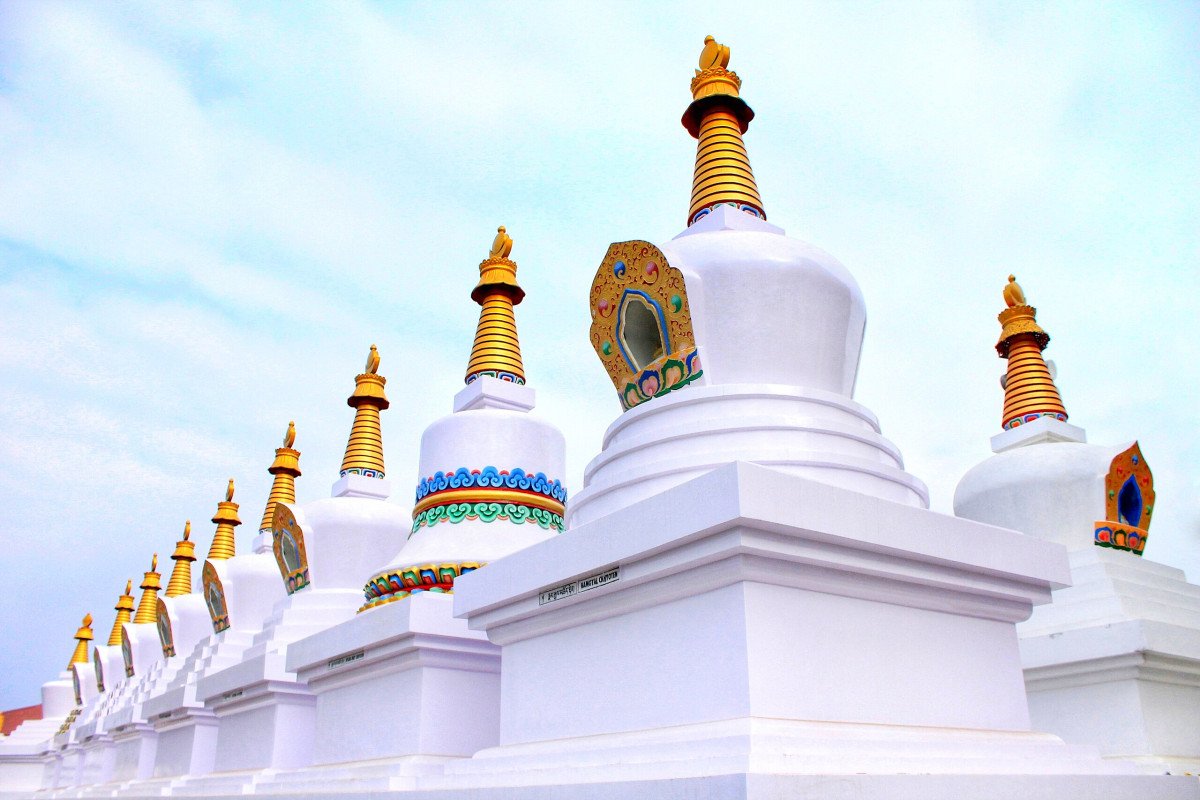
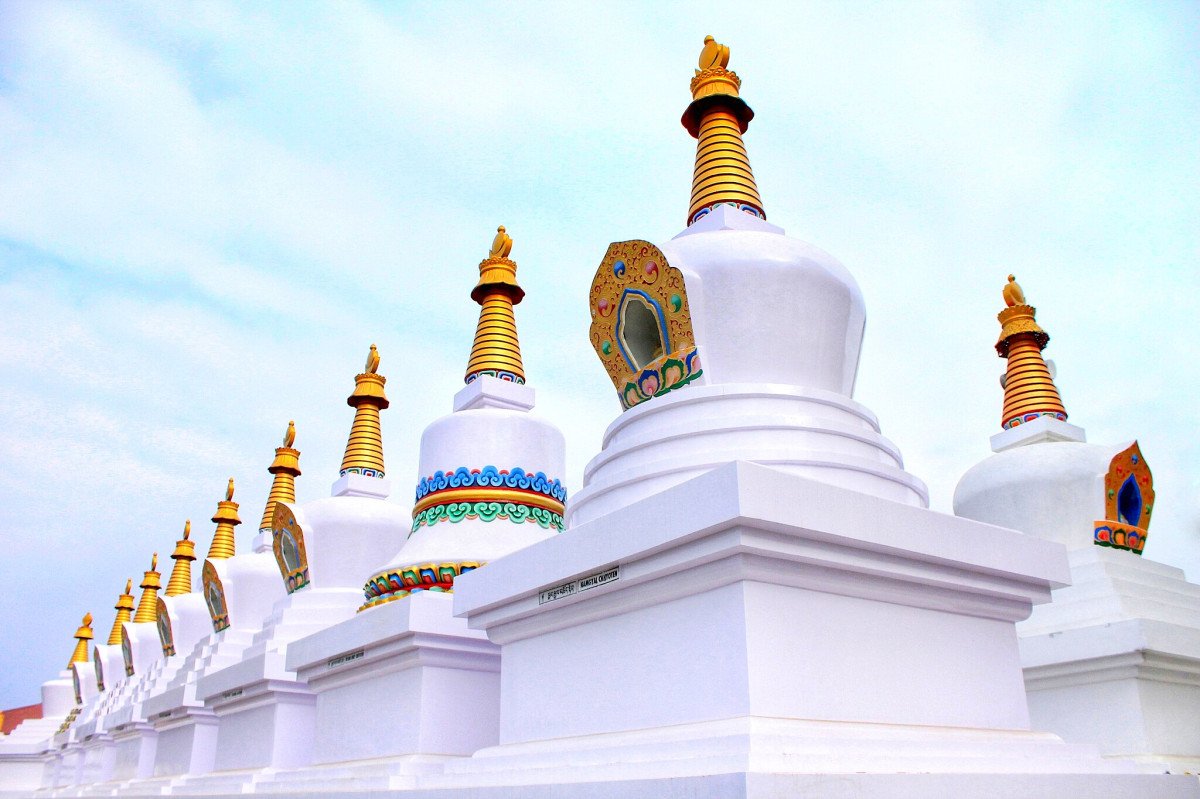
Protocol for Sacred Sites and Monastic Life: Inside the Gompa, maintain absolute silence and respect the monks' privacy. Walk clockwise around all religious structures (stupas, prayer wheels). Do not touch the sacred texts or point your feet at the main deities, which is considered highly disrespectful in Buddhist culture.
Reviews
FAQs
Ans:- "Durpin" in the local language means "binoculars." The hill was so named because it served as a vantage point for the British and later the Indian Army to observe the surrounding valleys and mountain passes. The panoramic view from the top truly justifies the name, as you can see for miles in every direction, making it an strategically and aesthetically important location for both military and spiritual purposes.Ans:- Early morning and late afternoon are the best times to visit. In the morning, you might catch the monks during their prayers and the air is very fresh. In the late afternoon, the light is perfect for photography, and the sunset views from the hill are magnificent. These times are also quieter, allowing you to experience the true serenity and spiritual energy of the monastery.Ans:- It is important because it houses the Kangyur, a collection of 108 volumes of sacred Tibetan Buddhist scriptures that were brought out of Tibet following the Chinese invasion. These texts are highly revered. The monastery also serves as an important center for religious studies and rituals. The peaceful and high-altitude location is considered ideal for meditation and spiritual practices, attracting monks and devotees from all over the world.Ans:- The monastery features stunning Tibetan architecture with colorful murals, intricate wood carvings, and beautiful thangkas (scroll paintings). The main prayer hall is grand and houses a large statue of Lord Buddha. The exterior is adorned with vibrant colors and traditional Buddhist motifs. The three-dimensional mandalas on the top floor are particularly noteworthy for their detail and spiritual symbolism, representing the dwelling places of various deities.Ans:- The monastery is generally open to visitors from 9:00 AM to 5:00 PM. It is important to remember that it is an active place of worship, so visitors should be quiet and respectful. Sometimes the main prayer hall might be closed during specific ritual hours or lunch breaks, but the grounds and the viewpoints are usually accessible throughout the day. There is no entry fee to visit the monastery.Ans:- The monastery is located about 5 kilometers from the main Kalimpong town center. You can easily hire a taxi or take a local bus to reach Durpin Hill. The drive is quite scenic and passes through the Kalimpong Cantonment area. Many people also enjoy walking up to the monastery, which takes about 45 minutes to an hour and offers great views along the way.Ans:- The official name of the Durpin Monastery is Zang Dhok Palri Phodang. It was consecrated by the Dalai Lama in 1976. The monastery is situated atop Durpin Hill, one of the two main hills in Kalimpong. It is a significant center for Tibetan Buddhism and belongs to the Gelugpa sect. It is a masterpiece of Tibetan architecture and houses many sacred artifacts and scriptures.Ans:- Visitors are often welcome to witness the morning or evening prayer sessions (pujas) where monks chant and play traditional instruments like drums and long horns. These sessions are deeply moving and provide a unique cultural experience. It is important to sit quietly at the back and not disturb the monks. The timings vary, so it is best to ask at the monastery once you arrive.Ans:- While there is no separate museum building, the monastery itself acts as a living museum. The collection of sacred scriptures, the detailed mandalas, and the traditional artwork are all of great historical and cultural value. The monks are sometimes willing to explain the significance of various items to interested visitors, providing an educational experience that is both deep and authentic.Ans:- Yes, besides the monastery, you can visit the Golf Course nearby, which is one of the most scenic in the country. There is also the Morgan House, a historic British-era colonial bungalow that is now a tourist lodge. The entire Durpin Hill area is great for long walks, offering beautiful vistas and a chance to see colonial architecture and the well-maintained military area.Ans:- Yes, the area around Durpin Monastery is a major station for the Indian Army. You will pass through a beautifully maintained cantonment area on your way up. Because of this, the roads are excellent and the surroundings are very clean and green. Sometimes there are security checks, so it is always good to carry a photo ID. The presence of the army adds to the overall discipline and beauty of the hill.Ans:- Yes, the monastery is relatively easy to visit for elderly people. Taxis can drop you right at the entrance, so there is very little walking required to reach the main prayer hall. There are a few steps to enter the monastery buildings, but they are manageable. The peaceful environment and the availability of benches to sit and enjoy the view make it a comfortable outing for senior citizens.Ans:- Yes, visitors are expected to follow certain rules of decorum. You must remove your shoes before entering the prayer halls. Dress modestly, covering your shoulders and knees. Do not touch the statues or religious artifacts. Photography is usually allowed on the grounds, but it is often restricted or forbidden inside the main prayer hall—always look for signs or ask a resident monk for permission before taking photos.Kalimpong Itineray And Cost:-
Durpin Monastery Tourism:-
Information about New and Updated Locations() of West Bengal Has Been Added :-
Card subtitle
Note:-
Information provided here in good Faith and for reference only.
Near Places

7th Mile Viewpoint
Some quick example text to build on the card title and make up the bulk of the card's content.
Go somewhere
Ahal Dara Viewpoint
Some quick example text to build on the card title and make up the bulk of the card's content.
Go somewhere
Bara Mangwa
Some quick example text to build on the card title and make up the bulk of the card's content.
Go somewhere
Changey Falls
Some quick example text to build on the card title and make up the bulk of the card's content.
Go somewhere
Chatakpur
Some quick example text to build on the card title and make up the bulk of the card's content.
Go somewhere
Chota Mangwa
Some quick example text to build on the card title and make up the bulk of the card's content.
Go somewhere
Deolo Hill
Some quick example text to build on the card title and make up the bulk of the card's content.
Go somewhere
Dr. Graham s Homes
Some quick example text to build on the card title and make up the bulk of the card's content.
Go somewhere
Durpin Dara Hill
Some quick example text to build on the card title and make up the bulk of the card's content.
Go somewhere
Durpin Monastery
Some quick example text to build on the card title and make up the bulk of the card's content.
Go somewhere
Gauripur House
Some quick example text to build on the card title and make up the bulk of the card's content.
Go somewhere
Icchey Gaon
Some quick example text to build on the card title and make up the bulk of the card's content.
Go somewhere
Kalimpong Science Centre
Some quick example text to build on the card title and make up the bulk of the card's content.
Go somewhere
Kolakham
Some quick example text to build on the card title and make up the bulk of the card's content.
Go somewhere
Latpanchar
Some quick example text to build on the card title and make up the bulk of the card's content.
Go somewhere
Mangal Dham
Some quick example text to build on the card title and make up the bulk of the card's content.
Go somewherein Other Cities